
Bruce MacKellar (@brucemackellar) 's Twitter Profile
Bruce MacKellar

@brucemackellar

MSU Field Crops Pest Management Educator

ID: 902236681

calendar_today24-10-2012 17:17:31

39 Tweet

34 Takipçi

54 Takip Edilen

Bruce MacKellar (@brucemackellar) 's Twitter Profile Photo

Late season defoliation, soybean aphids on the increase in Van Buren County Soybean Fields. Many early planted soybean fields are nearing maturity. Lots of later planted beans down here. Some defoliation caused by grasshoppers. Maybe AGB too? Not that many grasshoppers seen.

Late season defoliation, soybean aphids on the increase in Van Buren County Soybean Fields.  Many early planted soybean fields are nearing maturity.  Lots of later planted beans down here.  Some defoliation caused by grasshoppers.  Maybe AGB too?  Not that many grasshoppers seen.
Bruce MacKellar (@brucemackellar) 's Twitter Profile Photo

Fields with single species weed escapes that are not only in a field edge or a sprayer pattern edge (repeating pattern) should be high priority. Lots of Giant Ragweed in fields in southwest Michigan this summer...

Bruce MacKellar (@brucemackellar) 's Twitter Profile Photo

Grasshopper numbers were higher in other fields I walked. Cabbage Loopers may be the more likely culprit. Check the undersides of the leaves. Saw more of these on closer inspection in other fields walked later in the day.

Bruce MacKellar (@brucemackellar) 's Twitter Profile Photo

What starts out on one side of the road can quickly spread. It is important to deal with herbicide resistant weeds when the infestation is first found. Especially with marestail. Christy Sprague's MSU Control Suggestions: canr.msu.edu/weeds/extensio…

What starts out on one side of the road can quickly spread.  It is important to deal with herbicide resistant weeds when the infestation is first found.  Especially with marestail.  Christy Sprague's MSU Control Suggestions: canr.msu.edu/weeds/extensio…
Bruce MacKellar (@brucemackellar) 's Twitter Profile Photo

20 days after planting, 5 inches of wet snow (2 days later), and after 3+ inches of rainfall, this soybean field is beginning to show signs of cracking the soil just before emergence. Will look for signs of chilling injury as the field progresses...

20 days after planting, 5 inches of wet snow (2 days later), and after 3+ inches of  rainfall, this soybean field is beginning to show signs of cracking the soil just before emergence.  Will look for signs of chilling injury as the field progresses...
Bruce MacKellar (@brucemackellar) 's Twitter Profile Photo

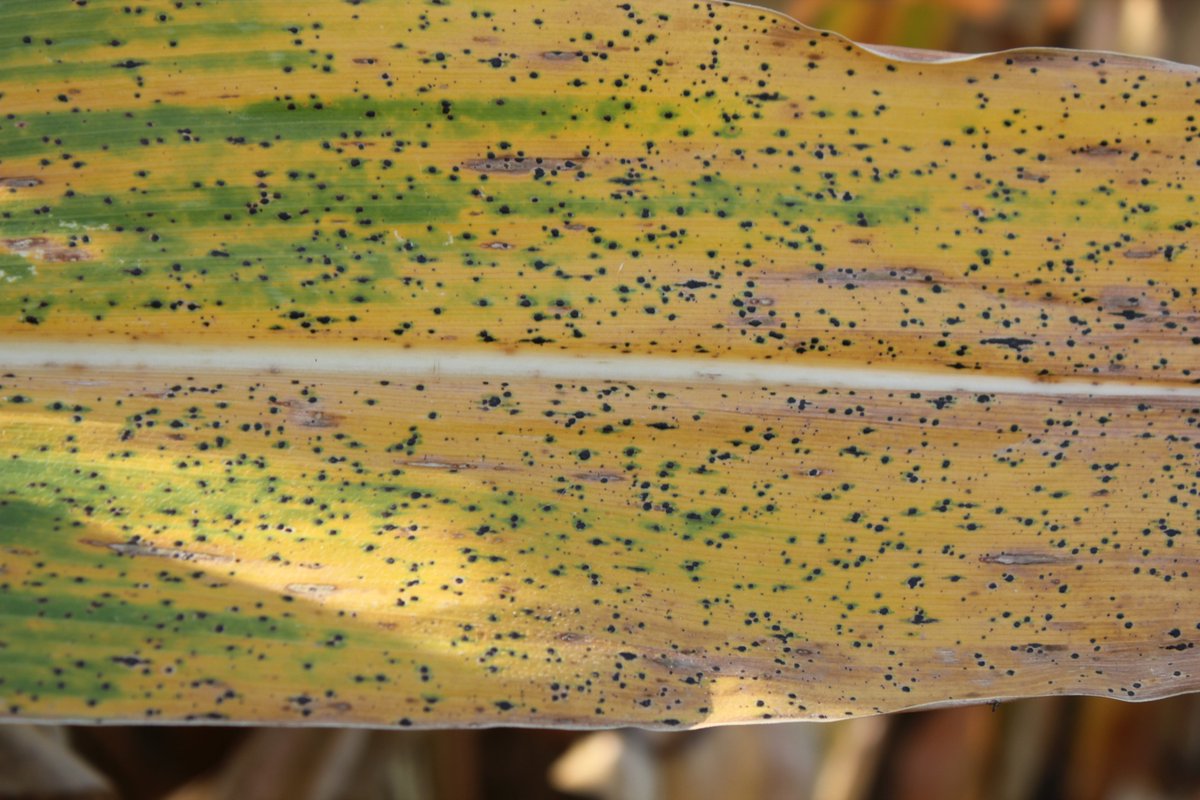
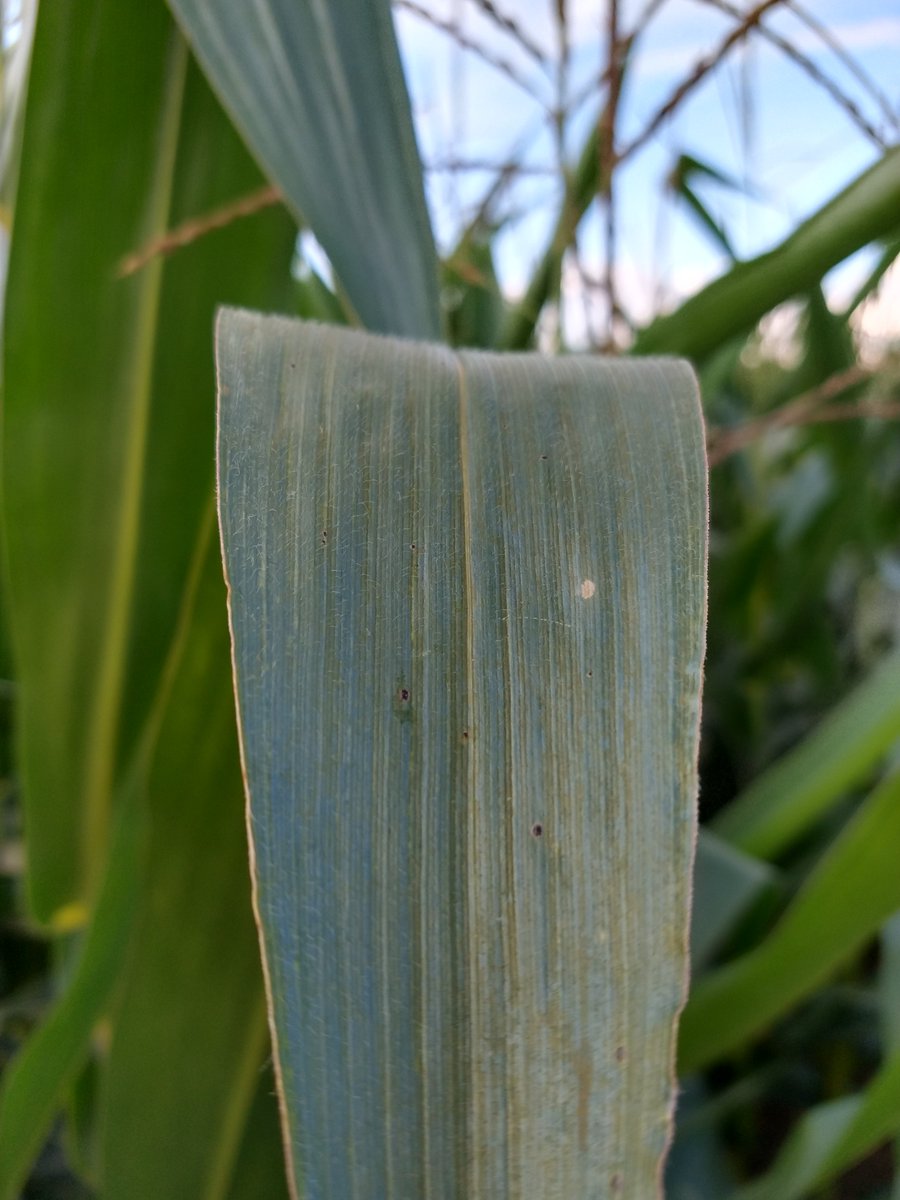
Tar spot is on the increase across west Michigan, especially on irrigated fields. Until yesterday, I had not seen tar spot symptoms on more than 1-2 plants per 100 consecutive while scouting. This field (NE of Holland) had multiple lesions on many plants in some areas.

Tar spot is on the increase across west Michigan, especially on irrigated fields.  Until yesterday, I had not seen tar spot symptoms on more than 1-2 plants per 100 consecutive while scouting.  This field (NE of Holland) had multiple lesions on many plants in some areas.
Bruce MacKellar (@brucemackellar) 's Twitter Profile Photo

MSU Extension Tar Spot Fungicide Trial Field Day -- Wednesday, September 18, 2019 2:00 - 5:00 PM 6270 116th Ave. Fennville, MI 49408 Host: Dr. Martin Chilvers, MSU Field Crops Entomologist There is no cost for this program. For more info, click: tinyurl.com/MSUTSPOT

MSU Extension Tar Spot Fungicide Trial Field Day -- Wednesday, September 18, 2019
2:00 - 5:00 PM

6270 116th Ave. Fennville, MI  49408
Host:  Dr. Martin Chilvers, MSU Field Crops Entomologist
There is no cost for this program.  For more info, click:

tinyurl.com/MSUTSPOT
Bruce MacKellar (@brucemackellar) 's Twitter Profile Photo

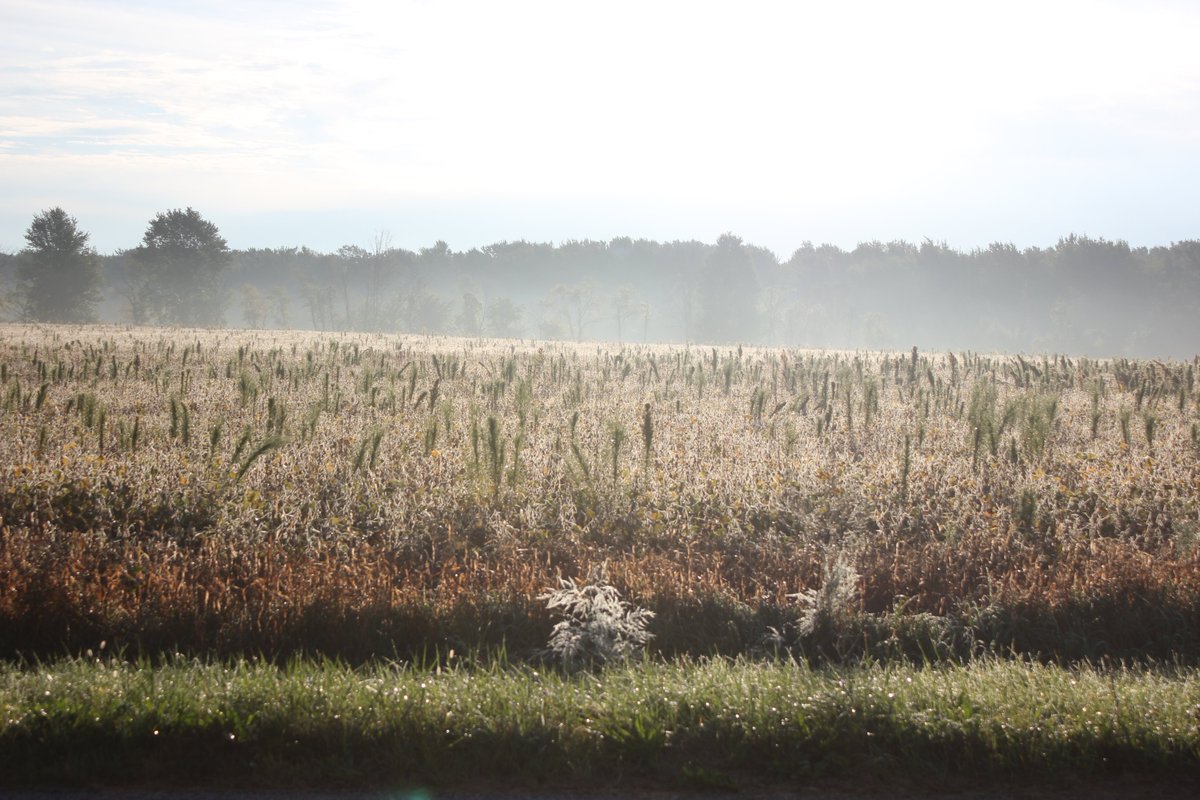
Big increase in the number of dry-land corn fields showing visible signs of decline from tar spot in southwest Michigan this week. This likely will hurt yield potential for many later planted fields, many of which have not reached R5 (Dent).

Big increase in the number of dry-land corn fields showing visible signs of decline from tar spot in southwest Michigan this week.  This likely will hurt yield potential for many later planted fields, many of which have not reached R5 (Dent).
Bruce MacKellar (@brucemackellar) 's Twitter Profile Photo

MSU Field Crops Pathologist Marty Chilver's Tar Spot Fungicide Field Day will be held August 18, 2019 from 2:00 - 5:00 PM at 6270 116th Ave., Fennville, MI 49408

MSU Field Crops Pathologist Marty Chilver's Tar Spot Fungicide Field Day will be held August 18, 2019 from 2:00 - 5:00 PM at 6270 116th Ave., Fennville, MI  49408
Bruce MacKellar (@brucemackellar) 's Twitter Profile Photo

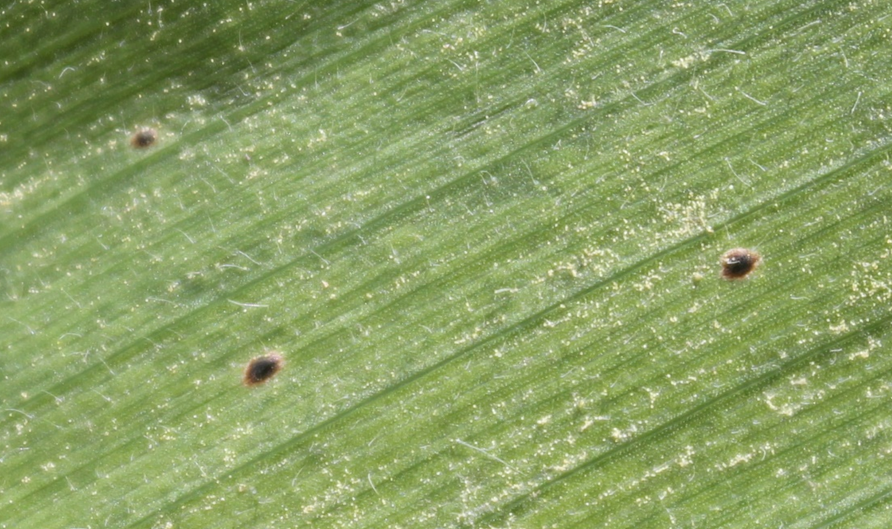
It is time to begin to check corn fields for tar spot in southwest Michigan in earnest once again. The cooler weather and recent rainfall have set the stage for potential development of the disease. Fields in the Decatur area do have tar spot lesions on the lower leaf canopy.

Bruce MacKellar (@brucemackellar) 's Twitter Profile Photo

Western Bean Cutworm moths still flying in southwest Michigan. Early egg masses have hatched and larvae are heading up the plant. Threshold for treatment is when a cumulative 5% of the plants have egg masses. See Difonzo's Fast Fonz Facts-July 24, 2020. tinyurl.com/yxzkyd2q

Western Bean Cutworm moths still flying in southwest Michigan.  Early egg masses have hatched and larvae are heading up the plant.  Threshold for treatment is when a cumulative 5% of the plants have egg masses.  See Difonzo's Fast Fonz Facts-July 24, 2020. tinyurl.com/yxzkyd2q
Bruce MacKellar (@brucemackellar) 's Twitter Profile Photo

Tar spot moving up the canopy fast on some irrigated fields in Southwest Michigan. Some evidence that spores infected the upper leaves first, denoting aerial spread. Well above the 1-2 lesions per upper leaf threshold. Zoom in on the picture to see in better detail. #TarSpot

Tar spot moving up the canopy fast on some irrigated fields in Southwest Michigan.  Some evidence that spores infected the upper leaves first, denoting aerial spread.  Well above the 1-2 lesions per upper leaf threshold.  Zoom in on the picture to see in better detail. #TarSpot
Bruce MacKellar (@brucemackellar) 's Twitter Profile Photo

The Fungicide Efficacy for Control of Corn Diseases Table is an excellent resource for fungicide options for controlling corn leaf disease. The bulletin, CPN-2011-W, is produced by the Corn Disease Working Group. tinyurl.com/y64wjsh6

Bruce MacKellar (@brucemackellar) 's Twitter Profile Photo

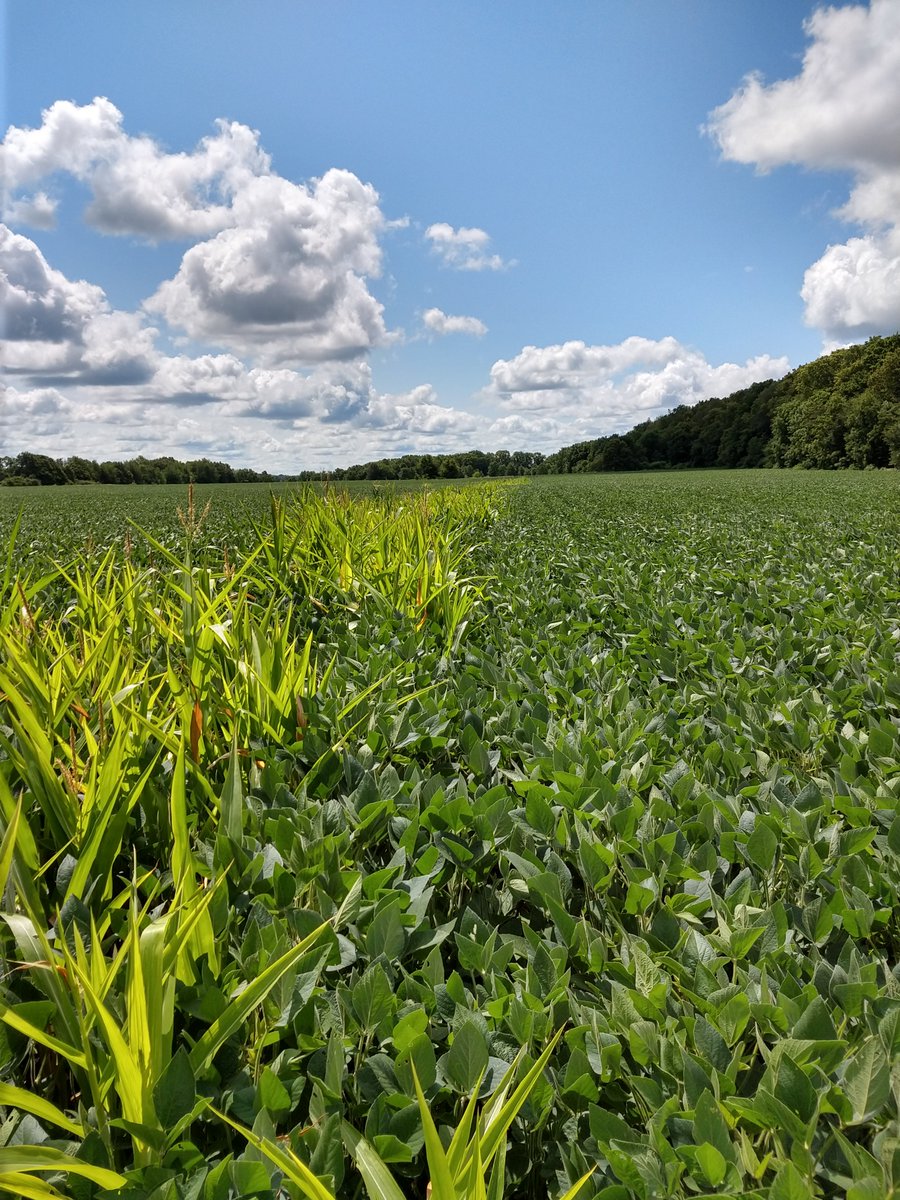
Legacy of tar spot in 2019. Small strip not treated with clethodim this early summer in heavily impacted field last fall in Van Buren County. #tarspot #@MSUEFieldCrops

Legacy of tar spot in 2019.  Small strip not treated with clethodim this early summer in heavily impacted field last fall in Van Buren County.  #tarspot #@MSUEFieldCrops
Bruce MacKellar (@brucemackellar) 's Twitter Profile Photo

Legacy of tar spot in 2019. This small strip was missed with clethodim earlier in the summer in a field heavily impacted by tar spot last fall in Van Buren County. Stalk strength was greatly compromised in the field, resulting in heavy volunteer corn. #tarspot MSU Extension Field Crops

Legacy of tar spot in 2019.  This small strip was missed with clethodim earlier in the summer in a field heavily impacted by tar spot last fall in Van Buren County.  Stalk strength was greatly compromised in the field, resulting in heavy 
volunteer corn. #tarspot <a href="/MSUEFieldCrops/">MSU Extension Field Crops</a>
Bruce MacKellar (@brucemackellar) 's Twitter Profile Photo

Rainfall this morning brought relief from drought stress near Decatur Mi. With heavy rains expected tonight, fields like this June 1st planted corn (R2) are likely to be vulnerabe to tar spot until R5.5, most likely September 15. Scout fields regularly. #tar spot.

Rainfall this morning brought relief from drought stress near Decatur Mi.  With heavy rains expected tonight, fields like this June 1st planted corn (R2) are likely to be vulnerabe to tar spot until R5.5, most likely September 15.  Scout fields regularly.  #tar spot.
Bruce MacKellar (@brucemackellar) 's Twitter Profile Photo

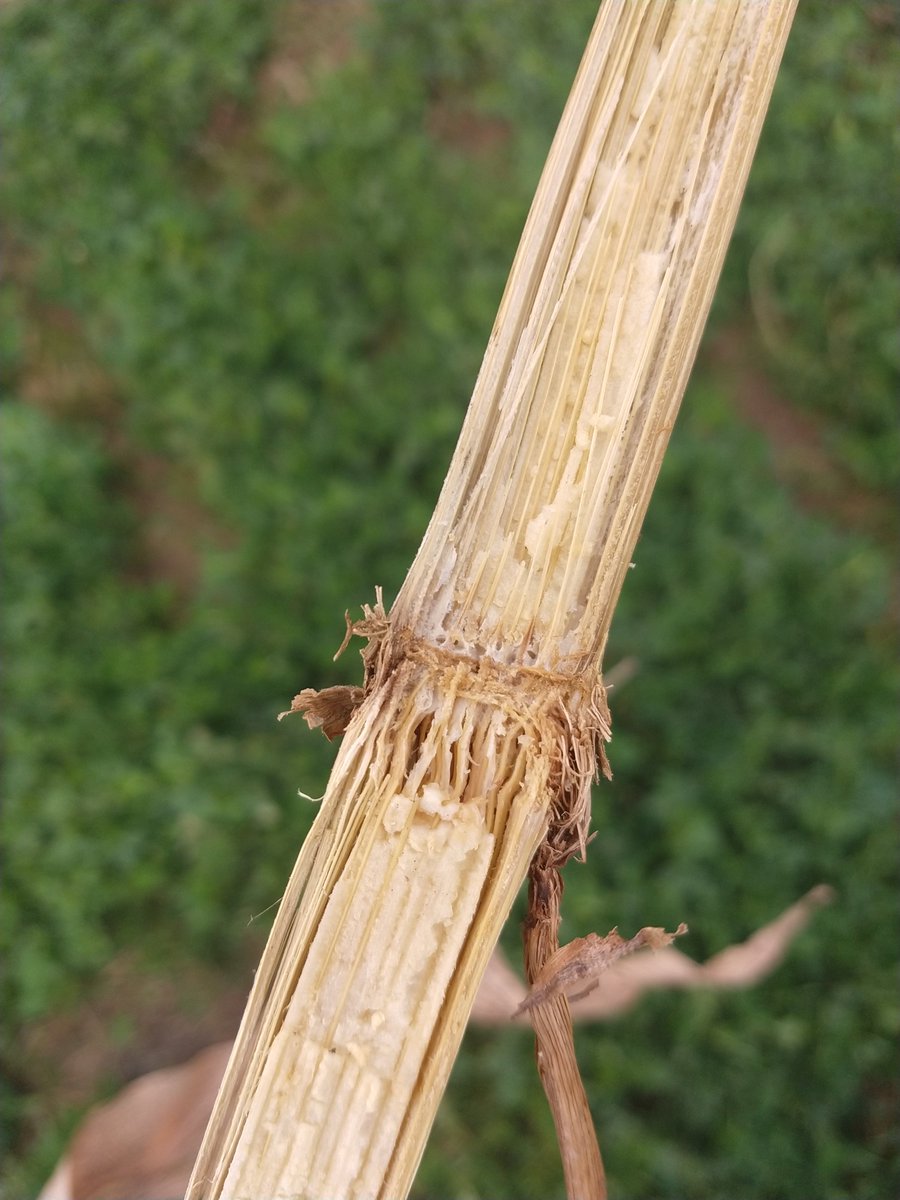
Keep an eye out for stalk decline in corn fields with tar spot lesions. Starting to be able to find stalks where you can pinch a segment and topple the plants over. Not all fields are impacted the same.

Keep an eye out for stalk decline in corn  fields with tar spot lesions.  Starting to be able to find stalks where you can pinch a segment and topple the plants over.  Not all fields are impacted the same.