Amro (@bboyamir) 's Twitter Profile
Amro

@bboyamir

A Foucauldian Genealogy of Cybernetic Subjectivity is the name of an art piece

ID: 67821995

calendar_today22-08-2009 05:17:58

411 Tweet

78 Followers

109 Following

Valerio Capraro (@valeriocapraro) 's Twitter Profile Photo

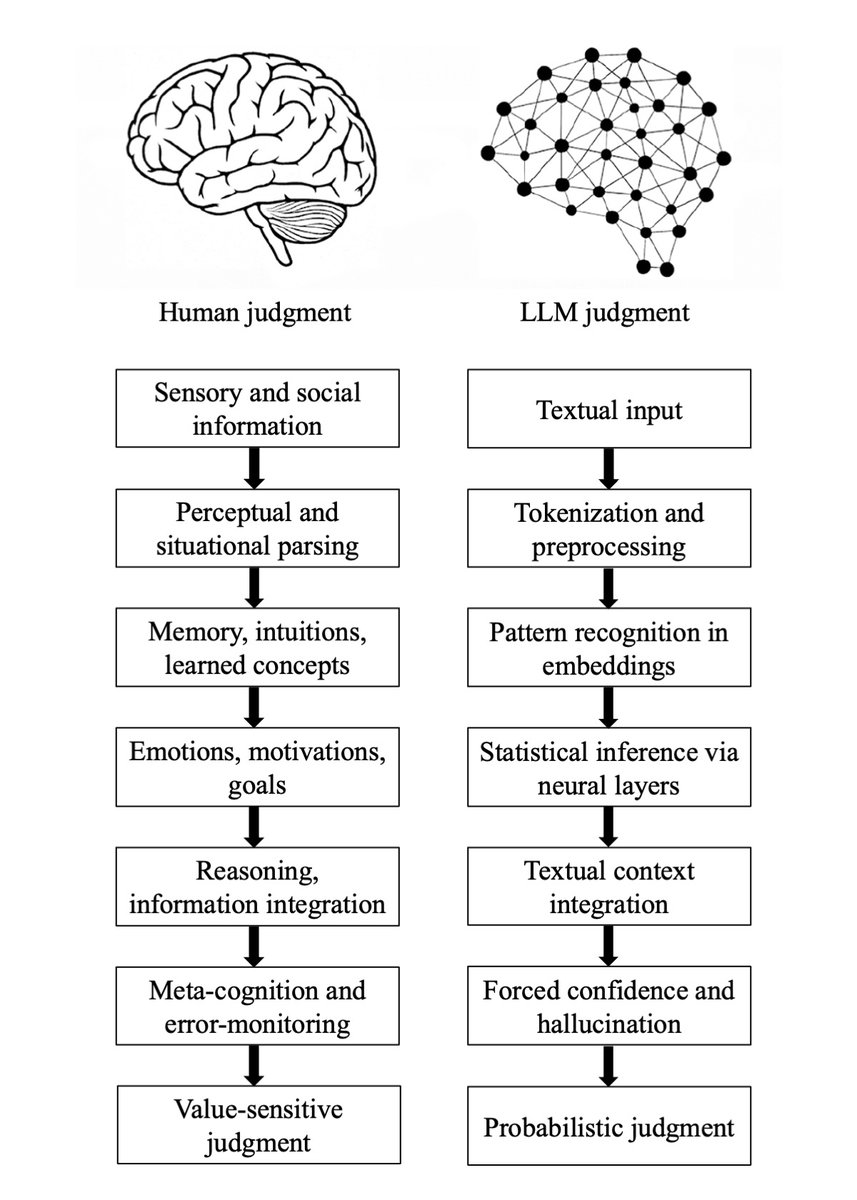
Major preprint just out! We compare how humans and LLMs form judgments across seven epistemological stages. We highlight seven fault lines, points at which humans and LLMs fundamentally diverge: The Grounding fault: Humans anchor judgment in perceptual, embodied, and social

Major preprint just out!

We compare how humans and LLMs form judgments across seven epistemological stages. 

We highlight seven fault lines, points at which humans and LLMs fundamentally diverge:

The Grounding fault: Humans anchor judgment in perceptual, embodied, and social
CR (@luscofusch) 's Twitter Profile Photo

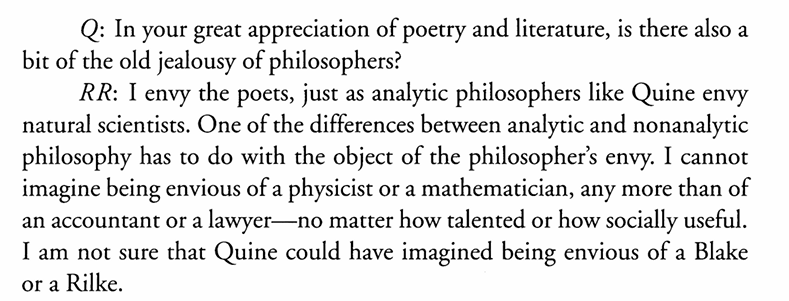
«One of the differences between analytic and nonanalytic philosophy has to do with the object of the philosopher's envy.»

«One of the differences between analytic and nonanalytic philosophy has to do with the object of the philosopher's envy.»
Amro (@bboyamir) 's Twitter Profile Photo

Conscious life is simply the state of existence in which you are divorced from your unobserved possibilities. In death you reunite with them.

Natural Philosophy (@naturalphilosy) 's Twitter Profile Photo

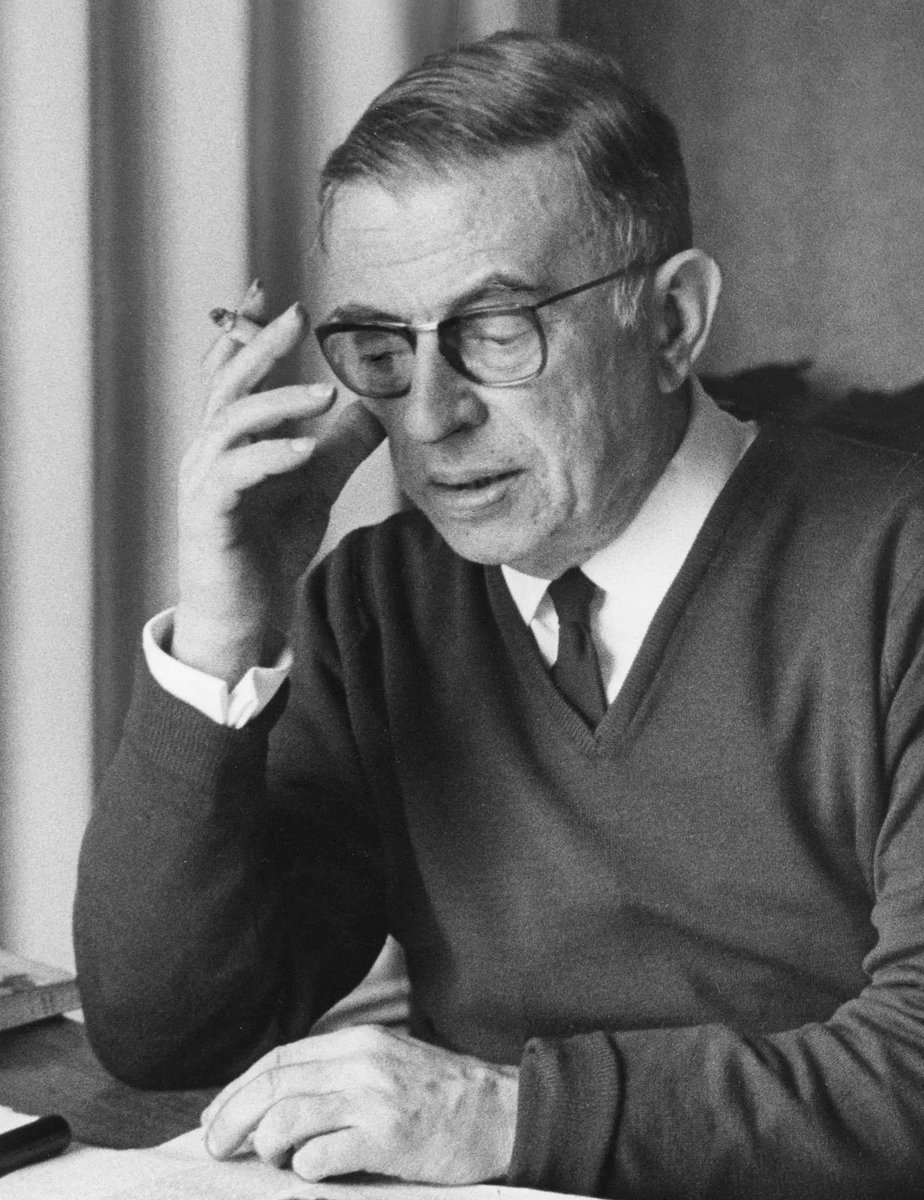
“I have led a toothless life. A toothless life. I have never bitten into anything. I was waiting. I was reserving myself for later on—and I have just noticed that my teeth have gone.” — Jean-Paul Sartre

“I have led a toothless life. A toothless life. I have never bitten into anything. I was waiting. I was reserving myself for later on—and I have just noticed that my teeth have gone.”

— Jean-Paul Sartre
Roger This (@rogerthisdell) 's Twitter Profile Photo

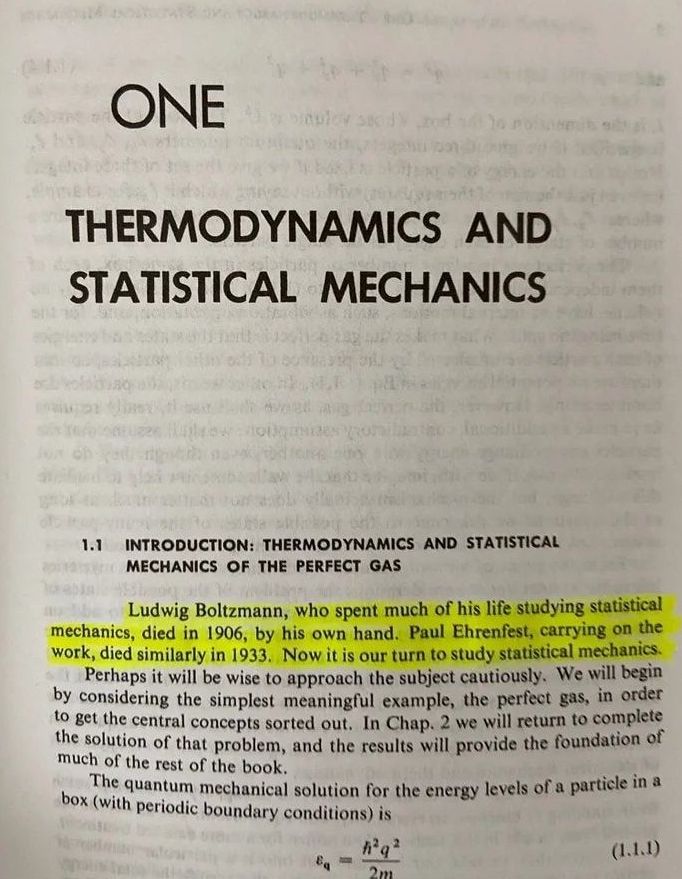
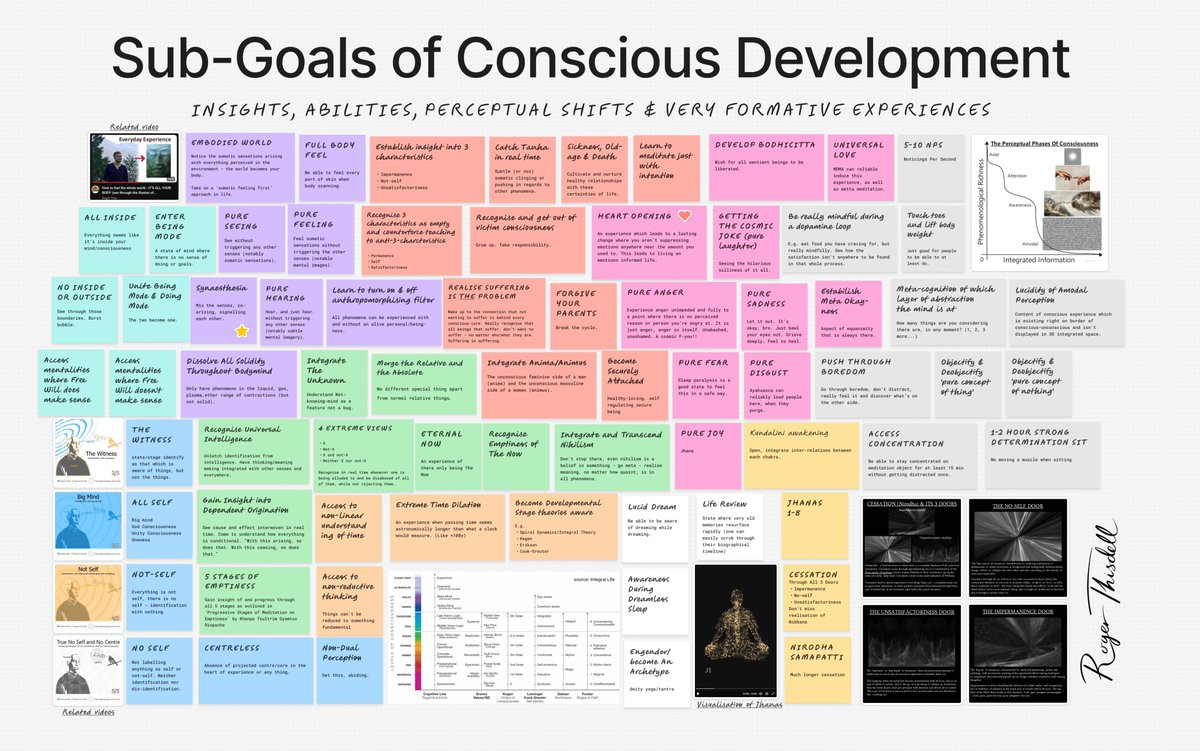
Zoom in 🔎 The word 'goal' is demonised a lot in spiritual circles, and although no achievement of any goal will be ultimately satisfying (I don't believe in any final capital-G Goal), having something more clear to aim for can give direction in life, be incredibly motivating and

Zoom in 🔎
The word 'goal' is demonised a lot in spiritual circles, and although no achievement of any goal will be ultimately satisfying (I don't believe in any final capital-G Goal), having something more clear to aim for can give direction in life, be incredibly motivating and
Big Brain Philosophy (@bigbrainphiloso) 's Twitter Profile Photo

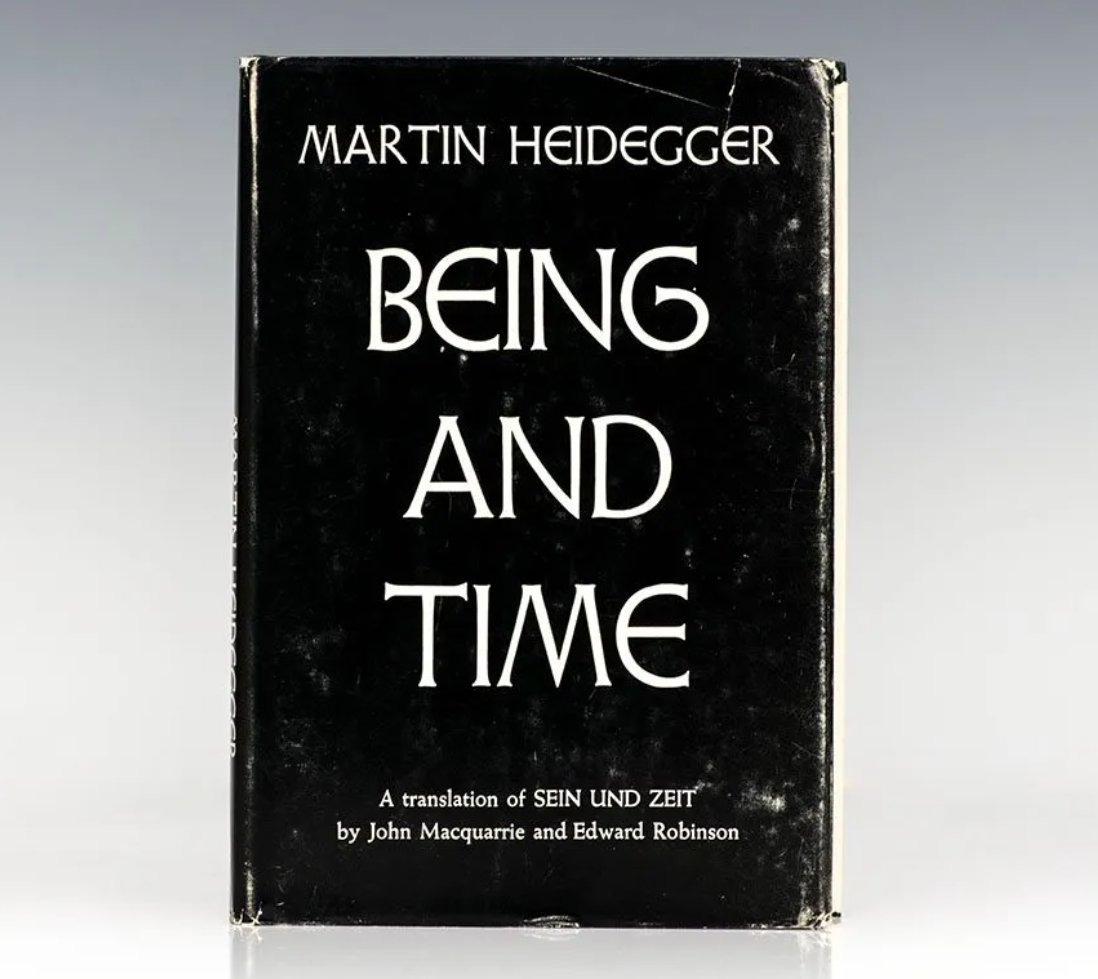
Most people are living someone else's life. Not because they were forced to, but because they never stopped to ask whose voice was making their choices. Martin Heidegger spent his entire life diagnosing this problem and building a way out. Since Descartes in the 1600s, Western

Most people are living someone else's life. Not because they were forced to, but because they never stopped to ask whose voice was making their choices.

Martin Heidegger spent his entire life diagnosing this problem and building a way out.

Since Descartes in the 1600s, Western
Defender (@defenderofbasic) 's Twitter Profile Photo

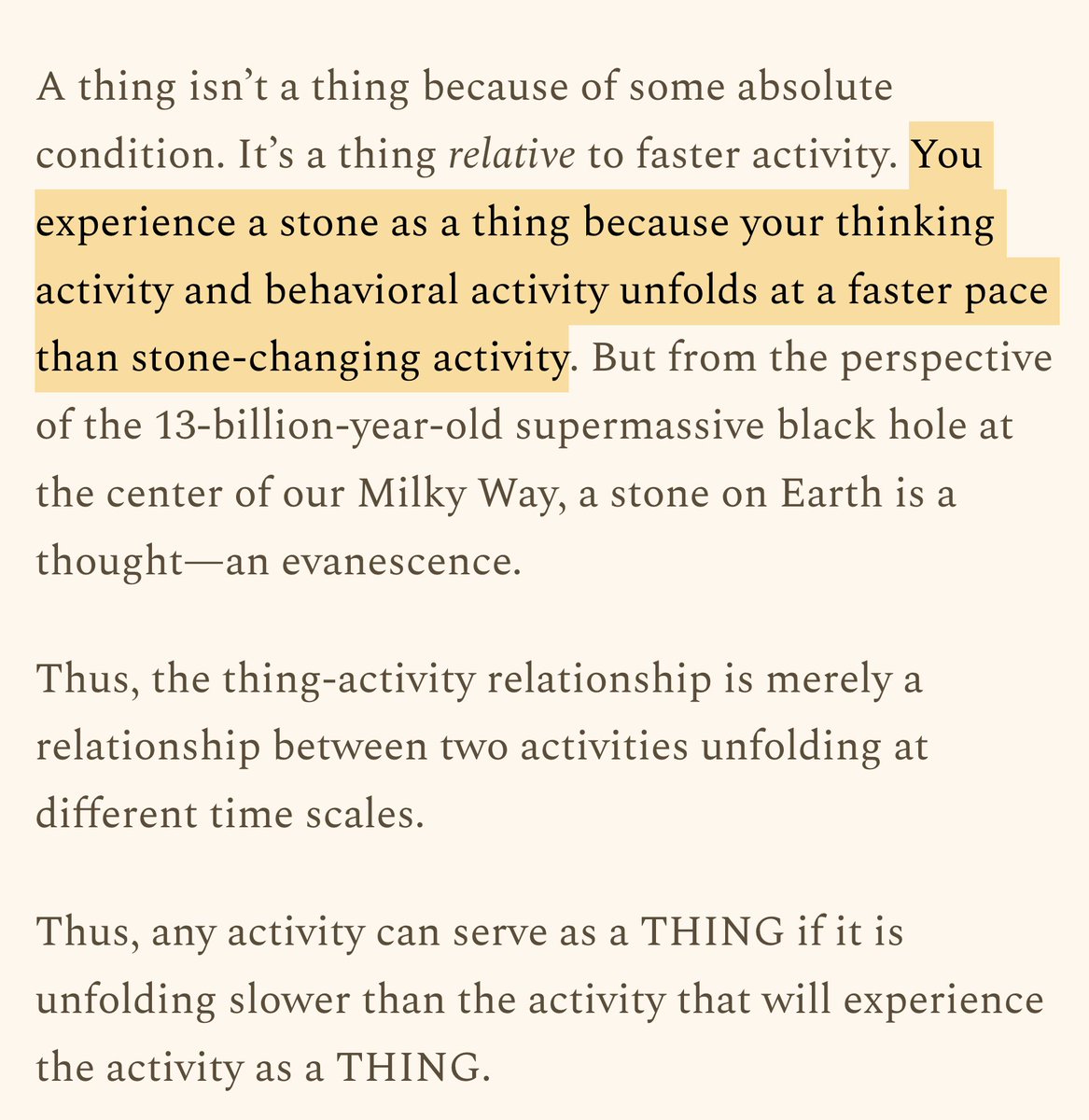
What makes a "thing" a thing is its relative frequency. Fast activity can perceive slow activities. Slow activities cannot (easily) perceive faster activities (or perceive them as "multiple distinct things")

What makes a "thing" a thing is its relative frequency. Fast activity can perceive slow activities. Slow activities cannot (easily) perceive faster activities (or perceive them as "multiple distinct things")
Dr John Vervaeke (@drjohnvervaeke) 's Twitter Profile Photo

You cannot stand outside yourself to point at the source of your awareness. Why? Because the moment you try to point at it, you're already viewing from a new position...however, this apparent limitation reveals something profound: -> You can trace a trajectory of awareness

The Principia (@theprincipiaa) 's Twitter Profile Photo

The mathematician plays a game in which he himself invents the rules while the physicist plays a game in which the rules are provided by nature, but as time goes on it becomes increasingly evident that the rules which the mathematician finds interesting are the same as those

The mathematician plays a game in which he himself invents the rules while the physicist plays a game in which the rules are provided by nature, but as time goes on it becomes increasingly evident that the rules which the mathematician finds interesting are the same as those
Sara Imari Walker (@sara_imari) 's Twitter Profile Photo

If you see the world as computation you are guilty of seeing it through the zeitgeist of our time, just as most of us in generations past have done. I’m much more interested in what ideas we can generate now that can help our descendants than I am interested in claiming victory

Jake Orthwein (@jakeorthwein) 's Twitter Profile Photo

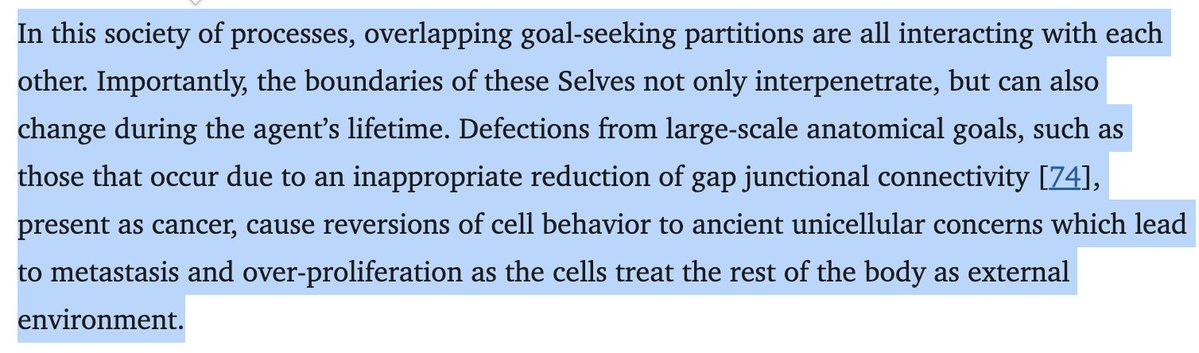
has anyone made the mike levin/bodhisattva critique of e/acc? (e.g. "accelerating self-organizing complexity without expanding sphere of care/cognitive light cone is just cancer") via: pmc.ncbi.nlm.nih.gov/articles/PMC91…

has anyone made the mike levin/bodhisattva critique of e/acc? 

(e.g. "accelerating self-organizing complexity without expanding sphere of care/cognitive light cone is just cancer")

via: pmc.ncbi.nlm.nih.gov/articles/PMC91…