Astronomy Today (@astronomytodayy) 's Twitter Profile
Astronomy Today

@astronomytodayy

Sharing today’s astronomy news and timeless cosmic wonders. 🌌

ID: 1966606760950853634

calendar_today12-09-2025 20:56:25

7 Tweet

2 Followers

130 Following

Astronomy Today (@astronomytodayy) 's Twitter Profile Photo

NASA has unveiled one of the closest images ever captured of Jupiter—and the detail is truly stunning. Swirling cloud patterns, enormous storms, and chaotic bands sweep across the planet, each one far larger than Earth itself. These massive systems have been active for

NASA has unveiled one of the closest images ever captured of Jupiter—and the detail is truly stunning.

Swirling cloud patterns, enormous storms, and chaotic bands sweep across the planet, each one far larger than Earth itself. These massive systems have been active for
Astronomy Today (@astronomytodayy) 's Twitter Profile Photo

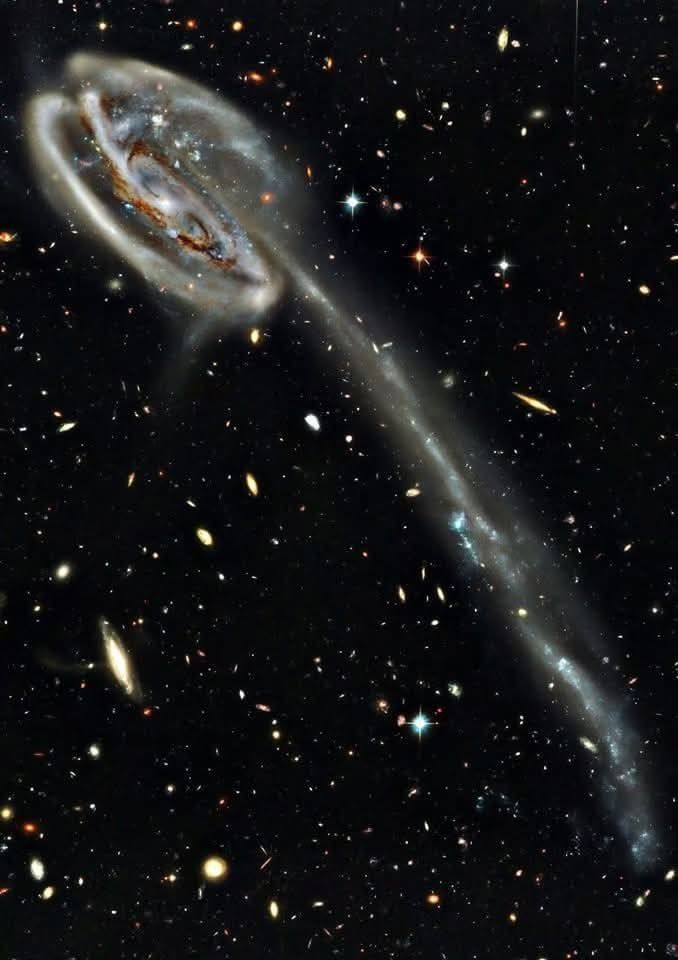
The Tadpole galaxy by Hubble, Its eye-catching tail is about 280,000 light-years long. Also known as UGC 10214 and Arp 188, it is a disrupted barred spiral galaxy located 420 million light-years from Earth in the northern constellation Draco. Credit Image: NASA/ESA/HST/STScI.

The Tadpole galaxy by Hubble, Its eye-catching tail is about 280,000 light-years long. Also known as UGC 10214 and Arp 188, it is a disrupted barred spiral galaxy located 420 million light-years from Earth in the northern constellation Draco. Credit Image: NASA/ESA/HST/STScI.
Astronomy Today (@astronomytodayy) 's Twitter Profile Photo

Needle Galaxy Captured with ZWO ASI071MC, stacking 115 × 180s exposures to bring out its subtle structure and contrast. EdgeHD 8" @ 2032mm ZWO ASI071MC Processed in PixInsight Credit: Brandon O’Meal #ZWO #Astrophotography #Galaxy #NeedleGalaxy #astronomy

Needle Galaxy

Captured with ZWO ASI071MC, stacking 115 × 180s exposures to bring out its subtle structure and contrast.

EdgeHD 8" @ 2032mm
ZWO ASI071MC
Processed in PixInsight
Credit: Brandon O’Meal

#ZWO #Astrophotography #Galaxy #NeedleGalaxy #astronomy
Astronomy Today (@astronomytodayy) 's Twitter Profile Photo

That’s one of the clearest pictures of Jupiter 😊🌖🎇🎆 Taken from NASA 🌠⭐️💫 Tip on it to see the whole picture ❣️

That’s one of the clearest pictures of Jupiter 😊🌖🎇🎆 Taken from NASA 🌠⭐️💫
Tip on it to see the whole picture ❣️
Astronomy Today (@astronomytodayy) 's Twitter Profile Photo

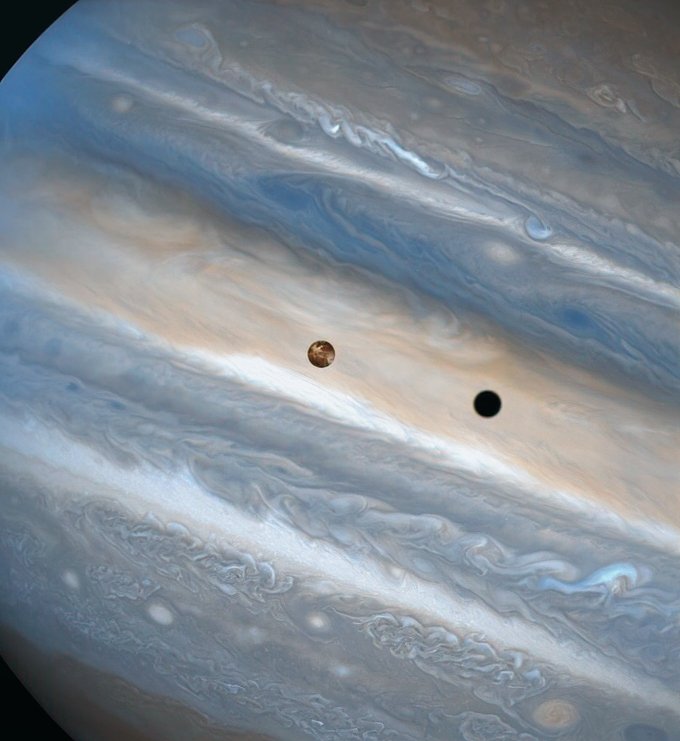
People don't realize how big Jupiter actually is. That tiny brown speck? That's Io. A moon with mountains taller than Everest and volcanoes that shoot lava 300 miles into space. The black dot next to it is just its shadow. Jupiter could swallow 1,300 Earths and still have room

People don't realize how big Jupiter actually is.

That tiny brown speck? That's Io. A moon with mountains taller than Everest and volcanoes that shoot lava 300 miles into space.

The black dot next to it is just its shadow.

Jupiter could swallow 1,300 Earths and still have room
Astronomy Today (@astronomytodayy) 's Twitter Profile Photo

Witness the splendour of the Tarantula Nebula, a breathtaking star factory in the LMC galaxy, 160,000 light-years away. This nebula hosts some of the heaviest stars ever discovered! (Credit: ESA/Hubble & NASA, C. Murray

Witness the splendour of the Tarantula Nebula, a breathtaking star factory in the LMC galaxy, 160,000 light-years away.

This nebula hosts some of the heaviest stars ever discovered!

(Credit: ESA/Hubble & NASA, C. Murray
Astronomy Today (@astronomytodayy) 's Twitter Profile Photo

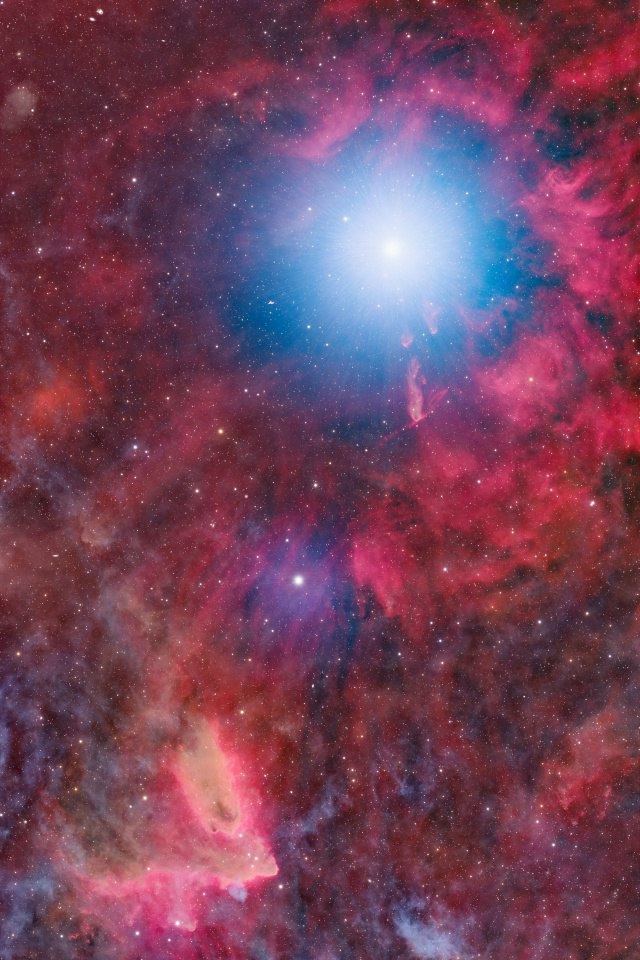
The blue flame of Rigel and the red color of hydrogen nebulae in Farshad Mohammadi's 22-hour exposure were captured using the 91mm Petzval refractor.

The blue flame of Rigel and the red color of hydrogen nebulae in Farshad Mohammadi's 22-hour exposure were captured using the 91mm Petzval refractor.
Astronomy Today (@astronomytodayy) 's Twitter Profile Photo

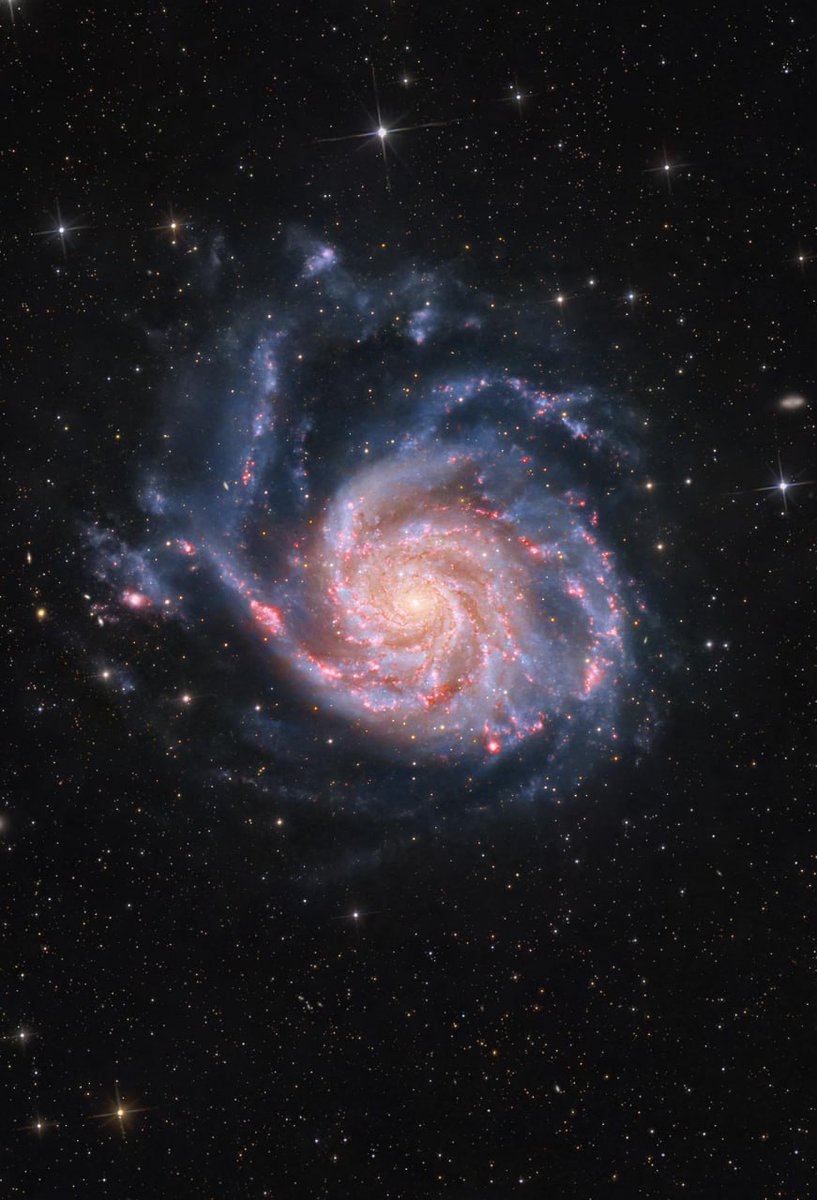
This striking new view of the Pinwheel Galaxy combines X-ray light from Chandra with other types of light from ground-based observations, Hubble, and XMM-Newton. The galaxy is roughly 170,000 light-years across, making it about 70% larger than our own Milky Way Galaxy.🌀

This striking new view of the Pinwheel Galaxy combines X-ray light from Chandra with other types of light from ground-based observations, <a href="/NASAHubble/">Hubble</a>, and XMM-Newton. The galaxy is roughly 170,000 light-years across, making it about 70% larger than our own Milky Way Galaxy.🌀
Astronomy Today (@astronomytodayy) 's Twitter Profile Photo

Captured in intricate detail by Hubble, this shimmering region of star formation is a close-up of the Trifid Nebula about 5,000 light-years from Earth. Several massive stars have shaped this region for at least 300,000 years. Learn more >> go.nasa.gov/4cIU6Pr

Captured in intricate detail by <a href="/NASAHubble/">Hubble</a>, this shimmering region of star formation is a close-up of the Trifid Nebula about 5,000 light-years from Earth.

Several massive stars have shaped this region for at least 300,000 years. 

Learn more &gt;&gt; go.nasa.gov/4cIU6Pr
Astronomy Today (@astronomytodayy) 's Twitter Profile Photo

Messier 101 - The Pinwheel Galaxy A spiral galaxy in the constellation Ursa Major, located approximately 22 million light-years away.

Messier 101 - The Pinwheel Galaxy

A spiral galaxy in the constellation Ursa Major, located approximately 22 million light-years away.
Astronomy Today (@astronomytodayy) 's Twitter Profile Photo

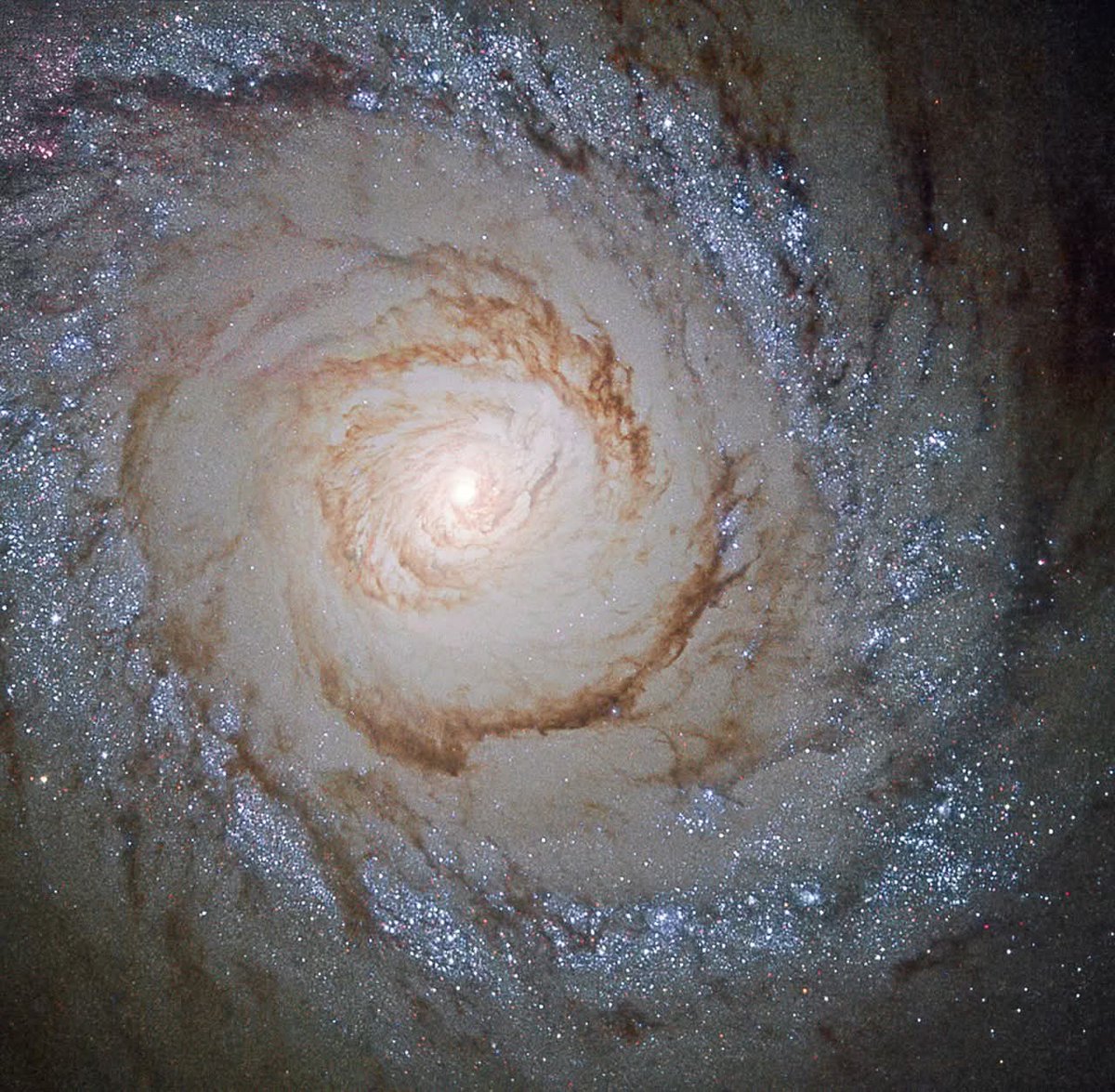
Starburst Galaxy Messier 94: A Cosmic Fireworks DisplayImagine a breathtaking island universe, just 15 million light-years away in the constellation Canes Venatici—the Hunting Dogs. Messier 94 is a stunning face-on spiral galaxy spanning about 30,000 light-years, with graceful

Starburst Galaxy Messier 94: 
A Cosmic Fireworks DisplayImagine a breathtaking island universe, just 15 million light-years away in the constellation Canes Venatici—the Hunting Dogs. Messier 94 is a stunning face-on spiral galaxy spanning about 30,000 light-years, with graceful
Astronomy Today (@astronomytodayy) 's Twitter Profile Photo

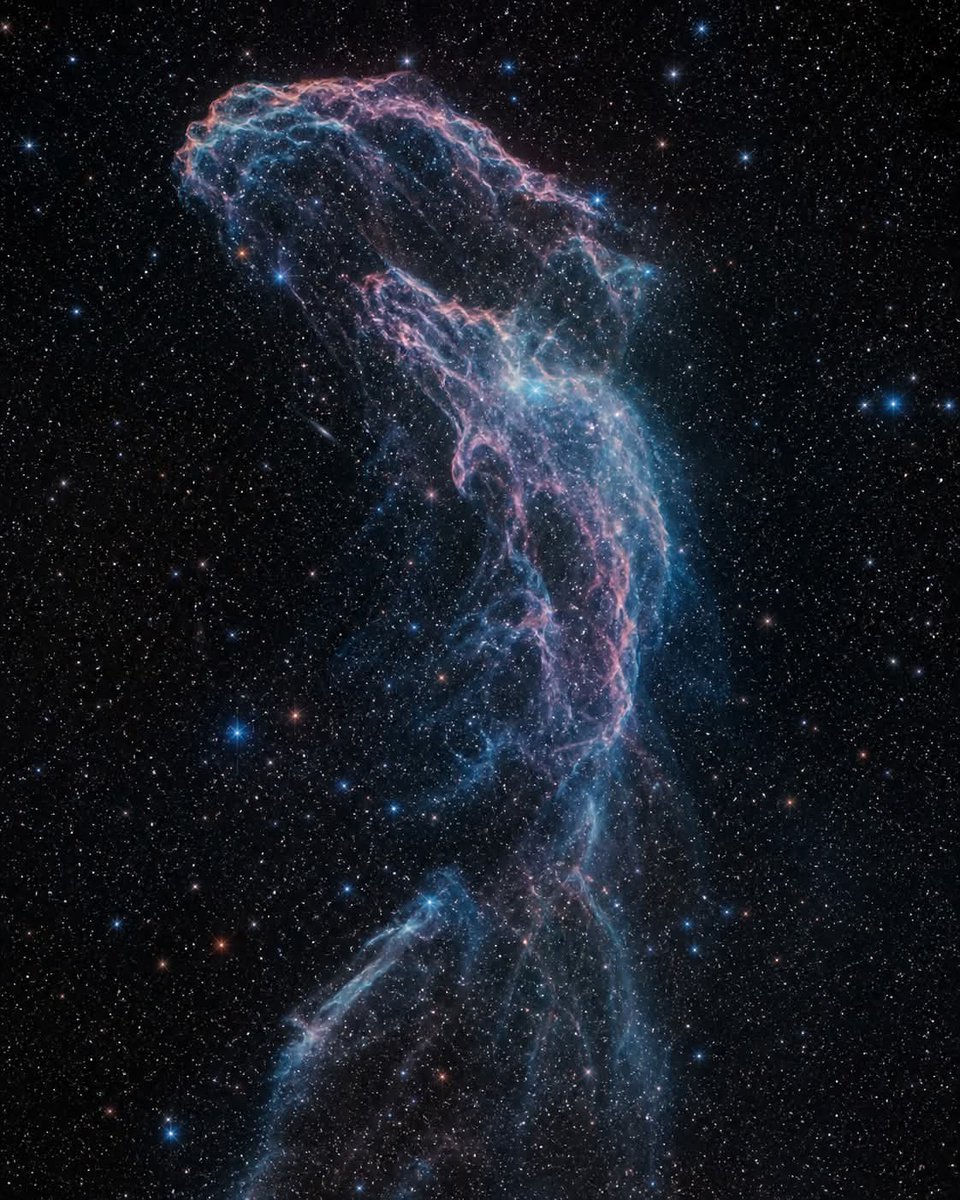
The Mermaid Nebula (ESO 217-25): A Ghostly Echo of Stellar Death Drifting silently through the darkness of space lies one of the cosmos’s most hauntingly beautiful creations — the Mermaid Nebula.Captured in stunning detail by astrophotographer Marshall Huang, this ethereal veil

The Mermaid Nebula (ESO 217-25):
 A Ghostly Echo of Stellar Death Drifting silently through the darkness of space lies one of the cosmos’s most hauntingly beautiful creations — the Mermaid Nebula.Captured in stunning detail by astrophotographer Marshall Huang, this ethereal veil
Astronomy Today (@astronomytodayy) 's Twitter Profile Photo

Behold the cosmic fireworks of M33!The glowing hydrogen clouds of the Triangulum Galaxy paint a breathtaking portrait of one of our cosmic neighbors. Also known as M33, this graceful spiral lies just 3 million light-years away, making it one of the closest large galaxies to our

Behold the cosmic fireworks of M33!The glowing hydrogen clouds of the Triangulum Galaxy paint a breathtaking portrait of one of our cosmic neighbors. Also known as M33, this graceful spiral lies just 3 million light-years away, making it one of the closest large galaxies to our