Manfred Gaida (@astrogaida) 's Twitter Profile
Manfred Gaida

@astrogaida

im Universum unterwegs...

ID: 1396525384099844101

calendar_today23-05-2021 17:58:00

753 Tweet

216 Followers

42 Following

Vereinigung der Sternfreunde (@astronomietag) 's Twitter Profile Photo

Schonmal auf der Jagd nach Dunkelwolken gewesen? Die Sommer-Milchstraße ist voll davon! Barnards E im Adler zum Beispiel, B142/3, ist ein leichtes Ziel für ein Fernglas von 4-5 cm Öffnung. Am entgegengesetzten Ende des Sternbildes, finden sich eine ganze Reihe Dunkelnebel 1/3

Schonmal auf der Jagd nach Dunkelwolken gewesen? Die Sommer-Milchstraße ist voll davon! Barnards E im Adler zum Beispiel, B142/3, ist ein leichtes Ziel für ein Fernglas von 4-5 cm Öffnung. Am entgegengesetzten Ende des Sternbildes, finden sich eine ganze Reihe Dunkelnebel 1/3
Max-Planck-Institut für Radioastronomie (@mpifr_bonn) 's Twitter Profile Photo

Wir möchten euch den Vortrag 🎙️ "Das Galaktische Magnetfeld - Unsichtbare Kräfte & Kosmische Strukturen" 🧲 von unserem Wissenschaftler Rainer Beck ans Herz legen: youtube.com/watch?v=NFPHmE…

Manfred Gaida (@astrogaida) 's Twitter Profile Photo

Heute führt der Weg zum Mond (und zur Sonne) über die entlegene Osterinsel und das südliche Südamerika: dlr.de/de/blog/archiv…

Welt der Physik (@weltderphysik) 's Twitter Profile Photo

Schön häufig schlugen #Meteoriten auf der Erde ein. Einer davon, viermal so groß wie der #MountEverest, verwüstete die damalige Erde geradezu – und doch wurde nicht alles Leben vernichtet, wie eine Studie Harvard University zeigt. #Meteorit #Asteroid #Erdgeschichte weltderphysik.de/gebiet/erde/na…
Planetarium Bochum (@planetariumbo) 's Twitter Profile Photo

Der 60. Geburtstag des Bochumer Planetariums am 6. November ist weiterhin vielerorts Medienthema - z.B. gestern in der Aktuellen Stunde des WDR: www1.wdr.de/fernsehen/aktu…

Manfred Gaida (@astrogaida) 's Twitter Profile Photo

🎆 Zum Jahreswechsel noch einmal der Bericht zu einem erwarteten stellaren "Feuerwerk", das wahrscheinlich bald wieder von vielen Orten der Welt aus bewundert und vor allem weiter erforscht werden kann: dlr.de/de/blog/archiv…

Fermat's Library (@fermatslibrary) 's Twitter Profile Photo

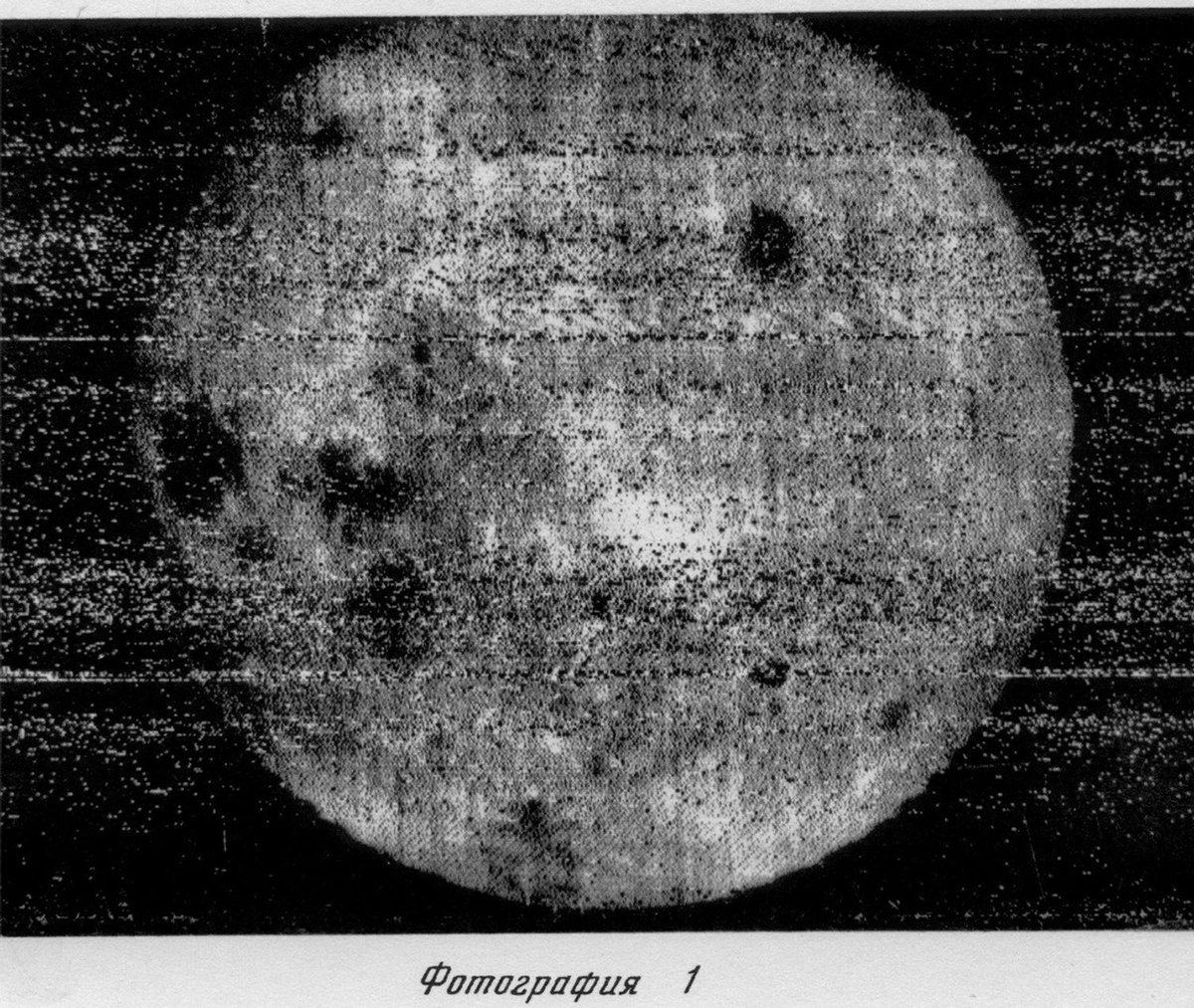
The first photographs of the Moon's far side were taken 66 years ago. 🌑 The photographs taken by the Soviet Union's Luna 3 spacecraft marked the first time we saw the far side of the Moon. They were taken Oct. 7, 1959 at a distance of about 39,457 miles.

The first photographs of the Moon's far side were taken 66 years ago. 🌑 The photographs taken by the Soviet Union's Luna 3 spacecraft marked the first time we saw the far side of the Moon. 

They were taken Oct. 7, 1959 at a distance of about 39,457 miles.
Fermat's Library (@fermatslibrary) 's Twitter Profile Photo

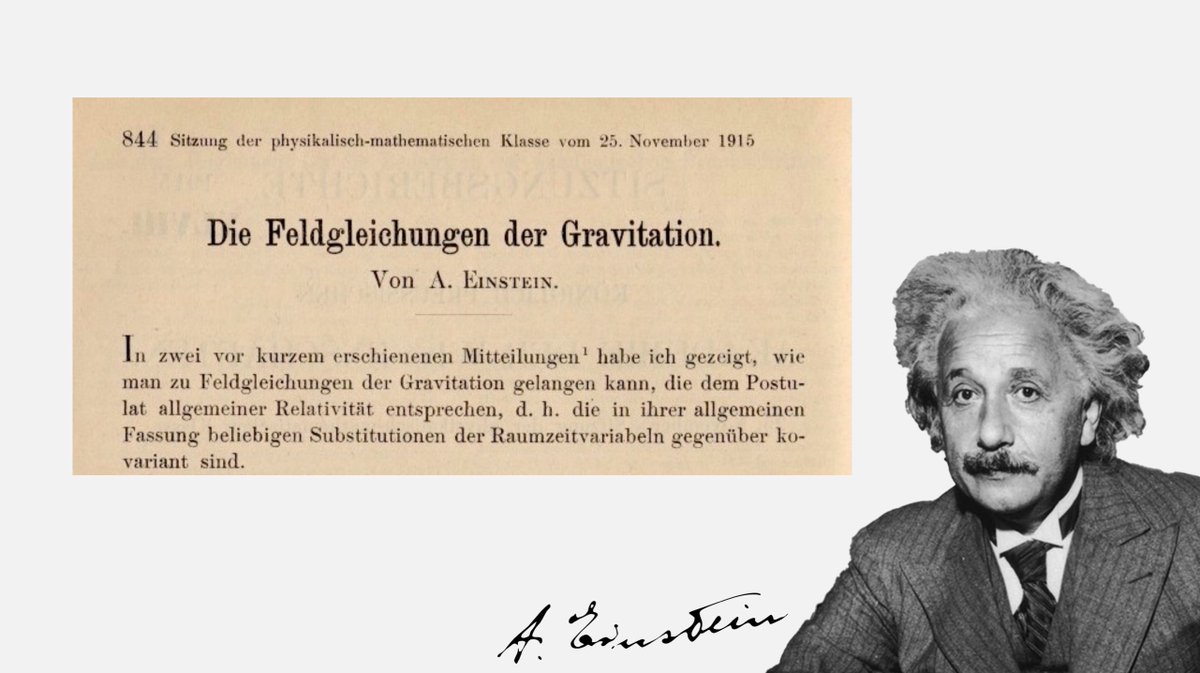
Einstein's General Relativity turns 110 today. On November 25, 1915, Albert Einstein presented the final form of his gravitational field equations to the Prussian Academy of Sciences in Berlin. It became one of the most important scientific breakthroughs of the 20th century.

Einstein's General Relativity turns 110 today.

On November 25, 1915, Albert Einstein presented the final form of his gravitational field equations to the Prussian Academy of Sciences in Berlin. It became one of the most important scientific breakthroughs of the 20th century.
Fermat's Library (@fermatslibrary) 's Twitter Profile Photo

The Foucault pendulum was introduced in 1851 and was the first experiment to give direct evidence of the Earth's rotation. The plane of oscillation remains fixed in space while Earth rotates beneath it. At the poles, the pendulum's plane completes a full rotation in one sidereal

Fermat's Library (@fermatslibrary) 's Twitter Profile Photo

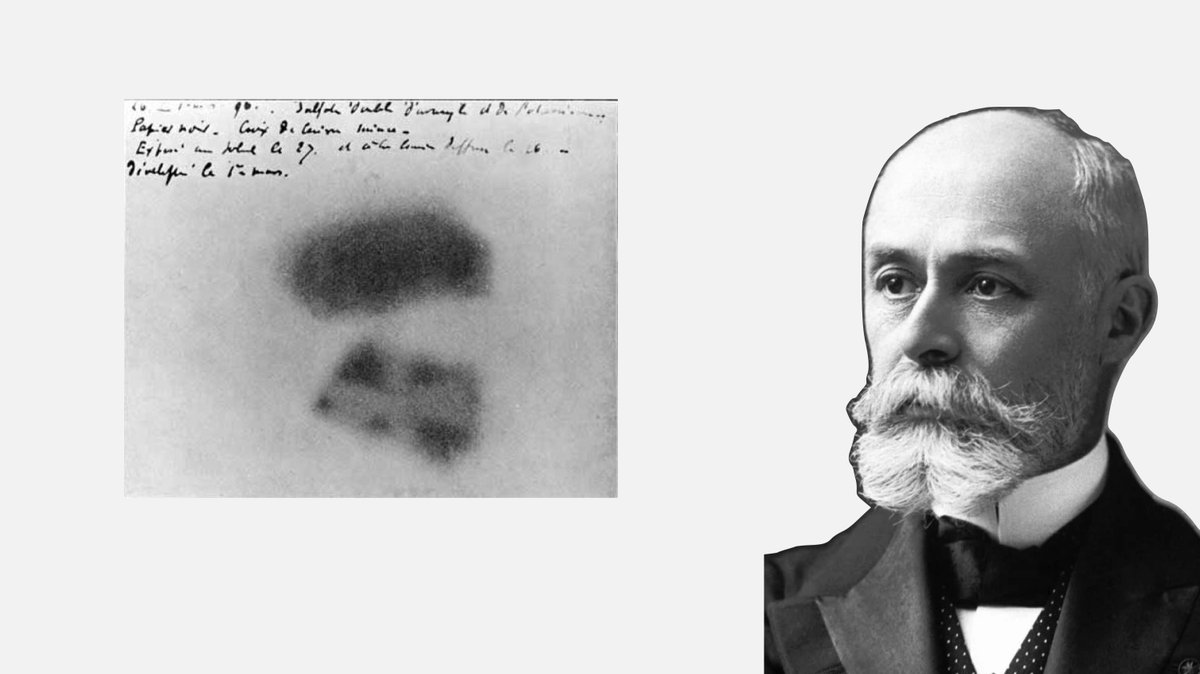
On March 1, 1896, Henri Becquerel discovered radioactivity because of bad weather. He'd been testing whether uranium could absorb sunlight and re-emit it as X-rays by placing it on photographic plates wrapped in black paper. But Paris turned cloudy for days so he shoved

On March 1, 1896, Henri Becquerel discovered radioactivity because of bad weather.

He'd been testing whether uranium could absorb sunlight and re-emit it as X-rays by placing it on photographic plates wrapped in black paper.

But Paris turned cloudy for days so he shoved
Fermat's Library (@fermatslibrary) 's Twitter Profile Photo

On this day in 1972, NASA launched the Pioneer 10 spacecraft. It became the first probe to successfully traverse the asteroid belt, the first to capture close-up images of Jupiter, and the first human-made object placed on a trajectory to completely leave our solar system.

On this day in 1972, NASA launched the Pioneer 10 spacecraft. It became the first probe to successfully traverse the asteroid belt, the first to capture close-up images of Jupiter, and the first human-made object placed on a trajectory to completely leave our solar system.