Bonan'izenzo zabo (@ariseminorities) 's Twitter Profile
Bonan'izenzo zabo

@ariseminorities

Umyanga odl'amandlakhe .

ID: 1337455879512354816

calendar_today11-12-2020 17:55:29

2,2K Tweet

4,4K Takipçi

3,3K Takip Edilen

Mzala Tom (@realmzalatom) 's Twitter Profile Photo

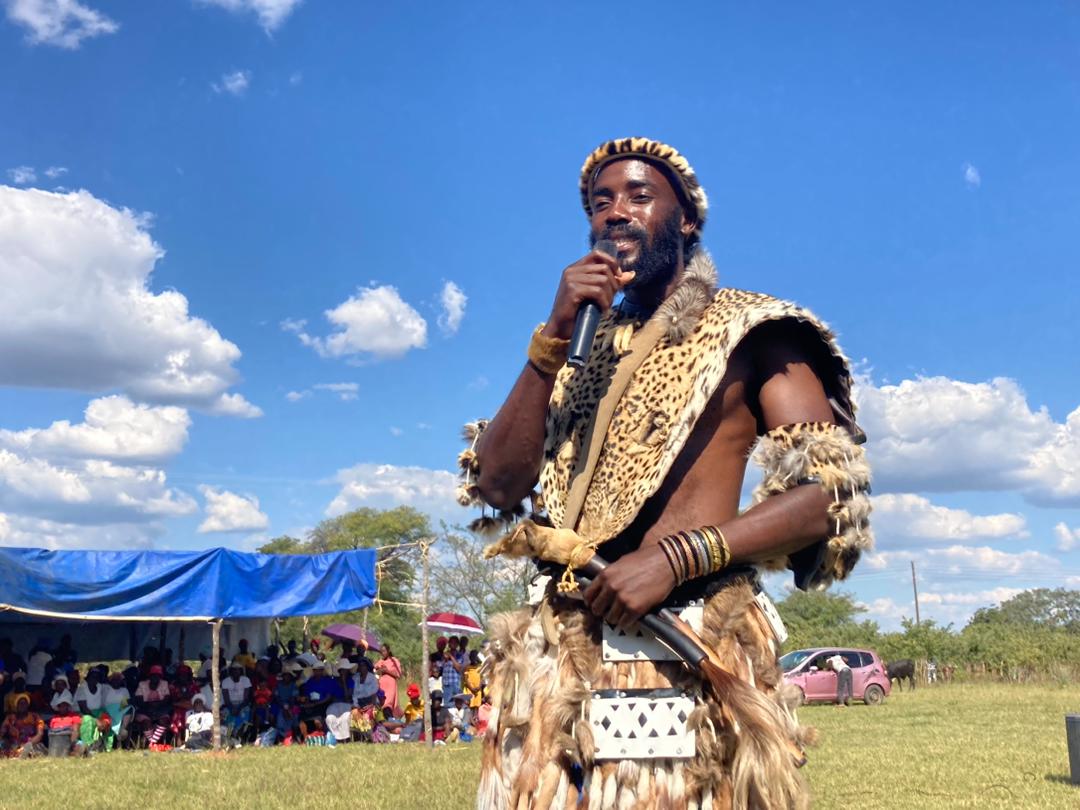
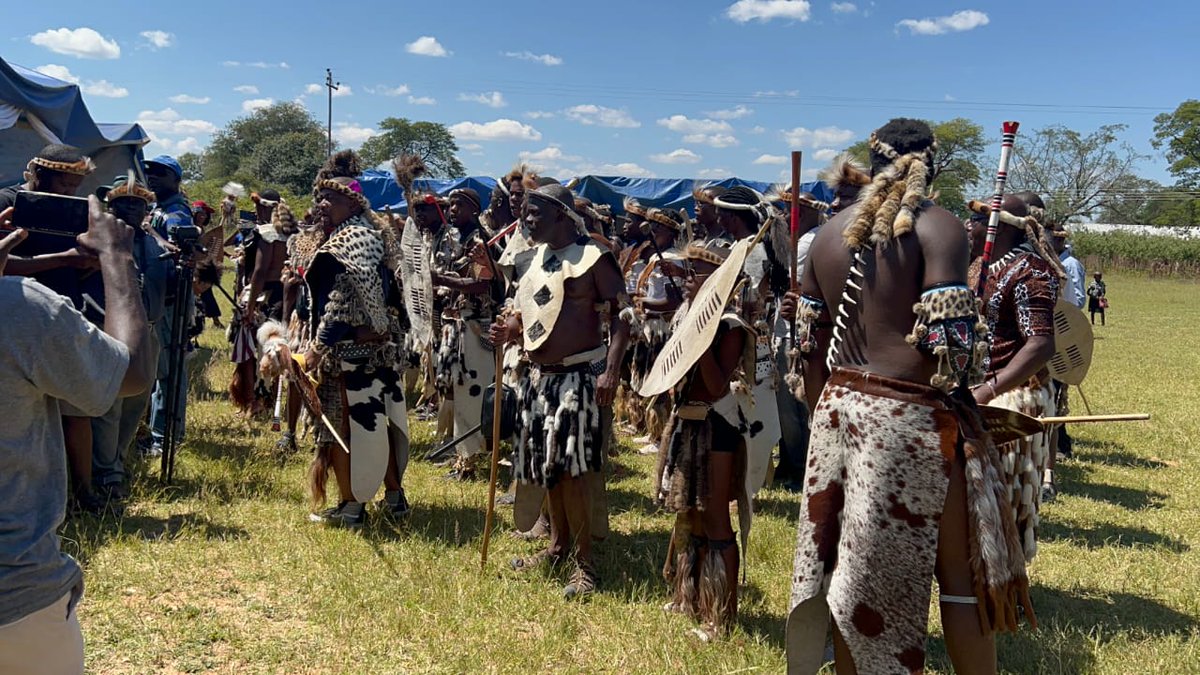
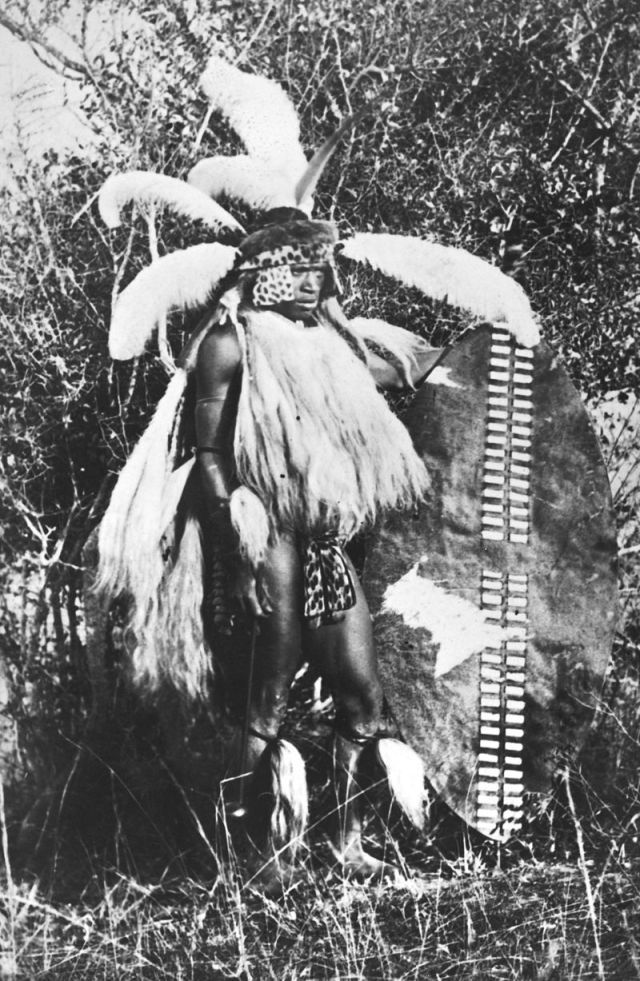
1. NDEBELE CHIEF /INDUNA TRADITIONAL ATTIRE 🇿🇼 Umnxeba🧵 A chief was a representative of the king in the community. The founding chief of a particular village was appointed by the king on the basis of his bravery and skill in battle, as a military regiment/ibutho leader.

1. NDEBELE CHIEF /INDUNA TRADITIONAL ATTIRE 🇿🇼

Umnxeba🧵

A chief was a representative of the king in the community. The founding chief of a particular village was appointed by the king on the basis of his bravery and skill in battle, as a military regiment/ibutho leader.
Mzala Tom (@realmzalatom) 's Twitter Profile Photo

2. Chieftaincy just like kingship was retained within a family and passed on through generational succession. The eldest son/indlalifa was the natural successor. If he was too young, a regent ibamba, would be appointed to hold fort until he was of age.

2. Chieftaincy just like kingship was retained within a family and passed on through generational succession. The eldest son/indlalifa was the natural successor. If he was too young, a regent ibamba, would be appointed to hold fort until he was of age.
Mzala Tom (@realmzalatom) 's Twitter Profile Photo

3. A chief had his own spear, knobkerry and shield that he used in battle. These he also carried as part of his dressing in public events and meetings. His shield was of an ox whose colour was intusi.

3. A chief had his own spear, knobkerry and shield that he used in battle. These he also carried as part of his dressing in public events and meetings. His shield was of an ox whose colour was intusi.
Mzala Tom (@realmzalatom) 's Twitter Profile Photo

4. A necklace made of toe nails of an eagle was also an important part of the chief's regalia. These toe nails spiritually protected the chief from his enemies and also symbolised that he was a fierce leader who would defend his subjects like an eagle.

4. A necklace made of toe nails of an eagle was also an important part of the chief's regalia. These toe nails spiritually protected the chief from his enemies and also symbolised that he was a fierce leader who would defend his subjects like an eagle.
Mzala Tom (@realmzalatom) 's Twitter Profile Photo

5. The chief also wore a necklace made of lion claws. The chief had to go on a lion hunt to show his bravery and courage. After killing the lion, the claws were drilled with a sharp metal device known as incukuthu. A string was then threaded through to make the necklace.

5. The chief also wore a necklace made of lion claws. The chief had to go on a lion hunt to show his bravery and courage. After killing the lion, the claws were drilled with a sharp metal device known as incukuthu. A string was then threaded through to make the necklace.
Mzala Tom (@realmzalatom) 's Twitter Profile Photo

6. These necklaces are known as izigqizo. Once they were mixed with powerful herbs, these necklaces became a potent spiritual force. When the chief spoke his voice was powerful like a roaring lion. His countenance was fierce like that of an eagle and a lion.

6. These necklaces are known as izigqizo. Once they were mixed with powerful herbs, these necklaces became a potent spiritual force. When the chief spoke his voice was powerful like a roaring lion. His countenance was fierce like that of an eagle and a lion.
Mzala Tom (@realmzalatom) 's Twitter Profile Photo

7. Below the elbows the chief tied izigetsho. These are made from white hairy goat skins. Below the knees the chief tied the same long goat hair skin, which was called amadloli. The black colour is generally not accepted.

7. Below the elbows the chief tied izigetsho. These are made from white hairy goat skins. Below the knees the chief tied the same long goat hair skin, which was called amadloli. The black colour is generally not accepted.
Mzala Tom (@realmzalatom) 's Twitter Profile Photo

8. Chiefs also wore leopard skins on their waist. These skins were worn with other animal skins as amabhetshu. Other animal skins were from gents/insimba or nkone cattle. Only kings were allowed to wear leopard skins on their shoulders.

8. Chiefs also wore leopard skins on their waist. These skins were worn with other animal skins as amabhetshu. Other animal skins were from gents/insimba or nkone cattle. Only kings were allowed to wear leopard skins on their shoulders.
Mzala Tom (@realmzalatom) 's Twitter Profile Photo

9. Chiefs also had an option of wearing imithika/imithinsi. (skin kilt with strips hanging from the waist). These leather skins are twisted and ended just above the knees. These are made from colorful animal skins, and chiefs often added leopard skins.

9. Chiefs also had an option of wearing imithika/imithinsi. (skin kilt with strips hanging from the waist). These leather skins are twisted and ended just above the knees. These are made from colorful animal skins, and chiefs often added leopard skins.
Mzala Tom (@realmzalatom) 's Twitter Profile Photo

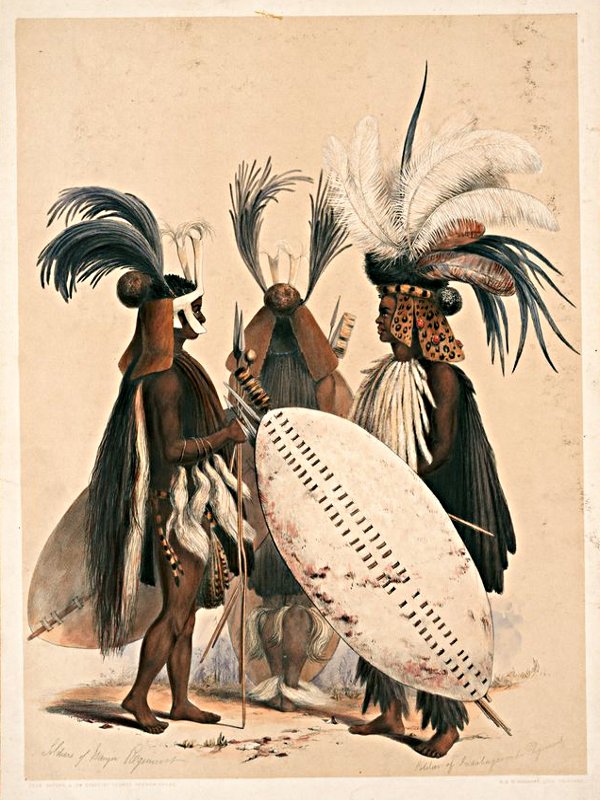
10. Ndebele men generally wore head gears known as indlukula. These hats are made of ostrich feathers and the feathers are kept fairly long. There was another type of hat made of ostrich feathers known as isigula. It is round in shape and looks like a folded hedgehog.

10. Ndebele men generally wore head gears known as indlukula. These hats are made of ostrich feathers and the feathers are kept fairly long. There was another type of hat made of ostrich feathers known as isigula. It is round in shape and looks like a folded hedgehog.
Mzala Tom (@realmzalatom) 's Twitter Profile Photo

11. The chief's indlukula is distinguished by a white feather that is sworn in the centre. The king's indlukula had feathers of a roller/ifefe to distinguish it. The colours are colourful - blue and lilac. To read more about how chiefs had to dare a lion read below 👇🏾END 🔚

11. The chief's indlukula is distinguished by a white feather that is sworn in the centre. The king's indlukula had feathers of a roller/ifefe to distinguish it. The colours are colourful - blue and lilac. To read more about how chiefs had to dare a lion read below 👇🏾END 🔚
Chief Mayisa (@jqmayisa) 's Twitter Profile Photo

King Mzilikazi's White children : A thread. Visitors in the 1830s to King Mzilikazis capital of Egabheni in present Northwest province South Africa, including British Captain Cornwall Harris reported seeing white children/ youths among the Ndebele. Who were they? Mzala Tom

King Mzilikazi's White children : A thread.
Visitors in the 1830s to King Mzilikazis capital of Egabheni in present Northwest province South Africa, including British Captain  Cornwall Harris reported seeing white children/ youths among the Ndebele. Who were they? <a href="/RealMzalaTom/">Mzala Tom</a>
Chief Mayisa (@jqmayisa) 's Twitter Profile Photo

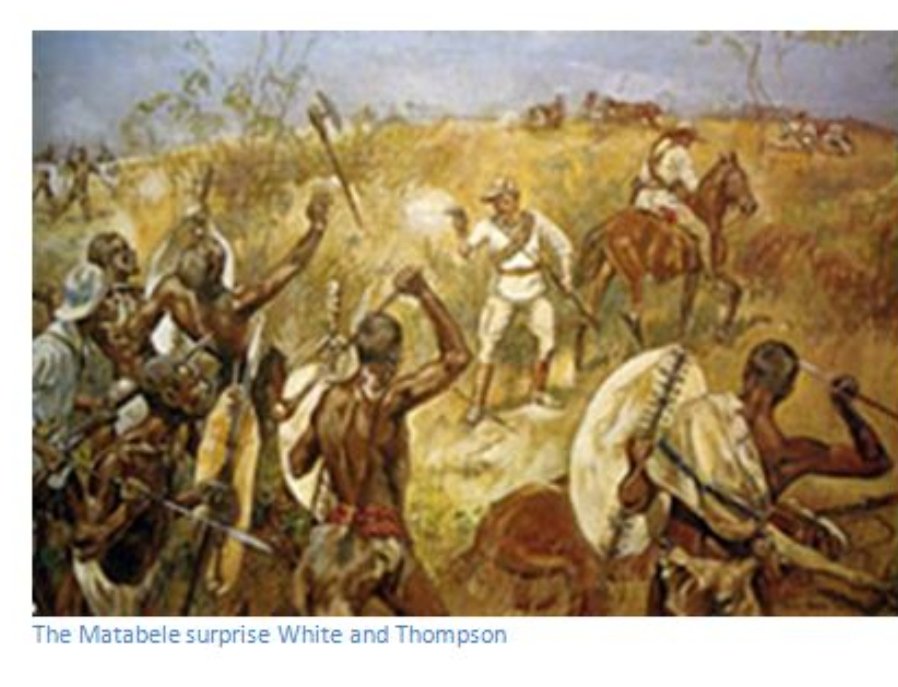
In the winter of 1834, Griquas under leader Peter Davids trespassed into King Mzilikazis territory in the Vaal illegally hunting game. They were attacked by 2000 Matabele warriors led by Gen Mkhaliphi killing about 400 Griqua armed with guns including Gert Hoyman & Jan Davids

In the winter of 1834, Griquas under leader Peter Davids trespassed into King Mzilikazis territory in the Vaal illegally hunting game. They were attacked by 2000 Matabele warriors led by Gen Mkhaliphi killing about 400 Griqua armed with guns including Gert Hoyman &amp; Jan Davids
Chief Mayisa (@jqmayisa) 's Twitter Profile Photo

The Matabele warriors captured Griqua wagons, guns,horses cattle and Peter Davids daughter 17 year old Truey & another colored child called Wilhelm. They were all brought to King Mzilikazi at Egabheni. Truey & Wilhelm in Ndebele tradition became the King's "abantwana besihlangu"

The Matabele warriors captured Griqua wagons, guns,horses cattle and Peter Davids daughter 17 year old Truey &amp; another colored child called Wilhelm. They were all brought to King Mzilikazi at Egabheni. Truey &amp; Wilhelm in Ndebele tradition became the King's "abantwana besihlangu"
Chief Mayisa (@jqmayisa) 's Twitter Profile Photo

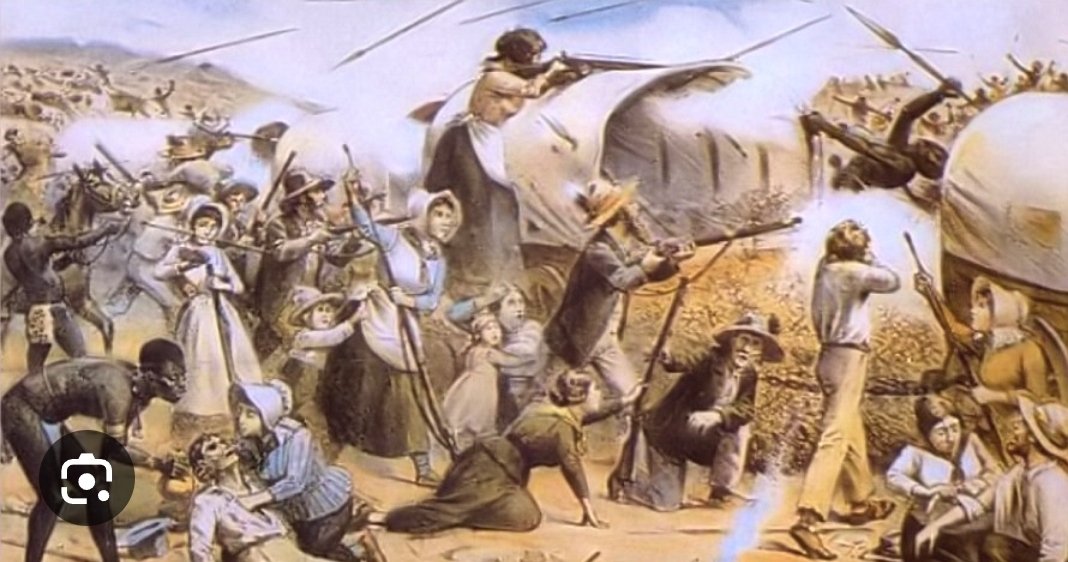
In August 1836 , a Boer family led by old Barend Liebenberg, trekking from the Cape entered King Mzilikazis territory in present day Free State, despite being warned by Stephabus Erasmus whose family had been wiped out by the Matabele. The Libenbergs too were attacked & wiped out

In August 1836 , a Boer family led by old Barend Liebenberg, trekking from the Cape entered King Mzilikazis territory in present day Free State, despite being warned by Stephabus Erasmus whose family had been wiped out by the Matabele. The Libenbergs too were attacked &amp; wiped out
Chief Mayisa (@jqmayisa) 's Twitter Profile Photo

Hidden under a sail in a wagon, the Matabele warriors found 3 Libenberg children:Sara, Anna Mariah & Christiaan. They took the children, & 3 colored survivors to King Mzilikazi who furious that the warriors had captured little children ordered their return, which was impossible.

Chief Mayisa (@jqmayisa) 's Twitter Profile Photo

King Mzilikazi handed the 3 Liebenberg children to chief Gundwane Ndiweni for fostering who gave them Ndebele names & Ndiweni surname.Christiaan became Velapi : “Where do you come from?”.Anna Maria, became Mswanyana : “Why are you always crying ?”Sara was called Toloyi or Tololo

King Mzilikazi handed the 3 Liebenberg children to chief Gundwane Ndiweni for fostering who gave them Ndebele names &amp; Ndiweni surname.Christiaan became Velapi : “Where do you come from?”.Anna Maria, became  Mswanyana : “Why are you always crying ?”Sara was called Toloyi or Tololo
Chief Mayisa (@jqmayisa) 's Twitter Profile Photo

So what happened to these white children of King Mzilikazi. Abantwana besihlangu ( children of the shield). Truey the Griqua girl was eventually handed to missionary Rev Robert Moffat.She already had children. Mswanyana who was a weakling died in the journey across the Limpopo.

Chief Mayisa (@jqmayisa) 's Twitter Profile Photo

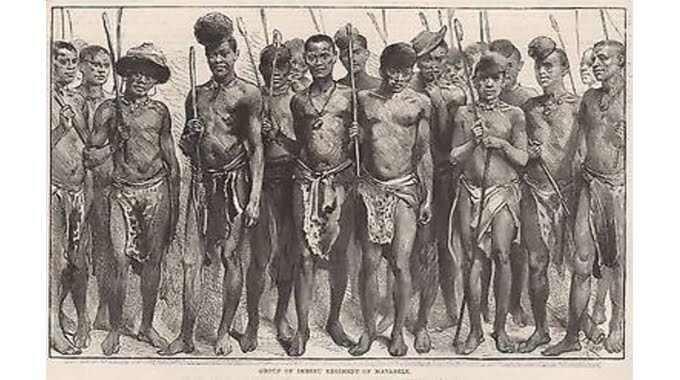
Velani ( Christiaan Liebenberg) grew to be a Matabele warrior and his exploits attracted the attention of King Mzilikazi who made him chief of Nungu regiment. He became overly ambitious challenging the King and disobeying orders regarding color of shields. He was executed .

Velani ( Christiaan Liebenberg) grew to be a Matabele warrior and his exploits attracted the attention of King Mzilikazi who made him chief of Nungu regiment. He became overly ambitious challenging the King and disobeying orders regarding color of shields. He was executed .