Алексей Левченко (@alexeilevchenko) 's Twitter Profile
Алексей Левченко

@alexeilevchenko

ID: 778302934140456961

calendar_today20-09-2016 18:40:54

2,2K Tweet

202 Followers

5,5K Following
PAN CAUCASUS (@pancaucasus) 's Twitter Profile Photo

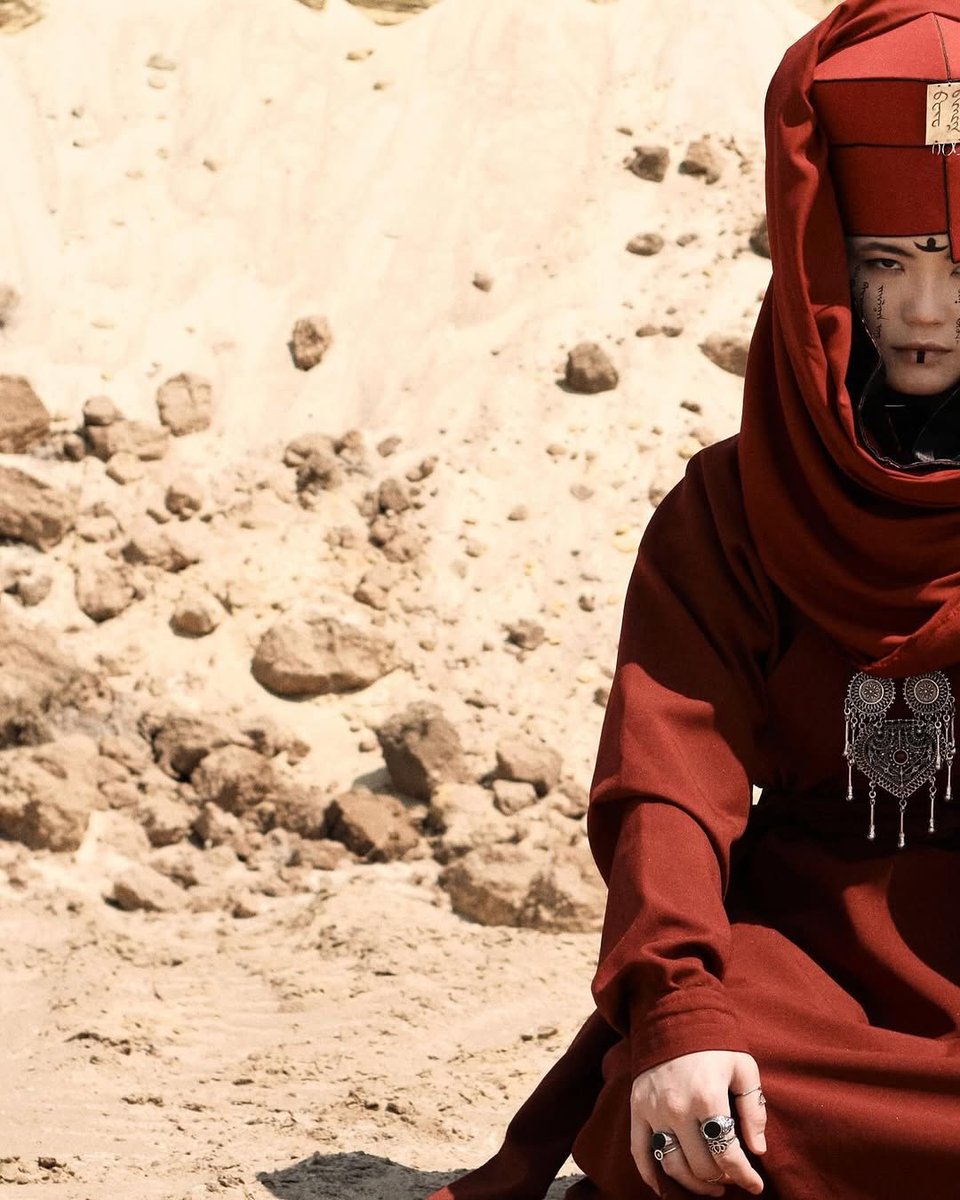
Portrait of a Kalmyk woman. Photo by Aldar Kishtenov The Kalmyks are the only ethnic group in Europe that traditionally practices Buddhism and speaks a language of the Mongolic group. They are descendants of the Oirats (Western Mongols) from Dzungaria. The name "Kalmyk" itself

Portrait of a Kalmyk woman.

Photo by Aldar Kishtenov

The Kalmyks are the only ethnic group in Europe that traditionally practices Buddhism and speaks a language of the Mongolic group.

They are descendants of the Oirats (Western Mongols) from Dzungaria. The name "Kalmyk" itself
David Sun (@arcticinstincts) 's Twitter Profile Photo

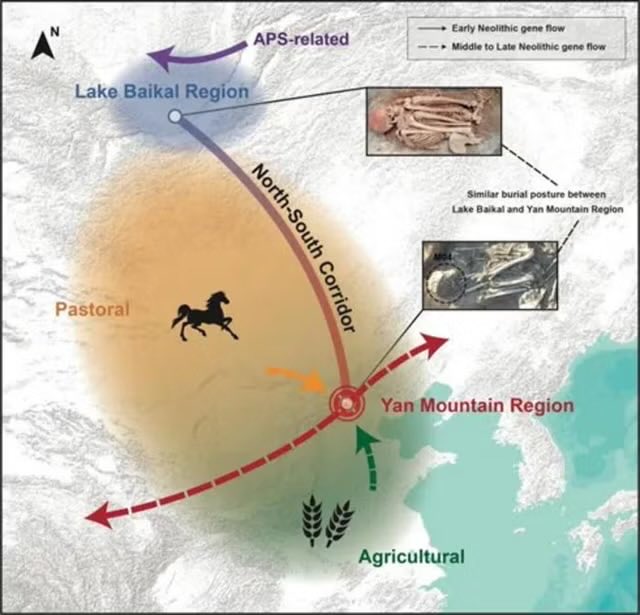
Lots of prehistoric cultural interaction and mixing between northern Chinese and Siberians 7700 yrs ago, so prior to the earliest Chinese dynasty. Arcticism paper discovered certain shared practices between both- oracle bone pyromancy, reflexology, meridian points

Lots of prehistoric cultural interaction and mixing between northern Chinese and Siberians 7700 yrs ago, so prior to the earliest Chinese dynasty. 

Arcticism paper discovered certain shared practices between both- oracle bone pyromancy, reflexology, meridian points
𝑀𝑖𝑔𝑢𝑒𝑙 🇧🇷 (@miguelvaz1500) 's Twitter Profile Photo

•A diferença de aparência física entre os Jomon e os Yayoi, dois povos que contribuíram geneticamente para o surgimento do povo japonês. Os Jomon eram caçadores-coletores, os Yayoi em contrapartida já dominavam a agricultura.

•A diferença de aparência física entre os Jomon e os Yayoi, dois povos que contribuíram geneticamente para o surgimento do povo japonês. Os Jomon eram caçadores-coletores, os Yayoi em contrapartida já dominavam a agricultura.
GemsOfINDOLOGY (@gemsofindology) 's Twitter Profile Photo

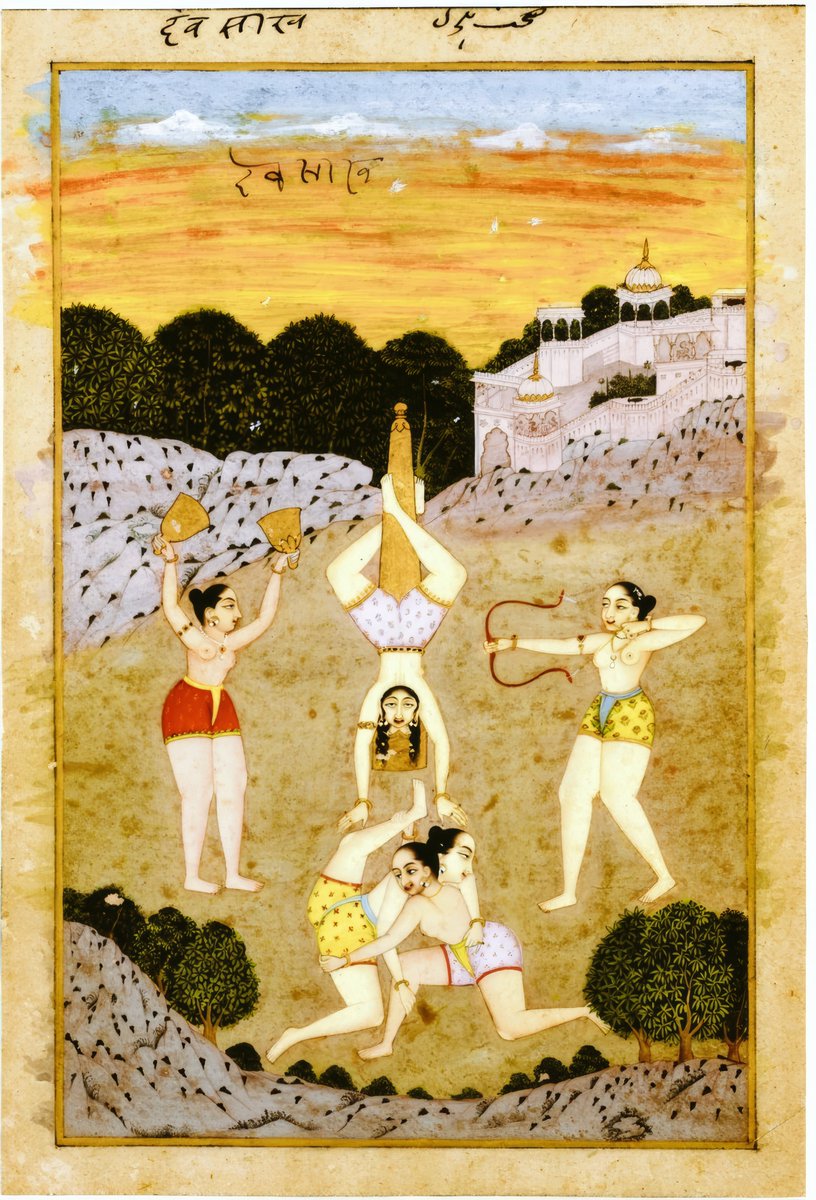
Women warriors in Akharas before colonial invasions erased them from our memory. They trained alongside men. Wrestled. Wielded weapons. Defended honour. Then came the 'civilizers' with their Victorian morality, rewriting our history to fit their narrative of weak, domesticated

Women warriors in Akharas before colonial invasions erased them from our memory.

They trained alongside men. Wrestled. Wielded weapons. Defended honour.

Then came the 'civilizers' with their Victorian morality, rewriting our history to fit their narrative of weak, domesticated
GemsOfINDOLOGY (@gemsofindology) 's Twitter Profile Photo

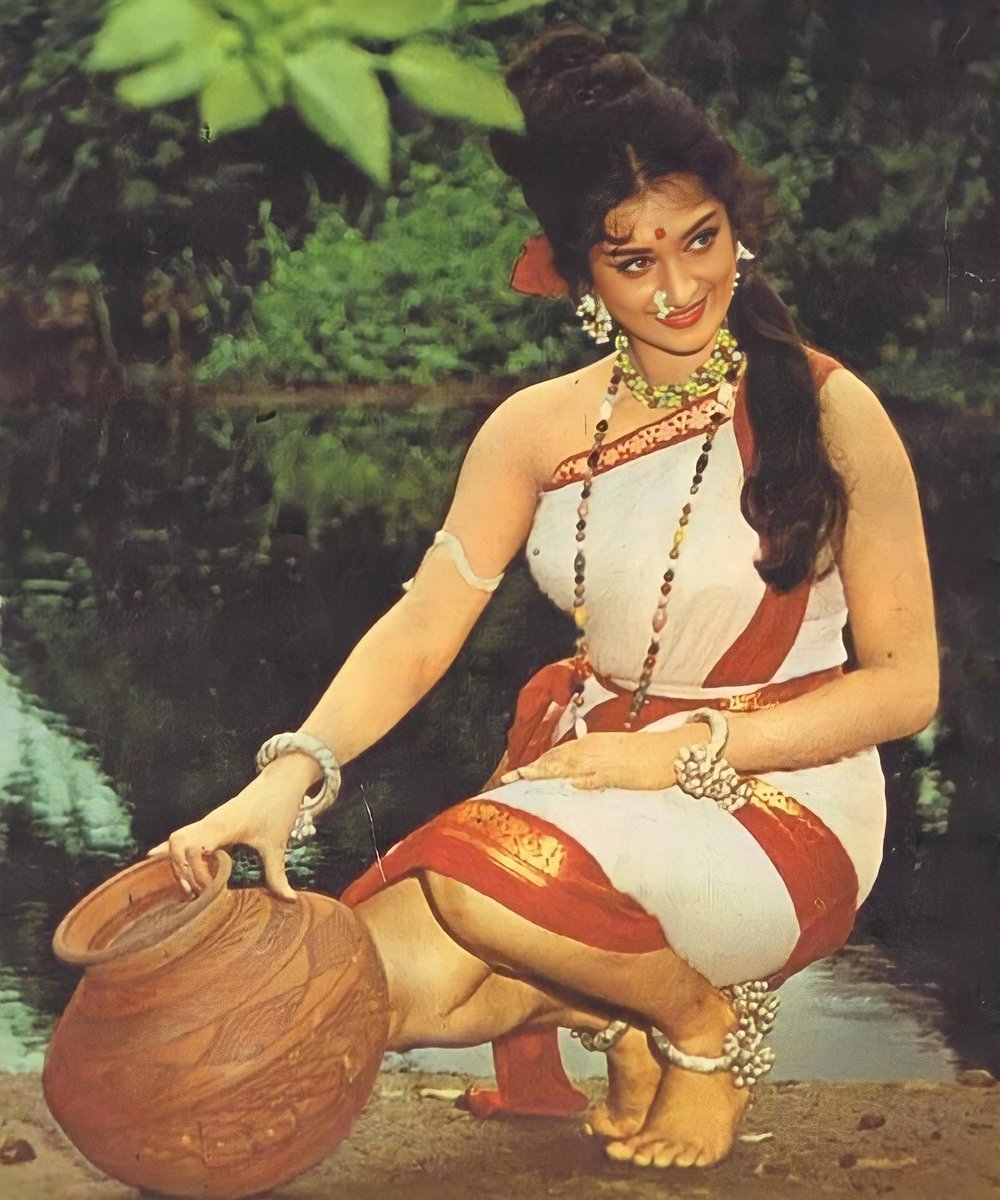
1940. Urban India wore full blouses and colonial shame. This Fakirani Jat woman in Kutch? Didn't even know she was supposed to. By 1940, urban India had already completed the Victorian arc - full blouses, sleeves, moral lectures on "modesty", colonial etiquette manuals teaching

1940. Urban India wore full blouses and colonial shame. This Fakirani Jat woman in Kutch? Didn't even know she was supposed to.

By 1940, urban India had already completed the Victorian arc - full blouses, sleeves, moral lectures on "modesty", colonial etiquette manuals teaching
GemsOfINDOLOGY (@gemsofindology) 's Twitter Profile Photo

If you think that woman warrior is accidental or random, you are wrong. Yet another one from Bhimbetka quashing your ABLA Nari jibe. This image likely a few centuries old contrasts that woman were not able to protect themselves. Archaeology can;t be interpolated while text can.

If you think that woman warrior is accidental or random, you are wrong.  Yet another one from Bhimbetka quashing your ABLA Nari jibe.
This image likely a few centuries old contrasts that woman were not able to protect themselves.
Archaeology can;t be interpolated while text can.
Archaeo - Histories (@archeohistories) 's Twitter Profile Photo

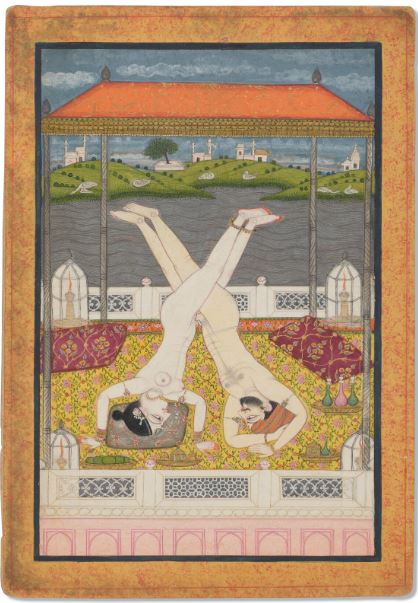
An acrobatic Sexual Act Painting; Pahari Kangra style (1820 CE).... (Album 29, Raza Library, Rampur, UP - India) Kangra painting is the pictorial art of Kangra, named after Kangra State, a former princely state of Himachal Pradesh, India; which patronized the art. It became

An acrobatic Sexual Act Painting; Pahari Kangra style (1820 CE).... 

(Album 29, Raza Library, Rampur, UP - India)

Kangra painting is the pictorial art of Kangra, named after Kangra State, a former princely state of Himachal Pradesh, India; which patronized the art. It became
tiff ☕ (@tiff_ilosophy) 's Twitter Profile Photo

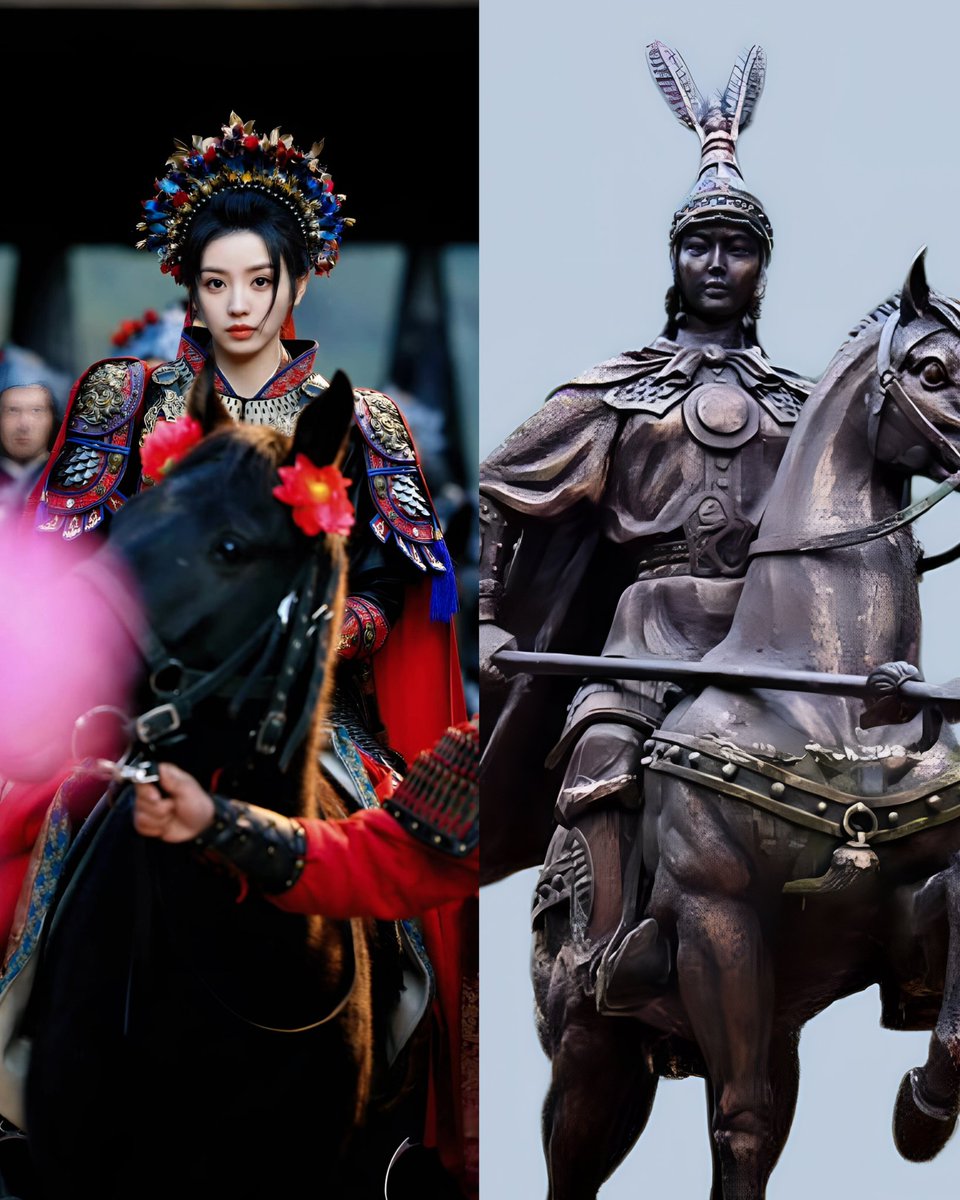
the real historical inspiration for fan changyu in #PursuitOfJade is qin liangyu, the ming dynasty female general of extraordinary skill and courage. the chongzhen emperor even wrote poems in her honor, featuring the famous line, “why must a general be a man?” growing up in what

the real historical inspiration for fan changyu in #PursuitOfJade is qin liangyu, the ming dynasty female general of extraordinary skill and courage. the chongzhen emperor even wrote poems in her honor, featuring the famous line, “why must a general be a man?”

growing up in what
Jijith Nadumuri Ravi (@jijith_nr) 's Twitter Profile Photo

Rāma and Sītā in South East Asia They overflowed beyond India! They live, breathe, and dance across an entire civilisational sphere from India to Southeast Asia. In Indonesia, they become part of the Ramayana Ballet of Prambanan. In Thailand, they are reborn as Ramakien.

Rāma and Sītā in South East Asia 

They overflowed beyond India!

They live, breathe, and dance across an entire civilisational sphere from India to Southeast Asia.

In Indonesia, they become part of the Ramayana Ballet of Prambanan. 

In Thailand, they are reborn as Ramakien.
Timely Moments ® (@timelyymoments) 's Twitter Profile Photo

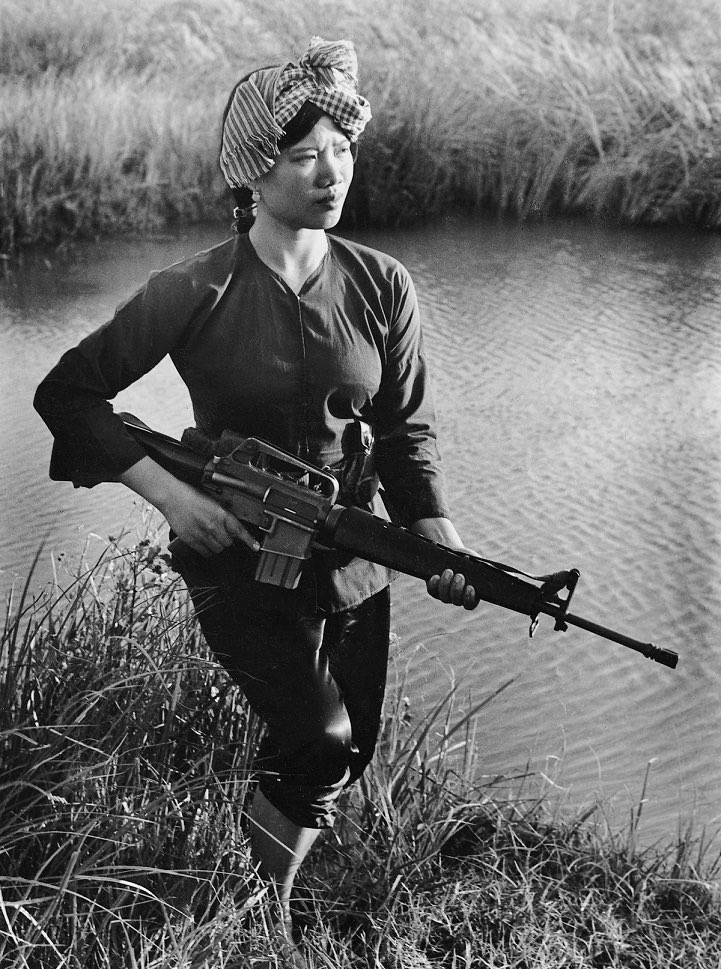
A Vietnamese guerrilla standing guard in the Mekong Delta, 1973. IMAGE: Le Minh Truong / Another Vietnam / National Geographic Books

A Vietnamese guerrilla standing guard in the Mekong Delta, 1973.

IMAGE: Le Minh Truong / Another Vietnam / National Geographic Books
Ancestral Whispers (@sulkalmakh) 's Twitter Profile Photo

Facial reconstruction of a 2,500-year-old Scythian from the Dogehe-Baary II site in Tuva The Scythians, also known as the Saka, were an Iranic-speaking people who originated in the regions of Minusinsk, the Altai, Tuva, Mongolia, and Xinjiang. Dogehe-Baary II is located on