Akhdan (@akhdan_vt) 's Twitter Profile
Akhdan

@akhdan_vt

inflation is theft. #gold
Likes & RTs =/= endorsement

ID: 783101710906433536

calendar_today04-10-2016 00:29:32

167 Tweet

52 Takipçi

273 Takip Edilen

Brian Wesbury (@wesbury) 's Twitter Profile Photo

The more the government attempts to fix supply chains, the worse the problems will become. The government broke them by breaking the market. Only the market can fix them. Raising tax rates, increasing spending, more regulation…all of this hurts supply chains.

Alex Epstein (@alexepstein) 's Twitter Profile Photo

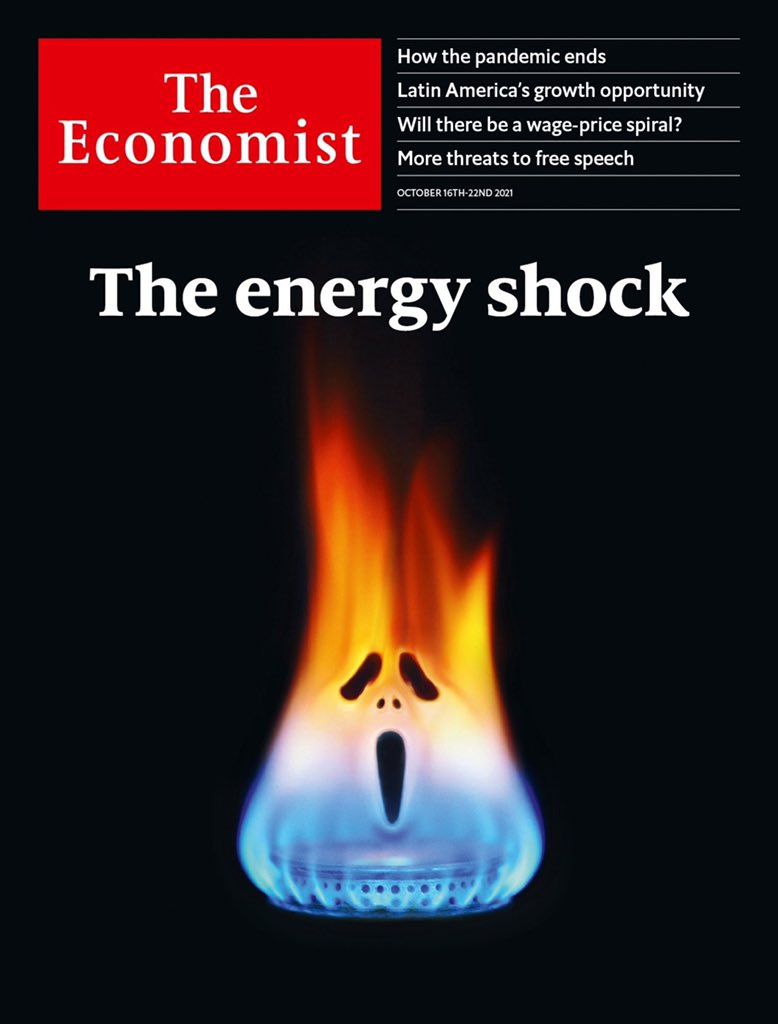
The #1 lesson of skyrocketing gas and coal prices is this: fossil fuel-restricting governments have wildly overestimated the ability of solar and wind to provide the energy the world needs and wildly underestimated the need for fossil fuels to provide the energy the world needs.

Brian Wesbury (@wesbury) 's Twitter Profile Photo

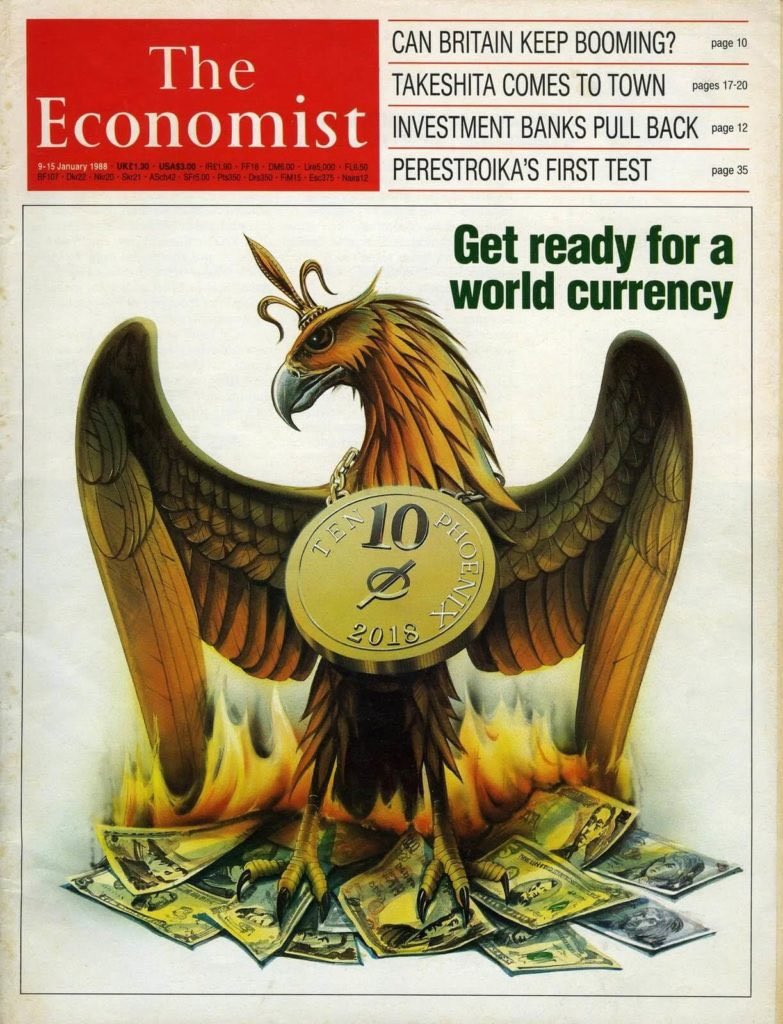
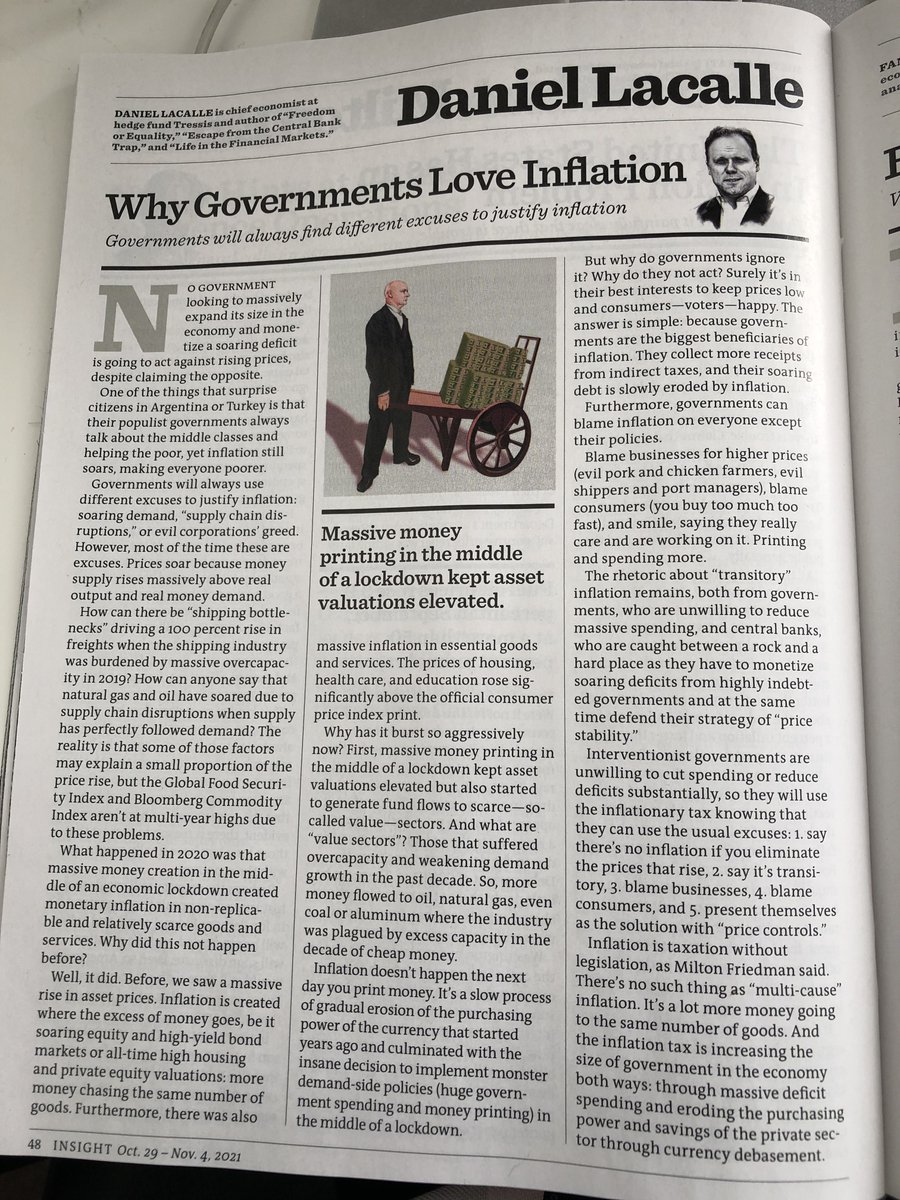
In the 1970s, inflation wasn’t “caused” by OPEC and oil shortages. Today, the inflation isn’t “caused” by supply chain disruptions. Both oil shortages and supply chain disruptions are symptoms of excess money growth, which distorts markets by artificially boosting demand.

Bloomberg (@business) 's Twitter Profile Photo

Gold steadied after its biggest advance in seven months as investors weighed concerns around stubbornly high inflation and the looming reduction in stimulus trib.al/4SXAkCi

Tom Landstreet (@tlandstreet) 's Twitter Profile Photo

Brian Wesbury Growth is not inflationary. Supply side growth leads to lower prices. Inflation is too much money chasing too few goods. We know how we got too much money but the "too few goods" comes from Biden's (energy) regulations, Chinese trade disruption and pending tax increases.


🇺🇸 Kyle Bass 🇹🇼 (@jkylebass) 's Twitter Profile Photo

Measuring economies using Purchasing Power Parity(PPP) is intellectually dishonest and allows for manipulation. The denominator in the ‘adjustment’ calculation is inflation. In China’s case, they wildly manipulate their inflation numbers lower (despite runaway inflation) to 1/3

Diego Parrilla (@parrilladiego) 's Twitter Profile Photo

Central Banks CAN NOT PRINT ENERGY, but CAN PRINT MONEY and add DEBT to SUBSIDISE them… The problem? Energy Subsidies ⬆️ = Demand Destruction ⬇️= Energy Prices ⬆️⬆️ = Inflation ⬆️⬆️ = Subsidies ⬆️⬆️ = Printing & Debt ⬆️ = Currency ⬇️ Anti-bubble!

Egon von Greyerz (@goldswitzerland) 's Twitter Profile Photo

At the end of major economic cycles, #shortages develop in all areas of the economy. And this is what the world is experiencing today on a global basis. It will get worse. Read our analysis here: goldswitzerland.com/shortages-hype…

Bloomberg (@business) 's Twitter Profile Photo

Indonesia is now overwhelmingly China’s biggest overseas supplier of coal, with shipments hitting a record last month trib.al/x0Er9g8

Ben Rickert (@ben__rickert) 's Twitter Profile Photo

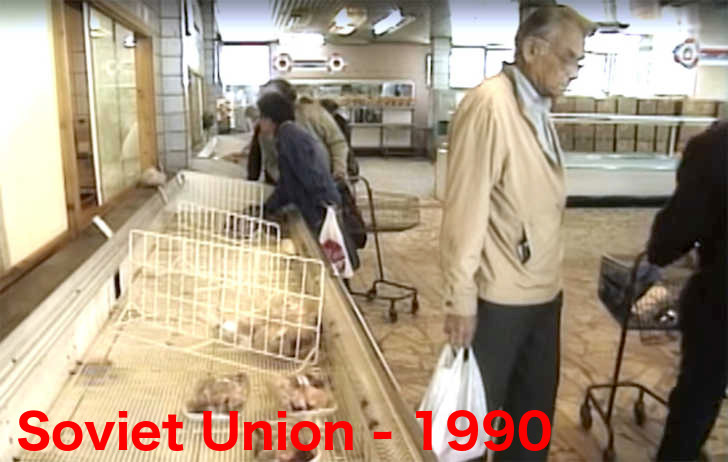
US stores are doing their best to tackle empty shelves amid the supply chain crisis. Retailers are stacking single lines of products in some places. Where has this been seen in history before?...Right before the fall of the Soviet Union in 1991.

US stores are doing their best to tackle empty shelves amid the supply chain crisis. Retailers are stacking single lines of products in some places. Where has this been seen in history before?...Right before the fall of the Soviet Union in 1991.
MarketWatch (@marketwatch) 's Twitter Profile Photo

OPINION: We know that competition works, with years of data showing that competitive wholesale and retail electricity markets provide more affordable energy prices and reliable service. Those competitive markets also help to reduce carbon emissions. on.mktw.net/3BGWFvO

Eric Yeung 👍🚀🌕 (@kingkong9888) 's Twitter Profile Photo

A German woman burning tons of legal paper money during the hyperinflation of German currency in the 1920s. The paper money was cheaper than wood or coal, and families used it to fuel their fires during the crisis.👇

A German woman burning tons of legal paper money during the hyperinflation of German currency in the 1920s. The paper money was cheaper than wood or coal, and families used it to fuel their fires during the crisis.👇