Ahahistory (@ahahistory2) 's Twitter Profile
Ahahistory

@ahahistory2

ID: 1824760891180568576

calendar_today17-08-2024 10:51:43

504 Tweet

27 Takipçi

64 Takip Edilen
Ahahistory (@ahahistory2) 's Twitter Profile Photo

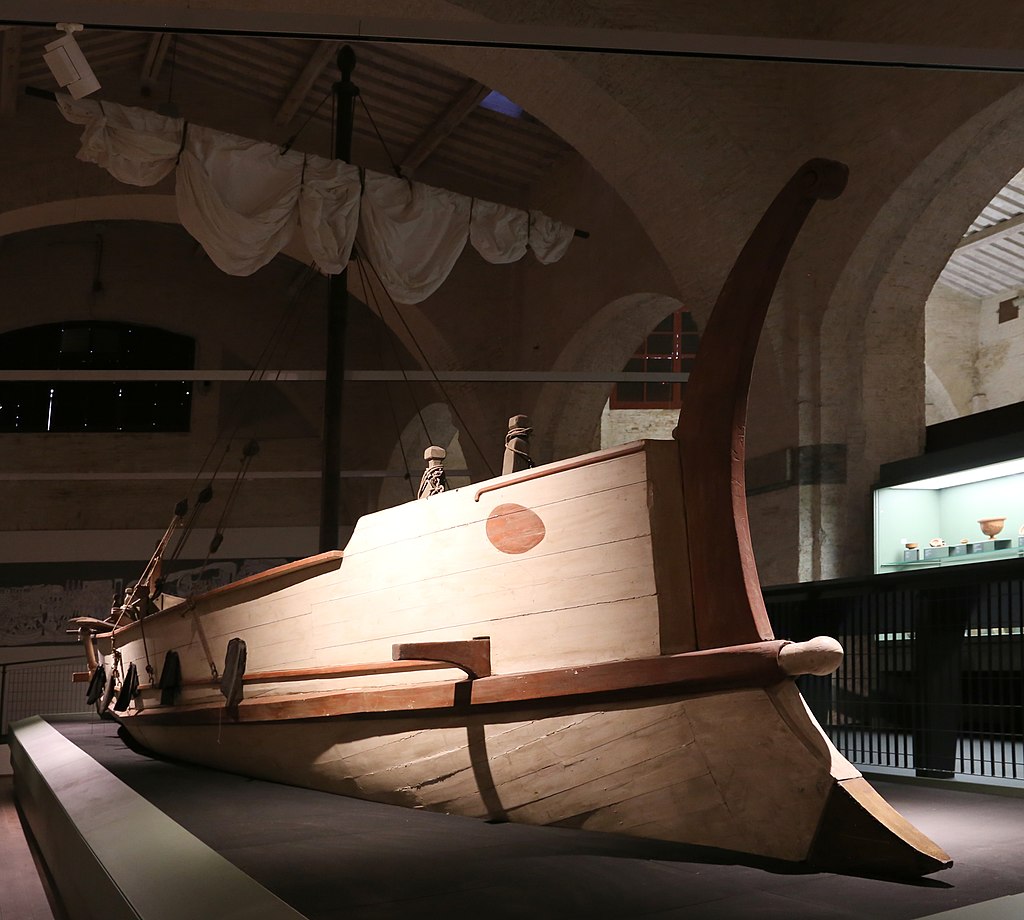
The Alkedo shipwreck, 1st century AD, discovered in Pisa. This wreck is so well preserved we even know what the name of the ship likely was: in a tablet nailed to one of the rowers' benches the name ALK(E)DO (seagull) can in fact be read. It was painted, as shown in the replica.

The Alkedo shipwreck, 1st century AD, discovered in Pisa. This wreck is so well preserved we even know what  the name of the ship likely was: in a tablet nailed to one of the rowers' benches the name ALK(E)DO (seagull) can in fact be read. It was painted, as shown in the replica.
Ahahistory (@ahahistory2) 's Twitter Profile Photo

Hand cannon from a Yuan Dynasty shipwreck discovered off the coast of Takashima (Japan) dating to the second half of the 13th c. AD. The ship was probably part of of one of the fleets that invaded Japan in either 1274 or 1281.

Hand cannon from a Yuan Dynasty shipwreck discovered off the coast of Takashima (Japan) dating to the second half of the 13th c. AD.
The ship was probably part of of one of the fleets that invaded Japan in either 1274 or 1281.
Ahahistory (@ahahistory2) 's Twitter Profile Photo

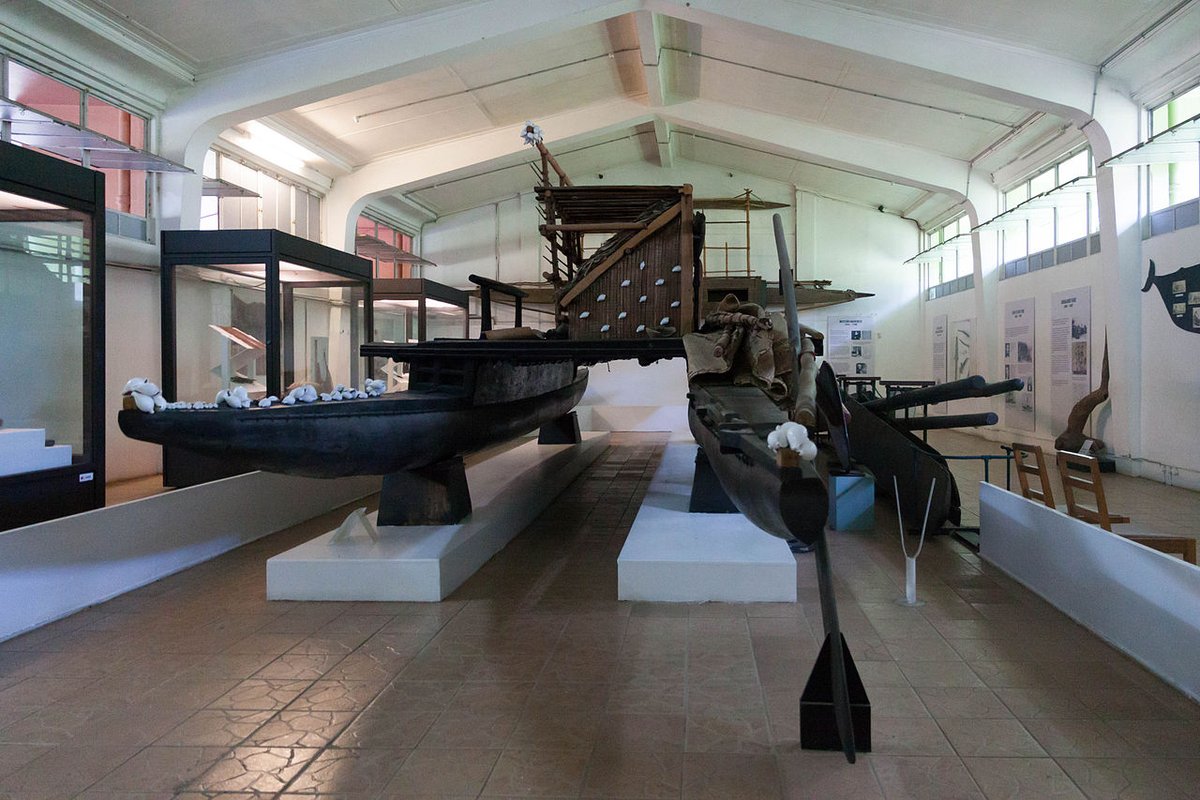
The Ratu Finau Drua, a Fijian double-hulled boat built in 1913 under the directions of a master canoe builder named Ratu Finau Ulugalala. It's 13.43 m long, small by drua standards, and is currently housed at the Fiji Museum in Suva.

The Ratu Finau Drua, a Fijian double-hulled boat built in 1913 under the directions of a master canoe builder named Ratu Finau Ulugalala.
It's 13.43 m long, small by drua standards, and is currently housed at the Fiji Museum in Suva.
Ahahistory (@ahahistory2) 's Twitter Profile Photo

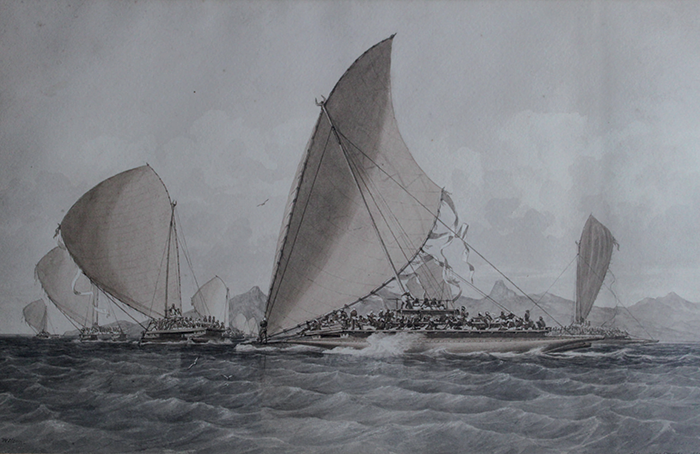
A fleet of drua off the coast of Ovalau Island, Fiji. Painting by J. Glen Wilson, 1856. Walter Lawry reported that in 1847 Thakombau sailed out with not less than 200 warriors on board each canoe.

A fleet of drua off the coast of Ovalau Island, Fiji. Painting by J. Glen Wilson, 1856.
Walter Lawry reported that in 1847 Thakombau sailed out with not less than 200 warriors on board each canoe.
Ahahistory (@ahahistory2) 's Twitter Profile Photo

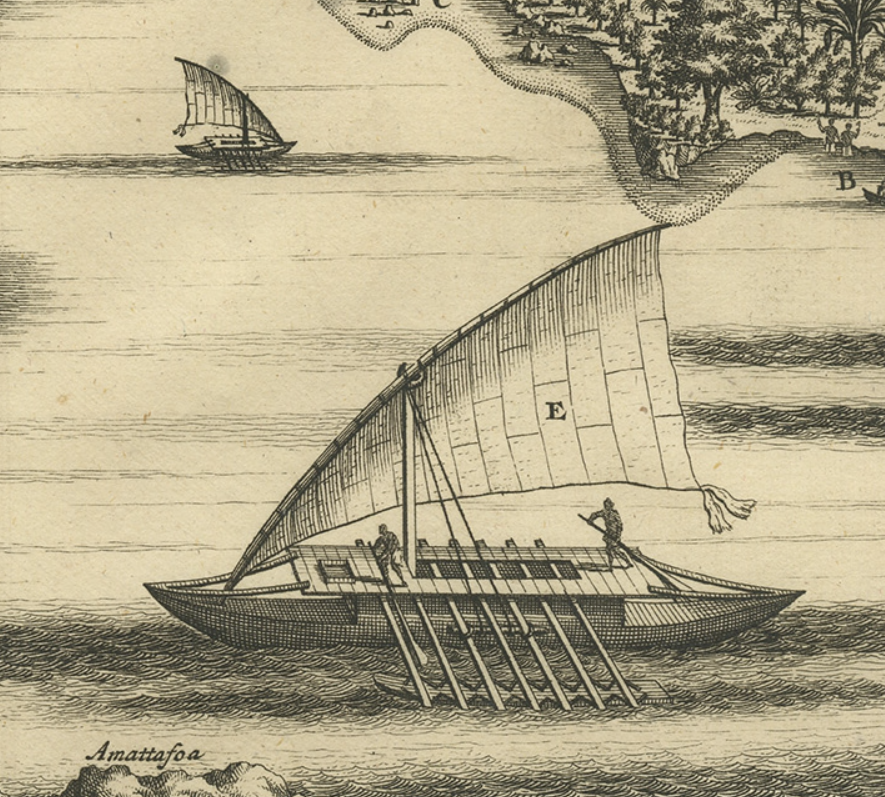
Two large single - hulled sailing crafts belonging to the natives of Tonga, from an engraving of Anamocka Island (Tonga) in François Valentijn's book, Oud en Nieuw Oost-Indiën, 1721.

Two large single - hulled sailing crafts belonging to the natives of Tonga, from an engraving of Anamocka Island (Tonga) in François Valentijn's book, Oud en Nieuw Oost-Indiën, 1721.
Ahahistory (@ahahistory2) 's Twitter Profile Photo

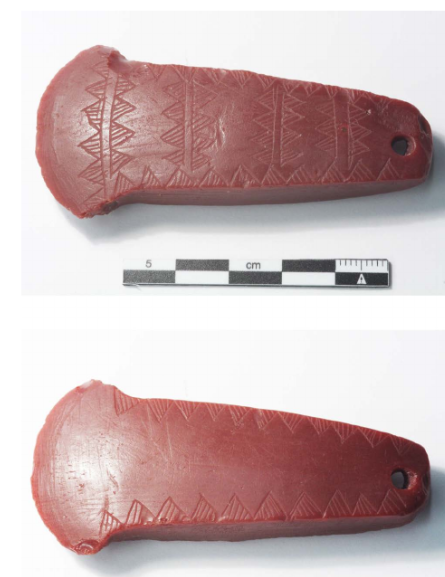
Amber imitation of ornamented British-type Early Bronze Age bronze flat axes. Found at Ejerslev Vang, Mors, NW Jutland (Denmark), c. 2100-1700 BC. From: Vandkilde et al., 2024, Metal-for-Amber in the European Bronze Age.

Amber imitation of ornamented British-type Early Bronze Age bronze flat axes. Found at Ejerslev Vang, Mors, NW Jutland (Denmark), c. 2100-1700 BC.
From: Vandkilde et al., 2024, Metal-for-Amber in the European Bronze Age.
Ahahistory (@ahahistory2) 's Twitter Profile Photo

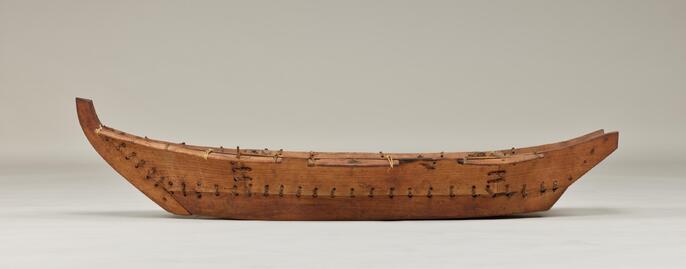
Model of an Ainu sewn boat, 19th century, Tokyo National Museum, Japan. The Ainu used sewn-plank boats both for fishing and for trading with Mainland Asia and the rest of Japan. Their vessels were usually propelled both by oars and a sail.

Model of an Ainu sewn boat, 19th century, Tokyo National Museum, Japan.
The Ainu used sewn-plank boats both for fishing and for trading with Mainland Asia and the rest of Japan. Their vessels were usually propelled both by oars and a sail.