Agri-Food Econ Sys (@agrifoodecon) 's Twitter Profile
Agri-Food Econ Sys

@agrifoodecon

ID: 3046815582

calendar_today27-02-2015 15:19:04

1,1K Tweet

338 Followers

477 Following

OntFarmerNews (@ontfarmernews) 's Twitter Profile Photo

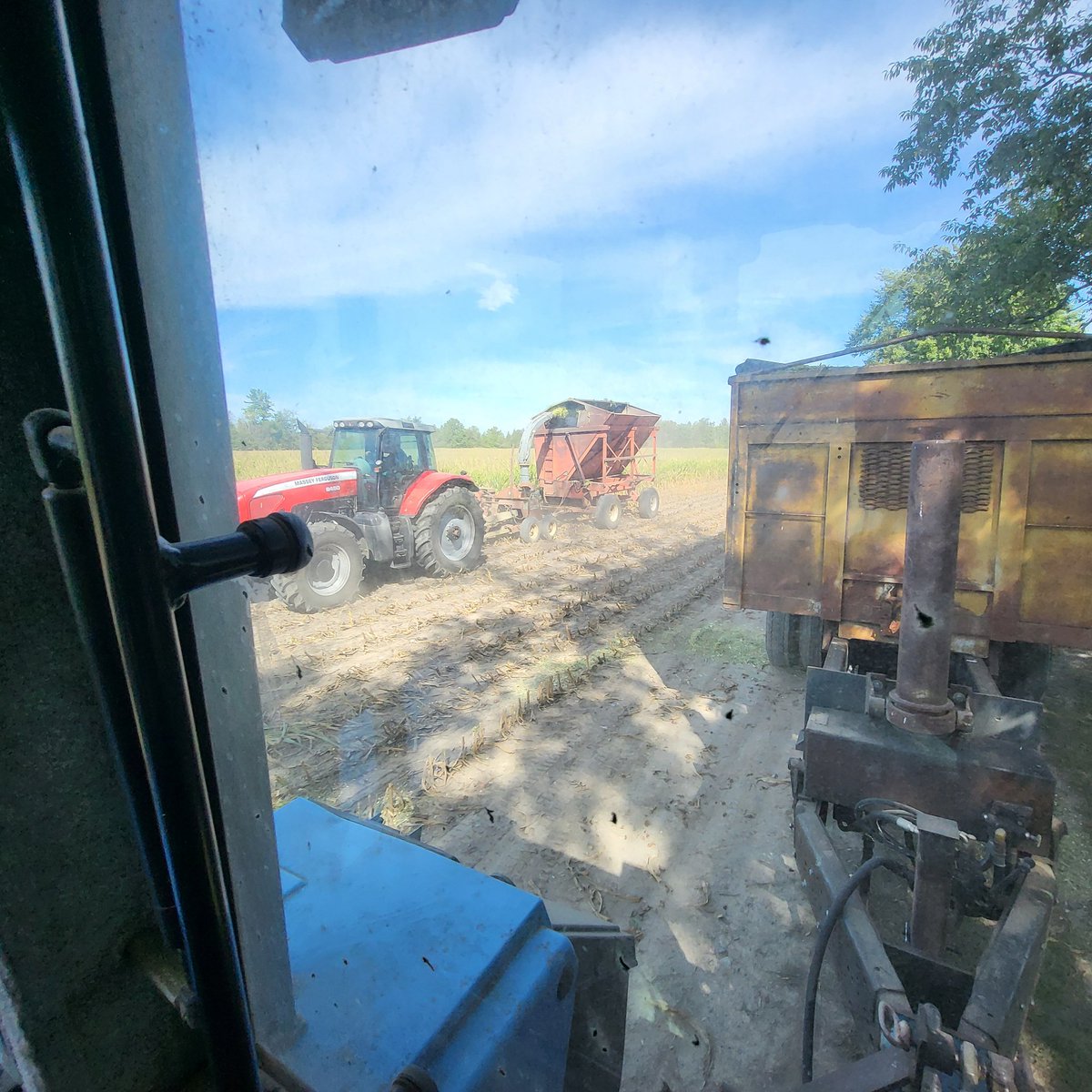
Craig Martin advises farmers attending Cribit Seeds Open House to check the underside of soybeans for aphids, which will first show up on the newest growth on the plant. Important to keep on eye on and apply insecticide in a timely manner to control aphids. 📸: Sharon Grose

Craig Martin advises farmers attending Cribit Seeds Open House to check the underside of soybeans for aphids, which will first show up on the newest growth on the plant. Important to keep on eye on and apply insecticide in a timely manner to control aphids.

📸: Sharon Grose
Agri-Food Econ Sys (@agrifoodecon) 's Twitter Profile Photo

The US is in no position to lecture Canada on dairy protectionism- read about it in an Independent Agri-Food Policy Note, just released agrifoodecon.ca

Agri-Food Econ Sys (@agrifoodecon) 's Twitter Profile Photo

President Javier Milei said he’s chopping tariffs on Argentina’s exports of meat and crops including soybean products to appease the country’s farmers bloomberg.com/news/articles/…

Agri-Food Econ Sys (@agrifoodecon) 's Twitter Profile Photo

The US is raising concerns over Canadian exports of skim milk. But before we respond, we need to understand the US situation. To learn more, read the Independent Agri-Food Policy Note. agrifoodecon.ca

The Hub (@thehubcanada) 's Twitter Profile Photo

‘Economic coercion’: Five takeaways on China tariffing Canadian canola and the escalating Canada-China trade war thehub.ca/2025/08/15/eco…

Bloomberg (@business) 's Twitter Profile Photo

The Black Swan author Nassim Taleb says investors should insure against a stock-market crash as structural issues such as the US debt burden threaten to derail an otherwise unstoppable rally bloomberg.com/news/articles/…

The Atlantic (@theatlantic) 's Twitter Profile Photo

The crash of 1929 remains the most significant—and largely misunderstood—financial disaster in modern history. And few people today “perceive the remarkable parallels between that era and today’s political and economic climate,” Andrew Ross Sorkin writes. theatlantic.com/ideas/archive/…

Josh Linville (@jlinvillefert) 's Twitter Profile Photo

Bessent (U.S. Treasury Secretary) just announced a pickup in Russia sanctions. Fertilizer is on notice: - Russia number 1 supplier of urea to U.S. - Russia number 2 supplier of potash to U.S. - Russia number 1 supplier of UAN to U.S. (and very well may need to lower exports)

Bloomberg (@business) 's Twitter Profile Photo

President Donald Trump is slated to sign an order on Friday reducing tariffs on beef, tomatoes, coffee and bananas, according to a White House official bloomberg.com/news/articles/…

Mirthful Moments (@moment_mirthful) 's Twitter Profile Photo

The male agents kept dying in the shadows, so British intelligence disguised a 23-year-old woman as a village girl, trained her to kill, and dropped her into Nazi-occupied France — where she outwitted the Third Reich for 135 days. May 1, 1944. Five days before D-Day would crack


The male agents kept dying in the shadows, so British intelligence disguised a 23-year-old woman as a village girl, trained her to kill, and dropped her into Nazi-occupied France — where she outwitted the Third Reich for 135 days.

May 1, 1944. Five days before D-Day would crack

Craig Brockie (@craigbrockie) 's Twitter Profile Photo

Stanford scientists may have just killed the $65B knee and hip replacement industry. They made a breakthrough that could regrow aging cartilage and reverse arthritis. Here's the breakdown:

Sama Hoole (@samahoole) 's Twitter Profile Photo

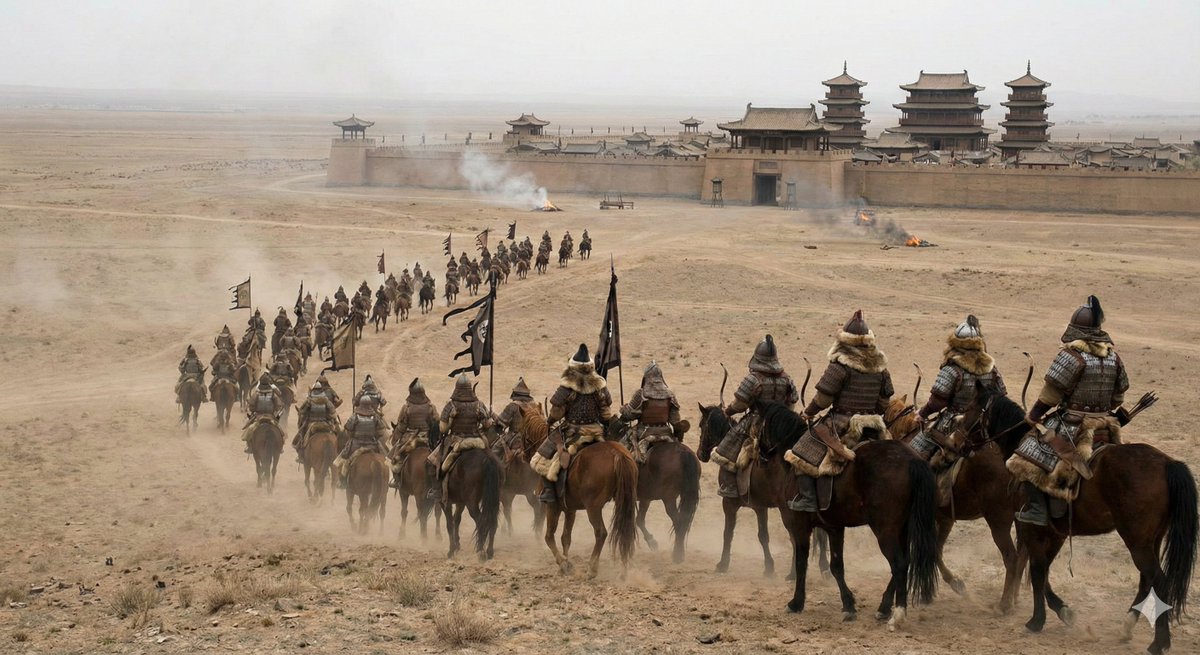
1220s, China. Chinese military strategists are studying the Mongol invasion with genuine confusion. Not fear, confusion. The logistics don't make sense. A Chinese army requires massive supply trains. Grain, dried vegetables, cooking equipment, firewood. For every 1,000 soldiers,

1220s, China. Chinese military strategists are studying the Mongol invasion with genuine confusion. Not fear, confusion. The logistics don't make sense.

A Chinese army requires massive supply trains. Grain, dried vegetables, cooking equipment, firewood. For every 1,000 soldiers,