Brendan Miller (@_brendanmiller_) 's Twitter Profile
Brendan Miller

@_brendanmiller_

Postdoc peptide discovery neuroscientist in the Saghatelian lab at @salkinstitute / PhD from @USCNGP @USCLeonardDavis

ID: 1375293934994268166

linkhttps://scholar.google.com/citations?user=wSf_8PkAAAAJ&hl=en calendar_today26-03-2021 03:50:05

326 Tweet

206 Takipçi

355 Takip Edilen

SlavoffLab (@slavoffl) 's Twitter Profile Photo

Online now, Jessie and Alina's review article takes a deep dive into how the structures (or lack thereof) of microproteins inform their functions: …iencejournals.onlinelibrary.wiley.com/doi/10.1002/pm…

Brendan Miller (@_brendanmiller_) 's Twitter Profile Photo

A common HLA locus subtype showed protection from Alzheimer's and Parkinson's in an analysis of +176,000 individuals. This HLA subtype was also linked to lower tangles and CSF tau. Pretty interesting! pnas.org/doi/10.1073/pn…

Brendan Miller (@_brendanmiller_) 's Twitter Profile Photo

Cool work on a new microprotein encoded by a SCRIB transcript. This microprotein is encoded by a smORF that starts in the 5' UTR and overlaps the main CDS. It comes up in ribo-seq, but this work shows its translation led to a stable protein that binds the WIN site of WDR5.

Diego del Alamo (@ddelalamo) 's Twitter Profile Photo

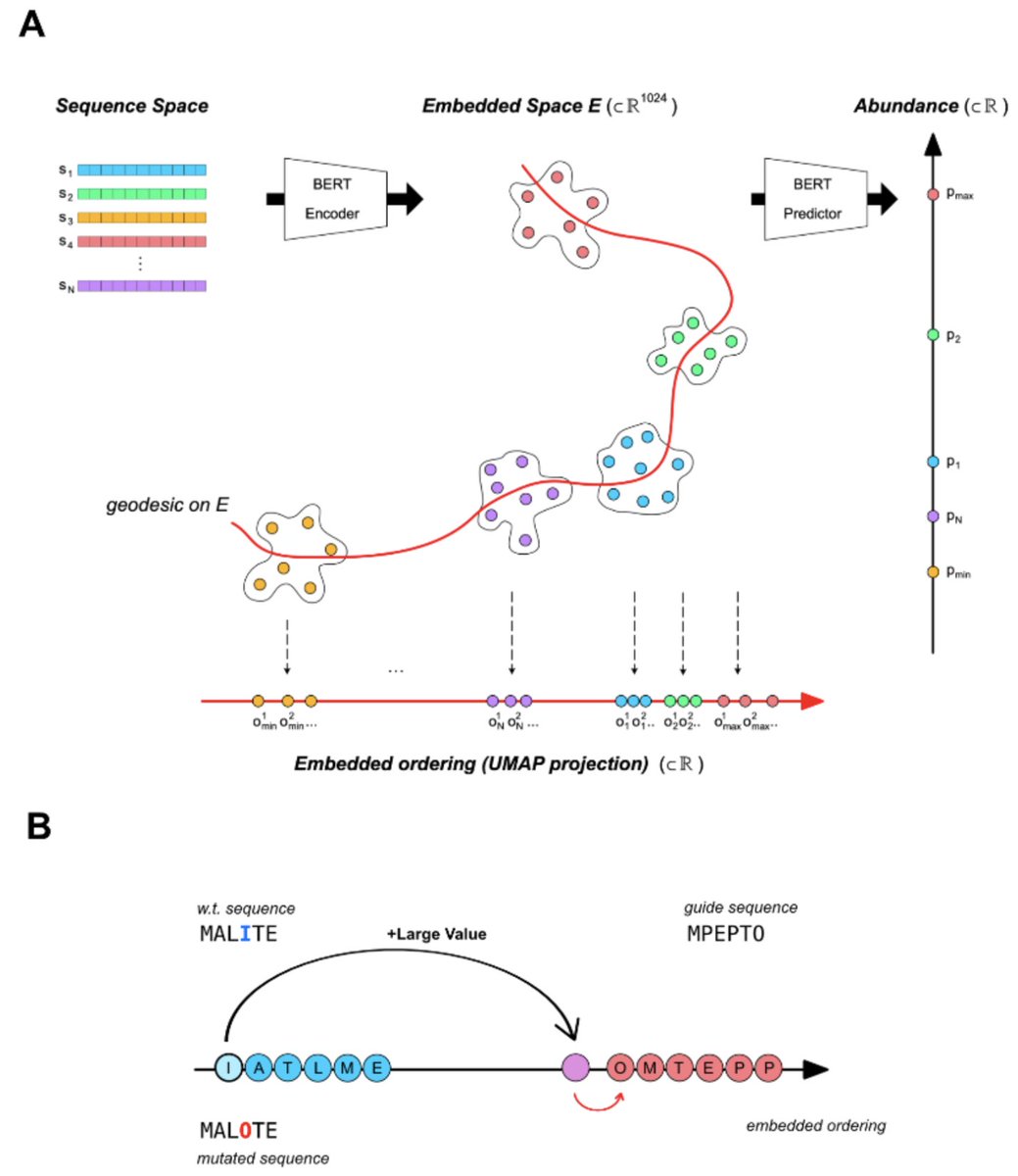
“The amino acid sequence determines protein abundance through its conformational stability and reduced synthesis cost.” Protein abundance caused by “amino acid arrangement in the sequence and not merely amino acid composition” biorxiv.org/content/10.110… github.com/fburic/protein…

“The amino acid sequence determines protein abundance through its conformational stability and reduced synthesis cost.” 

Protein abundance caused by “amino acid arrangement in the sequence and not merely amino acid composition”

biorxiv.org/content/10.110…
github.com/fburic/protein…
Brendan Miller (@_brendanmiller_) 's Twitter Profile Photo

Ribo-Seq is a powerful tool to find translating small open reading frames (smORFs), but it's restricted to smORFs without repetitive regions. Here, my colleague developed an integrative proteogenomics + Ribo-Seq approach to find previously missed smORFs. biorxiv.org/content/10.110…

Brendan Miller (@_brendanmiller_) 's Twitter Profile Photo

Very cool paper with relevance to smORFs... Experimental results reveal de novo proteins are more soluble and benefit from the DnaK chaperone system, potentially making them better suited for cellular integration. nature.com/articles/s4155…

Jeffrey van Haren (@jeffreyharen) 's Twitter Profile Photo

Vesicular transport in a bundle of neurons. Made this movie some years ago. Incredible how much material is constantly being moved around in our cells over long distances by tiny (nanometer scale) motor proteins #microscopy, #science, #cells_are_amazing

Ahmad Jomaa (@jomaa_lab) 's Twitter Profile Photo

Want to know what happens when mitochondria get stressed? Check our latest pre-print with Simone Mattei lab on how mitochondria tether hibernating ribosomes as an adaptive response to glucose depletion in yeast! biorxiv.org/content/10.110… #teamtomo #cryoEM #ribosomes #mitochondria

Science Magazine (@sciencemagazine) 's Twitter Profile Photo

In 21 papers across Science, Science Advances, and Science Translational Medicine, researchers with the #BICCN consortium present an atlas of the human and nonhuman primate brain in unprecedented detail. The results uncover the genetic organization of the human brain. scim.ag/4ro

In 21 papers across Science, <a href="/ScienceAdvances/">Science Advances</a>, and <a href="/ScienceTM/">Science Translational Medicine</a>, researchers with the #BICCN consortium present an atlas of the human and nonhuman primate brain in unprecedented detail.

The results uncover the genetic organization of the human brain. scim.ag/4ro

Brendan Miller (@_brendanmiller_) 's Twitter Profile Photo

Here's an excellent STAR protocol for identifying actively translated small open reading frames (smORFs), which is often an initial step to discovering microproteins. Great work from Kevin Cao and @tfmPhD! sciencedirect.com/science/articl…

Andrew Savinov (@biosavinov) 's Twitter Profile Photo

Want to design genetically encoded inhibitors of your favorite protein? Thrilled to announce our latest work w/ Sebastian, Keating Lab, & Gene-Wei Li Lab, where we leverage massively parallel AlphaFold predictions to discover peptide inhibitors. biorxiv.org/content/10.110… (1/n)
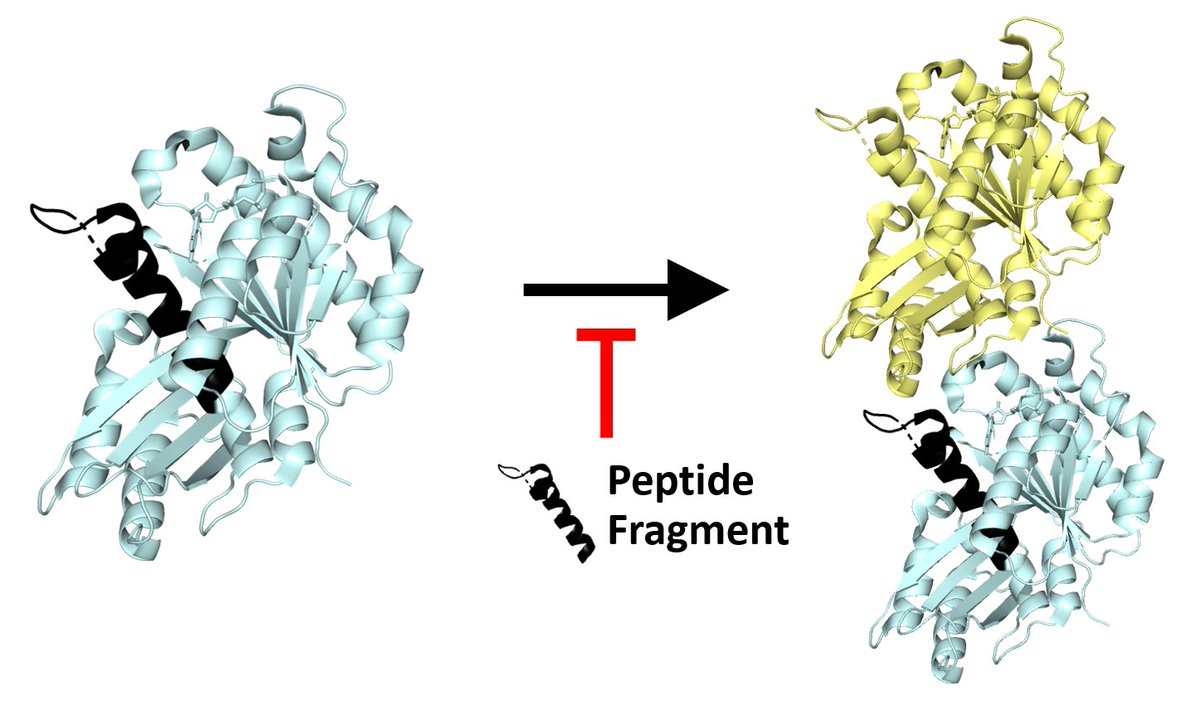
Want to design genetically encoded inhibitors of your favorite protein? Thrilled to announce our latest work w/ <a href="/SassSeabass/">Sebastian</a>, <a href="/keating_lab/">Keating Lab</a>, &amp; <a href="/GeneWeiLiLab/">Gene-Wei Li Lab</a>, where we leverage massively parallel AlphaFold predictions to discover peptide inhibitors. biorxiv.org/content/10.110…
(1/n)
Science Magazine (@sciencemagazine) 's Twitter Profile Photo

#AlphaMissense, a tool by Google DeepMind, can help researchers learn more about the effects that missense mutations have on disease, and could help identify previously unknown disease-causing genes, according to a Science study. Learn more: scim.ag/5iY
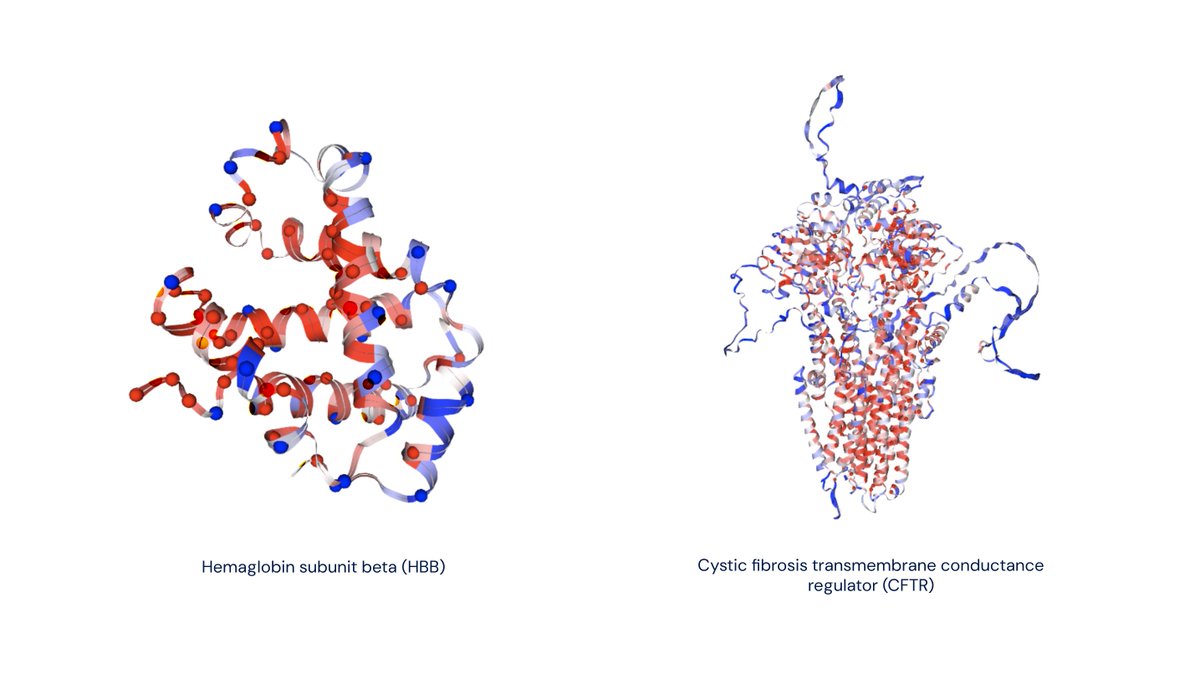
#AlphaMissense, a tool by <a href="/GoogleDeepMind/">Google DeepMind</a>, can help researchers learn more about the effects that missense mutations have on disease, and could help identify previously unknown disease-causing genes, according to a Science study.

Learn more: scim.ag/5iY

bioRxiv Evobio (@biorxiv_evobio) 's Twitter Profile Photo

One million years of solitude: the rapid evolution of de novo protein structure and complex biorxiv.org/cgi/content/sh… #biorxiv_evobio

Dylan Burnette (@mag2art) 's Twitter Profile Photo

A cancer cell with three nuclei (cyan) videoed through a microscope. Mitochondria (yellow) and the actin cytoskeleton (red) are also shown. #CellBiology

Manolis Kellis (@manoliskellis) 's Twitter Profile Photo

Excited to share our #GenoBoost paper out in Nature Communications today, a flexible #PolygenicScore #PGS modelling framework for additive and #NonAdditive dominance effects, incorporating non-zero dominance effects in 40%-67% of variants across multiple traits, including #psoriasis,
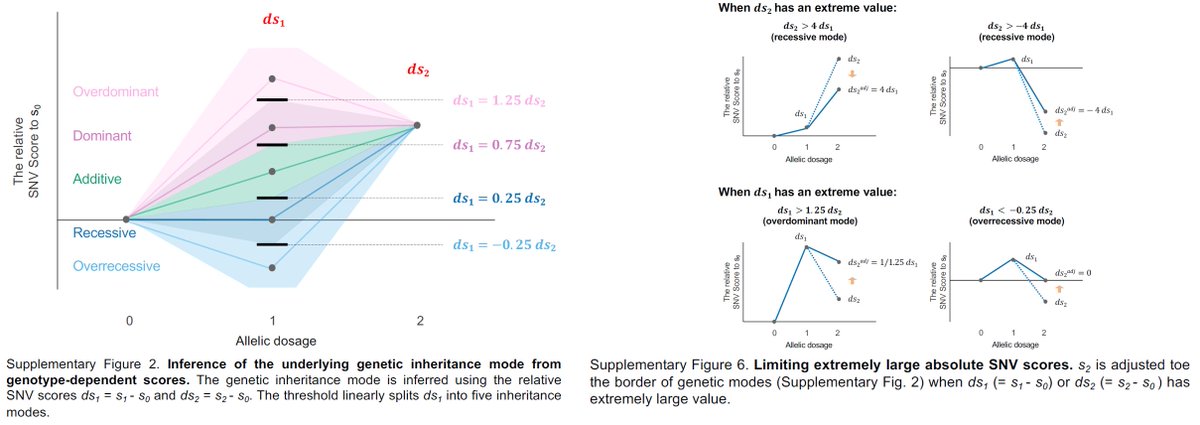

Excited to share our #GenoBoost paper out in <a href="/NatureComms/">Nature Communications</a> today, a flexible #PolygenicScore #PGS modelling framework for additive and #NonAdditive dominance effects, incorporating non-zero dominance effects in 40%-67% of variants across multiple traits, including #psoriasis,
James Lee (@dr_james_lee) 's Twitter Profile Photo

There's been amazing coverage of our new paper nature nature.com/articles/s4158… but I wanted to put together a walk-through (and make this accessible as possible). It's a bit long so get a cup of tea! The full version is open access so pls do have a read if you are interested...

Brendan Miller (@_brendanmiller_) 's Twitter Profile Photo

Ribosome profiling (Ribo-Seq) has played a key role in discovering functional smORFs and microproteins, but its effectiveness can still be improved. One way to enhance this method is by integrating proteogenomics, which my lab colleague did here: nature.com/articles/s4146…