

Stephen Treaster
@treasteveomics
Postdoc unraveling mechanisms of longevity with phylogenomics.
Boston Children's Hospital
Harvard Medical School Genetics
Harris Lab
fishbonelab.org
ID: 1068264377202196486
29-11-2018 22:04:09
25 Tweet
59 Takipçi
95 Takip Edilen


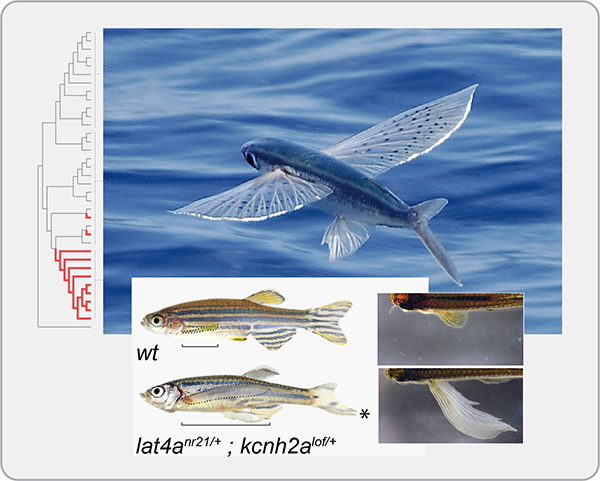

“You don’t have to reinvent the wheel to adapt to scorching or freezing environments. You look at a fish that knows how to do it already,” says Stephen Treaster of HMS Genetics Department and Boston Children's hvrd.me/eC4H30rGcie

What can the “living fossil” bowfin tell us about fin evolution & development? Harris lab & I teamed up with @FishEvoDevoGeno @DrewT1023 et al. to make omics resources to investigate fins in this enigmatic fish See highlights of our findings below! nature.com/articles/s4158…
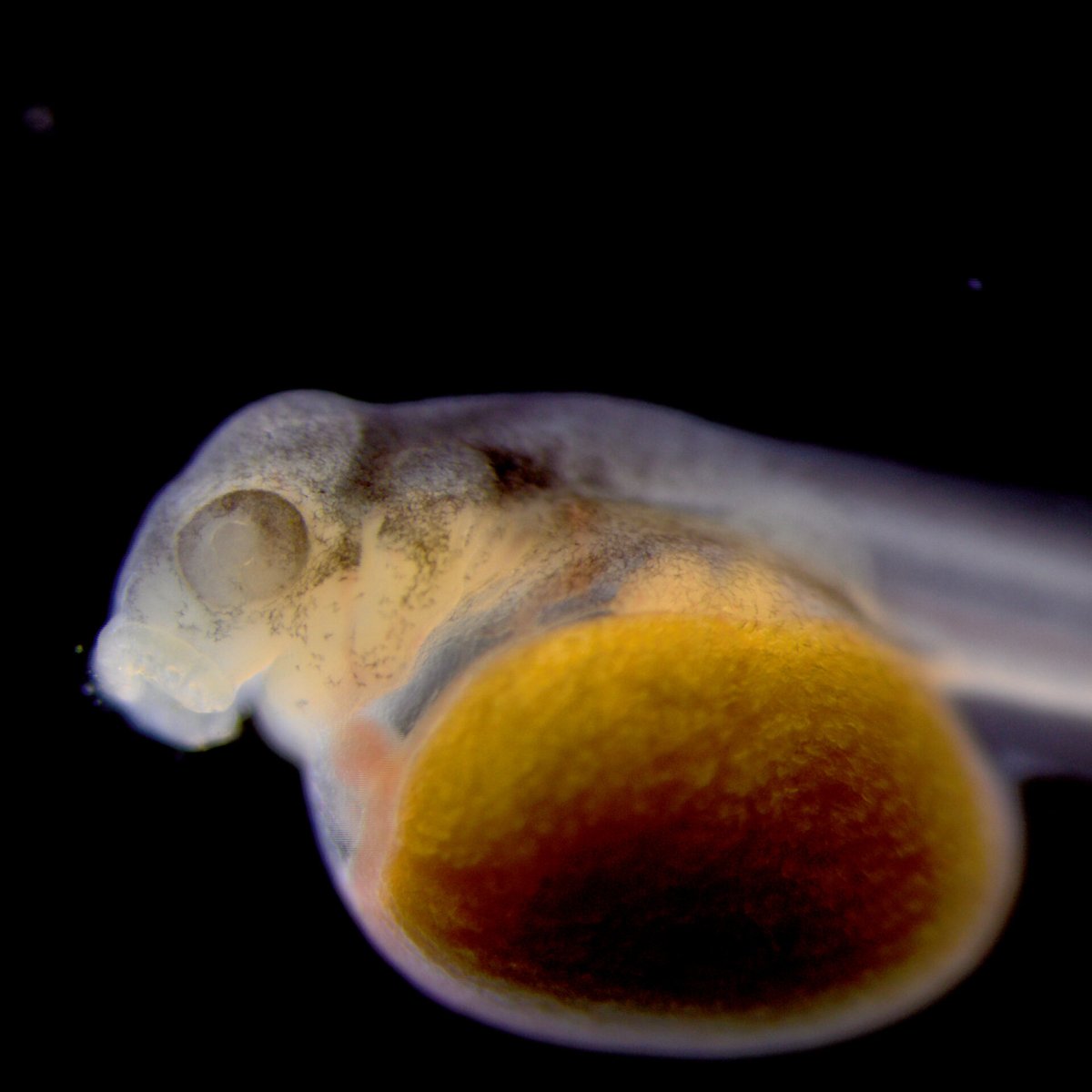

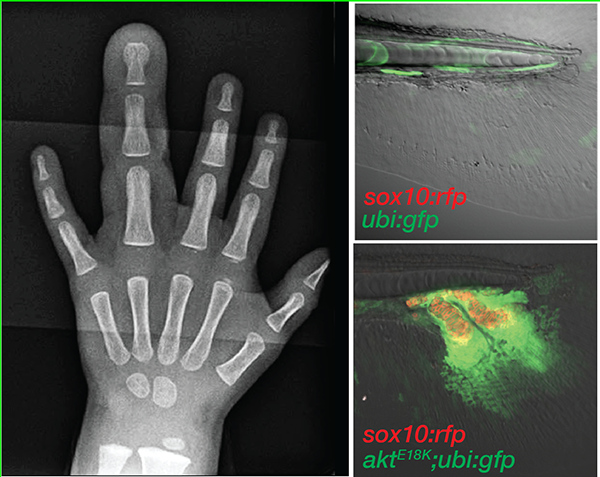
Fish species vary greatly in the relative size of their fins, but how is fin size specified? With Harris lab, we combine forward genetic screens in zebrafish and comparative genomics in flying fishes to ID mechanisms regulating fin size authors.elsevier.com/c/1dlqf3QW8Rwp… Current Biology
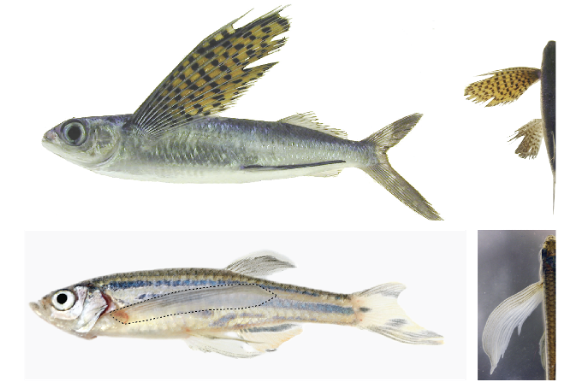


Excited to participate in this absolutely stacked symposium line up on December 8. Open to all! Just register below and come join for a fun day filled with awesome evo-devo talks! stowers.org/sites/default/… Thanks to Nicolas Rohner Stowers Institute Stowers Research Conferences for organizing
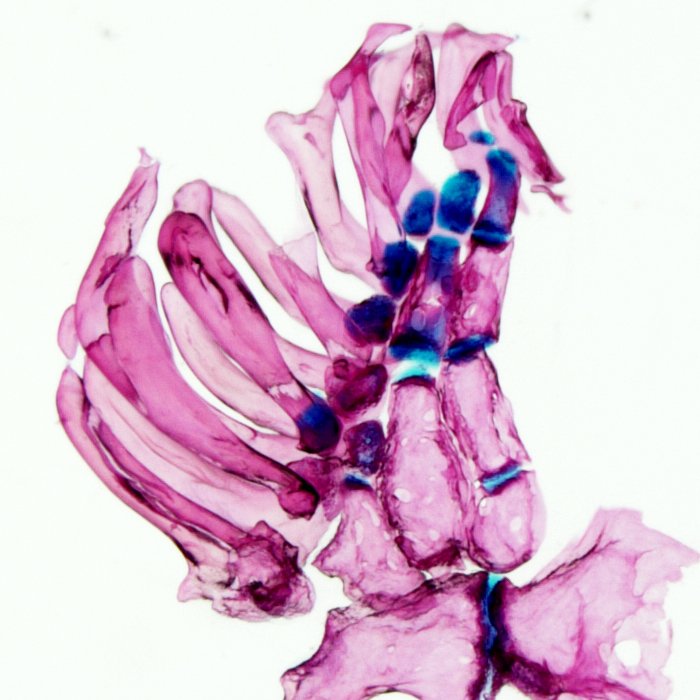
Fantastic and humorous journey with great animation. Working on means to isolate the flying ones as currently they ‘escape’ such experimental approaches and would be underrepresented in screens Harris lab Jacob Daane
‘Twas the year of Rockfish and all through the house…Use of Rockfish evolutionary model to refine human genomic signals of longevity. Preprint doi.org/10.21203/rs.3.… with D. Karasik @Joris_Deelen & J. Moribito of CHARGE. Stephen Treaster Jacob Daane finding signals of good livin'

How are different types of fins & limbs related? Do the same genes guide how different appendages form? I w/ davidjandzik Tetsuya Nakamura Neil Shubin & others have added a piece to this evolutionary puzzle in this week’s PNASNews cover story. Thread: pnas.org/doi/10.1073/pn…




Applications NOW OPEN👩🔬 Biology of Aging Advanced Research Training Course @MBLscience July 23 – Aug 19, 2023 An immerive research course training PhD students and postdocs central concepts in modern geroscience APPLY HERE: mbl.edu/boa William Mair Jennifer Garrison

The longevity of rockfishes—which can live more than 100 years—comes from genes tied to insulin signaling and flavonoid metabolism, according to new research in Science Advances that also evaluated the influence of equivalent genes on human aging. scim.ag/1bR
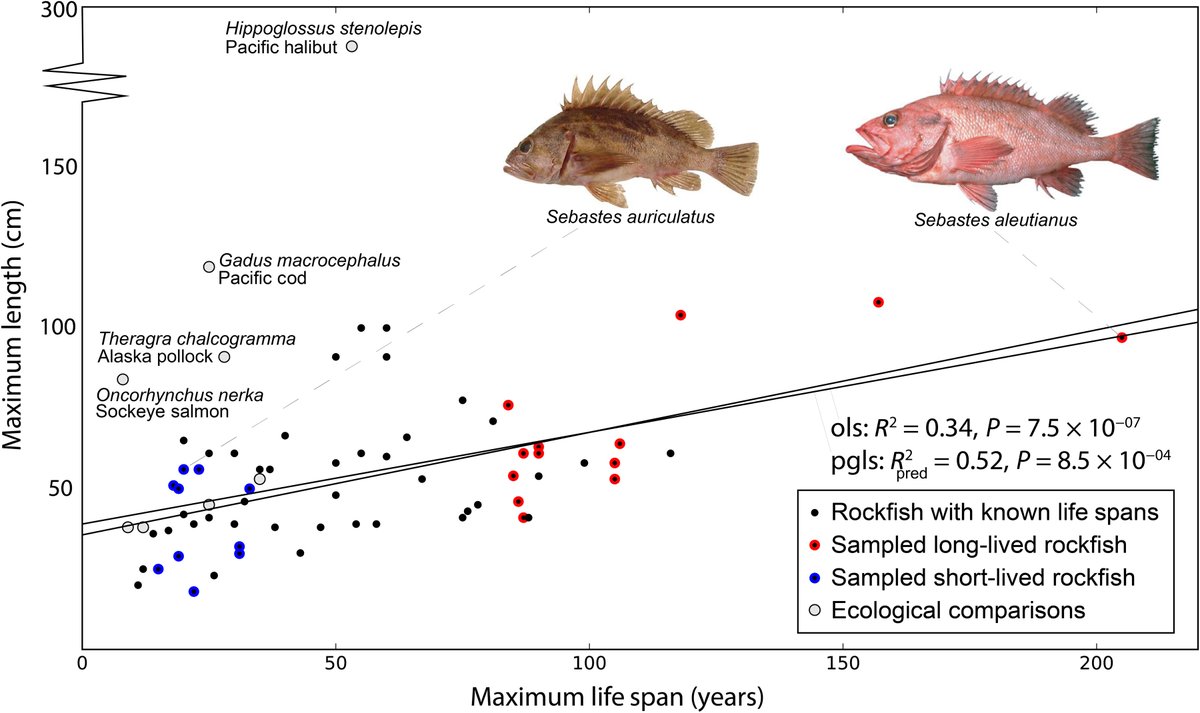

Rather than relying on the usual model organisms, Harris lab researchers BCH Innovation News used rockfish to discover new genetic pathways connected to longevity. They published their work in Science Advances. ow.ly/AQ9E50OkOTQ

Our latest paper is out - a new method called "TIME-Seq" to measure biological age for just a few dollars. Great work Patrick Griffin! Nature Aging Free download rdcu.be/dvDfc
