

Thomas Haworth
@tomhaworthastro
Reader in Astrophysics and Dorothy Hodgkin Fellow at Queen Mary University of London.
Our MSc Astrophysics Program: tinyurl.com/4kfdjb8w
ID: 494870213
https://thaworth.wixsite.com/astro 17-02-2012 10:38:35
2,2K Tweet
707 Followers
1,1K Following

A new paper by Alex Ziampras from QMUL School of Physical and Chemical Sciences showing that low mass planets do not stall in their inwards migration towards their parent star when buoncancy torques are properly accounted for (1/2) arxiv.org/abs/2406.08555


Massive congratulations to Marie Goldman MP 🔶. I can't remember ever having such strong conviction in my vote before.
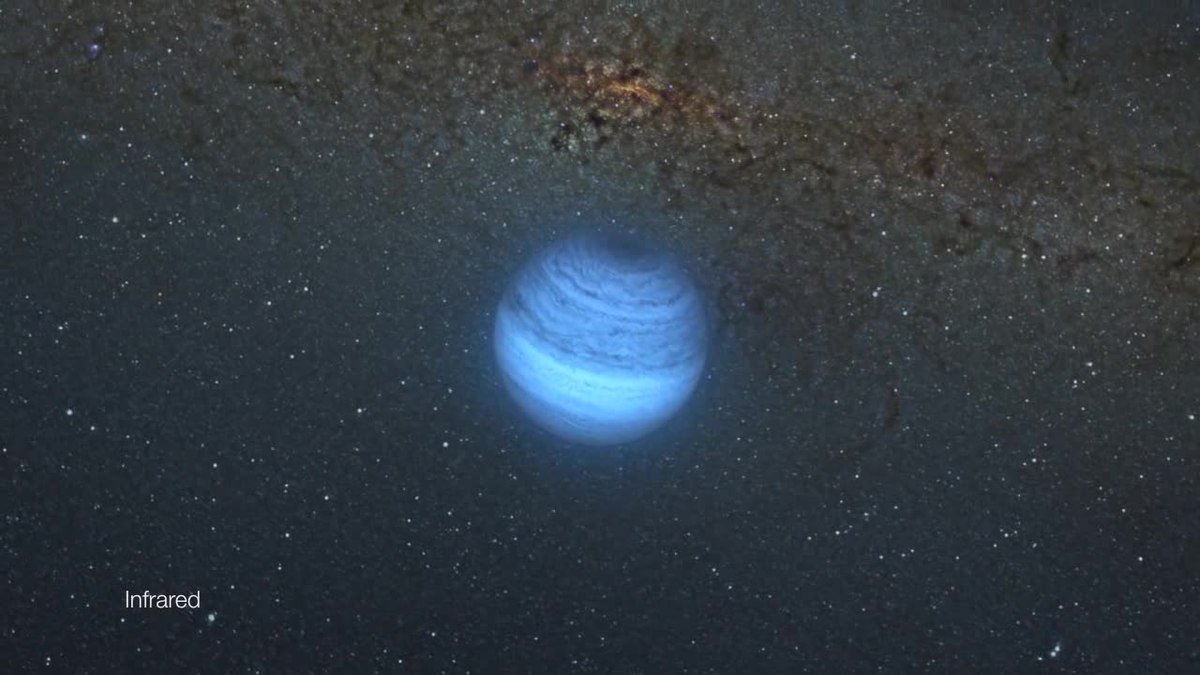
QMUL School of Physical and Chemical Sciences 's Gavin Coleman has an extremely cool paper out today providing the first predictions of the mass distributions of free-floating planets (FFPs), also known as rogue planets, that do not orbit a parent star arxiv.org/abs/2407.05992 (1/6)
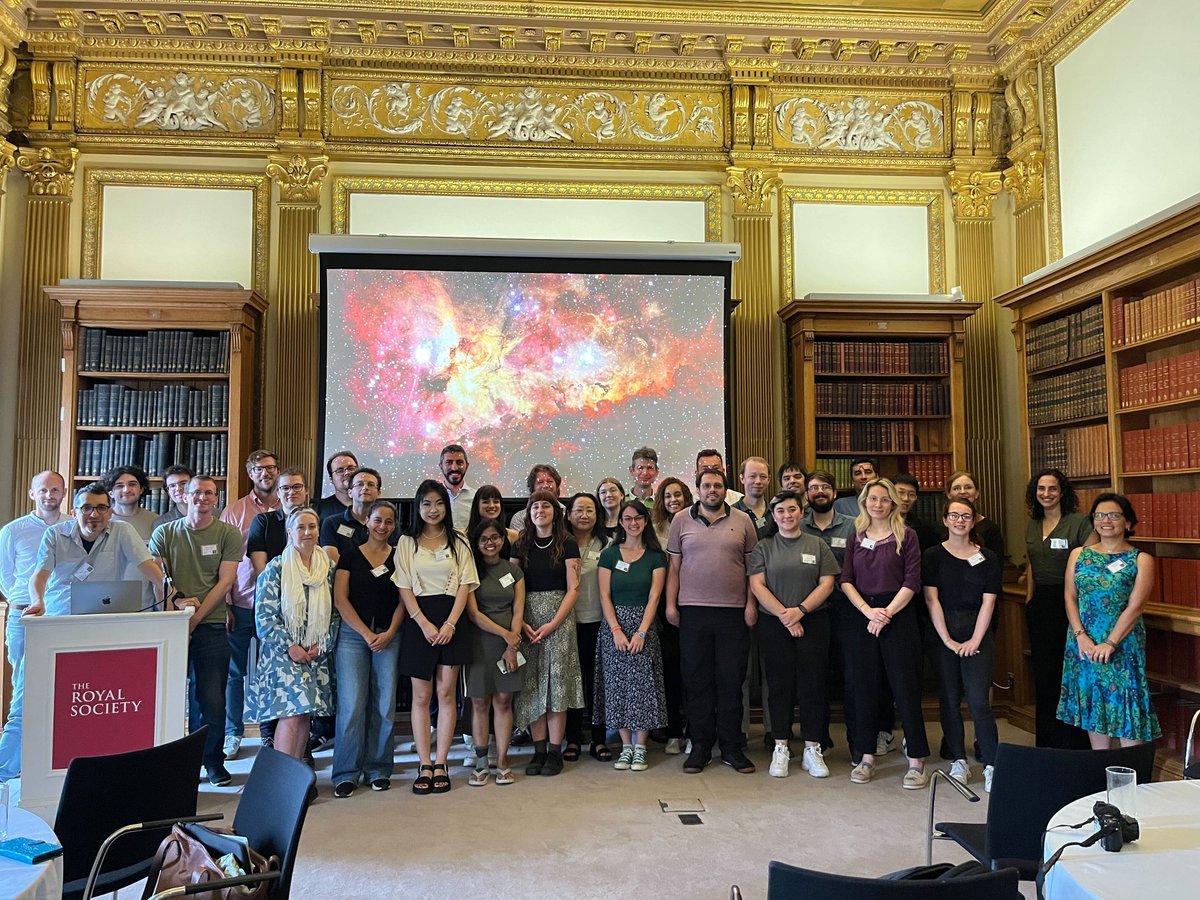
And a fantastic day two as well. Tomorrow we have a day at the Royal Astronomical Society for group discussions and collaborative work

A pair of externally photoevaporating discs in Orion. JWST observations from the dataset of Mark McCaughrean




A cool paper today from QMUL School of Physical and Chemical Sciences's Alex Ziampras. Sometimes the inner part of a planet-forming disc can misalign, casting a shadow on the outer disc (left image). This can lead to all sorts of observable dynamical features (right images). Read more here arxiv.org/abs/2410.13932


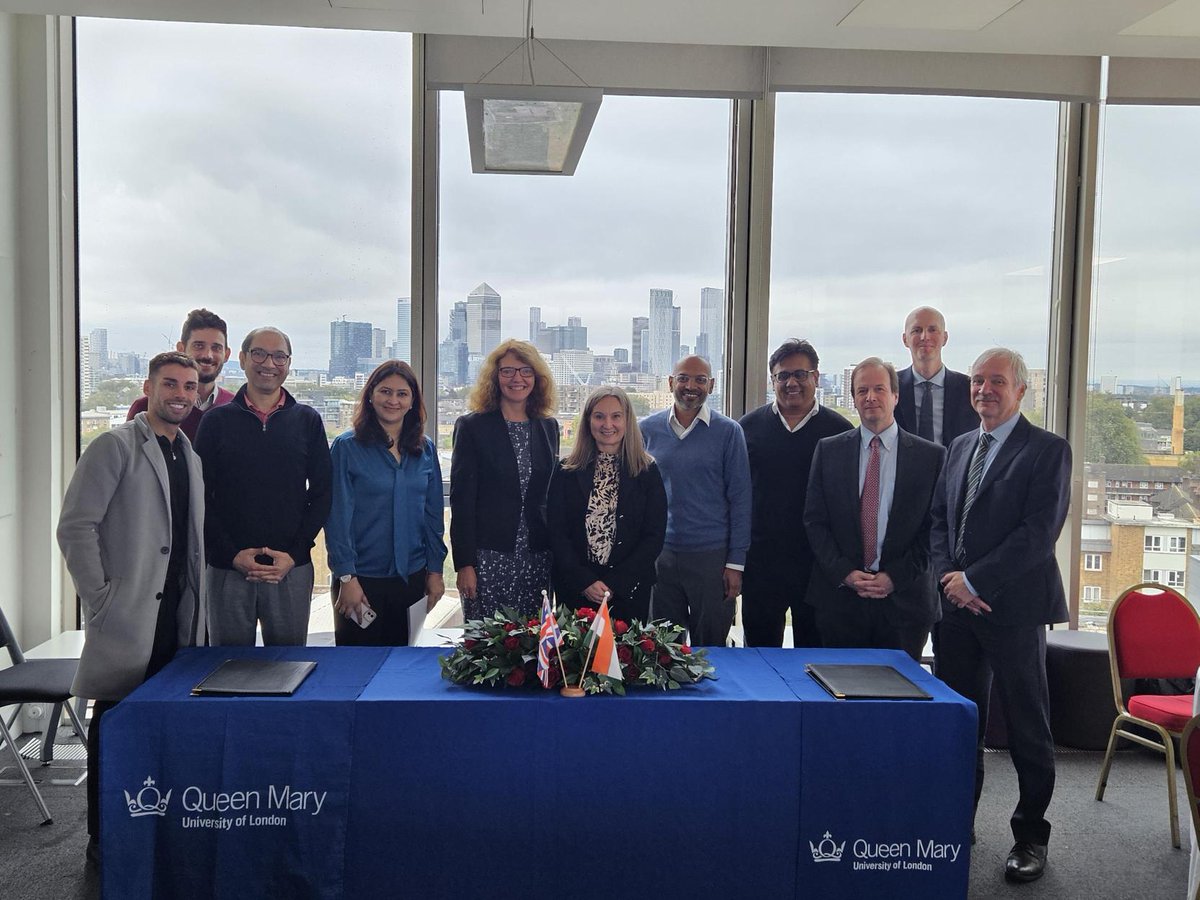
🇬🇧🇮🇳 Queen Mary University of London and Shoolini University announce dual master's degree programme, allowing students from India to earn both Indian and UK qualifications. "It will equip students with competitive skills for today's market," said Professor Helen Bailey. Read more⬇️ qmul.ac.uk/media/news/202…
It’s giving rainbows and unicorns, like a middle school binder 🦄🌈 Meet NGC 602, a young star cluster in the Small Magellanic Cloud, where astronomers using NASA Webb Telescope have found candidates for the first brown dwarfs outside of our galaxy. esawebb.org/news/weic2425/

Today we have a paper from Luke Keyte and Thomas Haworth studying the role of externally driven winds in planet-forming disk chemistry. Planet forming material is shone upon by nearby stars, which may affect the chemistry. (1/4) arxiv.org/abs/2501.05172
