Kate Thomson (@kltj) 's Twitter Profile
Kate Thomson

@kltj

Clinical scientist. Inherited heart conditions and genetics/genomics in healthcare.

ID: 116010935

calendar_today20-02-2010 20:16:06

1,1K Tweet

459 Followers

843 Following

Genetic Alliance UK (@geneticall_uk) 's Twitter Profile Photo

The CureHeart project aims to develop #GeneticTherapies to treat #inherited #cardiomyopathies, British Heart Foundation The CureHeart Patient Perspectives Study wants to understand people's experiences of #cardiomyopathy, views on treatments, and issues accessing care. ow.ly/IxiA50QwJH3


The CureHeart project aims to develop #GeneticTherapies to treat #inherited #cardiomyopathies, <a href="/TheBHF/">British Heart Foundation</a>

The CureHeart Patient Perspectives Study wants to understand people's experiences of #cardiomyopathy, views on treatments, and issues accessing care. 

ow.ly/IxiA50QwJH3
Chai Ng (@chaiann_ng) 's Twitter Profile Photo

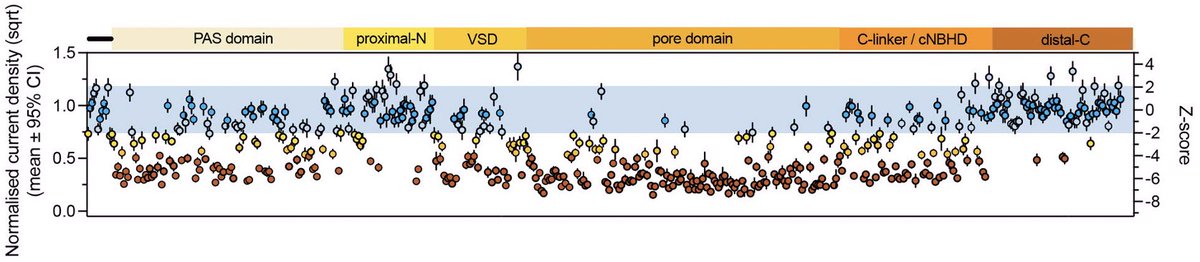
I am pleased to share the Z-score for the largest #KCNH2 patch clamp dataset, which can be used as functional evidence within the ACMG variant classification framework. Hopefully this resource can help many individuals with #LQTS to get their #VUS reclassified. Happy to help.

I am pleased to share the Z-score for the largest #KCNH2 patch clamp dataset, which can be used as functional evidence within the <a href="/TheACMG/">ACMG</a> variant classification framework. Hopefully this resource can help many individuals with #LQTS to get their #VUS reclassified. Happy to help.
Andrew Glazer (@amglazer) 's Twitter Profile Photo

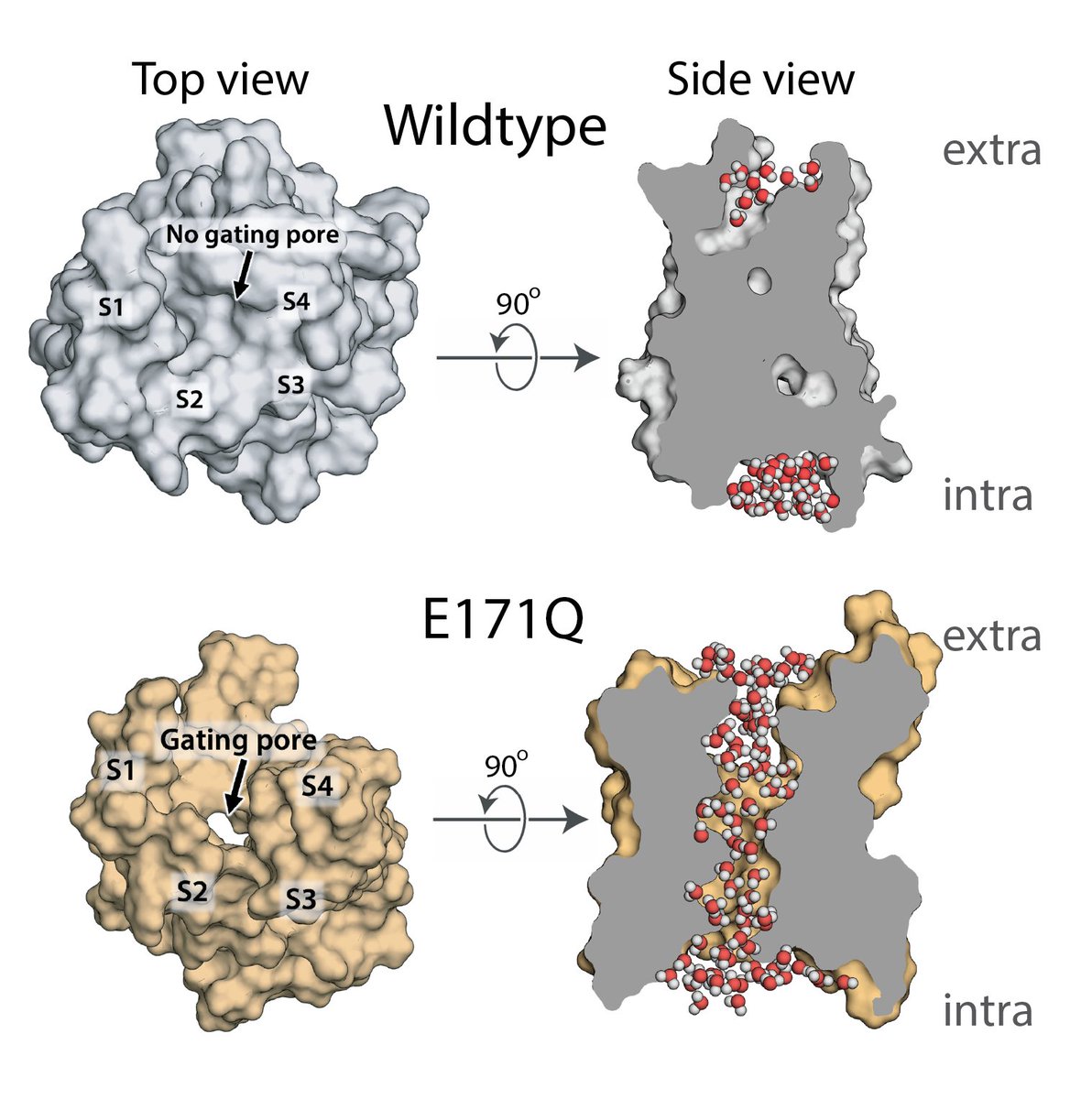
Check out our preprint on a novel variant in the cardiac sodium channel SCN5A, which we identified in an infant with a severe “MEPPC” arrhythmia phenotype. The variant creates an extra pore in the channel (a “gating pore”), through an unusual mechanism.

Check out our preprint on a novel variant in the cardiac sodium channel SCN5A, which we identified in an infant with a severe “MEPPC” arrhythmia phenotype. The variant creates an extra pore in the channel (a “gating pore”), through an unusual mechanism.
Roddy Walsh 🇪🇺 🇺🇦 (@roddywalsh) 's Twitter Profile Photo

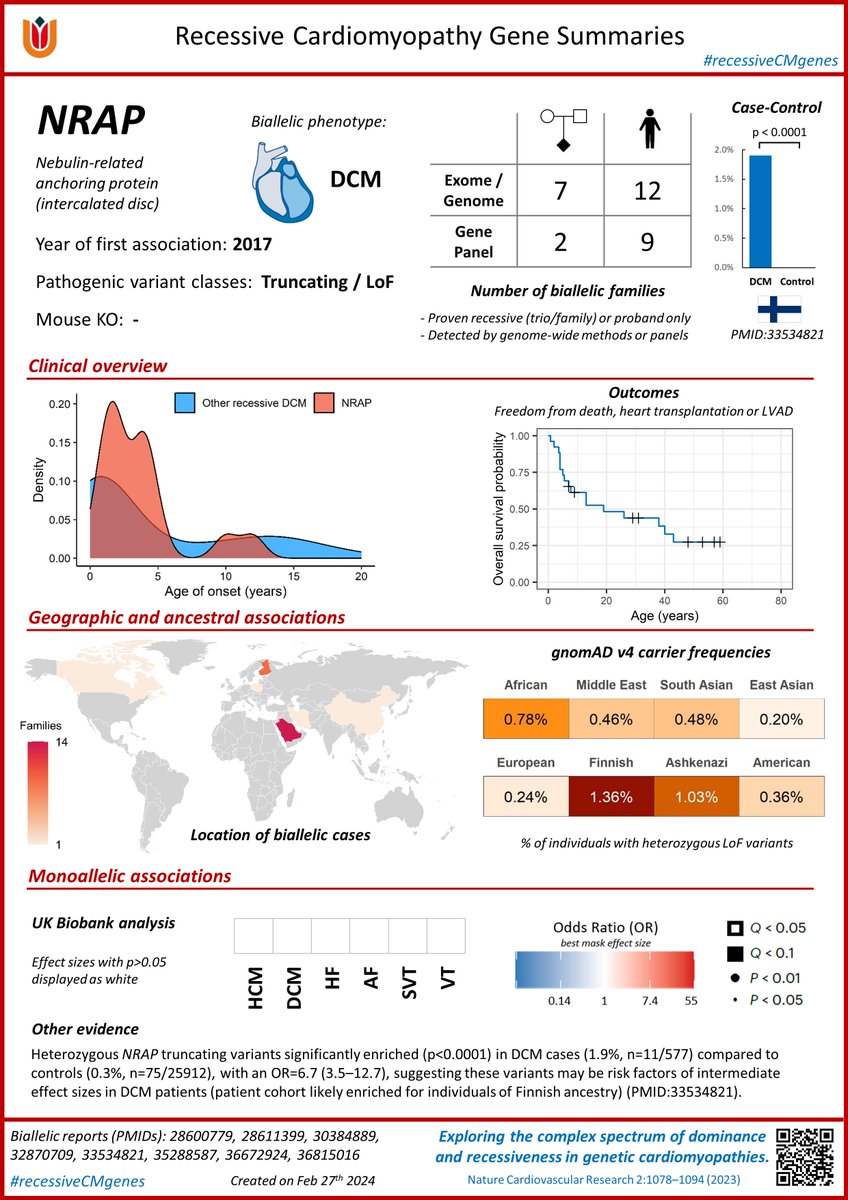
Our latest recessive cardiomyopathy gene summary is for NRAP, potentially one of the most prevalent biallelic cardiomyopathy genes and which has been robustly associated with DCM for several years now. nature.com/articles/s4416… #recessiveCMgenes

Our latest recessive cardiomyopathy gene summary is for NRAP, potentially one of the most prevalent biallelic cardiomyopathy genes and which has been robustly associated with DCM for several years now. nature.com/articles/s4416… #recessiveCMgenes
Sarah Louise Stenton (@sl_stenton) 's Twitter Profile Photo

We’re happy to share our preprint on evidence yield from genome sequencing for the calibrated PP3/BP4 computational recommendations, where we find a median of 1 rare missense variant reaching PP3 “Strong” evidence per person in disease-associated genes. 1/ medrxiv.org/content/10.110…

Ian Berry (@laughinggenome) 's Twitter Profile Photo

Please come to work for our fantastic rare disease team in the south west! Opportunities for an ambitious and experienced scientific leader to join our team delivering excellence in NGS/WGS diagnostic services, cardiac, renal and neurological disease.

Centre for Personalised Medicine, Oxford (+ bsky) (@cpmoxford) 's Twitter Profile Photo

1/ What do you think about sequencing the entire genetic code (#genome) of babies at birth? 👶 🧬 🔍 A thread based on our The BMJ paper bmj.com/content/384/bm…

Nicky Whiffin (@nickywhiffin) 's Twitter Profile Photo

Would you believe me if I told you that a single variant in a non-coding RNA explains ~0.5% of all undiagnosed individuals with neurodevelopmental disorders (NDD) in Genomics England ??? I didn’t initially either, but here is the story of RNU4-2 🧵1/9

🕊️Fran Bermúdez-Jiménez (@franbermudz) 's Twitter Profile Photo

😊Very happy to share with all of you our recent work published in JACC Journals #JACCEP Phenotype and Clinical Outcomes in Desmin-Related Arrhythmogenic Cardiomyopathy Has taken a lot of effort, but it's worth it. Thank you to all co-authors! jacc.org/doi/10.1016/j.…
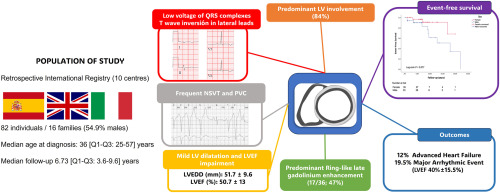

😊Very happy to share with all of you our recent work published in <a href="/JACCJournals/">JACC Journals</a> #JACCEP 

Phenotype and Clinical Outcomes in Desmin-Related Arrhythmogenic Cardiomyopathy

Has taken a lot of effort, but it's worth it. Thank you to all co-authors!

jacc.org/doi/10.1016/j.…

BSGM (@britsocgenmed) 's Twitter Profile Photo

🍽️BSGM Lunch & Learn 📅Wed 22 May 12:30 🗣️first authors @MirandaDurkie & Emma-Jane cassidy present new ACGS guidelines for variant Classification in Rare Disease acgs.uk.com/media/12533/uk… Spaces are filling up! Register now: my.bsgm.org.uk #Genetics #RareDisease

🍽️BSGM Lunch &amp; Learn  
📅Wed 22 May 12:30  

🗣️first authors @MirandaDurkie &amp; Emma-Jane cassidy present new ACGS guidelines for variant Classification in Rare Disease 

acgs.uk.com/media/12533/uk…

Spaces are filling up!
Register now: my.bsgm.org.uk 
#Genetics #RareDisease
A/Prof Jodie Ingles (@jodieingles27) 's Twitter Profile Photo

WE ARE HIRING! A program manager to join our Genomics & Inherited Disease Program Garvan Institute of Medical Research, working with many awesome faculty labs Owen Siggs Genomic Technologies Group and our rare disease registryCould suit a GC, or someone interested in genomics/project mgnt garvan.wd3.myworkdayjobs.com/en-US/garvan_i…

A/Prof Jodie Ingles (@jodieingles27) 's Twitter Profile Photo

Do you have a PhD? Love going down the rabbit-hole on interesting research variants? Think CARDIAC is the most exciting of all genomics?👊 We are HIRING! Looking for a junior postdoc to work on Elusive Hearts, identfying new genes for monogenic 🫀 diseases seek.com.au/GARVAN-jobs?jo…

Pradeep Natarajan (@pnatarajanmd) 's Twitter Profile Photo

It is well-appreciated that polygenic risk scores show variable performance across ancestries. Our study led by Kaavya Paruchuri shows that a coronary artery disease PRS performs less well in females vs males. A sex-differential PRS helps narrow this gap. ahajournals.org/doi/10.1161/JA…
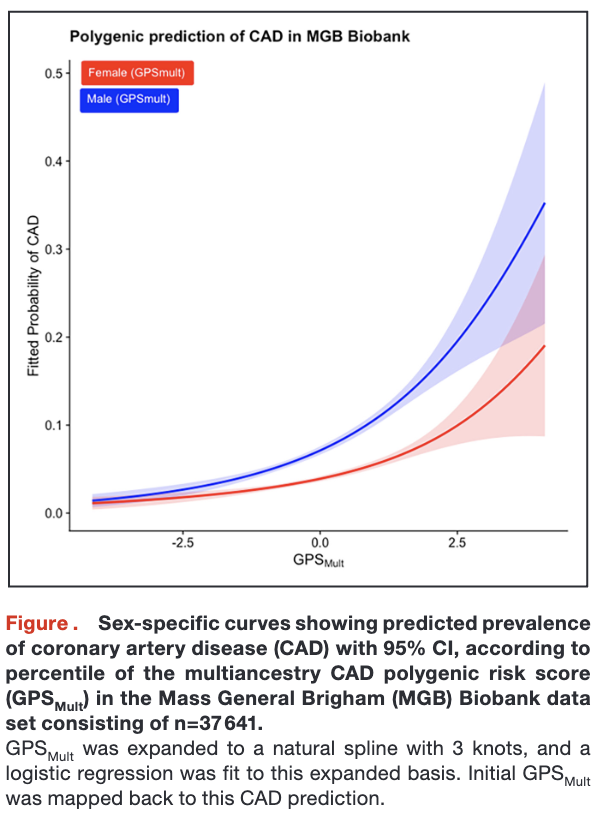
It is well-appreciated that polygenic risk scores show variable performance across ancestries. Our study led by <a href="/kparuchuri/">Kaavya Paruchuri</a> shows that a coronary artery disease PRS performs less well in females vs males. A sex-differential PRS helps narrow this gap. ahajournals.org/doi/10.1161/JA…
A/Prof Jodie Ingles (@jodieingles27) 's Twitter Profile Photo

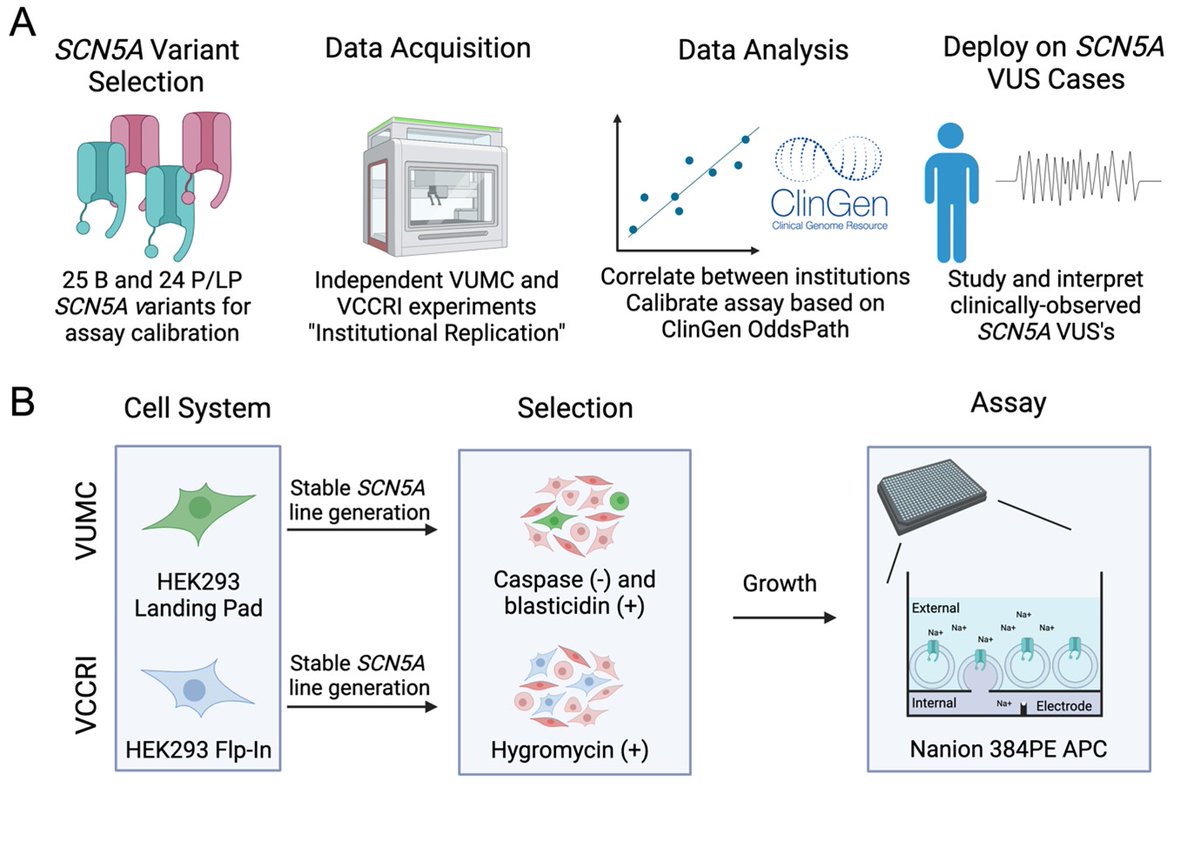
Love this figure. For all of you who have a love hate relationship with SCN5A variants… check out this functional assay which can help with classification Andrew Glazer Chai Ng

Nicky Whiffin (@nickywhiffin) 's Twitter Profile Photo

I attempted to put this awesome work in Nature Genetics by @spence_jeffrey_, Tony Zeng, Hakhamanesh Mostafavi, and Jonathan Pritchard into context in my first ever News & Views piece nature.com/articles/s4158… (free access: rdcu.be/dNOLE) 🧬

🕊️Fran Bermúdez-Jiménez (@franbermudz) 's Twitter Profile Photo

Arrhythmogenic Cardiomyopathy Risk 🧬 #Genetics #HeartHealth #Research New study introduces a tool to assess arrhythmic risk in DSP gene variant carriers EHJ Editor-in-Chief academic.oup.com/eurheartj/adva…