Exoplanets: The 4001 project (@4001p) 's Twitter Profile
Exoplanets: The 4001 project

@4001p

Crafting universes with real data | 4001 unique Exoplanets | Pioneering generative space art

ID: 1381049866055467010

linkhttps://www.the4001project.com/ calendar_today11-04-2021 01:02:09

1,1K Tweet

1,1K Followers

589 Following
Exoplanets: The 4001 project (@4001p) 's Twitter Profile Photo

Generative art is not just about creating beautiful images, it's about exploring the infinite possibilities of creation through code and algorithms. As artist Joshua Davis / praystation.eth said, 'The computer is the canvas, and the code is the paintbrush.' We invite you to check xpectrum
Exoplanets: The 4001 project (@4001p) 's Twitter Profile Photo

Space is not empty, it's filled with the most extraordinary objects and phenomena, many of which are stranger than anything science fiction could ever imagine. - Martin Rees, Astronomer Royal of the UK

Space is not empty, it's filled with the most extraordinary objects and phenomena, many of which are stranger than anything science fiction could ever imagine.
- Martin Rees, Astronomer Royal of the UK
Latest in space (@latestinspace) 's Twitter Profile Photo

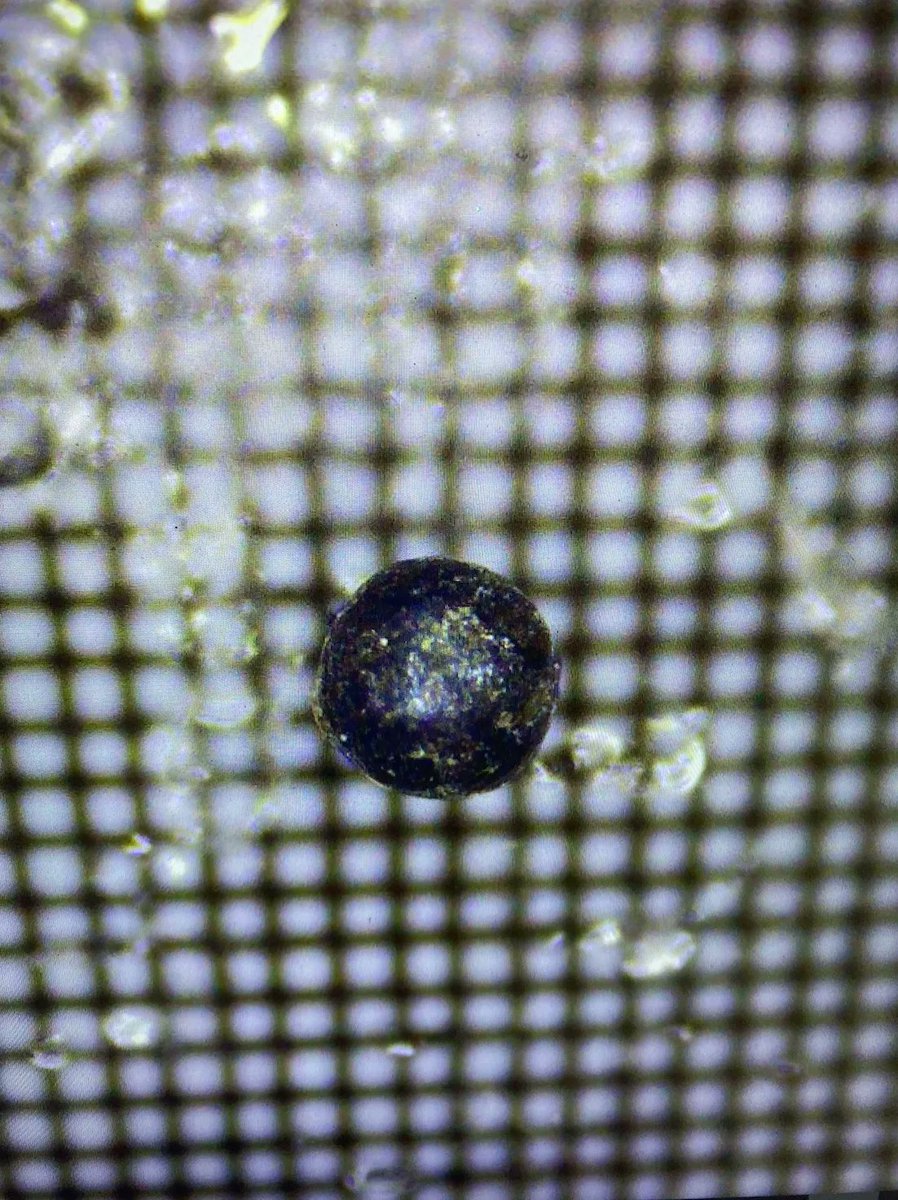
NEWS 🚨: U.S. Space Command has confirmed that fragments of an interstellar meteor have been recovered in the Pacific Ocean This is the first time humans have come in contact with something from another Solar System 😳

NEWS 🚨: U.S. Space Command has confirmed that fragments of an interstellar meteor have been recovered in the Pacific Ocean

This is the first time humans have come in contact with something from another Solar System 😳
Exoplanets: The 4001 project (@4001p) 's Twitter Profile Photo

Hot Jupiters challenged conventional theories of planetary formation. These gas giants defy expectations by orbiting remarkably close to their parent stars, raising questions about how they formed and migrated to their current positions.

Hot Jupiters challenged conventional theories of planetary formation. These gas giants defy expectations by orbiting remarkably close to their parent stars, raising questions about how they formed and migrated to their current positions.
Exoplanets: The 4001 project (@4001p) 's Twitter Profile Photo

Scientists have recently made an exciting discovery, surpassing the milestone of 5,500 known exoplanets. With the addition of six new exoplanets, the total count now stands at 5,502.

Scientists have recently made an exciting discovery, surpassing the milestone of 5,500 known exoplanets. With the addition of six new exoplanets, the total count now stands at 5,502.
NASA Exoplanets (@nasaexoplanets) 's Twitter Profile Photo

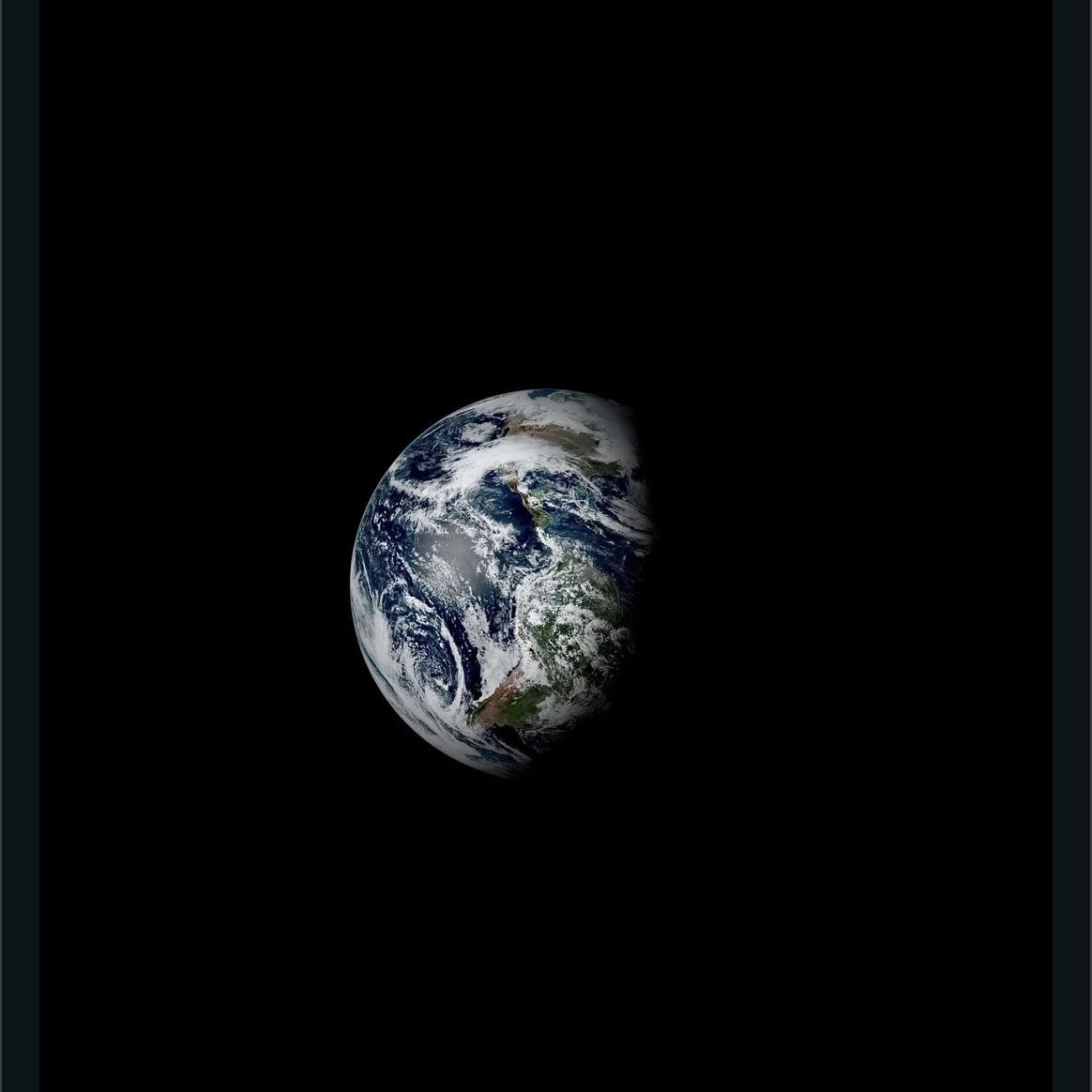
Pluto images started out as a few pixels and didn't come into focus until NASA sent a spacecraft there in 2015. We needed ARCHIVED - NASA Voyager to capture our first good look at Neptune. And those bodies are *trillions* of miles closer than the nearest exoplanets. go.nasa.gov/47WiXun
NASA Exoplanets (@nasaexoplanets) 's Twitter Profile Photo

The first and only pictures of exoplanets, just a few pixels of light, are enough to throw open a new window on direct imaging! By splitting the light into a spectrum of colors, we can read the light for molecules and gases in a planet's atmosphere. go.nasa.gov/3GKafDv

Exoplanets: The 4001 project (@4001p) 's Twitter Profile Photo

While Earth is our home, it is not the ultimate limit of human exploration. “Earth is the cradle of humanity, but one cannot live in a cradle forever." -Konstantin Tsiolkovsky

While Earth is our home, it is not the ultimate limit of human exploration.

“Earth is the cradle of humanity, but one cannot live in a cradle forever." 
-Konstantin Tsiolkovsky
Exoplanets: The 4001 project (@4001p) 's Twitter Profile Photo

"The Earth is a very small stage in a vast cosmic arena. Think of the rivers of blood spilled by all those generals and emperors so that, in glory and triumph, they could become the momentary masters of a fraction of a dot." — Carl Sagan, Pale Blue Dot

Exoplanets: The 4001 project (@4001p) 's Twitter Profile Photo

"Space is the boundless three-dimensional extent in which objects and events have relative position and direction. Human space exploration is the physical exploration of outer space, both by human spaceflights and by robotic spacecraft." — Neil deGrasse Tyson