Stargazing with Waddensky (@waddensky) 's Twitter Profile
Stargazing with Waddensky

@waddensky

🪐 Upcoming celestial events
🚀 Astronomy news
🔭 Stargazing tips & tricks
🌠 Space pictures
📲 Download our apps, see link in bio!

ID: 909786512010678273

linkhttps://linktr.ee/waddensky calendar_today18-09-2017 14:29:42

1,1K Tweet

791 Takipçi

235 Takip Edilen
Stargazing with Waddensky (@waddensky) 's Twitter Profile Photo

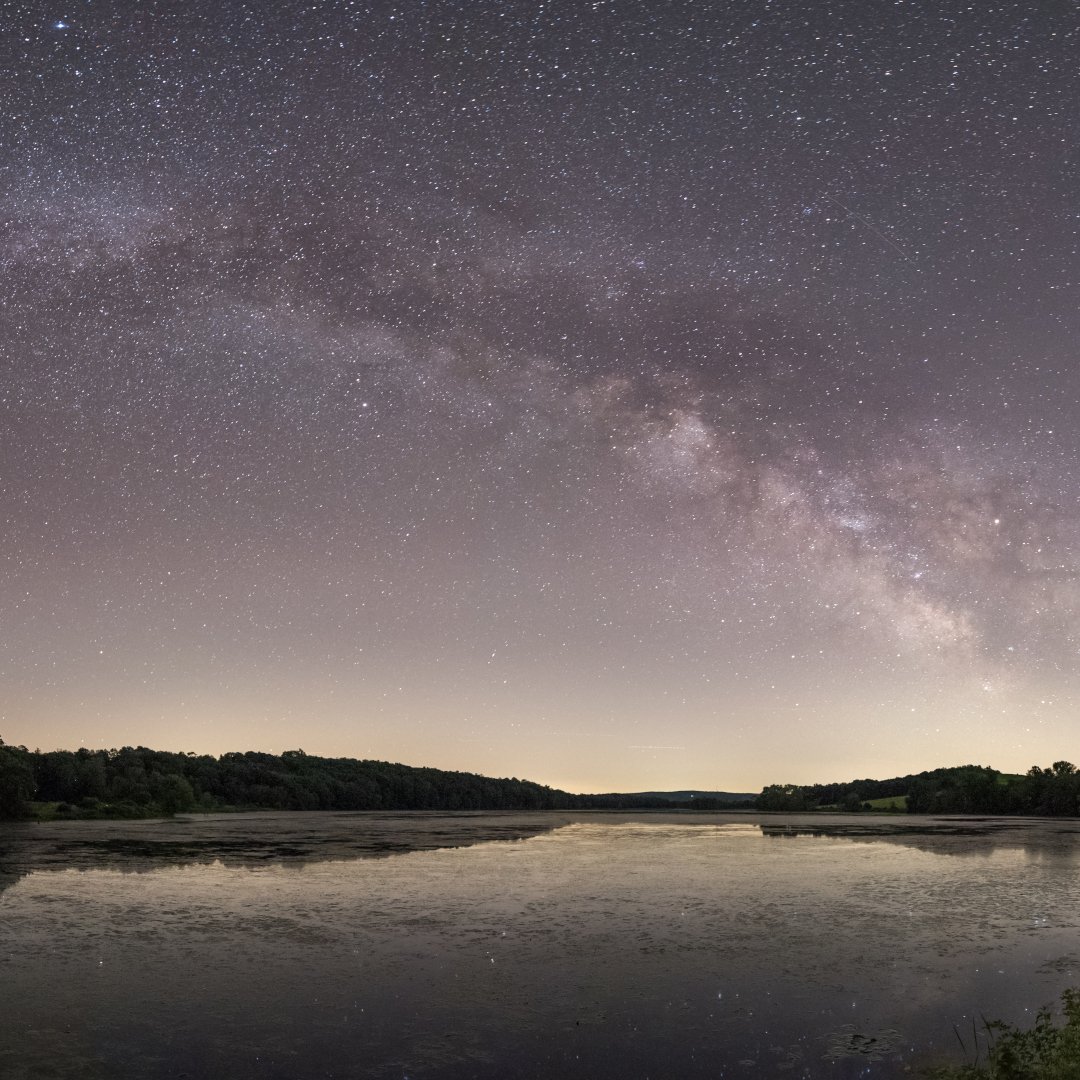
Wow, the beautiful Milky Way! From dark locations, you can see the Milky Way with the naked eye as a luminous band spanning the sky: a spectacular sight. Have you ever seen the Milky Way? (📸 Julian Colton)

Wow, the beautiful Milky Way! From dark locations, you can see the Milky Way with the naked eye as a luminous band spanning the sky: a spectacular sight. Have you ever seen the Milky Way? (📸 Julian Colton)
Stargazing with Waddensky (@waddensky) 's Twitter Profile Photo

Puzzling slow radio pulses are coming from space. A new study could finally explain them (Credit: Phys․org) phys.org/news/2026-01-p…

Stargazing with Waddensky (@waddensky) 's Twitter Profile Photo

Do you know Titan? It is the largest moon of Saturn and the second-largest moon in our solar system. It was discovered in 1665 by Christiaan Huygens. You can see this moon near the ringed planet with a small telescope! (📸 Kevin M. Gill)

Do you know Titan? It is the largest moon of Saturn and the second-largest moon in our solar system. It was discovered in 1665 by Christiaan Huygens. You can see this moon near the ringed planet with a small telescope! (📸 Kevin M. Gill)
Stargazing with Waddensky (@waddensky) 's Twitter Profile Photo

NASA fuels its moon rocket in a crucial test to decide when Artemis astronauts will launch (Credit: Phys․org) phys.org/news/2026-02-n…

Stargazing with Waddensky (@waddensky) 's Twitter Profile Photo

TESS observations reveal sustained quasi-periodic oscillations in multiple blazars (Credit: Phys․org) phys.org/news/2026-02-t…

Stargazing with Waddensky (@waddensky) 's Twitter Profile Photo

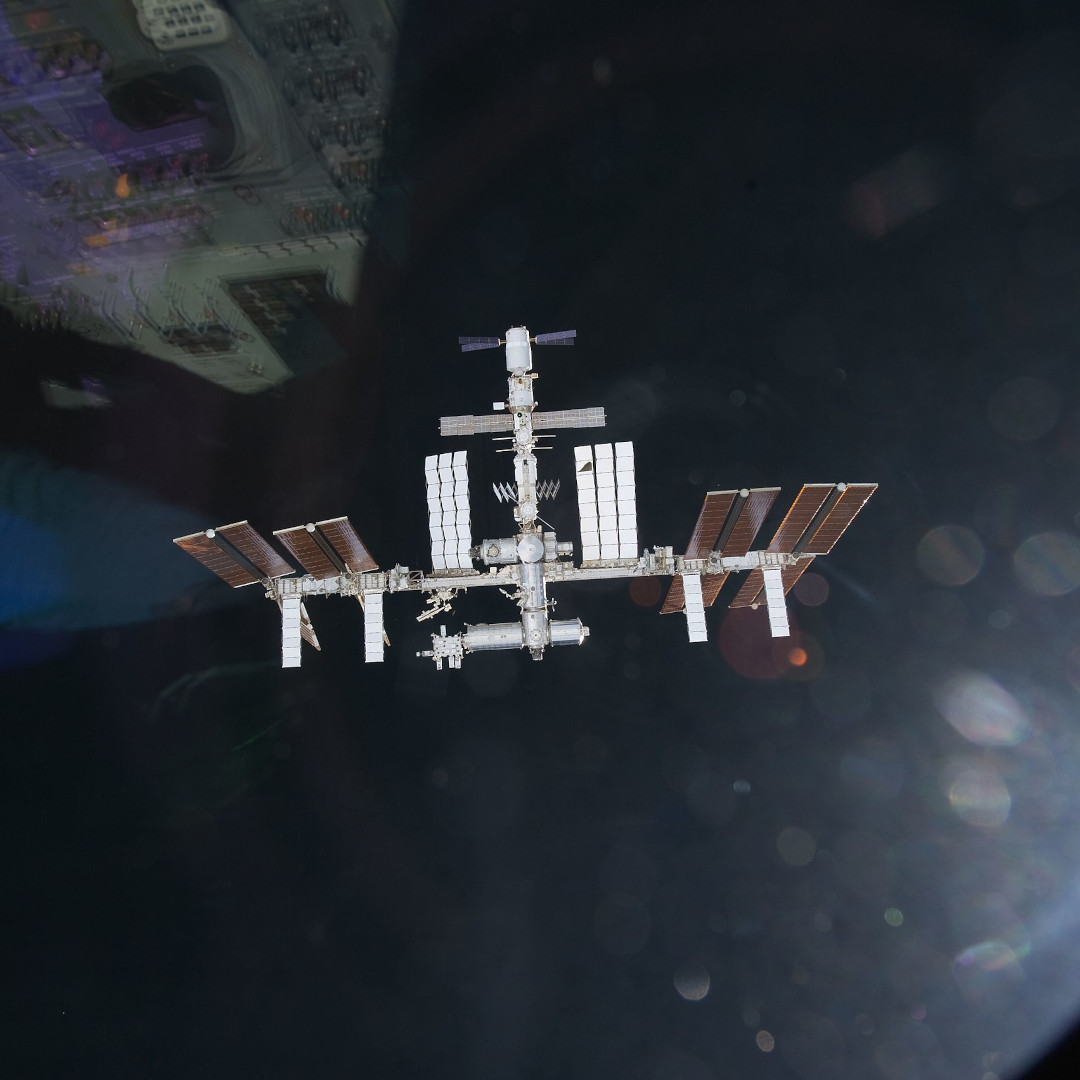
Did you know that you can see the International Space Station (ISS) with the naked eye? The station looks like a bright 'star' that crosses the sky from west to east in a few minutes. A remarkable sight! (📸 NASA)

Did you know that you can see the International Space Station (ISS) with the naked eye? The station looks like a bright 'star' that crosses the sky from west to east in a few minutes. A remarkable sight! (📸 NASA)
Stargazing with Waddensky (@waddensky) 's Twitter Profile Photo

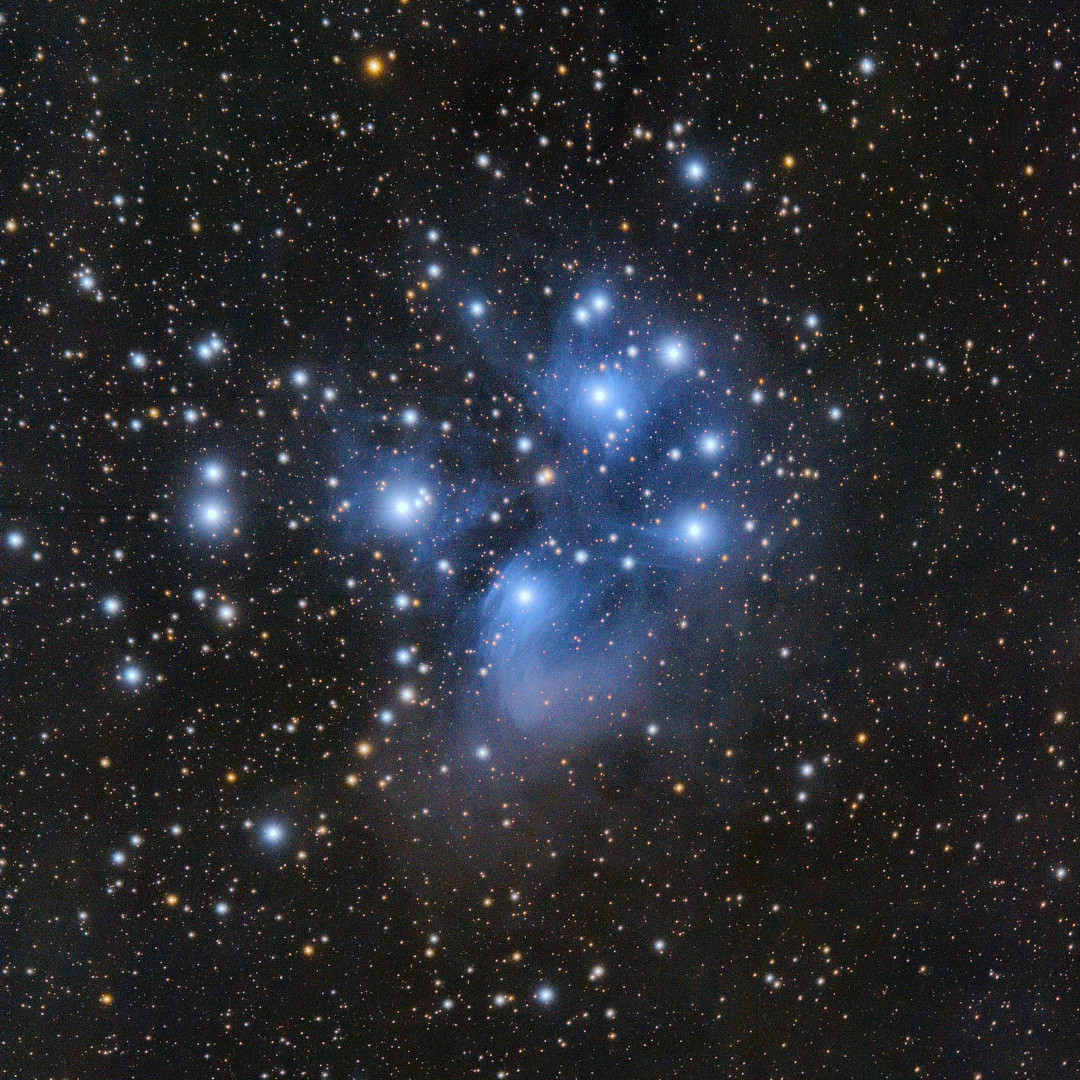
The Pleiades, or the Seven Sisters, is the most famous open star cluster. Star clusters are groups of stars that formed in the same gas cloud and drift through space together. How many stars can you see with the naked eye in the Pleiades? (📸 Nico Carver)

The Pleiades, or the Seven Sisters, is the most famous open star cluster. Star clusters are groups of stars that formed in the same gas cloud and drift through space together. How many stars can you see with the naked eye in the Pleiades? (📸 Nico Carver)
Stargazing with Waddensky (@waddensky) 's Twitter Profile Photo

Space mining without heavy machines? Microbes harvest metals from meteorites aboard space station (Credit: Phys․org) phys.org/news/2026-02-s…

Stargazing with Waddensky (@waddensky) 's Twitter Profile Photo

Because the Moon rotates on its own axis at the same speed as it orbits the Earth, we always see the same side of the Moon. It wasn't until 1959 that a satellite took the first pictures of the far side of the Moon and we knew what it looked like. (📸 Apollo 16 Astronauts)

Because the Moon rotates on its own axis at the same speed as it orbits the Earth, we always see the same side of the Moon. It wasn't until 1959 that a satellite took the first pictures of the far side of the Moon and we knew what it looked like. (📸 Apollo 16 Astronauts)
Stargazing with Waddensky (@waddensky) 's Twitter Profile Photo

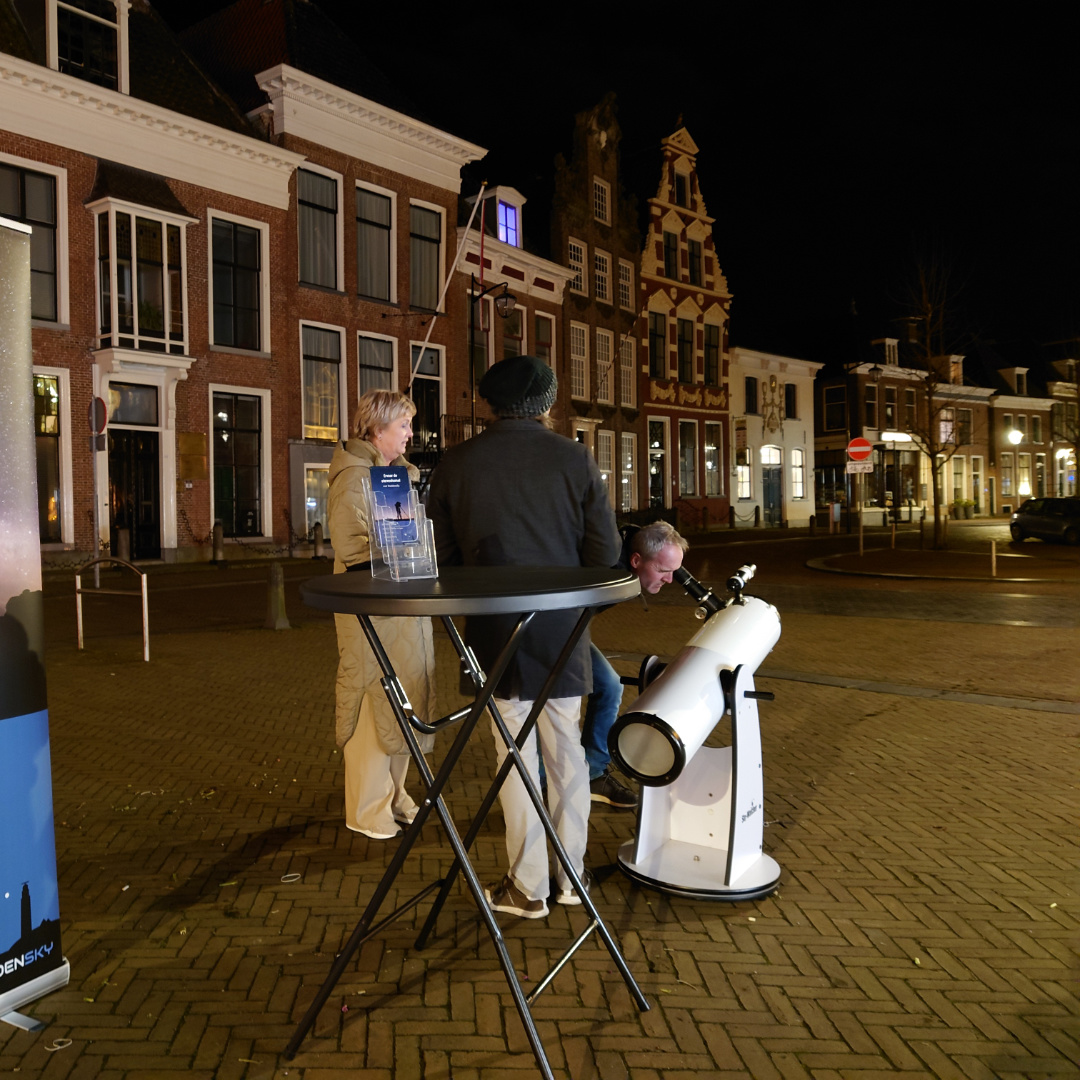
Have you ever heard of sidewalk astronomy? Enthusiastic stargazers set up their telescopes in the middle of a city to show people the stars. I regularly participate myself! (📸 Lindy Eva)

Have you ever heard of sidewalk astronomy? Enthusiastic stargazers set up their telescopes in the middle of a city to show people the stars. I regularly participate myself! (📸 Lindy Eva)
Stargazing with Waddensky (@waddensky) 's Twitter Profile Photo

A super stable laser on the moon could guide future lunar missions and improve our timekeeping (Credit: Phys․org) phys.org/news/2026-02-s…

Stargazing with Waddensky (@waddensky) 's Twitter Profile Photo

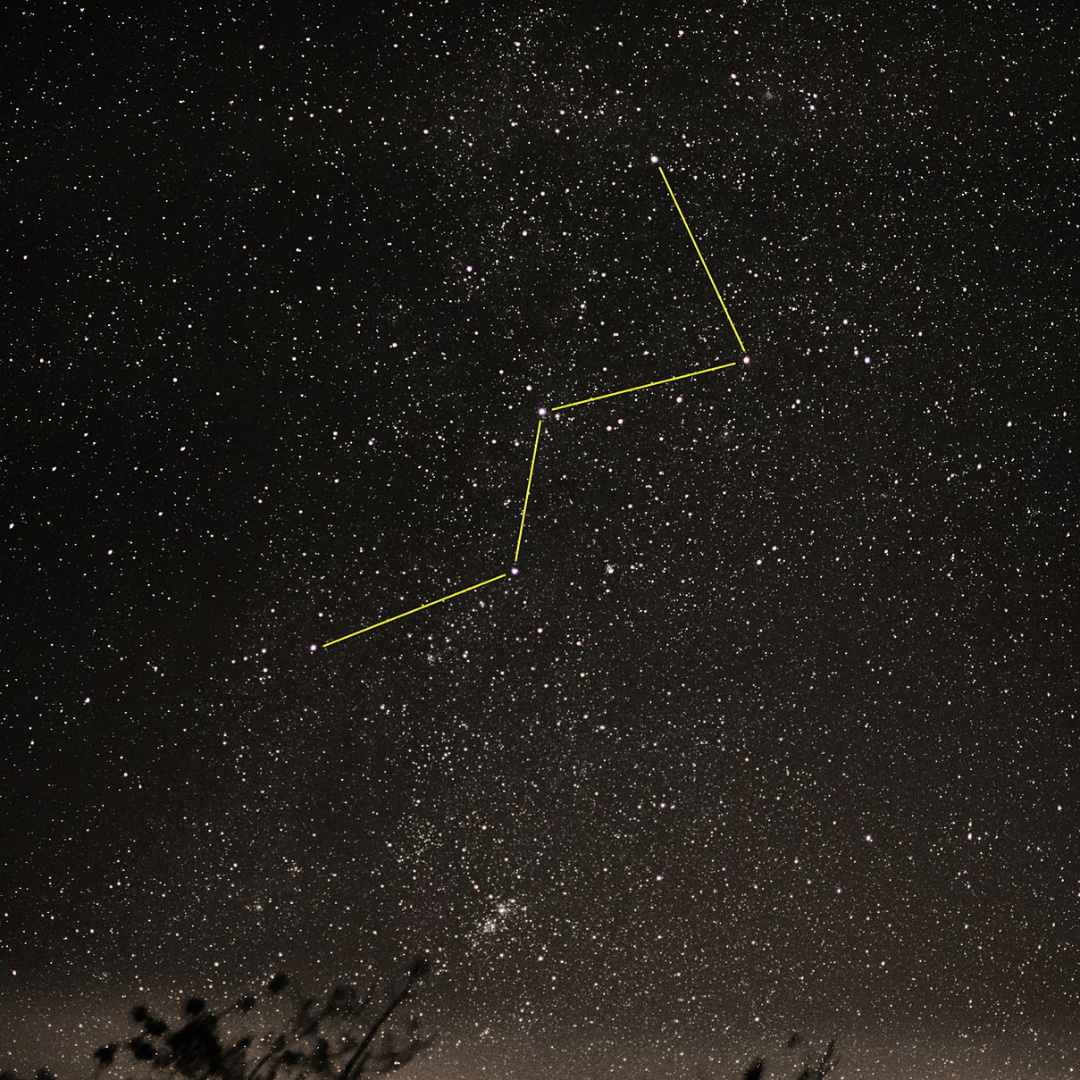
Did you know that the stars in most constellations are not close to each other in reality? They can be at very different distances from each other in the universe. The pattern we recognize in them from Earth is what we call a constellation. (📸 Thomas Bresson)

Did you know that the stars in most constellations are not close to each other in reality? They can be at very different distances from each other in the universe. The pattern we recognize in them from Earth is what we call a constellation. (📸 Thomas Bresson)
Stargazing with Waddensky (@waddensky) 's Twitter Profile Photo

3D method can accurately measure gravity in wide binary stars, as demonstrated by pilot study (Credit: Phys․org) phys.org/news/2026-02-3…

Stargazing with Waddensky (@waddensky) 's Twitter Profile Photo

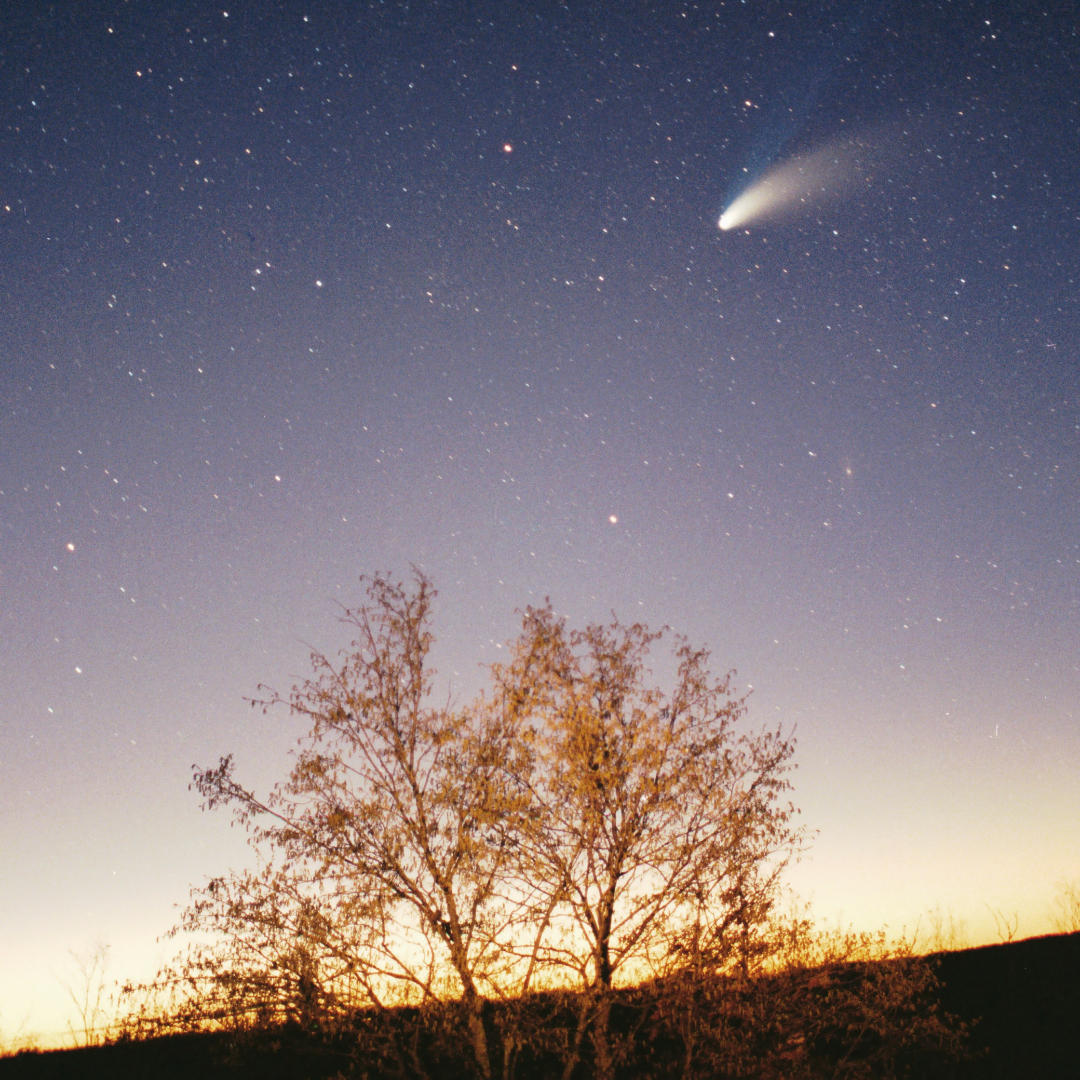
Have you ever seen a comet? Hale-Bopp in 1997 was the last really bright comet visible from the northern hemisphere. Comets are very unpredictable, so when the next one will appear in the sky is unknown. (📸 Philipp Salzgeber)

Have you ever seen a comet? Hale-Bopp in 1997 was the last really bright comet visible from the northern hemisphere. Comets are very unpredictable, so when the next one will appear in the sky is unknown. (📸 Philipp Salzgeber)
Stargazing with Waddensky (@waddensky) 's Twitter Profile Photo

Farming on the moon or Mars? How recycled sewage could turn regolith into crop soil (Credit: Phys․org) phys.org/news/2026-02-f…