Alchemist Of Tartaria 🧭 (@unkalchemist) 's Twitter Profile
Alchemist Of Tartaria 🧭

@unkalchemist

Transmuting the ordinary into the extraordinary.
Ancient maps, history, alchemy, mystery, Antarctica, pirates, and Tartaria.

ID: 1880757049824559104

calendar_today18-01-2025 23:20:11

1,1K Tweet

1,1K Takipçi

123 Takip Edilen

Olga Bazova (@olgabazova) 's Twitter Profile Photo

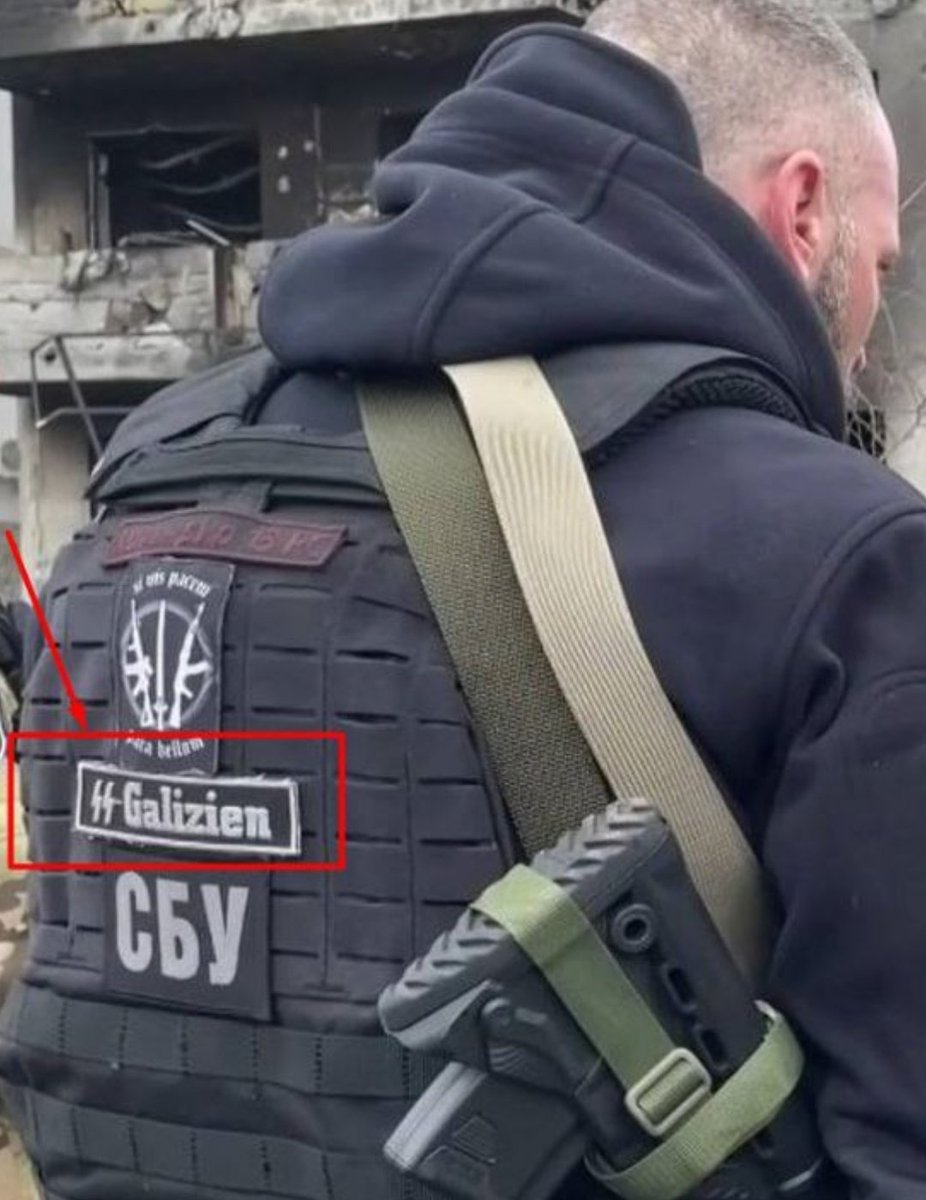
Can someone in the know please tell me if there are any SBU units with the number "44"? And if so, what does "Galizien" stand for? Asking for 🇺🇦 stans and #NAFO turds.

Can someone in the know please tell me if there are any SBU units with the number "44"? 

And if so, what does "Galizien" stand for?

Asking for 🇺🇦 stans and #NAFO turds.
Homeros Hayyam (@homeroshayyam41) 's Twitter Profile Photo

They changed the name of the Great Wall. So, are the pyramids Chinese or Tatar? What is China hiding? Xi'an, People's Republic of China x.com/HomerosHayyam4…

History Hacked (@history_hacked) 's Twitter Profile Photo

Venice, 1820s. Does it really look like all of this was built for the same population seen on these streets? Historical squatters?

Venice, 1820s.

Does it really look like all of this was built for the same population seen on these streets?

Historical squatters?
DystopiaNow! (@scumbunker) 's Twitter Profile Photo

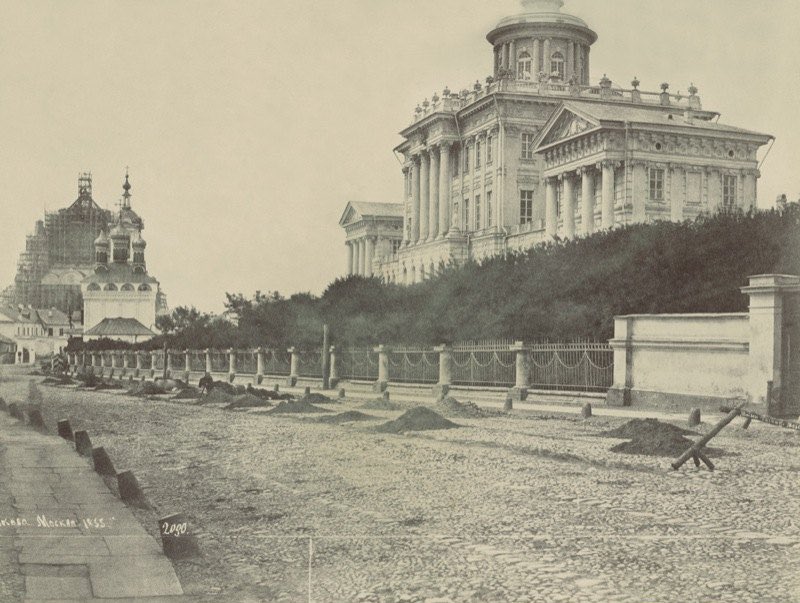
Moscow, Russia 1855. This isn't 'European' architecture, it is Tartarian and it is far more prominent in St Petersburg, but found everywhere in Russia.

Moscow, Russia 1855.

This isn't 'European' architecture, it is Tartarian and it is far more prominent in St Petersburg, but found everywhere in Russia.
Homeros Hayyam (@homeroshayyam41) 's Twitter Profile Photo

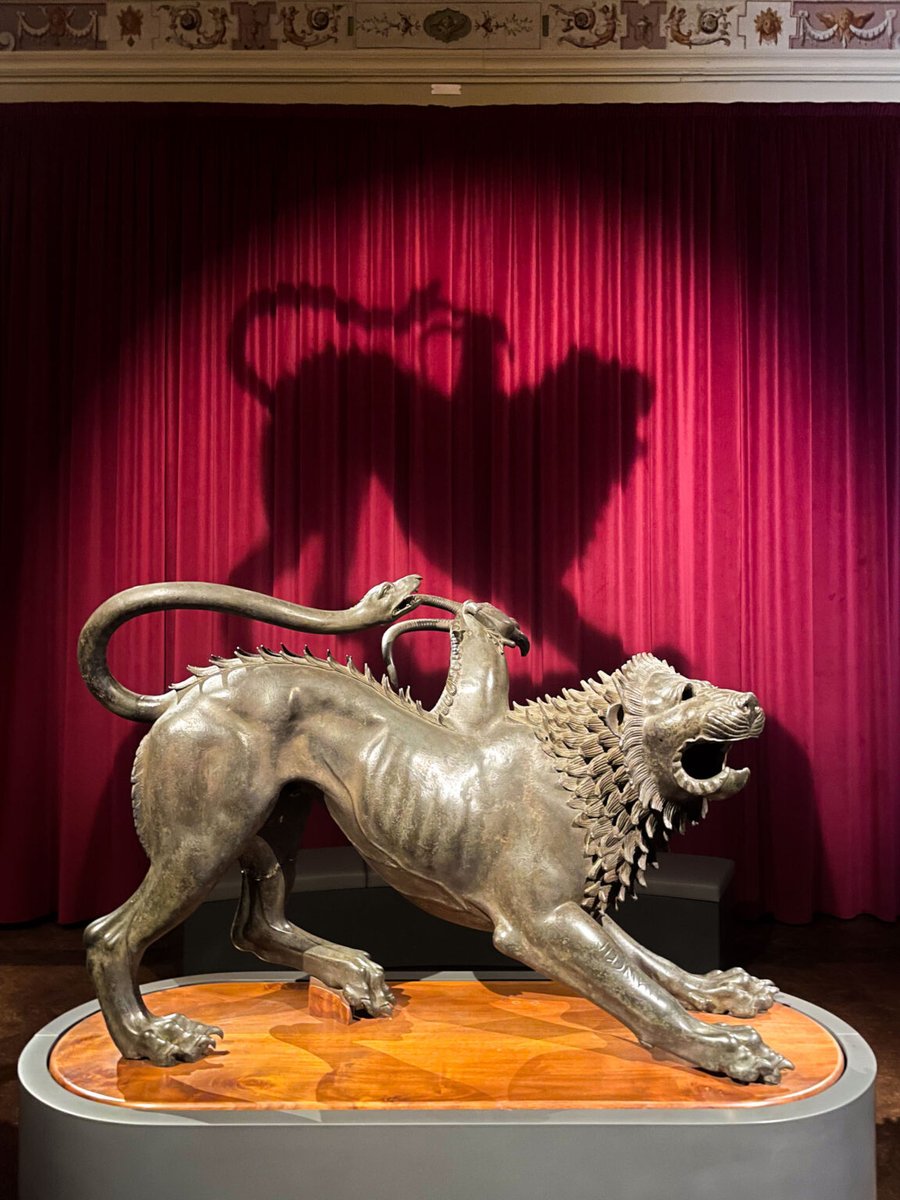
Found in 1553 in Arezzo, an ancient Etruscan and Roman city in Tuscany. Cosimo I of the Medici Grand Duchy of Tuscany added it to his collection. Late Etruscan Period, late 5th century BC, Arezzo Chimera. Museo Archeologico Nazionale, Florence, Italy

Found in 1553 in Arezzo, an ancient Etruscan and Roman city in Tuscany.

Cosimo I of the Medici Grand Duchy of Tuscany added it to his collection.

Late Etruscan Period, late 5th century BC, Arezzo Chimera.

Museo Archeologico Nazionale, Florence, Italy