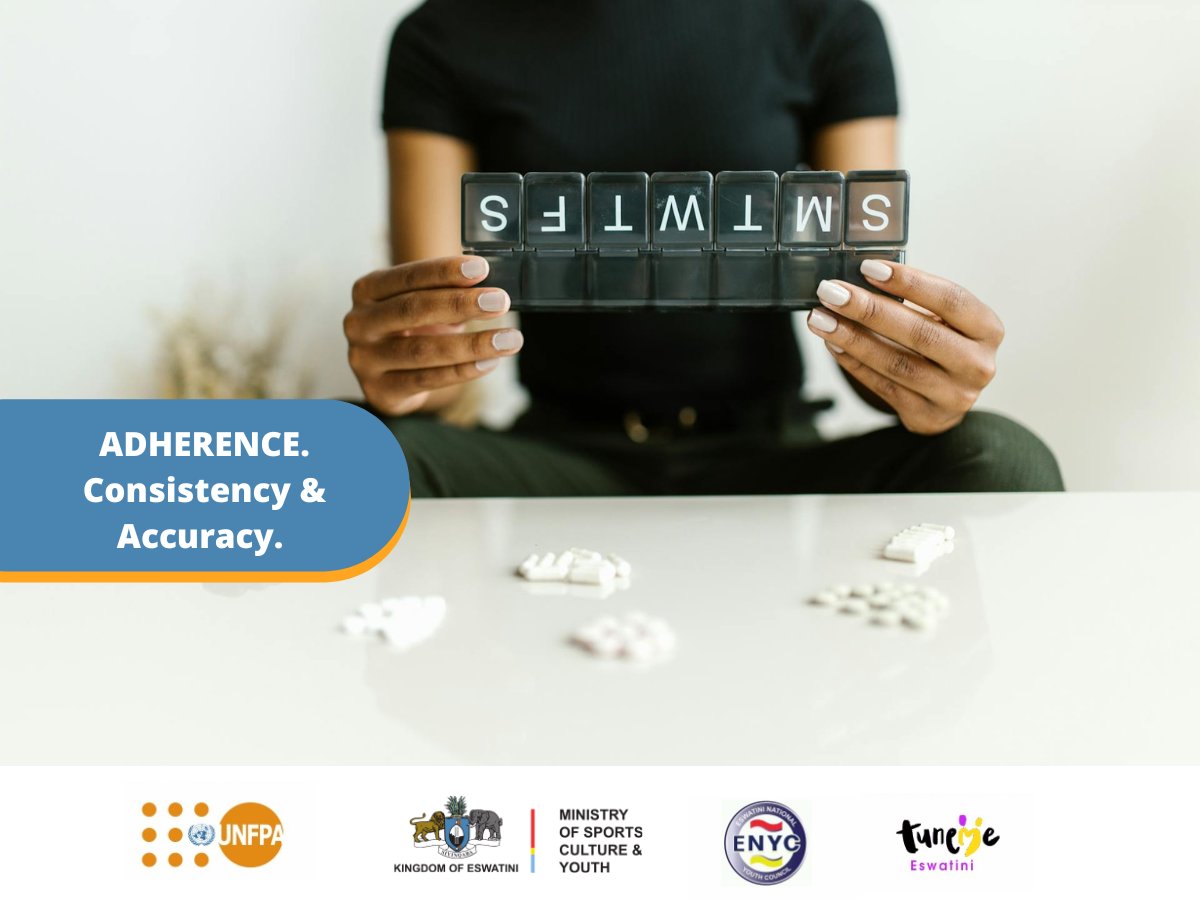
Taking ARVs everyday can actually be tiring. However, adherence requires near-perfect administration of medication, to avoid developing resistance. Having a treatment supporter and where possible, joining a treatment club could help one stay adherent.
When children are HIV positive, a caregiver must ensure that they adhere to treatment. If they move to another home, the new caregiver must be informed about HIV and HIV treatment, and must be responsible for ensuring that the child takes their medication as prescribed.
HIV treatment adherence for teens:
The role of parents/caregivers involves providing psychosocial and ongoing care of the child or adolescent (including nutrition, immunisation and disclosure). It also involves monitoring adherence to meds and clinic visits.
What are Eswatini's youth biggest aspirations? Share your aspirations with us in this 3-minute survey and help us shape the programming of the Eswatini Youth Policy implementation. See details on the poster.
When counselling teens on adherence to HIV treatment, have a realistic expectation that they might miss some doses. Work with them to identify when and why they are most likely to miss doses. Then let them be part of finding ways to help them remember.
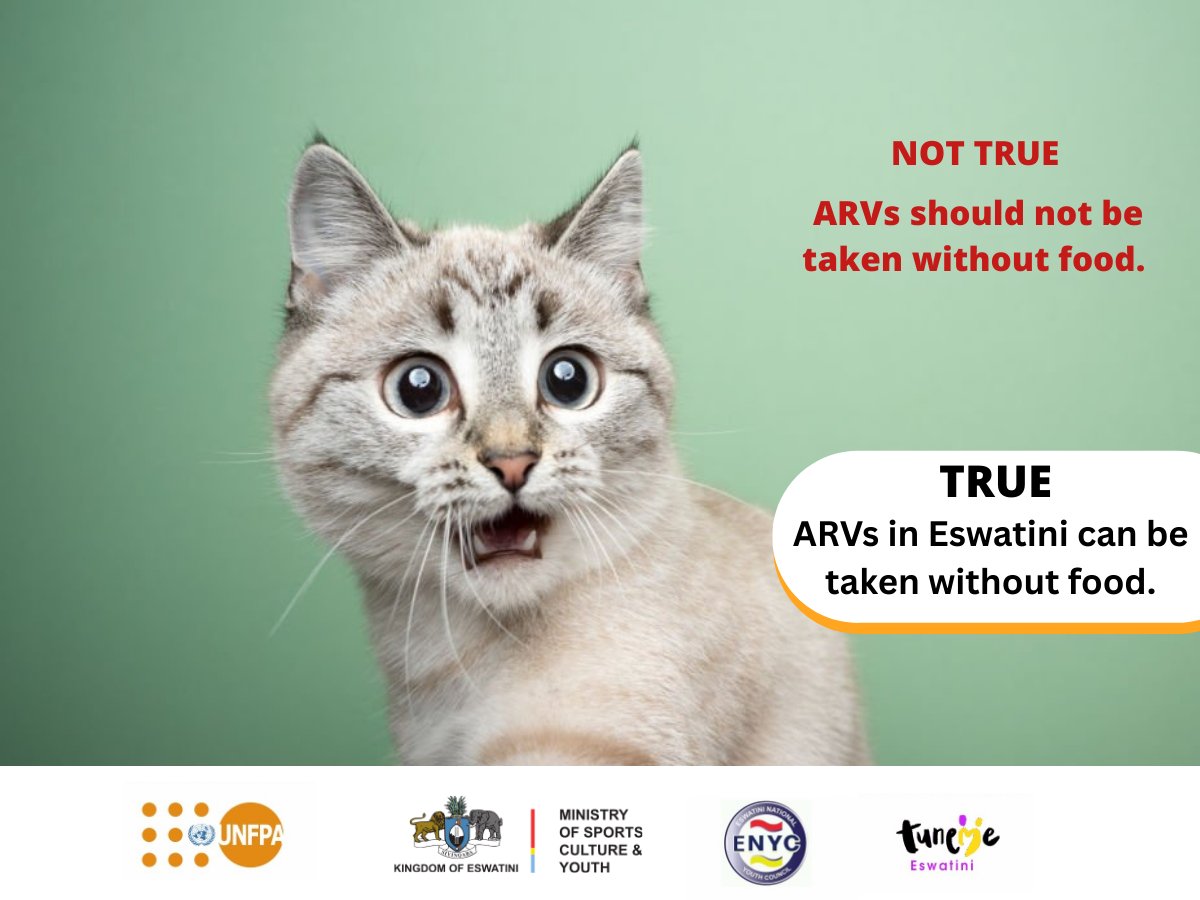
Misinformation can lead to inconsistent adherence in HIV treatment. People living with HIV should understand that:
ARVs in Eswatini can be taken without food