Néojaponisme (@neojaponisme) 's Twitter Profile
Néojaponisme

@neojaponisme

From the Editors of Néojaponisme

ID: 30621666

linkhttp://neojaponisme.com calendar_today12-04-2009 07:55:06

7,7K Tweet

5,5K Takipçi

116 Takip Edilen

W. David Marx (@wdavidmarx) 's Twitter Profile Photo

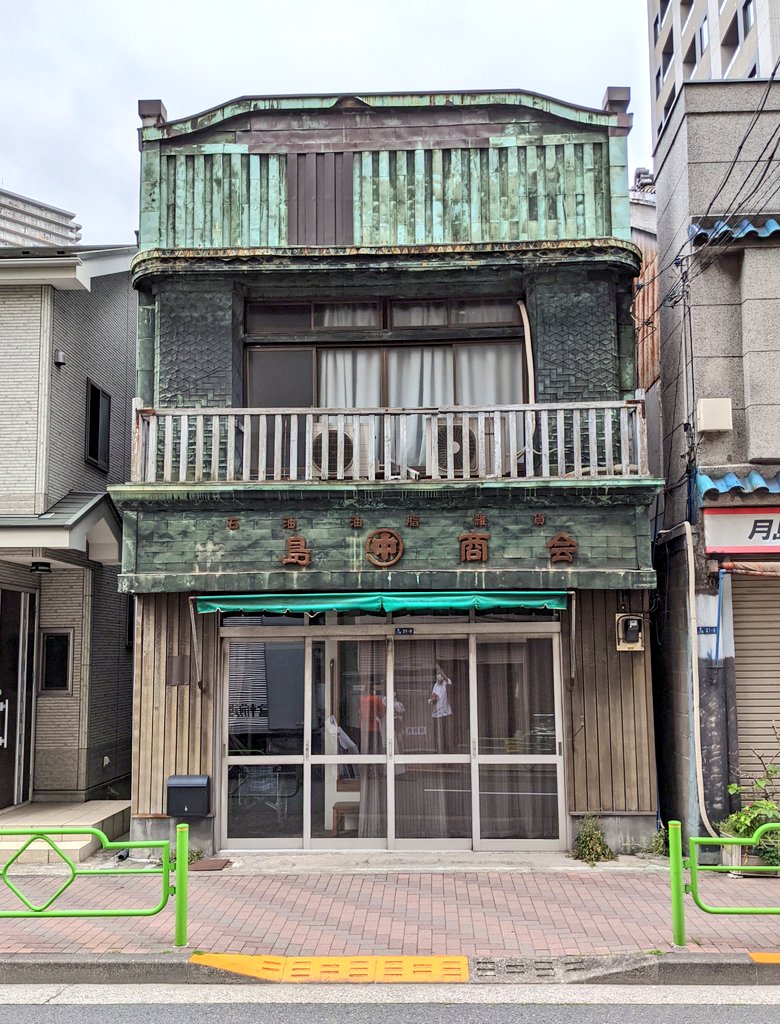
A great joy of walking Tokyo is hunting for the remaining buildings with patinaed copper façades — dōban kenchiku (銅板建築). The style was a fad in Eastern Japan during the early Shōwa Era.

A great joy of walking Tokyo is hunting for the remaining buildings with patinaed copper façades — dōban kenchiku (銅板建築). The style was a fad in Eastern Japan during the early Shōwa Era.
W. David Marx (@wdavidmarx) 's Twitter Profile Photo

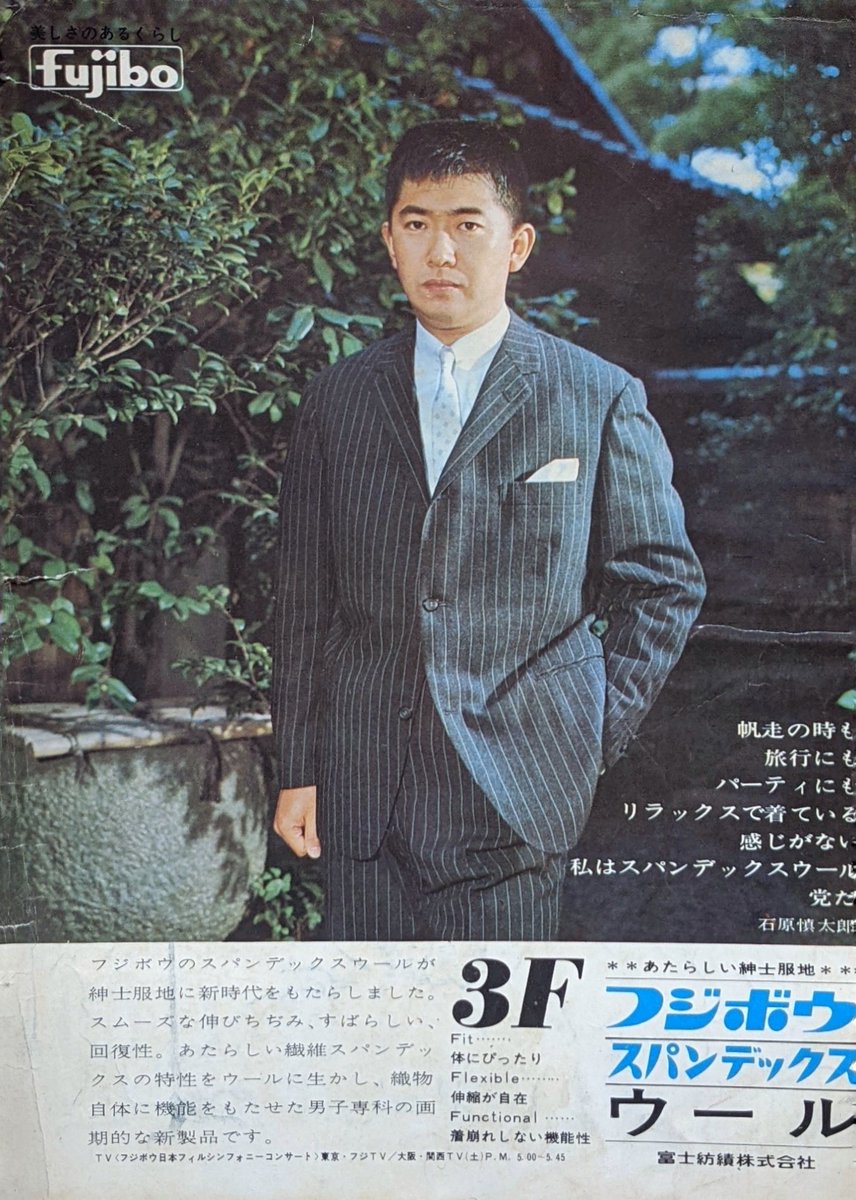
Novelist and future Tokyo governor Shintarō Ishihara posing as a very dour model for Fujibo's spandex wool suit fabric in 1964.

Novelist and future Tokyo governor Shintarō Ishihara posing as a very dour model for Fujibo's spandex wool suit fabric in 1964.
W. David Marx (@wdavidmarx) 's Twitter Profile Photo

AMETORA MINI-STORIES #2 Why Japanese Fashion Magazines Look Like Catalogs One of the most distinctive features of Japanese magazines is their similarity to catalogs: lots and lots of products laid out along with prices and retailers. The origin is, oddly, the US counterculture.

AMETORA MINI-STORIES #2
Why Japanese Fashion Magazines Look Like Catalogs

One of the most distinctive features of Japanese magazines is their similarity to catalogs: lots and lots of products laid out along with prices and retailers.

The origin is, oddly, the US counterculture.
W. David Marx (@wdavidmarx) 's Twitter Profile Photo

AMETORA MINI-STORIES #3 🧵 Why Japanese Teenage Delinquents are Called Yankii In Japanese, the word used for working-class teenage delinquents is "yankii" (ヤンキー), which seems to derive from Yankee. But stereotypical yankii style doesn't look very American... so why yankii?

AMETORA MINI-STORIES #3 🧵
Why Japanese Teenage Delinquents are Called Yankii

In Japanese, the word used for working-class teenage delinquents is "yankii" (ヤンキー), which seems to derive from Yankee. 

But stereotypical yankii style doesn't look very American... so why yankii?
W. David Marx (@wdavidmarx) 's Twitter Profile Photo

How A Single Bad Drug Trip Led to Japanese Technopop 🧵 In the early 1970s, bassist Haruomi Hosono of the band Happy End was jamming with his friends at a Tokyo studio, when someone passed around a joint. Hosono thought it would be very cool to take a double-sized hit.

How A Single Bad Drug Trip Led to Japanese Technopop 🧵

In the early 1970s, bassist Haruomi Hosono of the band Happy End was jamming with his friends at a Tokyo studio, when someone passed around a joint. Hosono thought it would be very cool to take a double-sized hit.
W. David Marx (@wdavidmarx) 's Twitter Profile Photo

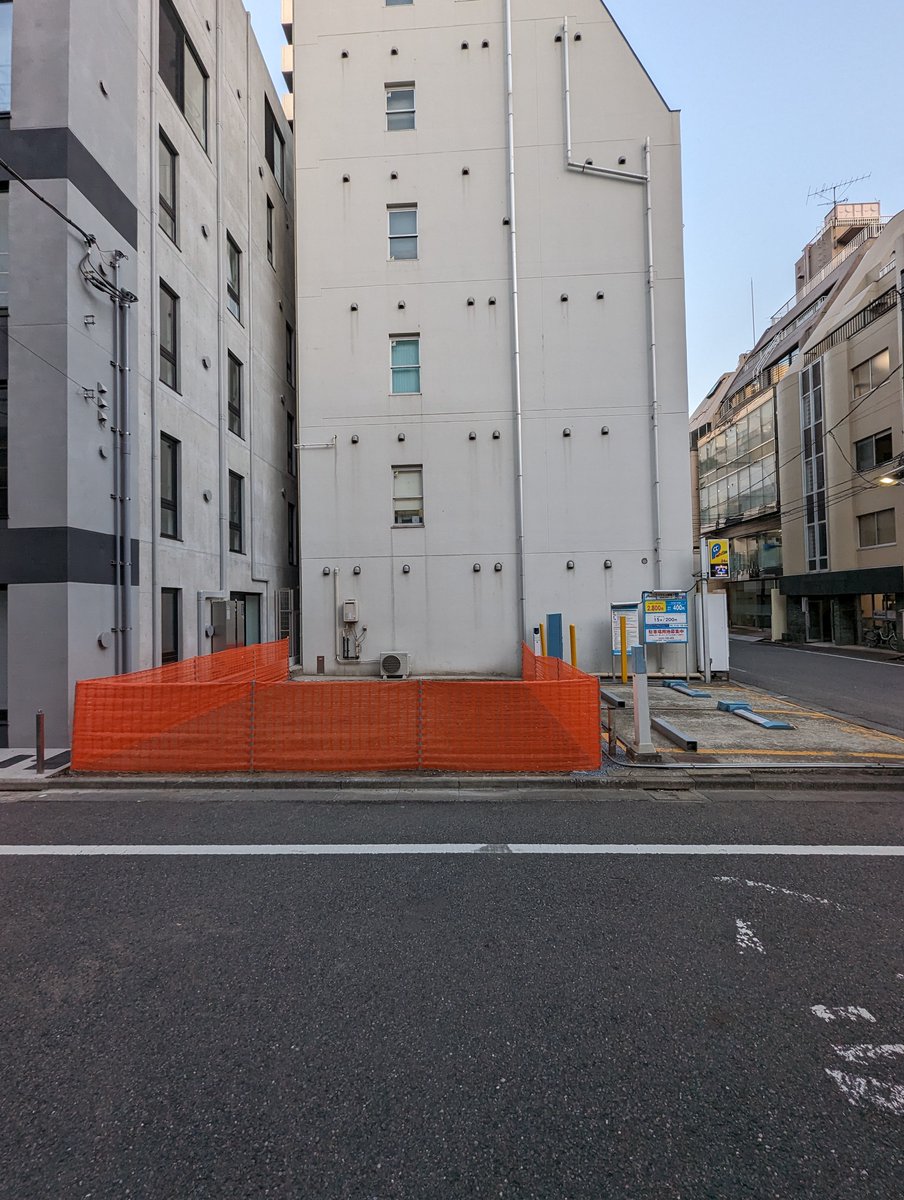
Once upon a time, there was an incredible bar near Ueno called Once Upon a Time, housed inside of a rare Meiji-era brick warehouse. The landowner long wanted to tear it down, and he finally got his wish this year.

Once upon a time, there was an incredible bar near Ueno called Once Upon a Time, housed inside of a rare Meiji-era brick warehouse. 

The landowner long wanted to tear it down, and he finally got his wish this year.
W. David Marx (@wdavidmarx) 's Twitter Profile Photo

I did an article for dwell on Tokyo's dwindling supply of signboard architecture (看板建築, kanban kenchiku) buildings. The Tōnyūsha building featured in the piece was demolished in the time between writing and publishing the article... dwell.com/article/kanban…

W. David Marx (@wdavidmarx) 's Twitter Profile Photo

NEW BOOK ON SALE Shōwa Guide Tokyo, a 320pp independently published hardcover catalog of the remaining Japanese establishments founded in the Shōwa Period (1926-1989): yōshoku, kissaten, cocktail bars, curry, and machichūka. Buy at tableofcontents.jp

NEW BOOK ON SALE

Shōwa Guide Tokyo, a 320pp independently published hardcover catalog of the remaining Japanese establishments founded in the Shōwa Period (1926-1989): yōshoku, kissaten, cocktail bars, curry, and machichūka.

Buy at tableofcontents.jp