Nkonyane yeNkosi🌼 (@mmathuto_) 's Twitter Profile
Nkonyane yeNkosi🌼

@mmathuto_

♡ @F1 ♡ Soccer ♡ Cricket ♡ Trash TV ♡ Alexander Albon 💙

ID: 1197757502307360768

calendar_today22-11-2019 06:04:08

45,45K Tweet

297 Takipçi

192 Takip Edilen
yknipg (@yknip1) 's Twitter Profile Photo

So Nigerians you call South Africans xenophobic but can’t live amongst yourselves in Nigeria??? 😅🤣😅 Other tribes moving to other states, in your own Nigeria same country & you call that a pandemic??? 🤔😅

Thato愛 (@thato4pf) 's Twitter Profile Photo

He was only 22 years old bru, and his last words were: “My blood will nourish the tree that will bear the fruits of freedom” I know who died for my freedom

NASA (@nasa) 's Twitter Profile Photo

A new milestone for humankind: The crew of Artemis II are now the farthest any human has ever travelled, reaching a maximum distance of 252,752 miles from Earth. This surpasses the previous record set by Apollo 13 in 1970 by about 4,102 miles.

NASA Artemis (@nasaartemis) 's Twitter Profile Photo

Approaching the near side of the Moon. The Artemis II astronauts have surpassed the record for the distance from Earth at 1:56 ET (1756 UTC). This record was previously set during the Apollo 13 mission when the astronauts traveled 248,655 miles from Earth. The Moon continues to
Approaching the near side of the Moon. 

The Artemis II astronauts have surpassed the record for the distance from Earth at 1:56 ET (1756 UTC). This record was previously set during the Apollo 13 mission when the astronauts traveled 248,655 miles from Earth. The Moon continues to

NASA Administrator Jared Isaacman (@nasaadmin) 's Twitter Profile Photo

Artemis II has reached its maximum distance from Earth. On the far side of the Moon, 252,756 miles away, Reid, Victor, Christina, and Jeremy have now traveled farther from Earth than any humans in history and now begin their journey home. Before they left, they said they hoped

NASA (@nasa) 's Twitter Profile Photo

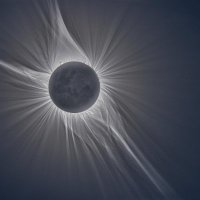
🌞🌕🧑‍🚀 Right now, the Orion capsule is passing behind the Moon, so the Sun is entirely eclipsed from their perspective. During this time, they will view a mostly darkened Moon and will use the opportunity to analyze the solar corona.

NASA (@nasa) 's Twitter Profile Photo

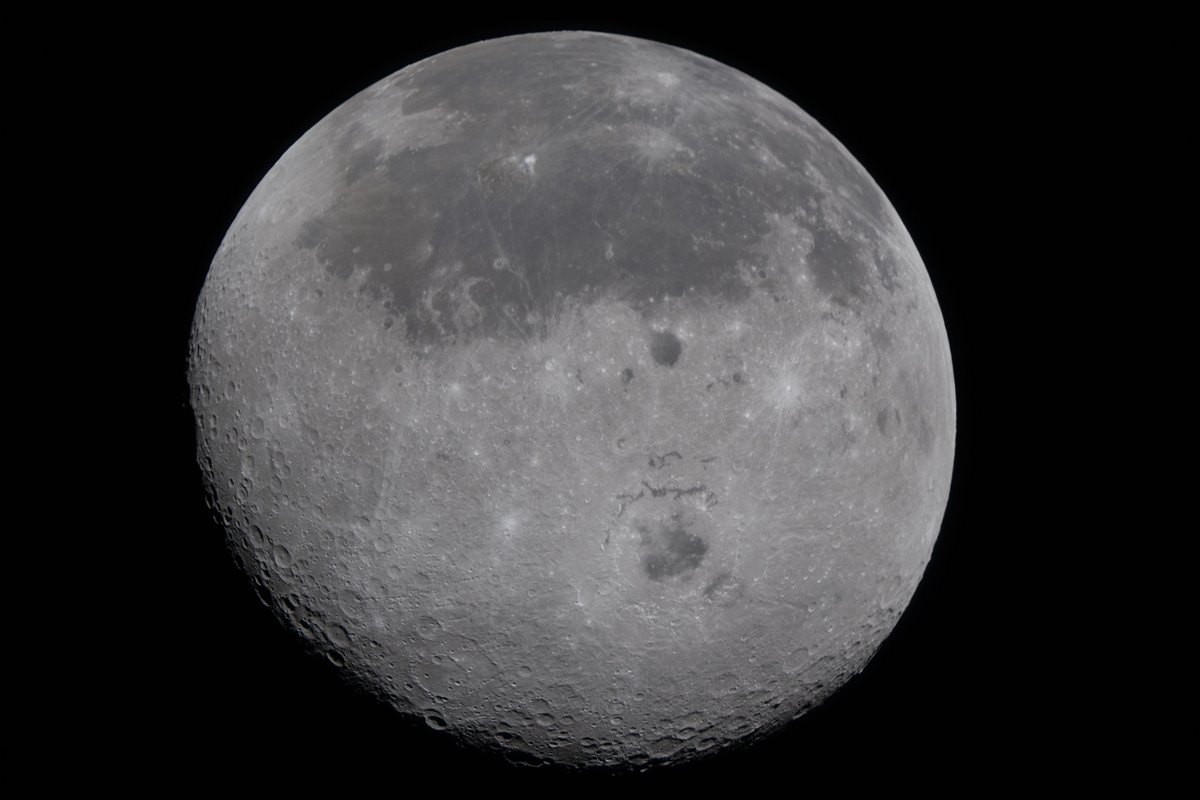
It's not just a phase 🌕 Artemis II astronauts captured these views of the Moon as the Orion spacecraft flew around the far side of the Moon on April 6, 2026.

NASA (@nasa) 's Twitter Profile Photo

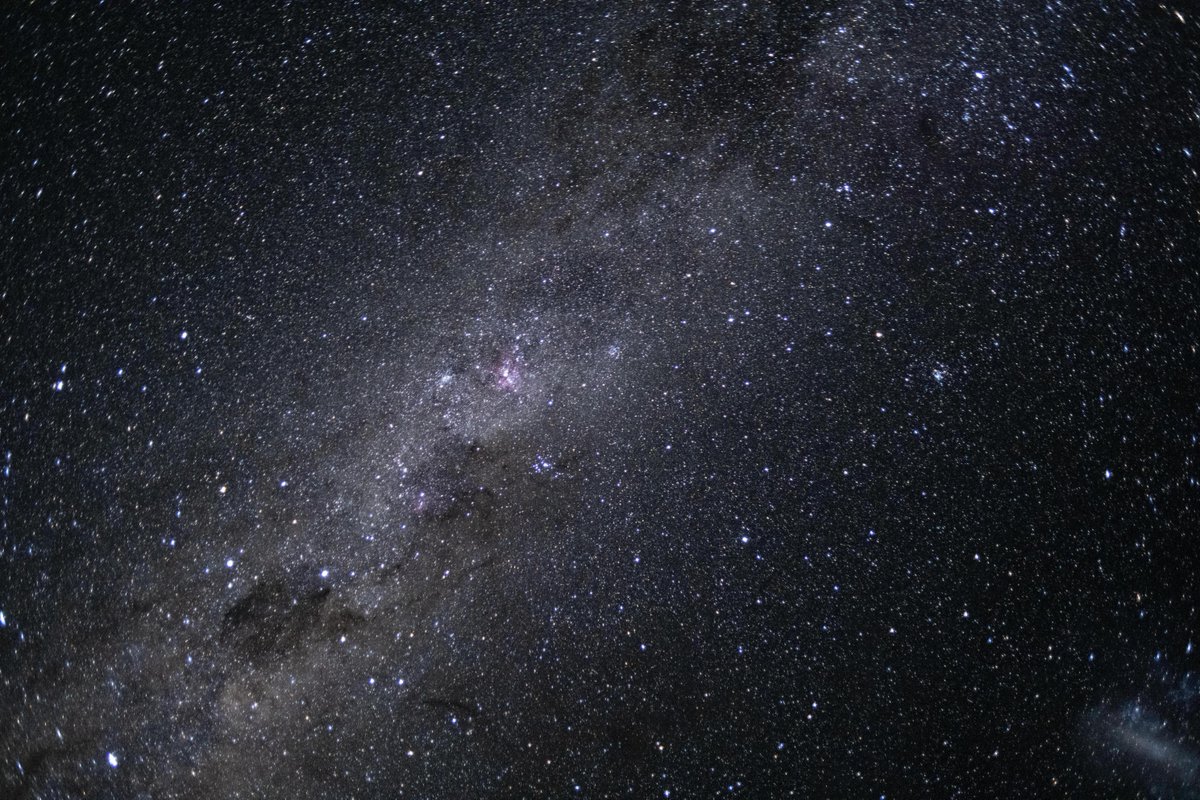
Sky full of stars. Following a successful lunar flyby, the Artemis II astronauts captured this breathtaking photo of our galaxy, the Milky Way, on April 7, 2026.

Sky full of stars.

Following a successful lunar flyby, the Artemis II astronauts captured this breathtaking photo of our galaxy, the Milky Way, on April 7, 2026.