Long Island Aquarium (@liaquarium) 's Twitter Profile
Long Island Aquarium

@liaquarium

Keep up with everything going on at one of Long Island’s most popular year-round attractions. #LongIslandAquarium 🐟 TikTok: longislandaquarium

ID: 69375803

linkhttp://www.longislandaquarium.com calendar_today27-08-2009 19:11:15

3,3K Tweet

1,1K Takipçi

276 Takip Edilen
Long Island Aquarium (@liaquarium) 's Twitter Profile Photo

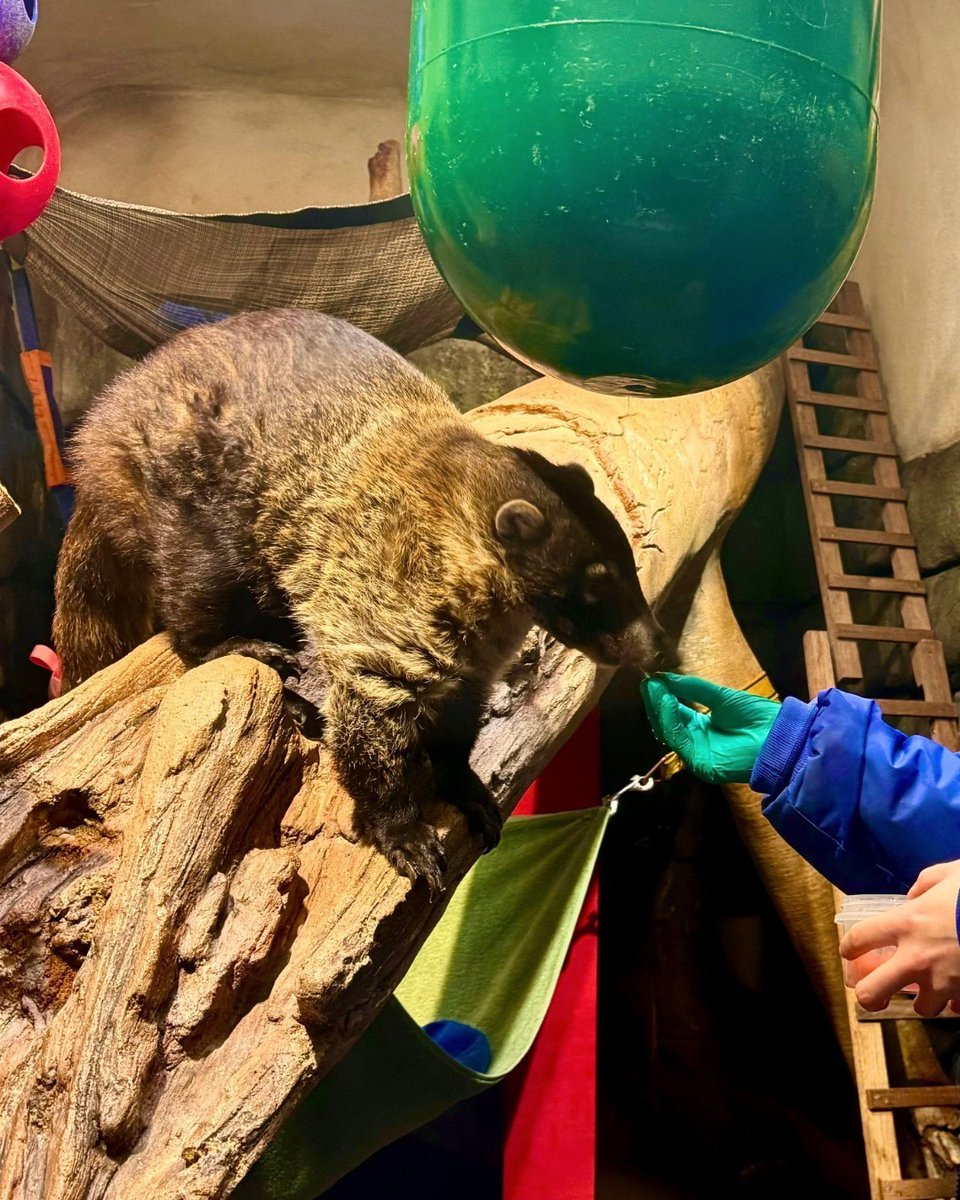
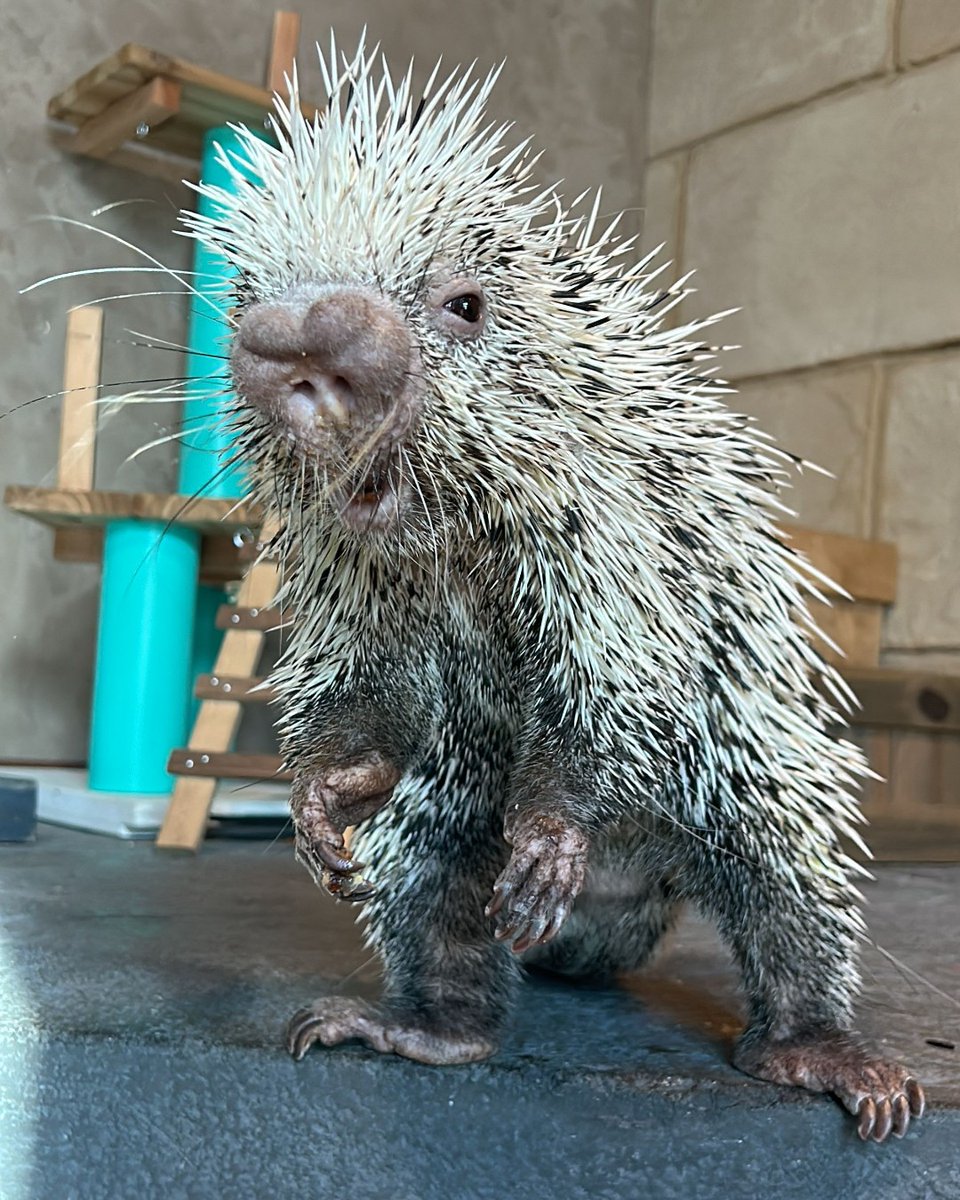
Brazilian porcupines are slow-moving rodents that use their prehensile tails to hang and grasp while foraging for food in treetops at night. Despite their lack of speed, they are surprisingly agile and can climb quickly when needed.

Brazilian porcupines are slow-moving rodents that use their prehensile tails to hang and grasp while foraging for food in treetops at night. Despite their lack of speed, they are surprisingly agile and can climb quickly when needed.
Long Island Aquarium (@liaquarium) 's Twitter Profile Photo

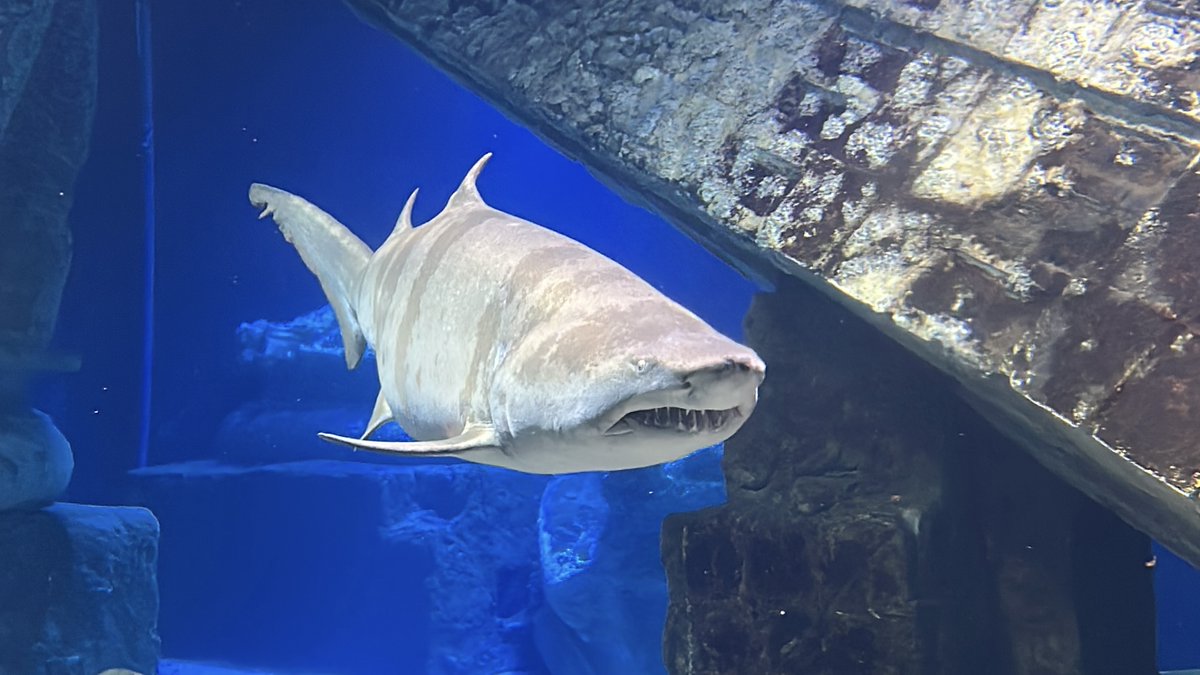
Sand Tiger Shark teeth are arranged in a random fashion that protrudes out from their jaw. This gives them an extremely ferocious look. There are 44-48 teeth in the upper jaw, while the lower jaw contains 41-46 teeth. 🦷 🦈

Sand Tiger Shark teeth are arranged in a random fashion that protrudes out from their jaw. This gives them an extremely ferocious look. There are 44-48 teeth in the upper jaw, while the lower jaw contains 41-46 teeth. 🦷 🦈
Long Island Aquarium (@liaquarium) 's Twitter Profile Photo

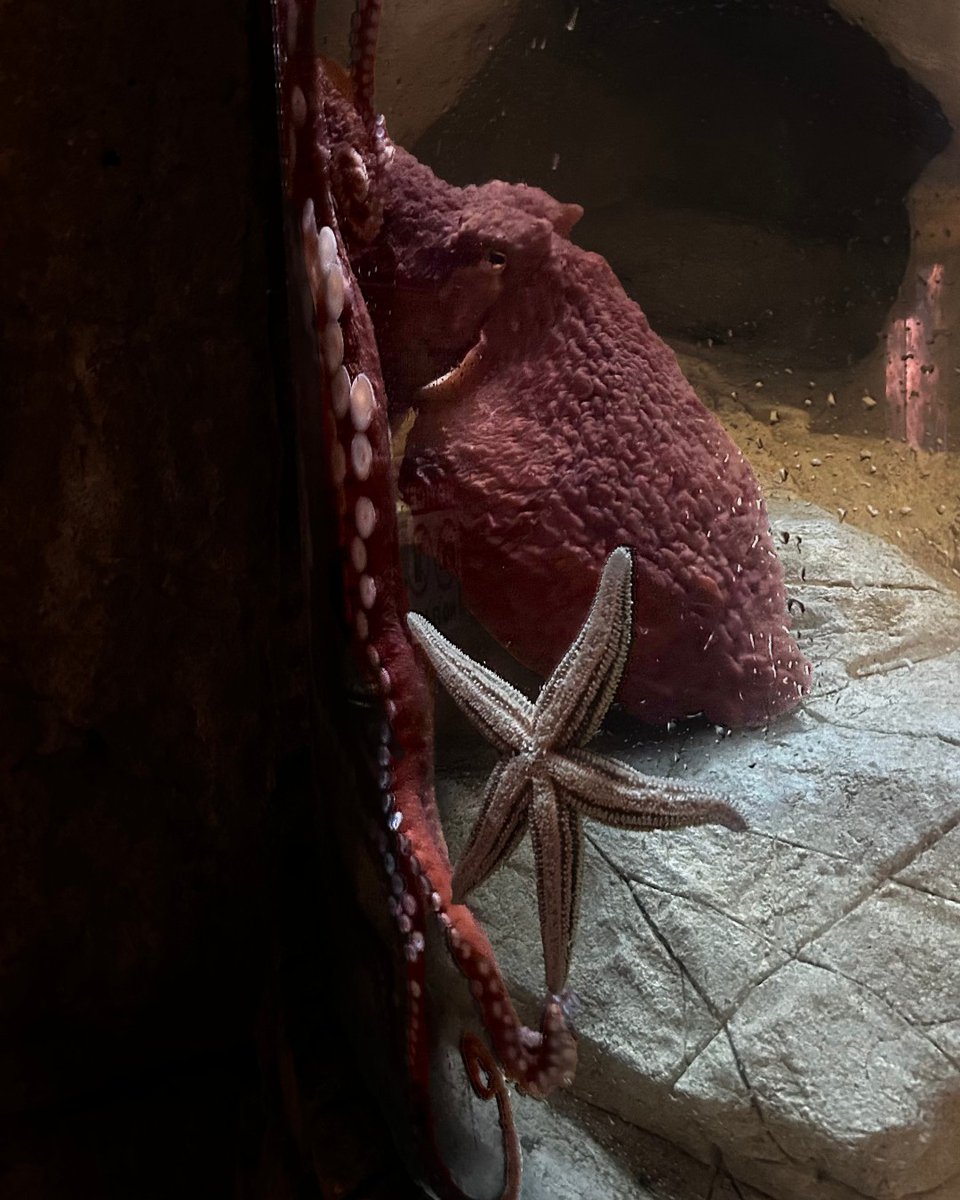
Did you know that the giant Pacific octopus can ward off predators, blend into its surroundings, or attract a mate by changing its color and texture almost instantly, using specialized skin cells called chromatophores? 🐙

Did you know that the giant Pacific octopus can ward off predators, blend into its surroundings, or attract a mate by changing its color and texture almost instantly, using specialized skin cells called chromatophores? 🐙
Long Island Aquarium (@liaquarium) 's Twitter Profile Photo

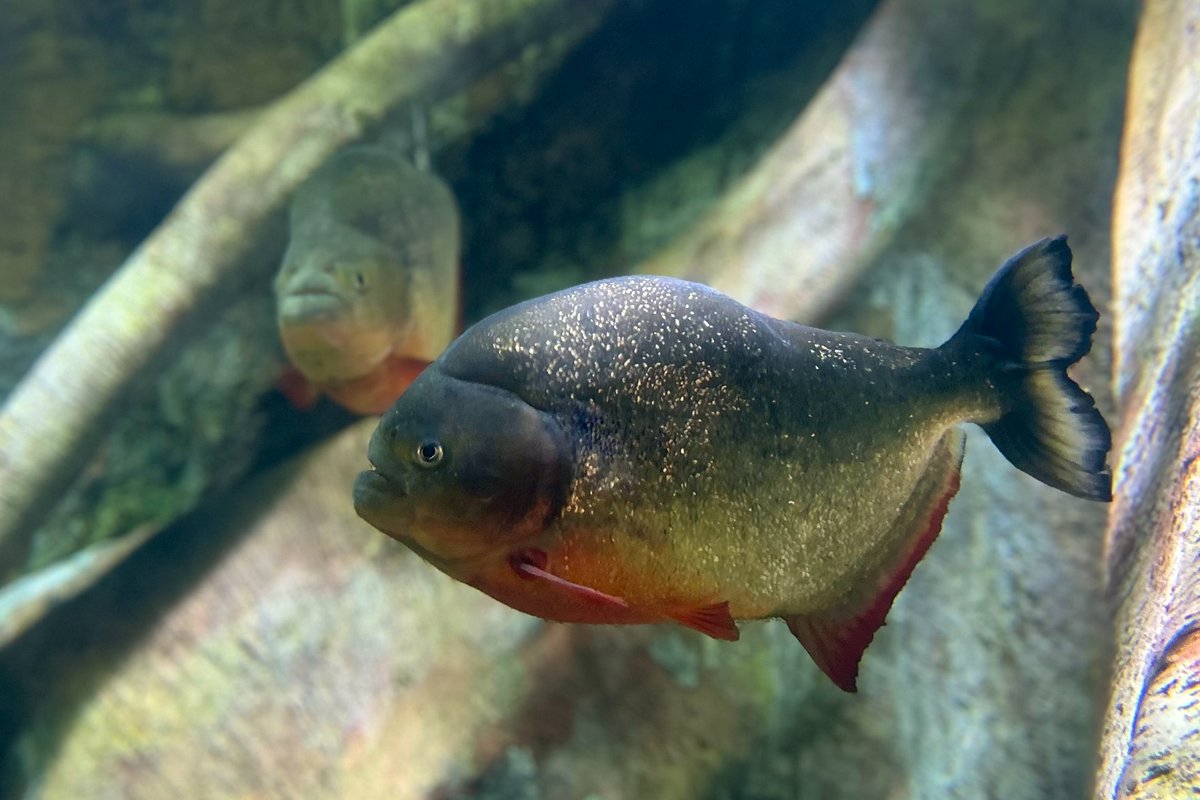
About 20 species of piranha inhabit the Amazon River basin. The Long Island Aquarium’s habitat is home to the red-bellied piranhas, the most widely distributed species in the Amazon and Orinoco regions.

About 20 species of piranha inhabit the Amazon River basin. The Long Island Aquarium’s habitat is home to the red-bellied piranhas, the most widely distributed species in the Amazon and Orinoco regions.
Long Island Aquarium (@liaquarium) 's Twitter Profile Photo

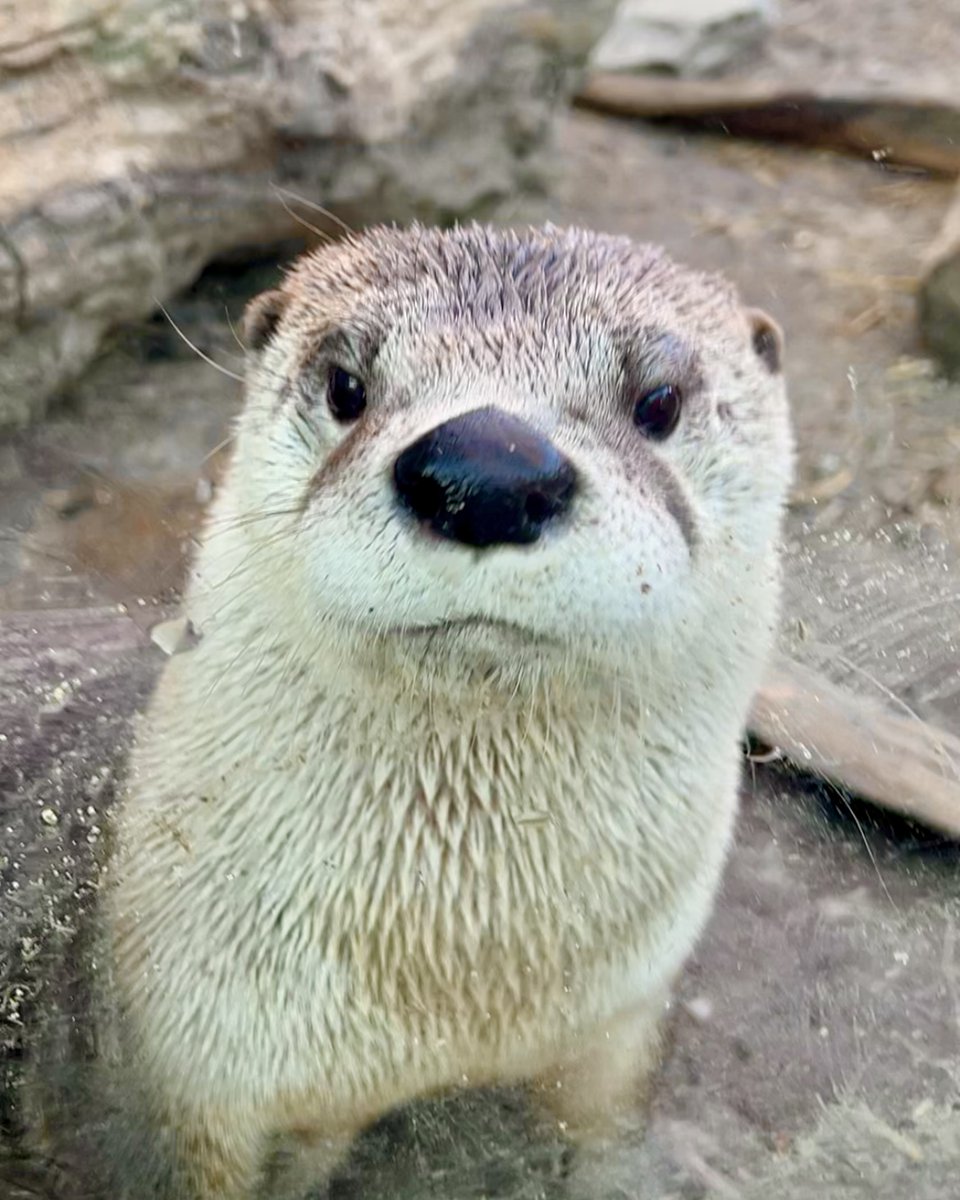
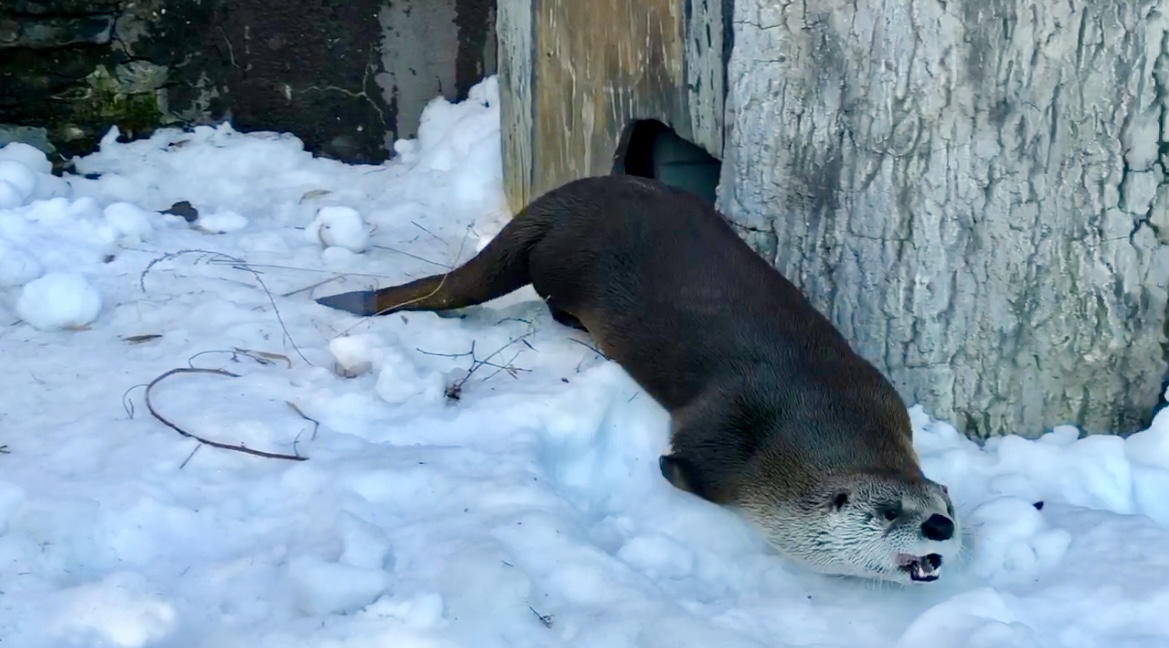
North American River Otters are very vocal and use various sounds like chirps, squeaks, and hums to communicate with each other. 🦦

North American River Otters are very vocal and use various sounds like chirps, squeaks, and hums to communicate with each other. 🦦
Long Island Aquarium (@liaquarium) 's Twitter Profile Photo

Webster’s all about meeting new folks, especially if they have 8 arms! Come by on December 30th for treats, fun, and pictures with Webster and all his aquatic friends— and don’t forget to enter the Drake’s Cakes Giveaway! 👀

Webster’s all about meeting new folks, especially if they have 8 arms! Come by on December 30th for treats, fun, and pictures with Webster and all his aquatic friends— and don’t forget to enter the Drake’s Cakes Giveaway! 👀
Long Island Aquarium (@liaquarium) 's Twitter Profile Photo

There’s snow place like home! ❄️☃️ So stay home today because the Aquarium is closed Saturday, December 27th due to the weather. We’ll see you tomorrow! 🦦

There’s snow place like home! ❄️☃️ 

So stay home today because the Aquarium is closed Saturday, December 27th due to the weather. We’ll see you tomorrow! 🦦
Long Island Aquarium (@liaquarium) 's Twitter Profile Photo

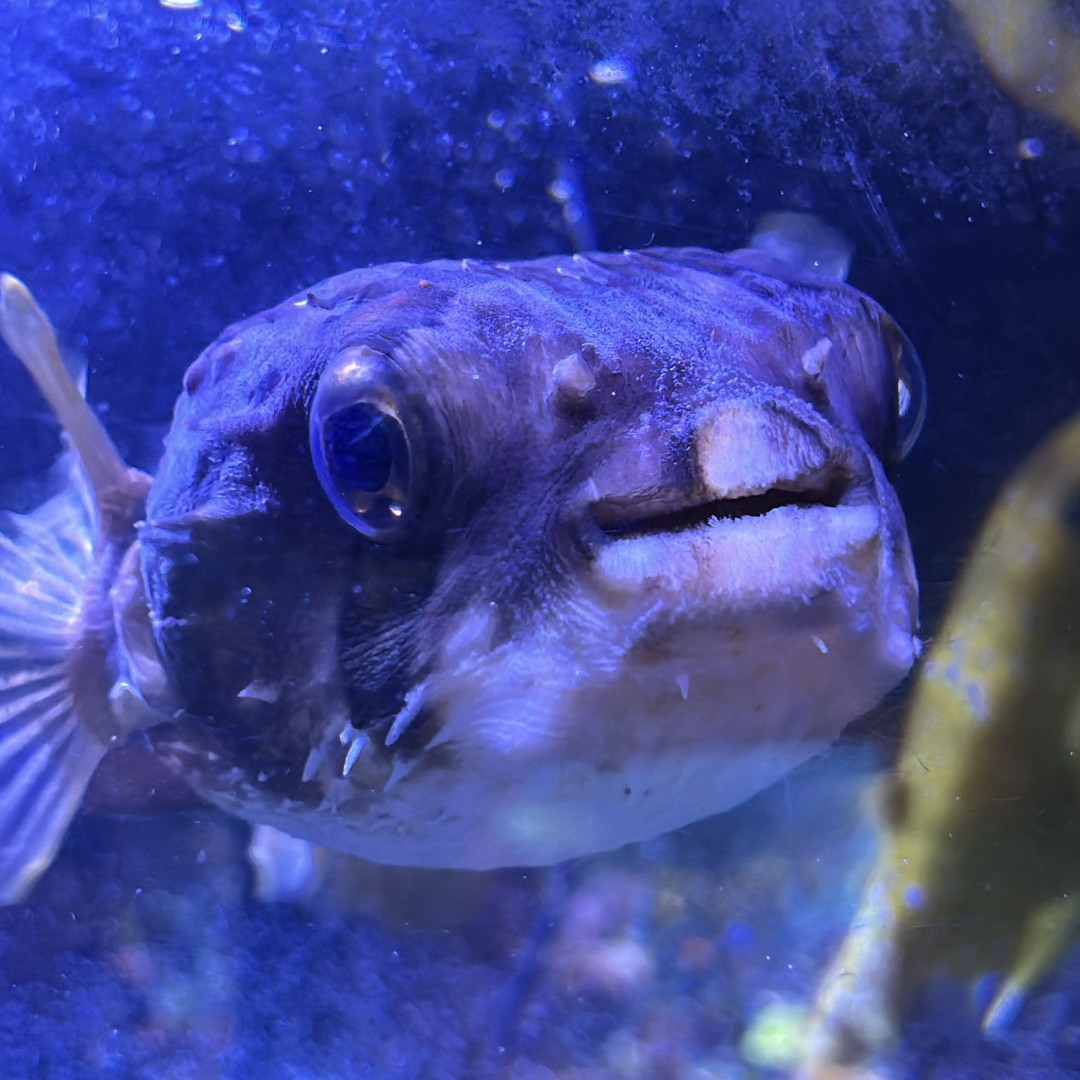
Porcupine pufferfish can inflate themselves with water (or air) to look like a spiky ball, making it hard for predators to swallow them. Their sharp spines stick out when they puff up, hence the name porcupine pufferfish! 🐡

Porcupine pufferfish can inflate themselves with water (or air) to look like a spiky ball, making it hard for predators to swallow them. Their sharp spines stick out when they puff up, hence the name porcupine pufferfish! 🐡
Long Island Aquarium (@liaquarium) 's Twitter Profile Photo

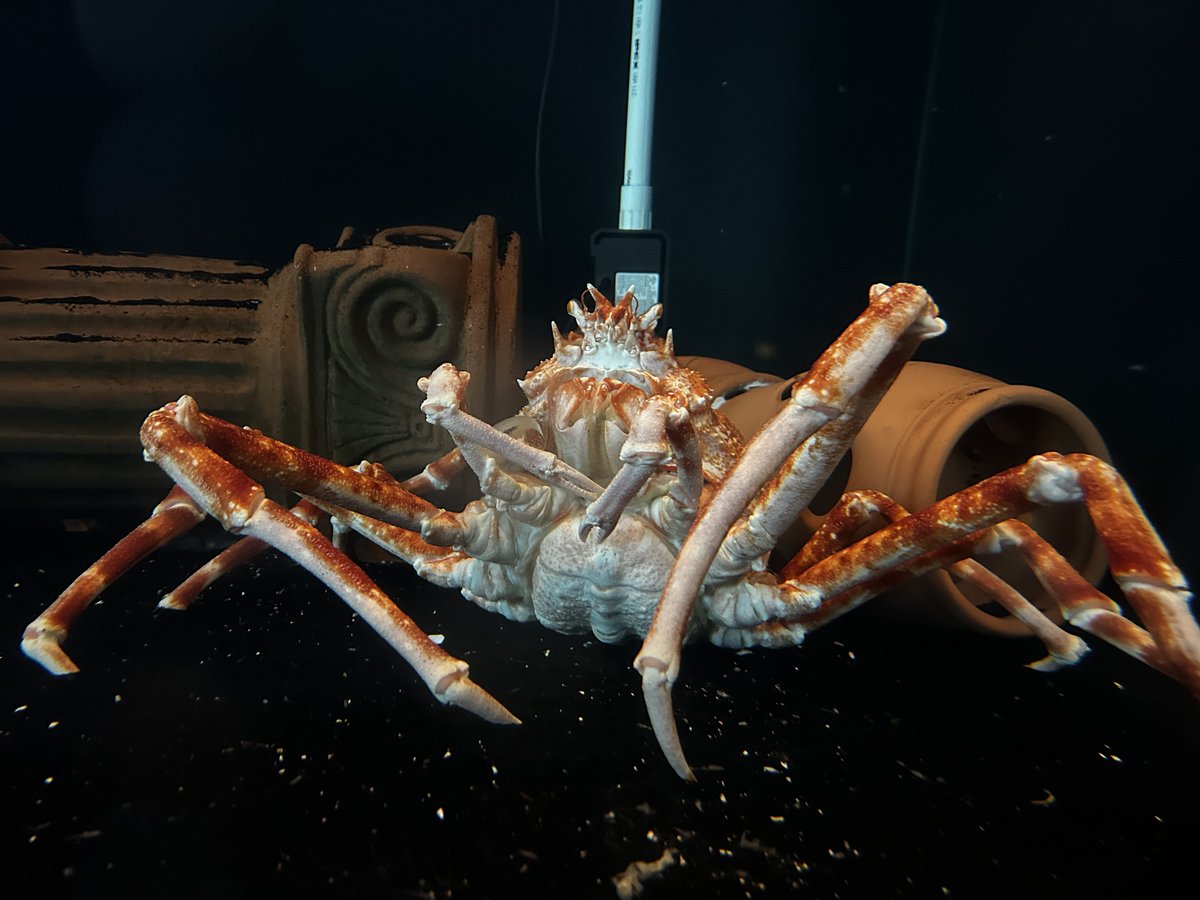
Japanese spider crabs are slow-moving and spend much of their time walking on the seafloor searching for food — they do not swim. Instead of hunting, these scavengers look for dead and decaying matter along the seafloor. 🦀

Japanese spider crabs are slow-moving and spend much of their time walking on the seafloor searching for food — they do not swim. Instead of hunting, these scavengers look for dead and decaying matter along the seafloor. 🦀