Evincer.org 🔥 Question The Science (@evincer_org) 's Twitter Profile
Evincer.org 🔥 Question The Science

@evincer_org

Do you trust the science?

or question the science?

🐑 / 🦆 Find out with our free Dissent Quiz 👇

ID: 1518683731980177411

linkhttps://evincer.org/quiz?link=quiz calendar_today25-04-2022 20:11:01

593 Tweet

3,3K Takipçi

163 Takip Edilen

Evincer.org 🔥 Question The Science (@evincer_org) 's Twitter Profile Photo

Big changes coming to Evincer soon! 🔥 Everyone will be able to make their own Inquiries. 🔥 All Proposals will become Inquiries. 🔥 All subscriptions, comments, revision history, rankings, etc preserved

Evincer.org 🔥 Question The Science (@evincer_org) 's Twitter Profile Photo

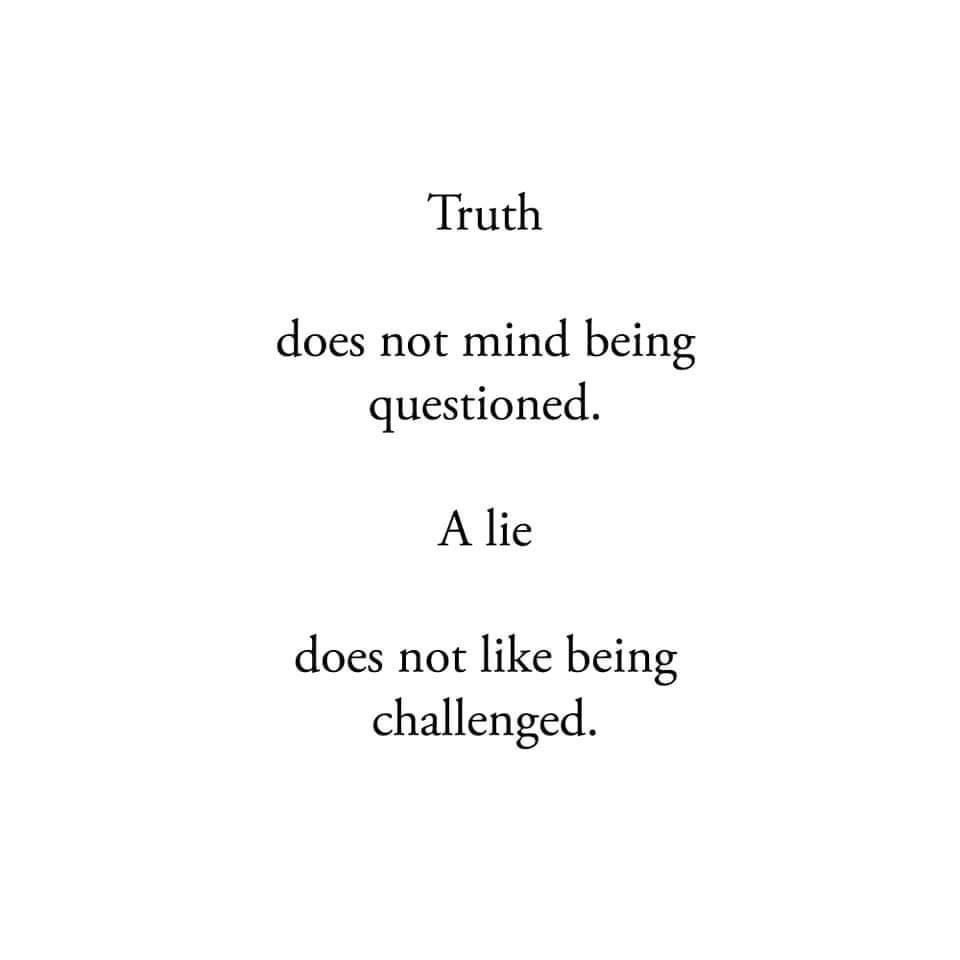
Truth fears no challenge. The time has come to throw off the shackles of the "trust the science" gatekeepers who want you only discussing one worldview. Let the evidence speak for itself.

Evincer.org 🔥 Question The Science (@evincer_org) 's Twitter Profile Photo

LCV is indistinguishable from post-viral syndromes, according to a 2024 Study. The study found no difference between post-Covid and other post-viral functional impairments. "Long COVID appears to manifest as a post-viral syndrome indistinguishable from seasonal influenza and

Evincer.org 🔥 Question The Science (@evincer_org) 's Twitter Profile Photo

Has anyone else noticed this problem escalating lately? Joe has a new idea. Joe researches his idea, gathering evidence. It seems promising. Joe presents the idea. Joe is labeled a conspiracy theorist quack and that's the last we hear of Joe. It just keeps repeating itself.

Evincer.org 🔥 Question The Science (@evincer_org) 's Twitter Profile Photo

Evincer 101: 1. Users ask yes/no questions. 2. Users post evidence on both sides 3. Users post rebuttals to that evidence Evidence and Rebuttals are sorted by votes, and how much they sway user opinion. This puts the top evidence in one place for YOU to decide what's true.

Evincer.org 🔥 Question The Science (@evincer_org) 's Twitter Profile Photo

FDA commissioner Robert Califf: “One of the most difficult areas that we need to address” is how to have scientific disagreements “without undermining the public’s confidence and trust in science.” No, the problem is wanting to dictate the narrative you choose to call science.

Evincer.org 🔥 Question The Science (@evincer_org) 's Twitter Profile Photo

Truth needs debate. It needs to be constantly tested -- held to the flame of reason to see if it melts. What's not appreciated though: this fight needs to happen in **your** own mind. It's too easy to trust the experts. Grappling with it yourself is called critical

Evincer.org 🔥 Question The Science (@evincer_org) 's Twitter Profile Photo

"He who knows only his own side of the case knows little of that. His reasons may be good, and no one may have been able to refute them. But if he is equally unable to refute the reasons on the opposite side, if he does not so much as know what they are, he has no ground for

Evincer.org 🔥 Question The Science (@evincer_org) 's Twitter Profile Photo

We're putting together a podcast focused on health inquiries! Each episode will cover 5 sources of evidence on each side of a question. Help us choose a title.

Evincer.org 🔥 Question The Science (@evincer_org) 's Twitter Profile Photo

Confirmation bias is the silent killer of objective thinking. It's easy to seek out information that only confirms what we already believe, but true growth comes from challenging our own views. Let's strive to question, learn, and evolve beyond our biases. #ConfirmationBias

Confirmation bias is the silent killer of objective thinking. It's easy to seek out information that only confirms what we already believe, but true growth comes from challenging our own views. Let's strive to question, learn, and evolve beyond our biases. 

#ConfirmationBias
Evincer.org 🔥 Question The Science (@evincer_org) 's Twitter Profile Photo

John Stuart Mill nails confirmation bias to the wall: "He who knows only his own side of the case knows little of that. His reasons may be good, and no one may have been able to refute them. But if he is equally unable to refute the reasons on the opposite side, if he does not

John Stuart Mill nails confirmation bias to the wall:

"He who knows only his own side of the case knows little of that. His reasons may be good, and no one may have been able to refute them. But if he is equally unable to refute the reasons on the opposite side, if he does not