

Amy Suardi
@amysuardi
Memory keeper, truth seeker. Nurturer of children, creative people, and pumpkins. I write memoir and personal essay & offer free co-writing sessions for women.
ID: 52935319
https://amysuardi.com 02-07-2009 02:11:46
1,1K Tweet
305 Takipçi
595 Takip Edilen
Overheard in one of Lindsey DeLoach Jones' talks: Take a tiny notebook and pencil around with you. Even if you never write anything down, the act of holding that pad and pencil makes you pay more attention to the world. #CraftTalks
Why is it hard when you're in the middle of writing a book? This explanation from Peter Mountford in a #CraftTalks made so much sense. Because "after the first 40-80 pages, it's out of your reach. Your mind cannot reach both sides simultaneously."
"The end is usually not black and white in a good book. If the character succeeds in their goal, there is kind of an emotional pain that accompanies it. If they fail, there is a kind of emotional victory. There is kind of a dual emotional register that lands." --Peter Mountford
When we develop a self-trust and intuition about creative signals we're getting, even when they're contrary to what the literary world says we should do, we can find unexpected boons. --Darien Hsu Gee via #CraftTalks
"When we have aspirations to publish, we want so much for the marketplace to tell us what it is that we need to do, and that can be very discombobulating." Cultivate trust in your gut instinct instead. --Darien Hsu Gee via #CraftTalks
"To break out of a writing block, try talking to unexpected people. Interview someone unlike your character, or network outside of your field." Another nugget from Darien Hsu Gee's recent Petras Kindurys.
"Everything we write is not going to be a product. If we played a musical instrument, every scale we played is not going into the concert. But every scale we played is giving us the skills to get to the concert." --Laraine Herring via #CraftTalks

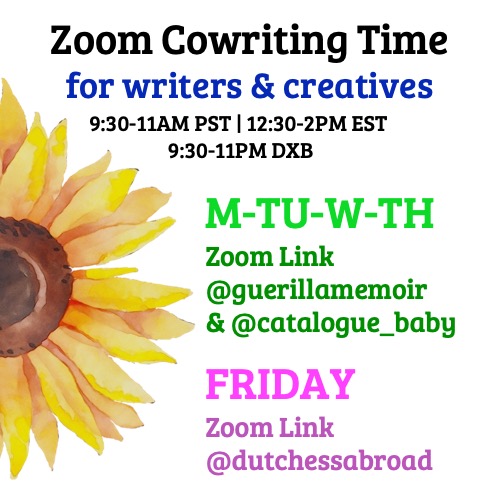
Don't tell readers anything they could figure out themselves, says Heather Sellers in #CraftTalks. Or as Dinty W. Moore says, “Show a lot, tell a little, never explain.”
When beginning a piece, skip the backstory. You can always weave it in later, after you have hooked the reader, heightened the story stakes, and gotten ahold of the reader's attention. --Allison K Williams via #CraftTalks this week
To avoid roadblocks when writing about family members in a memoir, first write from a craft & character-development perspective. Then when revising, consider the the personal, what-will-they-think? perspective. --Katie Bannon via #CraftTalks
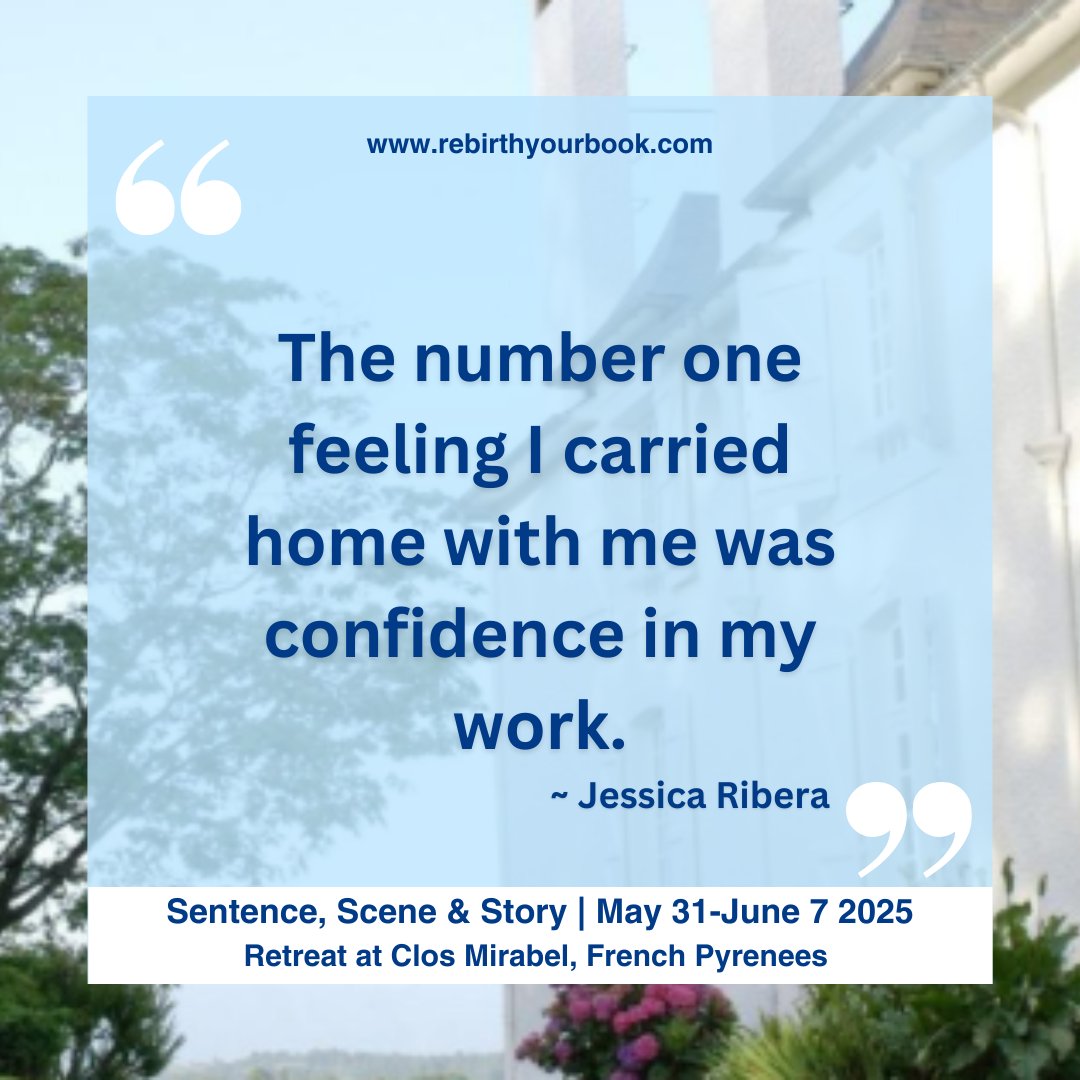
Brilliant point by Dinty W. Moore Dinty W. Moore on #CraftTalks yesterday: "Details are not just facts. They are plot, theme, and -- if done correctly -- they are the story itself."
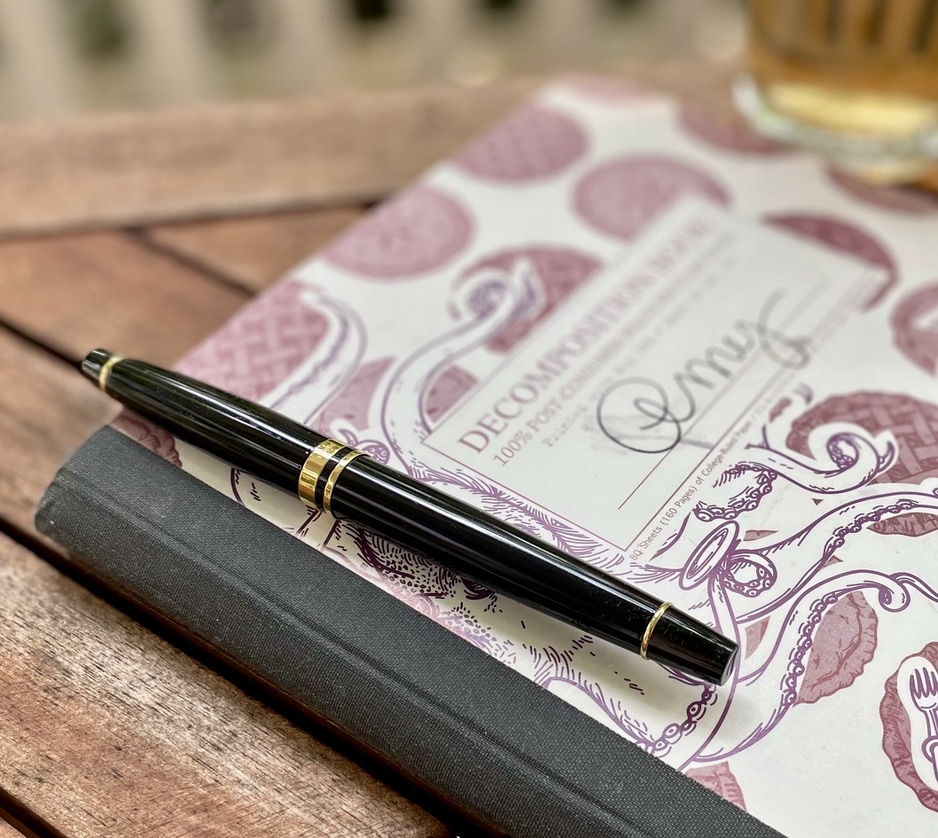
“I tell my students that when you write, you should pretend you’re writing the best letter you ever wrote to the smartest friend you have." --Jeffrey Eugenides via Dinty W. Moore on #CraftTalks
You can solve most of your writing problems if you stop after every sentence and ask, What does the reader need to know next? -- William Zinsser via Dinty W. Moore on the most recent #CraftTalks. So good.
Excellent marketing advice from Stephen Knezovich via #CraftTalks, including: "Make a short list of 5 to 7 brands, people, writers, leaders that you admire, visit their websites and social accounts, and identify what they do, say, or believe that you love."