Anastasia Tõnisson (@tonissonan) 's Twitter Profile
Anastasia Tõnisson

@tonissonan

Study the impact of land use change during my PhD with @PlantEcoEvoUT

ID: 1587567422038589441

calendar_today01-11-2022 22:09:24

86 Tweet

85 Takipçi

72 Takip Edilen
Plant Evolutionary Ecology lab (@plantecoevout) 's Twitter Profile Photo

We had a lot of fun last week cooking dinner together, going for a hike, doing team training and learning more about each other with Plant Ecology UT With warm memories into the new week!

Anastasia Tõnisson (@tonissonan) 's Twitter Profile Photo

Happy to present my poster today at #BES2023. My topic is Impact of long-term grazing abandonment on intraspecific variation in plant functional traits ⭐️🌿

Happy to present my poster today at #BES2023.  My topic is Impact of long-term grazing abandonment on intraspecific variation in plant functional traits ⭐️🌿
FAO Knowledge (@faoknowledge) 's Twitter Profile Photo

Soil erosion poses a major threat to global food security and to the achievement of the #SDGs. This Food and Agriculture Organization publication reviews the challenge and provides insights to address #SoilErosion & promote sustainable land management. Read more ➡️ ow.ly/1Cjv50QqPIg

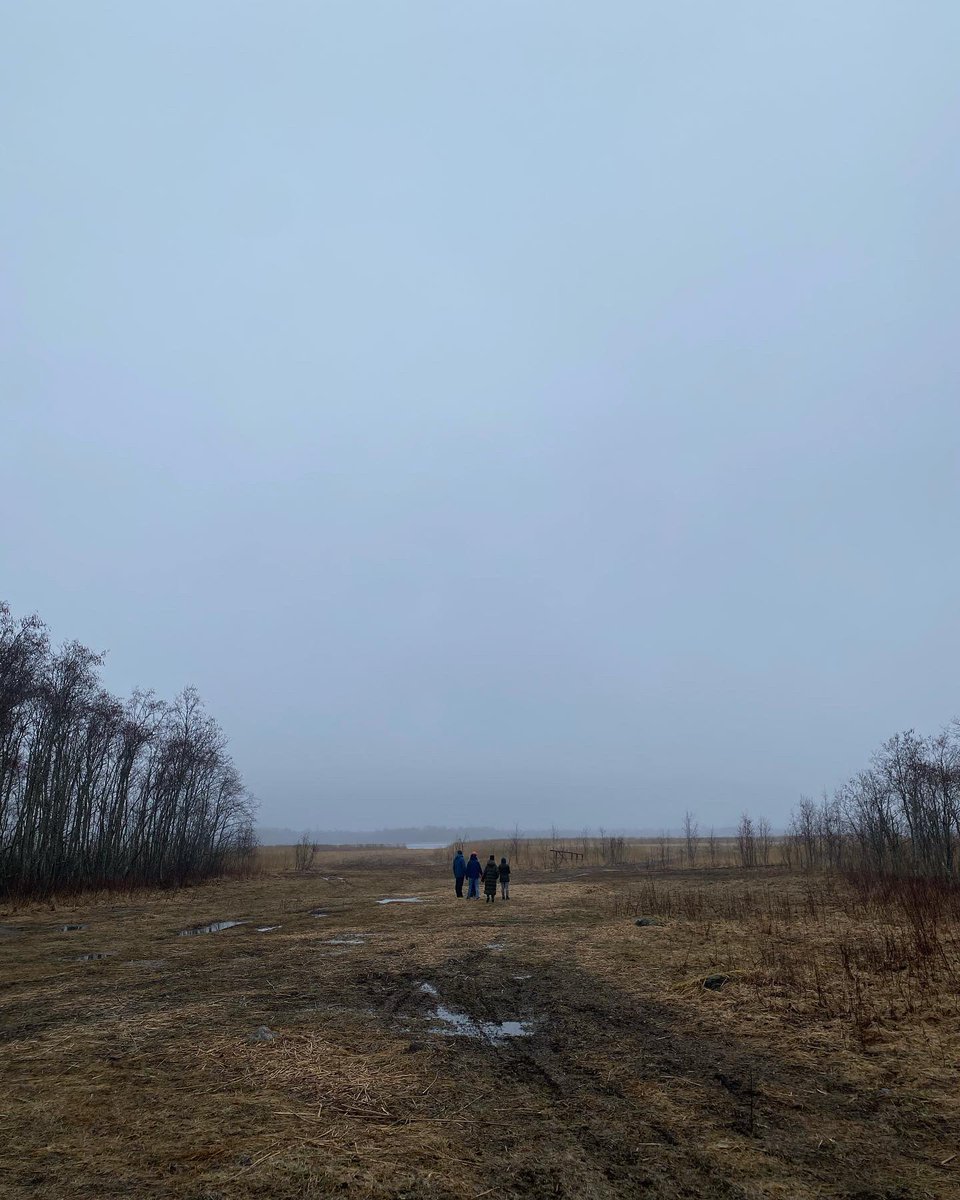
Soil erosion poses a major threat to global food security and to the achievement of the #SDGs.

This <a href="/FAO/">Food and Agriculture Organization</a> publication reviews the challenge and provides insights to address #SoilErosion &amp; promote sustainable land management.

Read more ➡️ ow.ly/1Cjv50QqPIg
Anastasia Tõnisson (@tonissonan) 's Twitter Profile Photo

Just started a new experiment with 90 pines and 390 Brizas in open, clearcut and forest locations! Finger crossed we will see results soon 👩🏻‍🌾🌿

Just started a new experiment with 90 pines and 390 Brizas in open, clearcut and forest locations! Finger crossed we will see results soon 👩🏻‍🌾🌿
Plant Evolutionary Ecology lab (@plantecoevout) 's Twitter Profile Photo

Really interesting session at #SERE24 about considering genetic diversity in nature restoration including first talk at an international conference by Anastasia Tõnisson about effects of grassland grazing abandonment! 🤩💪European Research Council (ERC) Landscape Biodiversity Lab
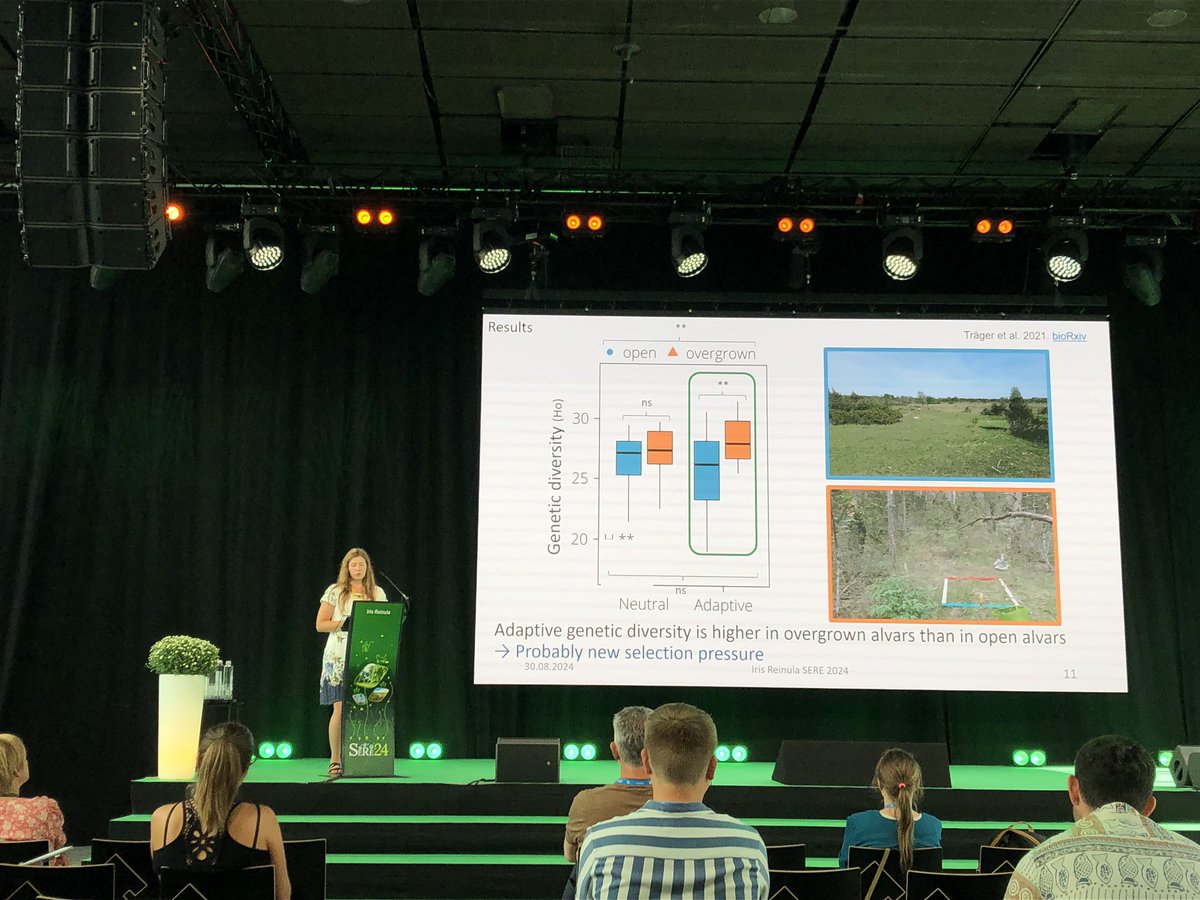
Really interesting session at #SERE24 about considering genetic diversity in nature restoration including first talk at an international conference by <a href="/tonissonan/">Anastasia Tõnisson</a> about effects of grassland grazing abandonment! 🤩💪<a href="/ERC_Research/">European Research Council (ERC)</a> <a href="/LandscBiodivUT/">Landscape Biodiversity Lab</a>
Anastasia Tõnisson (@tonissonan) 's Twitter Profile Photo

The same species, the same planting time, the same 3cm height at the beginning and one single stem but two different locations for 4 month growth: forest on the left and clear-cut on the right. And what do we see! Phenotypic plasticity had fun 🤪

The same species, the same planting time, the same 3cm height at the beginning and one single stem but two different locations for 4 month growth: forest on the left and clear-cut on the right. And what do we see! Phenotypic plasticity had fun 🤪
Anastasia Tõnisson (@tonissonan) 's Twitter Profile Photo

Incredible EcM colonization on our Pines, which were planted in June 2024 in two varieties (alone and with 4 Briza) on the soils from abandoned and grazed grasslands ☕️ #EcM

Incredible EcM colonization on our Pines, which were planted in June 2024 in two varieties (alone and with 4 Briza) on the soils from abandoned and grazed grasslands ☕️
#EcM
Anastasia Tõnisson (@tonissonan) 's Twitter Profile Photo

I spent around 5 hours exploring EcM with the small microscope and taking pictures. it feels like it’s better not to start otherwise you will end up with 500 pics😂

I spent around 5 hours exploring EcM with the small microscope and taking pictures. it feels like it’s better not to start otherwise you will end up with 500 pics😂
Alistair Hetherington (@np_eic) 's Twitter Profile Photo

In this fascinating review Prakshi Aneja and colleagues explore the physiological significance and regulation of leaf thickness and highlight opportunities on how this trait might be targeted for crop improvement. nph.onlinelibrary.wiley.com/doi/10.1111/np…

In this fascinating review Prakshi Aneja and colleagues explore the physiological significance and regulation of leaf thickness and highlight opportunities on how this trait might be targeted for crop improvement.
nph.onlinelibrary.wiley.com/doi/10.1111/np…
Anastasia Tõnisson (@tonissonan) 's Twitter Profile Photo

In Estonia it gets dark already at 4:30, only coffee saves. I need to rewatch the presentation from two years ago, because there is always "will" about our experiments, and now we have all "done" 🤩 By the way, my third year of PhD started on November 1st ✨

In Estonia it gets dark already at 4:30, only coffee saves. I need to rewatch the presentation from two years ago, because there is always "will" about our experiments, and now we have all "done" 🤩 By the way, my third year of PhD started on November 1st ✨
Anastasia Tõnisson (@tonissonan) 's Twitter Profile Photo

I was so excited (and stressed 😂) to organize my first art workshop in Tartu. We made an amazing garland with acorn cups and pine trees🎄🍄 We discussed life as foreigners in Estonia and shared our problems here. Hope to see more people next time 😍

I was so excited (and stressed 😂) to organize my first art workshop in Tartu. We made an amazing garland with acorn cups and pine trees🎄🍄 We discussed life as foreigners in Estonia and shared our problems here. Hope to see more people next time 😍
Crump Lab (@crumplab) 's Twitter Profile Photo

The outer ear is a mammalian innovation but where did it come from? In our study in nature, Mathi Thiruppathy and colleagues find that the outer ear arose from modification of an ancestral gill program first originating in marine invertebrates. nature.com/articles/s4158… 1/n

The outer ear is a mammalian innovation but where did it come from? In our study in <a href="/Nature/">nature</a>, <a href="/MathiThiru95/">Mathi Thiruppathy</a> and colleagues find that the outer ear arose from modification of an ancestral gill program first originating in marine invertebrates. nature.com/articles/s4158…

1/n