
Thoroton Society
@thorotonsociety
Nottinghamshire's historical, archaeological & conservation society. Established 1897 in honour of the seventeenth century antiquarian Dr Robert Thoroton.
ID: 1320731070824910849
http://www.thorotonsociety.org.uk/ 26-10-2020 14:17:53
407 Tweet
851 Followers
496 Following

The moment that Robin Hood and His Merry Minifolk opened the gates of Nottingham Castle for the people again.

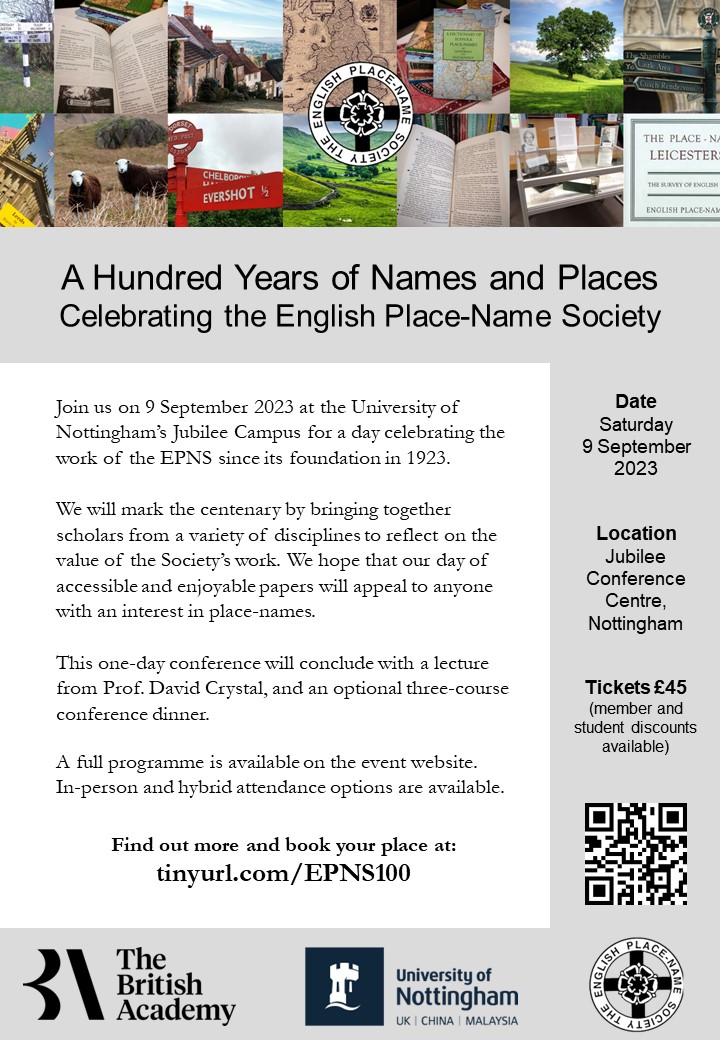
We're having a birthday party! 🎂 Join us on 9 September Uni of Nottingham #WeAreUoN's Jubilee Conference Centre for a jam-packed day of place-names papers celebrating our centenary, all topped off with a lecture from Prof. David Crystal. Registration and info at: nottingham.ac.uk/research/group…

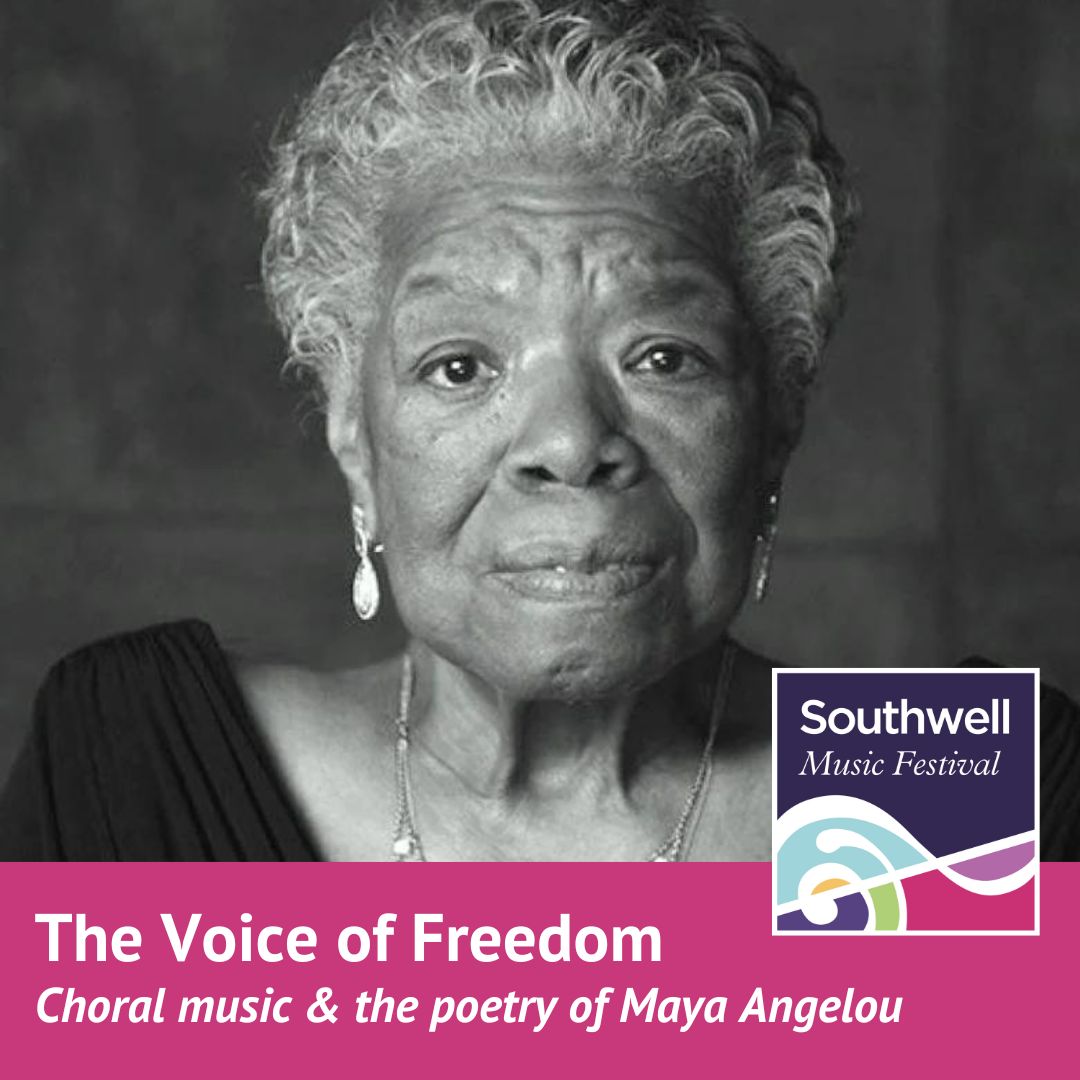
Join Southwell Music Festival on Friday 25 August for The Voice of Freedom. Exquisite choral works performed by the Festival Voices, interspersed with poetry from poet, writer and civil rights activist Maya Angelou.

Rehearsals have finally begun for our autumn opening show The Real & Imagined History of the Elephant Man down at Nonsuch Studios 😊 We caught up with the cast & director on their first day 🎉

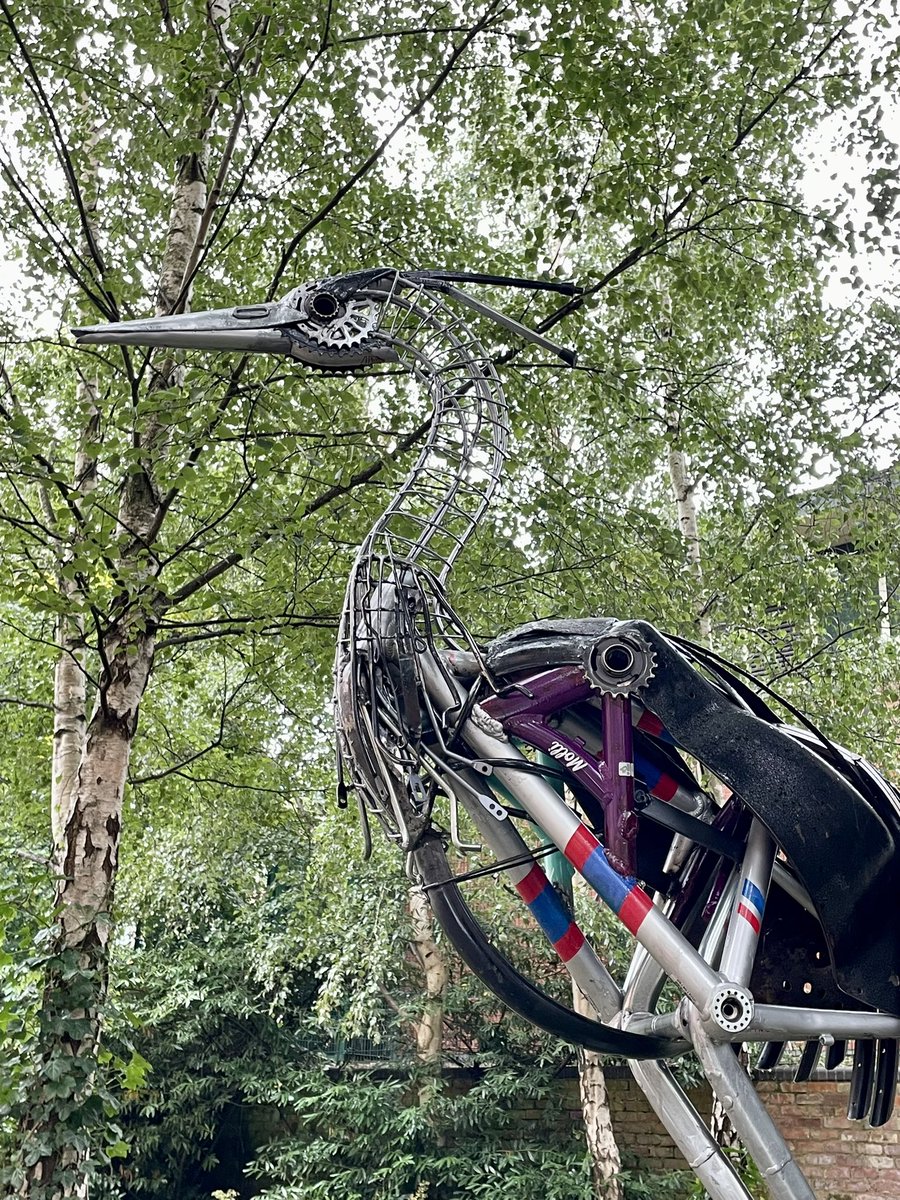


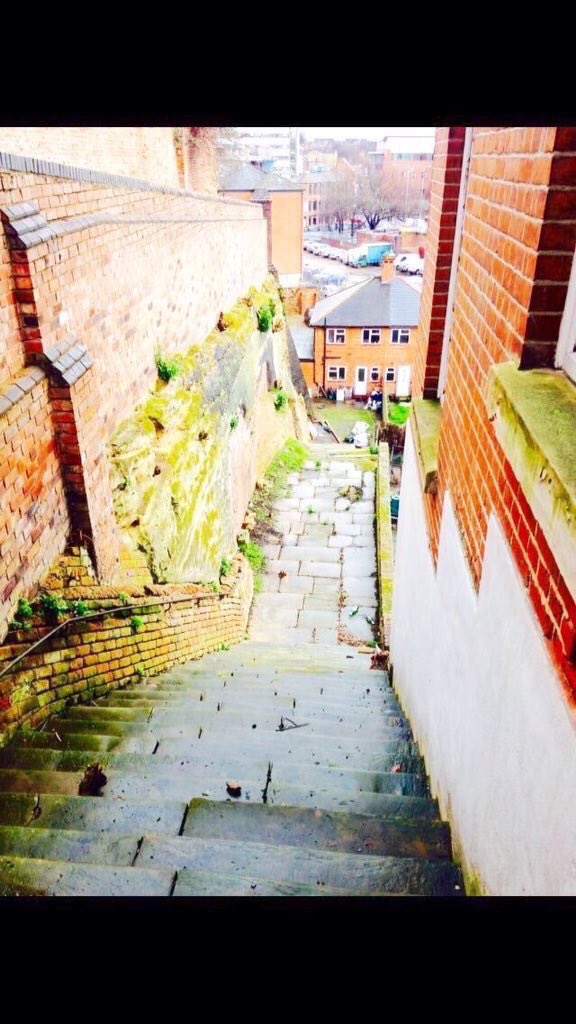

Midland History's current issue features 6 articles covering 15th to 20th c in Warwickshire and Nottinghamshire [3 articles are #OpenAccess] Friends of Centre for Midlands History & Cultures College of Arts+Law Centre for Regional and Local History Imogen Peck James Doherty Thoroton Society tandfonline.com/toc/ymdh20/cur…
![<a href="/MidlandHistory/">Midland History</a>'s current issue features 6 articles covering 15th to 20th c in Warwickshire and Nottinghamshire [3 articles are #OpenAccess] <a href="/CMHCFriends/">Friends of Centre for Midlands History & Cultures</a> <a href="/artsatbham/">College of Arts+Law</a> <a href="/CRLHLeicester/">Centre for Regional and Local History</a> <a href="/ImogenPeck2/">Imogen Peck</a> <a href="/j_r_doherty/">James Doherty</a> <a href="/ThorotonSociety/">Thoroton Society</a>
tandfonline.com/toc/ymdh20/cur…](https://pbs.twimg.com/media/F7w39CuW0AA3ZN6.jpg "Midland History (@midlandhistory) on Twitter photo <a href=\"/MidlandHistory/\">Midland History</a>'s current issue features 6 articles covering 15th to 20th c in Warwickshire and Nottinghamshire [3 articles are #OpenAccess] <a href=\"/CMHCFriends/\">Friends of Centre for Midlands History & Cultures</a> <a href=\"/artsatbham/\">College of Arts+Law</a> <a href=\"/CRLHLeicester/\">Centre for Regional and Local History</a> <a href=\"/ImogenPeck2/\">Imogen Peck</a> <a href=\"/j_r_doherty/\">James Doherty</a> <a href=\"/ThorotonSociety/\">Thoroton Society</a>
tandfonline.com/toc/ymdh20/cur…")
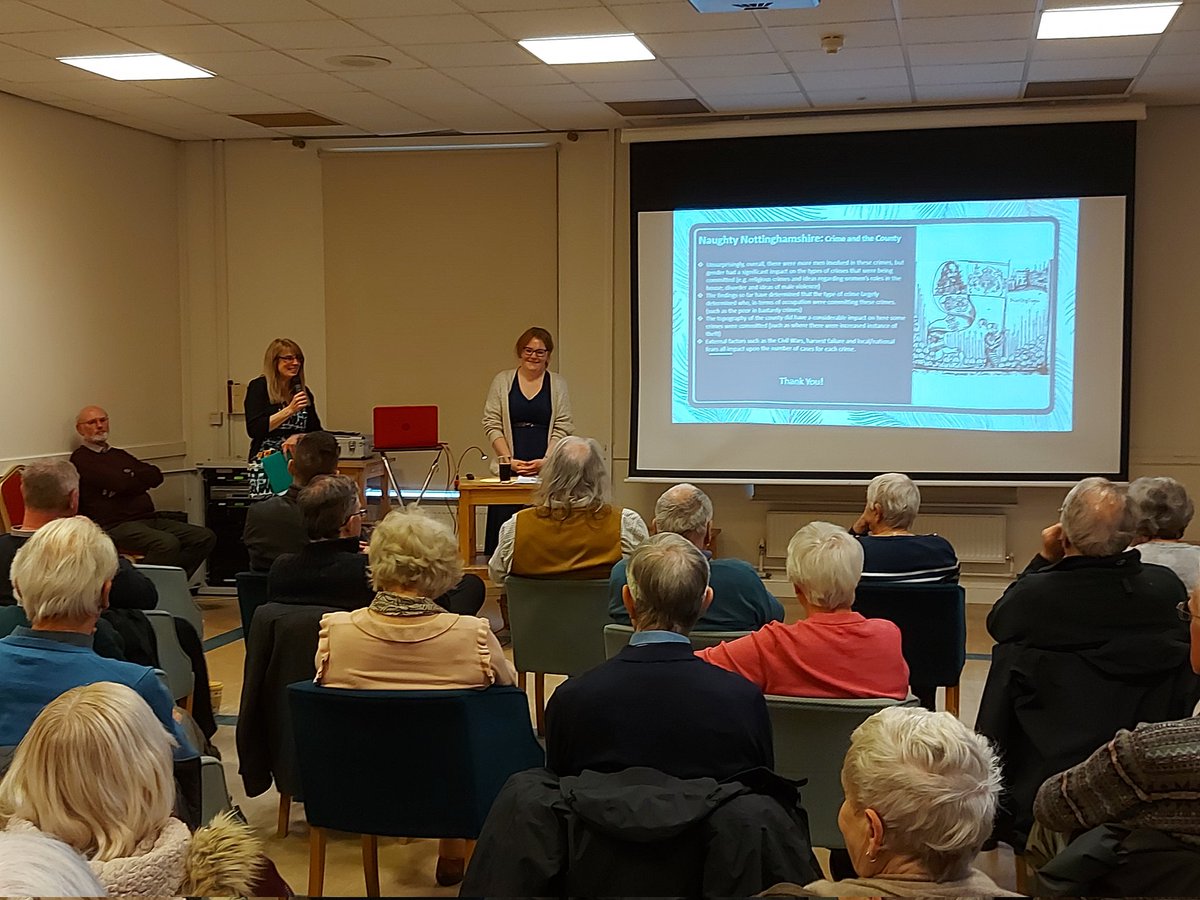
Our thanks to Dr. Natasha R. Hodgson for chairing this year's Nottinghamshire History Lecture given by Erin Newman on criminality in the county during the 1630s inc. religious, disorder, economic and domestic lawbreaking recorded in the Quarter Sessions. Good luck with your PhD, Erin!

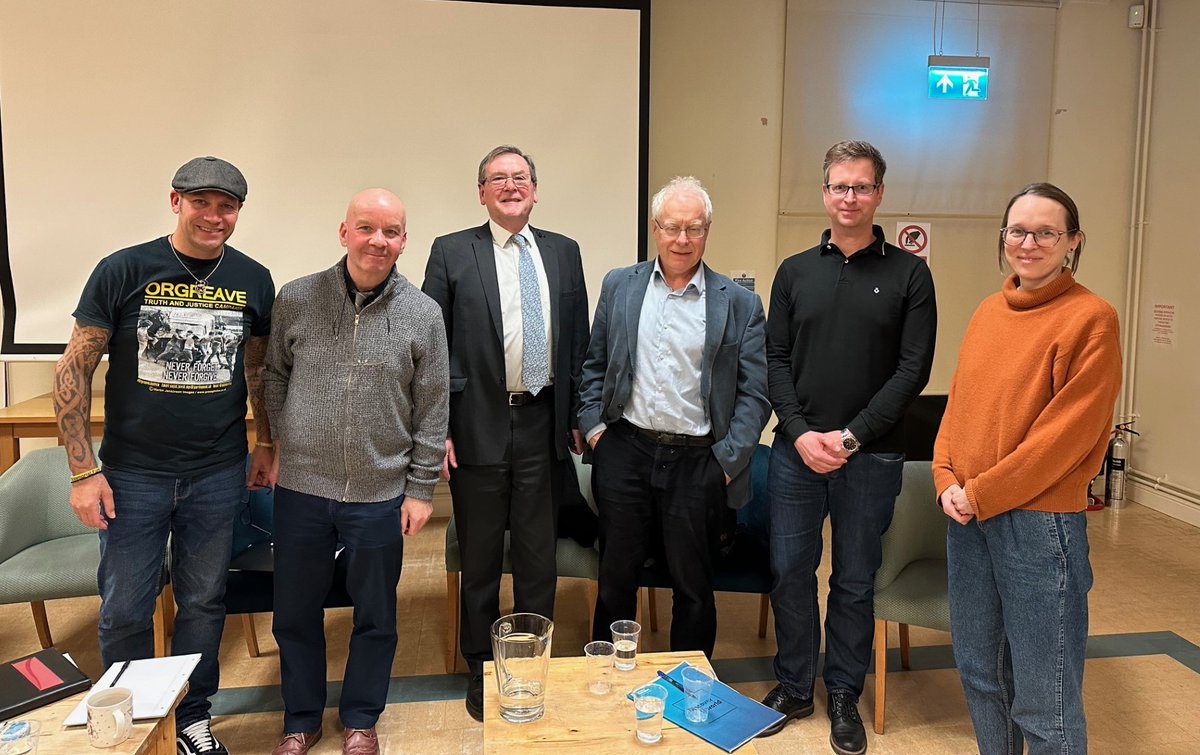
Panelists Thoroton Society event, 'The Legacy & Lessons of the 1984-85 Miners Strike in Nottinghamshire' on its 40th anniversary, left to right Ken Bonsall, David Amos David Amos John Hess (Chair) Robert Gildea Jörg Arnold & Dr Florence Sutcliffe-Braithwaite UCL History
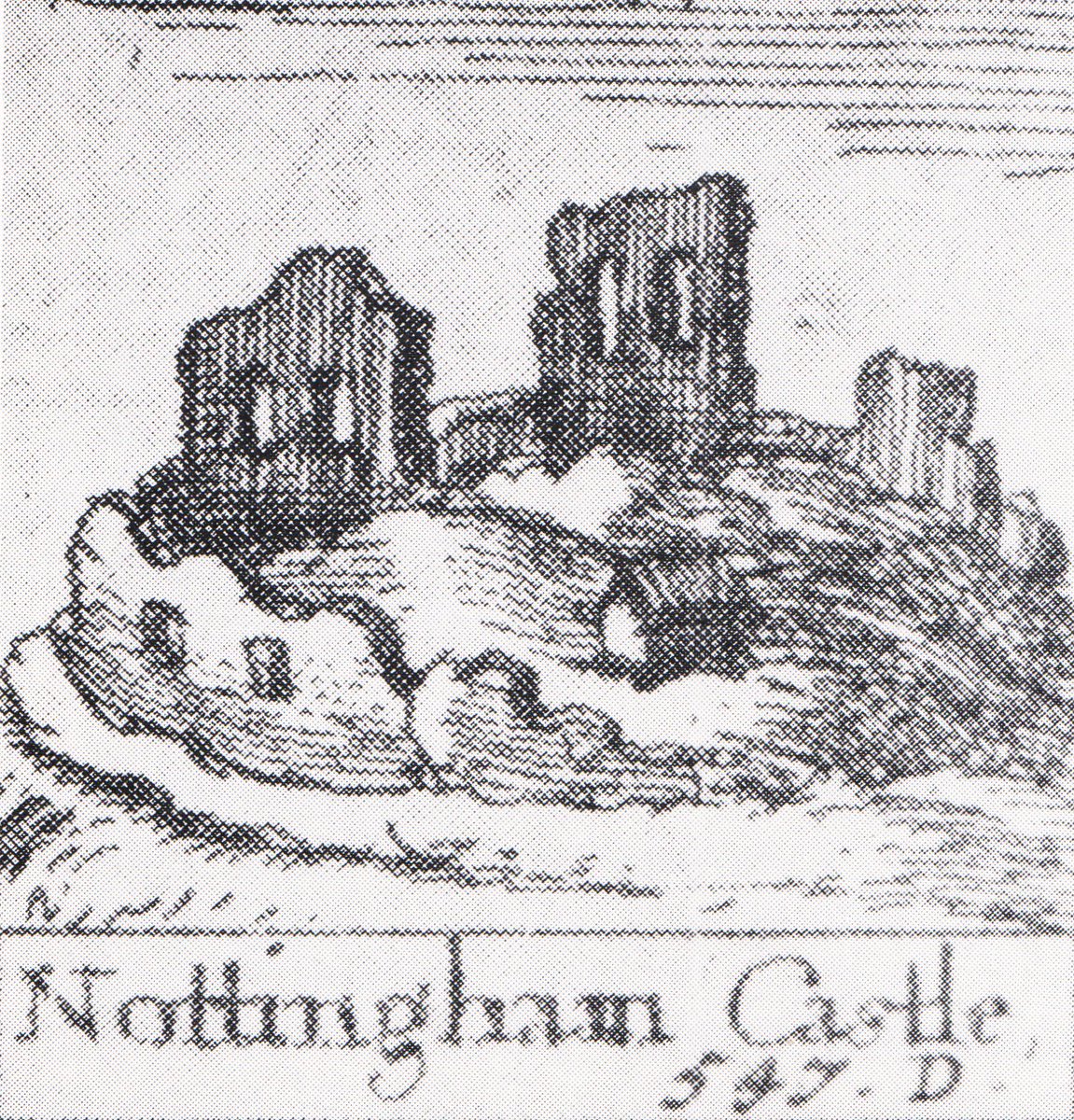
Daniel King's view of Nottingham Castle, 1660. The drawing may be symbolic rather than accurate but indicates the survival of mediaeval buildings for a period between the slighting of 1651 & William Cavendish's clearance of the site in the 1670s before construction of the ducal palace