The Taste of Korea (@thetasteofkorea) 's Twitter Profile
The Taste of Korea

@thetasteofkorea

Hansik means Korean food in Korean. Do you like hansik?

ID: 173395148

linkhttp://www.hansik.org calendar_today01-08-2010 10:23:01

1,1K Tweet

14,14K Takipçi

24,24K Takip Edilen

The Taste of Korea (@thetasteofkorea) 's Twitter Profile Photo

Jangjorim (braised beef in soy sauce) is made by braising slices of rib eye round or top round in soy sauce. The beef is ripped or cut into thin slices. It is a basic side dish that can be stored for a long period. Watch the video for the recipe! goo.gl/QHTGhE

Jangjorim (braised beef in soy sauce) is made by braising slices of rib eye round or top round in soy sauce. The beef is ripped or cut into thin slices. It is a basic side dish that can be stored for a long period. Watch the video for the recipe!
goo.gl/QHTGhE
The Taste of Korea (@thetasteofkorea) 's Twitter Profile Photo

Visit Hodori for a wide range of Korean food, from a bowl of refreshing Samgyetang (ginseng chicken soup) to very spicy Tteokbokki (stir-fried rice cake). The restaurant’s name originates from the mascot of the 1988 Summer Olympics in Seoul > goo.gl/QcgxdV

Visit Hodori for a wide range of Korean food, from a bowl of refreshing Samgyetang (ginseng chicken soup) to very spicy Tteokbokki (stir-fried rice cake). The restaurant’s name originates from the mascot of the 1988 Summer Olympics in Seoul > goo.gl/QcgxdV
The Taste of Korea (@thetasteofkorea) 's Twitter Profile Photo

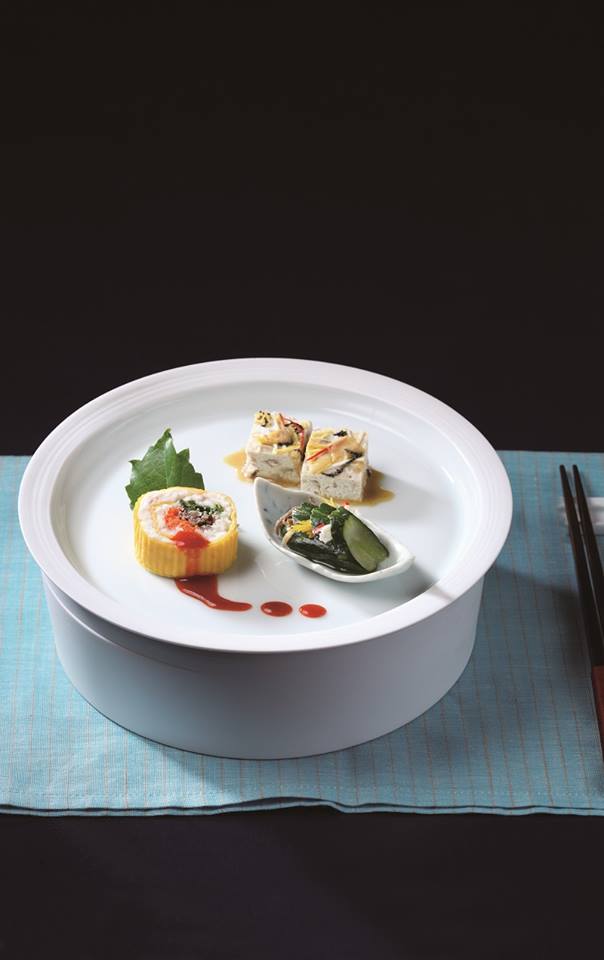
The suffix “seon” in the name of a Korean food indicates that the dish contains steamed vegetables or fish as a main ingredient. Vegetables (such as squash, cucumber, eggplant or cabbage) are stuffed with a filling (such as beef). They are then boiled in>goo.gl/SSN3Hf

The suffix “seon” in the name of a Korean food indicates that the dish contains steamed vegetables or fish as a main ingredient. Vegetables (such as squash, cucumber, eggplant or cabbage) are stuffed with a filling (such as beef). They are then boiled in>goo.gl/SSN3Hf
The Taste of Korea (@thetasteofkorea) 's Twitter Profile Photo

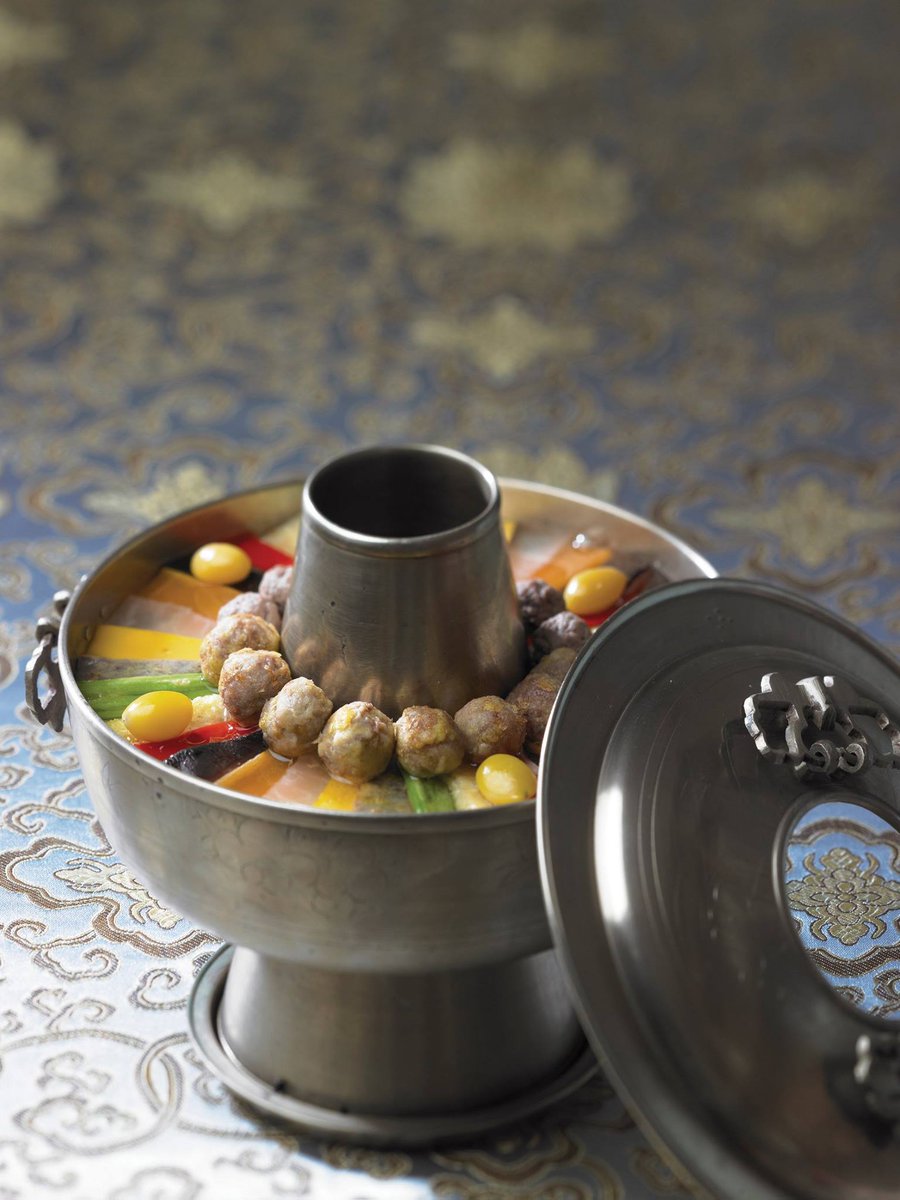
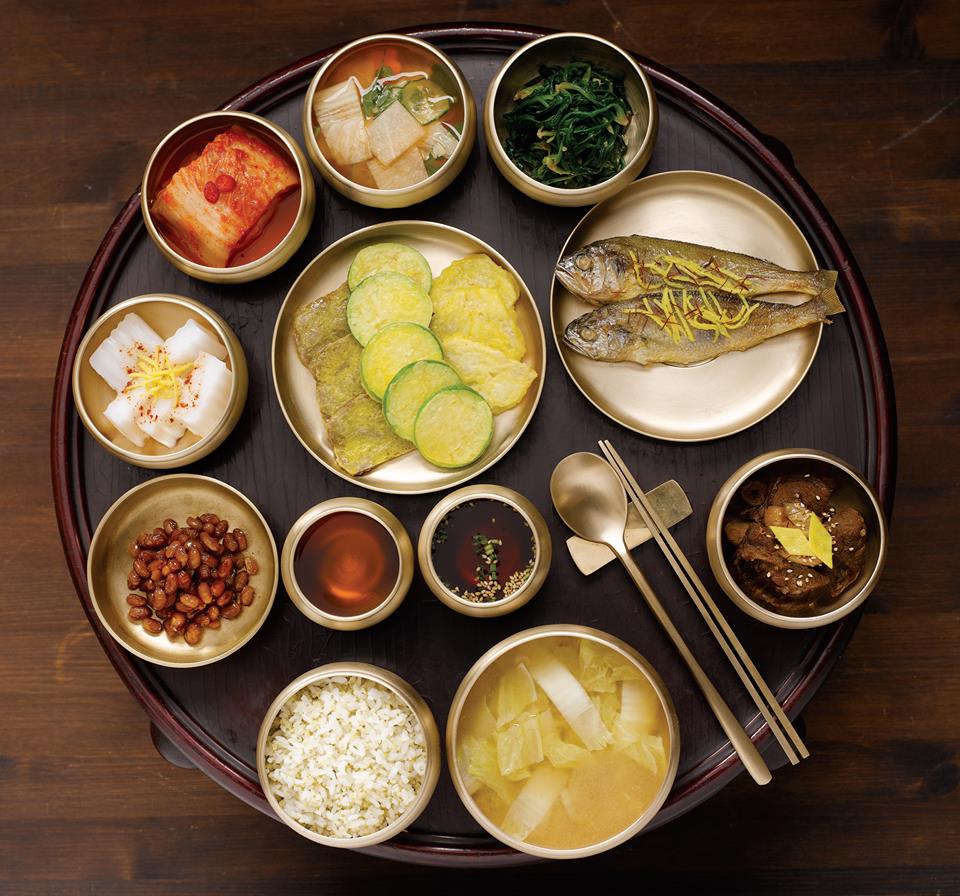
Jeolsiks are special foods eaten on each of the 24 seasonal festive days of the year, and Sisiks are dishes cooked with ingredients available at each season. Shinseonro is a November Jeolsik. Inasmuch as the meal was eaten by > goo.gl/xkD16P

Jeolsiks are special foods eaten on each of the 24 seasonal festive days of the year, and Sisiks are dishes cooked with ingredients available at each season. Shinseonro is a November Jeolsik. Inasmuch as the meal was eaten by > goo.gl/xkD16P
The Taste of Korea (@thetasteofkorea) 's Twitter Profile Photo

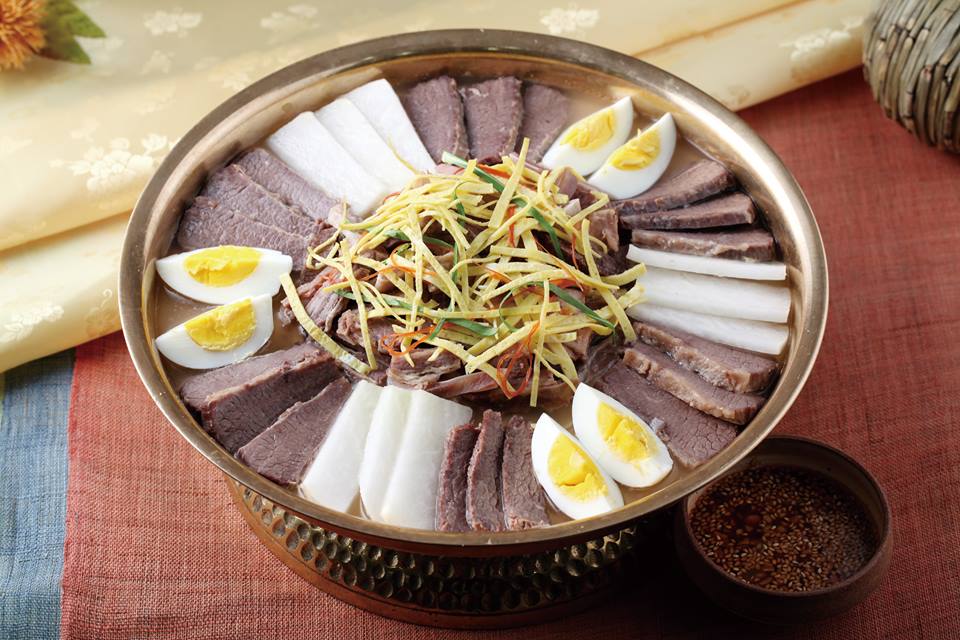
Eobok-jaengban is a stew prepared by pouring a meat broth over a tray brimming with Sogogi Pyeonyuk (boiled beef) and vegetables. A local delicacy in the area of Pyeongyang, Eobok-jaengban is eaten to ward off the cold. Stay toasty with Eobok-jaengban >goo.gl/kGYzGR

Eobok-jaengban is a stew prepared by pouring a meat broth over a tray brimming with Sogogi Pyeonyuk (boiled beef) and vegetables. A local delicacy in the area of Pyeongyang, Eobok-jaengban is eaten to ward off the cold. Stay toasty with Eobok-jaengban >goo.gl/kGYzGR
The Taste of Korea (@thetasteofkorea) 's Twitter Profile Photo

Jun Won Restaurant specializes in Korean-style seafood. Guests can enjoy spicy steamed- and soy-sauce-boiled fish, as well as stir-fried octopus. The establishment is so popular that locals with a taste for seafood are willing to line up at lunchtime>goo.gl/XZidFj

Jun Won Restaurant specializes in Korean-style seafood. Guests can enjoy spicy steamed- and soy-sauce-boiled fish, as well as stir-fried octopus. The establishment is so popular that locals with a taste for seafood  are willing to line up at lunchtime>goo.gl/XZidFj
The Taste of Korea (@thetasteofkorea) 's Twitter Profile Photo

Today we will show you a Korean dish made of cabbage and oysters. These are typical seasonal ingredients during the autumn. Learn this simple and delicious Korean recipe from the video and show off your cooking skills!

The Taste of Korea (@thetasteofkorea) 's Twitter Profile Photo

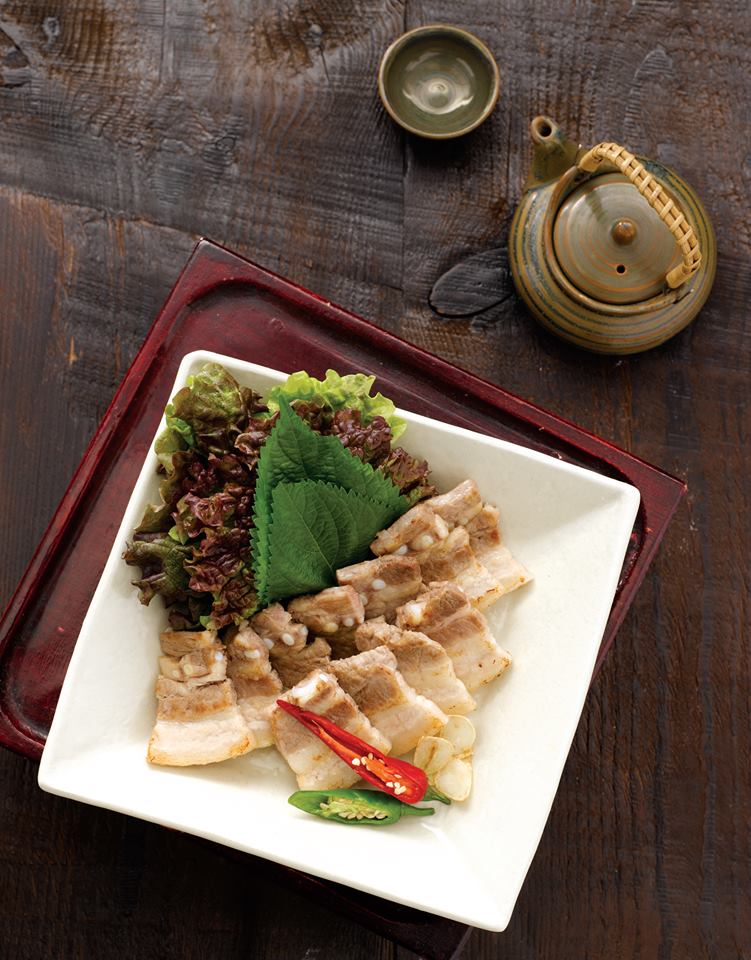
November is the month for making winter kimchi, and Pyeonyuk is the perfect complement to freshly made kimchi. Pyeonyuk is made from boiling pieces of beef or pork and wrapping it in a cloth-wrapper. The meat is then pressed down with a cooking board and >goo.gl/AosYYG

November is the month for making winter kimchi, and Pyeonyuk is the perfect complement to freshly made kimchi. Pyeonyuk is made from boiling pieces of beef or pork and wrapping it in a cloth-wrapper. The meat is then pressed down with a cooking board and >goo.gl/AosYYG
The Taste of Korea (@thetasteofkorea) 's Twitter Profile Photo

Today we’re going to introduce you to how to cook a beef and mushroom stew. Its sustaining soup and meat make the dish taste great as a main or side course for dinner. Watch the video and learn. :-) Recipe: goo.gl/DUwYuh

The Taste of Korea (@thetasteofkorea) 's Twitter Profile Photo

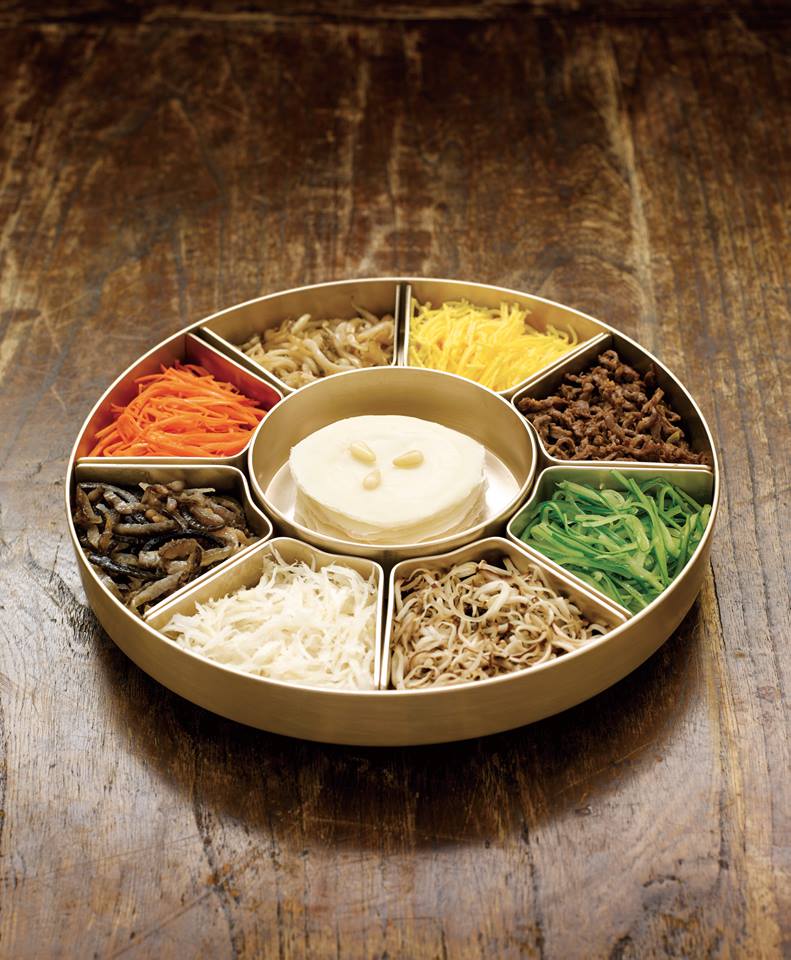
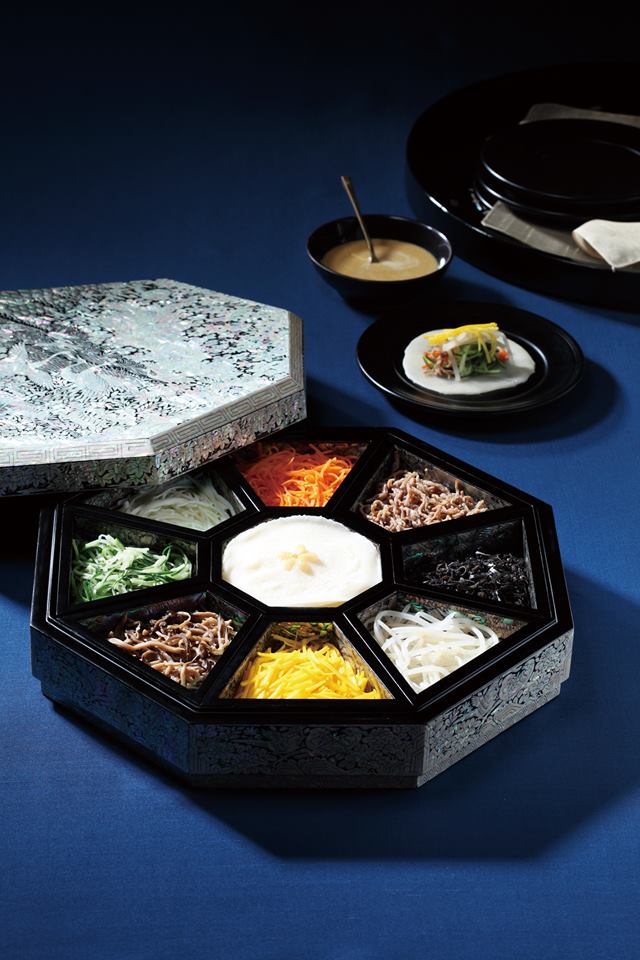
Did you know you can even find a dish in Korea that resembles crepes and Vietnamese wraps? It’s Gujeolpan (platter of nine delicacies). Gujeolpan is named this way because it is served in a container with nine compartments, each with a different ingredient>goo.gl/ttT4UX

Did you know you can even find a dish in Korea that resembles crepes and Vietnamese wraps? It’s Gujeolpan (platter of nine delicacies). Gujeolpan is named this way because it is served in a container with nine compartments, each with a different ingredient>goo.gl/ttT4UX
The Taste of Korea (@thetasteofkorea) 's Twitter Profile Photo

How about trying Gujeolpan the next time you want something special? Today we will learn how to make this beautiful and scrumptious dish. Recipe: goo.gl/Rt3e7B

How about trying Gujeolpan the next time you want something special? Today we will learn how to make this beautiful and scrumptious dish.
Recipe: goo.gl/Rt3e7B
The Taste of Korea (@thetasteofkorea) 's Twitter Profile Photo

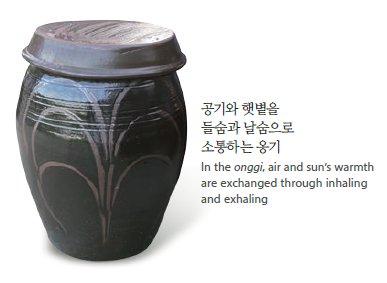
Paste-type foods in Korea like bean paste and hot pepper paste are made through a fermentation process. Today, we will introduce you to the earthenware used in the process of making these fermented foods. Earthenware pots are known as breathing containers>goo.gl/yPNeGb

Paste-type foods in Korea like bean paste and hot pepper paste are made through a fermentation process. Today, we will introduce you to the earthenware used in the process of making these fermented foods. Earthenware pots are known as breathing containers>goo.gl/yPNeGb
The Taste of Korea (@thetasteofkorea) 's Twitter Profile Photo

Encounter the taste of Korean food in the December edition of KTX Magazine! It will introduce the charm of Korean food to readers around the world through articles written in English. Tag your international friends>goo.gl/cLfMnj

Encounter the taste of Korean food in the December edition of KTX Magazine! It will introduce the charm of Korean food to readers around the world through articles written in English. Tag your international friends>goo.gl/cLfMnj
The Taste of Korea (@thetasteofkorea) 's Twitter Profile Photo

Korea Spoon, a restaurant in New York, is a clean and modern Korean dining establishment. Top items on the menu include Galbi (short ribs) and Bibimbab. Customers ordering Galbi for two can even eat their grilled meal hot off a grill built into the table. goo.gl/i9ZE6N

Korea Spoon, a restaurant in New York, is a clean and modern Korean dining establishment. Top items on the menu include Galbi (short ribs) and Bibimbab. Customers ordering Galbi for two can even eat their grilled meal hot off a grill built into the table. goo.gl/i9ZE6N
The Taste of Korea (@thetasteofkorea) 's Twitter Profile Photo

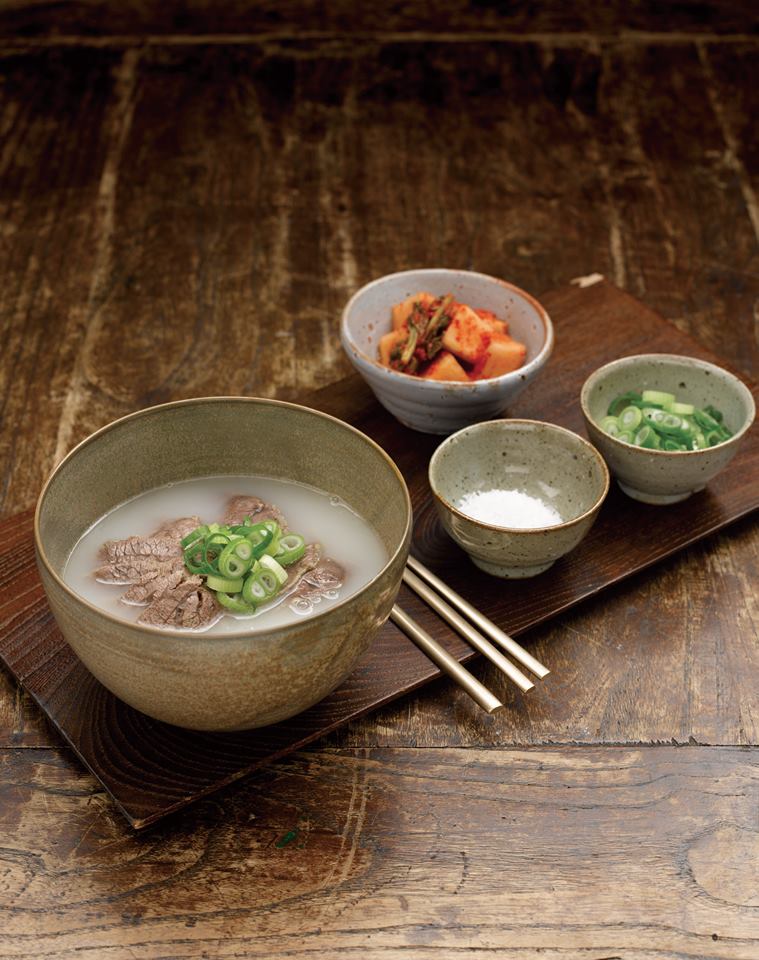
One of the most popular lunches for Korean office-workers during the cold winter months is Seolleongtang (ox bone soup) served at a nearby restaurant. Seolleongtang is made from ox head, beef, bones, and entrails, which are all boiled together for a long> goo.gl/WqJFKg

One of the most popular lunches for Korean office-workers during the cold winter months is Seolleongtang (ox bone soup) served at a nearby restaurant. Seolleongtang is made from ox head, beef, bones, and entrails, which are all boiled together for a long> goo.gl/WqJFKg
The Taste of Korea (@thetasteofkorea) 's Twitter Profile Photo

You can make a delicious meal with nothing more than rice and kimchi. In fact, a frying pan is the only utensil you need to make Kimchibokkeumbap (kimchi fried rice), which can include other ingredients mixed in, such as eggs, onions, and squash >goo.gl/RsGHD8

The Taste of Korea (@thetasteofkorea) 's Twitter Profile Photo

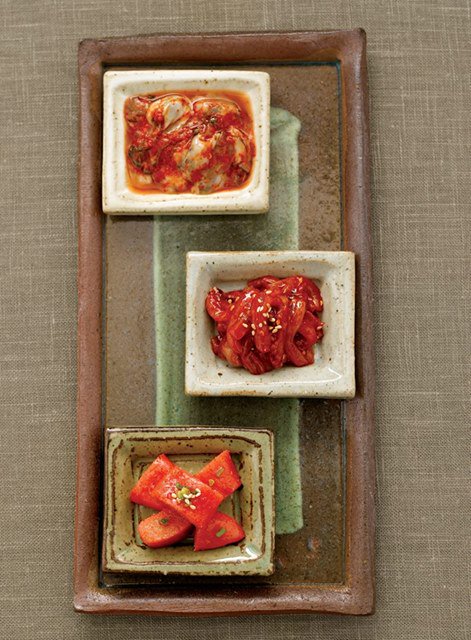
Italian anchovies are a type of fermented fish. In Korea, more various types of fish are eaten as salt-fermented. This kind of dish is called Jeotgal (salted seafood). Jeotgal is an essential ingredient for making kimchi. It is also a great side dish >goo.gl/WVgWHu

Italian anchovies are a type of fermented fish. In Korea, more various types of fish are eaten as salt-fermented. This kind of dish is called Jeotgal (salted seafood). Jeotgal is an essential ingredient for making kimchi. It is also a great side dish >goo.gl/WVgWHu
The Taste of Korea (@thetasteofkorea) 's Twitter Profile Photo

When Korean families dine out, the most popular menu is Samgyeopsal (grilled pork belly), which consists of thick slices of pork belly meat. It is cooked on a grill by the diners themselves (This practice is called Korean BBQ). While the meat cooks, you >goo.gl/tU6D8U

When Korean families dine out, the most popular menu is Samgyeopsal (grilled pork belly), which consists of thick slices of pork belly meat. It is cooked on a grill by the diners themselves (This practice is called Korean BBQ). While the meat cooks, you >goo.gl/tU6D8U
The Taste of Korea (@thetasteofkorea) 's Twitter Profile Photo

Bulgogi is an all-time favorite among young and old. The meat is sliced thin for the seasoning to seep deeper, enhancing the overall flavor. Watch the video to learn how to make delicious Bulgogi. goo.gl/MwiFxw

The Taste of Korea (@thetasteofkorea) 's Twitter Profile Photo

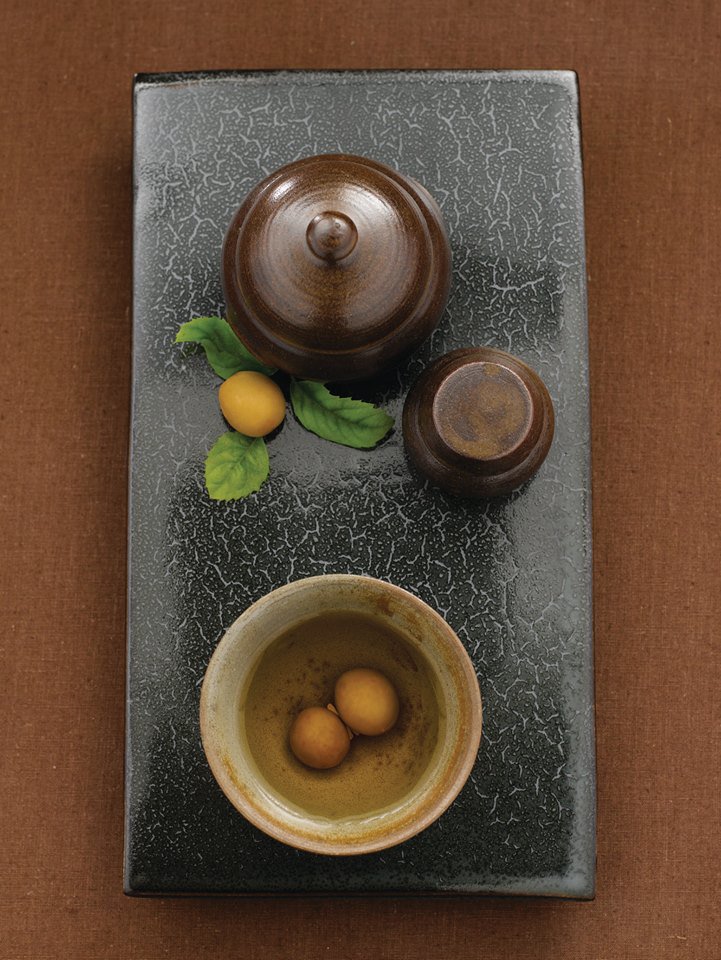
Have you heard of Maesilcha? Green plums, plucked from the end of May to mid-June, are mixed with an equivalent amount of sugar and left to ferment for two months. You get Maesilcha by adding water to this syrup in the ratio of five to one. This tea is >goo.gl/mZtzkk

Have you heard of Maesilcha? Green plums, plucked from the end of May to mid-June, are mixed with an equivalent amount of sugar and left to ferment for two months. You get Maesilcha by adding water to this syrup in the ratio of five to one. This tea is >goo.gl/mZtzkk