
sʜᴀɪʟᴇɴᴅʀᴀ ᴛʜᴀᴋᴜʀ (@thakur7747) 's Twitter Profile
sʜᴀɪʟᴇɴᴅʀᴀ ᴛʜᴀᴋᴜʀ

@thakur7747

ID: 1704784999004925952

calendar_today21-09-2023 09:10:22

3,3K Tweet

858 Followers

232 Following
sʜᴀɪʟᴇɴᴅʀᴀ ᴛʜᴀᴋᴜʀ (@thakur7747) 's Twitter Profile Photo

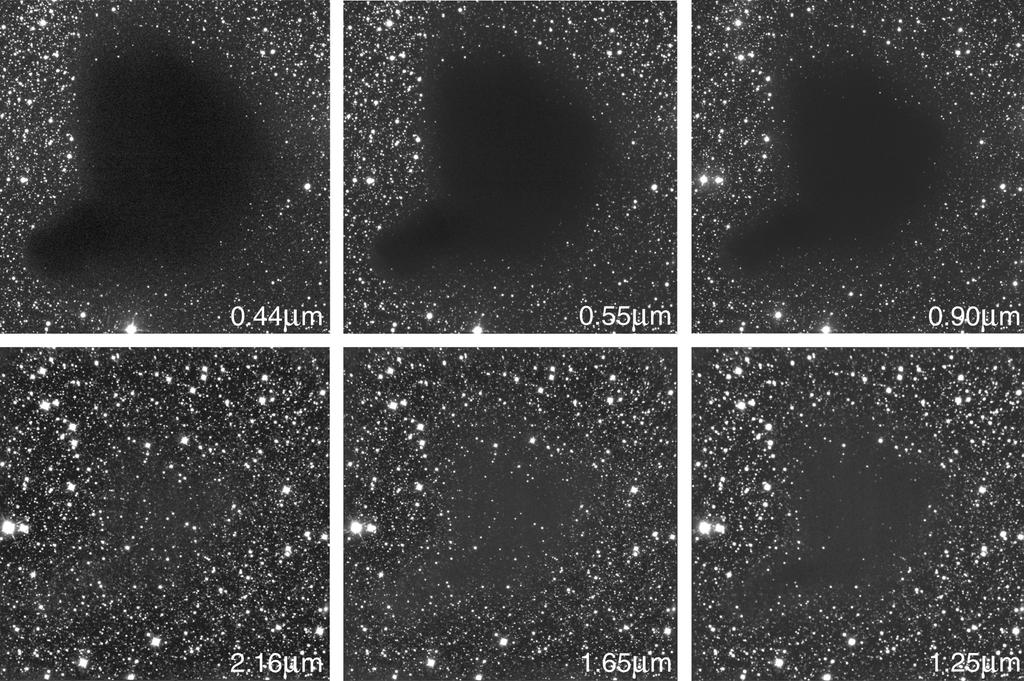
This isn't a hole in space. It's Barnard 68 a dense cloud of gas and dust so thick that it blocks all visible light, hiding the stars and galaxies behind it 📍 About 500 light years away, in the constellation Ophiuchus

This isn't a hole in space. It's Barnard 68 a dense cloud of gas and dust so thick that it blocks all visible light, hiding the stars and galaxies behind it

📍 About 500 light years away, in the constellation Ophiuchus
sʜᴀɪʟᴇɴᴅʀᴀ ᴛʜᴀᴋᴜʀ (@thakur7747) 's Twitter Profile Photo

12 million years ago, when dinosaurs still ruled Earth, a massive star in the M82 galaxy exploded. Its light finally reached Earth on 22 January 2013, reminding us that every time we look at the stars, we're looking back in time

12 million years ago, when dinosaurs still ruled Earth, a massive star in the M82 galaxy exploded. Its light finally reached Earth on 22 January 2013, reminding us that every time we look at the stars, we're looking back in time
sʜᴀɪʟᴇɴᴅʀᴀ ᴛʜᴀᴋᴜʀ (@thakur7747) 's Twitter Profile Photo

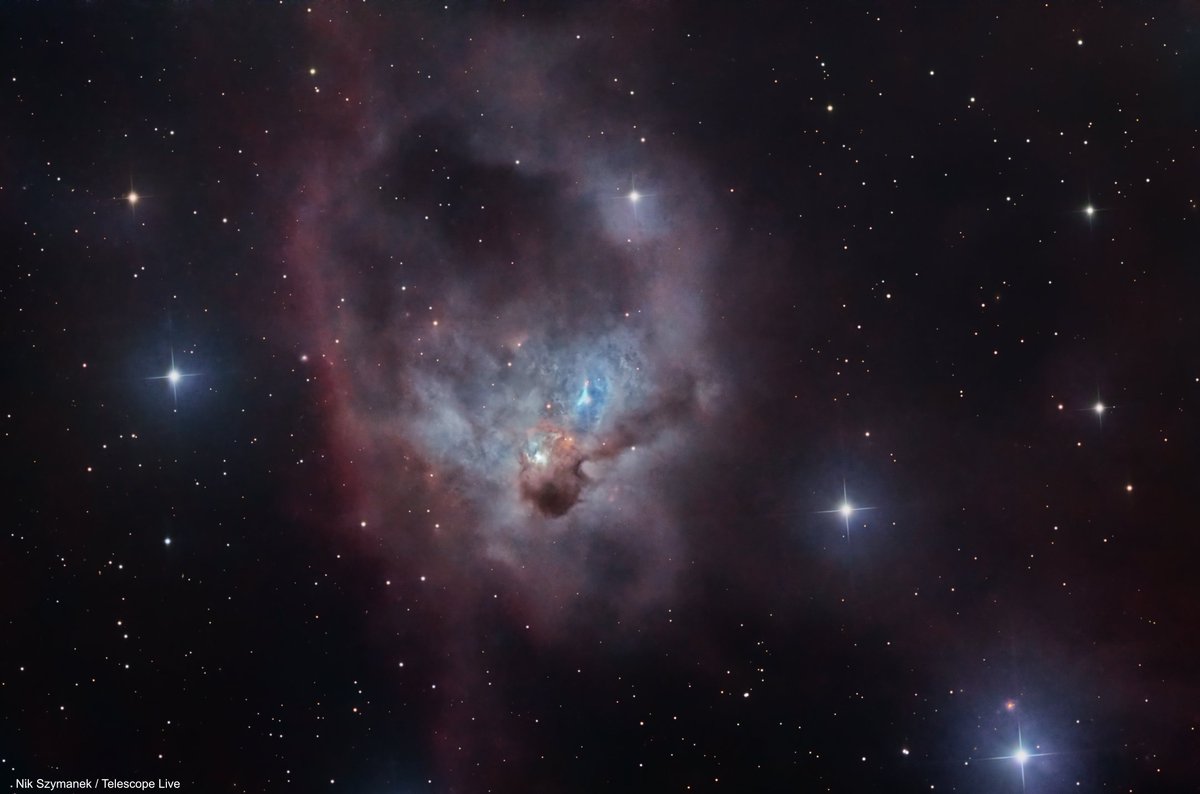
NGC 1788 is a beautiful reflection nebula located about 3,000 light-years from Earth in an obscure corner of the constellation Orion. This active cosmic nursery is sharply outlined on its southwest edge by a dark nebula that obscures background stars. Credit 🧵1/2 #nebula

NGC 1788 is a beautiful reflection nebula located about 3,000 light-years from Earth in an obscure corner of the constellation Orion. This active cosmic nursery is sharply outlined on its southwest edge by a dark nebula that obscures background stars.
Credit 🧵1/2 #nebula
sʜᴀɪʟᴇɴᴅʀᴀ ᴛʜᴀᴋᴜʀ (@thakur7747) 's Twitter Profile Photo

Mars has revealed intriguing hints, like organic molecules, methane variations, and possible ancient lakebeds but none are yet conclusive proof of life. Each discovery keeps the question alive are we alone, or did Mars once host life ❓❓

sʜᴀɪʟᴇɴᴅʀᴀ ᴛʜᴀᴋᴜʀ (@thakur7747) 's Twitter Profile Photo

The Dumbbell Nebula {M27} is a planetary nebula about 1,360 light years away in Vulpecula It formed when a Sun like star shed its outer layers and left behind a white dwarf The glowing colors come from ionized gases: green from oxygen and red from hydrogen and nitrogen #nebula

The Dumbbell Nebula {M27} is a planetary nebula about 1,360 light years away in Vulpecula
It formed when a Sun like star shed its outer layers and left behind a white dwarf
The glowing colors come from ionized gases: green from oxygen and red from hydrogen and nitrogen
#nebula
sʜᴀɪʟᴇɴᴅʀᴀ ᴛʜᴀᴋᴜʀ (@thakur7747) 's Twitter Profile Photo

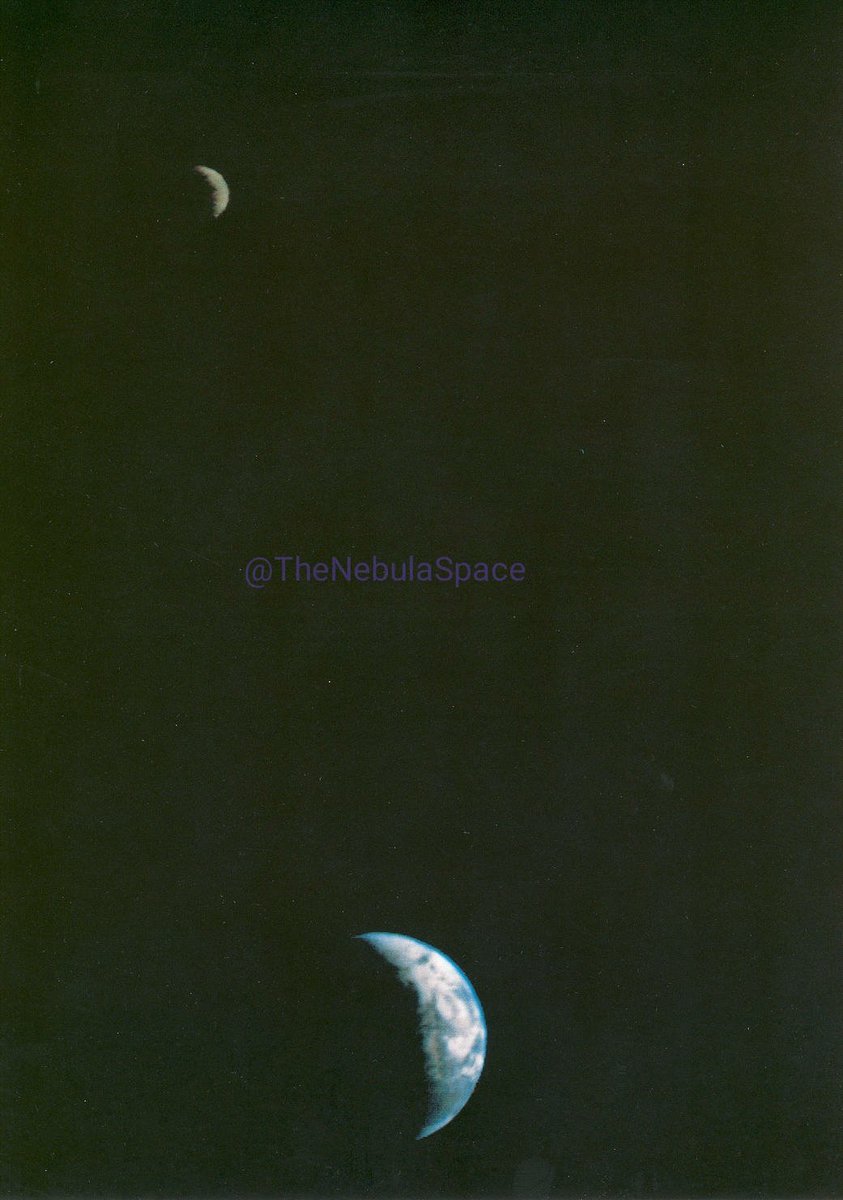
Voyager 1 took the first image of the Earth Moon system in a single frame from a distance of 7.25 million miles in 1977 It was the first image taken by a spacecraft to show both the Earth and the Moon in a single frame #Voyager1 📷 credit: NASA

Voyager 1 took the first image of the Earth Moon system in a single frame from a distance of 7.25 million miles in 1977

It was the first image taken by a spacecraft to show both the Earth and the Moon in a single frame
#Voyager1
📷 credit: NASA
sʜᴀɪʟᴇɴᴅʀᴀ ᴛʜᴀᴋᴜʀ (@thakur7747) 's Twitter Profile Photo

The Southern Crab Nebula {He2-104} lies about 7,000 light years away in Centaurus Its striking crab-like shape comes from a red giant + white dwarf duo, where stellar winds and jets create a glowing hourglass of gas and dust #nebula 🖼 Credit: NASA, ESA, and STScI

The Southern Crab Nebula {He2-104} lies about 7,000 light years away in Centaurus

Its striking crab-like shape comes from a red giant + white dwarf duo, where stellar winds and jets create a glowing hourglass of gas and dust
#nebula
🖼 Credit: NASA, ESA, and STScI
sʜᴀɪʟᴇɴᴅʀᴀ ᴛʜᴀᴋᴜʀ (@thakur7747) 's Twitter Profile Photo

Sophia Gad-Nasr If vacuum decay can happen without warning at light speed, does it mean the fate of our universe is already sealed or could unknown physics beyond the Standard Model still save us❓❓❓

sʜᴀɪʟᴇɴᴅʀᴀ ᴛʜᴀᴋᴜʀ (@thakur7747) 's Twitter Profile Photo

The Milky Way is so vast that even if you could travel at the speed of light, it would still take you about 100,000 years to cross from one end to the other #milkyway

sʜᴀɪʟᴇɴᴅʀᴀ ᴛʜᴀᴋᴜʀ (@thakur7747) 's Twitter Profile Photo

Fascinating study The misaligned orbits of TOI421’s planets really strengthen the idea that planetary systems don’t all follow smooth migration paths Programs likeATREIDES could completely reshape our understanding of the Neptunian desert & the diversity of exoplane architectures

sʜᴀɪʟᴇɴᴅʀᴀ ᴛʜᴀᴋᴜʀ (@thakur7747) 's Twitter Profile Photo

JADES-GS-z13-0 is one of the oldest known galaxiesz JWST observed it at a redshift of z = 13.2, meaning its light was emitted when the universe was only 330 million years old Today, it lies about 33.6 billion light years away 📷Credit: NASA, ESA,CSA, STScI.. #JWST #Galaxy #Space

JADES-GS-z13-0 is one of the oldest known galaxiesz
JWST observed it at a redshift of z = 13.2, meaning its light was emitted when the universe was only 330 million years old
Today, it lies about 33.6 billion light years away
📷Credit: NASA, ESA,CSA, STScI..
#JWST #Galaxy #Space
sʜᴀɪʟᴇɴᴅʀᴀ ᴛʜᴀᴋᴜʀ (@thakur7747) 's Twitter Profile Photo

TON 618’s event horizon spans 195 billion km, over 1300 times the Sun Earth distance Its sheer size helps astronomers study black hole growth and galaxy evolution in the early universe

sʜᴀɪʟᴇɴᴅʀᴀ ᴛʜᴀᴋᴜʀ (@thakur7747) 's Twitter Profile Photo

Absolutely fascinatig Seyfert galaxies are like cosmic chameleons looking like ordinary spirals, yet hiding blazing AGNs powered by supermassive black hole They’re key to linking quasars and normal galaxies, and NGC 1068 & 4151 are perfect Rosetta Stones for AGN science

sʜᴀɪʟᴇɴᴅʀᴀ ᴛʜᴀᴋᴜʀ (@thakur7747) 's Twitter Profile Photo

JWST sees the universe in infrared, revealing hidden stars, galaxies and exoplanet atmospheres But here’s the question what secrets remain unseen in X rays or radio that Webb can’t detect❓