Swale Outdoors (@swaleoutdoors) 's Twitter Profile
Swale Outdoors

@swaleoutdoors

The Swale. It's all about wild waters, wild places and wildlife.

ID: 1654492760265613313

calendar_today05-05-2023 14:27:42

417 Tweet

37 Takipçi

37 Takip Edilen
Swale Outdoors (@swaleoutdoors) 's Twitter Profile Photo

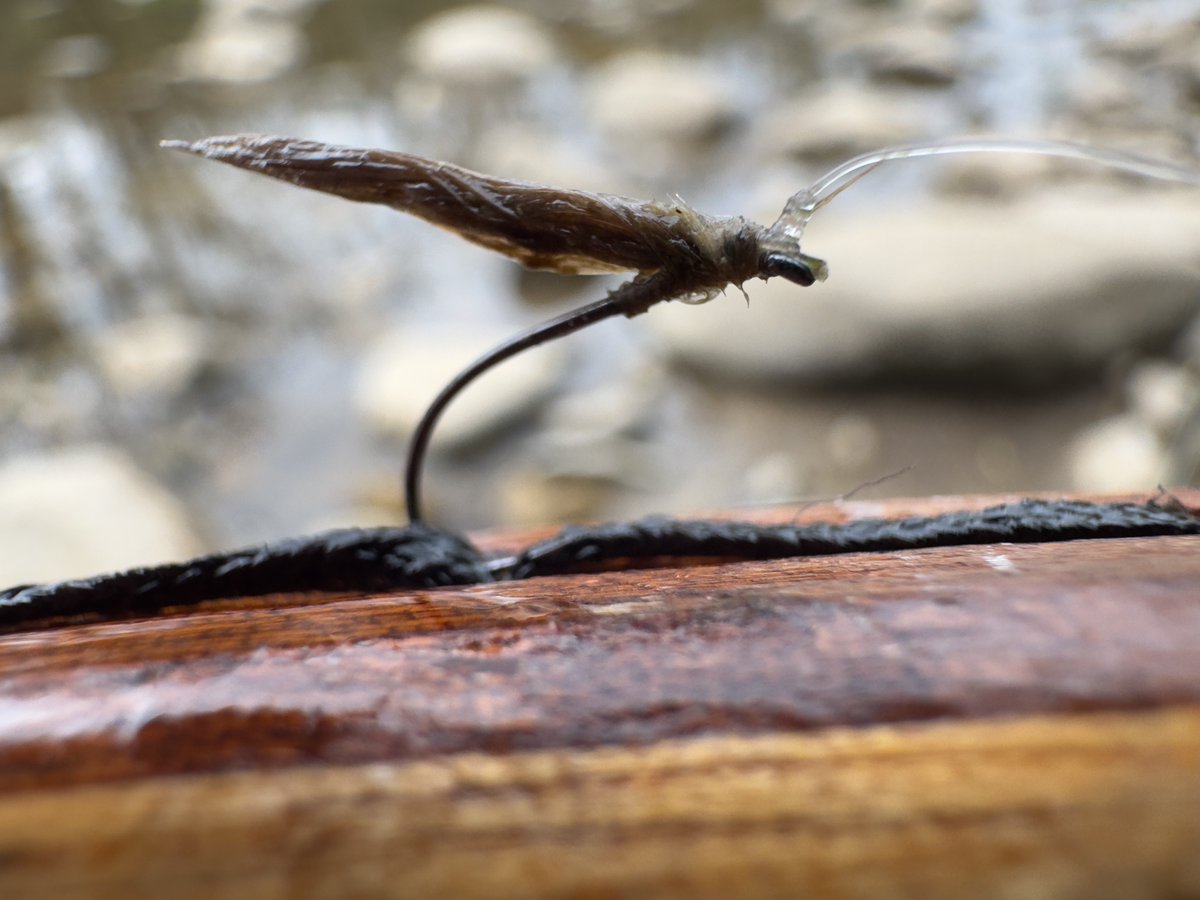
April's most successful fly pattern was, probably, this F-fly. Just shows you don't need complicated patterns. This famous dry fly is just 2 CDC (cul de canard) feathers tied to a bare hook shank. They're not even dyed, but natural dun colour. Here exposed in all its

April's most successful fly pattern was, probably, this F-fly.  Just shows you don't need complicated patterns.  This famous dry fly is just 2 CDC (cul de canard) feathers tied to a bare hook shank.  They're not even dyed, but natural dun colour.  Here exposed in all its
Swale Outdoors (@swaleoutdoors) 's Twitter Profile Photo

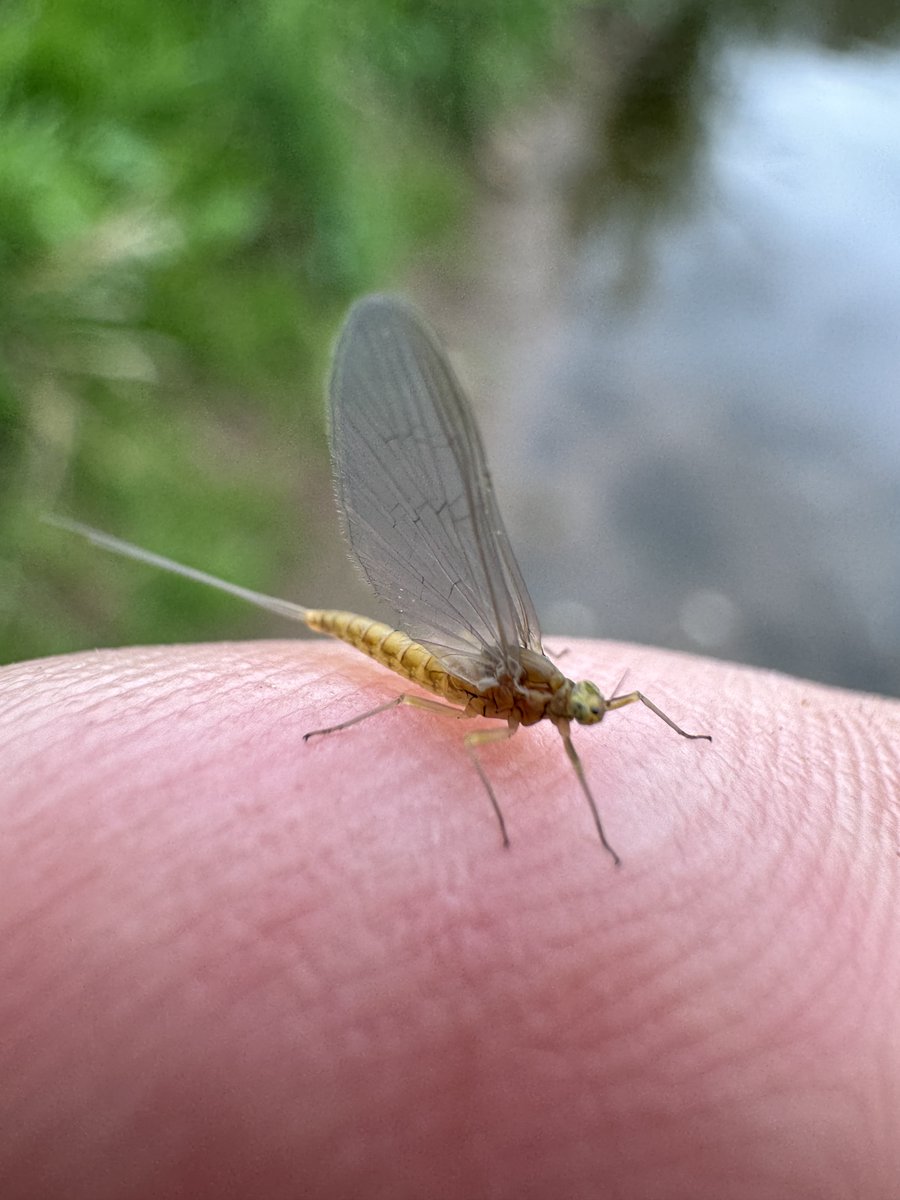
Small Spurwing (Centroptilum luteolum) on the River Swale yesterday. Though I only saw a couple and none were taken by trout. Both river flies and trout were thin on the ground. Though there were plenty of grayling around feeding on terrestrials.

Small Spurwing (Centroptilum luteolum) on the River  Swale yesterday.  Though I only saw a couple and none were taken by trout.  Both river flies and trout were thin on the ground. Though there were plenty of grayling around feeding on terrestrials.
Swale Outdoors (@swaleoutdoors) 's Twitter Profile Photo

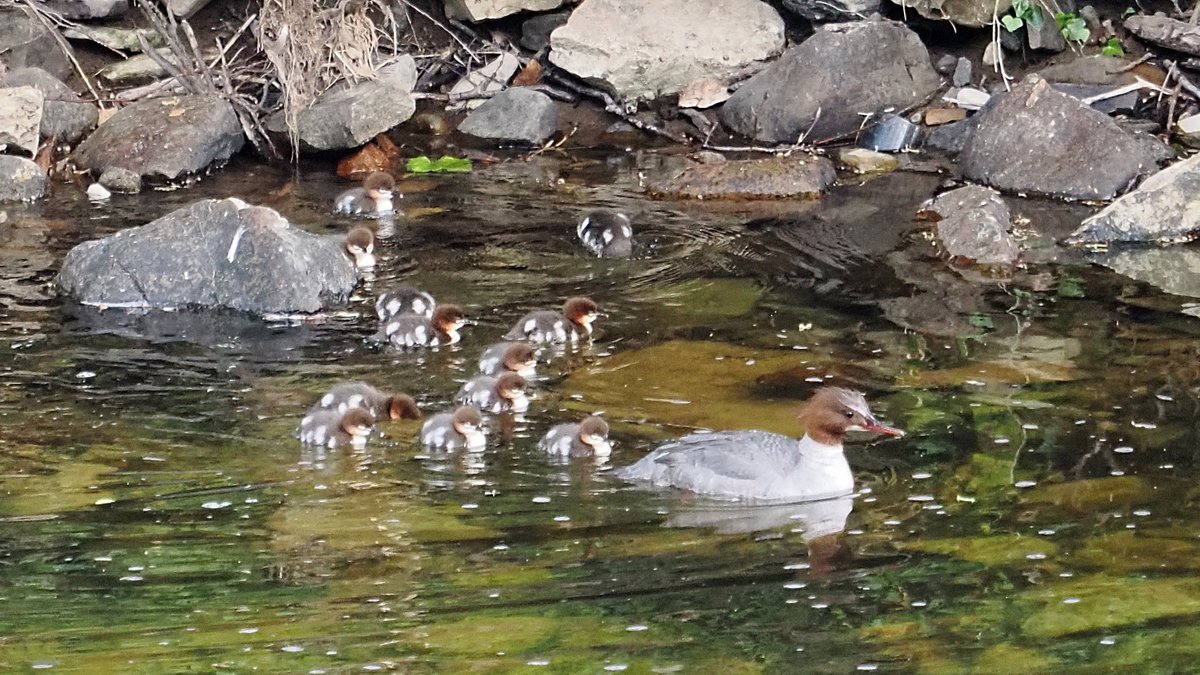
Remains of a Chub yesterday on a Richmond and District Angling Society beat of the River Swale at Great Langton that had been eaten by an Otter. With this prolonged low clear water the fish are more vulnerable and there is bound to be an impact on fish numbers. However, otters and the fish have

Remains of a Chub yesterday on a <a href="/Richmondangling/">Richmond and District Angling Society</a> beat of the River Swale at Great Langton that had been eaten by an Otter.  With this prolonged low clear water the fish are more vulnerable and there is bound to be an impact on fish numbers.  However, otters and the fish have
Swale Outdoors (@swaleoutdoors) 's Twitter Profile Photo

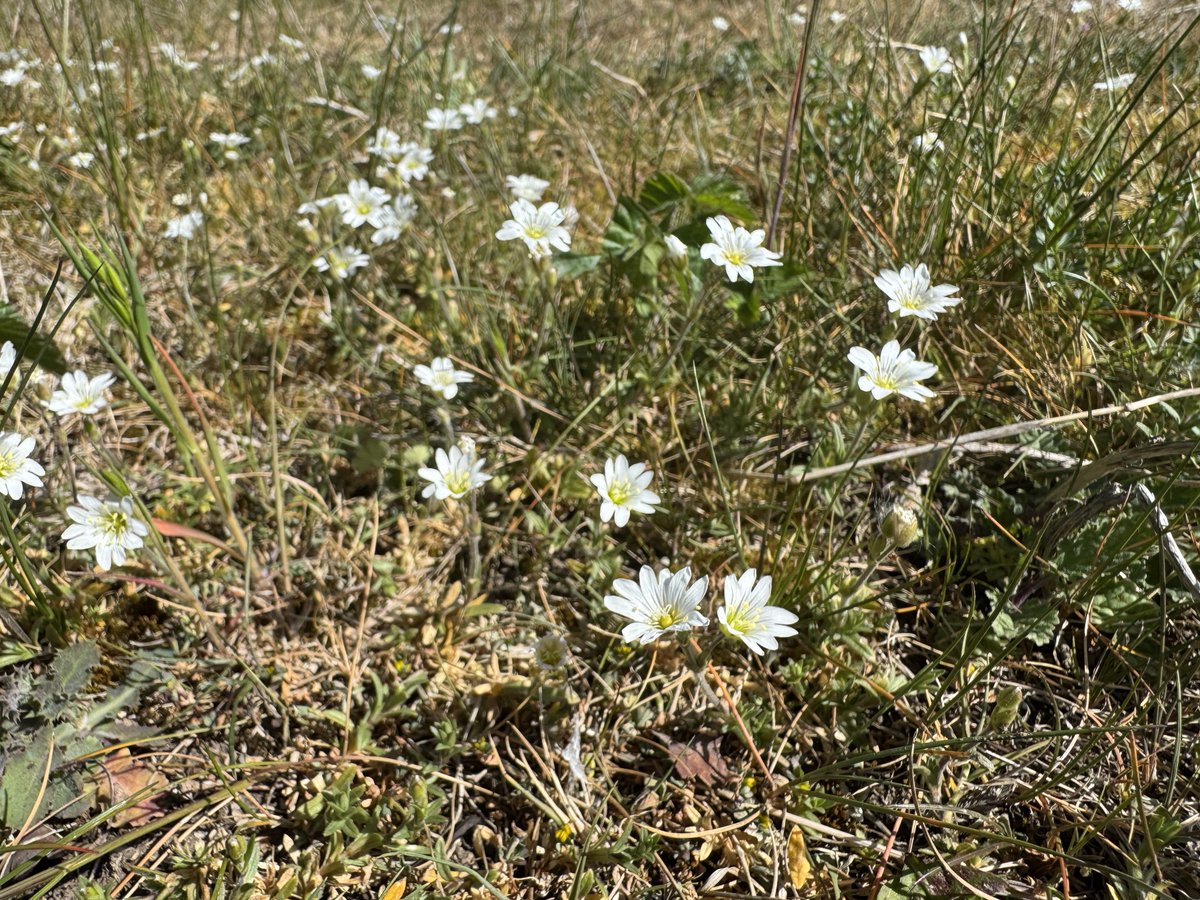
Field Mouse-ear (Cerastium arvense) is a lovely plant. that is in full flower right now. It is a relative of the familar chickweed, but with a much more showy flower. Often forming a carpet of flowers in open areas, like sandy riverbanks. It's local nationally and even more

Field Mouse-ear (Cerastium arvense) is a lovely plant. that is in full flower right now. It is a relative of the familar chickweed, but with a much more showy flower. Often forming a carpet of flowers in open areas, like sandy riverbanks.  It's local nationally and even more
Swale Outdoors (@swaleoutdoors) 's Twitter Profile Photo

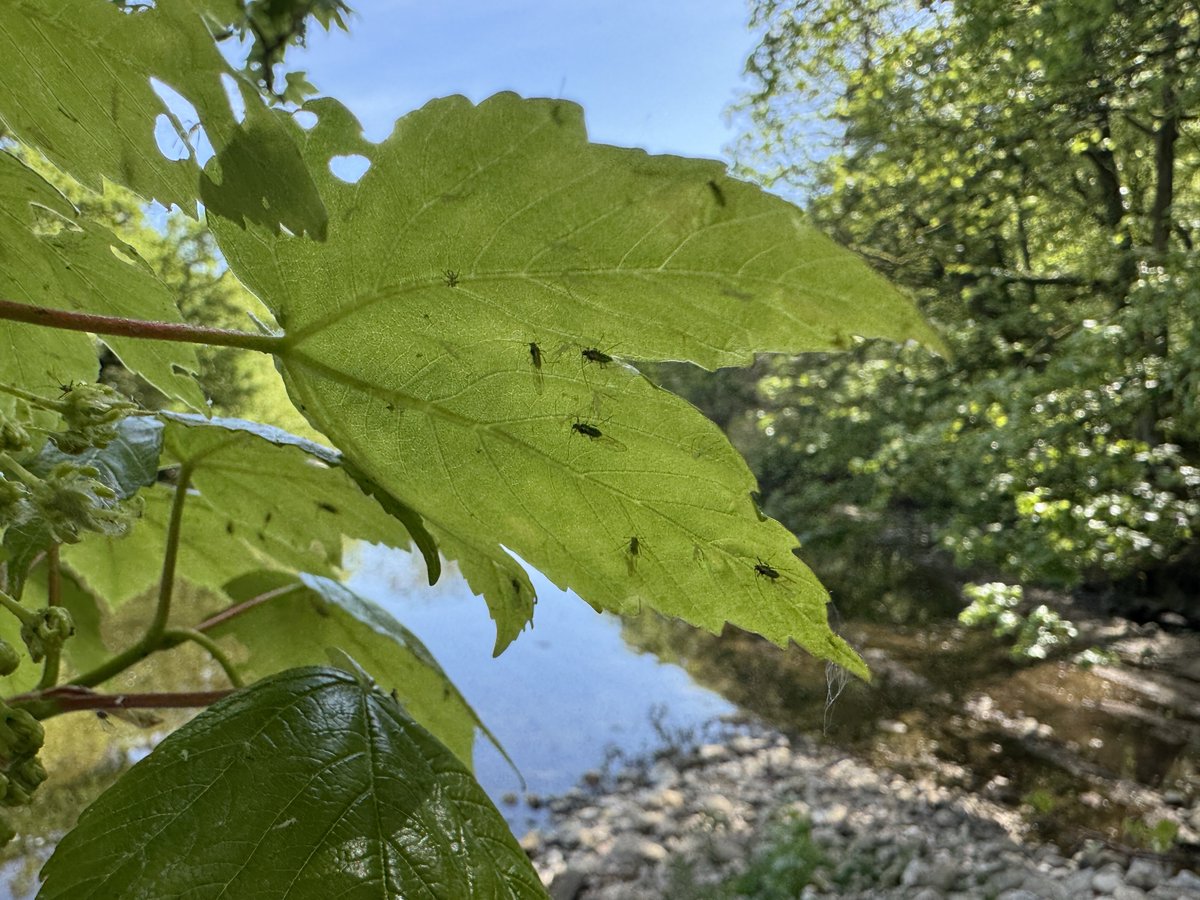
Green fly galore. FLY OF THE MOMENT. At least it was a week ago. Then fish were totally focussed on them. Not just grayling, but trout as well. But today the fish were uninterested and there were masses accumulating in the backwaters. Now the focus is on spinners and black

Green fly galore. FLY OF THE MOMENT.  At least it was a week ago. Then fish were totally focussed on them. Not just grayling, but trout as well.  But today the fish were uninterested and there were masses accumulating in the backwaters.  Now the focus is on spinners and black
Swale Outdoors (@swaleoutdoors) 's Twitter Profile Photo

Black Gnat (Bibio sp.?). Ugly buggers but the fish seem to love them. Plenty about today and seemed to be popular with the fish.

Black Gnat (Bibio sp.?). Ugly buggers but the fish seem to love them. Plenty about today and seemed to be popular with the fish.
Swale Outdoors (@swaleoutdoors) 's Twitter Profile Photo

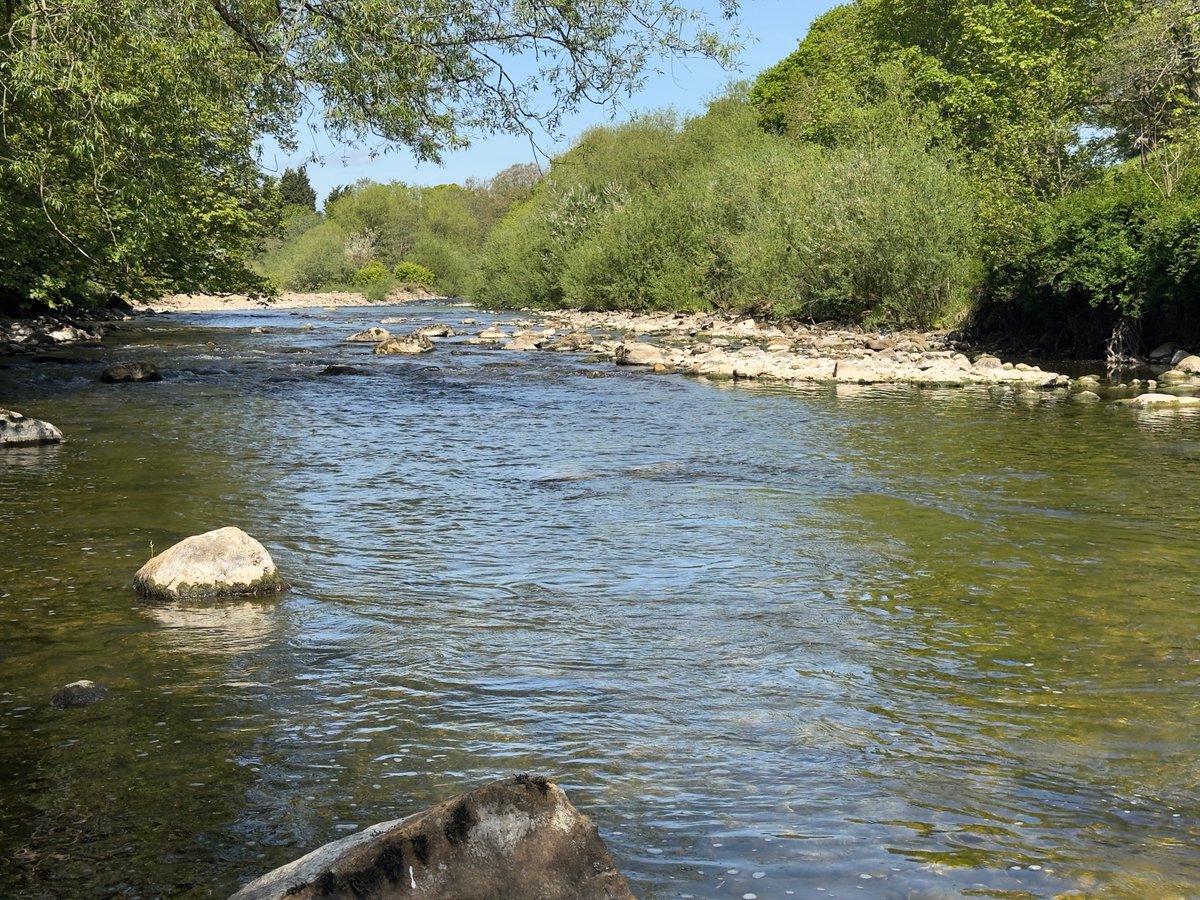
A lovely bit of water on the River Swale that I've found productive in the past. I was surprised there were no fish rising, but then when I went further up there 3 other anglers flyfishing. Problem solved:( Then there were 2 more fishing further up. Then 4 more even further up.

A lovely bit of water on the River Swale that I've found productive in the past.  I was surprised there were no fish rising, but then when I went further up there 3 other anglers flyfishing.  Problem solved:( Then there were 2 more fishing further up. Then 4 more even further up.
Swale Outdoors (@swaleoutdoors) 's Twitter Profile Photo

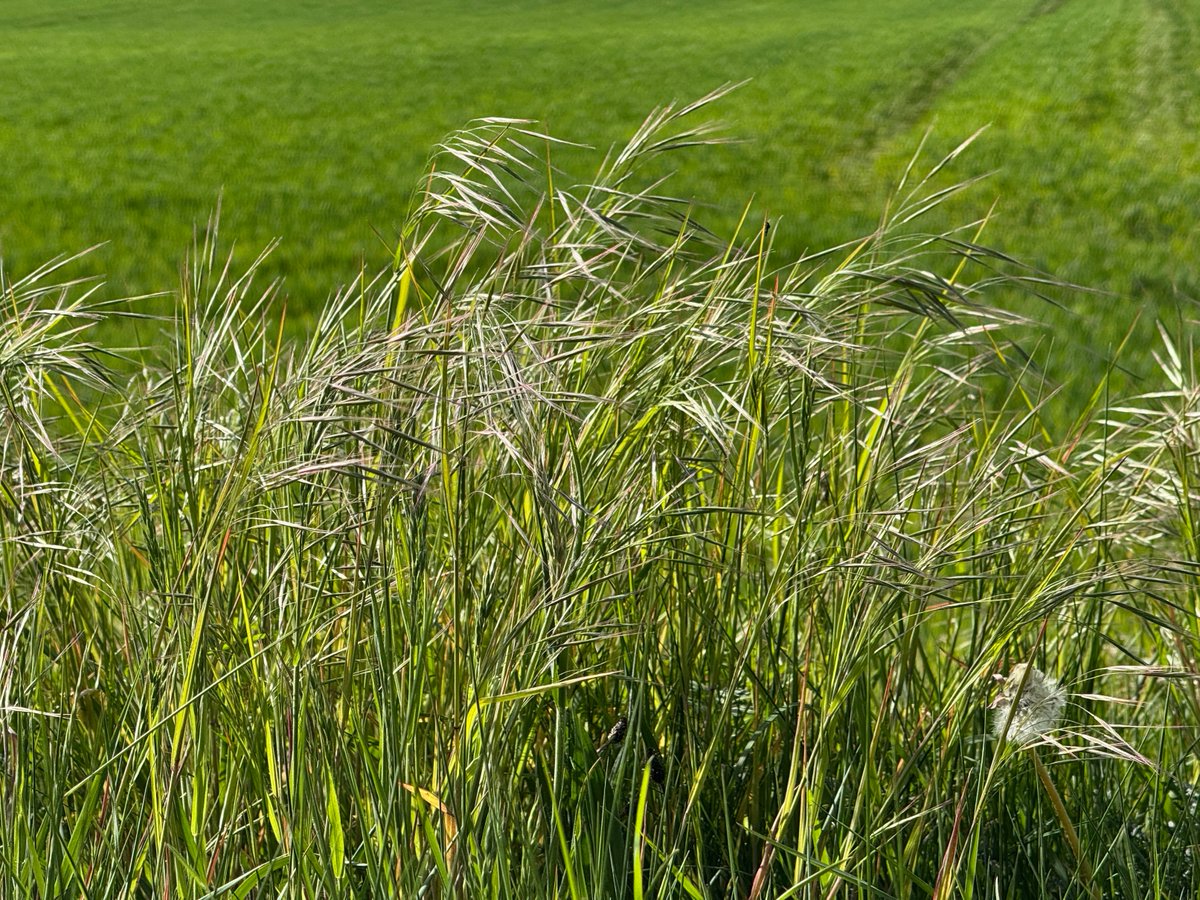
Great Brome (Brooms dianthus) is quite a spectacular grass. Very early to be flowering. No wonder I've started getting hay fever a month sooner than usual. It's quite an uncommon plant in our area (VC65) an introduction to the UK and a rather recent one.

Great Brome (Brooms dianthus) is quite a spectacular grass. Very early to be flowering. No wonder I've started getting hay fever a month sooner than usual.  It's quite an uncommon plant in our area (VC65) an introduction to the UK and a rather recent one.
Swale Outdoors (@swaleoutdoors) 's Twitter Profile Photo

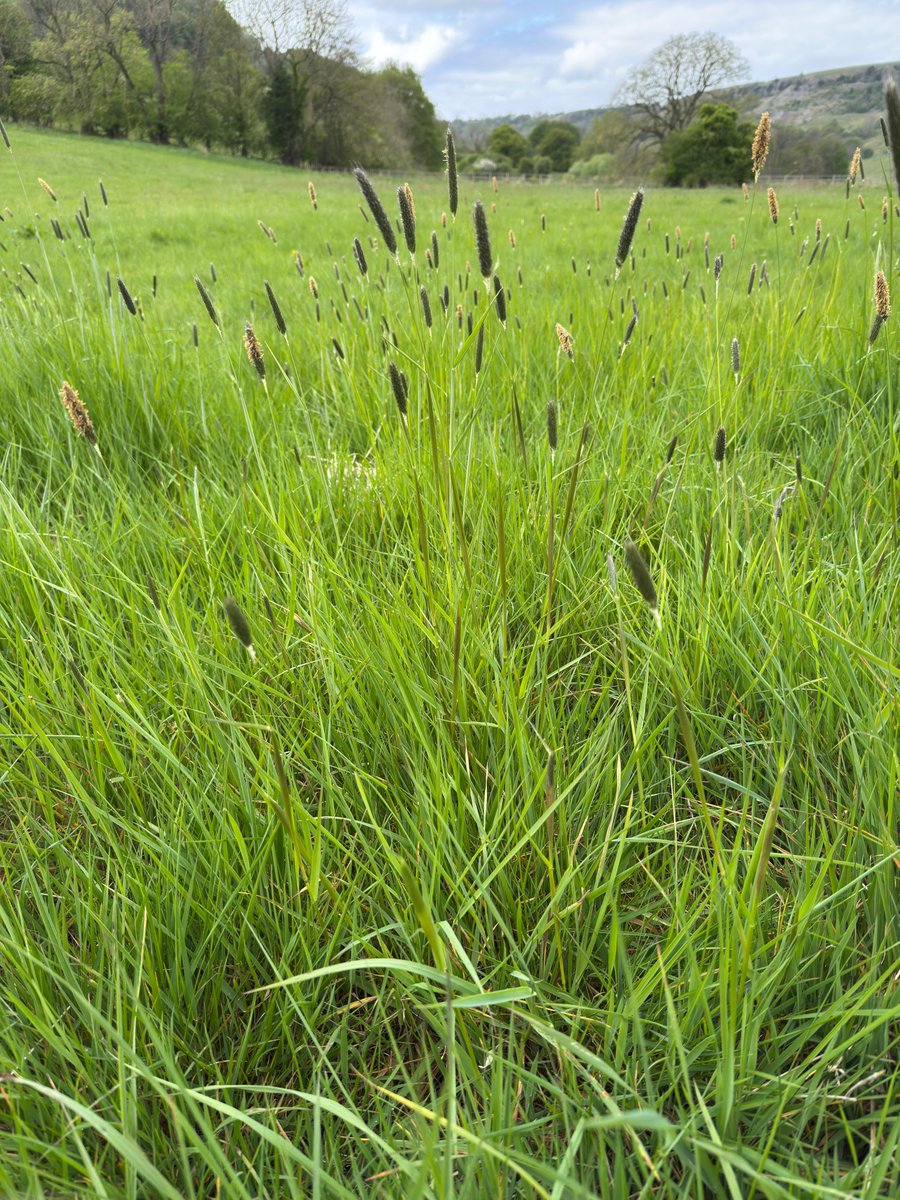
Meadow Foxtail (Alopecurus pratensis) in a meadow at Lownethwaite. One of our earlier flowering grasses. A native species and important forage crop.

Meadow Foxtail (Alopecurus pratensis) in a meadow at Lownethwaite.  One of our earlier flowering grasses.  A native species and important forage crop.
Swale Outdoors (@swaleoutdoors) 's Twitter Profile Photo

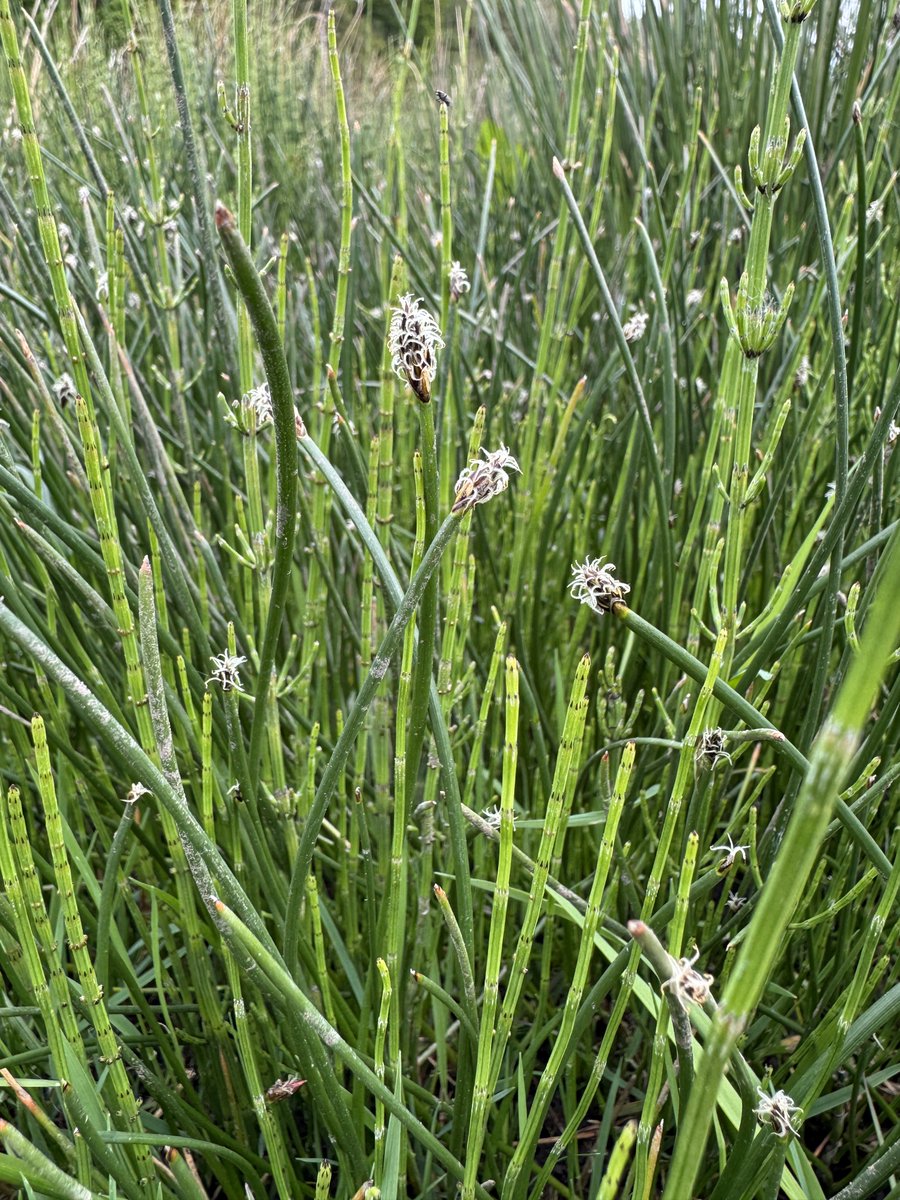
Common Spike-Rush (Eleocharis palustris) in a marsh along the Swale. A very common and characteristic marsh plant with its unique apical tuft of flowers. About as simple as a plant can get. Here mixed in with horsetails.

Common Spike-Rush (Eleocharis palustris) in a marsh along the Swale. A very common and characteristic marsh plant with its unique apical tuft of flowers.  About as simple as a plant can get. Here mixed in with horsetails.
Swale Outdoors (@swaleoutdoors) 's Twitter Profile Photo

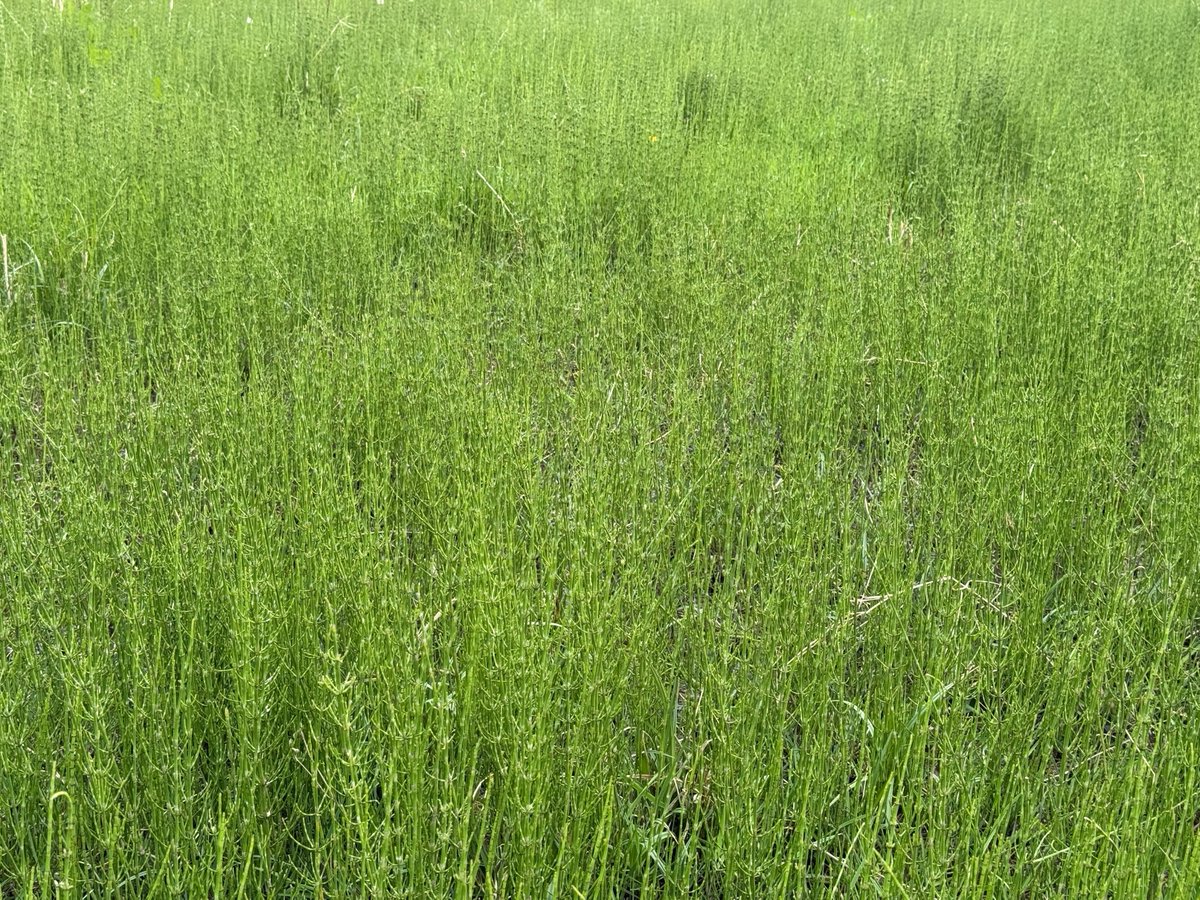
Marsh Horsetail (Equisetum palustre) in a Swaledale marsh. The individual plants don't amount to much, but the sheer scale and repetition creates an impressive display. The repeated patterns and slightly mesmerising. Hard to capture in a photo.

Marsh Horsetail (Equisetum palustre) in a Swaledale marsh. The individual plants don't amount to much, but the sheer scale and repetition creates an impressive display.  The repeated patterns and slightly mesmerising.  Hard to capture in a photo.
Swale Outdoors (@swaleoutdoors) 's Twitter Profile Photo

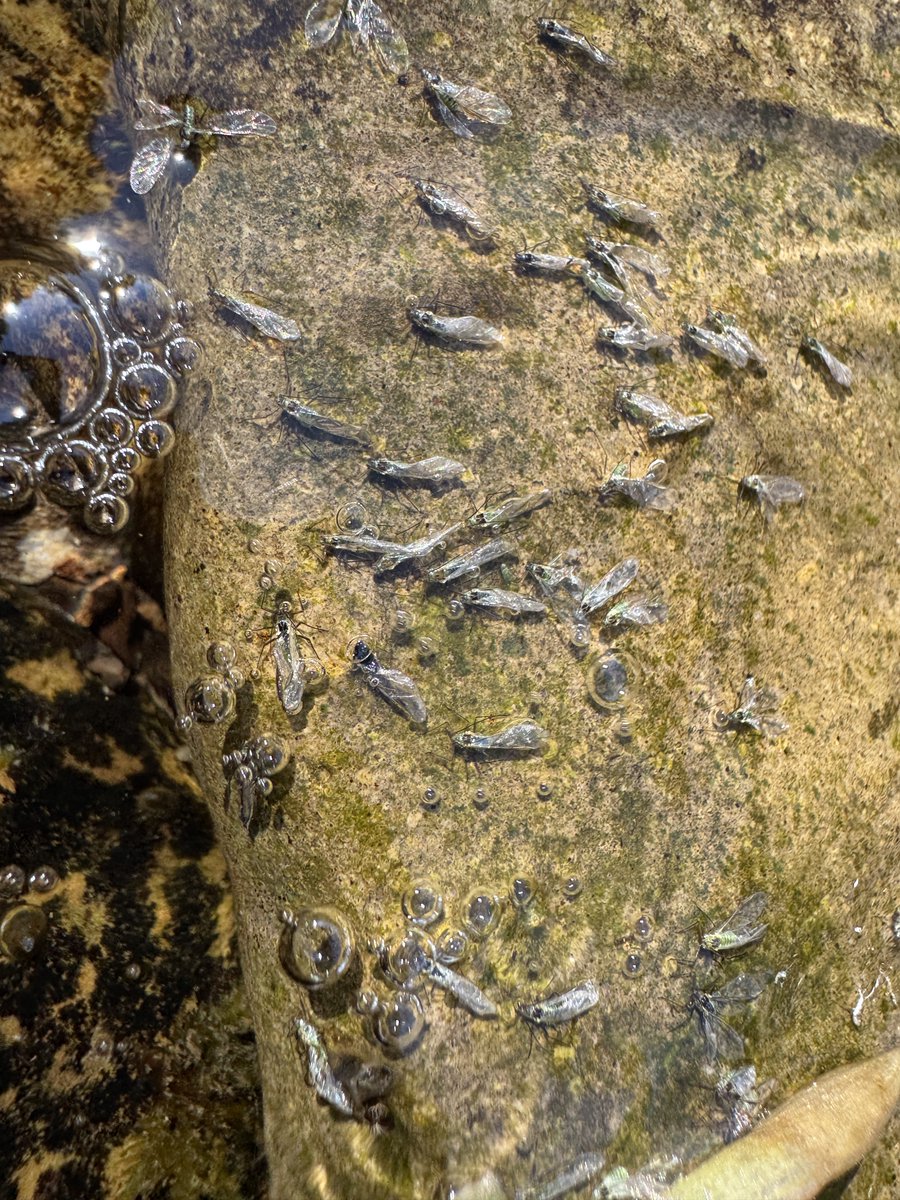
A strange sight yesterday on the River Swale. Aquatic aphids (Greenfly - Aphidae). There are in fact no aquatic aphids; but these were under water. There were aphids everywhere floating on the water surface and in this shallow stream of water over a rock I can only presumed

A strange sight yesterday on the River Swale.  Aquatic aphids (Greenfly -  Aphidae).  There are in fact no aquatic aphids; but these were under water.  There were aphids everywhere floating on the water surface and in this shallow stream of water over a rock I can only presumed
Swale Outdoors (@swaleoutdoors) 's Twitter Profile Photo

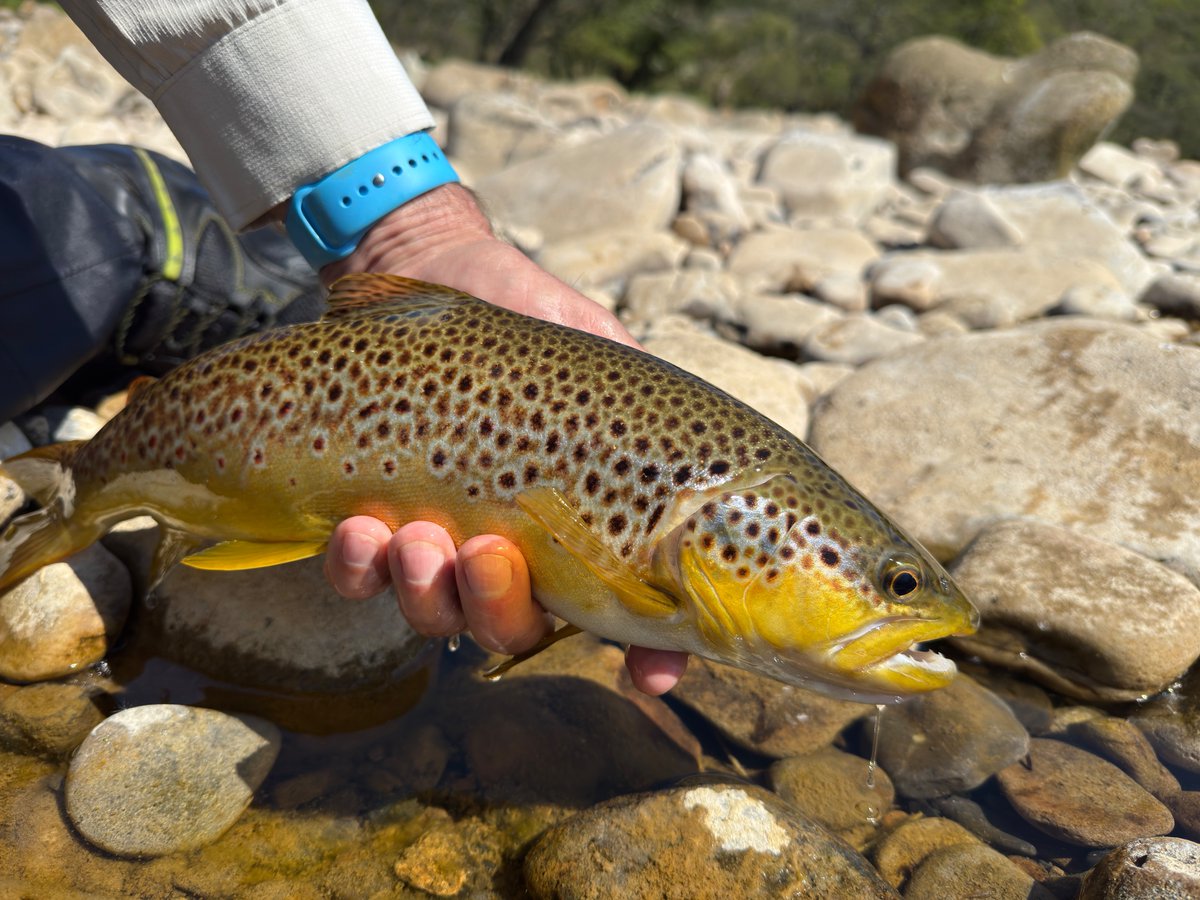
A brown trout "on station" in the River Swale yesterday. In the very low clear conditions and bright sun the fish are very visible and putting on a good display. It's also an opportunity to get an idea of the population -maybe. There are a fair number around - a definite

Swale Outdoors (@swaleoutdoors) 's Twitter Profile Photo

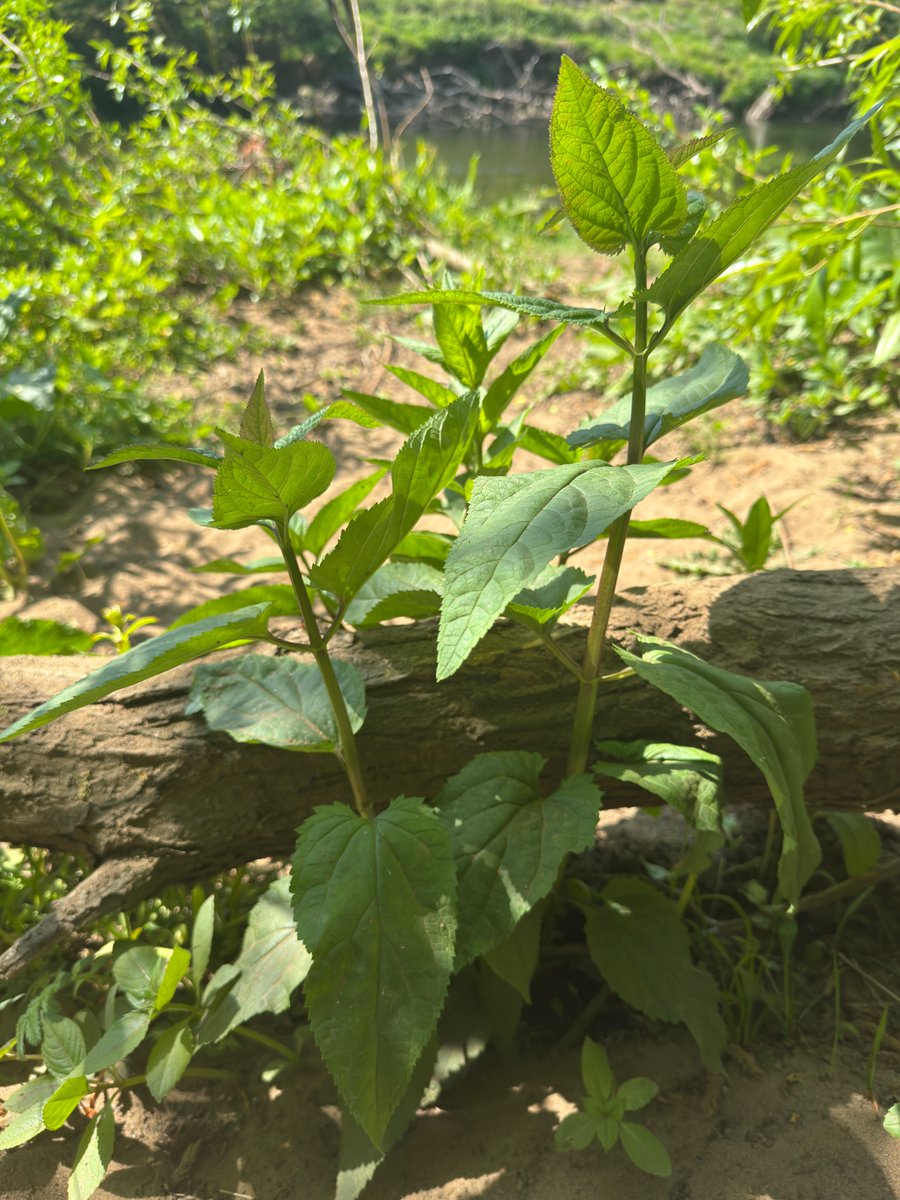
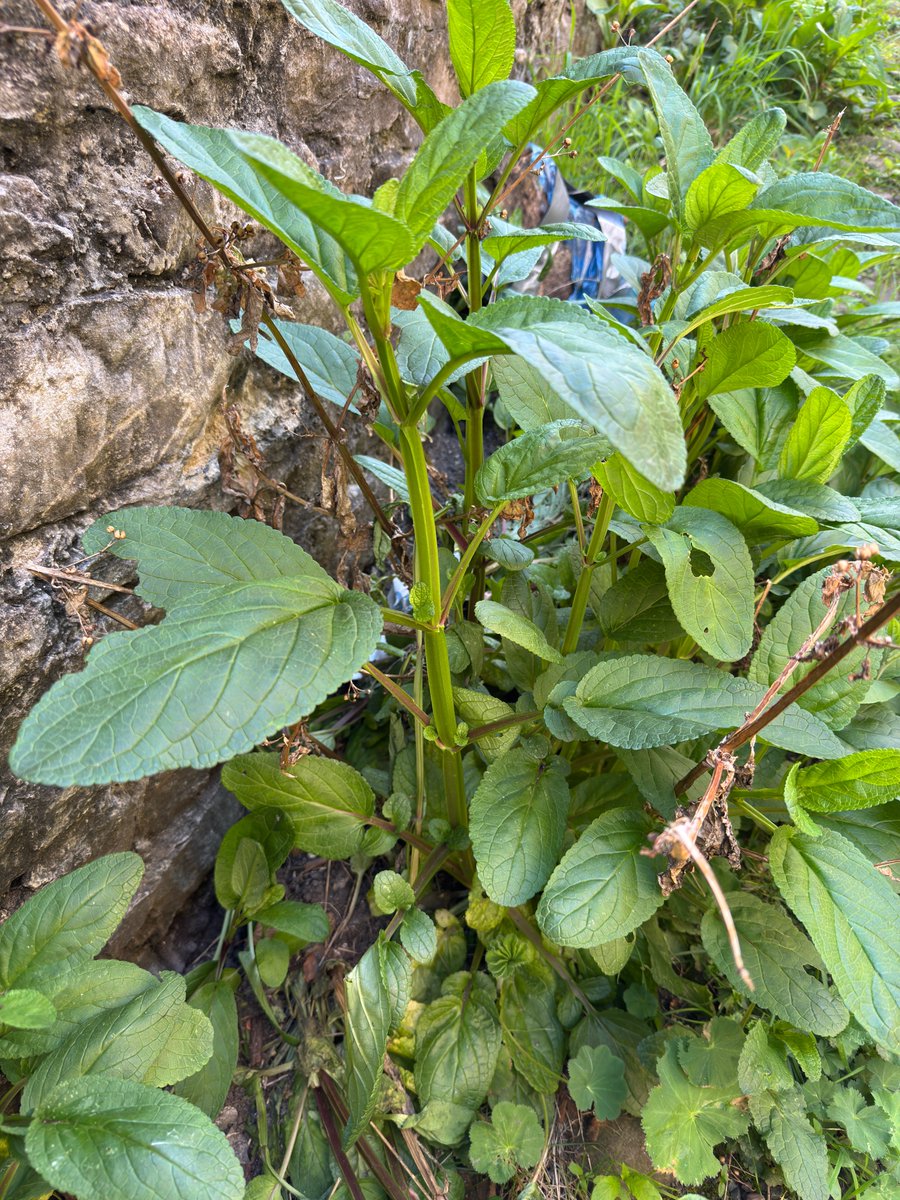
Common Figwort (Scrophularia nodosa) at NZ18160055. Figworts seem to be more common in my area in recent years for some reason. They aren't abundant but are not uncommon along the river banks. Another anglers' plant. They can be tricky to identify. They have quite exotic

Common Figwort (Scrophularia nodosa) at NZ18160055.  Figworts seem to be more common in my area in recent years for some reason.  They aren't abundant but are not uncommon along the river banks. Another anglers' plant.  They can be tricky to identify. They have quite exotic
Swale Outdoors (@swaleoutdoors) 's Twitter Profile Photo

Water Figwort (Scrophularia auriculata) has actually become an urban weed in Richmond; as with this plant at NZ17000072, on Cornforth Hill. Shows what a special place Richmond is that it has plants like this as weeds. Note the winged stem, winged leaf petioles blunt teeth on

Water Figwort (Scrophularia auriculata) has actually become an urban weed in Richmond; as with this plant at NZ17000072, on Cornforth Hill.  Shows what a special place Richmond is that it has plants like this as weeds.  Note the winged stem, winged leaf petioles blunt teeth on
Swale Outdoors (@swaleoutdoors) 's Twitter Profile Photo

White letter hairstreak (Satyrium w-album) photographed today in Richmond. A very unusual butterfly for our part of the world; as well as a species of high conservation priority according to Butterfly Conservation 🦋 and a species of principal importance under the National Environment
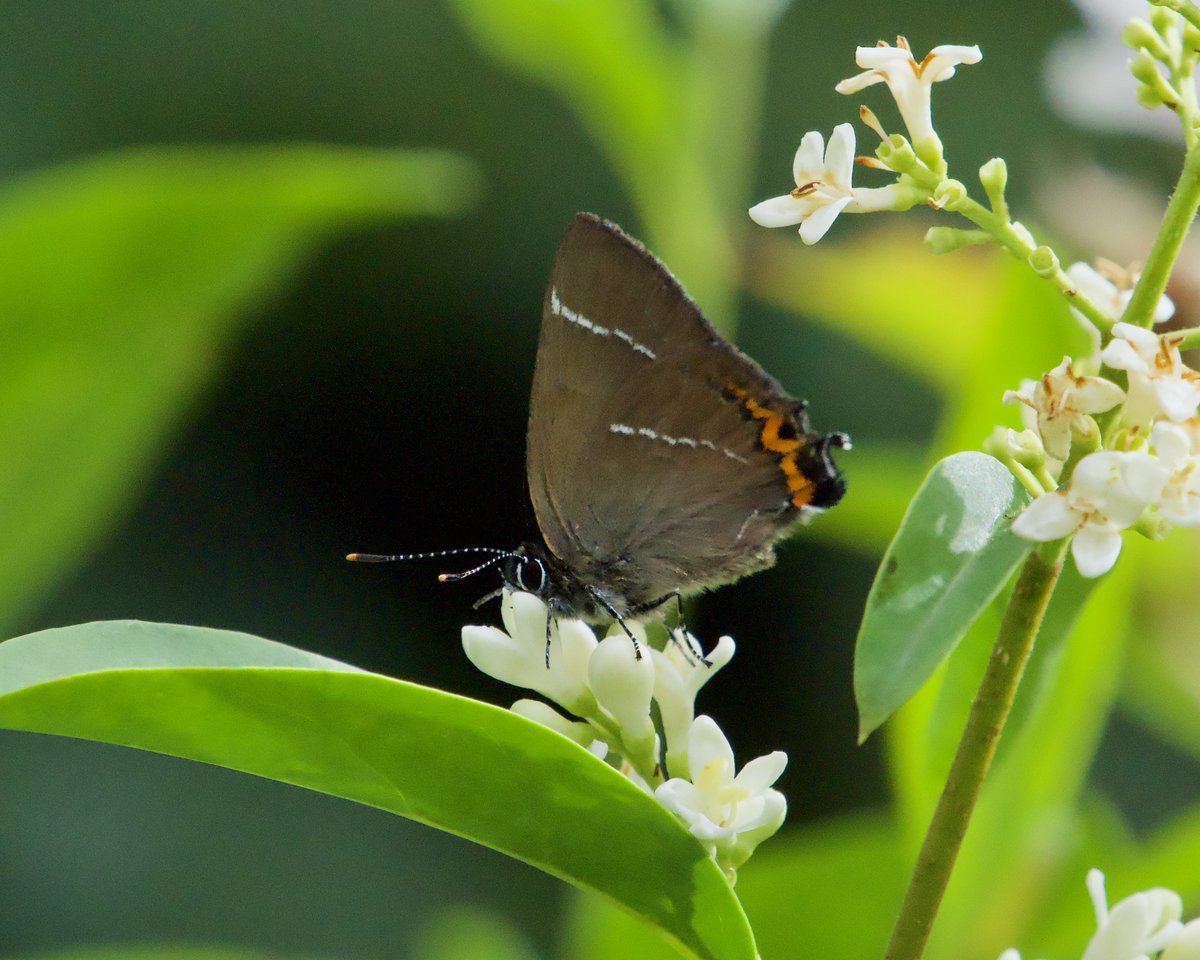
White letter hairstreak (Satyrium w-album) photographed today in Richmond. A very unusual butterfly for our part of the world; as well as a species of high conservation priority according to <a href="/savebutterflies/">Butterfly Conservation 🦋</a>  and a species of principal importance under the National Environment