Shekhar Aiyar (@shekharaiyar) 's Twitter Profile
Shekhar Aiyar

@shekharaiyar

IMF economist. Views are my own.

ID: 1448304445188677634

calendar_today13-10-2021 15:09:04

21 Tweet

87 Takipçi

45 Takip Edilen

Mai Chi Dao (@maichidao1) 's Twitter Profile Photo

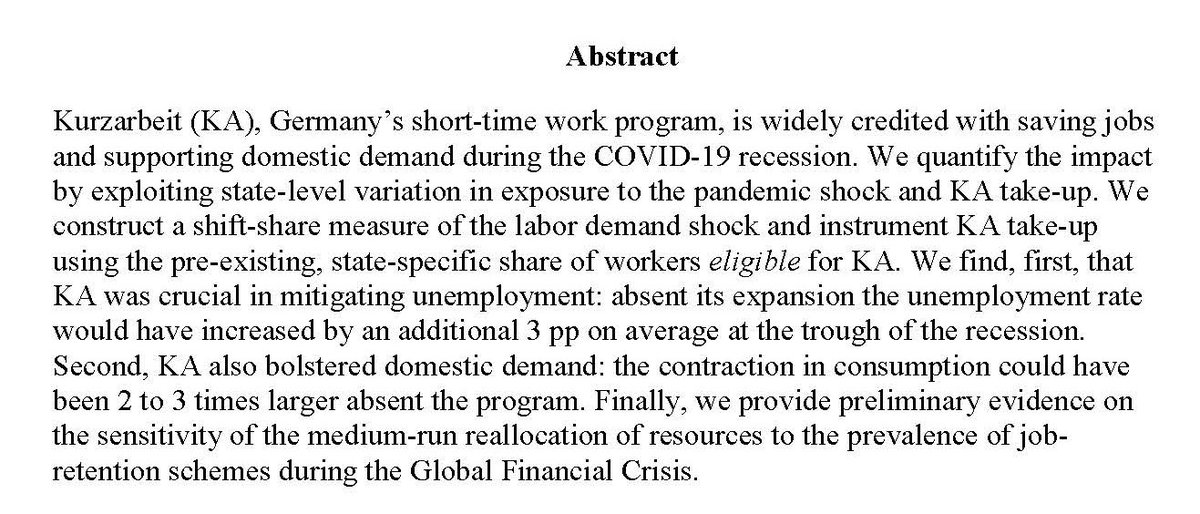
Germany's short-time work scheme (Kurzarbeit) has gained a lot of attention. In a new WP, we provide the first estimates of its impact during the COVID crisis: imf.org/-/media/Files/…

Germany's short-time work scheme (Kurzarbeit) has gained a lot of attention. In a new WP, we provide the first estimates of its impact during the COVID crisis:
imf.org/-/media/Files/…
IMFLive (@imflive) 's Twitter Profile Photo

How should policymakers prepare for the next shocks as the pandemic affects trade and value chains? Join us for a conversation with IMF economist Adil Mohommad and POLITICO’s Doug Palmer on a new IMF research. imf.org/WEO-apr22 #GlobalTrade x.com/i/broadcasts/1…

IMF Offices in Europe (@imfineurope) 's Twitter Profile Photo

We need to invest in better crisis resilience systems. JOIN ME and development experts from around the 🌎to 💬how we can be more prepared for the overlapping, multi-sectoral crises of tomorrow. ⏰29 Sept ➡️REGISTER bit.ly/3BI8m8t 💡#DEVat60 | #DevTalks | @OECD_Centre

We need to invest in better crisis resilience systems. 
JOIN ME and development experts from around the 🌎to 💬how we can be more prepared for the overlapping, multi-sectoral crises of tomorrow.
 
⏰29 Sept ➡️REGISTER bit.ly/3BI8m8t 
💡#DEVat60 | #DevTalks | @OECD_Centre
Adam Tooze (@adam_tooze) 's Twitter Profile Photo

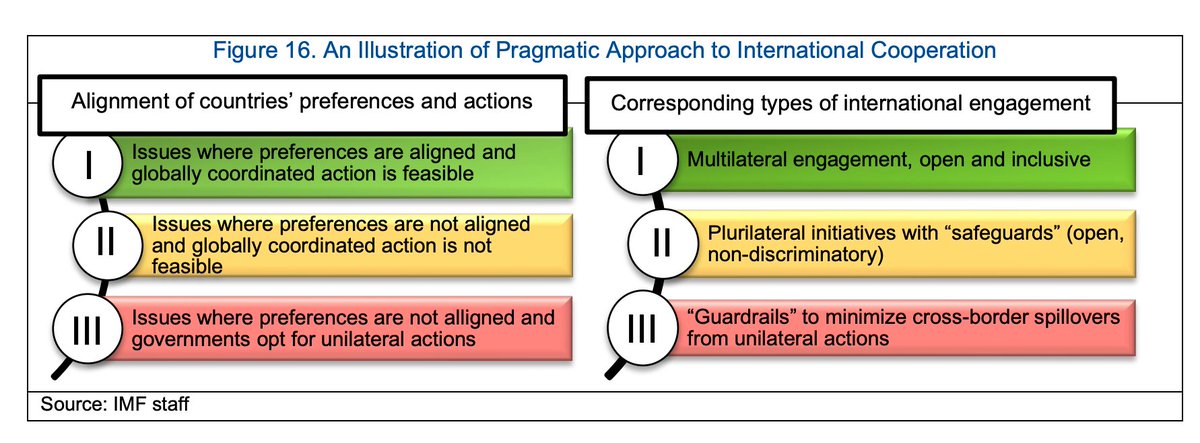
Global Geo-Economic-Fragmentation The Aiyar at al paper for IMF is a really fascinating exercise in thinking about damage-limitation. h/t @TatjanaSchulze_ imf.org/en/Publication…

Global Geo-Economic-Fragmentation 
The Aiyar at al paper for <a href="/IMFNews/">IMF</a> is a really fascinating exercise in thinking about damage-limitation. h/t @TatjanaSchulze_
imf.org/en/Publication…
Adam Tooze (@adam_tooze) 's Twitter Profile Photo

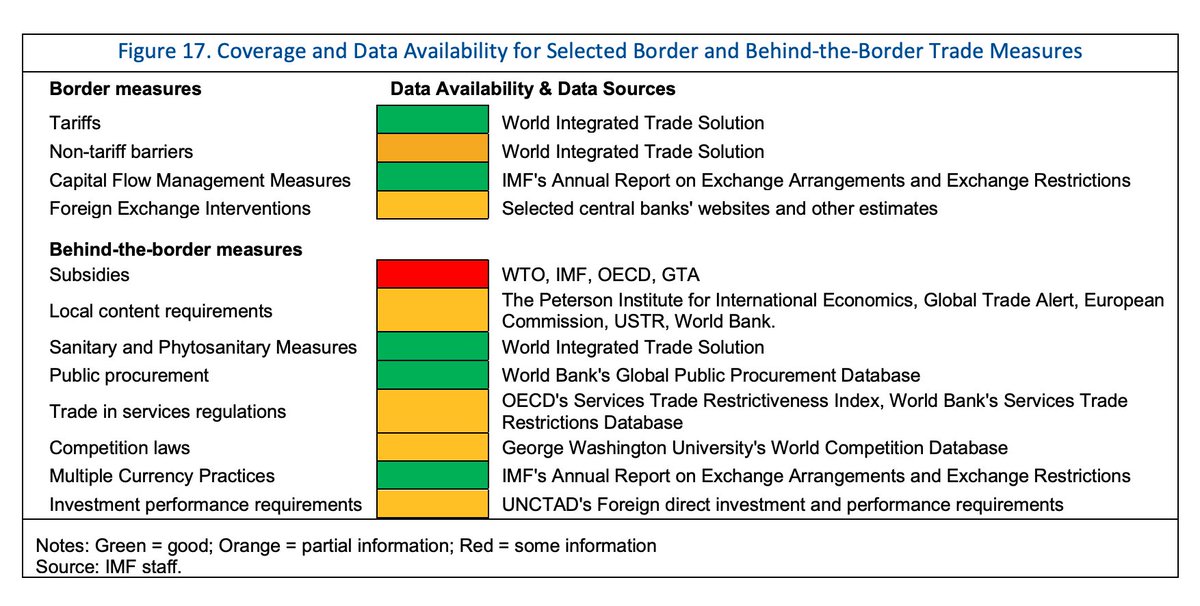
Behind the border: As the geo-economic system fragments into a patchwork, so do the data sources with which we monitor that process. Fragmentation extended to knowledge obscures itself. Fascinating table from Aiyar et al for IMF h/t @TatjanaSchulze_ imf.org/en/Publication…

Behind the border: As the geo-economic system fragments into a patchwork, so do the data sources with which we monitor that process. Fragmentation extended to knowledge obscures itself.
Fascinating table from Aiyar et al for <a href="/IMFNews/">IMF</a> h/t @TatjanaSchulze_
imf.org/en/Publication…
Adam Tooze (@adam_tooze) 's Twitter Profile Photo

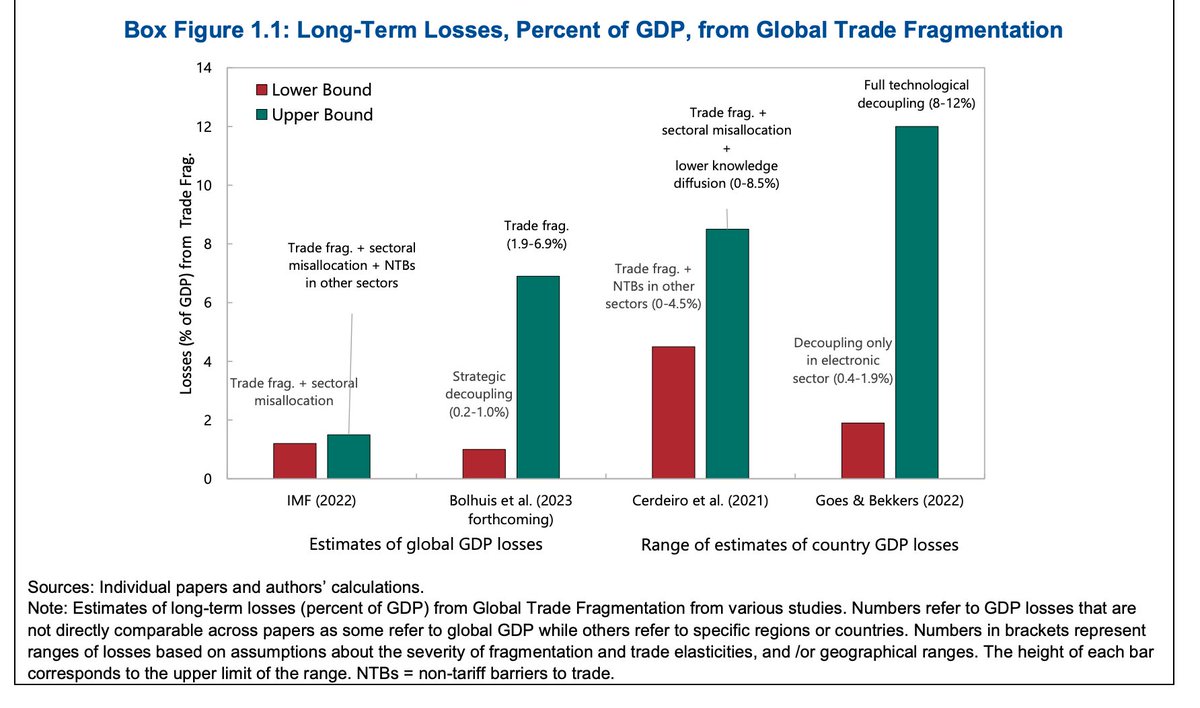
How bad could it get? Current best guesses suggest that the price of geoconomic fragmentation may be in the order of 2-12% of GDP depending on scenario, where you measure and what model you apply. Aiyar et al IMF imf.org/en/Publication…

How bad could it get? Current best guesses suggest that the price of geoconomic fragmentation may be in the order of 2-12% of GDP depending on scenario, where you measure and what model you apply. Aiyar et al <a href="/IMFNews/">IMF</a> 
imf.org/en/Publication…
Agathe Demarais (@agathedemarais) 's Twitter Profile Photo

🇺🇸🇨🇳 - Must-read IMF report on the economic costs of geopolitical fragmentation (aka US-China decoupling) - in a nutshell, a decoupled global economy will be a poorer one, with emerging economies most at risk 🧵A thread, with graphs & takeaways [1/10] 👇 imf.org/en/Publication…

🇺🇸🇨🇳 - Must-read IMF report on the economic costs of geopolitical fragmentation (aka US-China decoupling) - in a nutshell, a decoupled global economy will be a poorer one, with emerging economies most at risk
🧵A thread, with graphs &amp; takeaways [1/10] 👇
imf.org/en/Publication…
Shekhar Aiyar (@shekharaiyar) 's Twitter Profile Photo

My Financial Times op-ed on China, India and global inequality. ft.com/content/fa2315… Despite a public discourse focused on rising inequality in rich countries, the global picture looks very different. Global inequality has fallen sharply for several decades, primarily

Shekhar Aiyar (@shekharaiyar) 's Twitter Profile Photo

My Guest Essay in the New York Times. I argue that the burden of rising protectionism in advanced countries will fall most heavily on emerging economies, hindering their prospects of using trade as a ladder for development, and setting back the eradication of global poverty.

Pardee School of Global Studies, Boston University (@bupardeeschool) 's Twitter Profile Photo

The world economy is splintering. Who wins? Who loses? 🏦📉 Join Shekhar Aiyar as he unpacks geoeconomic fragmentation and its impact on global & regional output, foreign investment, and the role of "connector" countries: bit.ly/3CvGXda 🗓️April 1 | 📍121 BSR