Raško Ramadanski (@r_ramadanski) 's Twitter Profile
Raško Ramadanski

@r_ramadanski

Curator - archaeologist and numismatist
Town Museum Bečej, Serbia

ID: 1244310294081519617

calendar_today29-03-2020 17:08:23

174 Tweet

488 Takipçi

161 Takip Edilen

Raško Ramadanski (@r_ramadanski) 's Twitter Profile Photo

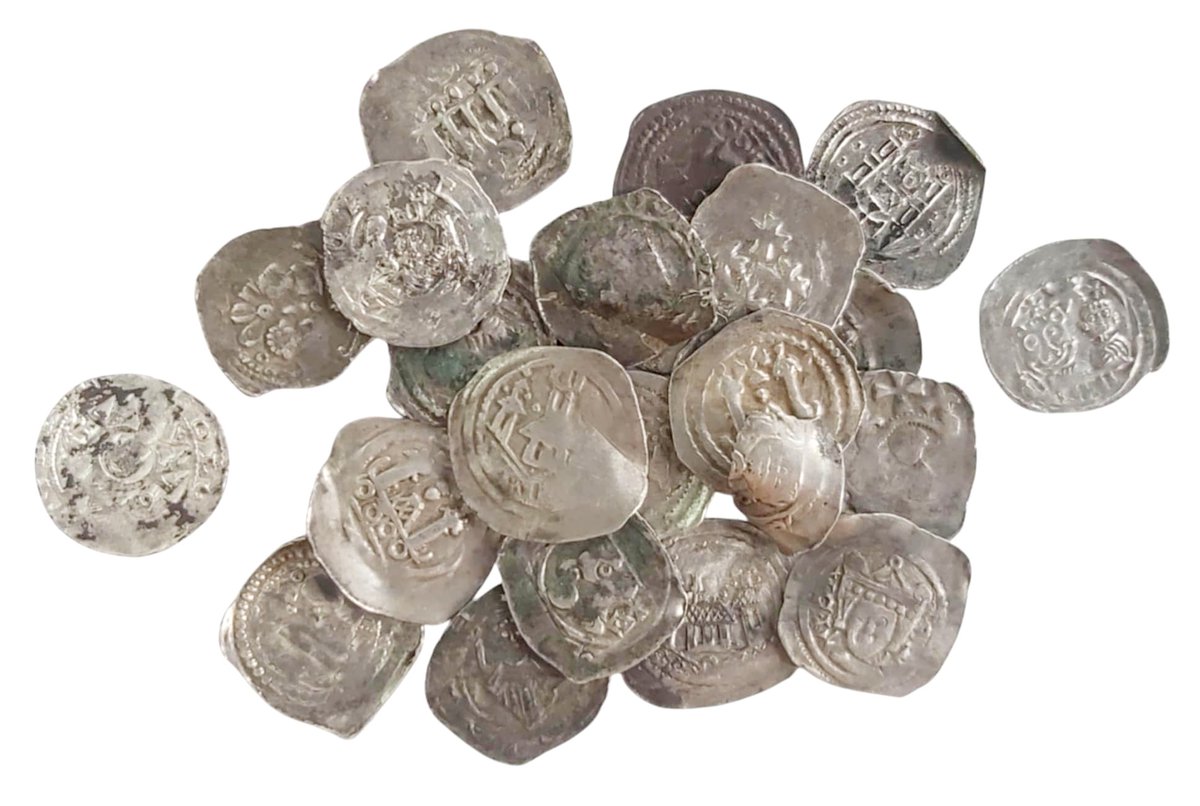
The medieval silver coin hoard from the area of Poljanica near Bečej, Serbia. Most of these coins were issued by 12th and 13th century Carinthian dukes and archbishops of Salzburg and Cologne. This material testifies to the scale of local commerce and trade in the Middle Ages.

The medieval silver coin hoard from the area of Poljanica near Bečej, Serbia. Most of these coins were issued by 12th and 13th century Carinthian dukes and archbishops of Salzburg and Cologne. This material testifies to the scale of local commerce and trade in the Middle Ages.
Raško Ramadanski (@r_ramadanski) 's Twitter Profile Photo

© My adjustments and interpretation of the historic coat of arms of Senta from 1506, based on historic sources, seals and the existing official version. This is can be regarded as one of the oldest coats of arms of any township or city in modern Serbia.

© My adjustments and interpretation of the historic coat of arms of Senta from 1506, based on historic sources, seals and the existing official version. This is can be regarded as one of the oldest coats of arms of any township or city in modern Serbia.
Raško Ramadanski (@r_ramadanski) 's Twitter Profile Photo

An icon of Christ Pantocrator, painted by Jovan Isailović in 1782 for the Orthodox church of St. Michael in Senta, Serbia. We can notice the strike marks from hussar sabres. Hungarians destroyed the old church in March 1849 and murdered 146 Serbian civilians.

An icon of Christ Pantocrator, painted by Jovan Isailović in 1782 for the Orthodox church of St. Michael in Senta, Serbia. We can notice the strike marks from hussar sabres. Hungarians destroyed the old church in March 1849 and murdered 146 Serbian civilians.
Raško Ramadanski (@r_ramadanski) 's Twitter Profile Photo

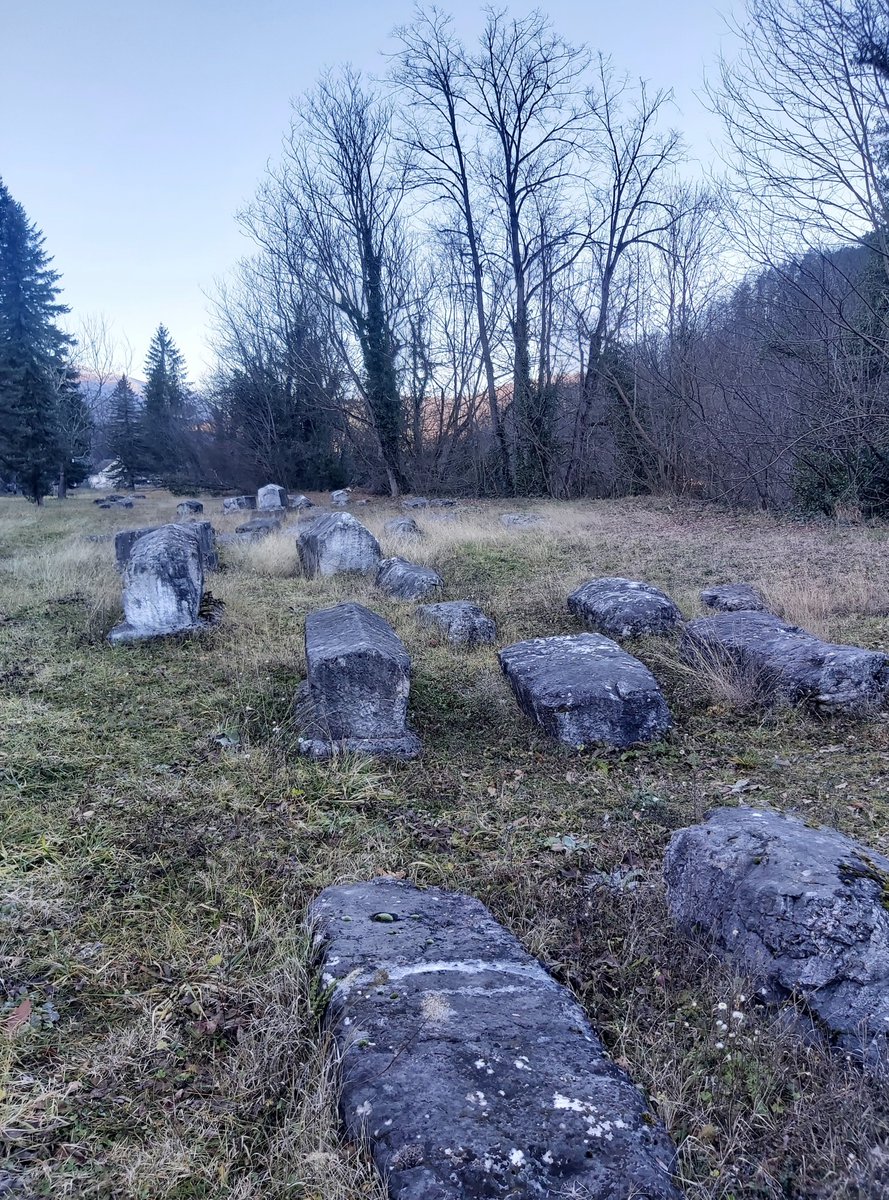
The Serbian medieval cemetary of Mramorje in Perućac. The noticeable monumental gravestones are called "stećci" and represent a regional trend in the Middle Ages, typical for Serbs.

The Serbian medieval cemetary of Mramorje in Perućac. The noticeable monumental gravestones are called "stećci" and represent a regional trend in the Middle Ages, typical for Serbs.
Raško Ramadanski (@r_ramadanski) 's Twitter Profile Photo

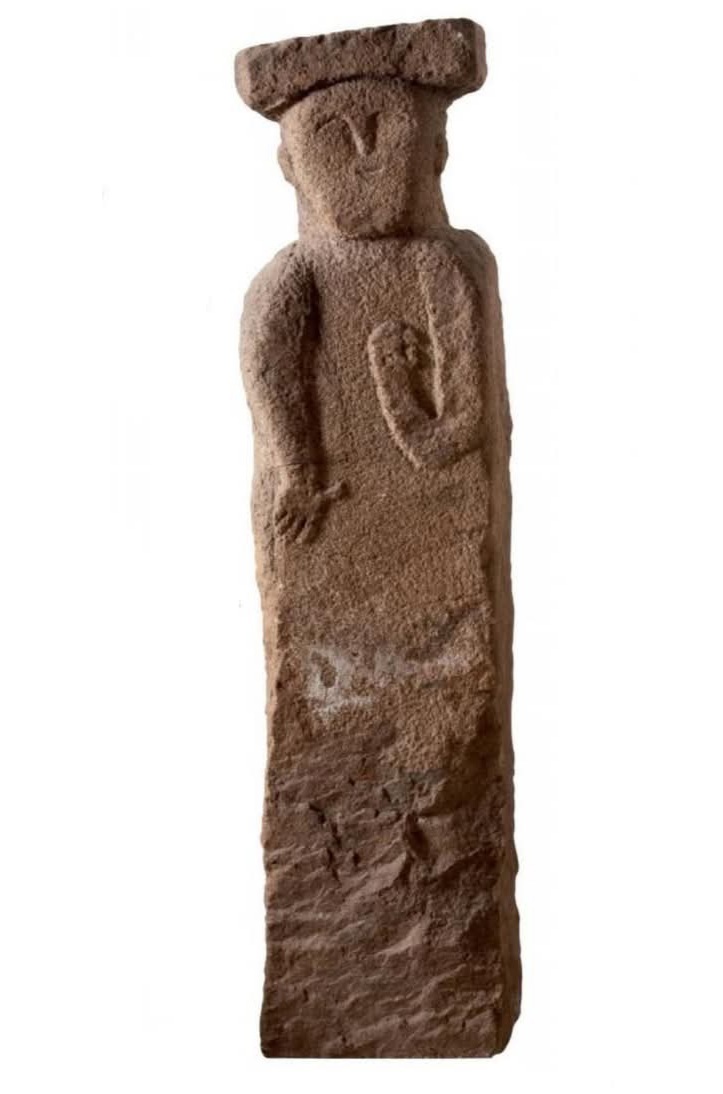
An early medieval Slavic stone idol or "kumir" from Šareni potok (Šarkamen) near Negotin, Serbia. Monuments like this have many parallels in the Slavic world. Image: Krajina Museum Negotin.

An early medieval Slavic stone idol or "kumir" from Šareni potok (Šarkamen) near Negotin, Serbia. Monuments like this have many parallels in the Slavic world. Image: Krajina Museum Negotin.
Raško Ramadanski (@r_ramadanski) 's Twitter Profile Photo

An old Serbian tombstone from Prebilovci, Herzegovina. This example features a prominent heraldic display including an escutcheon shield and sword. Sadly, the epigraphic content has likely worn away.

An old Serbian tombstone from Prebilovci, Herzegovina. This example features a prominent heraldic display including an escutcheon shield and sword. Sadly, the epigraphic content has likely worn away.
Raško Ramadanski (@r_ramadanski) 's Twitter Profile Photo

A Serbian "stećak" in the hills above Ljubovija, modern Western Serbia. Medieval gravestones such as this were once more common in the area.

A Serbian "stećak" in the hills above Ljubovija, modern Western Serbia. Medieval gravestones such as this were once more common in the area.
Raško Ramadanski (@r_ramadanski) 's Twitter Profile Photo

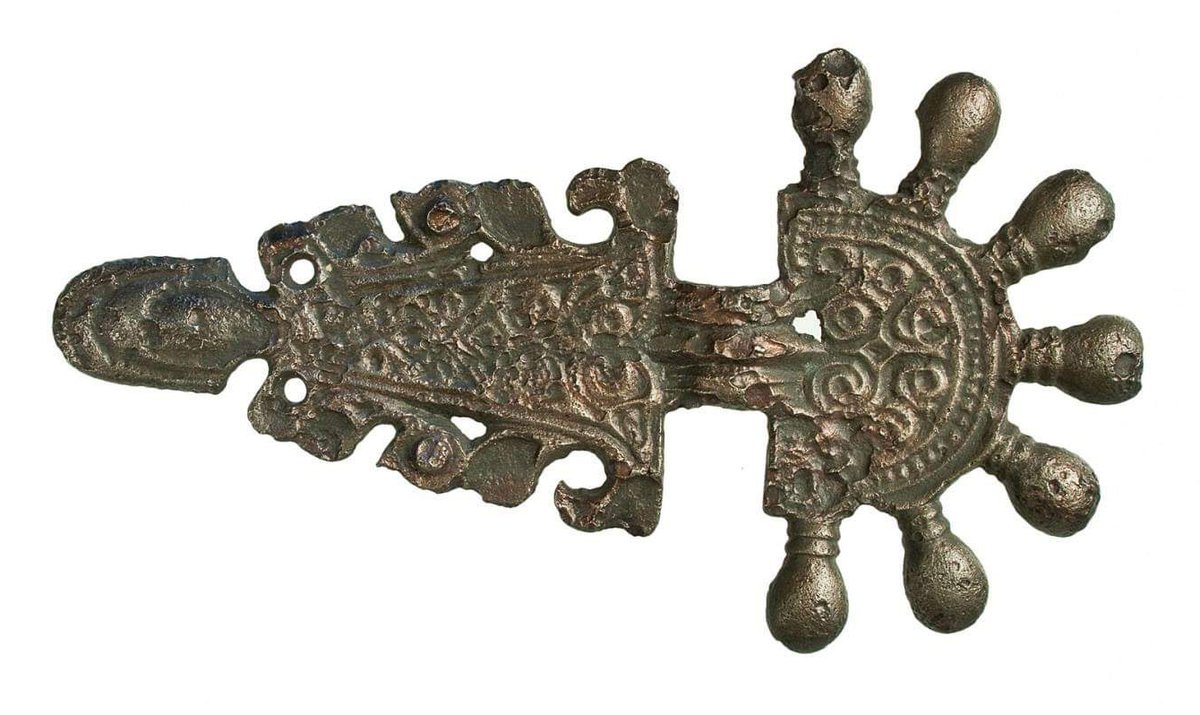
The praised Slavic fibula from Velesnica, Serbia. Functional attire elements such as this VI-VII century bronze fibula are defining elements of old Slavic material culture. Image: National Museum Belgrade.

The praised Slavic fibula from Velesnica, Serbia. Functional attire elements such as this VI-VII century bronze fibula are defining elements of old Slavic material culture. Image: National Museum Belgrade.
Raško Ramadanski (@r_ramadanski) 's Twitter Profile Photo

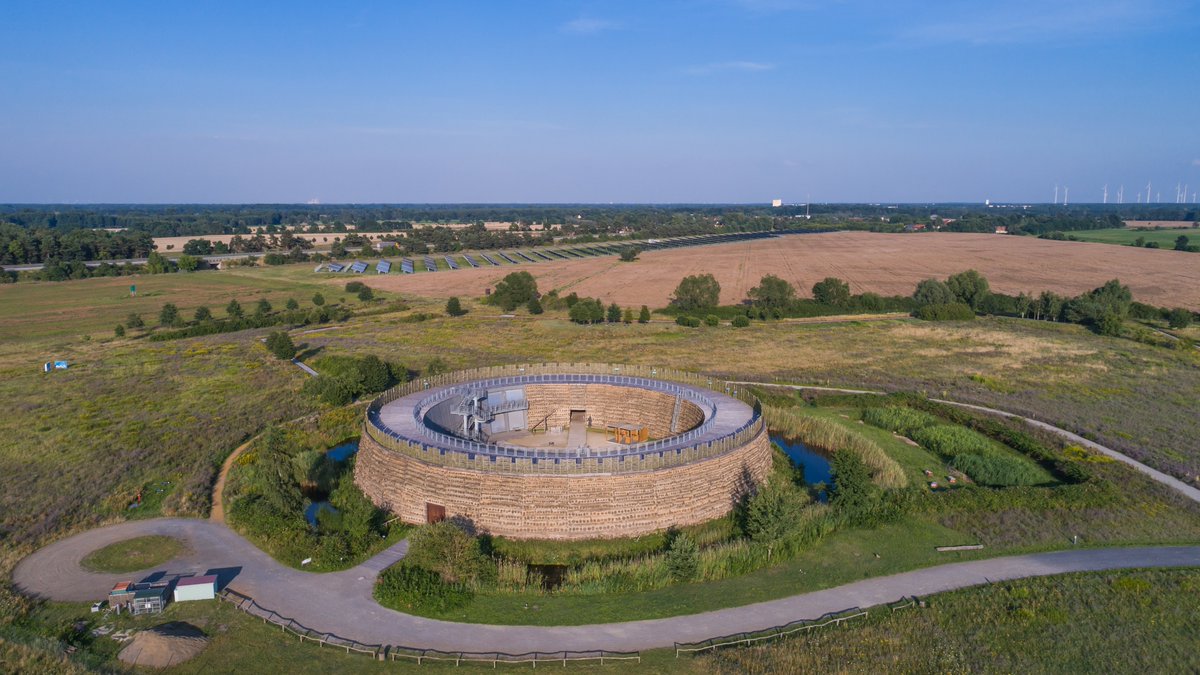
The reconstruction of the early medieval Sorbian, or White Serbian, wooden rampart or ''gord'' in Raduš (Raddusch), near Vetschau, in Lower Lusatia, Germany. Image: A. Savin.

The reconstruction of the early medieval Sorbian, or White Serbian, wooden rampart or ''gord'' in Raduš (Raddusch), near Vetschau, in Lower Lusatia, Germany. Image: A. Savin.
Raško Ramadanski (@r_ramadanski) 's Twitter Profile Photo

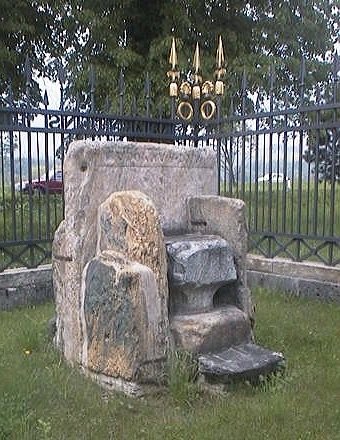
The Duke's Chair or Duke's Seat (Vojvodski stol) near modern Klagenfurt (Celovec) is an early medieval throne made of ancient Roman spoliae and used by the Dukes of Carinthia (Koruška) for centuries. Image: Andrejj.

The Duke's Chair or Duke's Seat (Vojvodski stol) near modern Klagenfurt (Celovec) is an early medieval throne made of ancient Roman spoliae and used by the Dukes of Carinthia (Koruška) for centuries. Image: Andrejj.