ᴘɪᴇʀᴄᴏ (@pcornier) 's Twitter Profile
ᴘɪᴇʀᴄᴏ

@pcornier

Retro game enthusiast and French developer who loves porting old systems to #MiSTerFPGA

ID: 324524992

linkhttps://soundcloud.com/pierco calendar_today26-06-2011 19:39:23

798 Tweet

1,1K Followers

258 Following

ᴘɪᴇʀᴄᴏ (@pcornier) 's Twitter Profile Photo

In a recent discussion with Solal (retro gaming) about arcade backbuffer techniques, we discussed the following methods: DMA, pointer swapping, and memory swapping. Did we forget any?
ᴘɪᴇʀᴄᴏ (@pcornier) 's Twitter Profile Photo

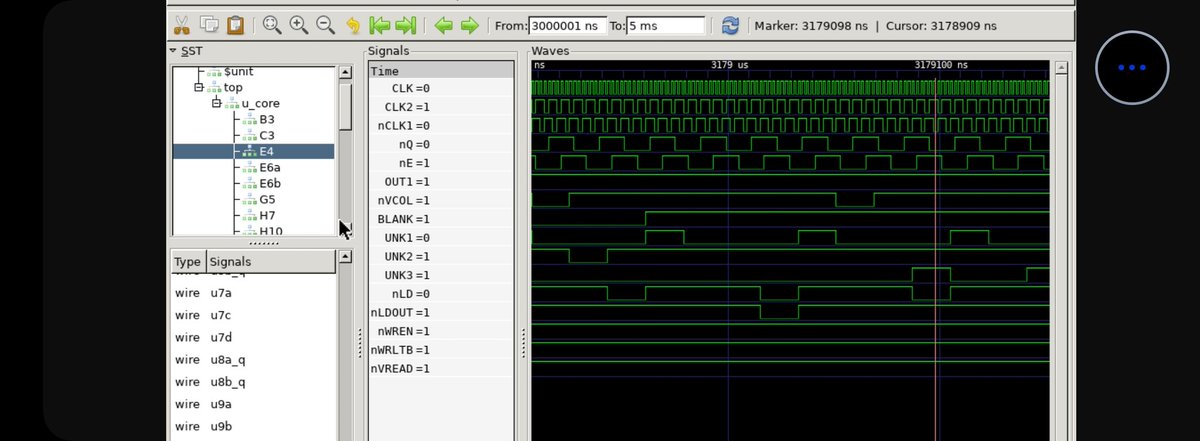
I'm rewriting some of my guesses with better chip implementations. I'm working on the Konami 504, which is mainly a 6809 E/Q clock divider. I'm only writing HDL, someone else reversed it. It seems to work! 😊

I'm rewriting some of my guesses with better chip implementations. I'm working on the Konami 504, which is mainly a 6809 E/Q clock divider. I'm only writing HDL, someone else reversed it. It seems to work! 😊
ᴘɪᴇʀᴄᴏ (@pcornier) 's Twitter Profile Photo

Pandora's Palace has 24 hardware sprites, but the title screen shows up to 38 sprites at once. This is possible thanks to the Konami 85 scroller chip, which has a vertical read pin. The CPU uses it to track the scanline position and reuse the slots of already rendered sprites.

Pandora's Palace has 24 hardware sprites, but the title screen shows up to 38 sprites at once. This is possible thanks to the Konami 85 scroller chip, which has a vertical read pin. The CPU uses it to track the scanline position and reuse the slots of already rendered sprites.
ᴘɪᴇʀᴄᴏ (@pcornier) 's Twitter Profile Photo

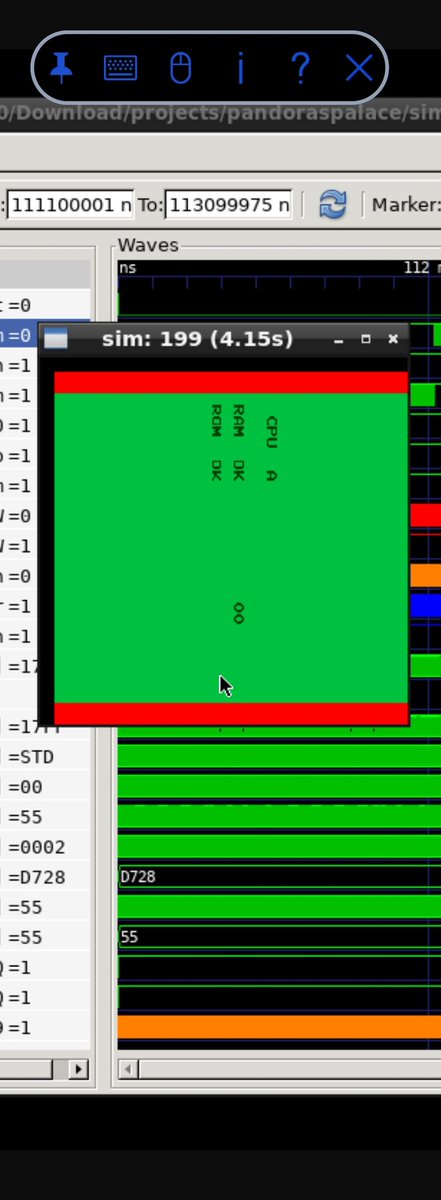
Another technical detail about Pandora's Palace: they set the four upper bits of DX bus (sprite X/Y) to high impedance (COL signal) to insert the H/V flip flags from DC in time (blue), ensuring the Konami 503 captures them correctly, since the attribute byte never reaches it.

Another technical detail about Pandora's Palace: they set the four upper bits of DX bus (sprite X/Y) to high impedance (COL signal) to insert the H/V flip flags from DC in time (blue), ensuring the Konami 503 captures them correctly, since the attribute byte never reaches it.
ᴘɪᴇʀᴄᴏ (@pcornier) 's Twitter Profile Photo

It seems one of these documents might contain the full source code of the TMS7000 microcode. Does anyone know where I can find the microcode listing? - TMS7000 Micro-architecture - TMS7000 Microcode Development Users Guide - TMS7000 Micro Assembler

ᴘɪᴇʀᴄᴏ (@pcornier) 's Twitter Profile Photo

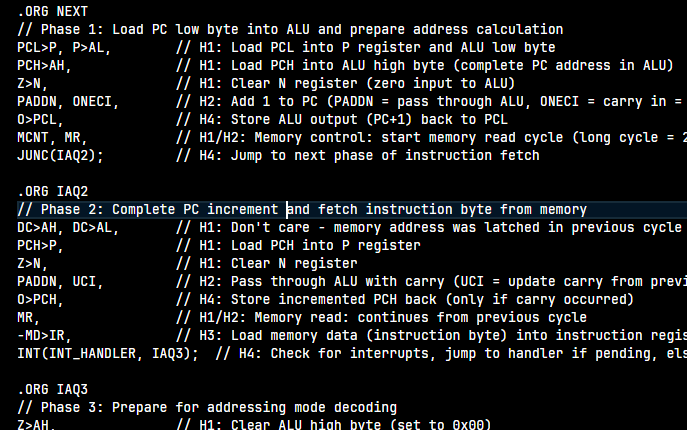
I try to rebuild the TMS7000 microcode ROM, mostly guesswork😒Frustrating that the listing exists in TI’s archives but hasn’t been scanned yet...

I try to rebuild the TMS7000 microcode ROM, mostly guesswork😒Frustrating that the listing exists in TI’s archives but hasn’t been scanned yet...
ᴘɪᴇʀᴄᴏ (@pcornier) 's Twitter Profile Photo

Thanks to the kindness and professionalism of the staff at the DeGolyer Library SMU Libraries, I finally gained access to scans of the TMS7000 Microcode Development Guide from the Texas Instruments archives! 😀

ᴘɪᴇʀᴄᴏ (@pcornier) 's Twitter Profile Photo

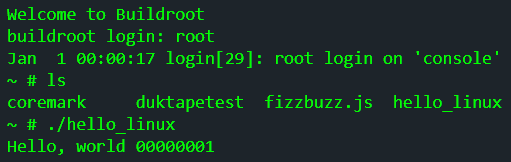
I used to think we needed broad knowledge to build custom tools when porting hardware to FPGA. Now, with AI, a few prompts give us everything we need🙃

I used to think we needed broad knowledge to build custom tools when porting hardware to FPGA. Now, with AI, a few prompts give us everything we need🙃