
oceanaid (@oceanaid) 's Twitter Profile
oceanaid

@oceanaid

Ocean Aid is a campaign created to raise awareness about the pollution collecting in our oceans and inspire community action to keep our oceans clean.

ID: 111936849

linkhttp://www.ocean-aid.org calendar_today06-02-2010 17:22:57

553 Tweet

1,1K Followers

664 Following
Sylvia A. Earle (@sylviaearle) 's Twitter Profile Photo

Bravo, President Guillermo Lasso, and all who are supporting enhanced protection for wildlife in the ocean surrounding the Galápagos Islands where most of the terrain is submerged and most of the animals are aquatic. #HopeSpots #30x30 mission-blue.org/2022/01/dr-syl…
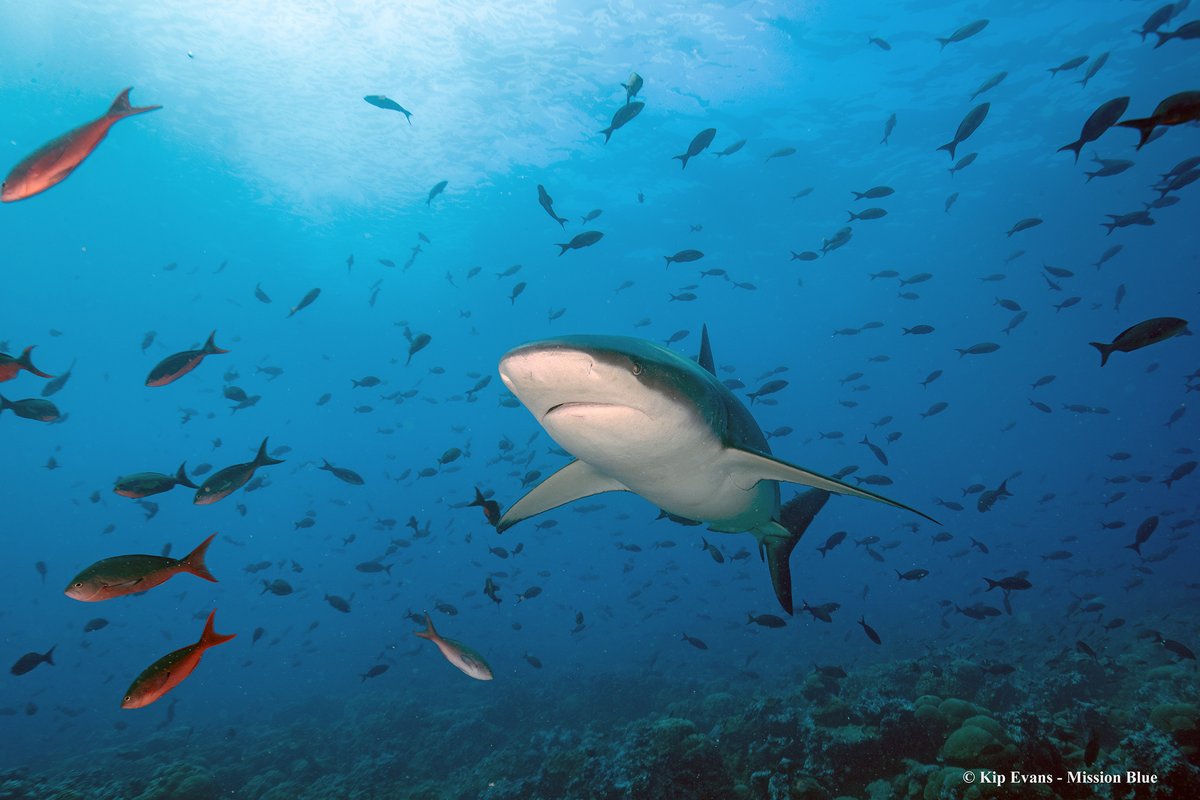

Bravo, President <a href="/LassoGuillermo/">Guillermo Lasso</a>, and all who are supporting enhanced protection for wildlife in the ocean surrounding the Galápagos Islands where most of the terrain is submerged and most of the animals are aquatic. #HopeSpots #30x30

mission-blue.org/2022/01/dr-syl…
Oceana (@oceana) 's Twitter Profile Photo

URGENT: The demand for shark fins is one of the greatest threats facing #shark populations around the world. Use your voice to protect sharks today, before it's too late: bit.ly/3zXGmes #FinBanNow

URGENT: The demand for shark fins is one of the greatest threats facing #shark populations around the world. Use your voice to protect sharks today, before it's too late: bit.ly/3zXGmes #FinBanNow
oceanaid (@oceanaid) 's Twitter Profile Photo

Seeing 1,000 glorious fin whales back from near extinction is a rare glimmer of hope - The Guardian apple.news/Az53cUaV4QcqQn…

Oceana (@oceana) 's Twitter Profile Photo

#BREAKING: Organizations come together to urge Alex Padilla to cosponsor the Break Free From Plastic Pollution Act. An estimated 33 billion pounds of plastic enter oceans every year. It's time to #BreakFreeFromPlastic for #California and the USA. bit.ly/3qIhxQR

Oceana (@oceana) 's Twitter Profile Photo

READ: What makes marine species so susceptible to eating plastic, and what can we do about this plastic pollution crisis to protect our oceans & marine life bit.ly/3FO4i5E

READ: What makes marine species so susceptible to eating plastic, and what can we do about this plastic pollution crisis to protect our oceans &amp; marine life bit.ly/3FO4i5E
Oceana (@oceana) 's Twitter Profile Photo

#DYK sharks have a sixth sense? Watch Sailors for the Sea's KELP At Home Activity to find out for yourself how this incredible ability works: bit.ly/3Af6rpJ #InternationalDayOfEducation 🎓

oceanaid (@oceanaid) 's Twitter Profile Photo

A recent study revealed that the U.S. is the world’s top generator of plastic waste, and yet many Americans believe that plastic pollution is solely a “developing country problem.” science.org/doi/10.1126/sc…

Oceana (@oceana) 's Twitter Profile Photo

Happy #Thursday from this inquisitive leopard seal! Learn more about these Antarctic seals with our Marine Life Encyclopedia: bit.ly/3IBKzI0

Plastic Pollutes (@plasticpollutes) 's Twitter Profile Photo

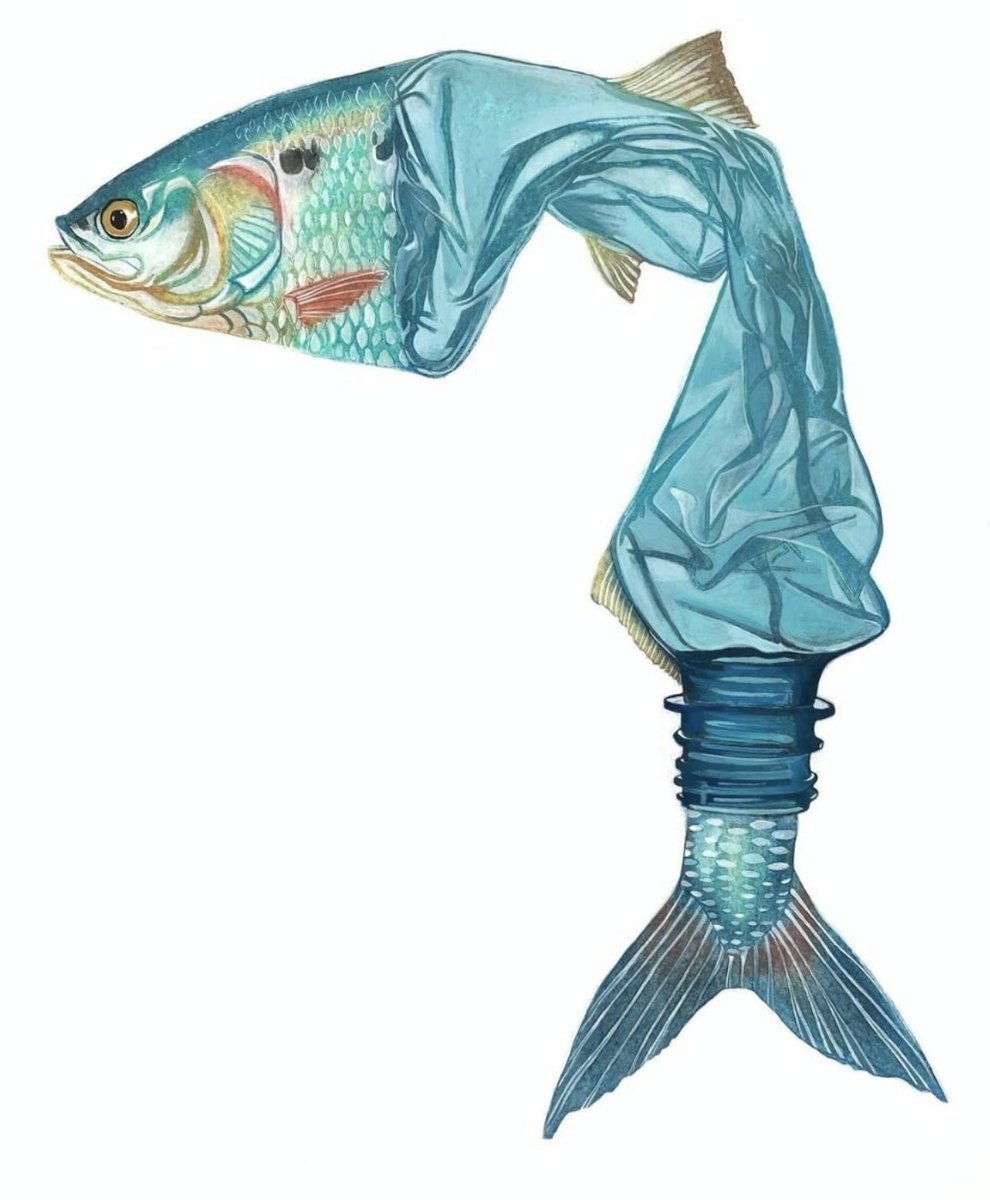
"Often the debate about the environment can be complex, hard to digest & lost in words, whereas art can be a powerful way to explore such important topics as plastic pollution, climate change & biodiversity loss in an engaging, playful & creative way." "Choke" by #BenCarter.

"Often the debate about the environment can be complex, hard to digest &amp; lost in words, whereas art can be a powerful way to explore such important topics as plastic pollution, climate change &amp; biodiversity loss in an engaging, playful &amp; creative way." "Choke" by #BenCarter.
Oceana (@oceana) 's Twitter Profile Photo

#FUNFACT: Sea otters have the densest fur in the animal kingdom! 🦦 Learn more about these otters with our Marine Life Encyclopedia: bit.ly/3G5VPuF

Sylvia A. Earle (@sylviaearle) 's Twitter Profile Photo

It’s the way of the world these days that humans are increasingly encroaching on what remains of natural wild places. There’s a limit to what we can do and still have a planet that works in our favor.

It’s the way of the world these days that humans are increasingly encroaching on what remains of natural wild places. There’s a limit to what we can do and still have a planet that works in our favor.