

MP Neuroscience
@mpneuro
Established November 2016 #neuroscience #research #maxplancksociety
ID: 792053574146613249
http://maxplanckneuroscience.org 28-10-2016 17:21:02
272 Tweet
544 Takipçi
117 Takip Edilen


How do our brains anticipate the future? As neuroscientists from Max Planck Institute for Empirical Aesthetics, Ernst Strüngmann Institute and the Goethe University have found, it’s all about brain rhythms. Explore the research, which was published in @naturecomms: maxplanckneuroscience.org/how-the-brain-…

New research shows why misplaced neurons in the brain become overactive and cause periventricular heterotopia. Explore the data from LMU’s Biomedical Center and Max Planck Institute of Psychiatry. maxplanckneuroscience.org/misplaced-neur…

Does having more neural connections lead to better learning? Not according to researchers at MPI for Neurobiology of Behavior – caesar. Discover why sparse brain connectivity may be a feature, not a flaw: bit.ly/4kO1TMY

Environmental stressors before birth are shown to influence the risk of developing psychiatric or neurological disorders. Explore newresearch from Max Planck Institute of Psychiatry on how stress alters neuronal balance in the developing brain. maxplanckneuroscience.org/stress-alters-…

The creative process of AI large language models is similar to that of humans. Researchers at Max Planck Institute for Biological Cybernetics suggest pairing users and LLMs with similar creative processes to enhance creative collaboration: maxplanckneuroscience.org/almost-like-us…

Newly discovered nerve cells in the brains of mice, controlled by leptin, could lead to novel obesity treatments in humans. Explore the research from Max Planck Institute for Metabolism Research: maxplanckneuroscience.org/newly-identifi…
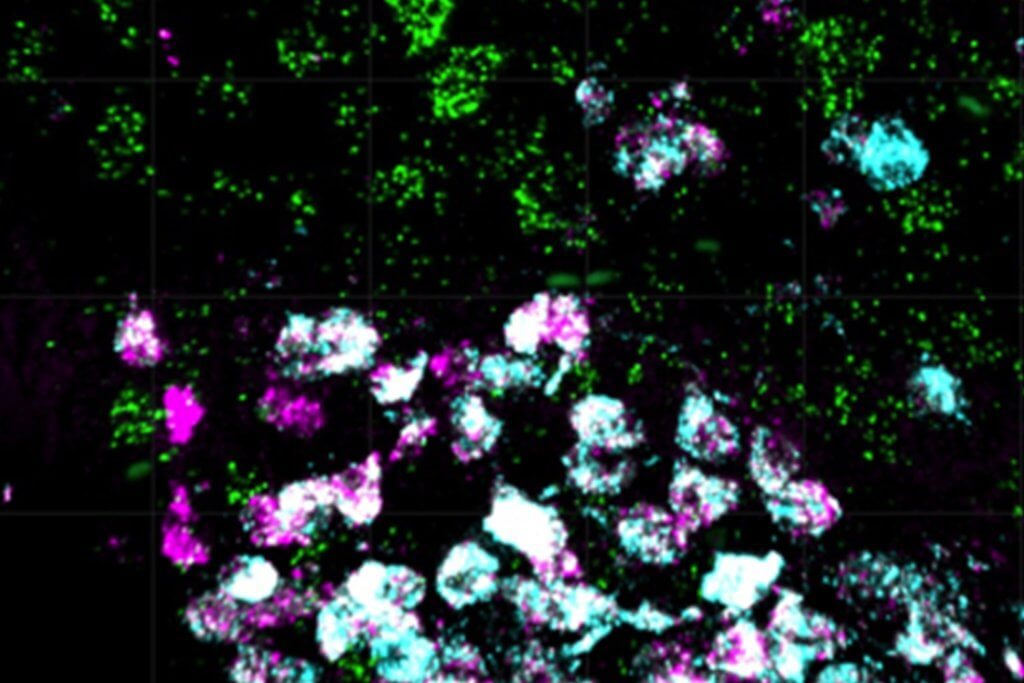
Researchers at Max Planck Florida Institute for Neuroscience have discovered how loss of ASD-associated PTEN gene in a specific population of neurons rewires circuits in the amygdala that lead to increased fear and anxiety: bit.ly/4nWSa9z


How do rats sense their world? Through their whiskers! Researchers at MPI for Neurobiology of Behavior – caesar found that whisker movement is controlled by surprisingly diverse brain areas, including sensory and motor regions working together. Explore the research: bit.ly/3TMNbuh




New! Max Planck Institute of Psychiatry, Helmholtz Munich | @HelmholtzMunich & the University of Sydney found shared biological mechanisms across 3 psychiatric disorders, with noted exon level differences & disruptions in circadian rhythm, cortisol release & dopamine levels: bit.ly/4mjec4e



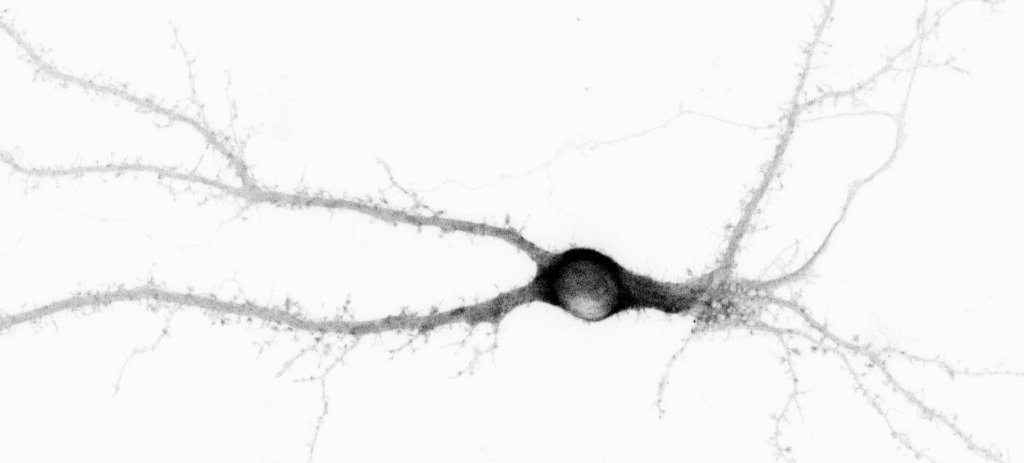
For the first time, Universität München, Max Planck Institute of Psychiatry & IMPRS-TP have identified a mechanism behind cognitive symptoms in schizophrenia. Read the study of early maturation in oligodendrocytes, which may become a future treatment target: bit.ly/48gHXzd


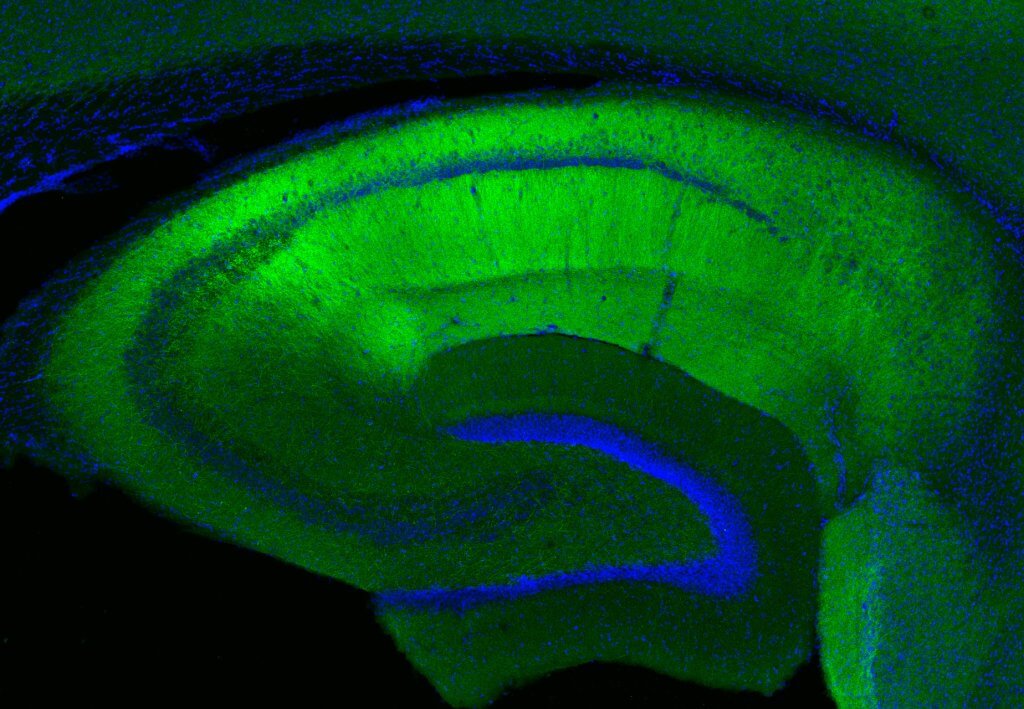
A breakthrough for open science: ARC-COGITATE has released one of the largest public iEEG datasets. Explore this global resource, which includes work from @mpi_ae: bit.ly/49gRhne