MCVmag (@mcvmag) 's Twitter Profile
MCVmag

@mcvmag

Minnesota Conservation Volunteer is the magazine of Minnesota's woods and waters, wildlife and prairie. Published by Minnesota Department of Natural Resources.

ID: 807429510

linkhttp://mndnr.gov/magazine calendar_today06-09-2012 19:15:36

4,4K Tweet

1,1K Followers

645 Following
US Fish and Wildlife (@usfwssoutheast) 's Twitter Profile Photo

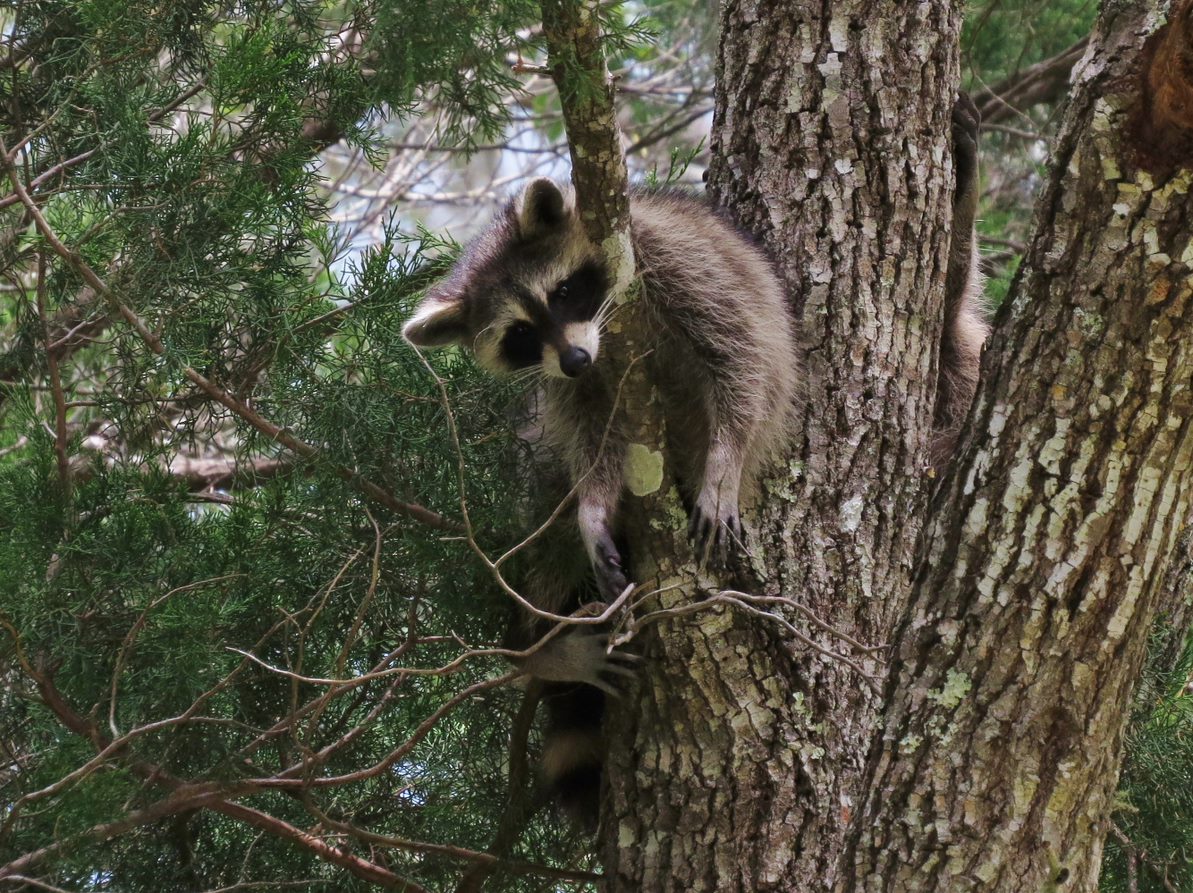
🌀The Void Raccoon is back to welcome you to the week between Christmas & New Year’s🌀 This is a week lost in time. You eat cookies & cheese for breakfast. You exist in your fuzziest clothing, sleeping at odd hours of the day. Where is your motivation? Can't be found. 📸USFWS

🌀The Void Raccoon is back to welcome you to the week between Christmas & New Year’s🌀

This is a week lost in time. You eat cookies & cheese for breakfast. You exist in your fuzziest clothing, sleeping at odd hours of the day. Where is your motivation? Can't be found.

📸USFWS
U.S. Fish and Wildlife Service (@usfws) 's Twitter Profile Photo

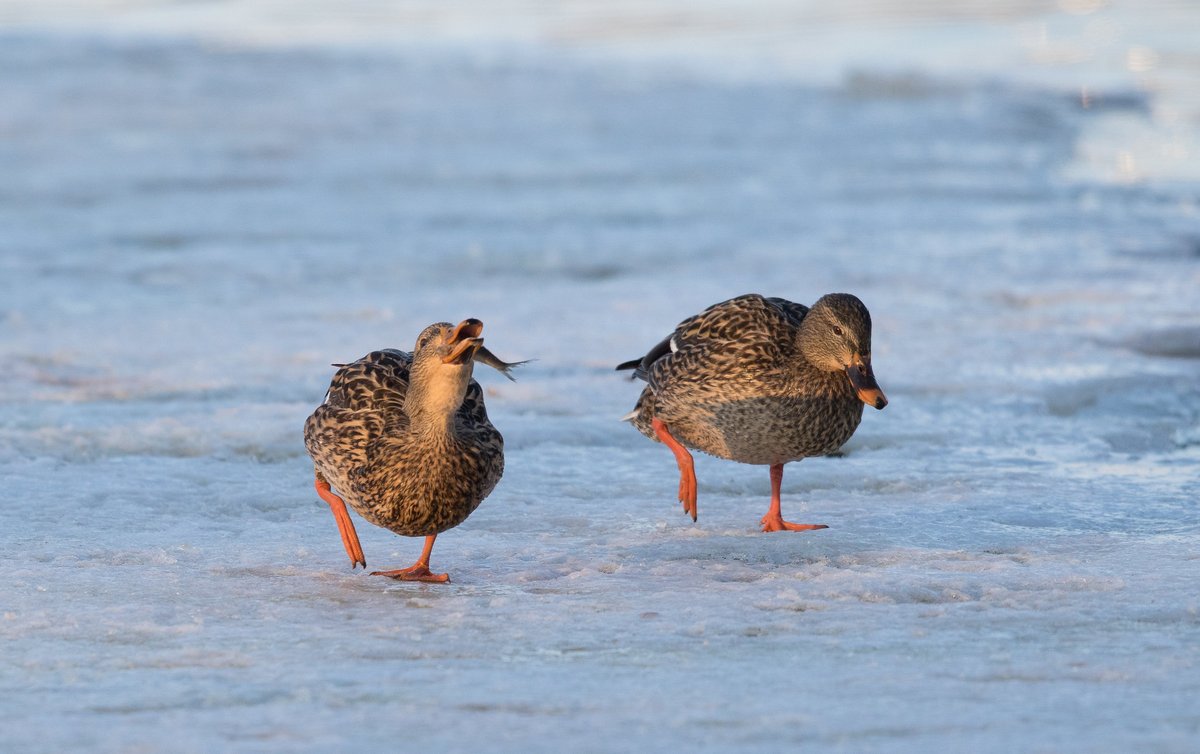
Who's up for a little ice fishing? This mallard was spotted chowing down on a nice catch. Her friend wasn't so impressed. Jealous perhaps? 📷 Mike Budd/USFWS

Who's up for a little ice fishing? This mallard was spotted chowing down on a nice catch. Her friend wasn't so impressed. Jealous perhaps?

📷 Mike Budd/USFWS
MCVmag (@mcvmag) 's Twitter Profile Photo

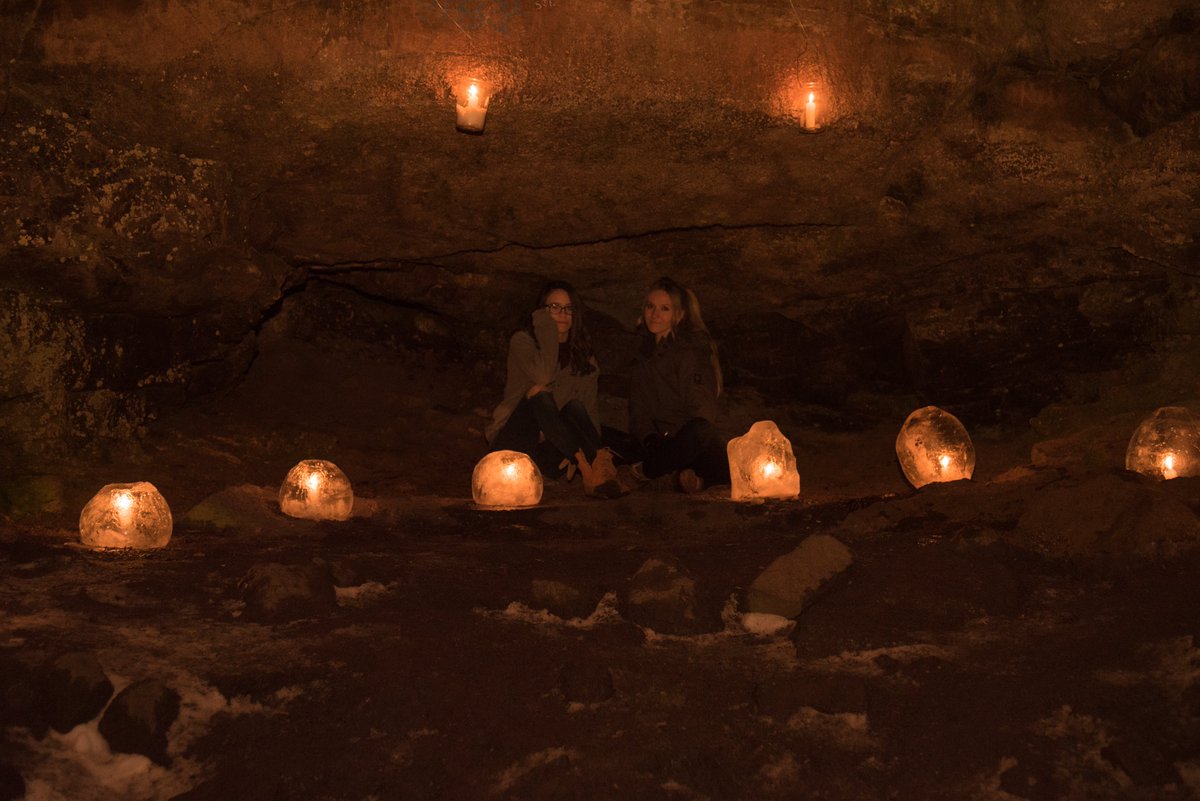
Ring in the new year with a candlelight walk, snowshoe or ski along lighted trails. This winter, 19 candlelight events at 17 different locations are planned between Jan. 3 and Feb. 22. Check it out: mndnr.gov/candlelight

Ring in the new year with a candlelight walk, snowshoe or ski along lighted trails. This winter, 19 candlelight events at 17 different locations are planned between Jan. 3 and Feb. 22. Check it out: mndnr.gov/candlelight
Minnesota DNR (@mndnr) 's Twitter Profile Photo

Hey, college students! Love the outdoors? We just posted more than 200 paid summer internships available throughout the state. Apply by Jan. 31. For more information, including how to apply, go to: mndnr.gov/careers/intern…

Hey, college students! Love the outdoors? We just posted more than 200 paid summer internships available throughout the state. Apply by Jan. 31. For more information, including how to apply, go to: mndnr.gov/careers/intern…
Voyageurs Wolf Project (@voyawolfproject) 's Twitter Profile Photo

Neat footage of the Cranberry Bay Pack, a pack of 8 wolves at the time, crossing a beaver lodge and dam in late fall a few years ago. This pack was a large pack for our area where pack size typically averages 4-4.5 wolves. The pack didn’t stay this big for long. About 1 month

U.S. Fish and Wildlife Service (@usfws) 's Twitter Profile Photo

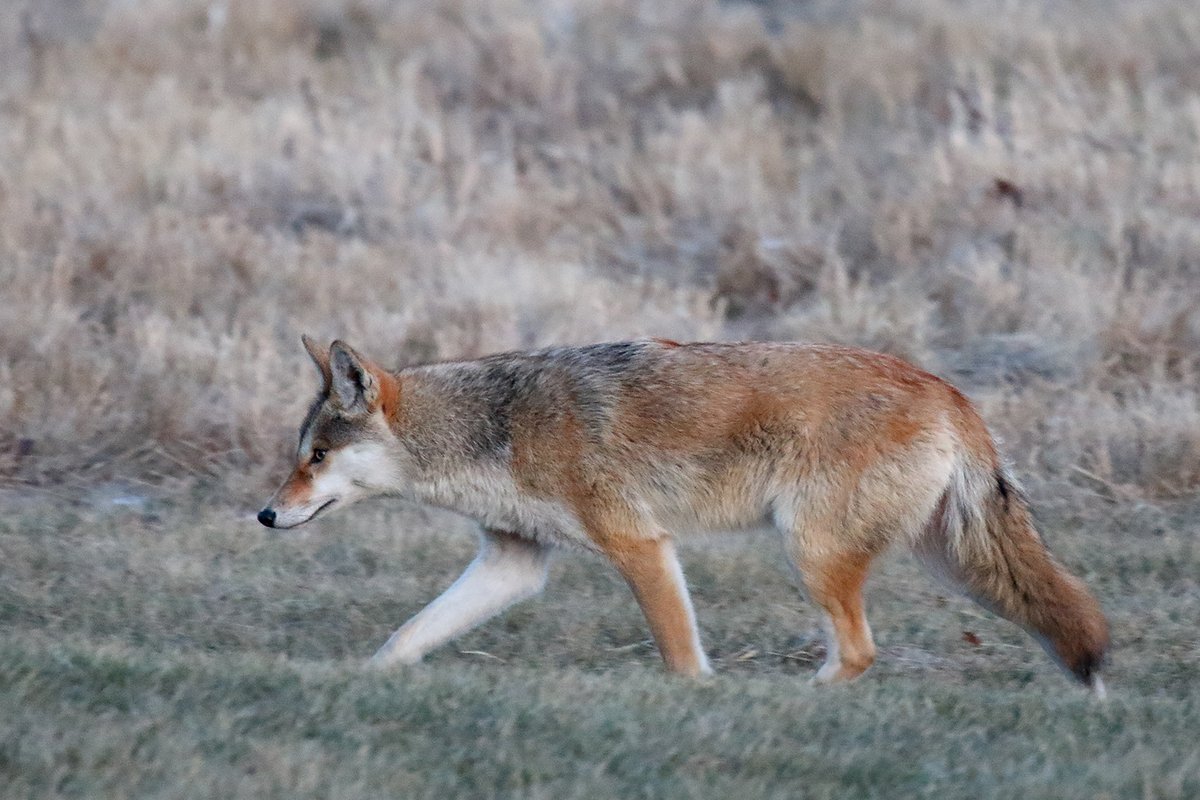
Coyotes eat a little more than 1 pound each day. While they prefer meat, they'll also eat insects, fruit and other plant material. 📷 courtesy of Gordon Garcia

Coyotes eat a little more than 1 pound each day. While they prefer meat, they'll also eat insects, fruit and other plant material.

📷 courtesy of Gordon Garcia
Minnesota DNR (@mndnr) 's Twitter Profile Photo

Minnesotans are feeling the impacts of climate change. The state is updating Minnesota’s Climate Action Framework in 2025 with a stronger focus on collaboration and community benefits. Share your input on the actions you’d like included here: ow.ly/oWHf50UFGQv

Minnesotans are feeling the impacts of climate change. The state is updating Minnesota’s Climate Action Framework in 2025 with a stronger focus on collaboration and community benefits. Share your input on the actions you’d like included here: ow.ly/oWHf50UFGQv
US Fish and Wildlife (@usfwssoutheast) 's Twitter Profile Photo

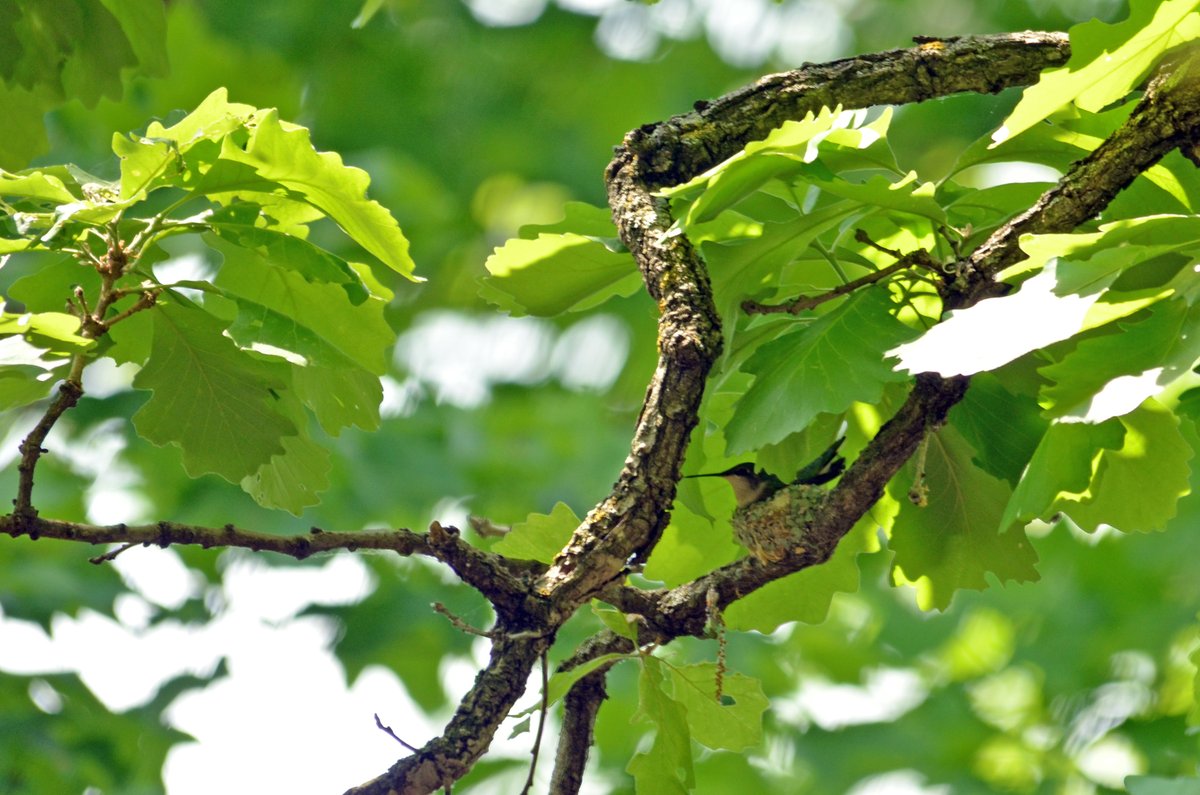
Female ruby-throated hummingbirds build cup-shaped nests out of plants, spider silk, and lichens. The nests are often camouflaged and placed on tree branches or in shrubs. These nests are stretchy, allowing them to expand as chicks grow. 🐥 📸Courtney Celley/USFWS

Female ruby-throated hummingbirds build cup-shaped nests out of plants, spider silk, and lichens. The nests are often camouflaged and placed on tree branches or in shrubs.  

These nests are stretchy, allowing them to expand as chicks grow. 🐥 

📸Courtney Celley/USFWS
Minnesota DNR (@mndnr) 's Twitter Profile Photo

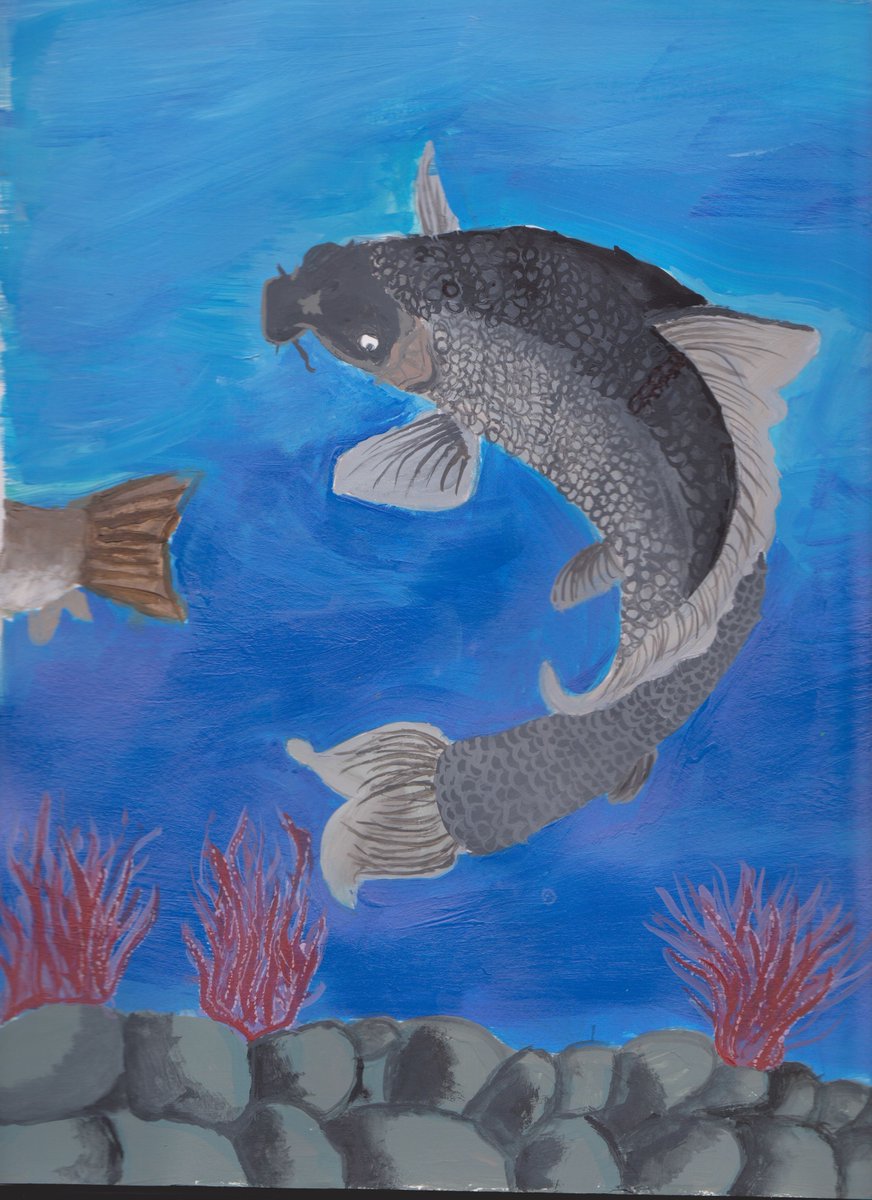
The 2025 Minnesota Fish Art Contest is accepting submissions from all Minnesota students. 🎨 Do you have what it takes to create a reel-y great piece of art? Submit original artwork of a fish species of your choice by Feb 28! tinyurl.com/FishArtContest 📷: Wildlife Forever

The 2025 Minnesota Fish Art Contest is accepting submissions from all Minnesota students. 🎨 Do you have what it takes to create a reel-y great piece of art? Submit original artwork of a fish species of your choice by Feb 28! tinyurl.com/FishArtContest 

📷: Wildlife Forever
U.S. Fish and Wildlife Service (@usfws) 's Twitter Profile Photo

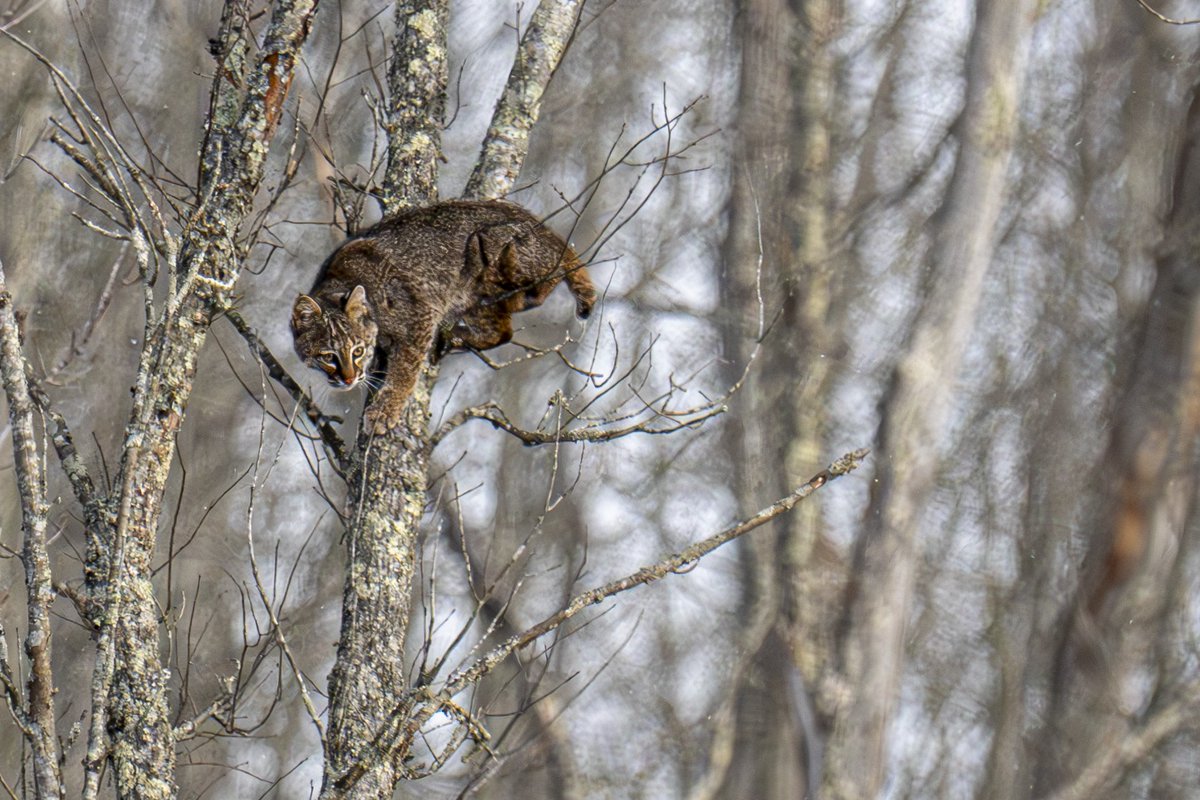
Want to see a bobcat? Don't forget to look up! Bobcats are great at climbing and will often use trees to wait for prey or even escape larger predators. While they typically hunt at dawn and dusk, they're more active during the day in the winter. 📷 courtesy of Nicholas Shaw

Want to see a bobcat? Don't forget to look up! Bobcats are great at climbing and will often use trees to wait for prey or even escape larger predators. While they typically hunt at dawn and dusk, they're more active during the day in the winter.

📷 courtesy of Nicholas Shaw
US Fish and Wildlife (@usfwssoutheast) 's Twitter Profile Photo

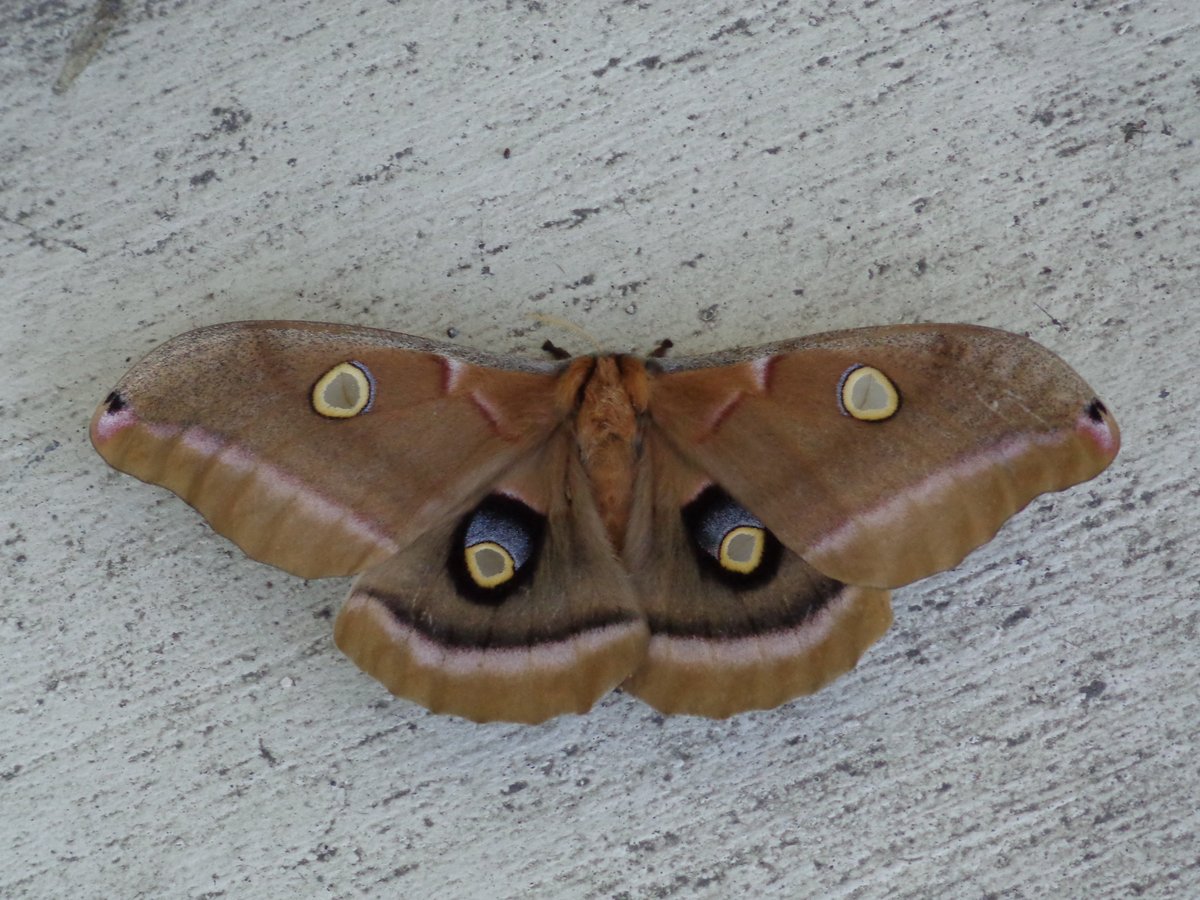
The polyphemus moth was named after the giant cyclops from Greek mythology👁️ The eye spots on its wings help ward off potential predators. The faux eyes look like the eyes of the predator’s own predators, which makes them unlikely to attack the moth. 📸Dan Magneson/USFWS

The polyphemus moth was named after the giant cyclops from Greek mythology👁️ 

The eye spots on its wings help ward off potential predators. The faux eyes look like the eyes of the predator’s own predators, which makes them unlikely to attack the moth.  

📸Dan Magneson/USFWS
U.S. Fish and Wildlife Service (@usfws) 's Twitter Profile Photo

Have you ever wondered how birds keep warm in the winter? Birds of all shapes and sizes have special adaptations for living in cold climates: fws.gov/story/how-do-b…

US Department of the Interior (@interior) 's Twitter Profile Photo

During the cold winter, bison develop thick, woolly coats that help protect them from freezing temperatures and harsh winds. This gives them the fortitude to use their large head and massive neck and shoulder muscles as snowplows to forage in deep snow! 🦬 Photo by NPS

During the cold winter, bison develop thick, woolly coats that help protect them from freezing temperatures and harsh winds. This gives them the fortitude to use their large head and massive neck and shoulder muscles as snowplows to forage in deep snow! 🦬

Photo by NPS
U.S. Fish and Wildlife Service (@usfws) 's Twitter Profile Photo

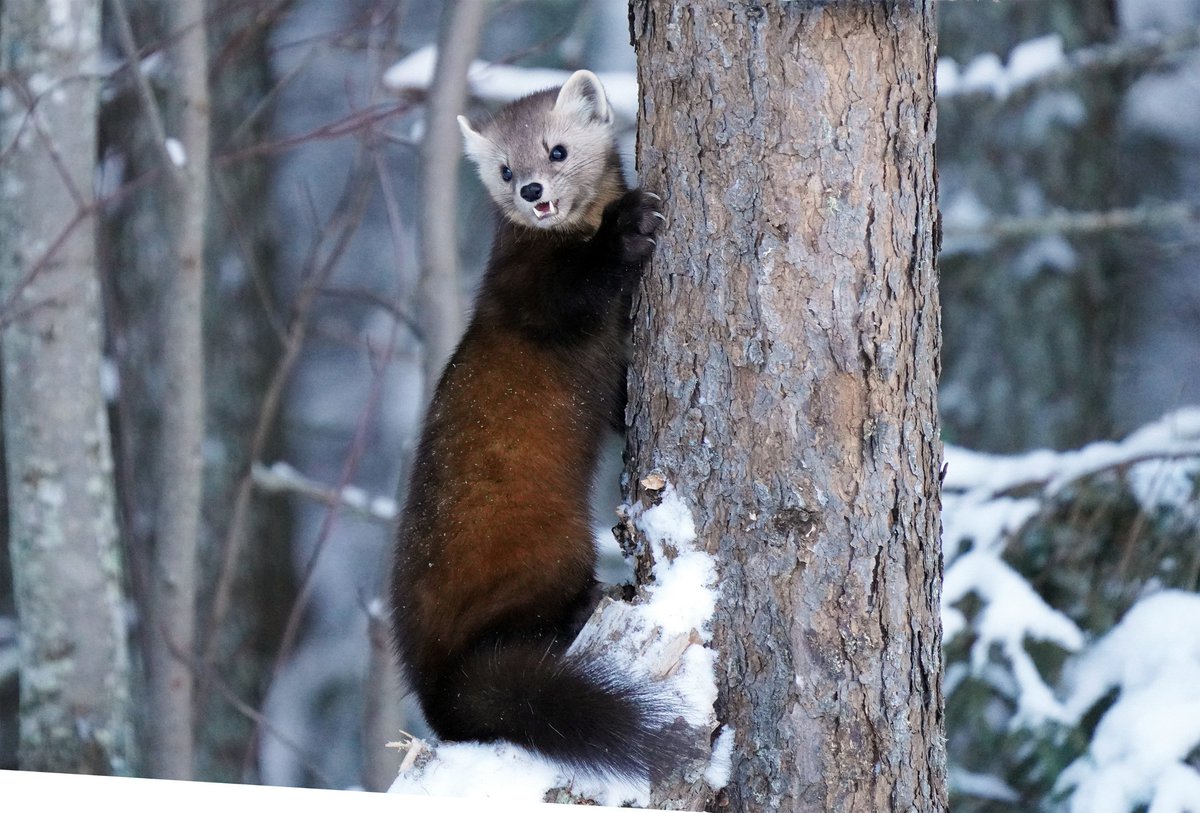
🎶 Just another marten Monday 🎶 Even though they're considerably larger than squirrels, American martens are still very agile and can even catch red squirrels in the trees! Their sharp, curved, semi-retractable claws help them climb and grip on the go. 📷 Courtney Celley/USFWS

🎶 Just another marten Monday 🎶

Even though they're considerably larger than squirrels, American martens are still very agile and can even catch red squirrels in the trees! Their sharp, curved, semi-retractable claws help them climb and grip on the go.

📷 Courtney Celley/USFWS
MCVmag (@mcvmag) 's Twitter Profile Photo

Insects, both aquatic and terrestrial,🐜🦗 are an active and thriving component of certain winter ecosystems in Minnesota and elsewhere. New research is turning up clues about their adaptations for life in chilly conditions. MCVmag tinyurl.com/ms43xbsa

Insects, both aquatic and terrestrial,🐜🦗 are an active and thriving component of certain winter ecosystems in Minnesota and elsewhere. New research is turning up clues about their adaptations for life in chilly conditions. <a href="/MCVmag/">MCVmag</a> tinyurl.com/ms43xbsa
MCVmag (@mcvmag) 's Twitter Profile Photo

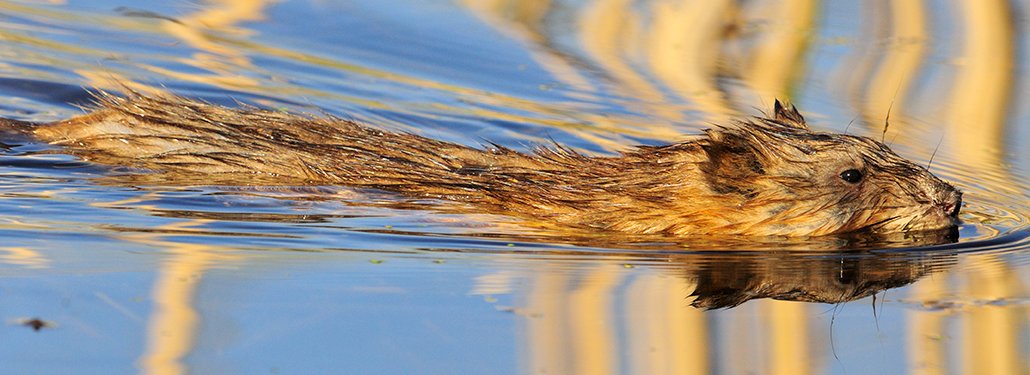
Have you seen Minnesota’s most abundant and prolific furbearer—the muskrat? Look for these mammals near water year-round but you may not see as many as you used to as North American muskrat populations are in decline.😭 MCVmag tinyurl.com/3bj2653e 📷: Photo by Bill Marchel

Have you seen Minnesota’s most abundant and prolific furbearer—the muskrat? Look for these mammals near water year-round but you may not see as many as you used to as North American muskrat populations are in decline.😭 <a href="/MCVmag/">MCVmag</a> tinyurl.com/3bj2653e 
📷:  Photo by Bill Marchel
U.S. Fish and Wildlife Service (@usfws) 's Twitter Profile Photo

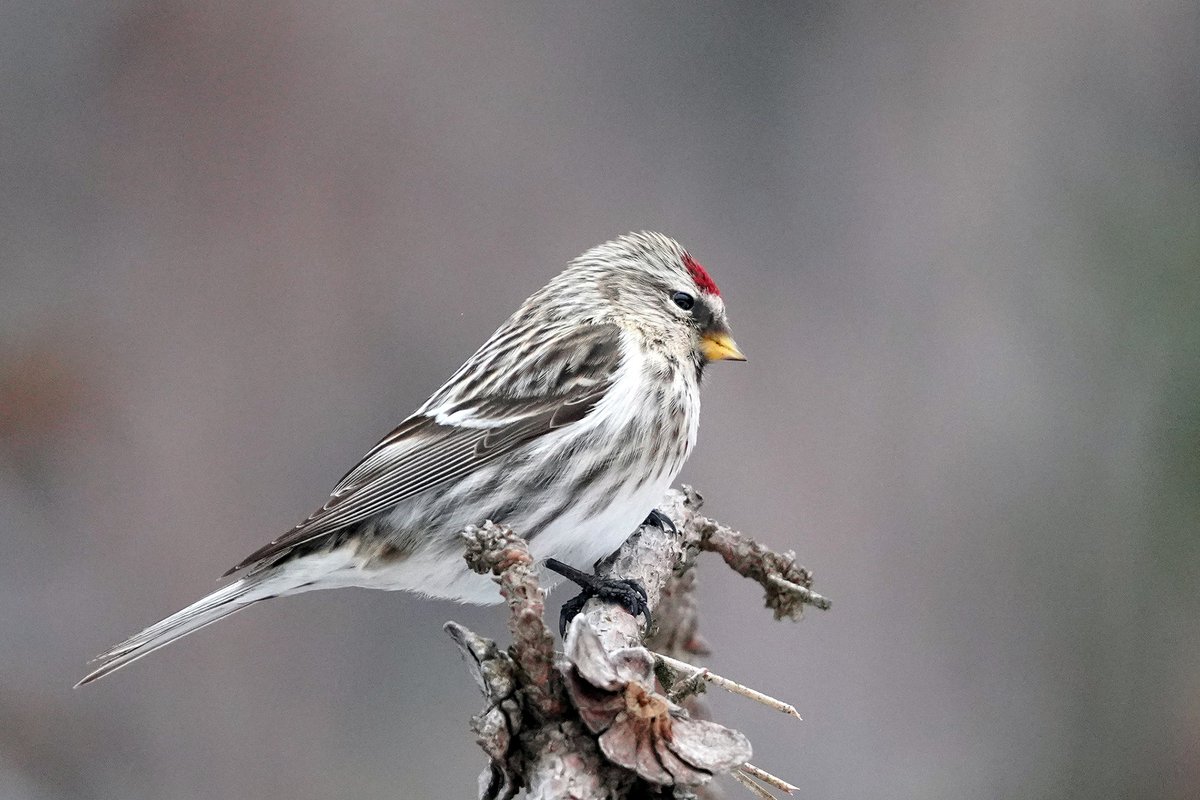
Winter is a great time to spot birds that normally spend their time far away. Redpolls spend summers in Alaska and northern Canada. In the winter, they may travel as far as northern Texas! Have you seen any? 📷 Courtney Celley/USFWS

Winter is a great time to spot birds that normally spend their time far away. Redpolls spend summers in Alaska and northern Canada. In the winter, they may travel as far as northern Texas! Have you seen any?

📷 Courtney Celley/USFWS
USFWS Pacific (@usfwspacific) 's Twitter Profile Photo

Backyard beauties! Northern flickers are attracted to suet feeders in winter, and besides being pretty, the woodpeckers are also a welcome guest because they love to eat insects like ants and beetles. Video: Dan Streiffert

Minnesota DNR (@mndnr) 's Twitter Profile Photo

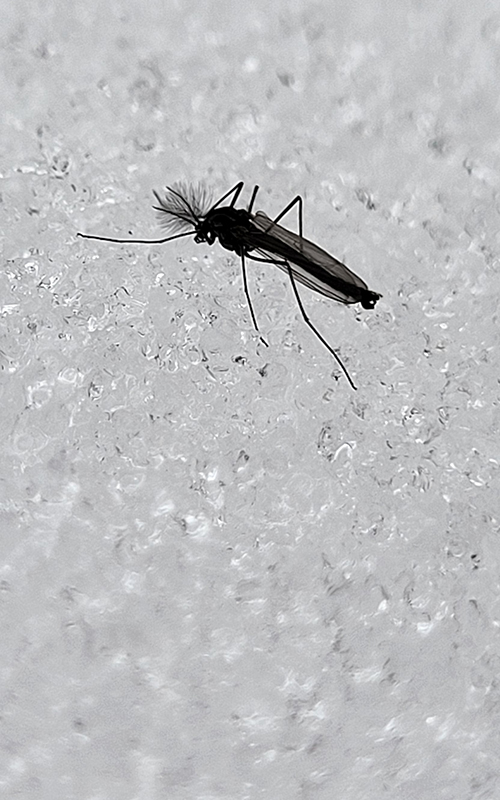
It might surprise you to learn that insects, both aquatic and terrestrial, are an active and thriving component of certain winter ecosystems in Minnesota. Check out "Snow Crawlers" in MCVmag tinyurl.com/ms43xbsa 📸: Krista Styler, Bugs Below Zero and Alyssa M. Anderson

It might surprise you to learn that insects, both aquatic and terrestrial, are an active and thriving component of certain winter ecosystems in Minnesota.  

Check out "Snow Crawlers" in <a href="/MCVmag/">MCVmag</a> tinyurl.com/ms43xbsa 

📸: Krista Styler, Bugs Below Zero and Alyssa M. Anderson