Lars S. Turulja (@lsturulja) 's Twitter Profile
Lars S. Turulja

@lsturulja

Sci. & Tech Historian
- Hospitality Industry Pro
- Trilingual
- Bloodline Turul🦅
- Peace☮️ - Progress⚛️ - Love❤️ - Hope🌞
- Till Valhalla

ID: 803038255289683968

calendar_today28-11-2016 00:50:14

4,4K Tweet

462 Followers

318 Following
Lars S. Turulja (@lsturulja) 's Twitter Profile Photo

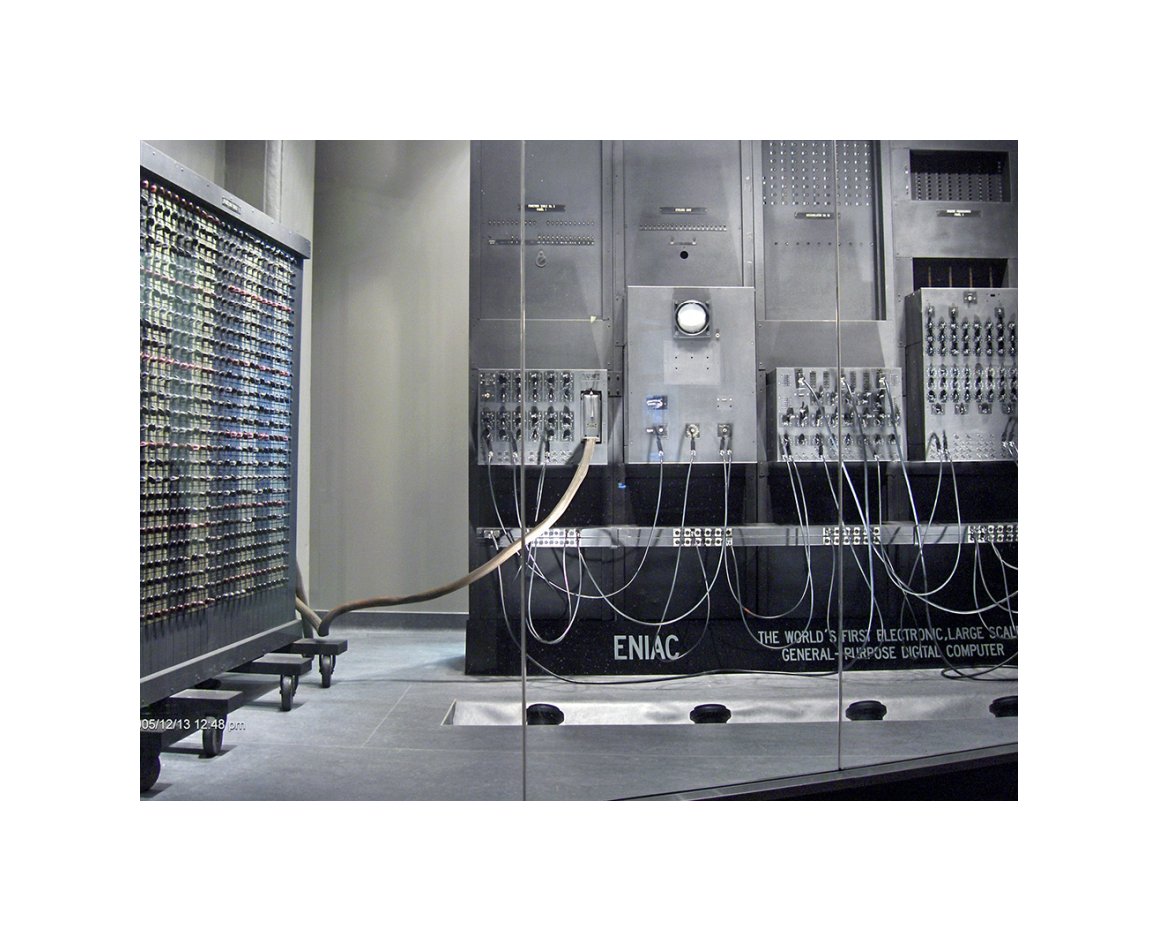
ENIAC 6 was a group of six women who were original programmers of ENIAC - the first digital electronic computer from 1945. Their names were Jean Bartik, Kathleen Antonelli, Betty Holberton, Ruth Teitelbaum, Marlyn Meltzer and Frances Spence. #ENIAC #ENIAC6

ENIAC 6 was a group of six women who were original programmers of ENIAC - the first digital electronic computer from 1945. Their names were Jean Bartik, Kathleen Antonelli, Betty Holberton, Ruth Teitelbaum, Marlyn Meltzer and Frances Spence. #ENIAC #ENIAC6
Lars S. Turulja (@lsturulja) 's Twitter Profile Photo

Jean Hoerni (1924-1997) was a Swiss-American engineer and inventor of "the planar process" in 1959 while working for Fairchild Semiconductor - the most important basic manufacturing process for building transistors in computer chips. #JeanHoerni #FairchildSemiconductor

Jean Hoerni (1924-1997) was a Swiss-American engineer and inventor of "the planar process" in 1959 while working for Fairchild Semiconductor - the most important basic manufacturing process for building transistors in computer chips. #JeanHoerni #FairchildSemiconductor
Lars S. Turulja (@lsturulja) 's Twitter Profile Photo

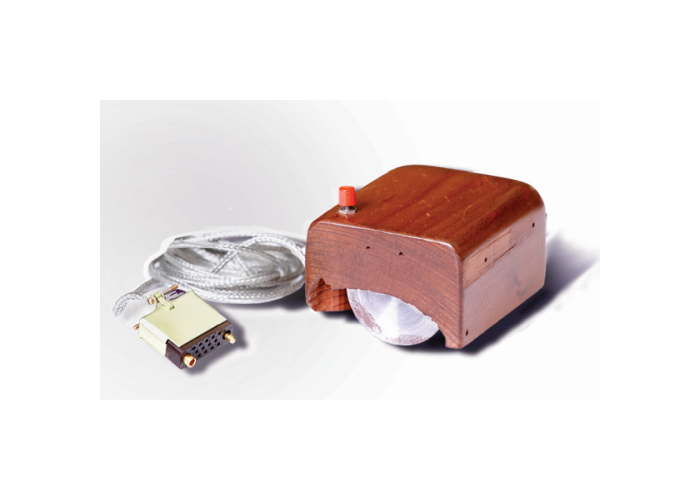
Douglas Engelbart (1925-2013) and Bill English (1929-2020) invented the computer mouse in 1964. Engelbart also developed the early basic Windows-like graphical user interface, hypertext, and computer networks while working at SRI. #Mouse #DouglasEngelbart #BillEnglish #SRI

Douglas Engelbart (1925-2013) and Bill English (1929-2020) invented the computer mouse in 1964. Engelbart also developed the early basic Windows-like graphical user interface, hypertext, and computer networks while working at SRI.  #Mouse #DouglasEngelbart #BillEnglish #SRI
Lars S. Turulja (@lsturulja) 's Twitter Profile Photo

Seymour Cray (1925-1996) was an American supercomputer pioneer and designer credited with establishing the supercomputer industry and designing the Cray 1, 2 & 3 supercomputers. His companies made the fastest computers in the world between 1976 and 1990. #Cray #SeymourCray

Seymour Cray (1925-1996) was an American supercomputer pioneer and designer credited with establishing the supercomputer industry and designing the Cray 1, 2 & 3 supercomputers. His companies made the fastest computers in the world between 1976 and 1990. #Cray #SeymourCray
Lars S. Turulja (@lsturulja) 's Twitter Profile Photo

John Cocke (1925-2002) was a computer scientist who formulated principles of RISC computer architecture and built the first RISC computer IBM 801. Reduced Instruction Set Computers are based on fewer instructions, thus enabling faster execution speeds. #JohnCocke #RISC #IBM

John Cocke (1925-2002) was a computer scientist who formulated principles of RISC computer architecture and built the first RISC computer IBM 801. Reduced Instruction Set Computers are based on fewer instructions, thus enabling faster execution speeds. #JohnCocke #RISC #IBM
Lars S. Turulja (@lsturulja) 's Twitter Profile Photo

John Kemeny (1926-1992) and Thomas Kurtz (1928-2024) co-developed the programming language BASIC in 1964 at Dartmouth College. BASIC was the home computer era's main programming language and operating system (1974-1994). #BASIC #DartmouthCollege

John Kemeny (1926-1992) and Thomas Kurtz (1928-2024) co-developed the programming language BASIC in 1964 at Dartmouth College. BASIC was the home computer era's main programming language and operating system (1974-1994). #BASIC #DartmouthCollege
Lars S. Turulja (@lsturulja) 's Twitter Profile Photo

Ken Olsen (1926-2011) and Harlan Anderson (1929-2019) were co-founders of DEC (Digital Equipment Corporation) in 1957. DEC was renowned for establishing the minicomputer market and the PDP and VAX series computers. Both were important steps toward modern-era computers. #DEC

Ken Olsen (1926-2011) and Harlan Anderson (1929-2019) were co-founders of DEC (Digital Equipment Corporation) in 1957. DEC was renowned for establishing the minicomputer market and the PDP and VAX series computers. Both were important steps toward modern-era computers. #DEC
Lars S. Turulja (@lsturulja) 's Twitter Profile Photo

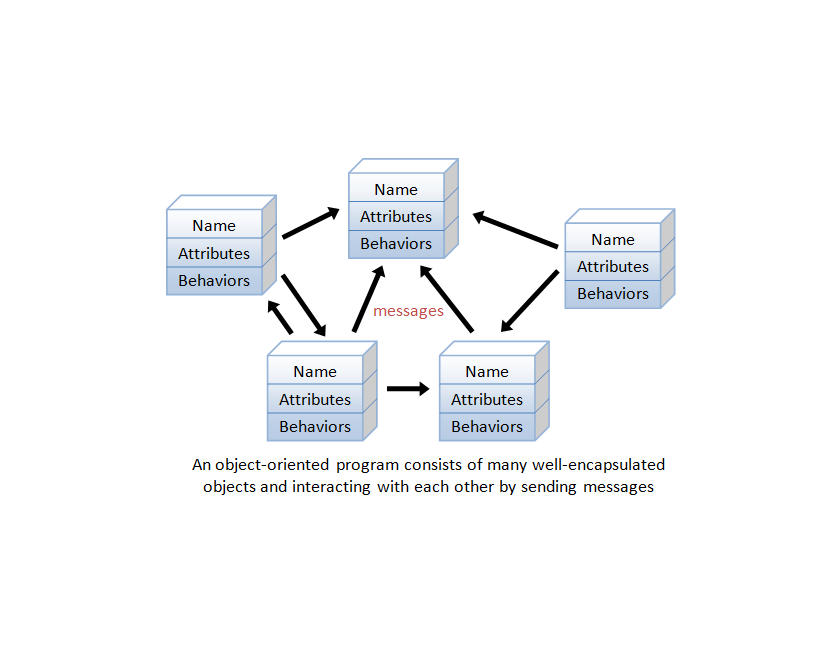
Kristen Nygaard (1926-2002) & Ole-Johan Dahl (1931-2002) were co-inventors of object-oriented programming during the 60-ties with Simula, with Alan Kay (b. 1940) significantly rethinking, improving, and developing the concept during the 70-ties with Smalltalk.

Kristen Nygaard (1926-2002) & Ole-Johan Dahl (1931-2002) were co-inventors of object-oriented programming during the 60-ties with Simula, with Alan Kay (b. 1940) significantly rethinking, improving, and developing the concept during the 70-ties with Smalltalk.
Lars S. Turulja (@lsturulja) 's Twitter Profile Photo

Ben Gurley (1926-1963) was an American engineer and computer pioneer famous for the CRT display and light pen for the MIT TX-O transistor-based computer and as the chief designer of the DEC PDP-1 mini-computer in 1959.

Ben Gurley (1926-1963) was an American engineer and computer pioneer famous for the CRT display and light pen for the MIT TX-O transistor-based computer and as the chief designer of the DEC PDP-1 mini-computer in 1959.
Lars S. Turulja (@lsturulja) 's Twitter Profile Photo

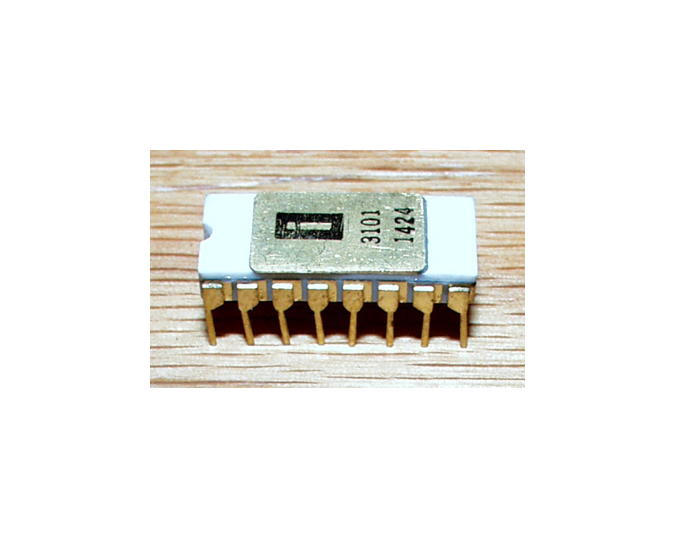
Robert Noyce (1927-1990) was an American scientist who invented the first monolithic silicon-based integrated circuit (IC), better known as a microchip in 1959 and an entrepreneur who co-founded Intel in 1968. A true legend of Silicon Valley. #Intel #IC #RobertNoyce

Robert Noyce (1927-1990) was an American scientist who invented the first monolithic silicon-based integrated circuit (IC), better known as a microchip in 1959 and an entrepreneur who co-founded Intel in 1968. A true legend of Silicon Valley. #Intel #IC #RobertNoyce
Lars S. Turulja (@lsturulja) 's Twitter Profile Photo

John McCarthy (1927-2011) was an American computer scientist who coined the term "artificial intelligence" - AI, co-founded the field of artificial intelligence, and developed the programming language LISP (ListProcessing). Turing Award winner in 1971. #Stanford

John McCarthy (1927-2011) was an American computer scientist who coined the term "artificial intelligence" - AI, co-founded the field of artificial intelligence, and developed the programming language LISP (ListProcessing). Turing Award winner in 1971. #Stanford
Lars S. Turulja (@lsturulja) 's Twitter Profile Photo

Marvin Minsky (1927-2016) was an American computer scientist who made significant contributions to artificial intelligence (AI) and founded the MIT AI Lab in 1959. He invented an early confocal laser microscope and an early digital samples sequencer. Turing Award winner in 1969.

Marvin Minsky (1927-2016) was an American computer scientist who made significant contributions to artificial intelligence (AI) and founded the MIT AI Lab in 1959. He invented an early confocal laser microscope and an early digital samples sequencer. Turing Award winner in 1969.
Lars S. Turulja (@lsturulja) 's Twitter Profile Photo

Jack Tramiel (1928-2012) was a Polish-American entrepreneur who founded Commodore International in 1976 and the second iteration of Atari, Atari Corporation in 1984. Both companies created era-defining 8-bit and 16-bit home computers like VIC-20, C-64, and Atari ST.

Jack Tramiel (1928-2012) was a Polish-American entrepreneur who founded Commodore International in 1976 and the second iteration of Atari, Atari Corporation in 1984. Both companies created era-defining 8-bit and 16-bit home computers like VIC-20, C-64, and Atari ST.
Lars S. Turulja (@lsturulja) 's Twitter Profile Photo

Gordon Moore (1929-2023) was an American engineer who co-founded Intel in 1968 and proposed a self-fulfilling projection called Moore's Law. It states that the number of transistors on IC chips doubles every two years. #GordonMoore #Intel

Gordon Moore (1929-2023) was an American engineer who co-founded Intel in 1968 and proposed a self-fulfilling projection called Moore's Law. It states that the number of transistors on IC chips doubles every two years. #GordonMoore #Intel
Lars S. Turulja (@lsturulja) 's Twitter Profile Photo

Edsger W. Dijkstra (1930-2002) was a Dutch-American computer scientist well known for his contributions to the theory of programming, support for structured programming, and invention of seminal algorithms. He was a Turing Award winner in 1972.

Edsger W. Dijkstra (1930-2002) was a Dutch-American computer scientist well known for his contributions to the theory of programming, support for structured programming, and invention of seminal algorithms. He was a Turing Award winner in 1972.
Lars S. Turulja (@lsturulja) 's Twitter Profile Photo

Alan Shugart (1930-2006), Tom Mitchell (b.1942), Doug Mahon, Finis Conner (b. 1943), and Syed Iftikar were co-founders of Seagate Technology in 1979. The company was a pioneer, long-time industry standard manufacturer, and inventor of hard disks for IBM PCs.

Alan Shugart (1930-2006), Tom Mitchell (b.1942), Doug Mahon, Finis Conner (b. 1943), and Syed Iftikar were co-founders of Seagate Technology in 1979. The company was a pioneer, long-time industry standard manufacturer, and inventor of hard disks for IBM PCs.
Lars S. Turulja (@lsturulja) 's Twitter Profile Photo

Fred Brooks (1931-2022) was a computer scientist who led the team behind the IBM System 360 series of mainframe computers, and operating system OS/360. He also established an 8-bit byte system. Turing Award winner in 1999.

Fred Brooks (1931-2022) was a computer scientist who led the team behind the IBM System 360 series of mainframe computers, and operating system OS/360. He also established an 8-bit byte system. Turing Award winner in 1999.
Lars S. Turulja (@lsturulja) 's Twitter Profile Photo

R.I.P. Pope Francis. His death is a great loss for all humanity. He will be sorely missed. His memorable quote still resonates: “A person who thinks only about building walls, wherever they may be, and not building bridges, is not Christian.”

R.I.P. Pope Francis.  
His death is a great loss for all humanity.   
He will be sorely missed. 
His memorable quote still resonates:  “A person who thinks only about building walls, wherever they may be, and not building bridges, is not Christian.”