
MJK_Jones
@jones_mjk
Investigating kinase-dependent regulation of DNA replication and repair @FrazerInstUQ and @UQ_SCMB
ID: 3304816953
https://bit.ly/2PKatTH 31-05-2015 17:52:30
644 Tweet
1,1K Followers
2,2K Following

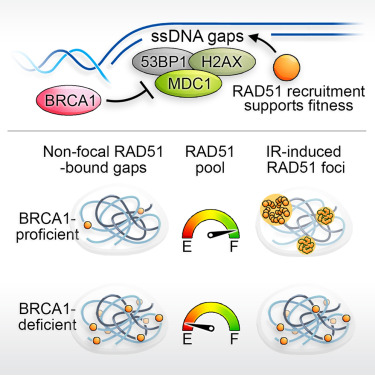
Excited to share this work by Dewar Lab PhD student Tata Kavlashvili in NatureStructMolBiol! Incredibly grateful to our collaborators David Cortez lab. Can't wait to see where this new direction takes us! #gelsnotcells #gelsandcells

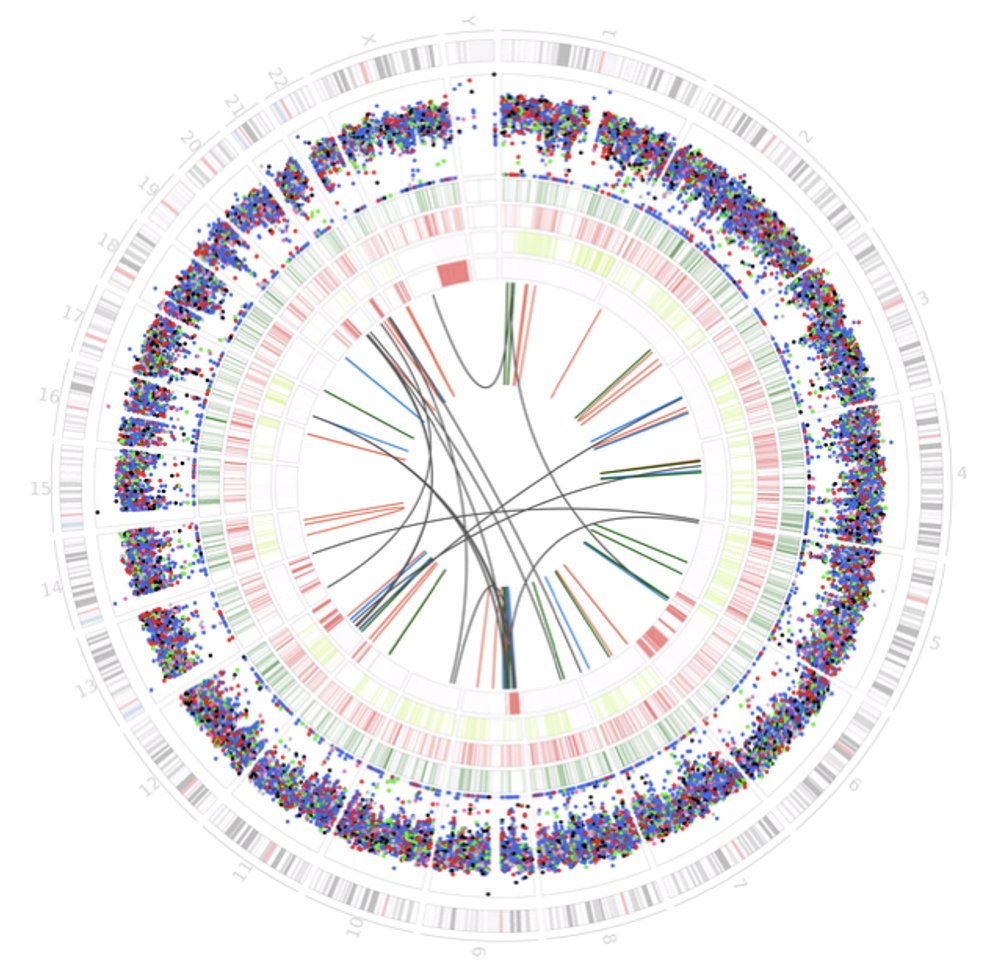
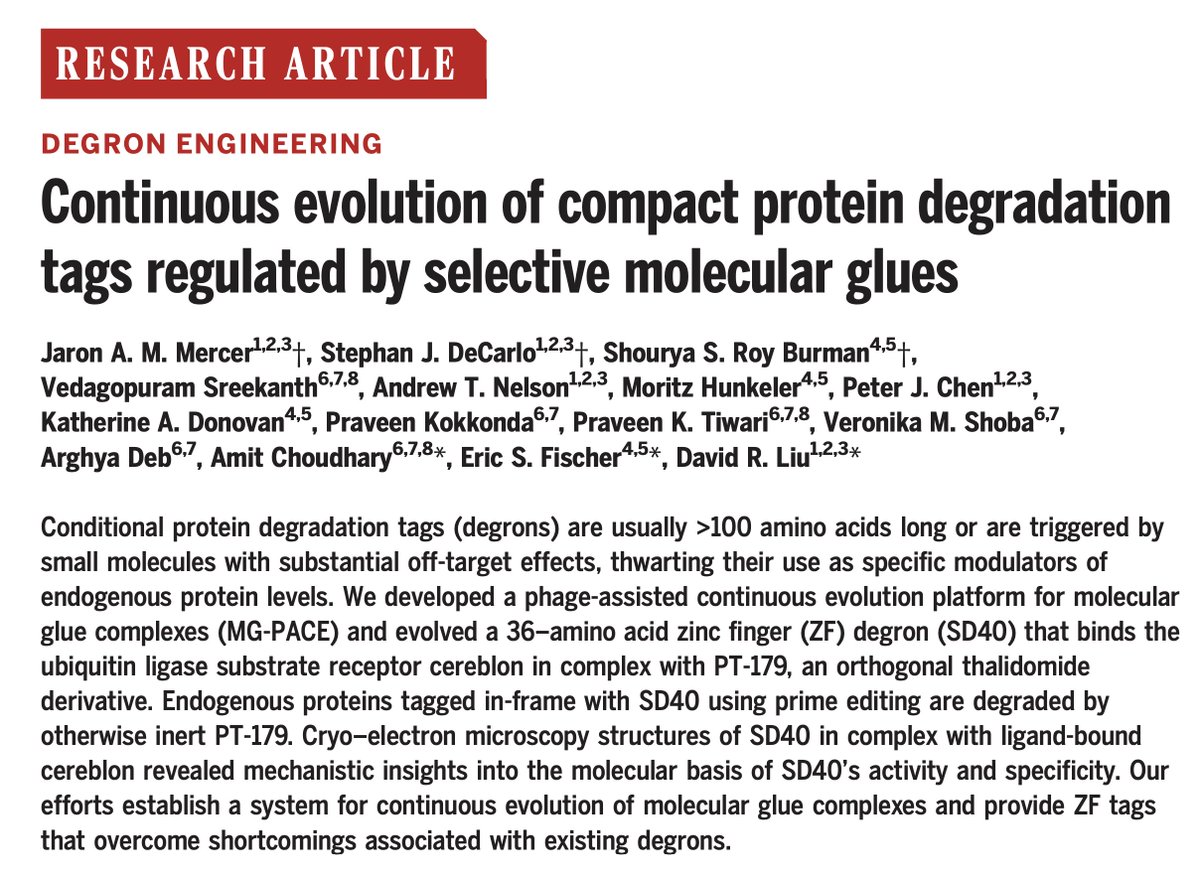
We are delighted to share our work, now available in nature: nature.com/articles/s4158… Our scoring system can be accessed here: kinase-library.phosphosite.org Coming soon --> the tyrosine kinome and an improved system with many new functionalities & features! #TheKinaseLibrary #KL
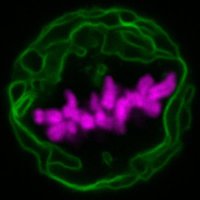



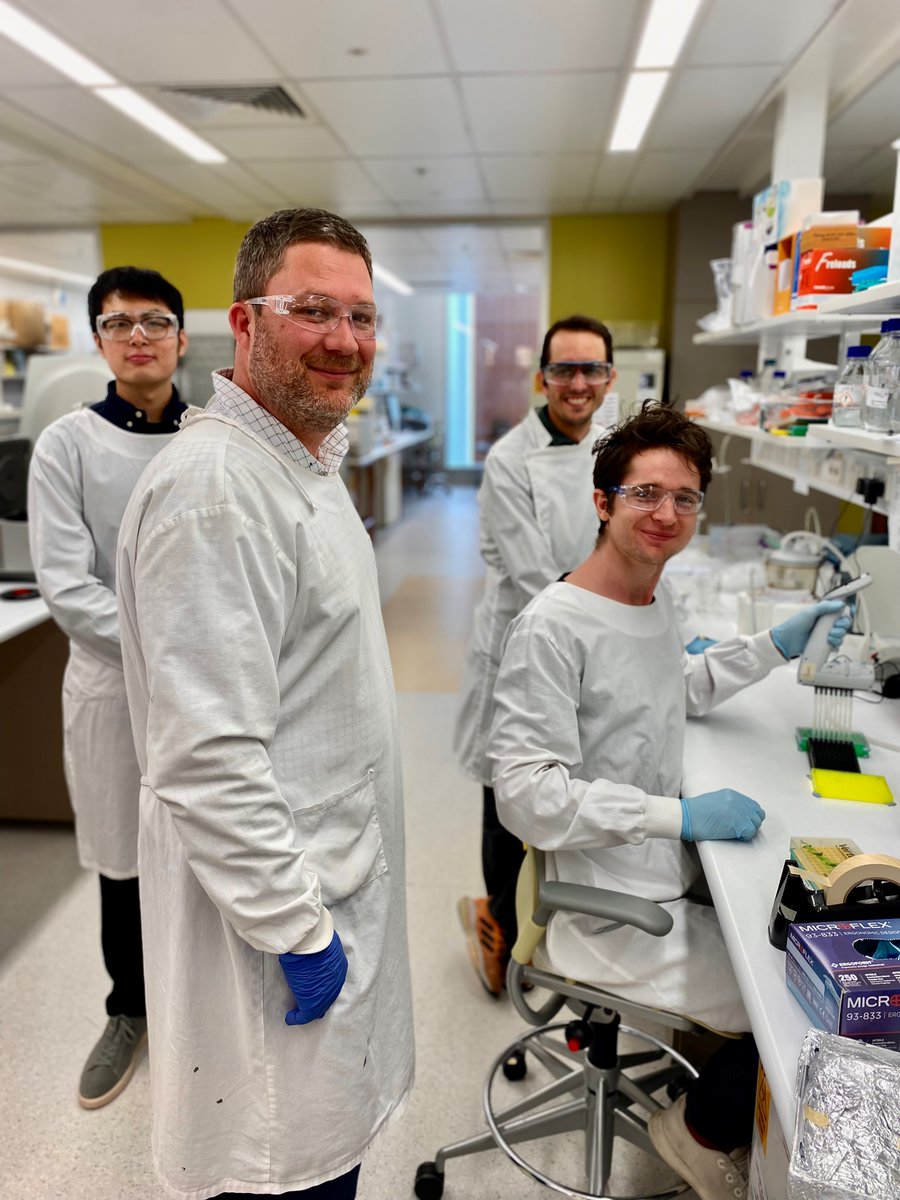
UQ Frazer Institute’s Dr MJK_Jones & his team are studying #kinases controlling DNA replication. They hope to develop new therapeutics targeting #cancer cells. They're also helping pharma better understand new kinase-targeting cancer drugs. Alexis Bonfim-Melo, PhD UQ News UQ Medicine
Interesting paper in Molecular Cell reveals how the clamped FANCD2:FANCI complex is removed from chromatin by FBXL12-mediated degrations. FBXL12 is a target for cancer therapy in high-cyclin E therapies. cell.com/molecular-cell…

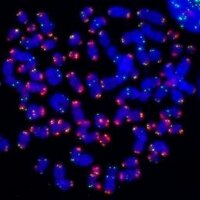
ERC-funded positions now open❗️❕❗️ Join the Giunta Lab to understand human DNA evolution through the study of satellite repeats 🧬🧫🔬 APPLY here: euraxess.ec.europa.eu/jobs/239604 Pls RT 🔄🗨️🙏

I am seeking an enthusiastic postdoc to join my lab in Sydney to work on Nuclear Dynamics, DNA repair and genome stability. We offer innovative science, a competitive salary, and a supportive team. If you are interested, please get in touch with me: [email protected]
Really enjoyed working with Dr Kate Giles, Phillippa Taberlay and The Cesare Lab on this review. Roles for the 3D genome in the cell cycle, DNA replication, and double strand break repair #3DGenome doi.org/10.3389/fcell.…




Please see our review article in NSMB, “Mechanisms and genomic implications of BIR”. Adel Atari and Haoyang Jiang focus on mammalian BIR, its relationships to human disease, and genome engineering. Thanks to reviewers for helpful comments. nature.com/articles/s4159…