Jesper Sonne (@jespersonne1) 's Twitter Profile
Jesper Sonne

@jespersonne1

postdoc @CMEC | Tropical ecology, birds and biogeography

ID: 1321745953607589891

calendar_today29-10-2020 09:29:42

14 Tweet

40 Followers

52 Following
CMEC (@macroecology) 's Twitter Profile Photo

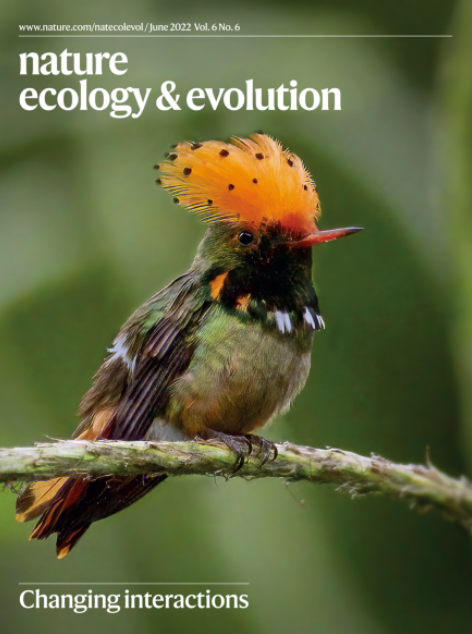
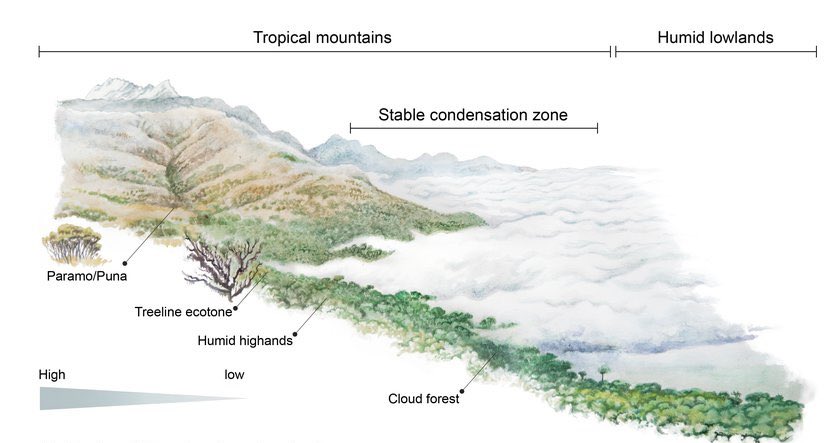
Paper on #ClimateChange impacts on plant-hummingbird interactions by Jesper Sonne et al. featured on the frontcover of NatureEcoEvo this month👏 The stunning photo is by Jesper Sonne as well🐦Read more: nature.com/natecolevol/vo… #biogeography #ecology
Paper on #ClimateChange impacts on plant-hummingbird interactions by <a href="/JesperSonne1/">Jesper Sonne</a> et al. featured on the frontcover of <a href="/NatureEcoEvo/">NatureEcoEvo</a> this month👏 The stunning photo is by Jesper Sonne as well🐦Read more: nature.com/natecolevol/vo… #biogeography #ecology

Jesper Sonne (@jespersonne1) 's Twitter Profile Photo

Checkout our most recent paper: Biodiversity cradles and museums segregating within hotspots of endemism | Proceedings of the Royal Society B: Biological Sciences royalsocietypublishing.org/doi/abs/10.109…

Checkout our most recent paper: Biodiversity cradles and museums segregating within hotspots of endemism | Proceedings of the Royal Society B: Biological Sciences royalsocietypublishing.org/doi/abs/10.109…
Carsten Rahbek (@carsten_rahbek) 's Twitter Profile Photo

Our new paper out on # Andean #Biodiversity #hotspots Contrary to classic expectations, we show that young and old #endemicspecies segregate between valleys and elevational zones. First-authored by Jesper Sonne CMEC Science at VILLUM Michael Borregaard royalsocietypublishing.org/doi/abs/10.109…
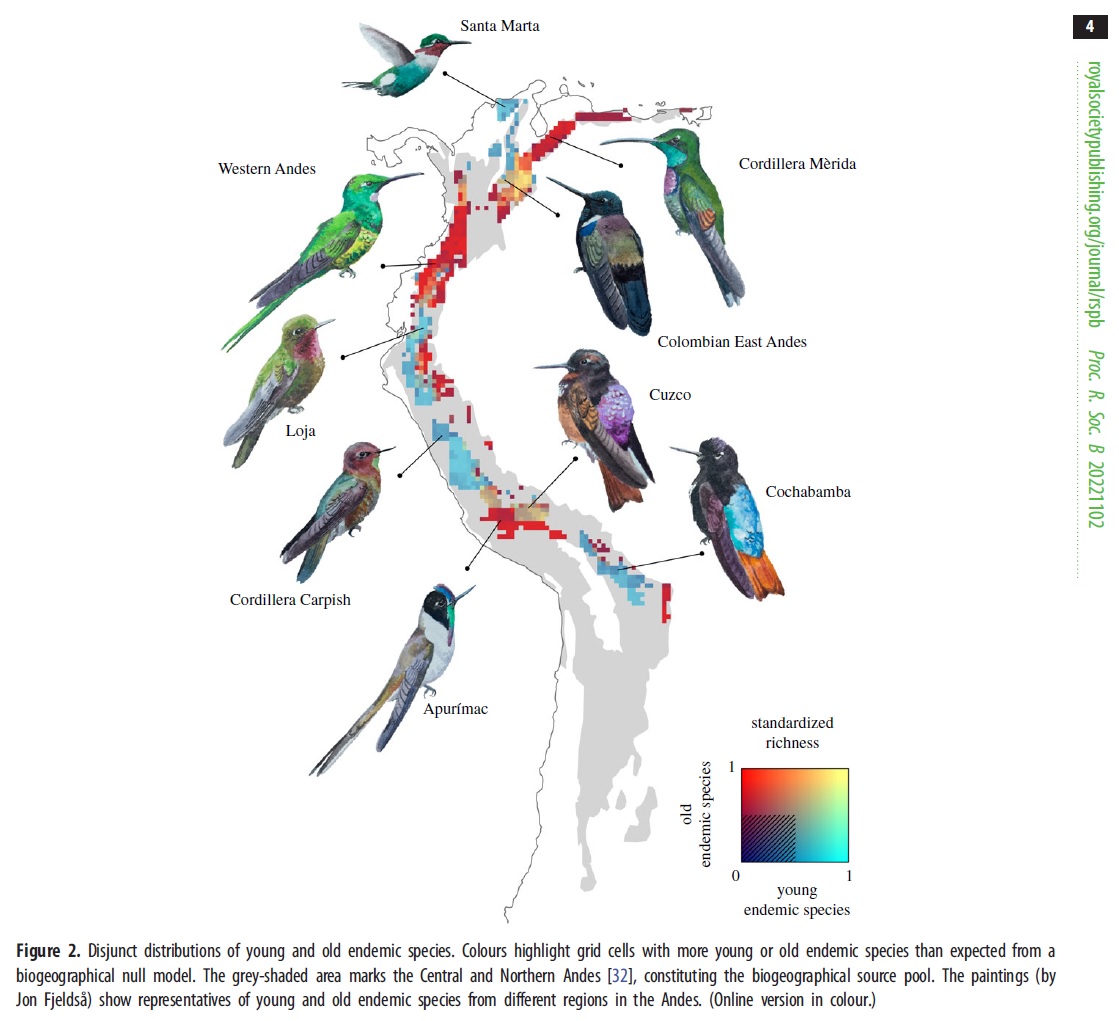
Our new paper out on # Andean #Biodiversity #hotspots 
Contrary to classic expectations, we show that young and old #endemicspecies segregate between valleys and elevational zones.
First-authored by <a href="/JesperSonne1/">Jesper Sonne</a>
<a href="/Macroecology/">CMEC</a> <a href="/VILLUMscience/">Science at VILLUM</a> <a href="/mkborregaard/">Michael Borregaard</a> 
royalsocietypublishing.org/doi/abs/10.109…
CMEC (@macroecology) 's Twitter Profile Photo

Today we replaced the offices with a retreat to the fascinating surroundings at #Faxe Limestone Quarry in the search for fossilized crabs, molluscs and the highly sought-after shark teeth 🦈🐚🔍 Thanks to experts Sten Lennart and Christian Mac Ørum for excellent guidance!
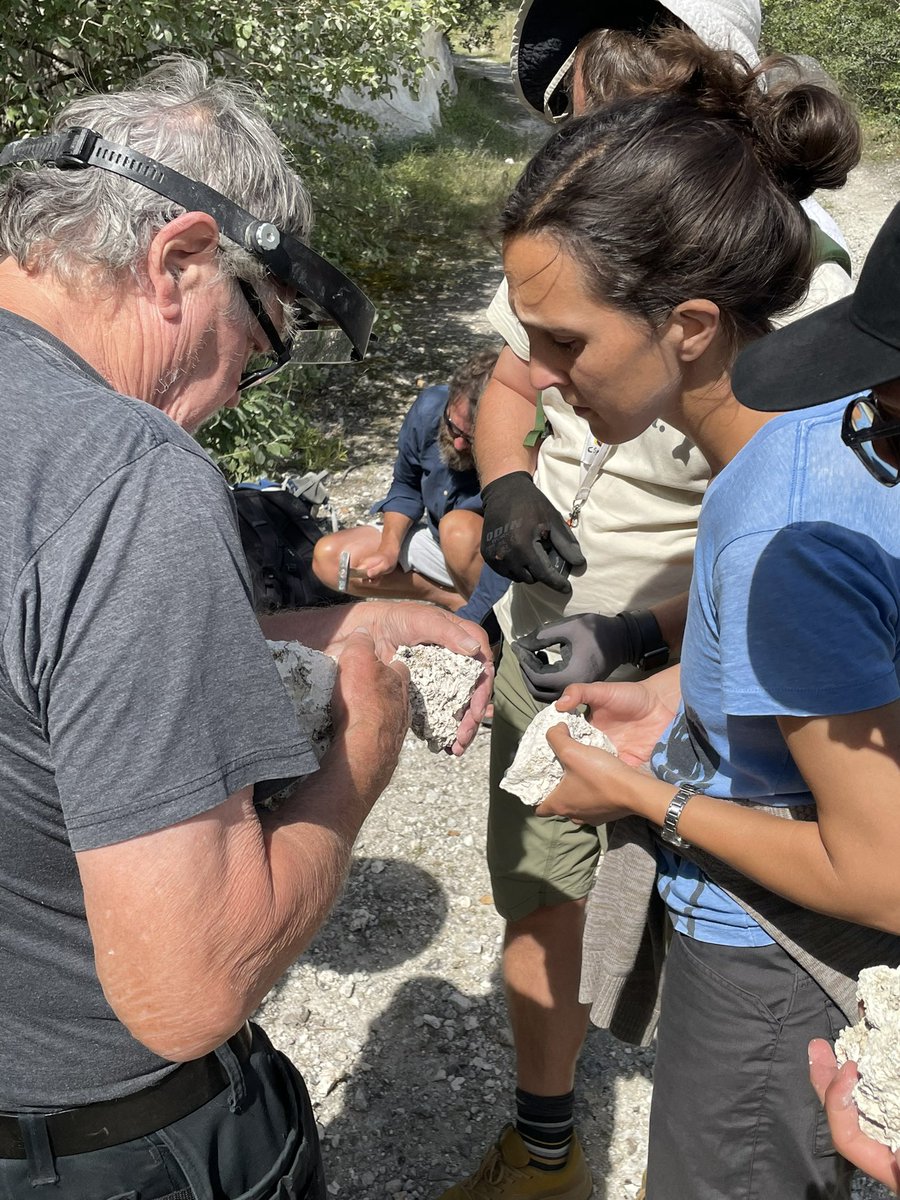

Today we replaced the offices with a retreat to the fascinating surroundings at #Faxe Limestone Quarry in the search for fossilized crabs, molluscs and the highly sought-after shark teeth 🦈🐚🔍 Thanks to experts Sten Lennart and <a href="/AmpyxGlaber/">Christian Mac Ørum</a> for excellent guidance!
Royal Society Publishing (@rsocpublishing) 's Twitter Profile Photo

Younger endemic species of Andean #hummingbirds are spatially scattered compared to older species, indicating the role of fluctuating climates and habitats in biodiversity hotspots #ProcB ow.ly/uikL50Kq49m Jesper Sonne Michael Borregaard Carsten Rahbek Globe Institute
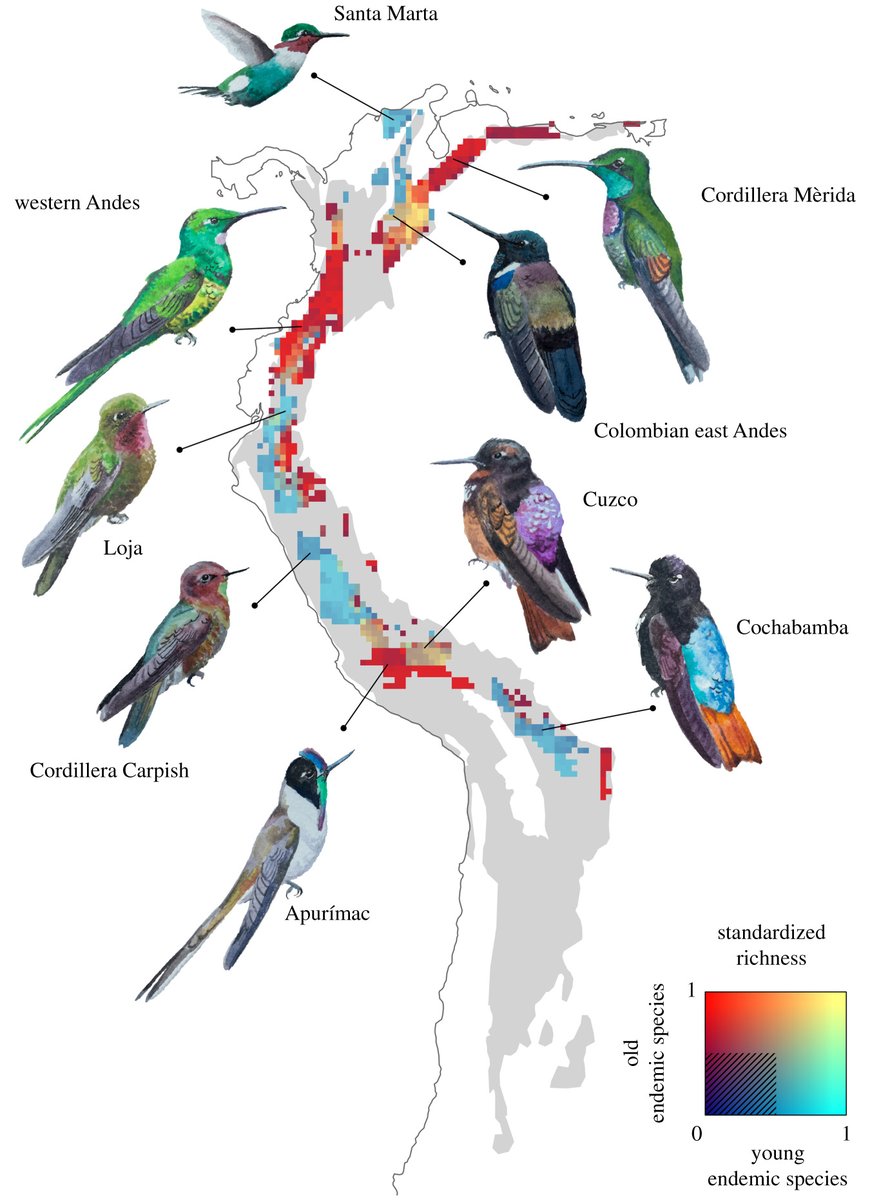
Younger endemic species of Andean #hummingbirds are spatially scattered compared to older species, indicating the role of fluctuating climates and habitats in biodiversity hotspots #ProcB ow.ly/uikL50Kq49m <a href="/JesperSonne1/">Jesper Sonne</a> <a href="/mkborregaard/">Michael Borregaard</a> <a href="/Carsten_Rahbek/">Carsten Rahbek</a> <a href="/Globe_UCPH/">Globe Institute</a>
CMEC (@macroecology) 's Twitter Profile Photo

NEW EXPEDITION to #Ecuador from the Villum Center for Global Mountain Biodiversity aims at enhancing our understanding of the processes building #biodiversity hotspots in tropical mountains via satellite data & genetic bird data 🏔🐦 Find out more 👇 macroecology.ku.dk/news_and_media…

NEW EXPEDITION to #Ecuador from the Villum Center for Global Mountain Biodiversity aims at enhancing our understanding of the processes building #biodiversity hotspots in tropical mountains via satellite data &amp; genetic bird data 🏔🐦 Find out more 👇
macroecology.ku.dk/news_and_media…
Jesper Sonne (@jespersonne1) 's Twitter Profile Photo

About to return from a month long expedition to Ecuador studying birds in the high Andean Polylepis forests. Those are magical places although very tough to work in. Many of the birds survive with super small population sizes. CMEC Carsten Rahbek Science at VILLUM
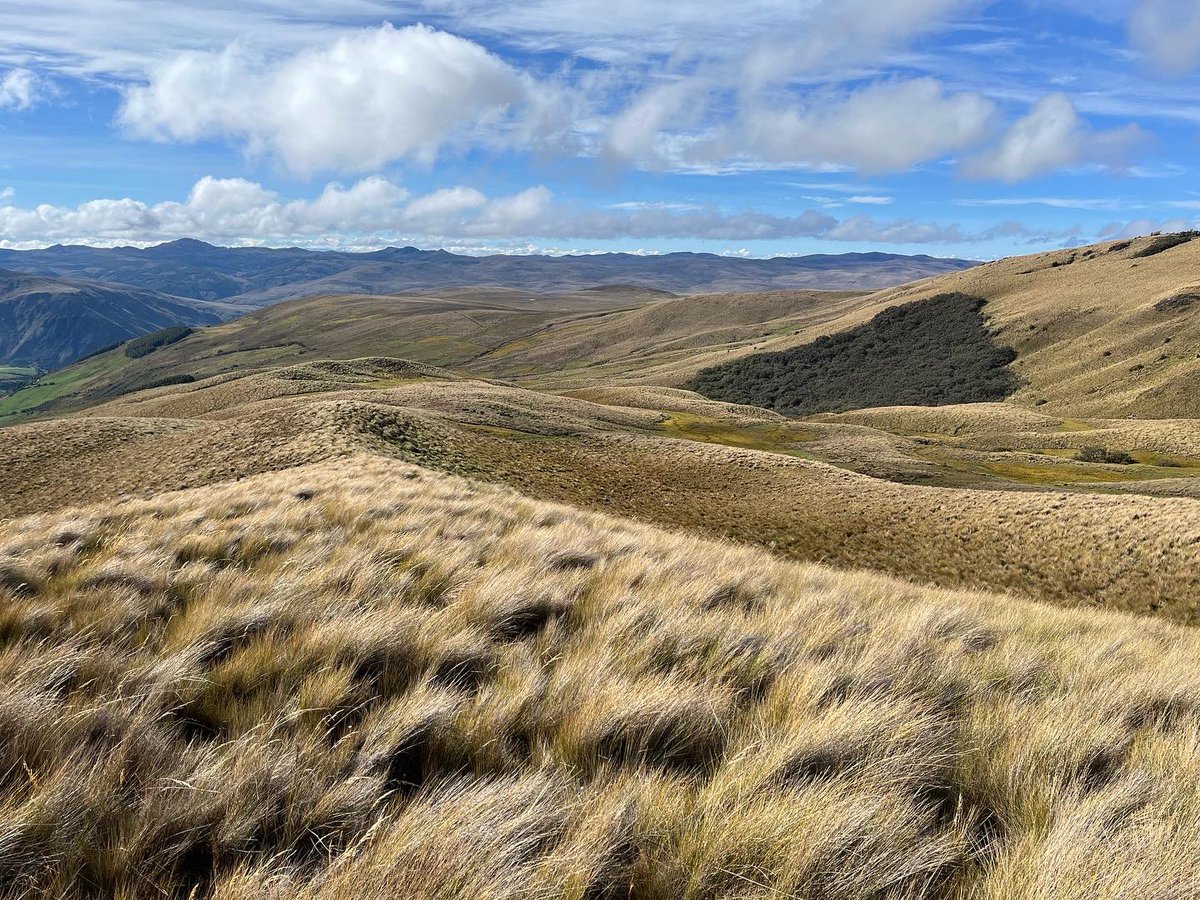
About to return from a month long expedition to Ecuador studying birds in the high Andean Polylepis forests. Those are magical places although very tough to work in. Many of the birds survive with super small population sizes. <a href="/Macroecology/">CMEC</a> <a href="/Carsten_Rahbek/">Carsten Rahbek</a> <a href="/VILLUMscience/">Science at VILLUM</a>
Jesper Sonne (@jespersonne1) 's Twitter Profile Photo

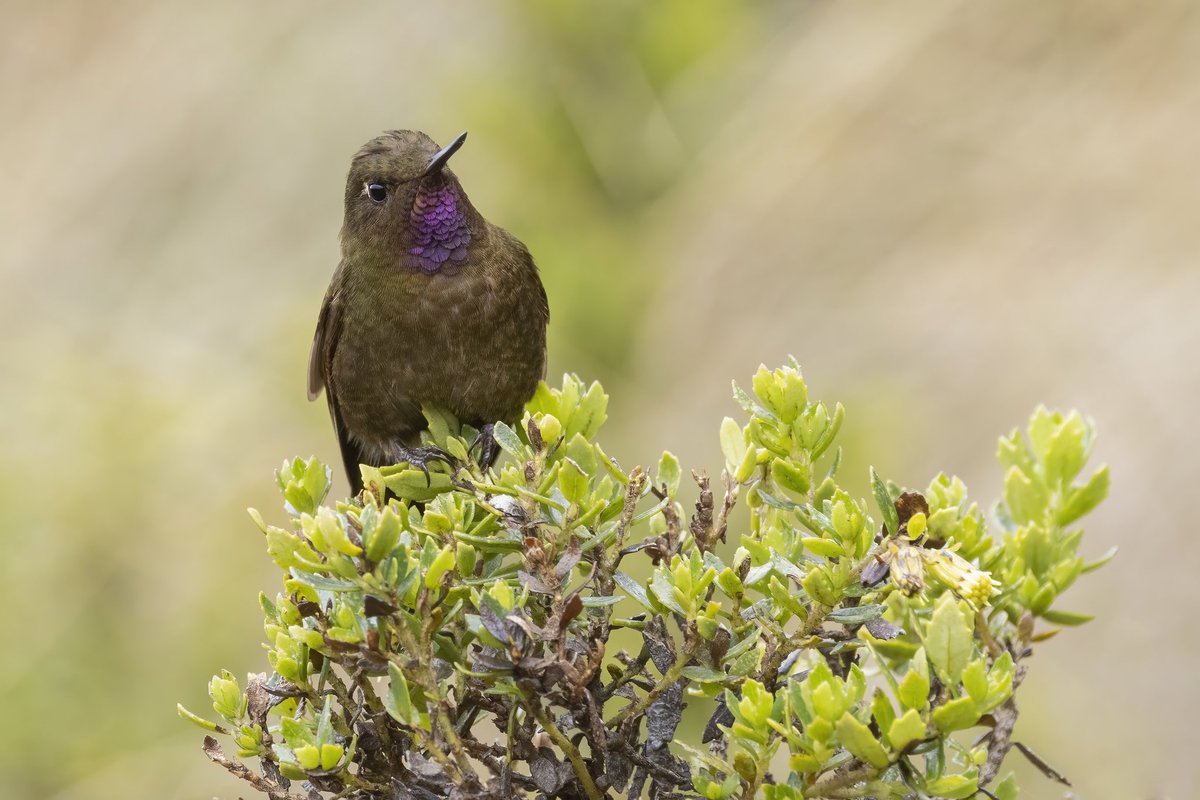
One of the expedition’s target species: Violet-throated metaltail, which is a super range-restricted hummingbird from Southern Ecuador. We use population genetic tools to study the population’s historical dynamics Science at VILLUM CMEC

One of the expedition’s target species: Violet-throated metaltail, which is a super range-restricted hummingbird from Southern Ecuador. We use population genetic tools to study the population’s historical dynamics <a href="/VILLUMscience/">Science at VILLUM</a> <a href="/Macroecology/">CMEC</a>
Jesper Sonne (@jespersonne1) 's Twitter Profile Photo

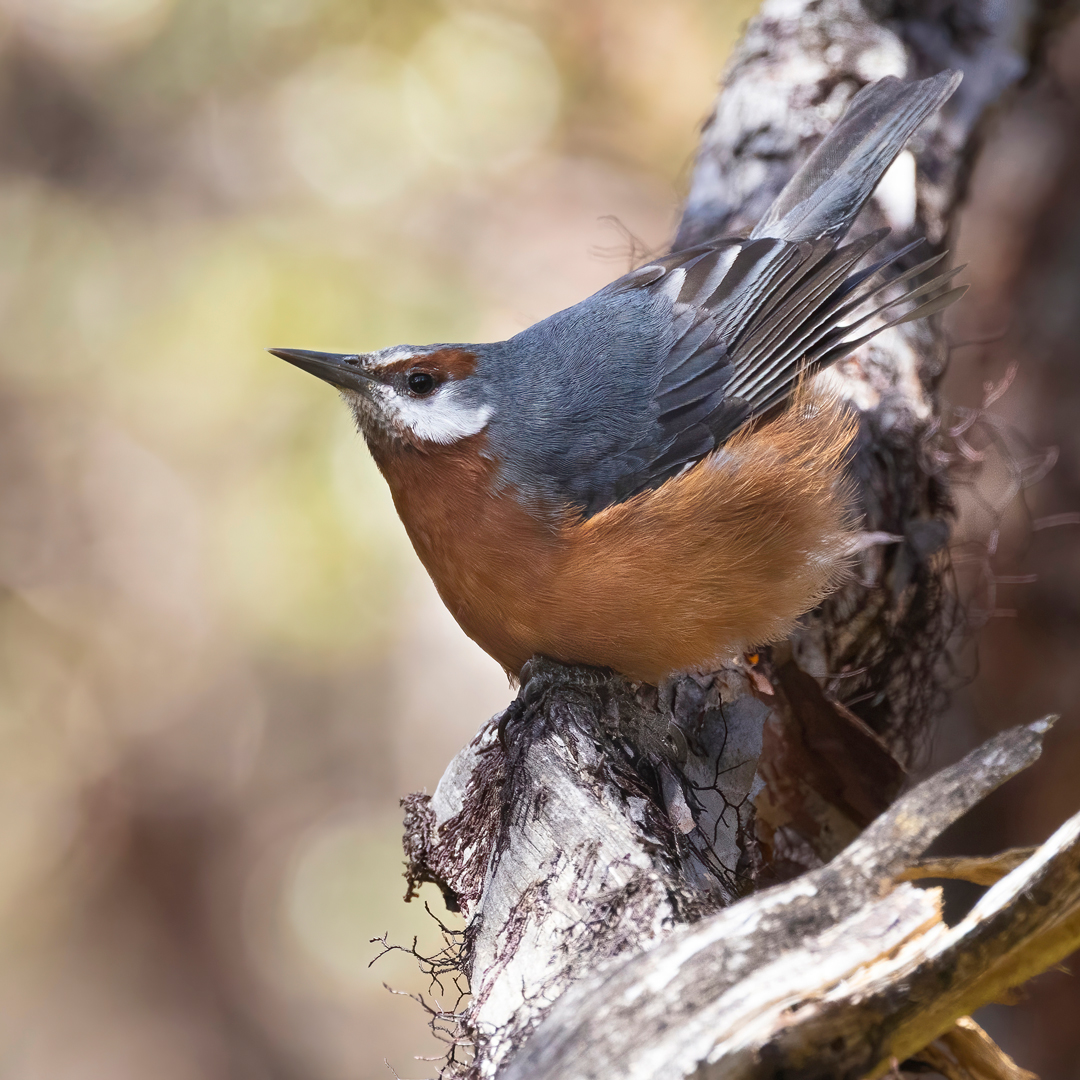
Target species #2 Blue-mantled Thornbill. They are often seen walking on the ground to preserve energy in the thin mountain air. Our project investigates the rare dispersal events that ought to maintain connectivity between isolated habitats CMEC Science at VILLUM

Target species #2 Blue-mantled Thornbill. They are often seen walking on the ground to preserve energy in the thin mountain air. Our project investigates the rare dispersal events that ought to maintain connectivity between isolated habitats <a href="/Macroecology/">CMEC</a> <a href="/VILLUMscience/">Science at VILLUM</a>
Jesper Sonne (@jespersonne1) 's Twitter Profile Photo

Target species #3 Giant Conebill – Polylepis forest spacialist. We found them persistently in the forest patches but in super low densities. In the project, we hope to get new insight into such species’ population structure and dispersal dynamics. CMEC Science at VILLUM

Target species #3 Giant Conebill – Polylepis forest spacialist. We found them persistently in the forest patches but in super low densities. In the project, we hope to get new insight into such species’ population structure and dispersal dynamics. <a href="/Macroecology/">CMEC</a> <a href="/VILLUMscience/">Science at VILLUM</a>
Jesper Sonne (@jespersonne1) 's Twitter Profile Photo

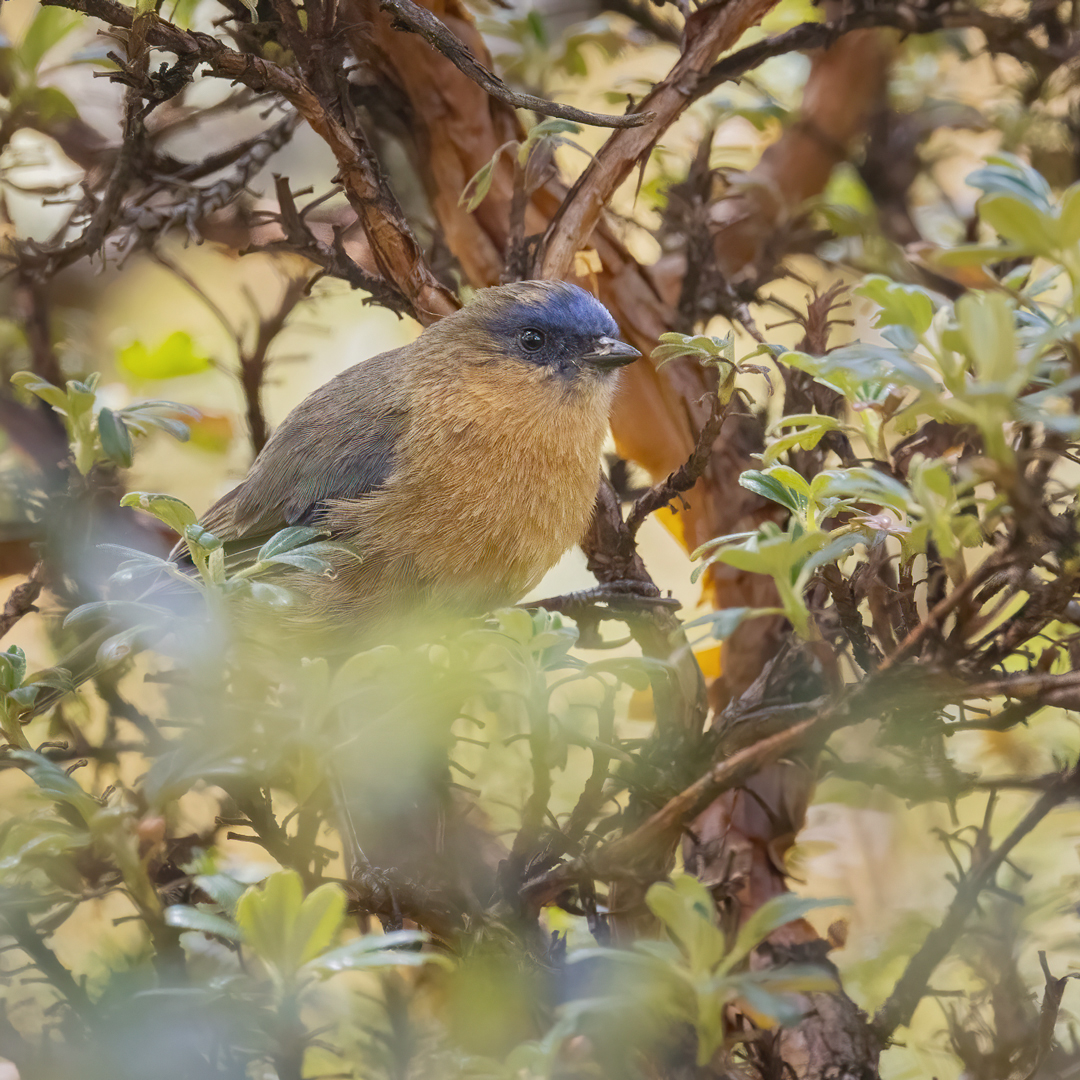
Target species #4 Tit-like Dacnis - a habitat specialist found in Gynoxis shrub, which commonly grows in Polylepis forests. Our expedition brought new genetic material from the Ecuadorian population. CMEC Science at VILLUM

Target species #4 Tit-like Dacnis  - a habitat specialist found in Gynoxis shrub, which commonly grows in Polylepis forests. Our expedition brought new genetic material from the Ecuadorian population. <a href="/Macroecology/">CMEC</a> <a href="/VILLUMscience/">Science at VILLUM</a>
Jesper Sonne (@jespersonne1) 's Twitter Profile Photo

Excited to participate in a summer project aiming at counting and mapping all breeding birds at Skuvoy - a small Faroese island. having bird census data dating back to the sixties, the island is an excellent model system to monitor long-term population dynamics. CMEC

Excited to participate in a summer project aiming at counting and mapping all breeding birds at Skuvoy - a small Faroese island. having bird census data dating back to the sixties, the island is an excellent model system to monitor long-term population dynamics. <a href="/Macroecology/">CMEC</a>
Jesper Sonne (@jespersonne1) 's Twitter Profile Photo

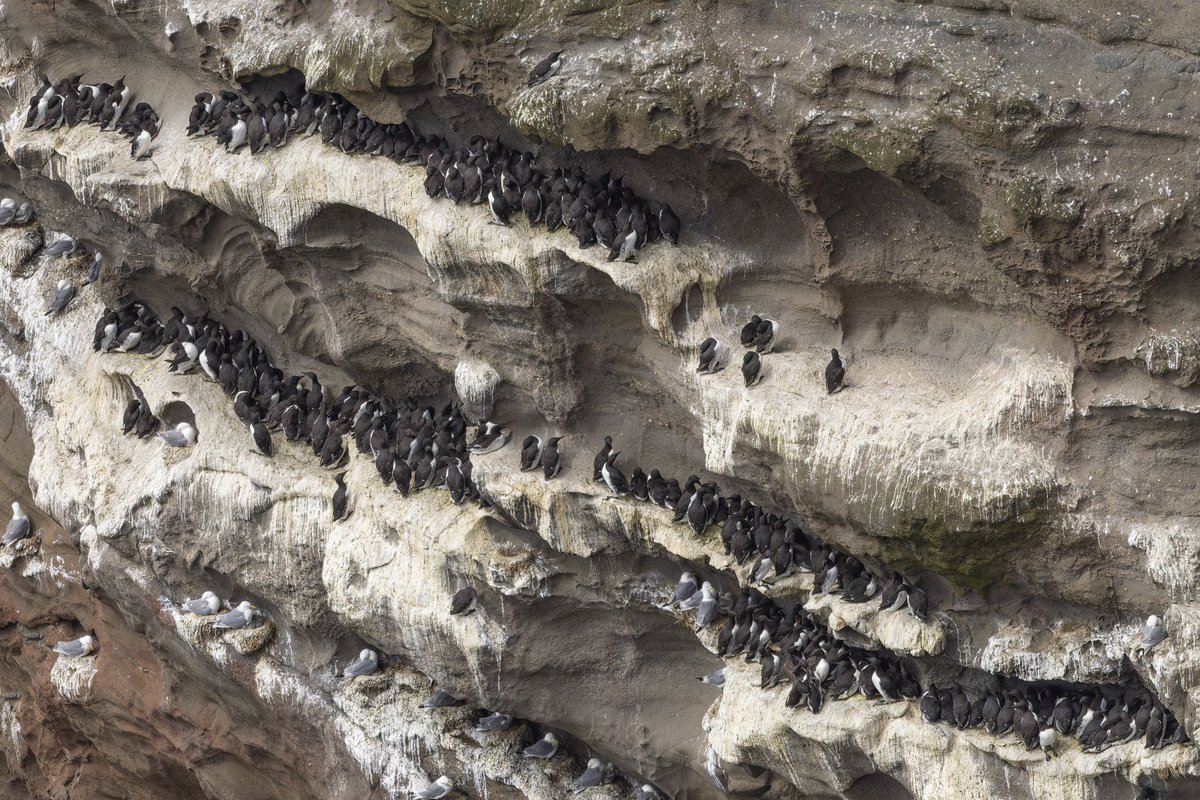
Skuvoy used to have the largest Guillemot colonies in the North Atlantic. They have declined substantially over the last 50 years, and counting them today is a depressing exercise. Observing the colonies from land gives an idea of how difficult the birds are to count from the sea

Skuvoy used to have the largest Guillemot colonies in the North Atlantic. They have declined substantially over the last 50 years, and counting them today is a depressing exercise. Observing the colonies from land gives an idea of how difficult the birds are to count from the sea
Carsten Rahbek (@carsten_rahbek) 's Twitter Profile Photo

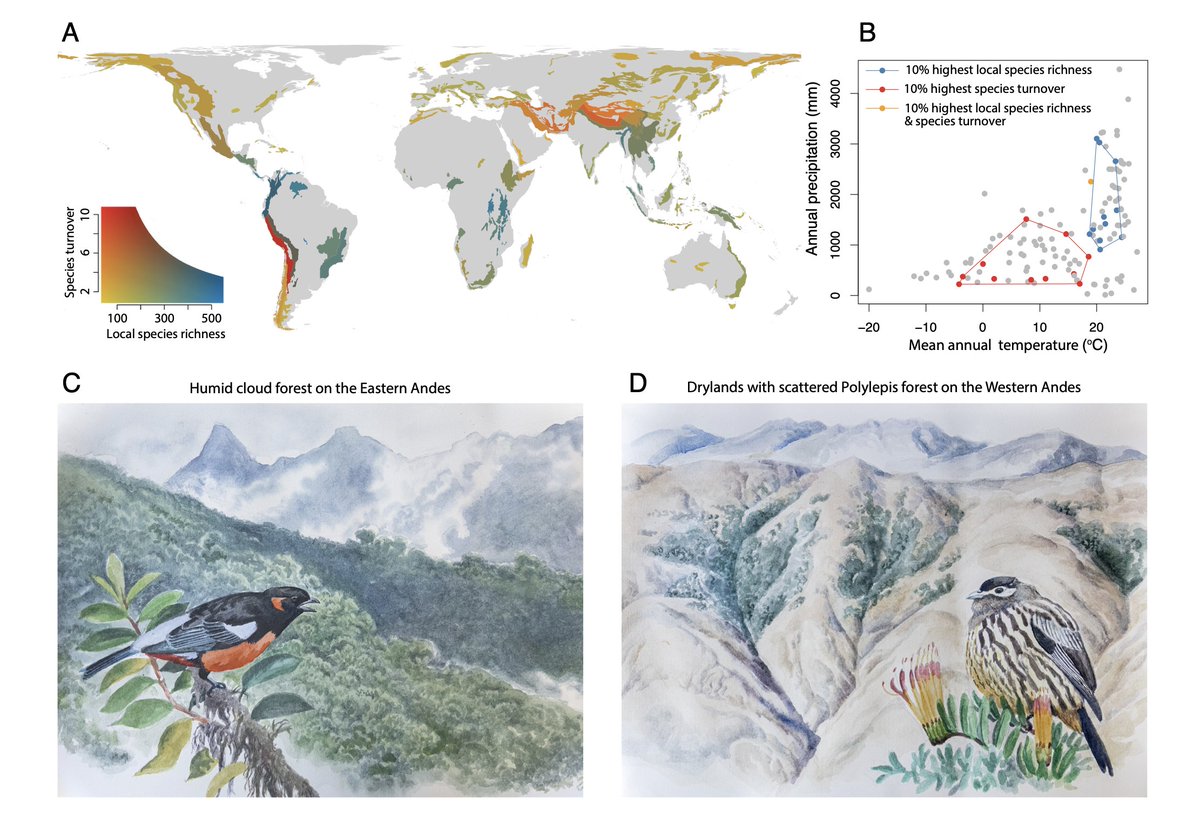
Getting closer to solving #Humboldt' Enigma - or why some mountain regions is the hottest of the hottest biodiversity hotspots in the world. We have a new paper out in PNAS PNASNews J. Sonne, C. Rahbek, Idiosyncratic patterns of local species richness and turnover define

Getting closer to solving #Humboldt' Enigma - or why some mountain regions is the hottest of the hottest biodiversity hotspots in the world. 

We have a new paper out in PNAS <a href="/PNASNews/">PNASNews</a> 

J. Sonne, C. Rahbek, Idiosyncratic patterns of local species richness and turnover define