Asimov Labs (formerly the MIT-Broad Foundry) (@synbiofoundry) 's Twitter Profile
Asimov Labs (formerly the MIT-Broad Foundry)

@synbiofoundry

Enabling the next generation of genetic design

ID: 1628454780

linkhttps://www.asimov.com/news/asimov-labs calendar_today28-07-2013 18:33:10

86 Tweet

686 Takipçi

82 Takip Edilen

Asimov (@asimovbio) 's Twitter Profile Photo

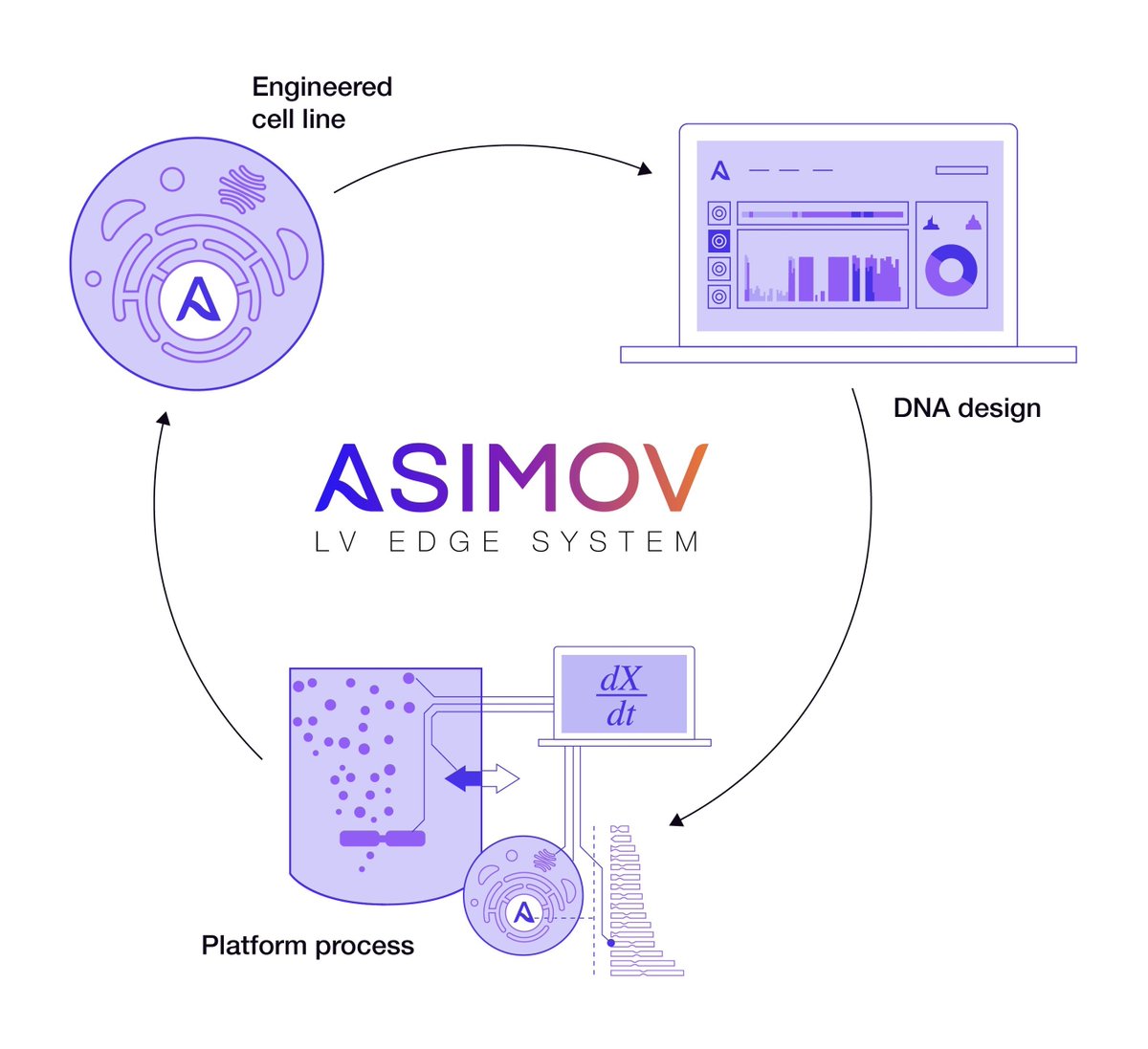
🚀 Today we launched the LV Edge Packaging System, our first offering in the cell therapy space and a leap forward for lentiviral production Cut costs, reduce risks, and achieve titers of 1E8 TU/mL and higher with cell lines and software tools to optimize transgene expression

🚀 Today we launched the LV Edge Packaging System, our first offering in the cell therapy space and a leap forward for lentiviral production

Cut costs, reduce risks, and achieve titers of 1E8 TU/mL and higher with cell lines and software tools to optimize transgene expression
Asimov (@asimovbio) 's Twitter Profile Photo

~1/2 of FDA-approved cell therapies are engineered. The cells carry added transgenes that 'rewire' them to attack cancer or treat another disease. Most engineered cell therapies, including CAR-T, are made using lentiviruses. Our latest blog explains how it works & how to scale🔻

Niko McCarty 🧫 (@nikomccarty) 's Twitter Profile Photo

Fast Biology 🚀 Cells are crowded, frenzied places. Sugar molecules cruise at 250 mph. ATP synthase whips around 134 times per second. But these numbers seem made up. How do we know they're real? My first editor's column for Asimov Press. asimov.press/p/fast-biology

Asimov (@asimovbio) 's Twitter Profile Photo

The F.D.A. has approved dozens of cell therapies, nearly half of which are engineered. They work by taking a person's cells, engineering them to express a new gene, and then placing those "re-wired" cells back into the body to attack cancer cells or treat sickle-cell disease.

The F.D.A. has approved dozens of cell therapies, nearly half of which are engineered. They work by taking a person's cells, engineering them to express a new gene, and then placing those "re-wired" cells back into the body to attack cancer cells or treat sickle-cell disease.
Alec Nielsen (@alectricity) 's Twitter Profile Photo

This story has it all: - Self-modifying AI - Quantum mechanical protein design - Automated genome editing - Bacteria that extrude carbon nanotubes - Next-gen chip fabrication What more could you ask for? An incredible sci-fi short by Richard Ngo for Asimov Press

Niko McCarty 🧫 (@nikomccarty) 's Twitter Profile Photo

The Asimov Press books are finally here! The first 500 copies were delivered to our hotel in San Jose. Feels surreal to see our hard work in print. The books are beautiful. Be the first to buy a copy at SynBioBeta this Tuesday. Or just come by and say 'hello'. :)
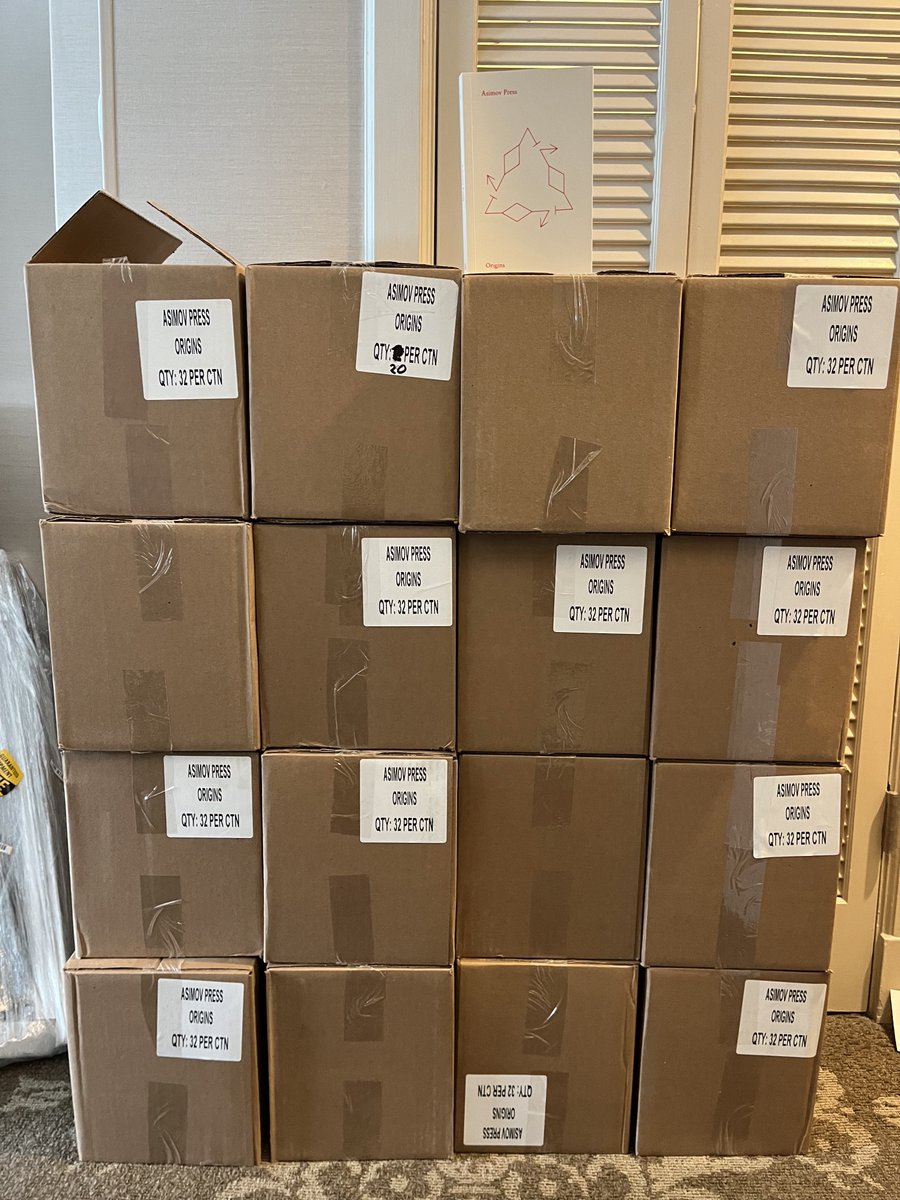

The <a href="/AsimovPress/">Asimov Press</a> books are finally here!

The first 500 copies were delivered to our hotel in San Jose. Feels surreal to see our hard work in print. The books are beautiful.

Be the first to buy a copy at <a href="/SynBioBeta/">SynBioBeta</a> this Tuesday. Or just come by and say 'hello'. :)
Asimov Press (@asimovpress) 's Twitter Profile Photo

Our first book about scientific progress, Origins, is now available. We learned a lot about printing—and starting a magazine—while creating this book. So we decided to write an essay about it! Buy the book, support our work, and learn more. 🔻 press.asimov.com/resources/less…

Our first book about scientific progress, Origins, is now available.

We learned a lot about printing—and starting a magazine—while creating this book. So we decided to write an essay about it!

Buy the book, support our work, and learn more. 🔻

press.asimov.com/resources/less…
Asimov Press (@asimovpress) 's Twitter Profile Photo

Today we launch ISSUE 03 of Asimov Press. 🧬🧫 Our featured essay is on the Origins of the Lab Mouse. 🐭 It explains how mice made their way from Victorian 'fancy' shows and a farm in Massachusetts to become a biomedical mainstay. By Alex Telford.
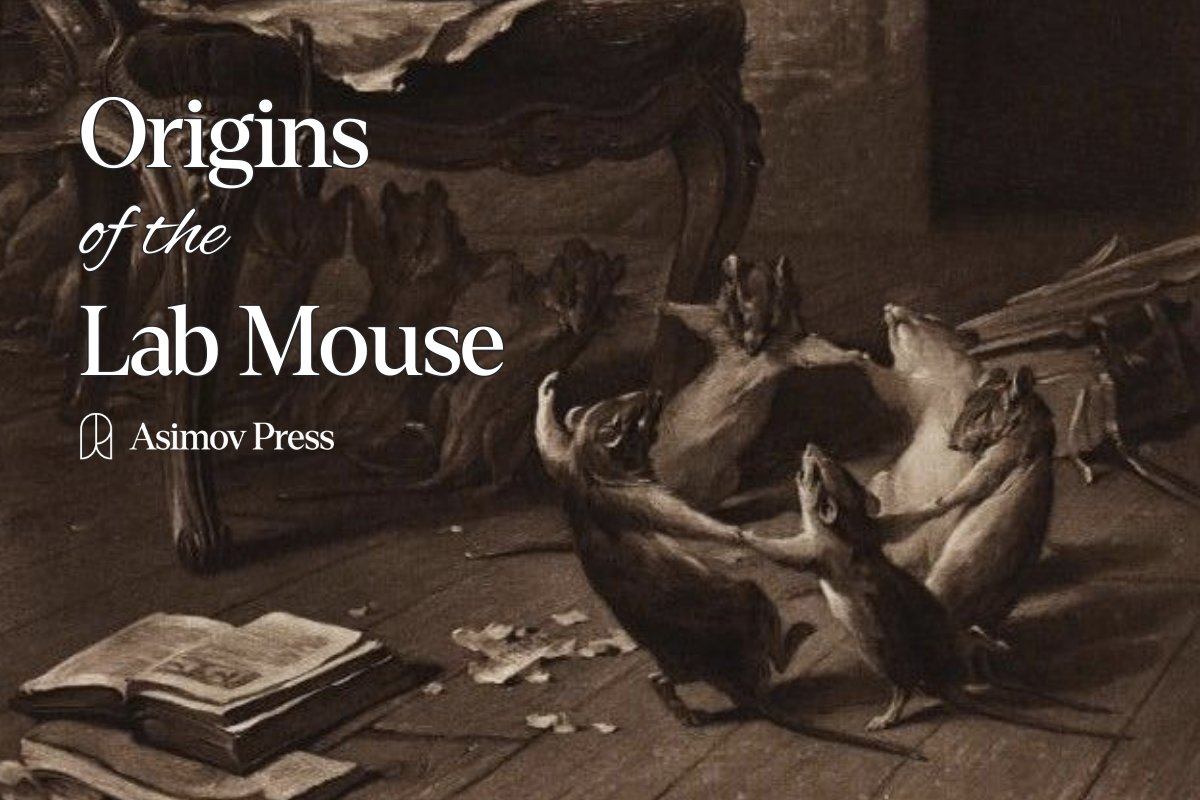
Today we launch ISSUE 03 of Asimov Press. 🧬🧫

Our featured essay is on the Origins of the Lab Mouse. 🐭

It explains how mice made their way from Victorian 'fancy' shows and a farm in Massachusetts to become a biomedical mainstay. By <a href="/Atelfo/">Alex Telford</a>.
Asimov (@asimovbio) 's Twitter Profile Photo

Cells are dense, crowded places; a bit like molecular burritos. When we engineer an organism, coaxing it to make proteins or molecules, we are imposing a molecular burden upon it. Our latest blog is all about these molecular "loads," and how to ease them, in engineered cells.🔻

Cells are dense, crowded places; a bit like molecular burritos.

When we engineer an organism, coaxing it to make proteins or molecules, we are imposing a molecular burden upon it.

Our latest blog is all about these molecular "loads," and how to ease them, in engineered cells.🔻
Alec Nielsen (@alectricity) 's Twitter Profile Photo

Today we're launching our third biopharma product line, AAV Edge, to empower gene therapy developers. A big part of why Asimov exists is to enable biotechnologies with outsized societal benefit – and AAV gene therapies are a prime example. /1

Asimov Press (@asimovpress) 's Twitter Profile Photo

In 30 minutes, we're wrapping up our final Issue for 2024. In the last 12 months, we launched this magazine, built a team of 6, printed our first book, and published more than 100,000 words about biotech and scientific progress. Thank you for following our journey!

In 30 minutes, we're wrapping up our final Issue for 2024.

In the last 12 months, we launched this magazine, built a team of 6, printed our first book, and published more than 100,000 words about biotech and scientific progress.

Thank you for following our journey!
Asimov (@asimovbio) 's Twitter Profile Photo

Over the years, people have asked: What does Asimov do? This is our brief response. At a high level, we think biology is an advanced form of molecular nanotechnology. Our goal is to create tools and software to more reliably engineer cells, thus bolstering humanity’s ability to

Over the years, people have asked: What does Asimov do? This is our brief response.

At a high level, we think biology is an advanced form of molecular nanotechnology. Our goal is to create tools and software to more reliably engineer cells, thus bolstering humanity’s ability to
Niko McCarty 🧫 (@nikomccarty) 's Twitter Profile Photo

It has finally arrived: The first book written, and sold, in DNA. Thanks @catalogtechinc and Imagene for making this happen! Pre-orders are still open. If you order a capsule, we also send you a physical book. And those are cool, too. Links here: press.asimov.com/books

It has finally arrived: The first book written, and sold, in DNA.

Thanks @catalogtechinc and Imagene for making this happen!

Pre-orders are still open. If you order a capsule, we also send you a physical book. And those are cool, too.

Links here: press.asimov.com/books
Asimov Press (@asimovpress) 's Twitter Profile Photo

Our first interactive article! This story includes a "simulator" that allows readers to play around with a genetic circuit by tuning its parameters. Come check it out.

Niko McCarty 🧫 (@nikomccarty) 's Twitter Profile Photo

The (approximate) chemical formula for E. coli is: C4:H7:O2:N1 A cell is 70% water by mass. The rest is mostly proteins and RNAs. In principle, this isn't so complicated; and yet a collection of molecules can sense, move, adapt, evolve, grow, divide. Work on biology.

The (approximate) chemical formula for E. coli is:

C4:H7:O2:N1

A cell is 70% water by mass. The rest is mostly proteins and RNAs. In principle, this isn't so complicated; and yet a collection of molecules can sense, move, adapt, evolve, grow, divide.

Work on biology.
Niko McCarty 🧫 (@nikomccarty) 's Twitter Profile Photo

We're really grateful that Astera Institute will support our work (for the next two years!) at Asimov Press. It means more long-form articles, more reporting, and ... a new metascience column. If you want to write about "new institutions of science," please pitch us! DMs open.
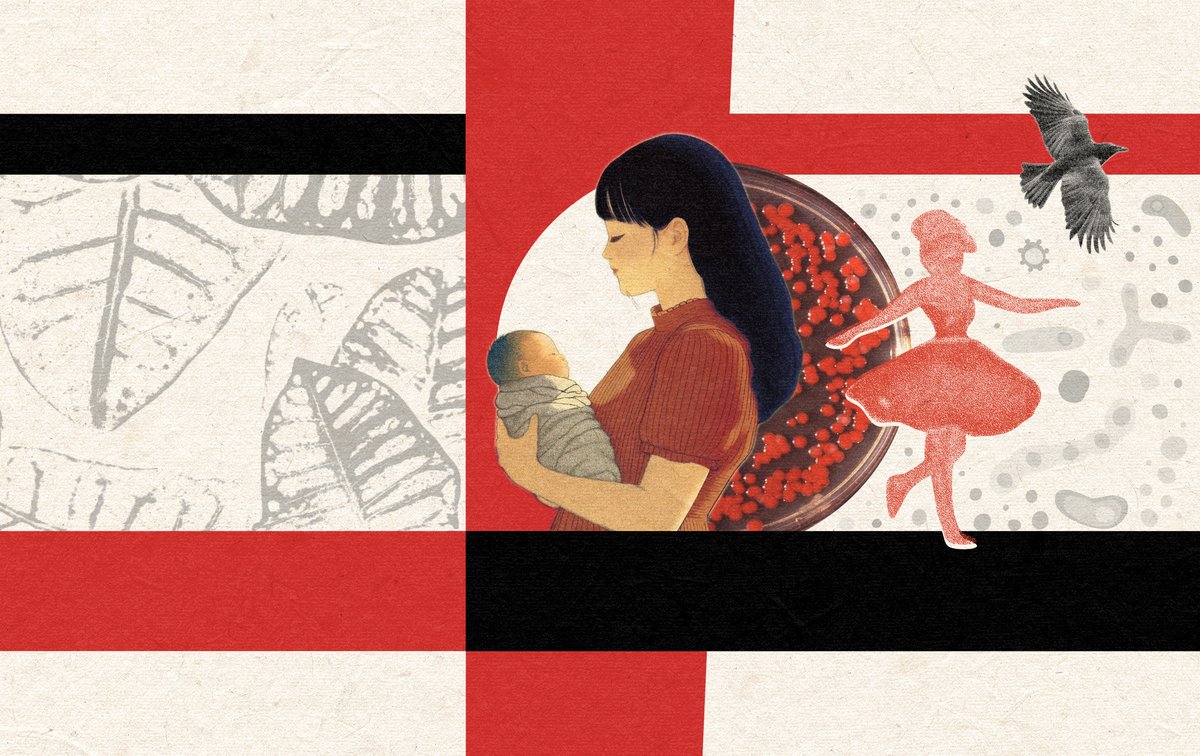
We're really grateful that <a href="/AsteraInstitute/">Astera Institute</a> will support our work (for the next two years!) at <a href="/AsimovPress/">Asimov Press</a>. It means more long-form articles, more reporting, and ... a new metascience column.

If you want to write about "new institutions of science," please pitch us! DMs open.
Alec Nielsen (@alectricity) 's Twitter Profile Photo

Where does sunlight go? Hall of fame Sankey diagram from Sam Clamons That's a lot of sunlight seemingly going to waste, but photons aren't the scarce resource for photosynthesizers; it's competition for water, nitrogen, phosphorus, etc. Great article
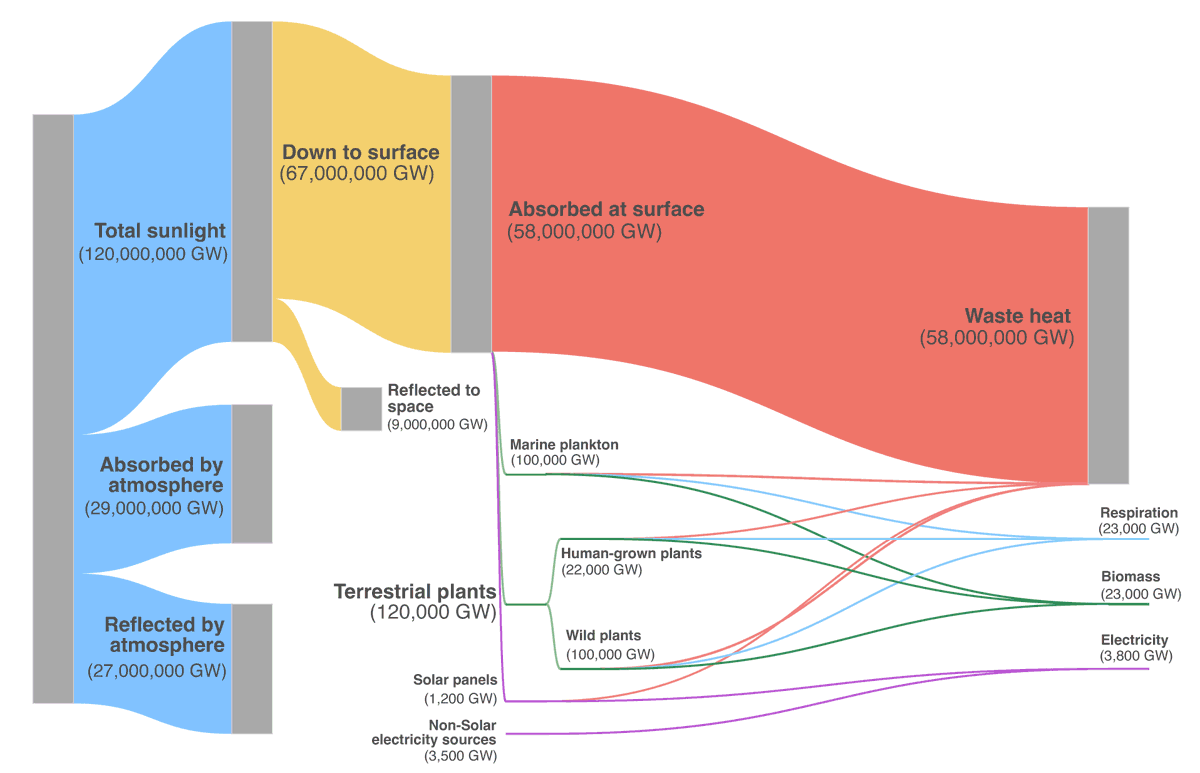
Where does sunlight go? Hall of fame Sankey diagram from <a href="/ClamonsSam/">Sam Clamons</a> 

That's a lot of sunlight seemingly going to waste, but photons aren't the scarce resource for photosynthesizers; it's competition for water, nitrogen, phosphorus, etc.

Great article