SSUCEI (@ssucei) 's Twitter Profile
SSUCEI

@ssucei

A North Bay working together to find sustainable solutions - get environmentally ready with us.

ID: 715930179722473473

linkhttp://www.sonoma.edu/cei/ calendar_today01-04-2016 15:53:51

639 Tweet

158 Takipçi

422 Takip Edilen

SSUCEI (@ssucei) 's Twitter Profile Photo

Today marks the fifth year anniversary of California Biodiversity Day. We celebrate our state's wonderful and unique ecosystems. It is essential that we work together to protect our beautiful habitats and turn education into action. Happy California Biodiversity Day everyone!

Today marks the fifth year anniversary of California Biodiversity Day. We celebrate our state's wonderful and unique ecosystems. It is essential that we work together to protect our beautiful habitats and turn education into action.  Happy California Biodiversity Day everyone!
SSUCEI (@ssucei) 's Twitter Profile Photo

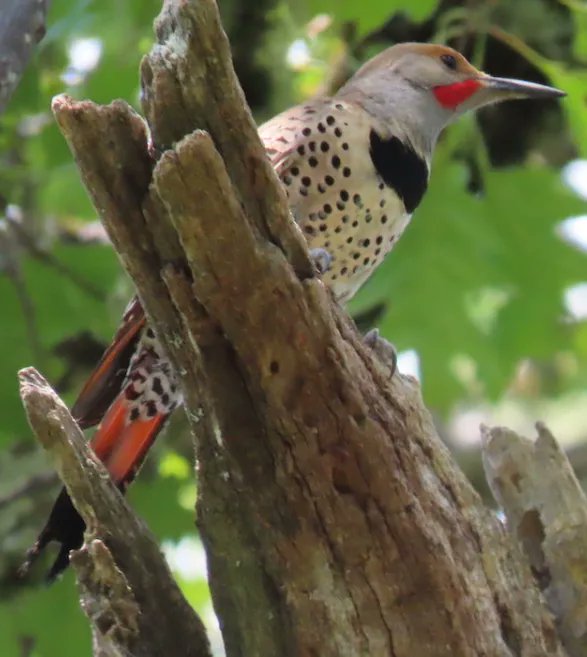
Happy #WildlifeWednesday everyone. This week we are featuring the Northern Flicker, photographed at our Osborn Preserve. The Northern Flicker marks its territory by using its beak to drill into wood? What a fascinating Northern Flicker!

Happy #WildlifeWednesday everyone. This week we are featuring the Northern Flicker, photographed at our Osborn Preserve. 
 
 The Northern Flicker marks its territory by using its beak to drill into wood? What a fascinating Northern Flicker!
SSUCEI (@ssucei) 's Twitter Profile Photo

Join us this Friday- 9/23 for a special showing of the documentary “Embers of Awakening: From Firestorms to Climate Healing” and to celebrate CEI's own Claudia Luke! Luke, director of CEI, is receiving the 2022 Connie Codding Humanist Award. buff.ly/3BTwG7C

Join us this Friday- 9/23 for a special showing of the documentary “Embers of Awakening: From Firestorms to Climate Healing” and to celebrate CEI's own Claudia Luke!
 
Luke, director of CEI, is receiving the 2022 Connie Codding Humanist Award.

buff.ly/3BTwG7C
SSUCEI (@ssucei) 's Twitter Profile Photo

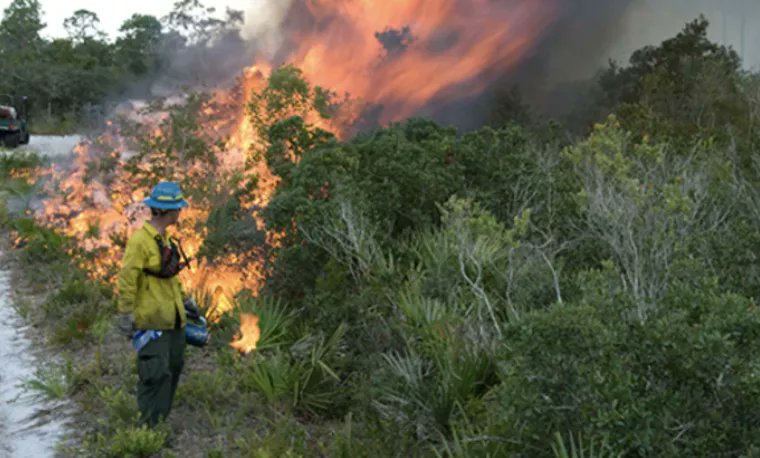
Join us Thursday - 11AM to noon for a special event: “Live From the Field: Fire Across the Continent.” These events connect researchers and habitats across the country in one virtual space, for use in college classrooms - also open to the public. Register buff.ly/3LIyi7w

Join us Thursday - 11AM to noon for a special event: “Live From the Field: Fire Across the Continent.” These events connect researchers and habitats across the country in one virtual space, for use in college classrooms - also open to the public. Register buff.ly/3LIyi7w
SSUCEI (@ssucei) 's Twitter Profile Photo

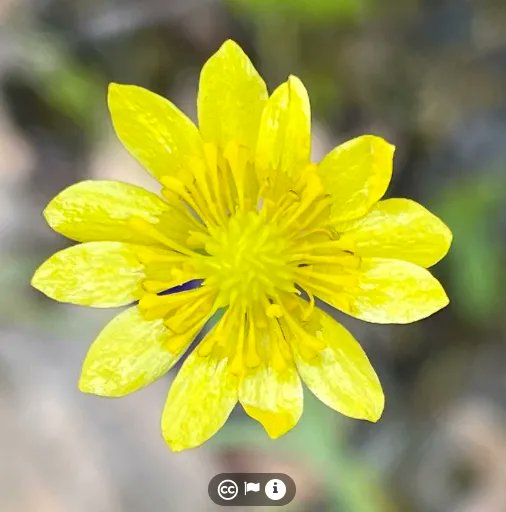
Happy #WildlifeWednesday everyone! Here we have the California Buttercup, photographed at our Osborn Preserve. It typically blooms from February–May. Did you know that the California Buttercup is a great source of pollen and nectar for bees? What a charming California Buttercup!

Happy #WildlifeWednesday everyone! Here we have the California Buttercup, photographed at our Osborn Preserve. It typically blooms from February–May. 
Did you know that the California Buttercup is a great source of pollen and nectar for bees? What a charming California Buttercup!
SSUCEI (@ssucei) 's Twitter Profile Photo

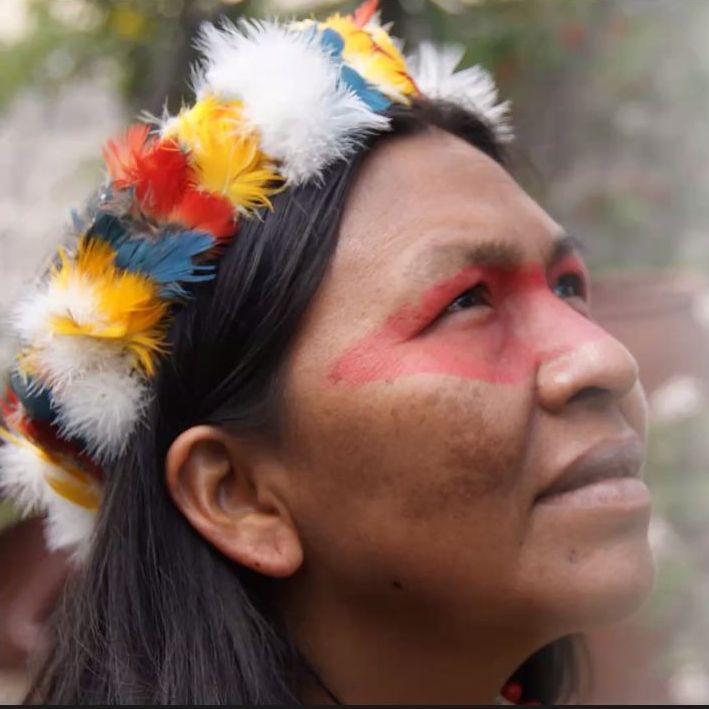
What are you doing at 1pm PT? Join "Many Faces of Conservation" with community leaders and experts from South & North America. Culture, climate change & resilience transcend borders, and you can help. Register at cei.sonoma.edu/many-faces

What are you doing at 1pm PT? Join "Many Faces of Conservation" with community leaders and experts from South & North America. Culture, climate change & resilience transcend borders, and you can help. Register at cei.sonoma.edu/many-faces
SSUCEI (@ssucei) 's Twitter Profile Photo

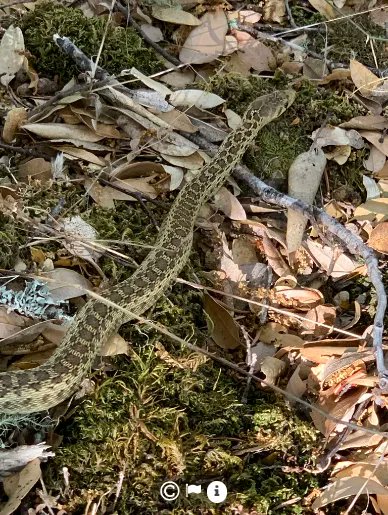
Here’s to a wonderful #WildlifeWednesday! This week we celebrate the Pacific Gopher Snake.This snake eats mammals, birds, and eggs.The Gopher snake is good for the ecosystem, because it is hunted and becomes food for foxes, hawks and coyotes. What a great Pacific Gopher Snake!

Here’s to a wonderful #WildlifeWednesday! This week we celebrate the Pacific Gopher Snake.This snake eats mammals, birds, and eggs.The Gopher snake is good for the ecosystem, because it is hunted and becomes food for foxes, hawks and coyotes. What a great Pacific Gopher Snake!
SSUCEI (@ssucei) 's Twitter Profile Photo

"Universities & Zoos Partnering for Biodiversity" 2pm Th 10/27! What comes to mind hearing the word "zoo?" Probably not the SSU - Oakland Zoo - San Francisco Zoo & Gardens collaboration to headstart western pond turtles. REGISTER to hear about projects preserving biodiversity cei.sonoma.edu/zoos

"Universities &amp; Zoos Partnering for Biodiversity" 2pm Th 10/27! What comes to mind hearing the word "zoo?" Probably not the SSU - <a href="/OaklandZoo/">Oakland Zoo</a> - <a href="/sfzoo/">San Francisco Zoo & Gardens</a>  collaboration to headstart western pond turtles. REGISTER to hear about projects preserving biodiversity cei.sonoma.edu/zoos
SSUCEI (@ssucei) 's Twitter Profile Photo

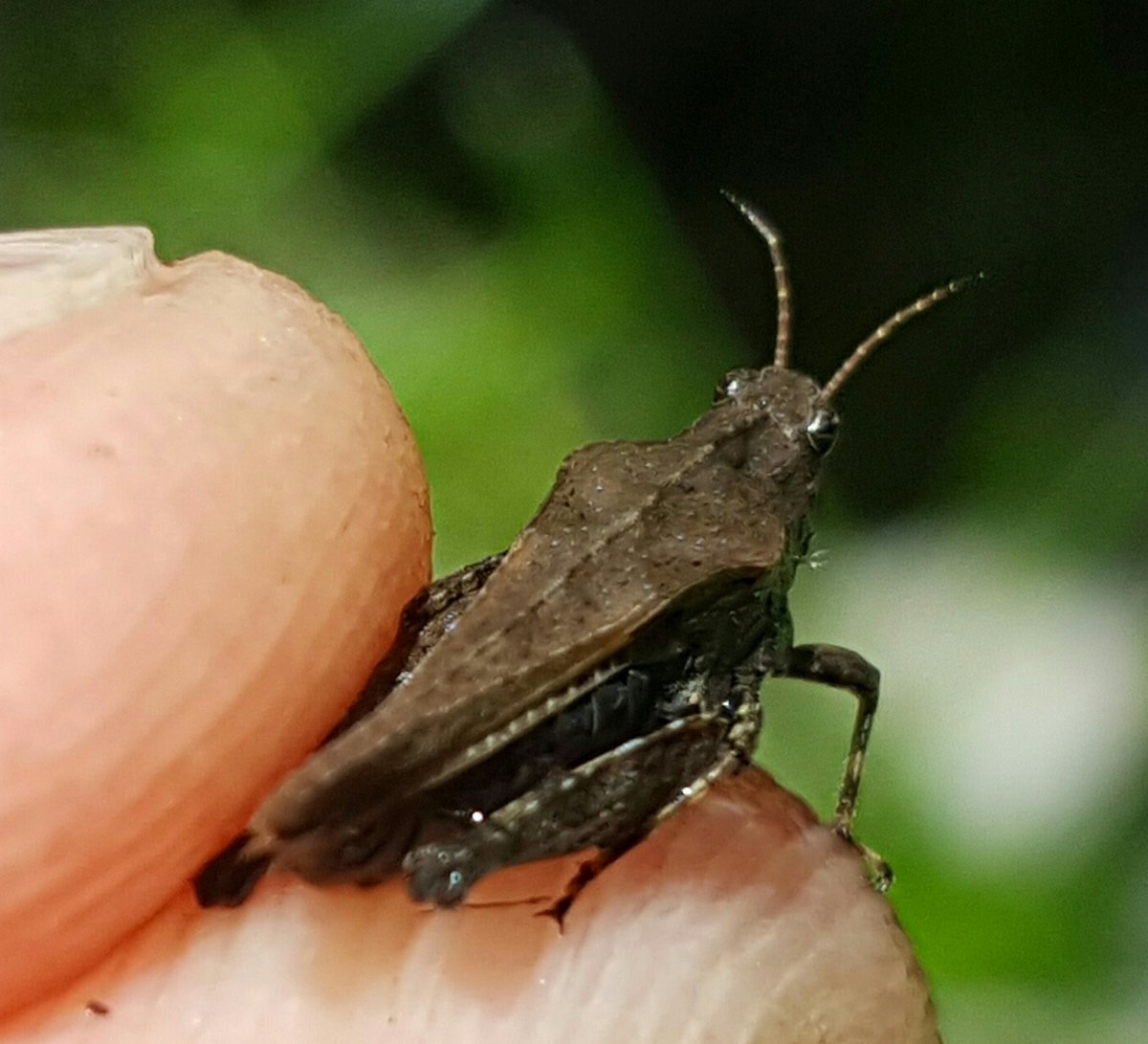
Happy #WildlifeWednesday! This Pygmy Grasshopper leaves its eggs in a soil indentation, and feeds on algae and wet soil. When immobile, a pointy elongation of its thorax protects its folded hind wings like a shield. What a groovy grasshopper! Photographed at our Osborn Preserve

Happy #WildlifeWednesday! This Pygmy Grasshopper leaves its eggs in a soil indentation, and feeds on algae and wet soil. When immobile, a pointy elongation of its thorax protects its folded hind wings like a shield. What a groovy grasshopper! Photographed at our Osborn Preserve
SSUCEI (@ssucei) 's Twitter Profile Photo

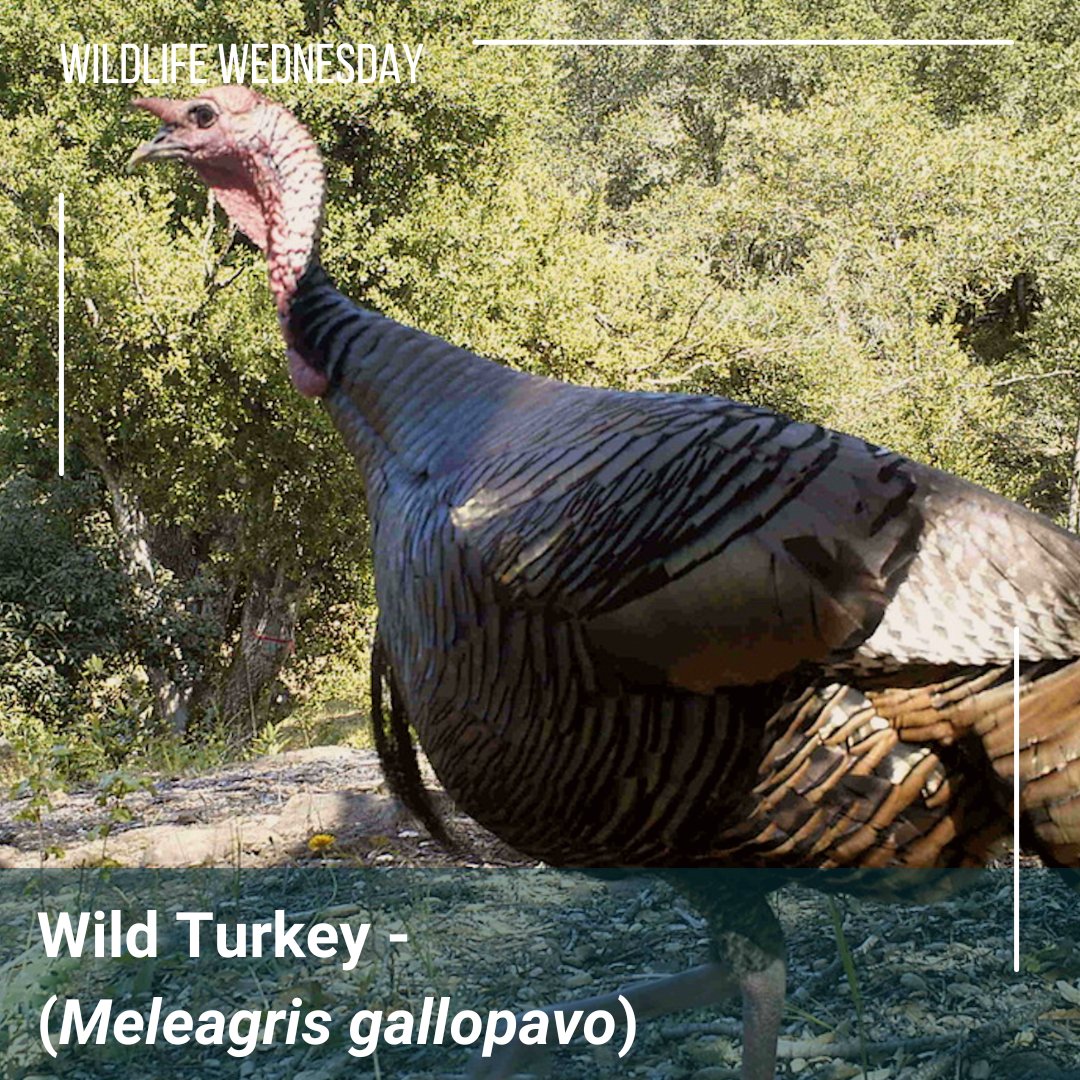
Happy #WildlifeWednesday & Thanksgiving! Wild Turkeys (Meleagris gallopavo) roam throughout North America & have 5-6k feathers. Their heads change color, red to blue, in seconds to express emotion. Photo 1 Courtney Celley USFWS, photo 2 Osborn Preserve wildlife camera Ben Bravo

Happy #WildlifeWednesday &amp; Thanksgiving! Wild Turkeys (Meleagris gallopavo) roam throughout North America &amp; have 5-6k feathers. Their heads change color, red to blue, in seconds to express emotion. Photo 1 Courtney Celley USFWS, photo 2 Osborn Preserve wildlife camera Ben Bravo
SSUCEI (@ssucei) 's Twitter Profile Photo

On this #GivingTuesday please consider donating to help the Center continue to bring people together to solve and mitigate the climate and sustainability challenges we face. cei.sonoma.edu

On this #GivingTuesday please consider donating to help the Center continue to bring people together to solve and mitigate the climate and sustainability challenges we face.
 cei.sonoma.edu
SSUCEI (@ssucei) 's Twitter Profile Photo

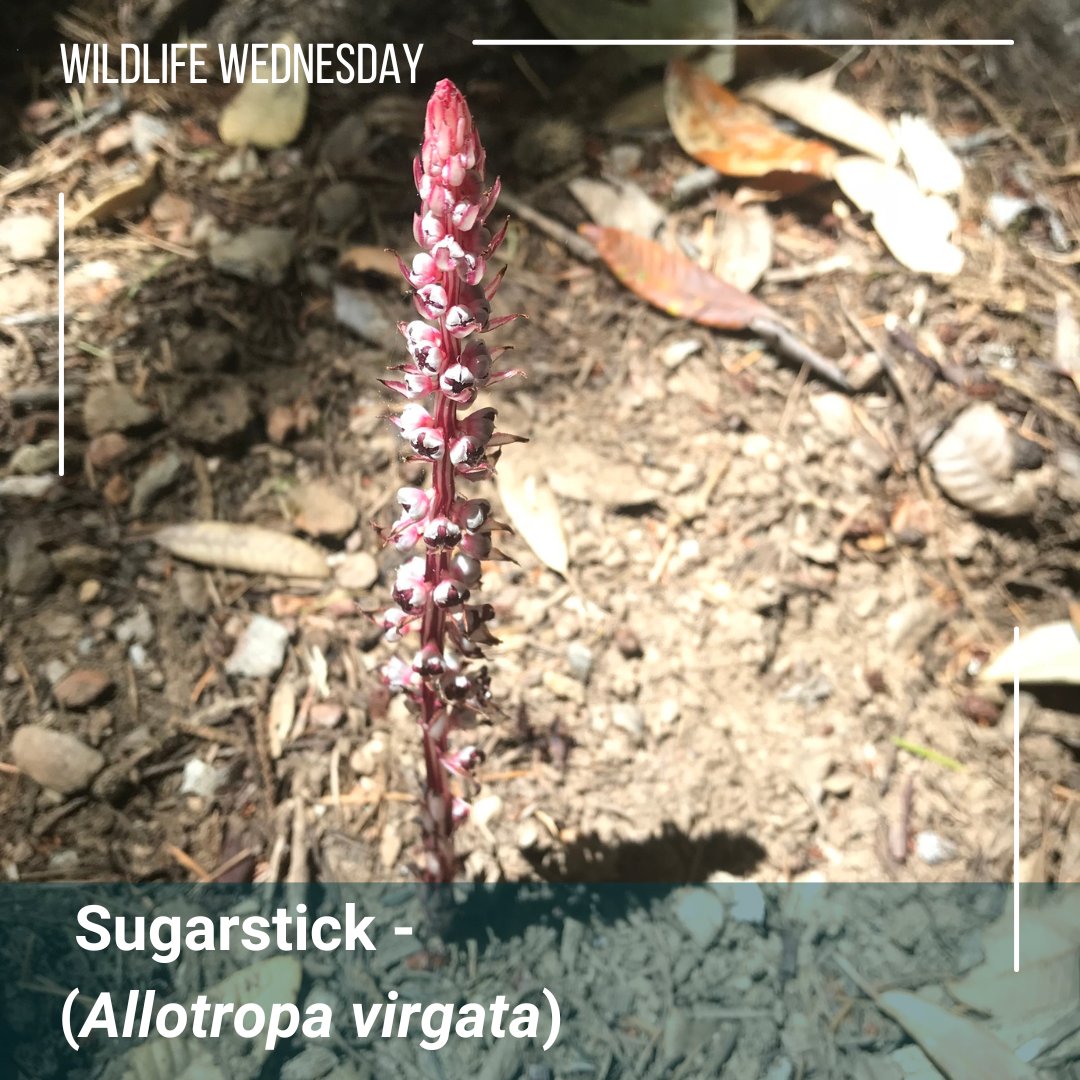
Happy #WildlifeWednesday! The sugarstick is found in the oak, coniferous and hardwood forests! The plant is a parasitic plant, and it is a clonal species that spreads through its extensive lateral root system, this specific sugarstick was found in the Galbreath Preserve.

Happy #WildlifeWednesday! 
The sugarstick is found in the oak, coniferous and hardwood forests! The plant is a parasitic plant, and it is a clonal species that spreads through its extensive lateral root system, this specific sugarstick was found in the Galbreath Preserve.
SSUCEI (@ssucei) 's Twitter Profile Photo

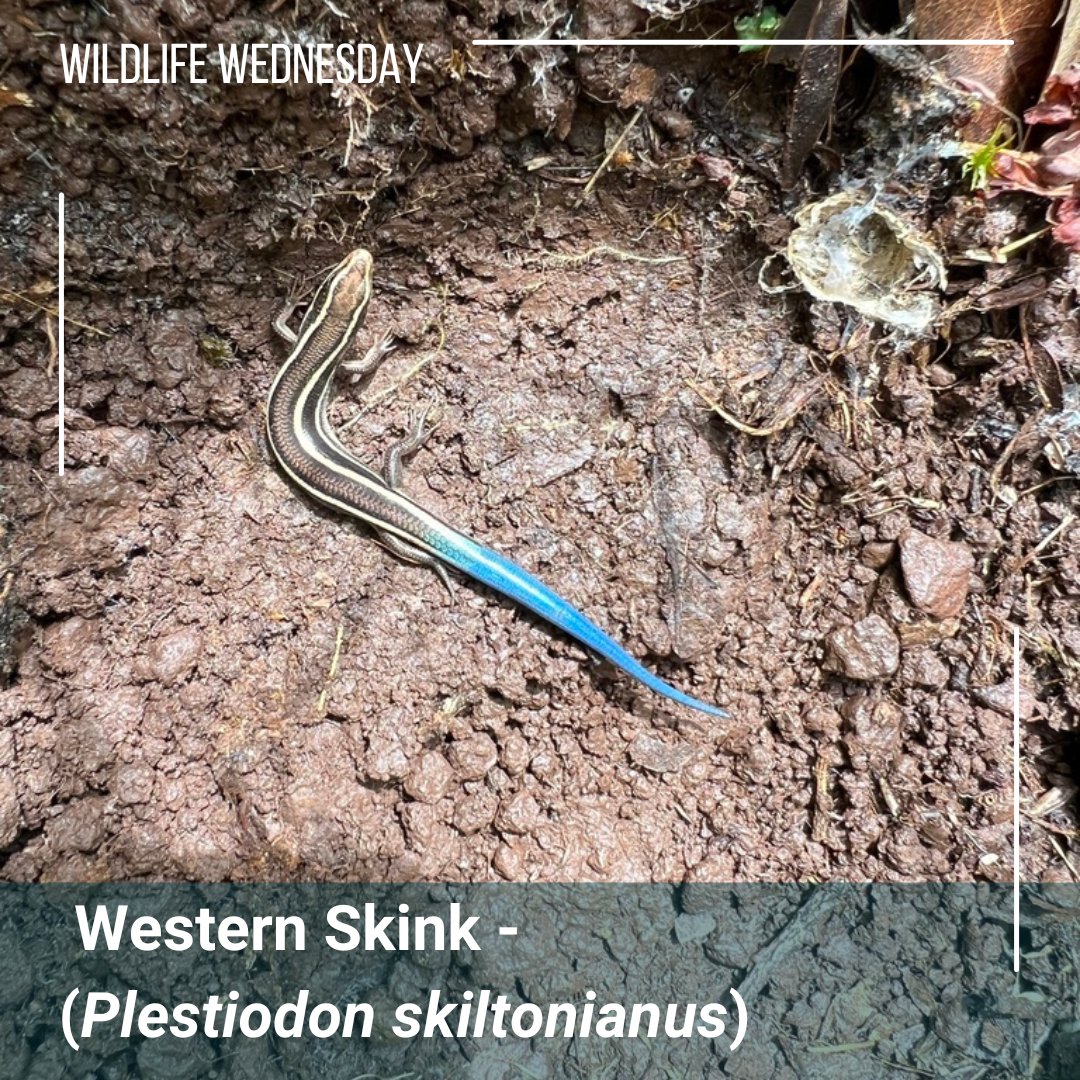
Happy #WildlifeWednesday! The Western Skink isspread throughout Northern California primarily near the coast. The western skink loves to bask in the sun for most of it's day, and actively forages through leaf litter to predate on variety of spiders and insects!

Happy #WildlifeWednesday! 
The Western Skink isspread throughout Northern California primarily near the coast. The western skink loves to bask in the sun for most of it's day, and actively forages through leaf litter to predate on variety of spiders and insects!
SSUCEI (@ssucei) 's Twitter Profile Photo

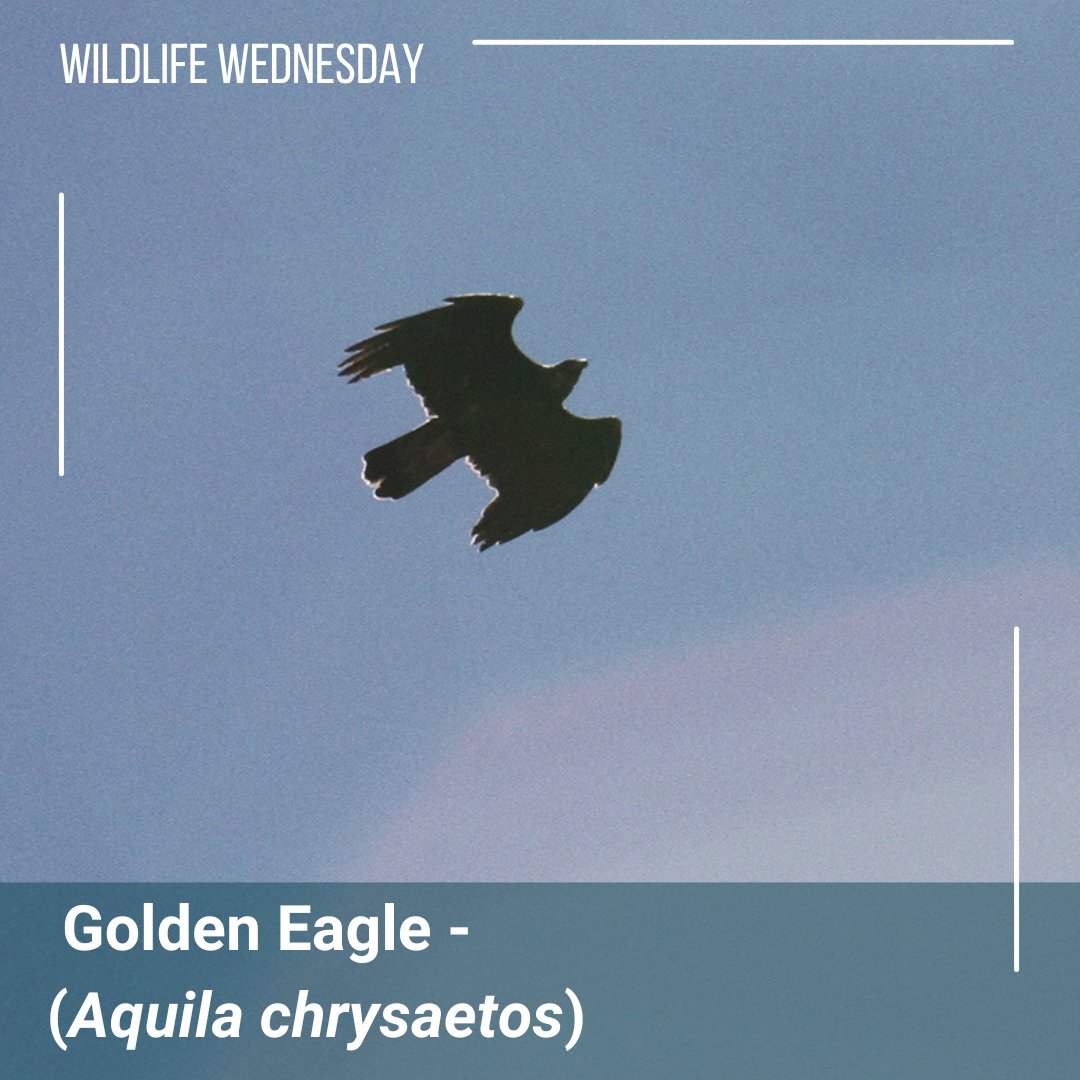
Its #WildLifeWednesday!The Golden Eagle is found widespread throughout North America all the way up to Alaska! Golden eagles are monognmous birds, they live in about a 60 mile range together for life. This Golden eagle picture is by Eric Hongisto in the Fairfield Obsorn Preserve.

Its #WildLifeWednesday!The Golden Eagle is found widespread throughout North America all the way up to Alaska! Golden eagles are monognmous birds, they live in about a 60 mile range together for life. This Golden eagle picture is by Eric Hongisto in the Fairfield Obsorn Preserve.
SSUCEI (@ssucei) 's Twitter Profile Photo

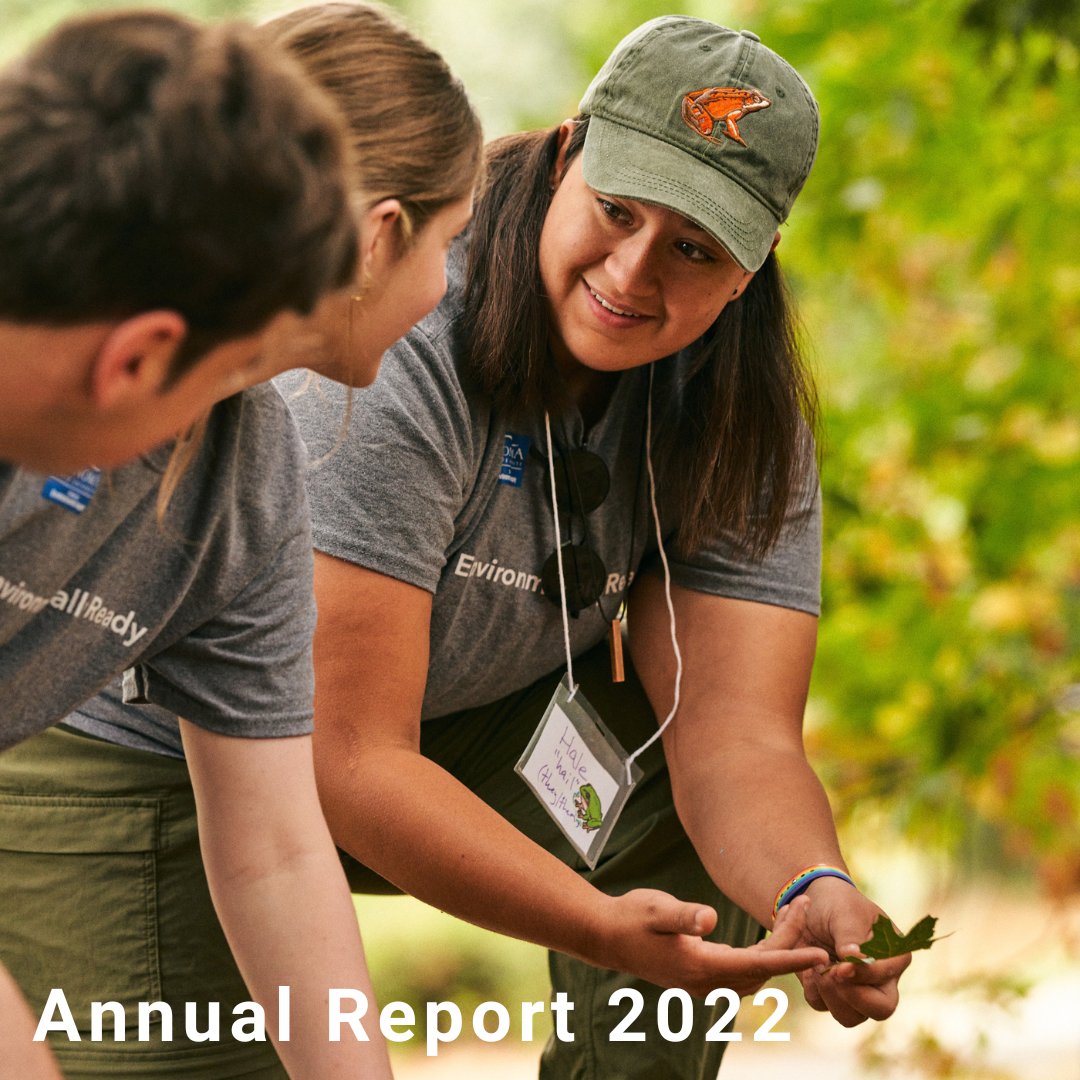
The Center for Environmental Inquiry 2022 Annual Report is here! Over the last 15 years, the CEI has turned education into action through mobilizing faculty, students and community to solve North Bay environmental challenges. Check it out!: cei.sonoma.edu/.../cei_annual…

The Center for Environmental Inquiry 2022 Annual Report is here! Over the last 15 years, the CEI has turned education into action through mobilizing faculty, students and community to solve North Bay environmental challenges. Check it out!: cei.sonoma.edu/.../cei_annual…
SSUCEI (@ssucei) 's Twitter Profile Photo

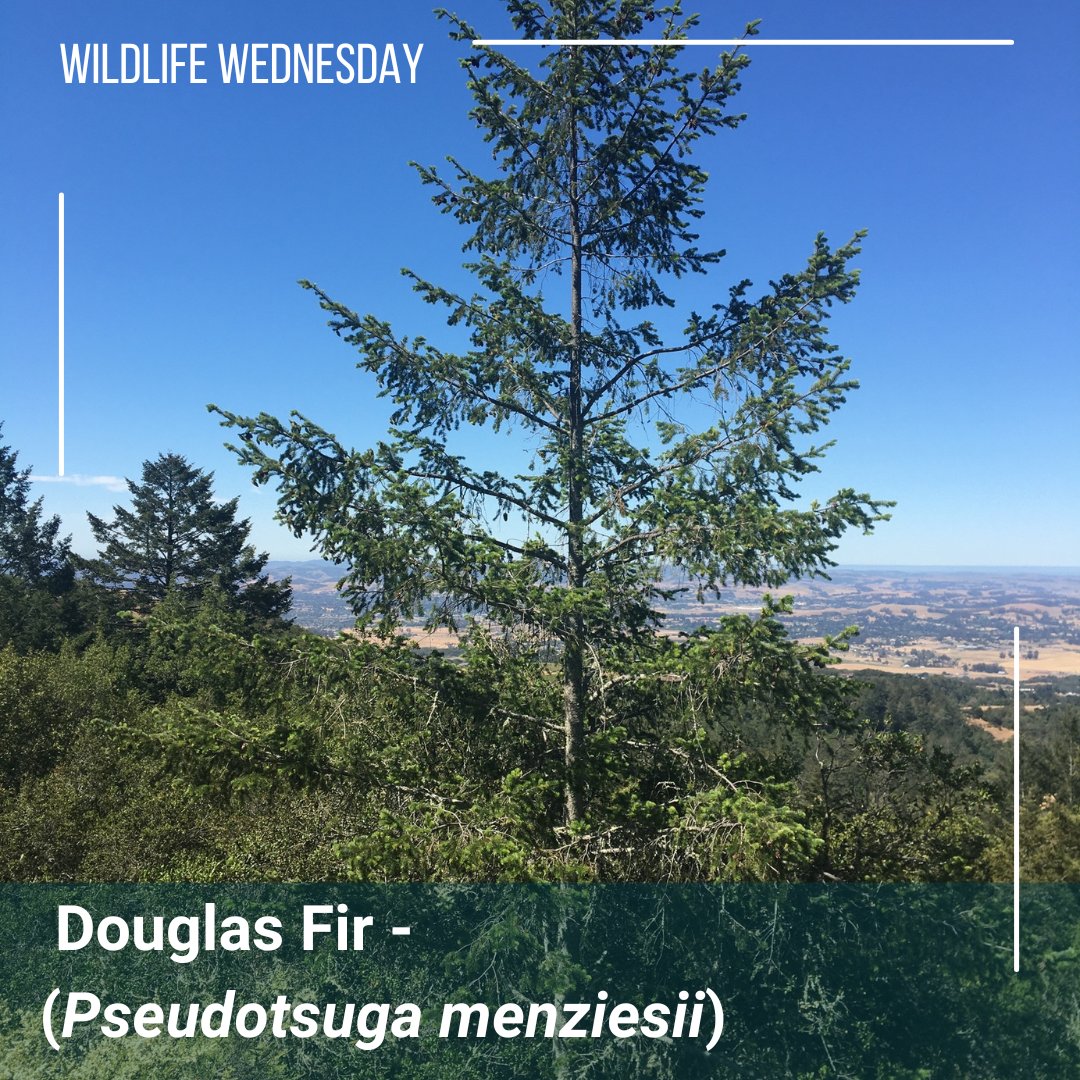
Happy Holidays and #WildlifeWednesday from the CEI! Have you ever wondered what the most commonly used tree for Christmas celebrations is? It’s the Douglas Fir! When the Douglas fir is in its natural habitat it can live anywhere from 70 to 1,000 years! #WildLifeWednesday

Happy Holidays and #WildlifeWednesday from the CEI! Have you ever wondered what the most commonly used tree for Christmas celebrations is? It’s the Douglas Fir!  When the Douglas fir is in its natural habitat it can live anywhere from 70 to 1,000 years! 

#WildLifeWednesday
SSUCEI (@ssucei) 's Twitter Profile Photo

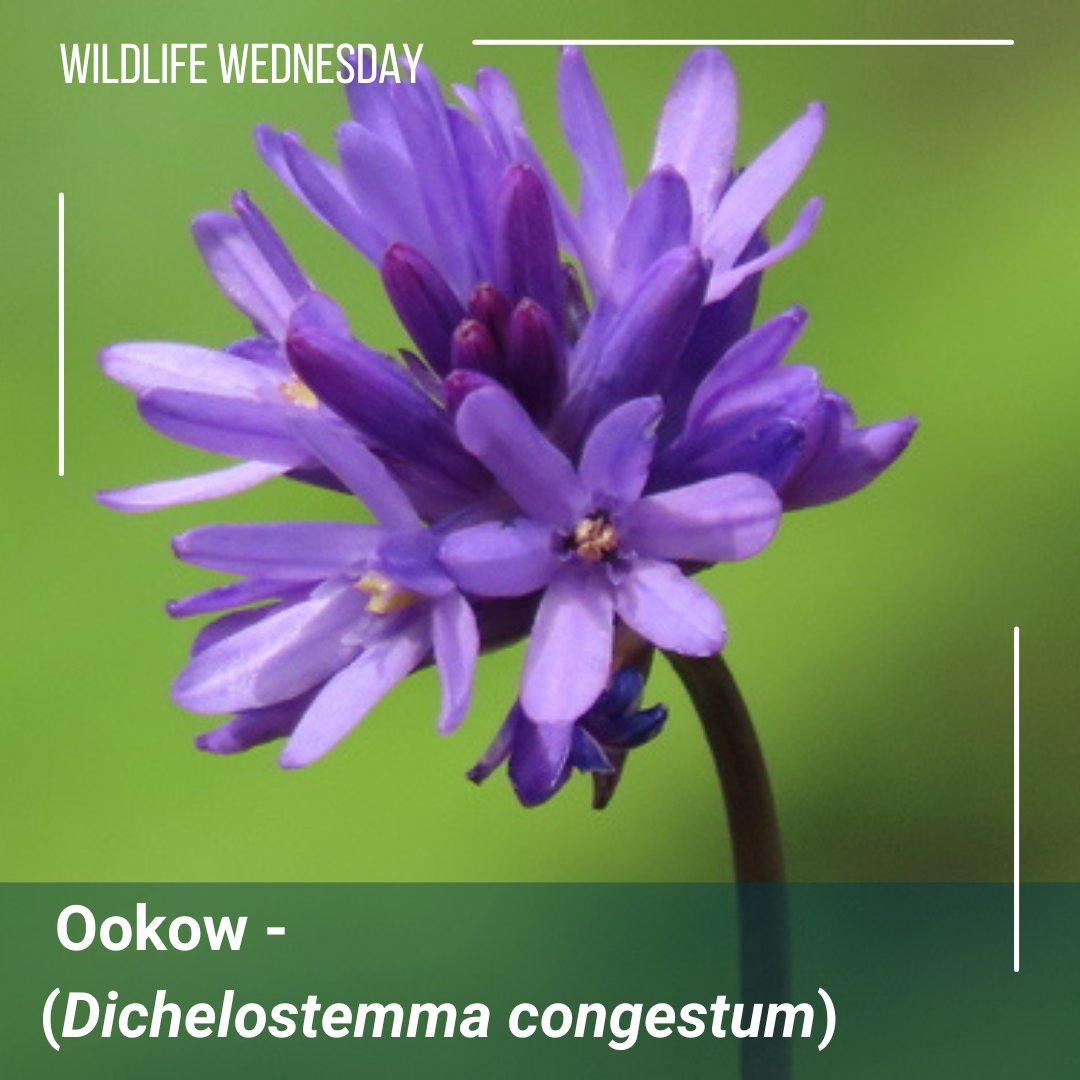
Happy #WildlifeWednesday! "The Ookow is a flowering plant native to only California, Oregon, and Washington. It has a tall and thin stem topped with six to fifteen fowers with birght purple petals. It can gow up to two feet tall and likes to be in direct sunlight.

Happy #WildlifeWednesday! 
"The Ookow is a flowering plant native to only California, Oregon, and Washington. It has a tall and thin stem topped with six to fifteen fowers with birght purple petals. It can gow up to two feet tall and likes to be in direct sunlight.
SSUCEI (@ssucei) 's Twitter Profile Photo

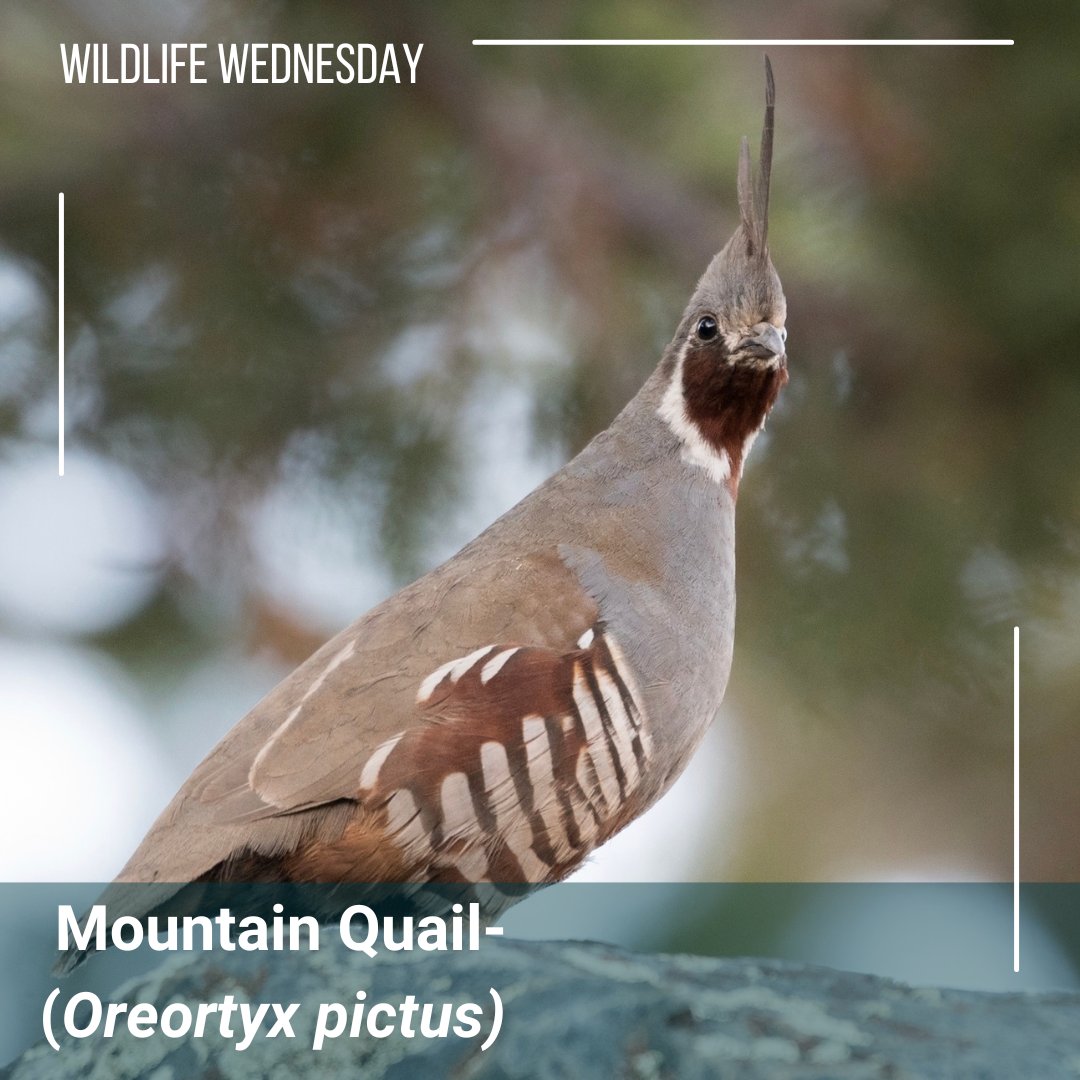
Happy #Wildlifewednesday! The Mountain Quail are easily recognized by their top knots, which are shorter in the female and change color with the seasons and location of particular populations. Mountain quail primarily move about by walking, flight is usually short and explosive.

Happy #Wildlifewednesday! The Mountain Quail are easily recognized by their top knots, which are shorter in the female and change color with the seasons and  location of particular populations. Mountain quail primarily move about by walking, flight is usually short and explosive.
SSUCEI (@ssucei) 's Twitter Profile Photo

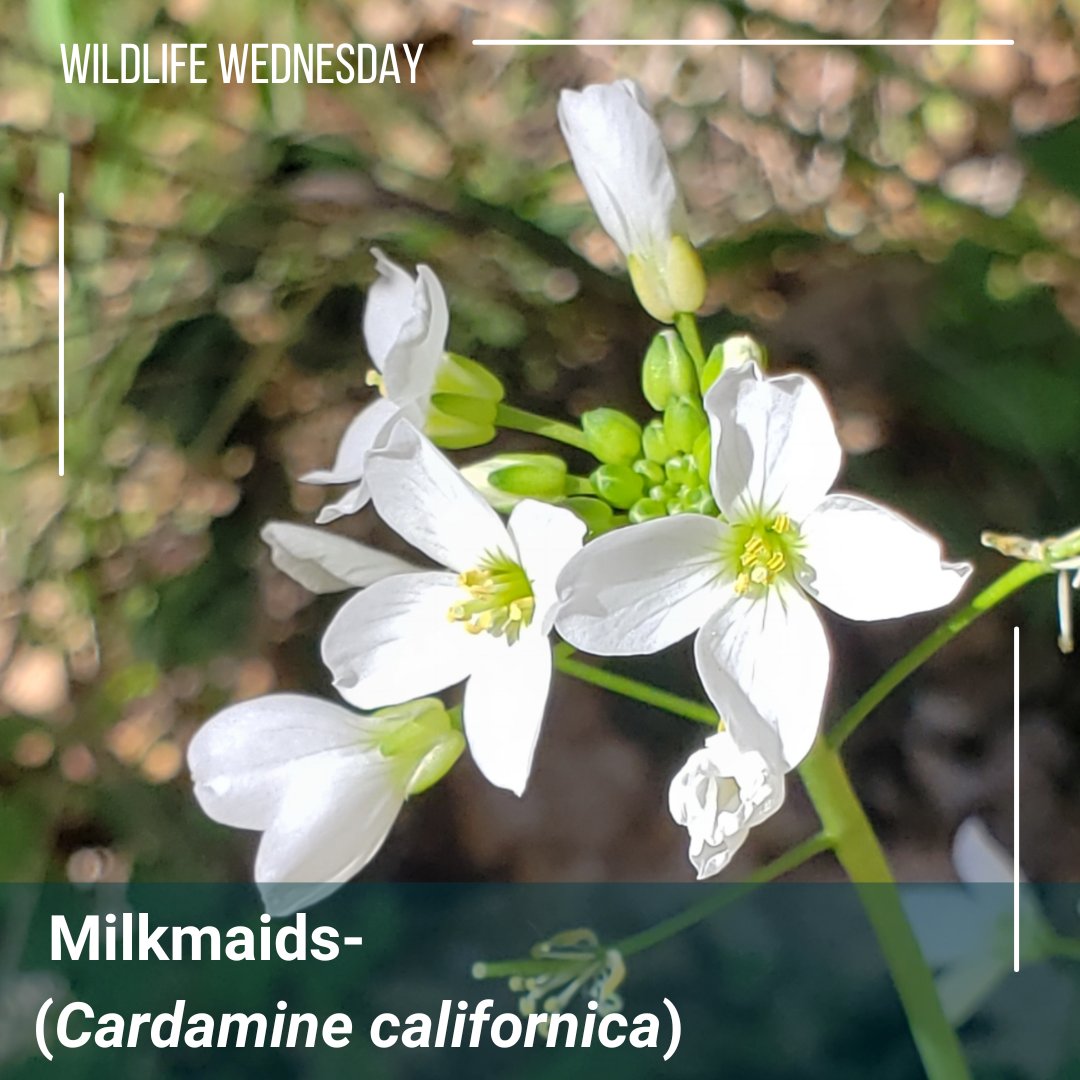
Happy first #Wildlifewednesday of the 2023 spring semester! Milkmaids, a flowering plant, it is native to western North America It is common in a variety of habitats including shady slopes, open woodlands In the San Francisco Bay Area, it is one of the first wildflowers to bloom

Happy first #Wildlifewednesday of the 2023 spring semester!
Milkmaids, a flowering plant, it is native to western North America It is common in a variety of habitats including shady slopes, open woodlands In the San Francisco Bay Area, it is one of the first wildflowers to bloom
SSUCEI (@ssucei) 's Twitter Profile Photo

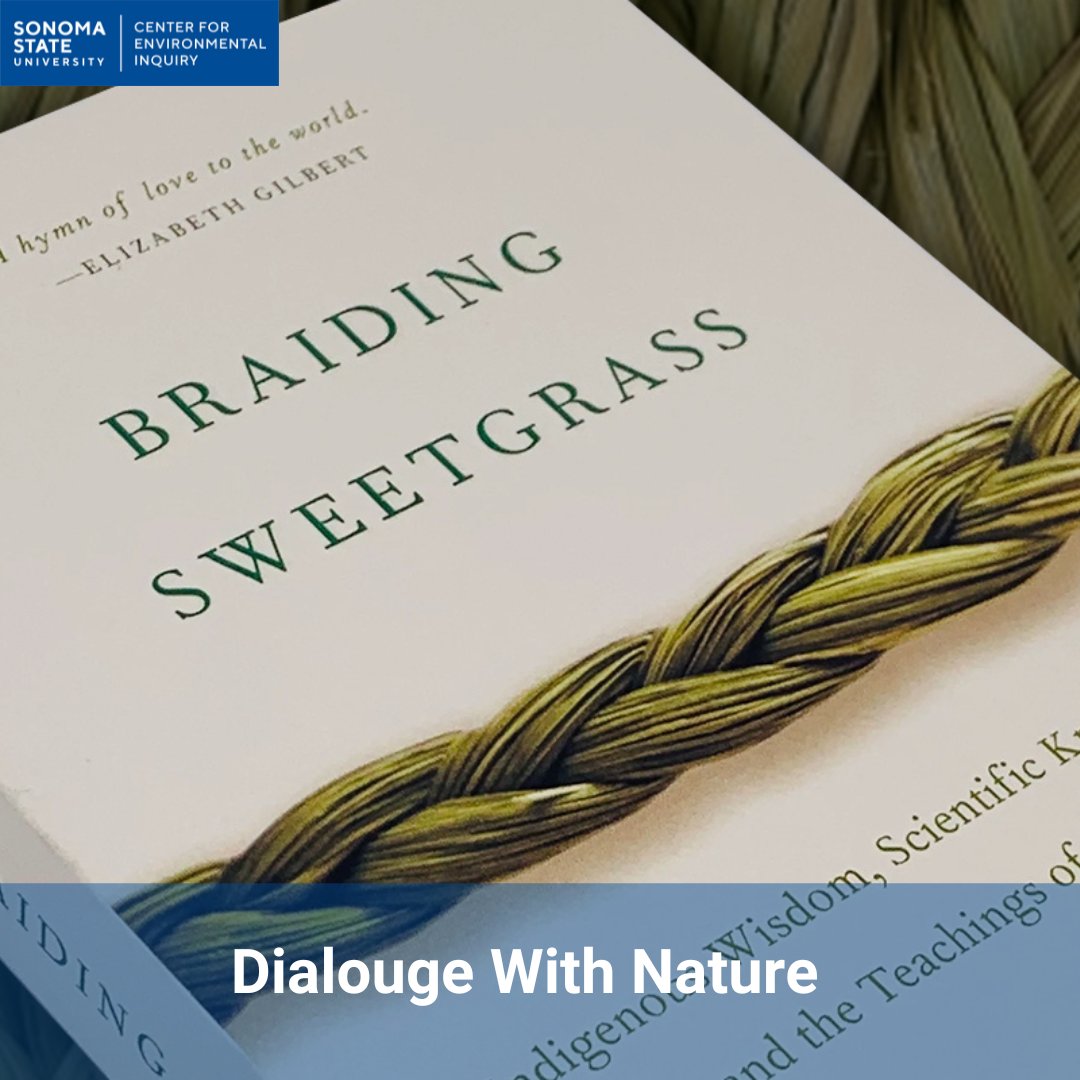
Join us TOMORROW! from 10:00am to 11:45am at Sonoma State Universities very own Butterfly Garden and engage in nautre based dialouge with SSU students and faculty! This event is being held in partnership with Hutchins Connect. cei.sonoma.edu/dialogue

Join us TOMORROW! from 10:00am to 11:45am at Sonoma State Universities very own Butterfly Garden and engage in nautre based dialouge with SSU students and faculty!

This event is being held in partnership with Hutchins Connect. 
cei.sonoma.edu/dialogue