Q4IT (@q4it_eu) 's Twitter Profile
Q4IT

@q4it_eu

Q4IT Quality Matters
Consultancy and training company, challenging traditional IT management practices, bringing a new paradigm of IT role in digital era.

ID: 720144030265446400

linkhttp://www.q4it.eu calendar_today13-04-2016 06:58:11

5,5K Tweet

461 Takipçi

766 Takip Edilen
Q4IT (@q4it_eu) 's Twitter Profile Photo

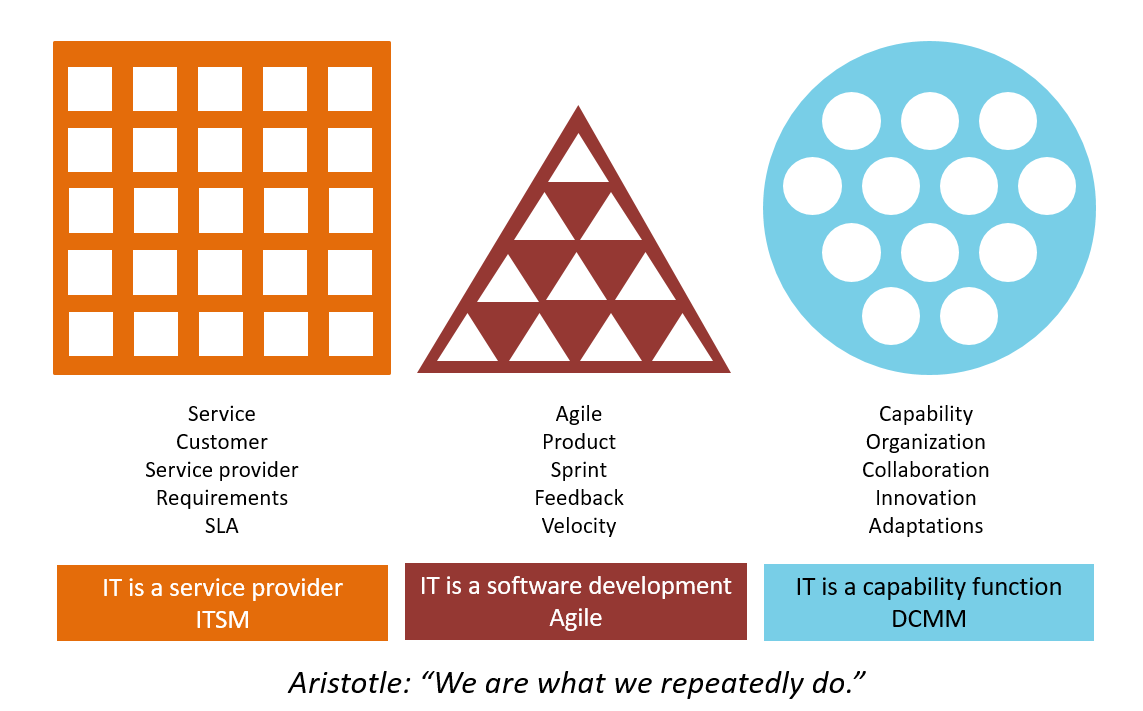
#ITSM and #Agile share the paradigm of IT as a service/product provider—business as the “customer” defining requirements, feedback, and value. Redefine IT as part of a collaboration network: working toward shared goals where us/them thinking dissolves.

#ITSM and #Agile share the paradigm of IT as a service/product provider—business as the “customer” defining requirements, feedback, and value.

Redefine IT as part of a collaboration network: working toward shared goals where us/them thinking dissolves.
Q4IT (@q4it_eu) 's Twitter Profile Photo

Quantitative metrics fit routine input–output work. But IT automates that away—yet the same metrics still dominate irrationally. That’s why IT management needs modernization. #KnowledgeWork #ITManagement #DCMM

Quantitative metrics fit routine input–output work. But IT automates that away—yet the same metrics still dominate irrationally. That’s why IT management needs modernization.
#KnowledgeWork #ITManagement #DCMM
Q4IT (@q4it_eu) 's Twitter Profile Photo

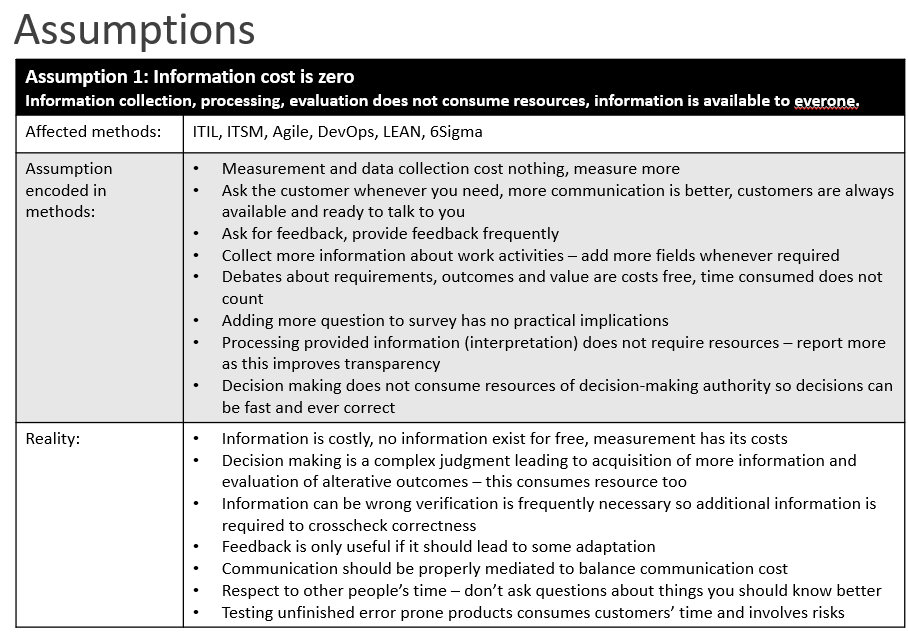
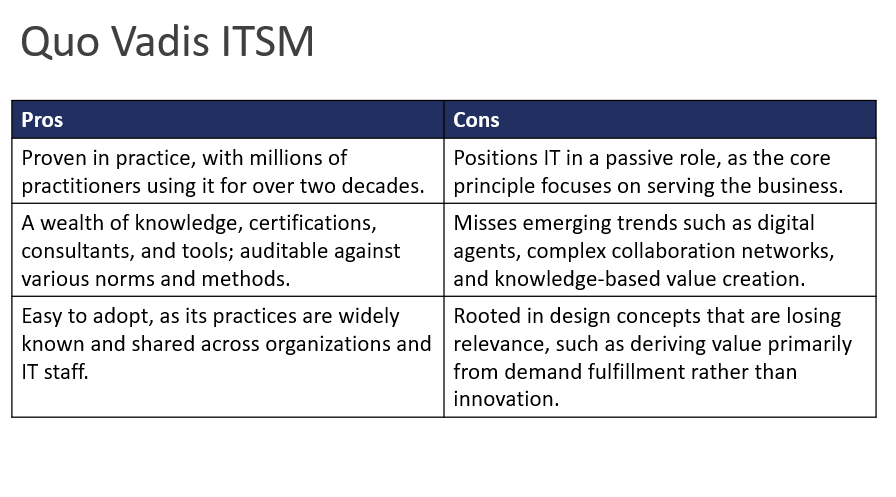
Widely used IT management methods are diverging from knowledge-era realities. They rest on flawed assumptions—like information being free, always available, E.g. feedback spontaneously emerging to enable quick adaptations.

Widely used IT management methods are diverging from knowledge-era realities. They rest on flawed assumptions—like information being free, always available, E.g. feedback spontaneously emerging to enable quick adaptations.
Q4IT (@q4it_eu) 's Twitter Profile Photo

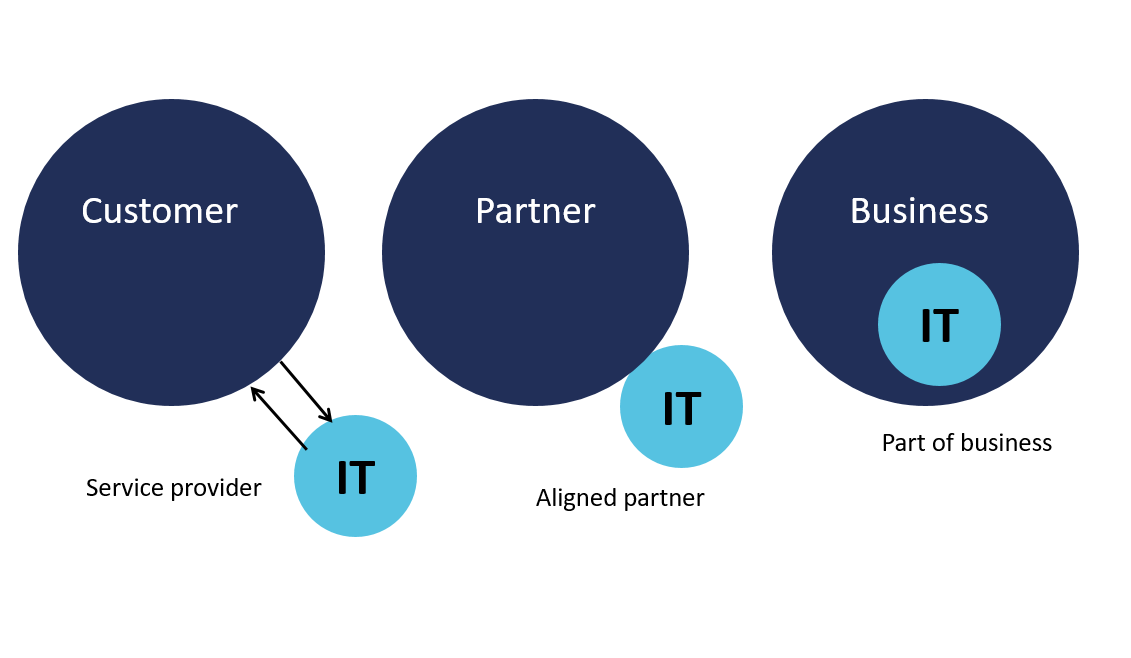
Step 1: Separate Business & IT with service interfaces → “us vs them” thinking. Step 2: Align IT with Business. Step 2 is really the only required fix for step 1. But what if we skip step 1 and treat Business as a collaborative effort from the start?

Step 1: Separate Business & IT with service interfaces → “us vs them” thinking.
Step 2: Align IT with Business.
Step 2 is really the only required fix for step 1.

But what if we skip step 1 and treat Business as a collaborative effort from the start?
Q4IT (@q4it_eu) 's Twitter Profile Photo

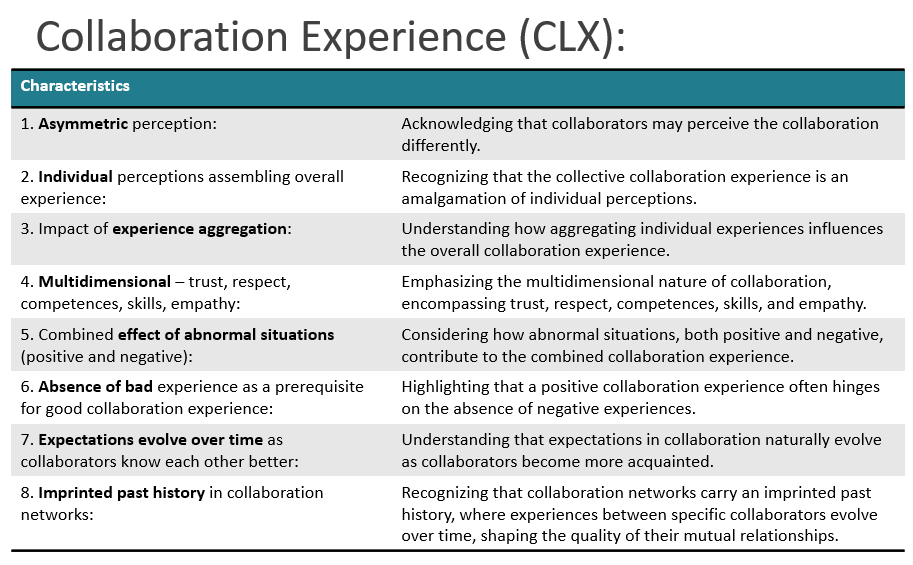
Customer Experience has been uncritically applied to all relationships—even where 'customer' just means colleague. But collaboration isn’t transactional. #CLX, unlike #CX, follows multidirectional logic.

Customer Experience has been uncritically applied to all relationships—even where 'customer' just means colleague. But collaboration isn’t transactional. #CLX, unlike #CX, follows multidirectional logic.
Q4IT (@q4it_eu) 's Twitter Profile Photo

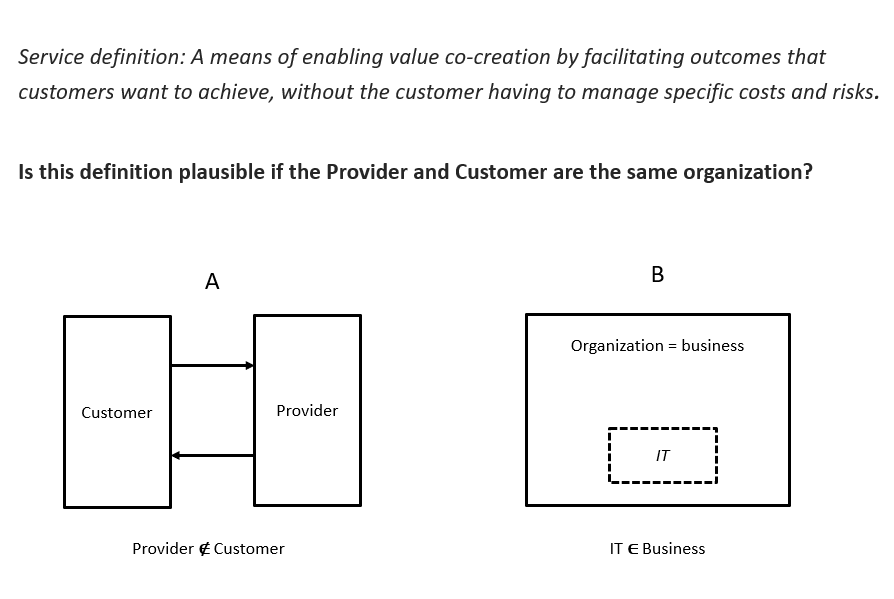
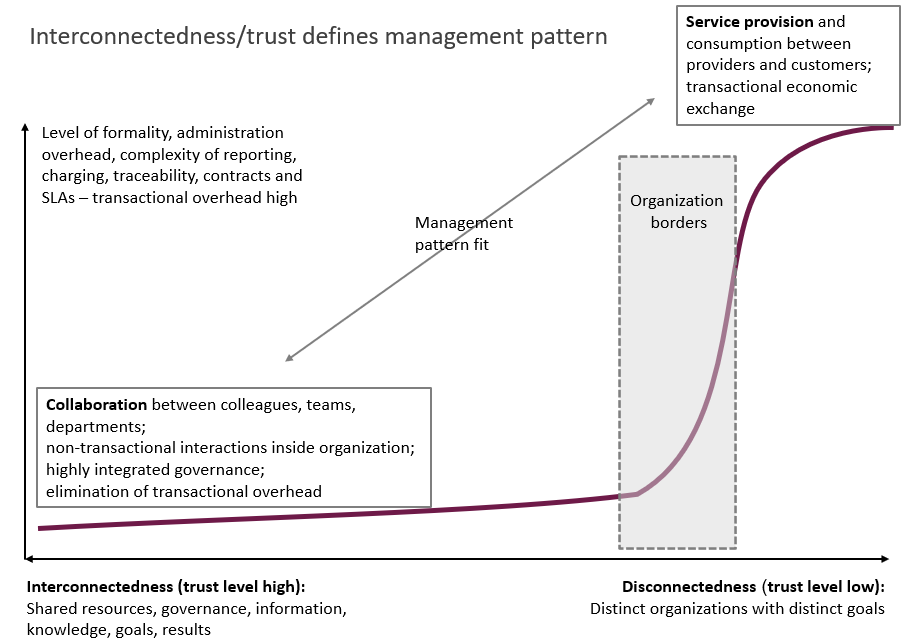
Clear separation of duties and SLAs are only needed for economic transactions between different parties. Inside organizations, they go against the very reason organizations exist: collaboration, shared knowledge, resources, and goals—to eliminate transactional overhead.

Clear separation of duties and SLAs are only needed for economic transactions between different parties. Inside organizations, they go against the very reason organizations exist: collaboration, shared knowledge, resources, and goals—to eliminate transactional overhead.
Q4IT (@q4it_eu) 's Twitter Profile Photo

Trust level is the key determinant of whether to adopt a service relationship or a collaboration logic. Service relationships are designed to enable economic exchange between organizations, while collaboration eliminates transactional overhead within organizations. #ITSM #DCMM

Trust level is the key determinant of whether to adopt a service relationship or a collaboration logic.
Service relationships are designed to enable economic exchange between organizations, while collaboration eliminates transactional overhead within organizations.
#ITSM #DCMM
Q4IT (@q4it_eu) 's Twitter Profile Photo

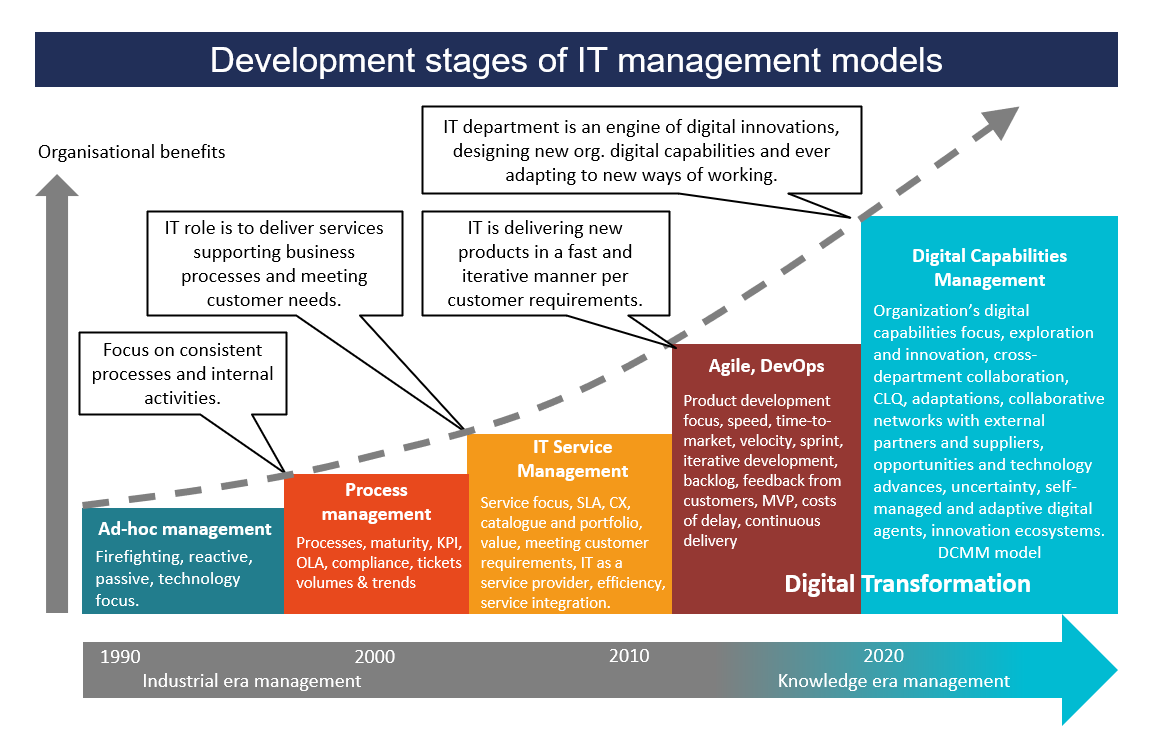
Digital Capabilities Management Model #DCMM repositions IT from a reactive service/product provider to a capability function of the organization. IT becomes an active player in organization-wide collaboration & innovation. The “us vs. them” split disappears.

Digital Capabilities Management Model #DCMM repositions IT from a reactive service/product provider to a capability function of the organization.
IT becomes an active player in organization-wide collaboration & innovation.
The “us vs. them” split disappears.