WWW.CDT.FR (@optima_aurum) 's Twitter Profile
WWW.CDT.FR

@optima_aurum

Spécialiste dans la vente et l'achat de métaux précieux et devises depuis 1984. Envoi sur toute la France. Avis clients sur TRUSTPILOT : Score Excellent 5/5

ID: 250872491

linkhttp://www.cdt.fr calendar_today12-02-2011 00:06:10

2,2K Tweet

571 Takipçi

3,3K Takip Edilen

🪔 TimeTravelRome (@timetravelrome) 's Twitter Profile Photo

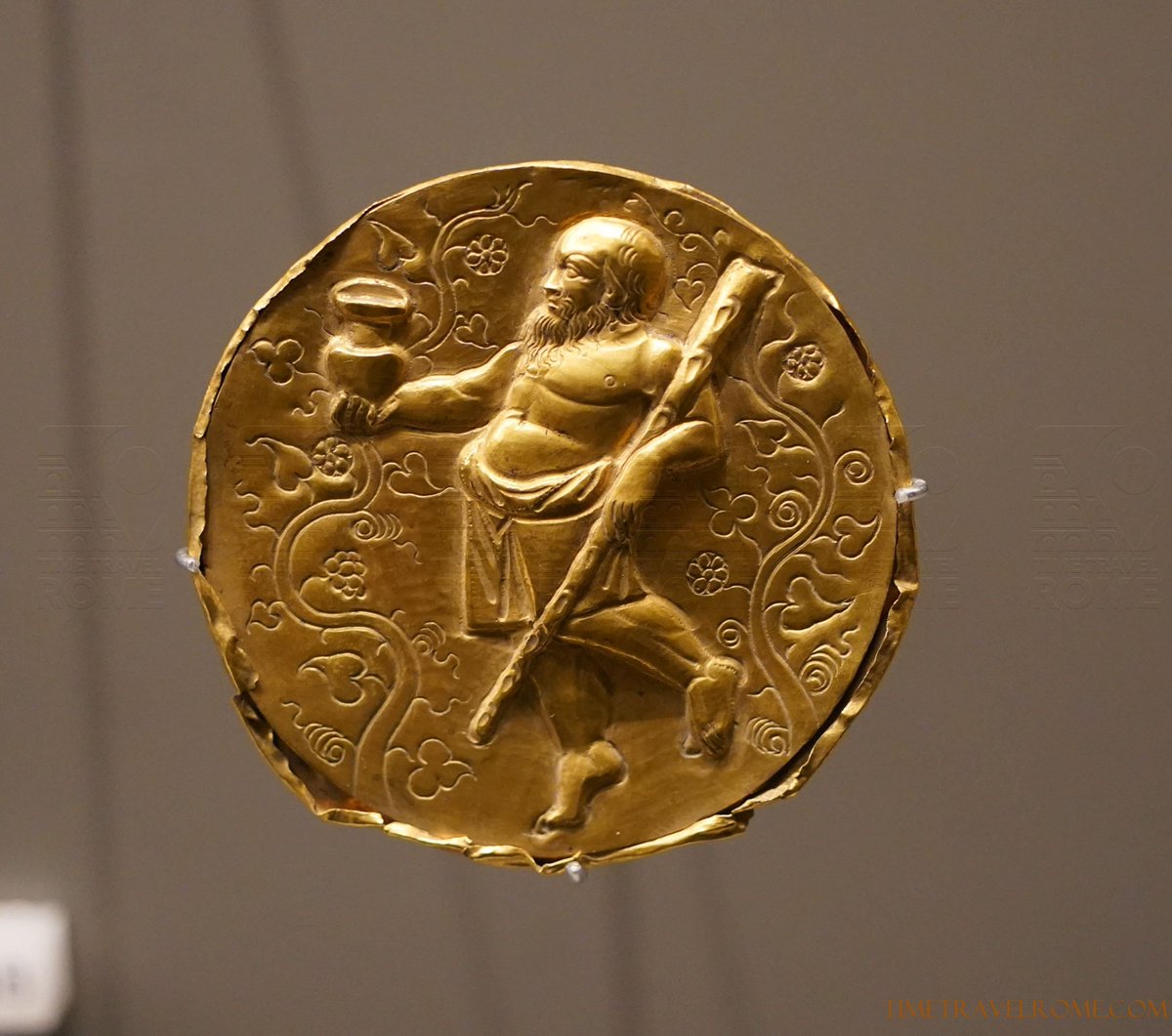
🪔 For eyes pleasure: these two gold appliques represent Bacchus and Silenus. Produced in Roman Syria in the 3rd c. AD, they are designed to be sewn onto a garment, to evoke nocturnal festivities in honor of Bacchus and mystery cults. Now in BnF, Paris. 📸 me

🪔 For eyes pleasure: these two gold appliques represent Bacchus and Silenus. Produced in Roman Syria in the 3rd c. AD, they are designed to be sewn onto a garment, to evoke nocturnal festivities in honor of Bacchus and mystery cults. Now in BnF, Paris. 📸 me
🪔 TimeTravelRome (@timetravelrome) 's Twitter Profile Photo

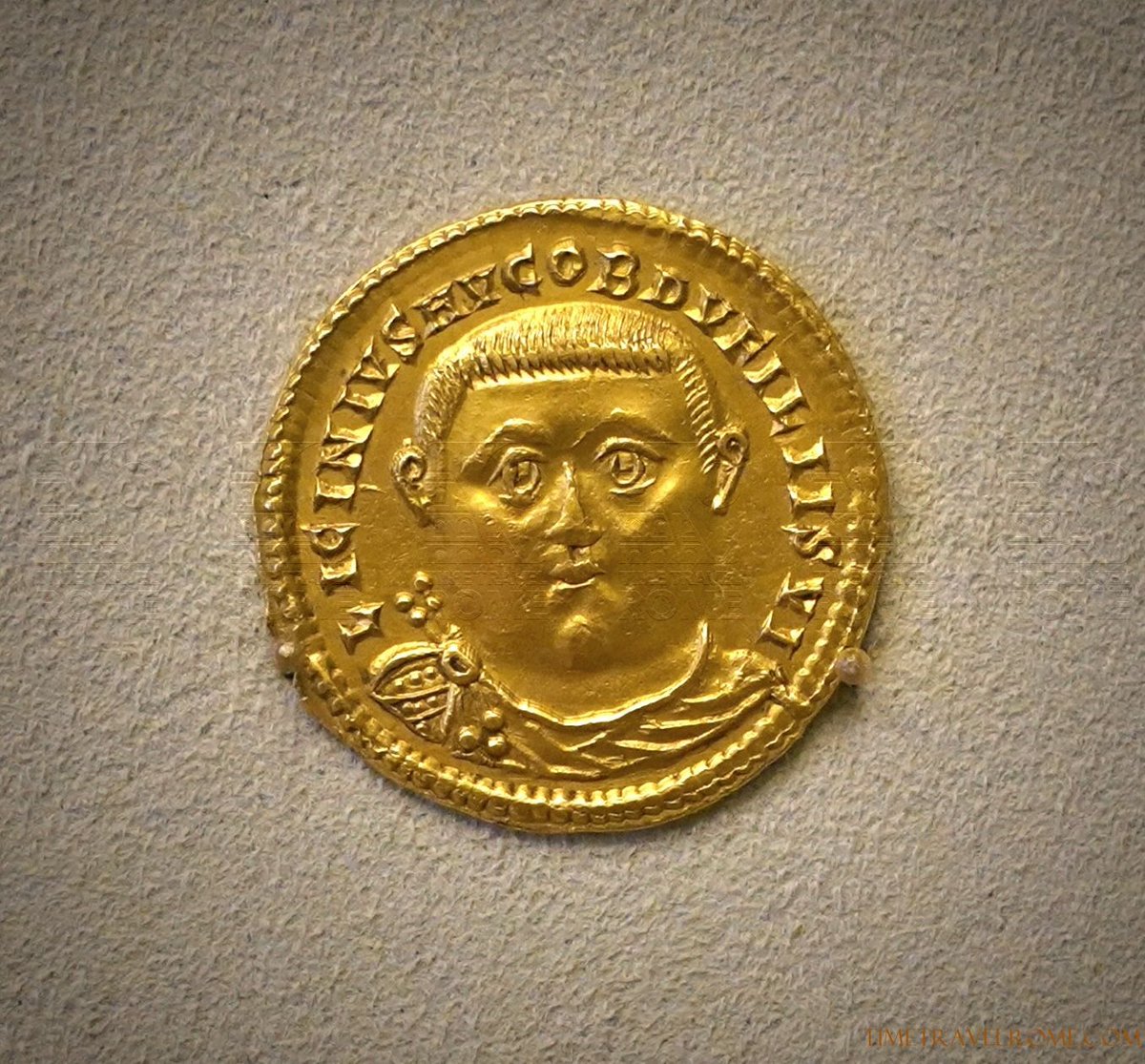
🪔 #OnThisDay in 316 AD #Licinius was defeated at Cibalae (today Croatia) by Constantine I. It was the first in the series of battles between co-emperors and rivals which has ultimately led to the ultimate defeat - and murder - of Licinius at the Battle of Chrysopolis in AD 324.

🪔 #OnThisDay in 316 AD #Licinius was defeated at Cibalae (today Croatia) by Constantine I. It was the first in the series of battles between co-emperors and rivals which has ultimately led to the ultimate defeat - and murder - of Licinius at the Battle of Chrysopolis in AD 324.
🌿 Héraklès Citharède🏺 (@heraklescithare) 's Twitter Profile Photo

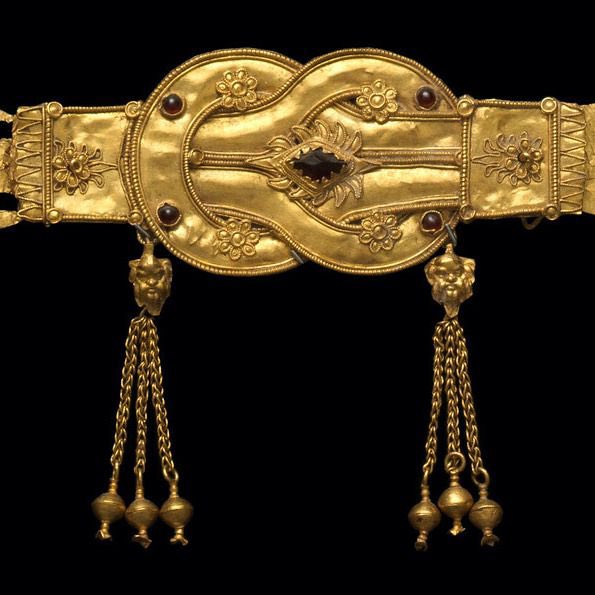
Diadème en or figurant un noeud d’Héraclès serti de grenats. À porter au théâtre ou dans les symposions. Prix sur demande 😁 ! MET Museum, période hellénistique.

Diadème en or figurant un noeud d’Héraclès serti de grenats. À porter au théâtre ou dans les symposions. Prix sur demande 😁 !

MET Museum, période hellénistique.
Roman History (@romanhistory1) 's Twitter Profile Photo

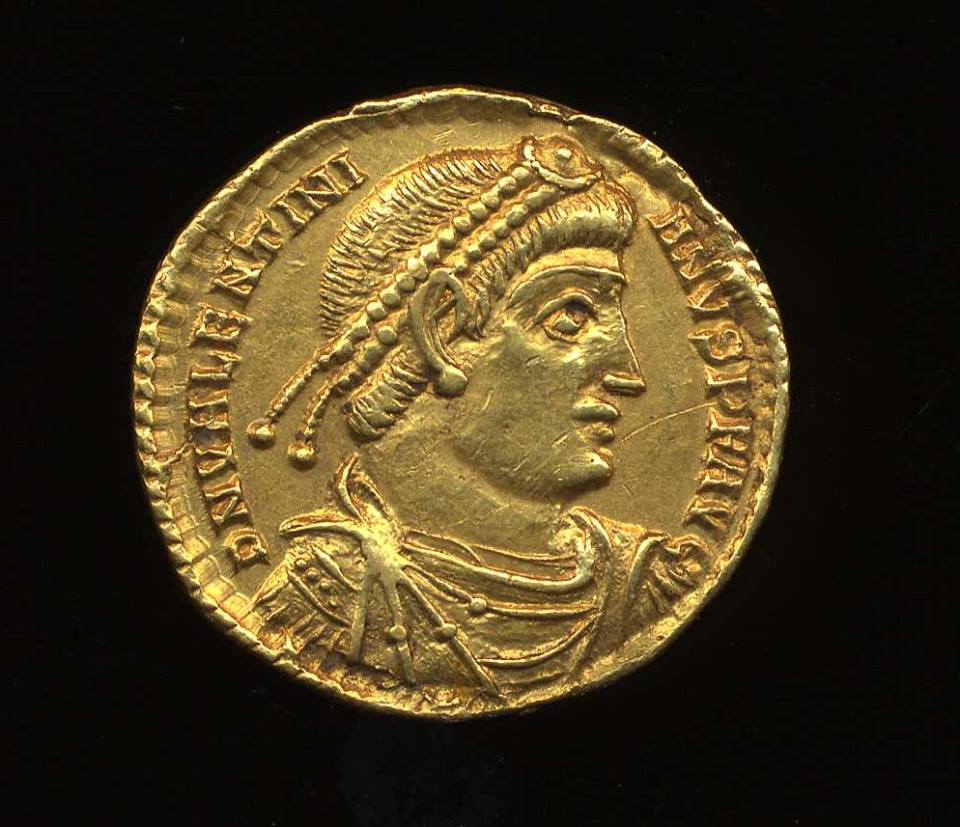
Died today 375AD Valentinian I "The Great", Roman Co-Emperor and Ruler of Western Roman Empire (336-75), dies at 54. He is often considered to be the "last great western emperor". He founded the Valentinian Dynasty, with his sons Gratian and Valentinian II succeeding him in the

Died today 375AD Valentinian I "The Great", Roman Co-Emperor and Ruler of Western Roman Empire (336-75), dies at 54. He is often considered to be the "last great western emperor". He founded the Valentinian Dynasty, with his sons Gratian and Valentinian II succeeding him in the
🪔 TimeTravelRome (@timetravelrome) 's Twitter Profile Photo

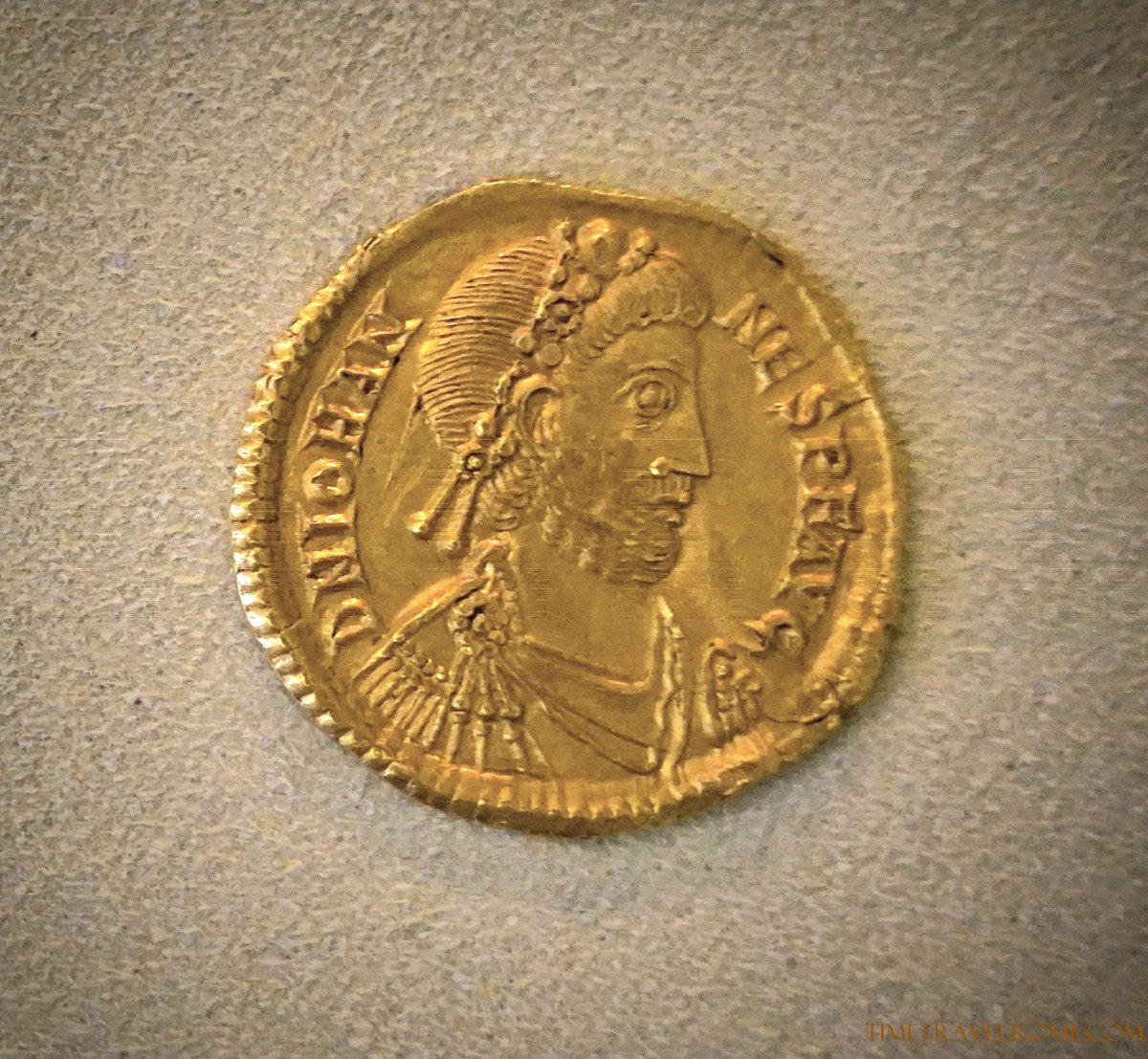
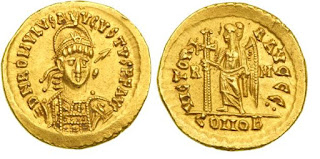
🪔 #OnThiDay in 423, #Johannes seized power in Rome after the death of Emperor #Honorius. With no clear successor and no one else eager for the throne, he briefly declared himself emperor. Johannes - former Honorius' chief secretary - managed to install himself as the new Western

🪔 #OnThiDay in 423, #Johannes seized power in Rome after the death of Emperor #Honorius. With no clear successor and no one else eager for the throne, he briefly declared himself emperor. Johannes - former Honorius' chief secretary - managed to install himself as the new Western
Archaeology & Art (@archaeologyart) 's Twitter Profile Photo

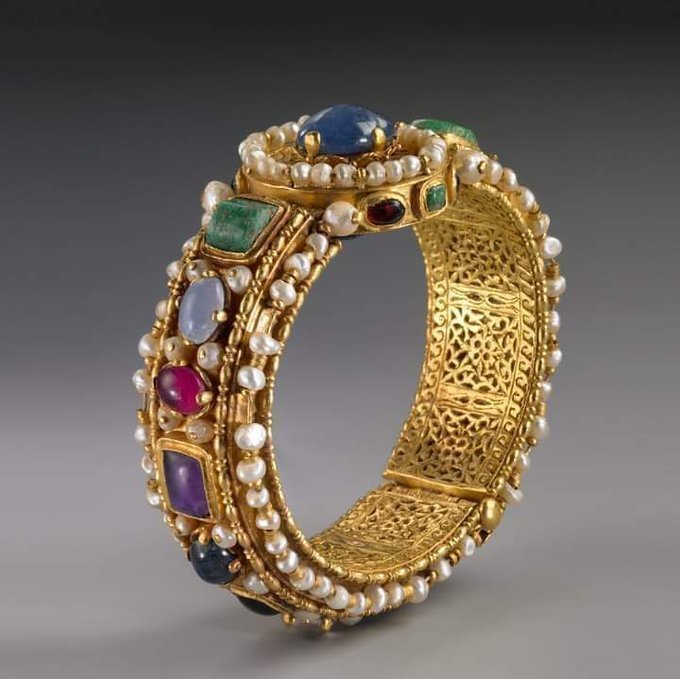
6th century Byzantine gold bracelet adorned with various gemstones and pearls, currently part of the Toledo Museum of Art collection, Ohio, USA.

6th century Byzantine gold bracelet adorned with various gemstones and pearls, currently part of the Toledo Museum of Art collection, Ohio, USA.
🪔 TimeTravelRome (@timetravelrome) 's Twitter Profile Photo

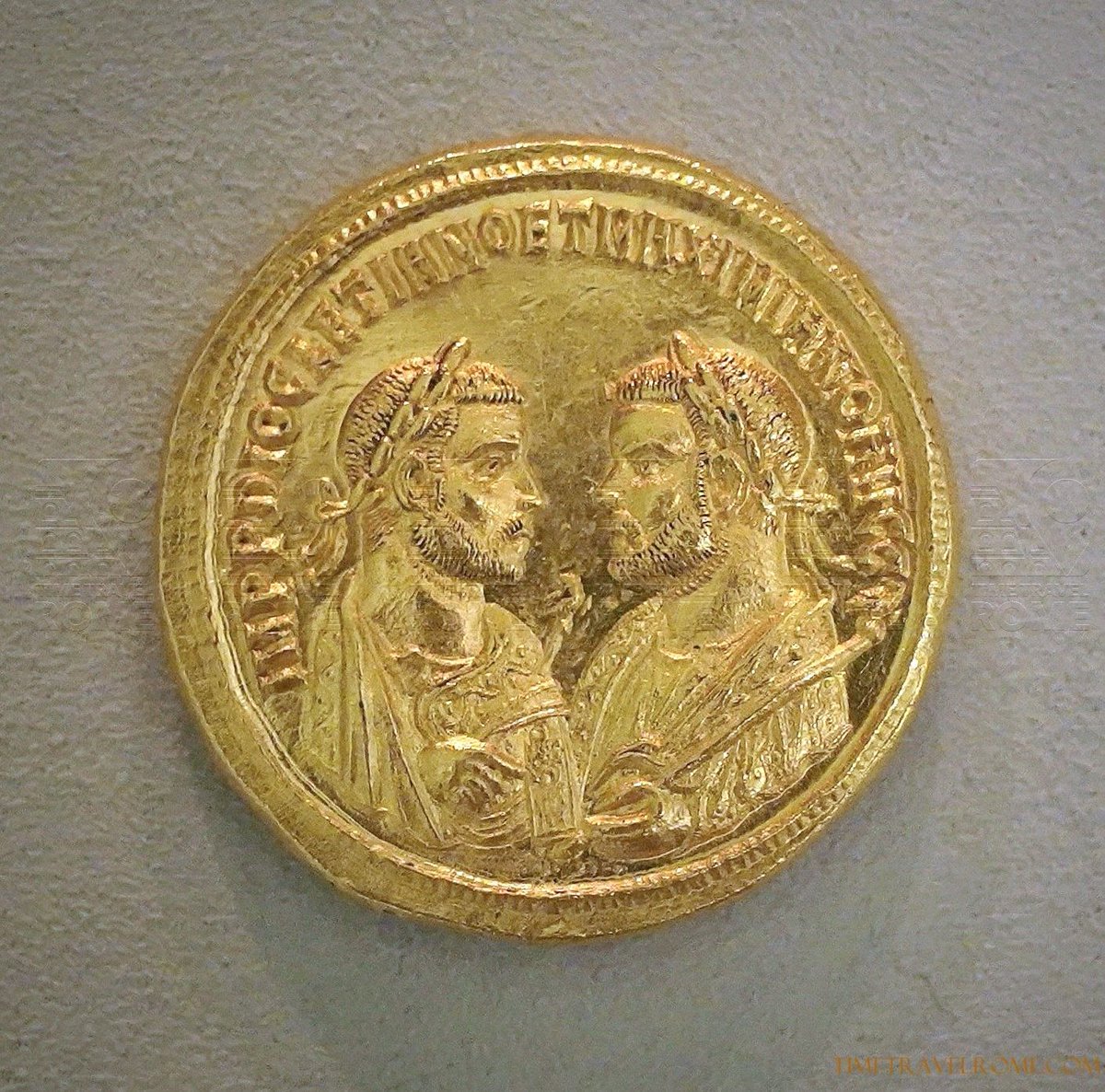
🪔 Born #OnThisDay: Diocletian, The Emperor Who Reformed Rome. Born around 244 CE in Dalmatia, Diocletian rose from humble origins to become one of Rome's most transformative emperors. Taking power in 284 CE after a successful military career, he fundamentally reshaped the Roman

🪔 Born #OnThisDay: Diocletian, The Emperor Who Reformed Rome. Born around 244 CE in Dalmatia, Diocletian rose from humble origins to become one of Rome's most transformative emperors. Taking power in 284 CE after a successful military career, he fundamentally reshaped the Roman
🌿 Héraklès Citharède🏺 (@heraklescithare) 's Twitter Profile Photo

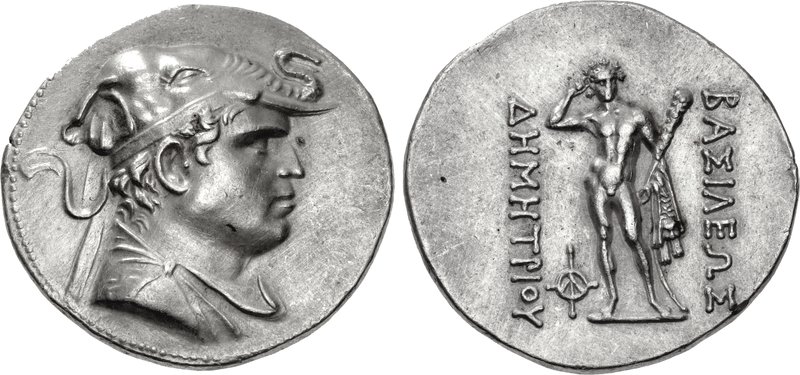
Ce tétradrachme figure Démétrios Ier "Aniketos" (Invaincu) roi de Bactriane portant le massacre d'un éléphant, symbole de ses conquêtes en Inde. Au revers, Héraclès nu se couronne des lauriers de la victoire, portant la massue et la léonté au bras gauche. Début du IIe siècle

Ce tétradrachme figure Démétrios Ier "Aniketos" (Invaincu) roi de Bactriane portant le massacre d'un éléphant, symbole de ses conquêtes en Inde. Au revers, Héraclès nu se couronne des lauriers de la victoire, portant la massue et la léonté au bras gauche. 

Début du IIe siècle
Archaeology & Art (@archaeologyart) 's Twitter Profile Photo

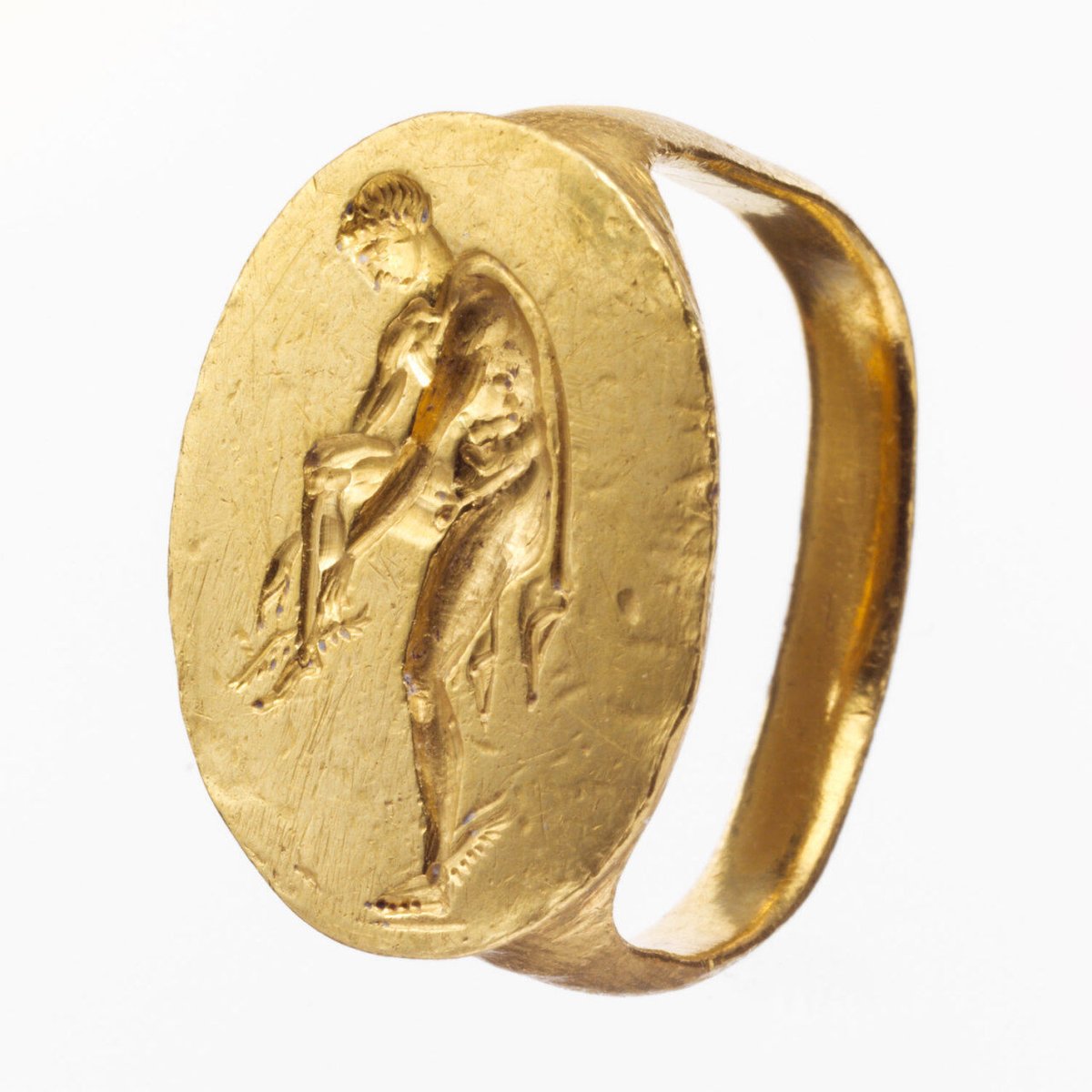
Gold finger ring engraved with Hermes, Greek (South Italian, Tarentine), Late Classical, late 4th century BC, gold; Collection: The Metropolitan Museum of Art, New York (currently on view, Gallery 158).

Gold finger ring engraved with Hermes, Greek (South Italian, Tarentine), Late Classical, late 4th century BC, gold; Collection: The Metropolitan Museum of Art, New York (currently on view, Gallery 158).
Archaeology & Art (@archaeologyart) 's Twitter Profile Photo

Signet ring with she‑wolf nursing Romulus and Remus. Culture: Roman. Period: Late Republic. Date: 1st century BC. Medium: gold and chalcedony.

Signet ring with she‑wolf nursing Romulus and Remus. Culture: Roman. Period: Late Republic. Date: 1st century BC. Medium: gold and chalcedony.
Ghost of Hellas (@ghostofhellas) 's Twitter Profile Photo

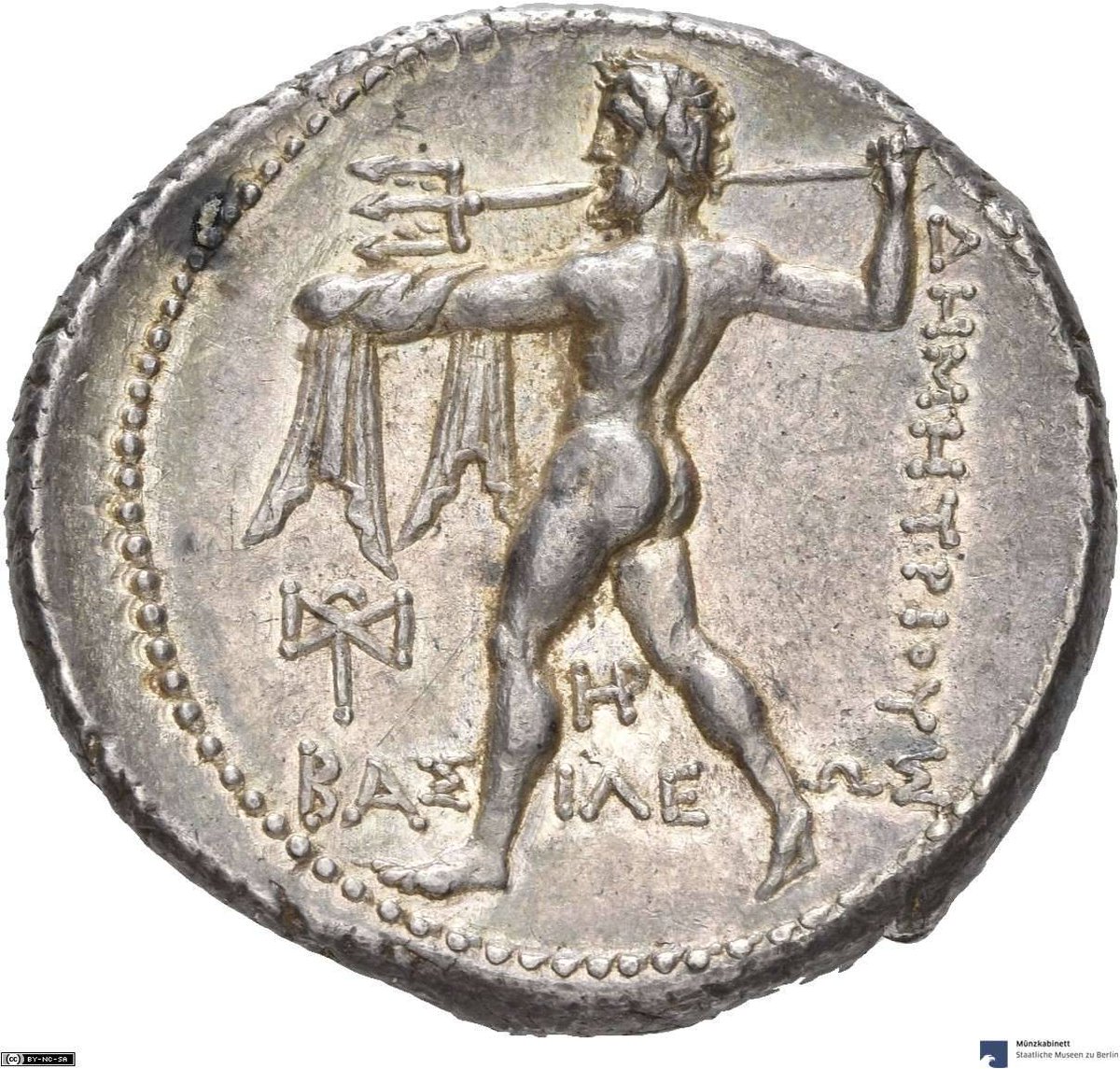
Coin with Nike and Poseidon, issued by the Macedonian general-king Demetrius Poliorcetes, minted at Salamis (Cyprus), 300–295 BC. Collection: Berlin State Museums, Numismatic Collection.

Coin with Nike and Poseidon, issued by the Macedonian general-king Demetrius Poliorcetes, minted at Salamis (Cyprus), 300–295 BC. Collection: Berlin State Museums, Numismatic Collection.
Roman History (@romanhistory1) 's Twitter Profile Photo

Rome's foundation myth centers on Romulus, the legendary first king, while the Western Roman Empire's final emperor was Romulus Augustulus, the last emperor to rule from the West. The idea that Rome "started" with a Romulus and "ended" with a Romulus is a striking parallel

Rome's foundation myth centers on Romulus, the legendary first king, while the Western Roman Empire's final emperor was Romulus Augustulus, the last emperor to rule from the West. The  idea that Rome "started" with a Romulus and "ended" with a Romulus is a  striking parallel
Roman History (@romanhistory1) 's Twitter Profile Photo

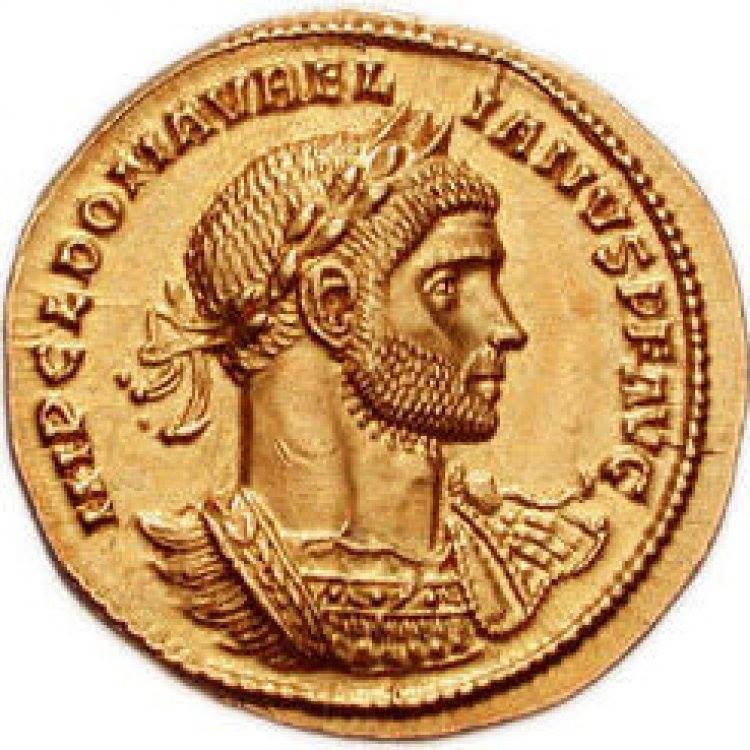
Born today 214AD Aurelian. His military successes were instrumental in ending the Roman Empire's Crisis of the Third Century, earning him the title Restitutor Orbis or 'Restorer of the World'

Born today 214AD Aurelian. His military successes were instrumental in ending the Roman Empire's Crisis of the Third Century, earning him the title Restitutor Orbis or 'Restorer of the World'
Roman History (@romanhistory1) 's Twitter Profile Photo

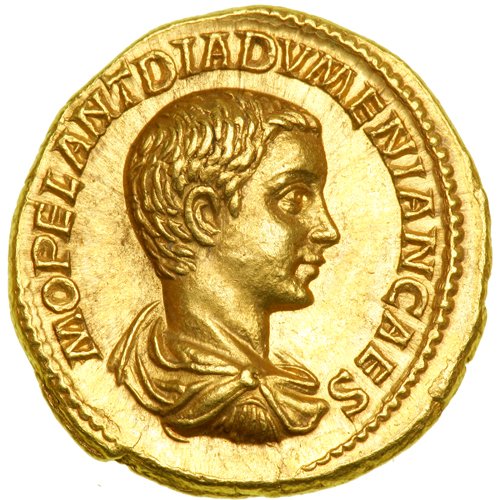
Born today 208AD Diadumenian. He was the son of Macrinus and made Caesar at the age of nine in 217 AD and Augustus in 218. After his father's defeat he fled towards Parthia but was overtaken and executed.

Born today 208AD Diadumenian. He was the son of Macrinus and made Caesar at the age of nine in 217 AD and Augustus in 218. After his father's defeat he fled towards Parthia but was overtaken and executed.
Roman History (@romanhistory1) 's Twitter Profile Photo

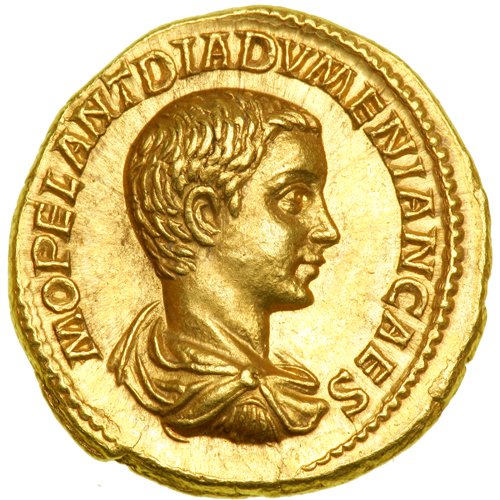
Born today 208AD🏛️ Diadumenian. He was the son of Macrinus and made Caesar at the age of nine in 217 AD and Augustus in 218. After his father's defeat he fled towards Parthia but was overtaken and executed

Born today 208AD🏛️ Diadumenian. He was the son of Macrinus and made Caesar at the age of nine in 217 AD and Augustus in 218. After his father's defeat he fled towards Parthia but was overtaken and executed
ArchaeoHistories (@histories_arch) 's Twitter Profile Photo

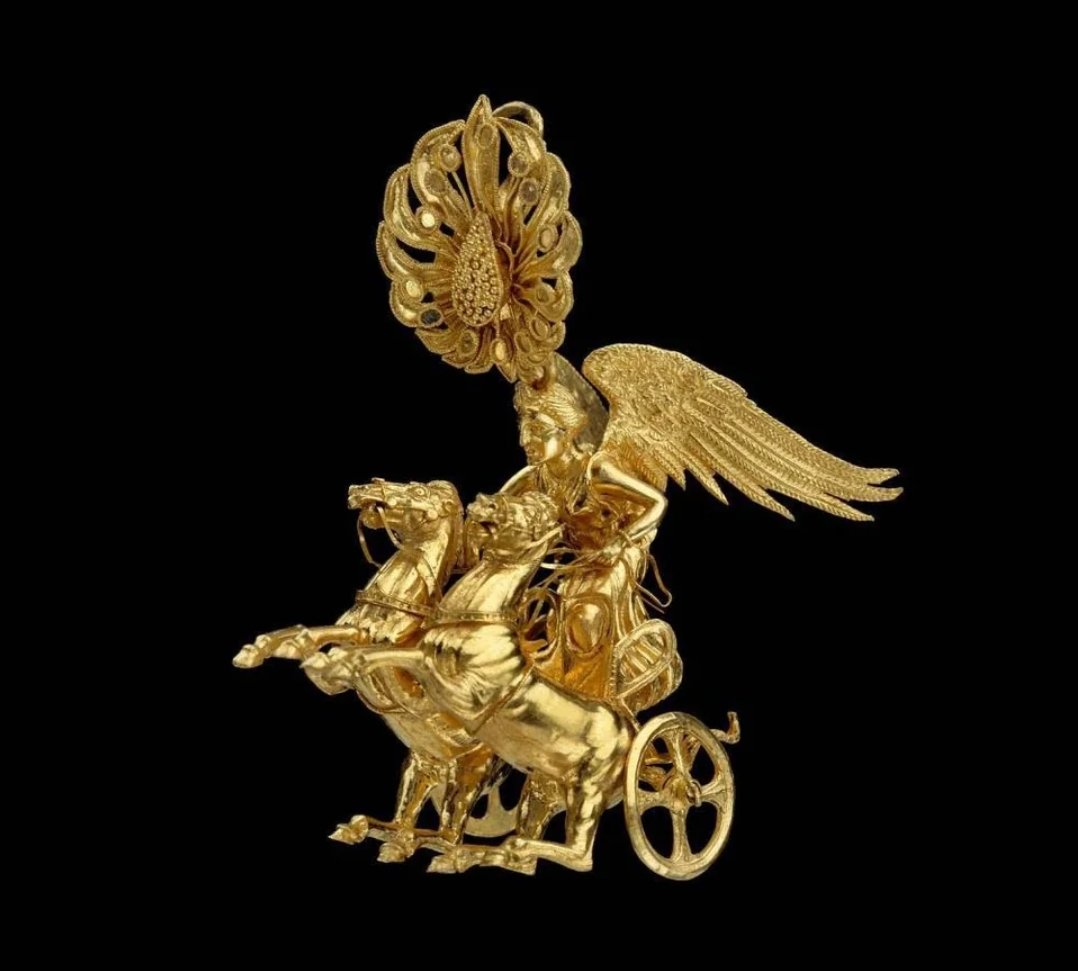
Ancient Greek gold earring featuring Nike, the goddess of victory, driving a two-horse chariot (a biga). This extraordinary earring dates back to Late Classical or Early Hellenistic Period, specifically around 350-325 BC, and was found in Peloponnese, Greece. It is a testament to

Ancient Greek gold earring featuring Nike, the goddess of victory, driving a two-horse chariot (a biga). This extraordinary earring dates back to Late Classical or Early Hellenistic Period, specifically around 350-325 BC, and was found in Peloponnese, Greece. It is a testament to
NGC (@ngccoin) 's Twitter Profile Photo

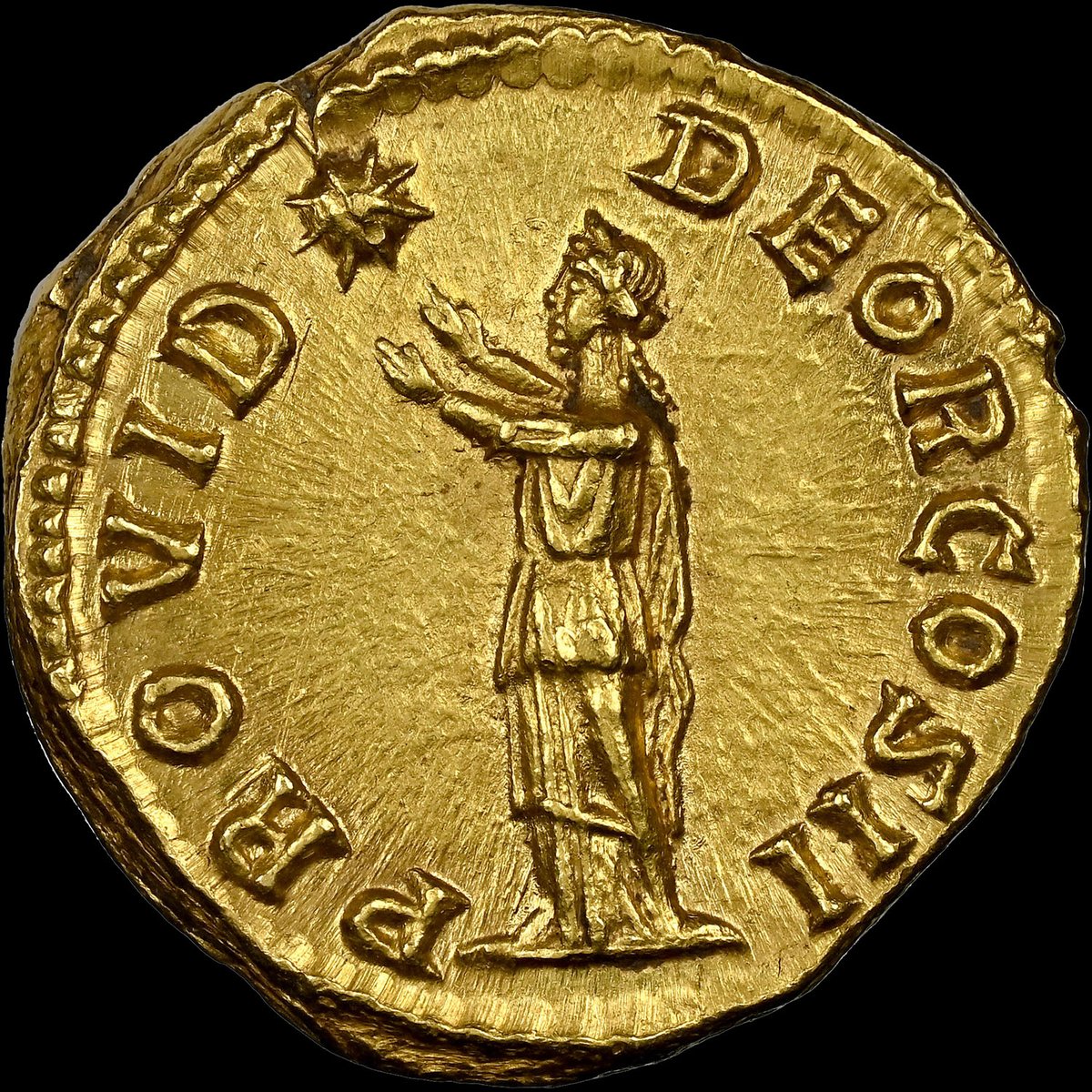
Coin of the Day: For #ThrowbackThursday, here’s a gold Aureus of Emperor Pertinax, whose short reign began on this day in A.D. 193. This coin has an estimate of at least $70,000 in a Heritage Auctions sale this month: tinyurl.com/42pbsp3z #coins #ancientcoins #ancientrome

Coin of the Day: For #ThrowbackThursday, here’s a gold Aureus of Emperor Pertinax, whose short reign began on this day in A.D. 193. This coin has an estimate of at least $70,000 in a Heritage Auctions sale this month: tinyurl.com/42pbsp3z #coins #ancientcoins #ancientrome