Mircavid (@mircavid16) 's Twitter Profile
Mircavid

@mircavid16

Archaeologist/Historian
National Museum of History of Azerbaijan🇦🇿

ID: 1205359405514055680

calendar_today13-12-2019 05:31:05

45 Tweet

77 Takipçi

222 Takip Edilen

Mircavid (@mircavid16) 's Twitter Profile Photo

"Ancient" armenians from Karabakh call their capital city Stepanakert. Stepan was the bolshevik in the first half of the 20th century. Yes, everyone can check it. Also, check how armenians settled in Karabakh after Russian occupation in 19th century.#KarabakhisAzerbaijan

Mircavid (@mircavid16) 's Twitter Profile Photo

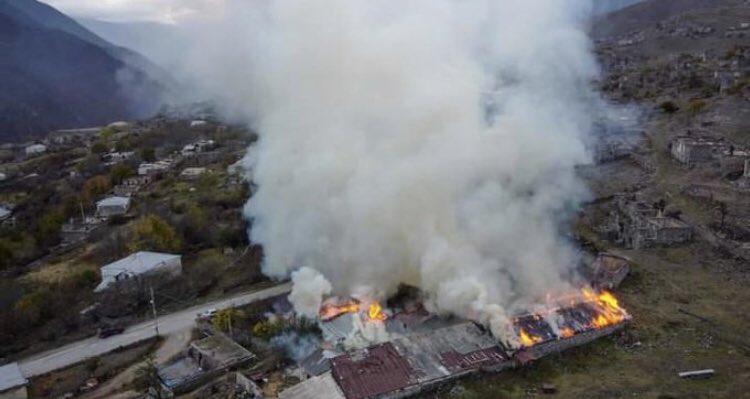
Why do Armenians burn their "houses" when they leave? Because they know that those houses did not belong to them, they had just temporarily occupied them. #StopArmenianAggression #KalbajarisAzerbaijan #KarabakhisAzerbaijan

Why do Armenians burn their "houses" when they leave?
 Because they know that those houses did not belong to them, they had just temporarily occupied them.

#StopArmenianAggression 
#KalbajarisAzerbaijan 
#KarabakhisAzerbaijan
The Caucasus Through Time Network (@caucasusnetwork) 's Twitter Profile Photo

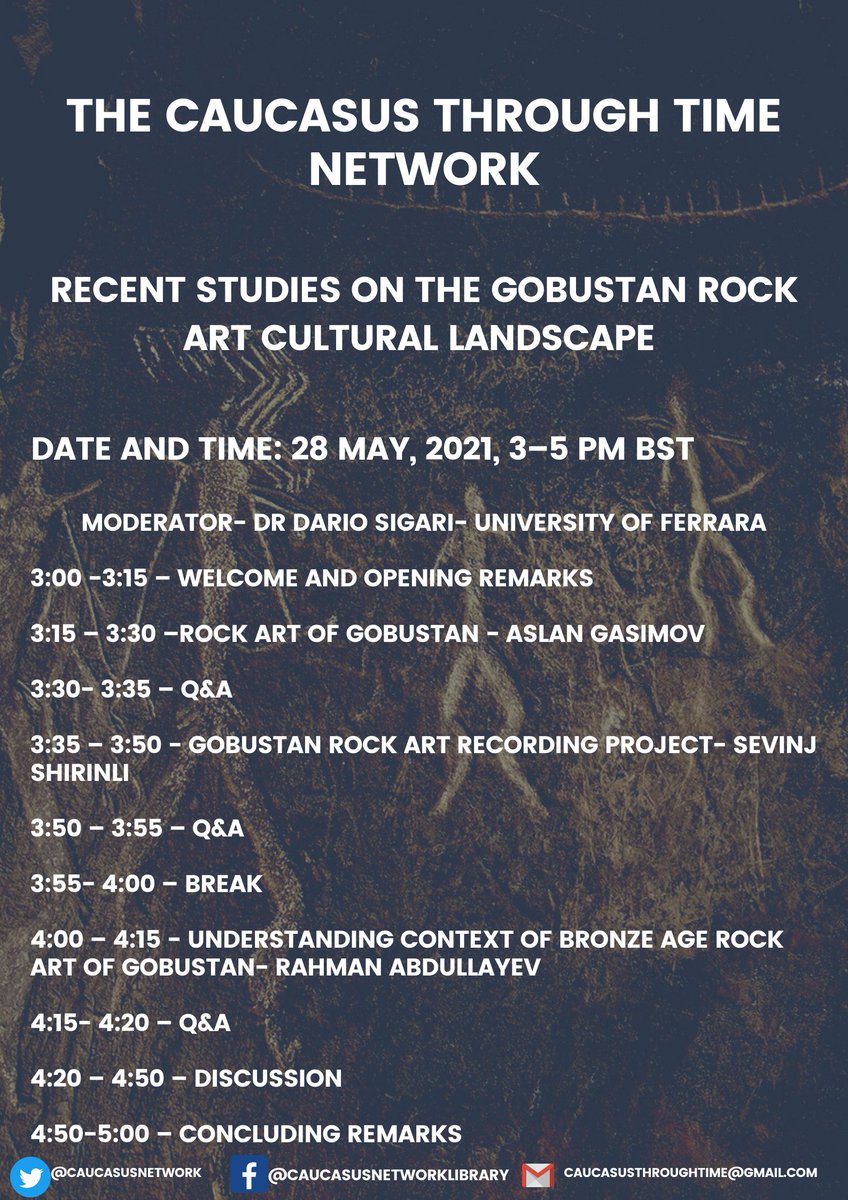
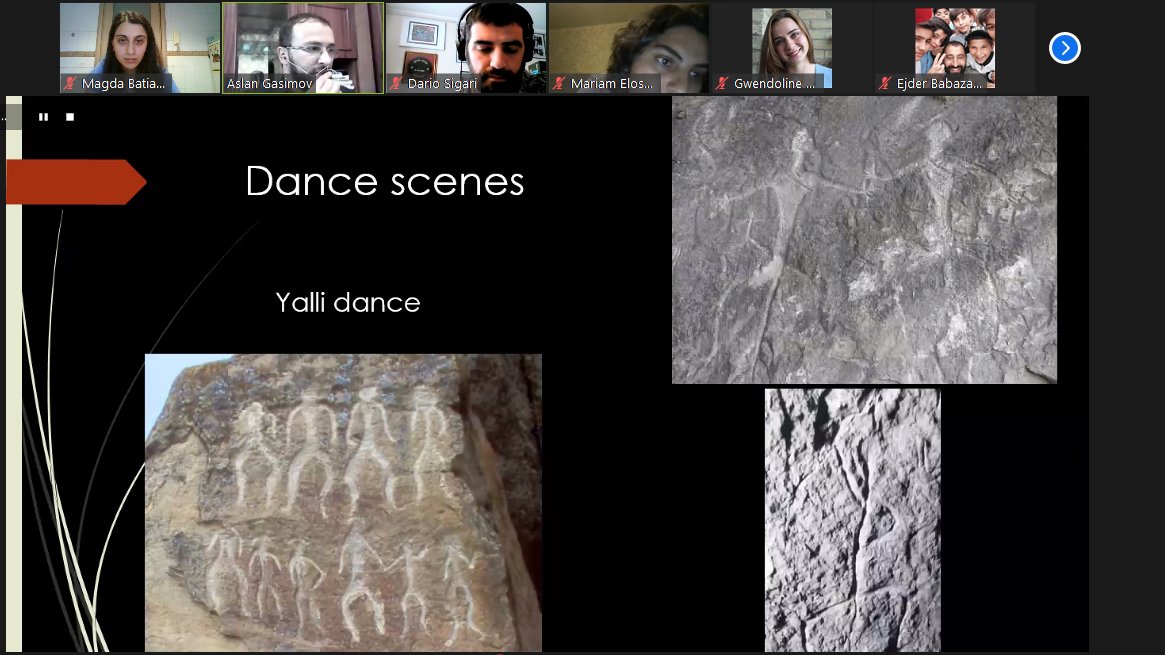
Join us for our #CTTN virtual seminar (📅28th May, 3-5pm BST): Recent Studies on the #Gobustan Rock Art Cultural Landscape. Please register in advance using the link: ucl.zoom.us/meeting/regist…

Join us for our #CTTN virtual seminar (📅28th May, 3-5pm BST): Recent Studies on the #Gobustan Rock Art Cultural Landscape.
Please register in advance using the link: 
ucl.zoom.us/meeting/regist…
The Met: Ancient Near Eastern Art (@met_ancientart) 's Twitter Profile Photo

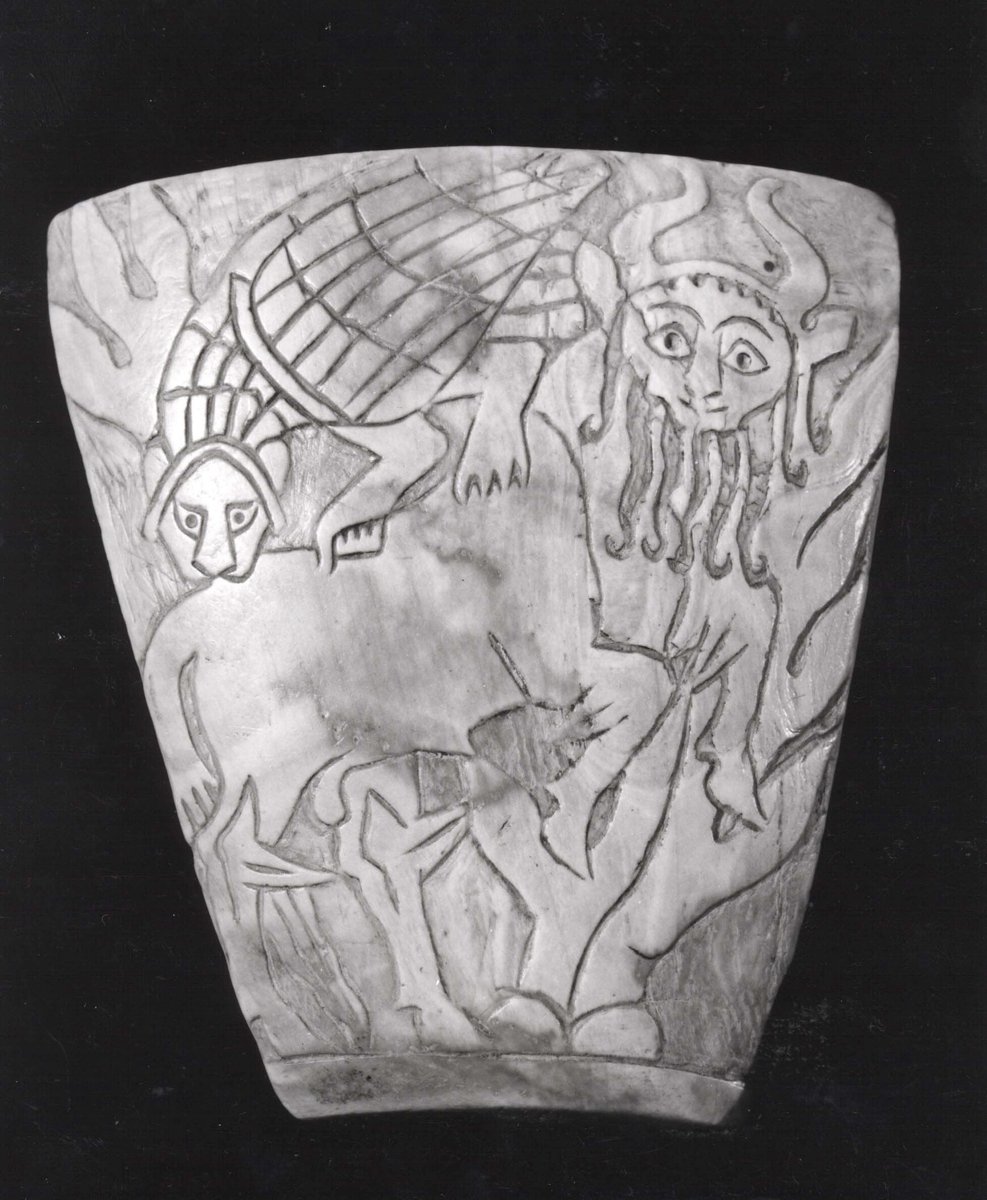
Inlay: combat between a human-headed bull and a lion-headed eagle, ca. 2600–2500 B.C. metmuseum.org/art/collection… #metmuseum #ancientart

Inlay: combat between a human-headed bull and a lion-headed eagle, ca. 2600–2500 B.C. metmuseum.org/art/collection… #metmuseum #ancientart
Mike (@doranimated) 's Twitter Profile Photo

Ottoman, Safavid and Mughal Empires. Even many people who know history don’t know that the Safavids and Mughals were Turks. And the Safavids were Azerbaijani!

Archaeology & Art (@archaeologyart) 's Twitter Profile Photo

Babylonian clay tablet written in Akkadian, containing one of the oldest known cooking recipes. The tablet includes 25 recipes for stews, 21 meat stews and 4 vegetable stews. ca. 1.730 BC. Now on display at the Yale Babylonian Collection.

Babylonian clay tablet written in Akkadian, containing one of the oldest known cooking recipes. The tablet includes 25 recipes for stews, 21 meat stews and 4 vegetable stews. ca. 1.730 BC. Now on display at the Yale Babylonian Collection.
ArchaeoHistories (@histories_arch) 's Twitter Profile Photo

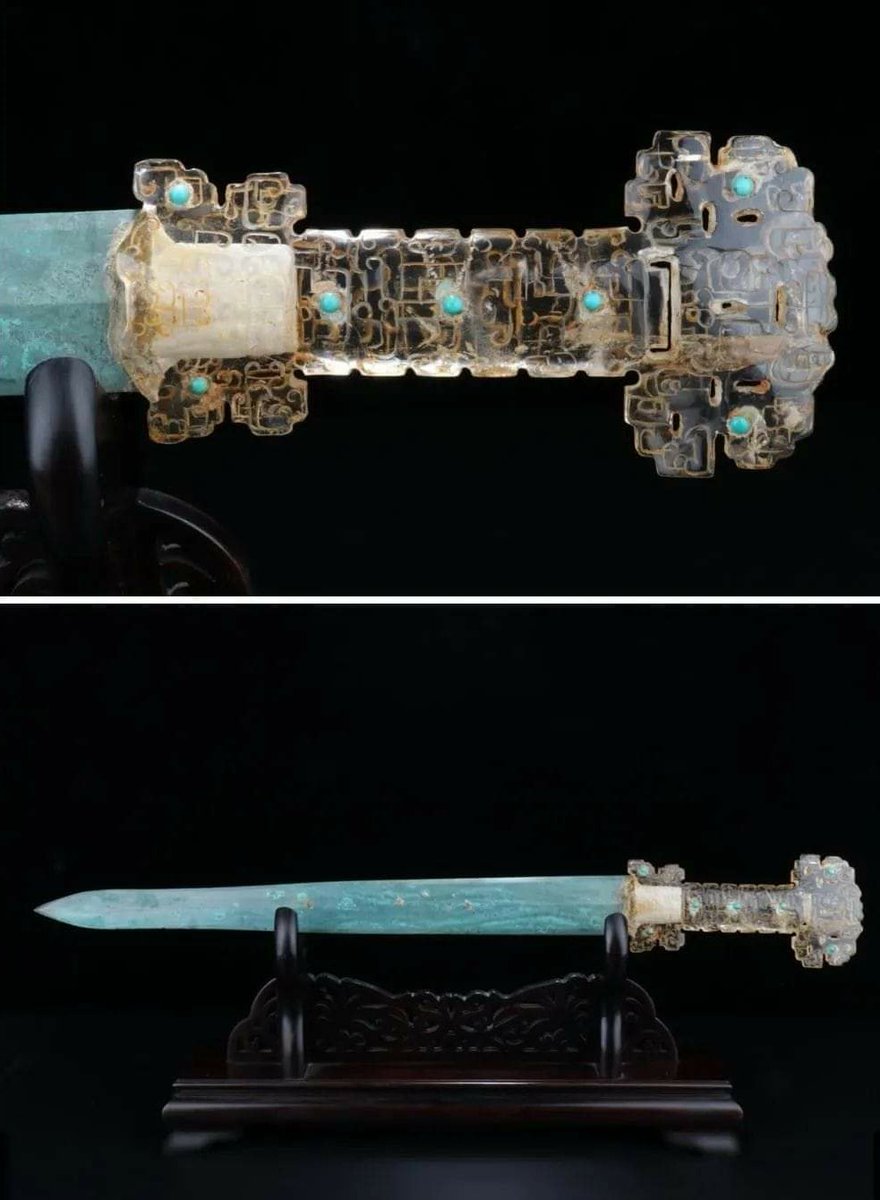
Chinese bronze sword with turquoise studded, gold inlaid rock crystal hilt, Warring States Period, 4th-2nd Century BC. Private Collection.⁣ #archaeohistories

Chinese bronze sword with turquoise studded, gold inlaid rock crystal hilt, Warring States Period, 4th-2nd Century BC. 

Private Collection.⁣

#archaeohistories
Mircavid (@mircavid16) 's Twitter Profile Photo

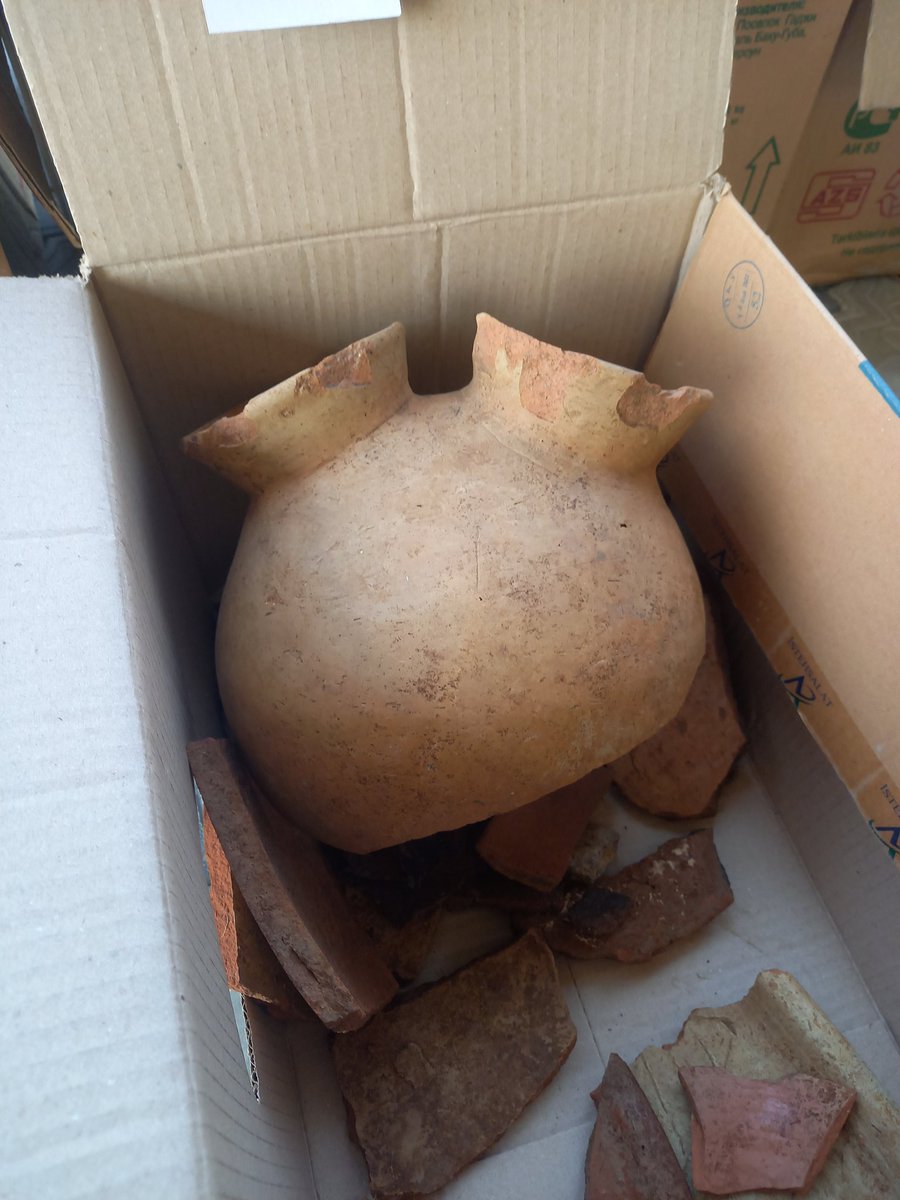
Chalcolithic twin vessel from Leylatepe monument of #Karabakh #Azerbaijan which was found in 2022 by the #Azerbaijan-#Germany expedition

Chalcolithic twin vessel from Leylatepe monument of #Karabakh #Azerbaijan  which was found in 2022 by the #Azerbaijan-#Germany expedition
Dr Narmin Ismayilova (@naraismayilth) 's Twitter Profile Photo

Can you tell the #story of your research in a single #image? 📸Organised by The Caucasus Through Time Network & funded by LAHP ‘Image of Research Competition’ challenges everyone, who is working across #Arts & #Humanities fields in the #Caucasus to think differently about their research.

The Caucasus Through Time Network (@caucasusnetwork) 's Twitter Profile Photo

The #CTTNImageComp2022 is now open for public voting until 13th Jan 2023 ! ✨✨✨ You can vote for your favourite entries here: 🗳️ forms.gle/nRxLwqbJvogVa4… All entries are anonymised and you can find them here:📸 drive.google.com/drive/folders/… #PublicEngagement #Caucasus

Mircavid (@mircavid16) 's Twitter Profile Photo

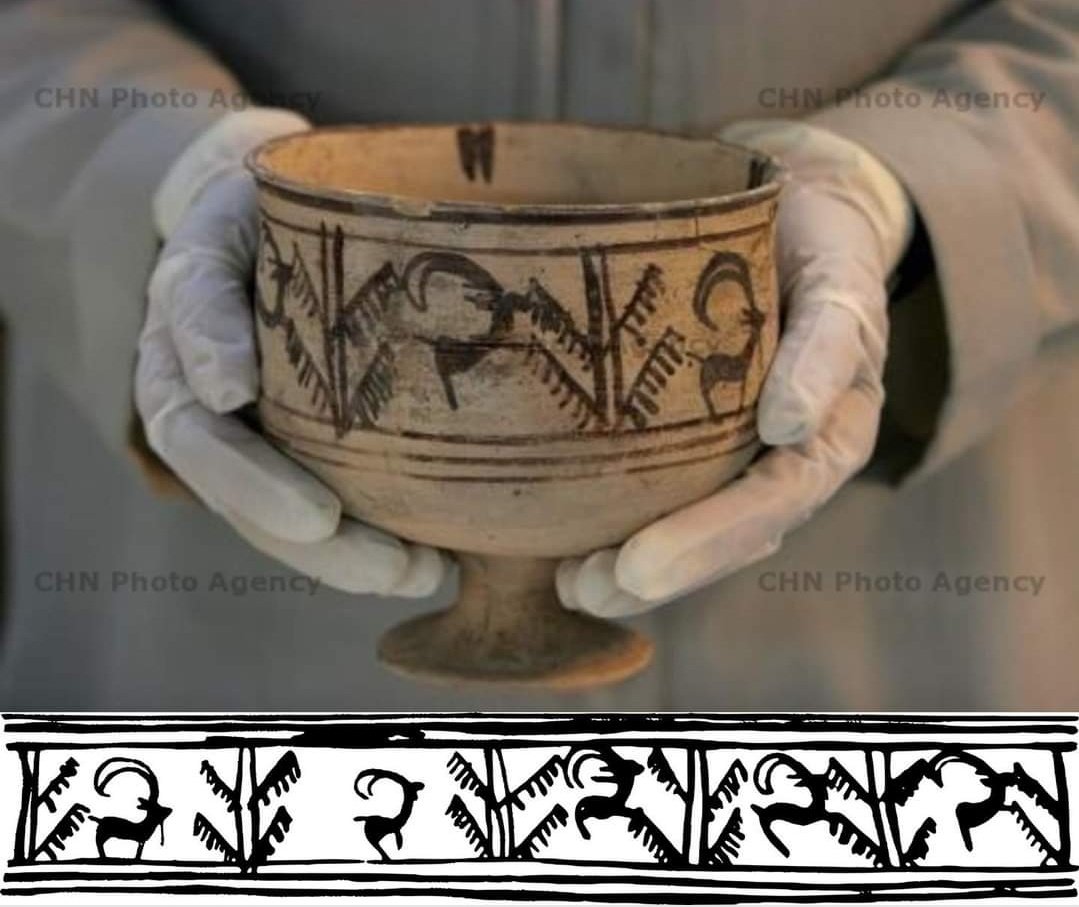
İranda yerləşənTunc dövrünə aid şəhər xarabalığıdır. E.ə. IV-III minilliklərə aid edilən bu abidədən, tapılmış saxsı qabın üzərində keçinin ağacın yarpaqlarını yeməsi səhnələşdirilmiş formada təsvir edilib. Bu təsvirlər, dünyanın ən qədim animasiyası hesab olunurlar.

İranda yerləşənTunc dövrünə aid şəhər xarabalığıdır. E.ə. IV-III minilliklərə aid edilən bu abidədən, tapılmış saxsı qabın üzərində keçinin ağacın yarpaqlarını yeməsi səhnələşdirilmiş formada təsvir edilib. Bu təsvirlər, dünyanın ən qədim animasiyası hesab olunurlar.