ByzantineVisuals (@byzantinevisual) 's Twitter Profile
ByzantineVisuals

@byzantinevisual

Posting Byzantine art for the world to see

ID: 1715454151327379456

calendar_today20-10-2023 19:45:40

2,2K Tweet

581 Takipçi

58 Takip Edilen

ShadowsOfConstantinople (@romeintheeast) 's Twitter Profile Photo

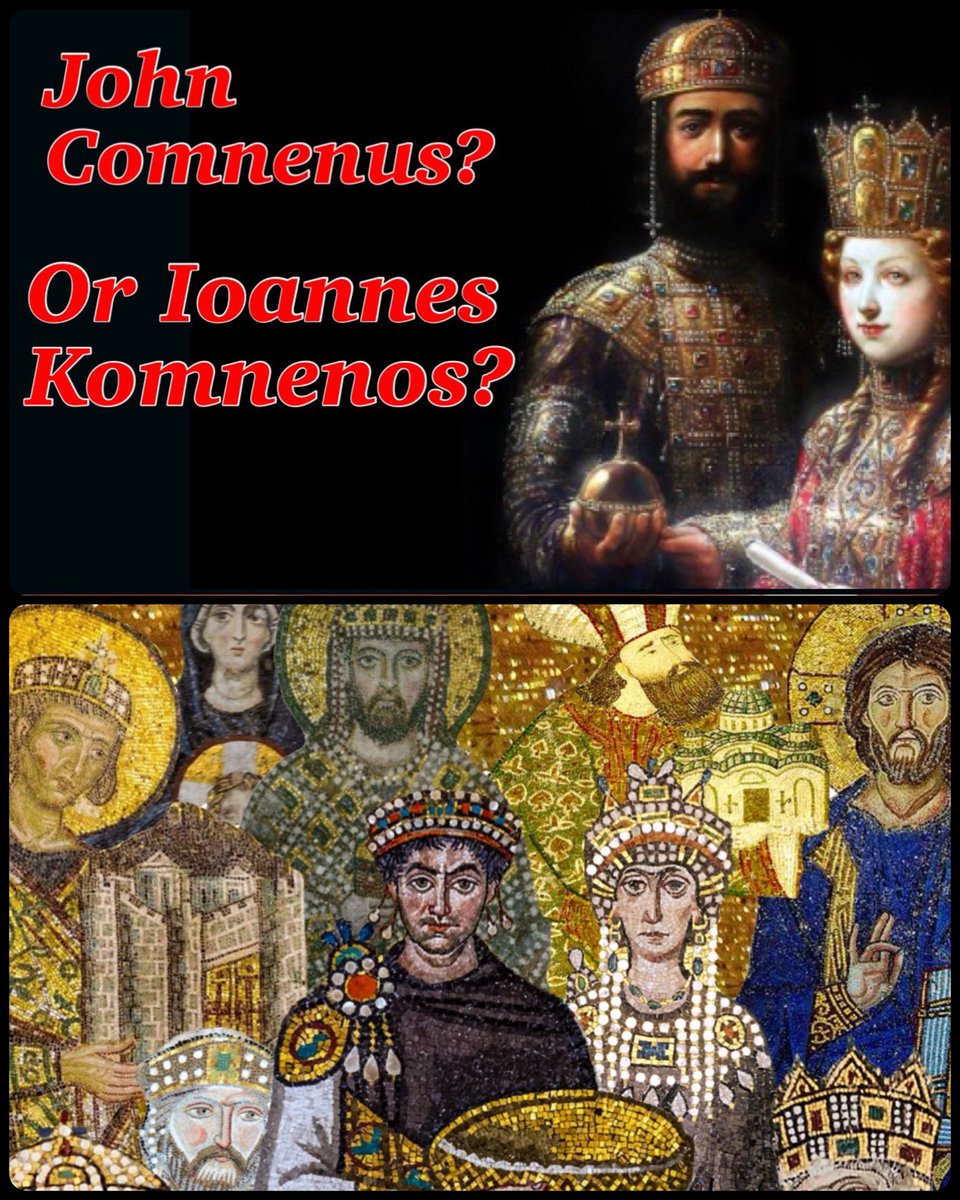
I have always wondered - especially in older works, why was the transliteration of historical Greek names often modified for no logical reason? Why would we ever transliterate it as Alexius Comnenus instead of Alexios Komnenos? Some thoughts🧵🧵

I have always wondered - especially in older works, why was the transliteration of historical Greek names often modified for no logical reason?

Why would we ever transliterate it as Alexius Comnenus instead of Alexios Komnenos?

Some thoughts🧵🧵
ShadowsOfConstantinople (@romeintheeast) 's Twitter Profile Photo

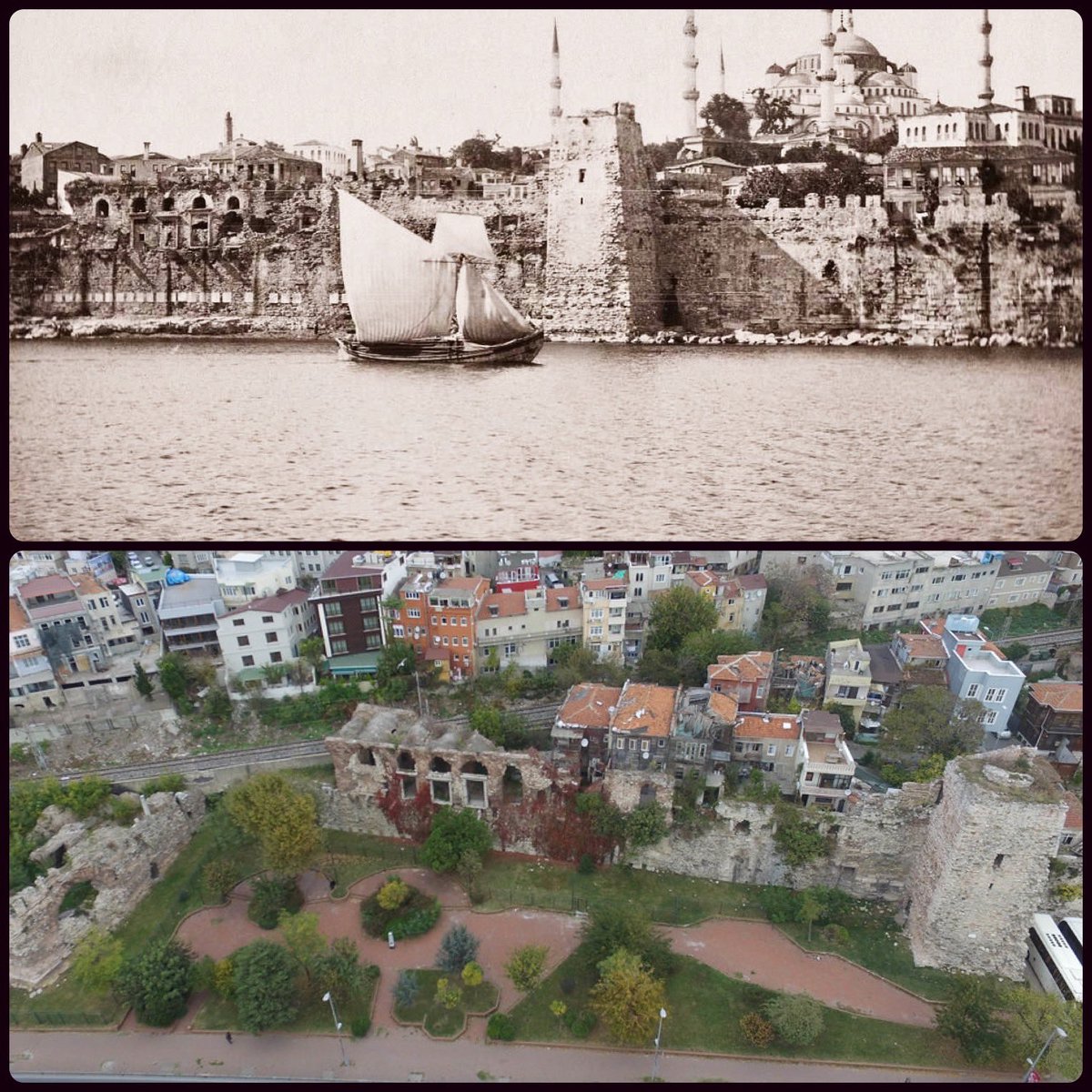
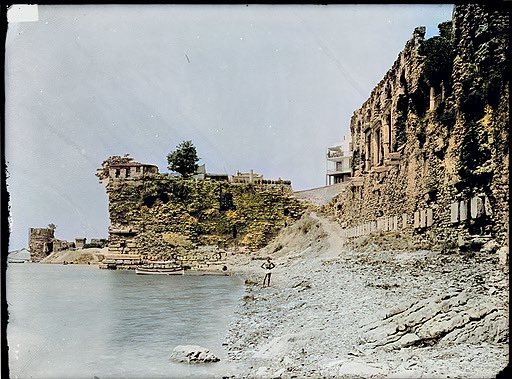
The Boukoleon in the late 19th century vs the Boukoleon in modern times! The Boukoleon looked far better then than it does now. It’s crazy how far it is from the sea now too!

The Boukoleon in the late 19th century vs the Boukoleon in modern times!

The Boukoleon looked far better then than it does now. It’s crazy how far it is from the sea now too!
ShadowsOfConstantinople (@romeintheeast) 's Twitter Profile Photo

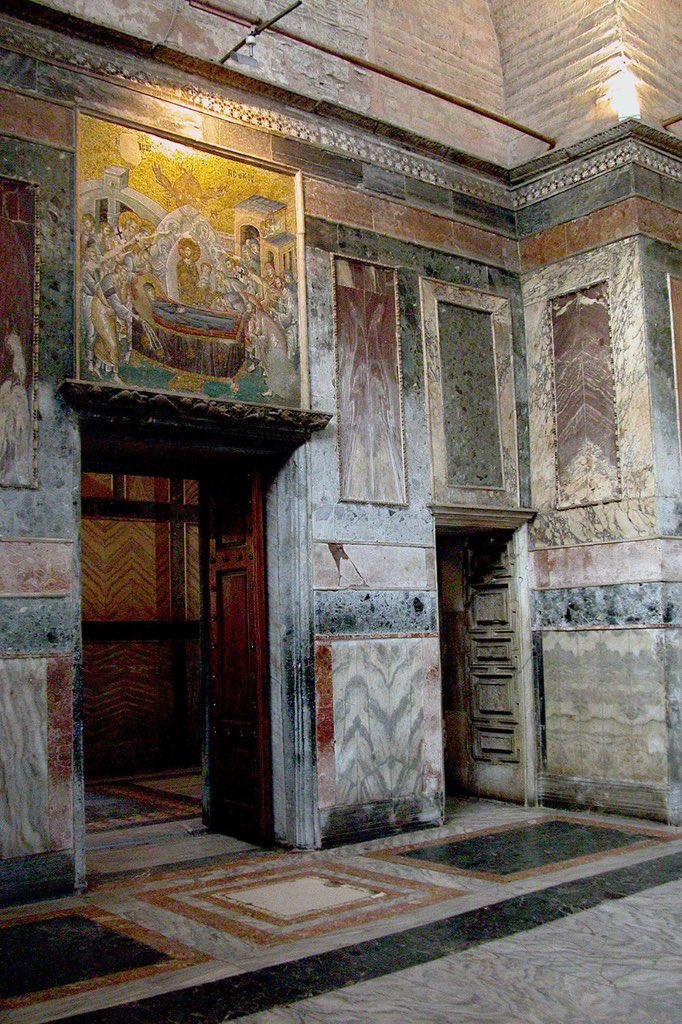
The beauty of Chora, where mosaics meet marble to create a very immersive experience - a view into the past and the medieval splendor of Constantinople.

The beauty of Chora, where mosaics meet marble to create a very immersive experience - a view into the past and the medieval splendor of Constantinople.
ShadowsOfConstantinople (@romeintheeast) 's Twitter Profile Photo

Colorized photo of the Boukoleon Palace back when it was still seaside, before various modern development projects altered the area and led to the destruction of parts of the medieval Roman palace.

Colorized photo of the Boukoleon Palace back when it was still seaside, before various modern development projects altered the area and led to the destruction of parts of the medieval Roman palace.
ShadowsOfConstantinople (@romeintheeast) 's Twitter Profile Photo

Visitors to Palaiologan Constantinople noticed the desolation and ruins in the City. Betrandon in 1432 wrote that “This city of Constantinople is made up of villages; there is much more open space than buildings.” Even a century earlier a Latin visitor named Brocardus, the

Visitors to Palaiologan Constantinople noticed the desolation and ruins in the City. Betrandon in 1432 wrote that “This city of Constantinople is made up of villages; there is much more open space than buildings.”

Even a century earlier a Latin visitor named Brocardus, the
ShadowsOfConstantinople (@romeintheeast) 's Twitter Profile Photo

In 1453 “apart from the tragic Emperor Constantine…the greatest hero of the siege is probably Giovanni Giustiniani Longo.” Giustiniani, a Genoese commander, led the defense of the walls. When an Ottoman shot wounded him as he led on the front lines, it changed history! 🧵🧵

In 1453 “apart from the tragic Emperor Constantine…the greatest hero of the siege is probably Giovanni Giustiniani Longo.”

Giustiniani, a Genoese commander, led the defense of the walls.

When an Ottoman shot wounded him as he led on the front lines, it changed history!

🧵🧵
ShadowsOfConstantinople (@romeintheeast) 's Twitter Profile Photo

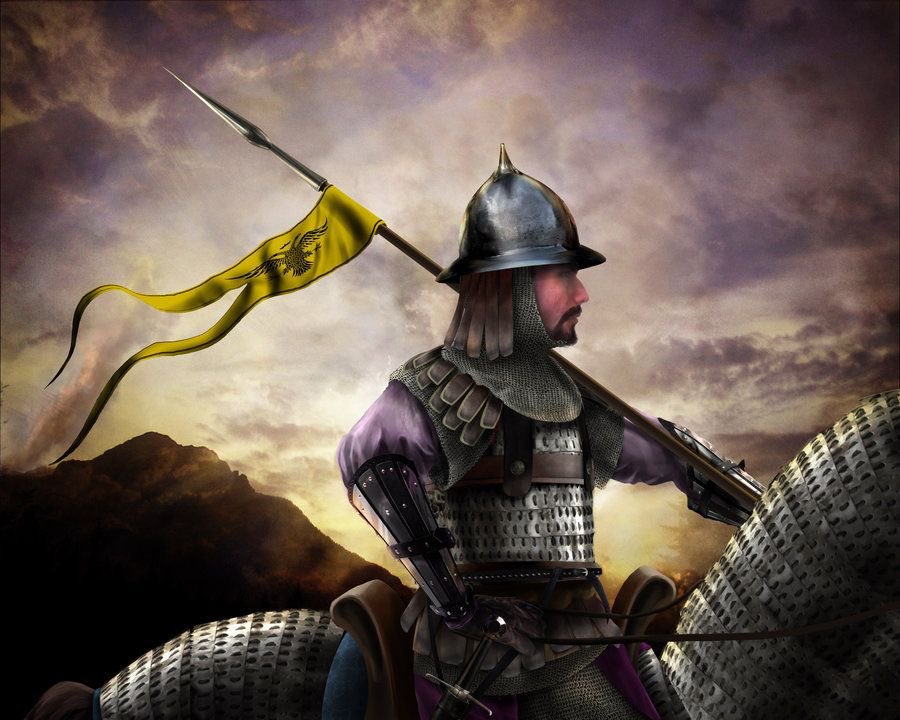
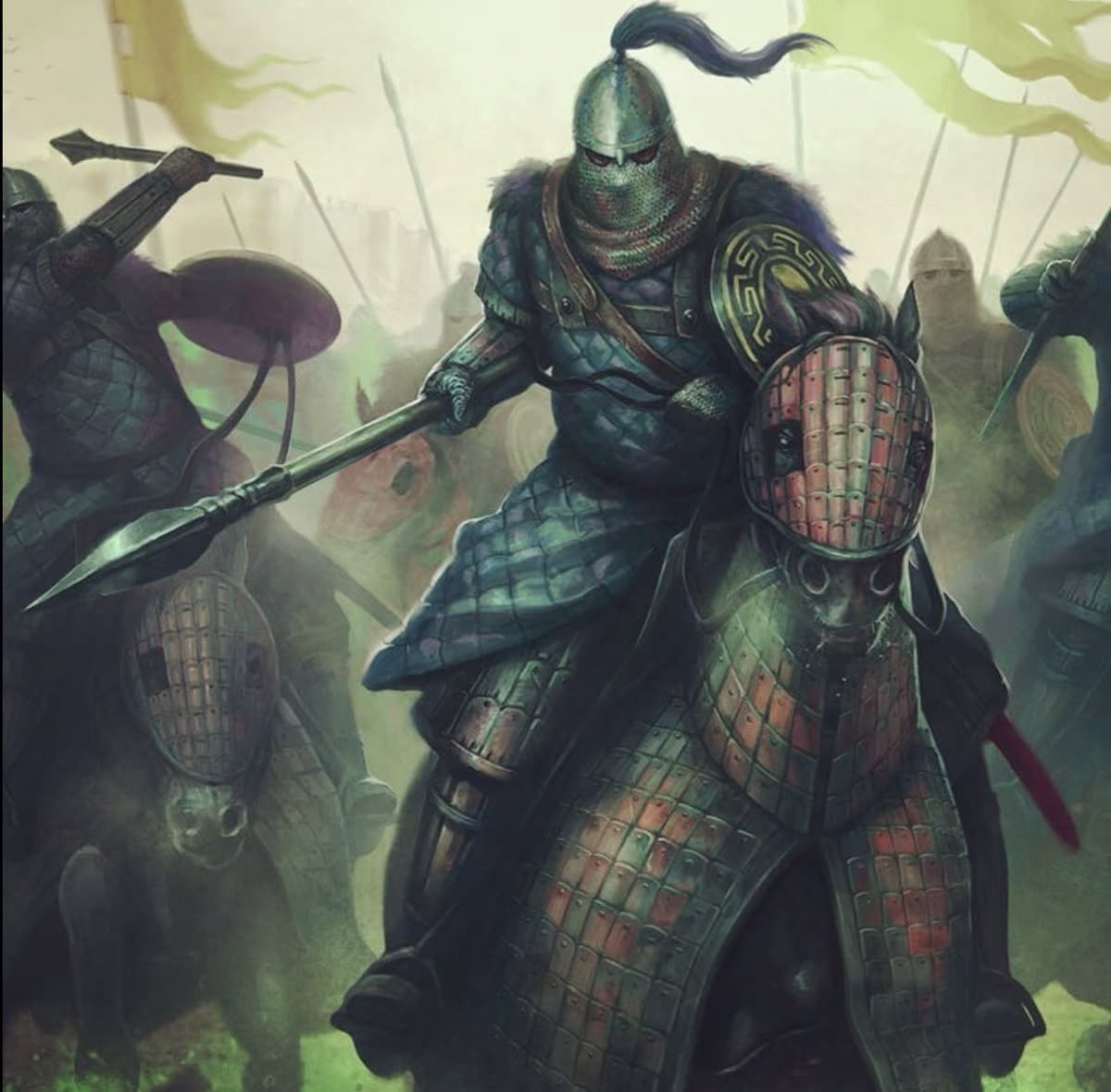
Cataphractarii first appear in Roman armies in 3rd - 4th centuries, but after late antiquity fell out of use. In the 10th century Nikephoros Phokas brought the idea back and his Kataphraktoi, deployed in wedge formations of 4-500 men, were used to great effect against the Arabs!

Cataphractarii first appear in Roman armies in 3rd - 4th centuries, but after late antiquity fell out of use.

In the 10th century Nikephoros Phokas brought the idea back and his Kataphraktoi, deployed in wedge formations of 4-500 men, were used to great effect against the Arabs!
ShadowsOfConstantinople (@romeintheeast) 's Twitter Profile Photo

“The population of Constantinople including merchants, litigants, and other transients, may have numbered as much as 400,000 in 1204 and occupied a built-up area corresponding very closely to that of the 6th-century city” -Paul Magdalino

“The population of Constantinople including merchants, litigants, and other transients, may have numbered as much as 400,000 in 1204 and occupied a built-up area corresponding very closely to that of the 6th-century city”

-Paul Magdalino
ShadowsOfConstantinople (@romeintheeast) 's Twitter Profile Photo

The biggest misconception is the incorrect but popular idea that the Roman Empire ended in 476, and wasn’t part of the medieval age at all! Constantinople also doesn’t fit the stereotypical idea of a “dark age” either!

The biggest misconception is the incorrect but popular idea that the Roman Empire ended in 476, and wasn’t part of the medieval age at all!

Constantinople also doesn’t fit the stereotypical idea of a “dark age” either!
ShadowsOfConstantinople (@romeintheeast) 's Twitter Profile Photo

A reconstruction of a stand of the hippodrome of Constantinople. This kind of venue for chariot racing and mass entertainment was common in Antiquity, but had disappeared in most places. Yet, it still existed as a relic of the past in Constantinople in 1200AD!

A reconstruction of a stand of the hippodrome of Constantinople.

This kind of venue for chariot racing and mass entertainment was common in Antiquity, but had disappeared in most places.

Yet, it still existed as a relic of the past in Constantinople in 1200AD!