ArkansasSky.com (@arkansasskies) 's Twitter Profile
ArkansasSky.com

@arkansasskies

Your guide to astronomy, space flight, and night sky events.
Official account of the Arkansas SkyDome Planetarium.

ID: 428571140

linkhttp://www.ArkansasSky.com calendar_today04-12-2011 22:48:48

3,3K Tweet

1,1K Takipçi

88 Takip Edilen

Boeing Space (@boeingspace) 's Twitter Profile Photo

Core stage = loaded ✅ The core stage of the NASA Artemis II SLS rocket is full with 196,000 gallons (741,941 liters) of liquid oxygen and 537,000 gallons (2M liters) of liquid hydrogen. 📹: NASA


ArkansasSky.com (@arkansasskies) 's Twitter Profile Photo

Depending on the launch time and, of course, the weather, there is a slight chance we might be able to see Artemis II tonight passing across our southern skies after it's 1st orbit (very low chance) or 2nd orbit (better chance). We'll keep you posted! #arwx

Depending on the launch time and, of course, the weather, there is a slight chance we might be able to see Artemis II tonight passing across our southern skies after it's 1st orbit (very low chance) or 2nd orbit (better chance).  We'll keep you posted!
#arwx
NASA (@nasa) 's Twitter Profile Photo

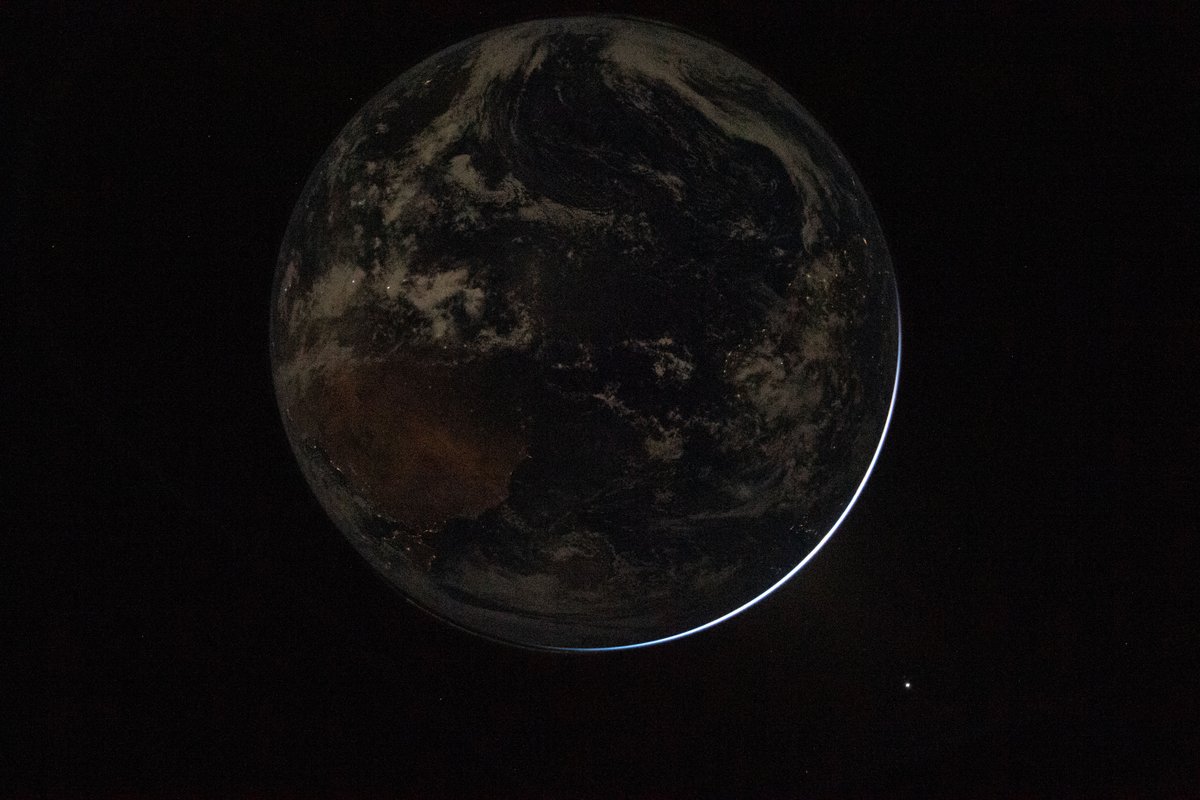
Even in darkness, we glow. In this image of Earth taken by the Artemis II crew, we can see the electric lights of human activity. In the lower right, sunlight illuminates the limb of the planet.

Even in darkness, we glow. 
 
In this image of Earth taken by the Artemis II crew, we can see the electric lights of human activity. In the lower right, sunlight illuminates the limb of the planet.
NASA (@nasa) 's Twitter Profile Photo

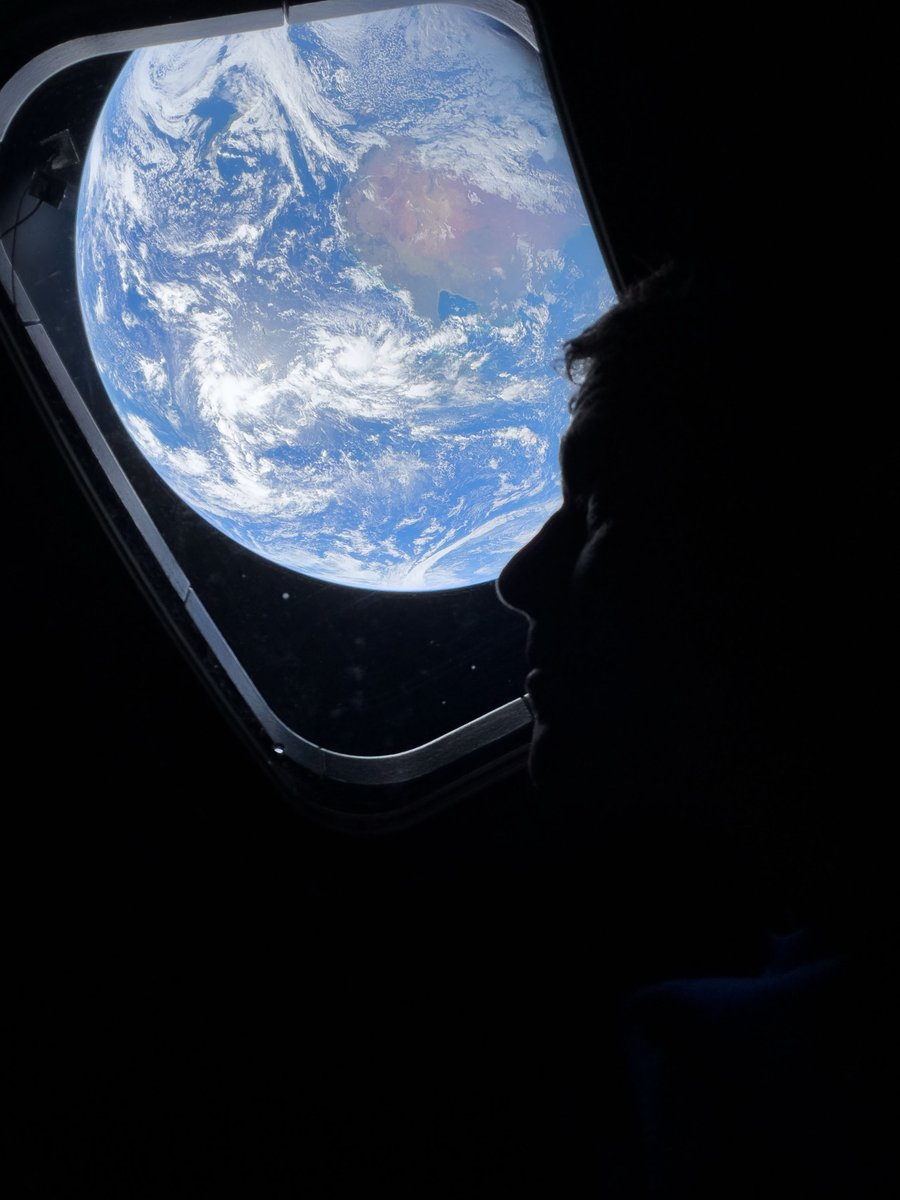
These two images were taken by Reid Wiseman only minutes apart. The stark difference is the result of camera settings. In the first, a longer shutter speed let in much more light from Earth, while the shorter shutter speed in the second emphasizes our planet's nighttime glow.


These two images were taken by <a href="/astro_reid/">Reid Wiseman</a> only minutes apart. The stark difference is the result of camera settings. In the first, a longer shutter speed let in much more light from Earth, while the shorter shutter speed in the second emphasizes our planet's nighttime glow.
NASA Artemis (@nasaartemis) 's Twitter Profile Photo

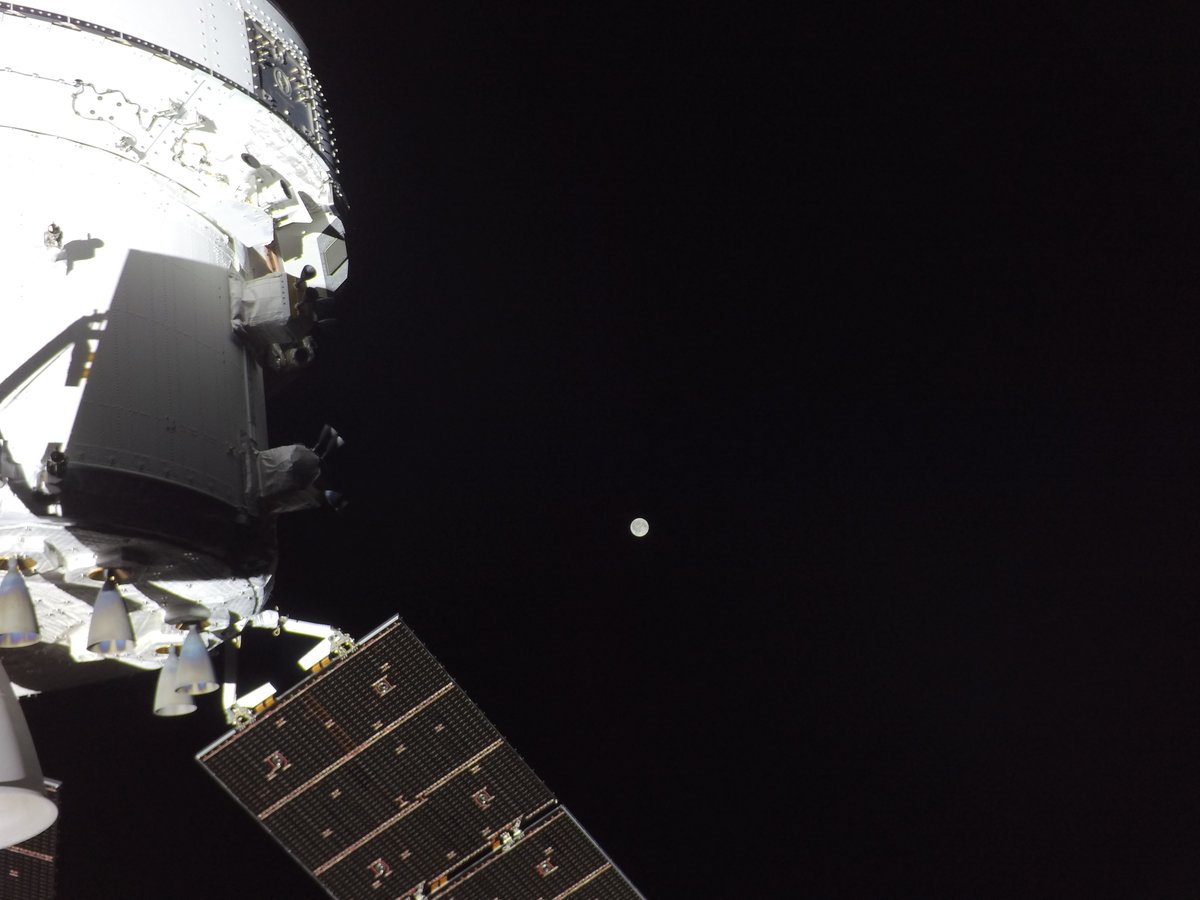
We’re halfway there. At the time of posting this, the Artemis II mission is about halfway to the Moon. When the astronauts arrive, they will conduct a lunar flyby and collect scientific observations of the Moon’s surface.

We’re halfway there. 

At the time of posting this, the Artemis II mission is about halfway to the Moon. When the astronauts arrive, they will conduct a lunar flyby and collect scientific observations of the Moon’s surface.
NASA (@nasa) 's Twitter Profile Photo

History in the making In this new image from our NASA Artemis II crew, you can see Orientale basin on the right edge of the lunar disk. This mission marks the first time the entire basin has been seen with human eyes.


History in the making

In this new image from our <a href="/NASAArtemis/">NASA Artemis</a> II crew, you can see Orientale basin on the right edge of the lunar disk. This mission marks the first time the entire basin has been seen with human eyes.

Glenn Beck (@glennbeck) 's Twitter Profile Photo

I loved hearing this from Artemis II pilot Victor Glover. Everything in our world is trying to divide us. But hundreds of thousands of miles above the world, just in time for Easter, he gave a message glorifying God and reminding us that we're all part of the miracle.

Eric Daugherty (@ericldaugh) 's Twitter Profile Photo

🚨 BREAKING: Incredible moment as Artemis II pilot Victor Glover shares the Gospel mere MOMENTS before reaching the back side of the Moon, losing communication with Earth "Christ said, in response to what was the greatest command, that it was to love God with all that you are."

Damian Peach (@peachastro) 's Twitter Profile Photo

This will surely go down at one of the all-time iconic images of human space exploration. I was listening to the live feed last night and the astronaunts not really having the words to describe the view - and i can well understand why after seeing this incredible image. Four

This will surely go down at one of the all-time iconic images of human space exploration. 

I was listening to the live feed last night and the astronaunts not really having the words to describe the view - and i can well understand why after seeing this incredible image.

Four
NASA (@nasa) 's Twitter Profile Photo

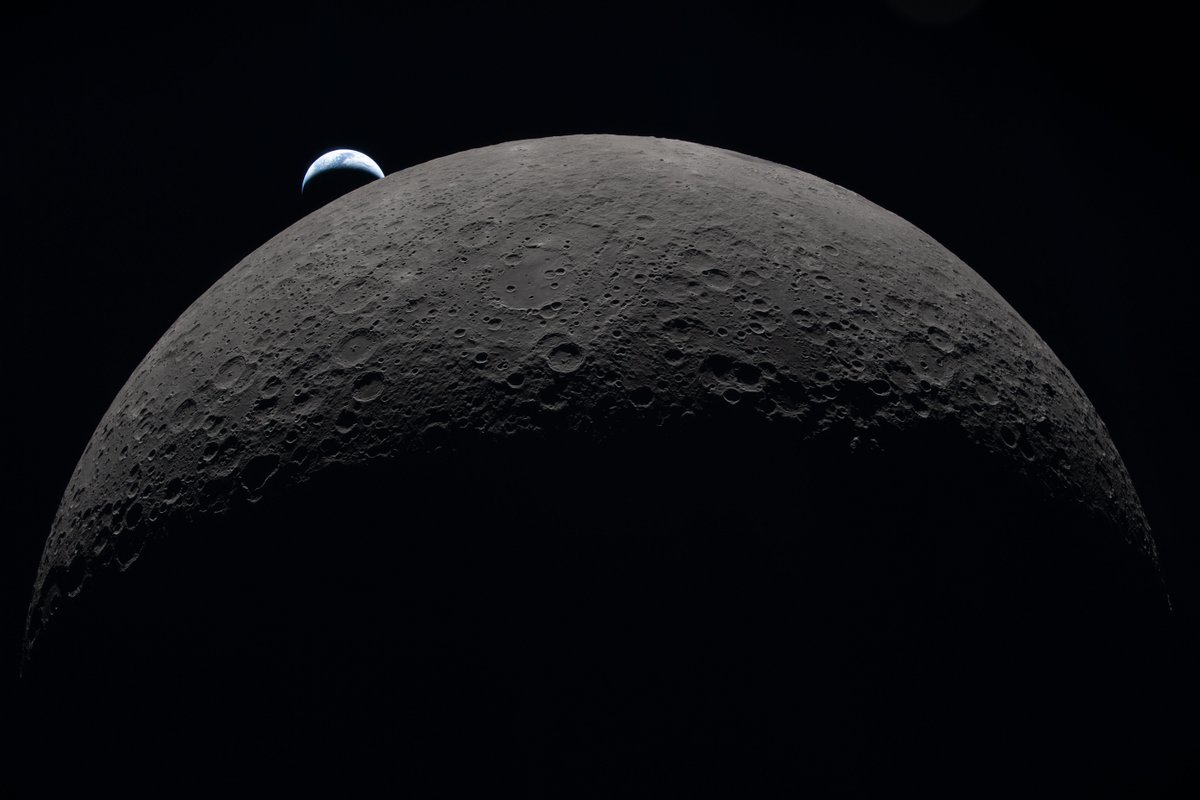
Hello, Moon. It’s great to be back. Here’s a taste of what the Artemis II astronauts photographed during their flight around the Moon. Check out more photos from the mission: nasa.gov/artemis-ii-mul…

Hello, Moon. It’s great to be back.
 
Here’s a taste of what the Artemis II astronauts photographed during their flight around the Moon. Check out more photos from the mission: nasa.gov/artemis-ii-mul…
NASA (@nasa) 's Twitter Profile Photo

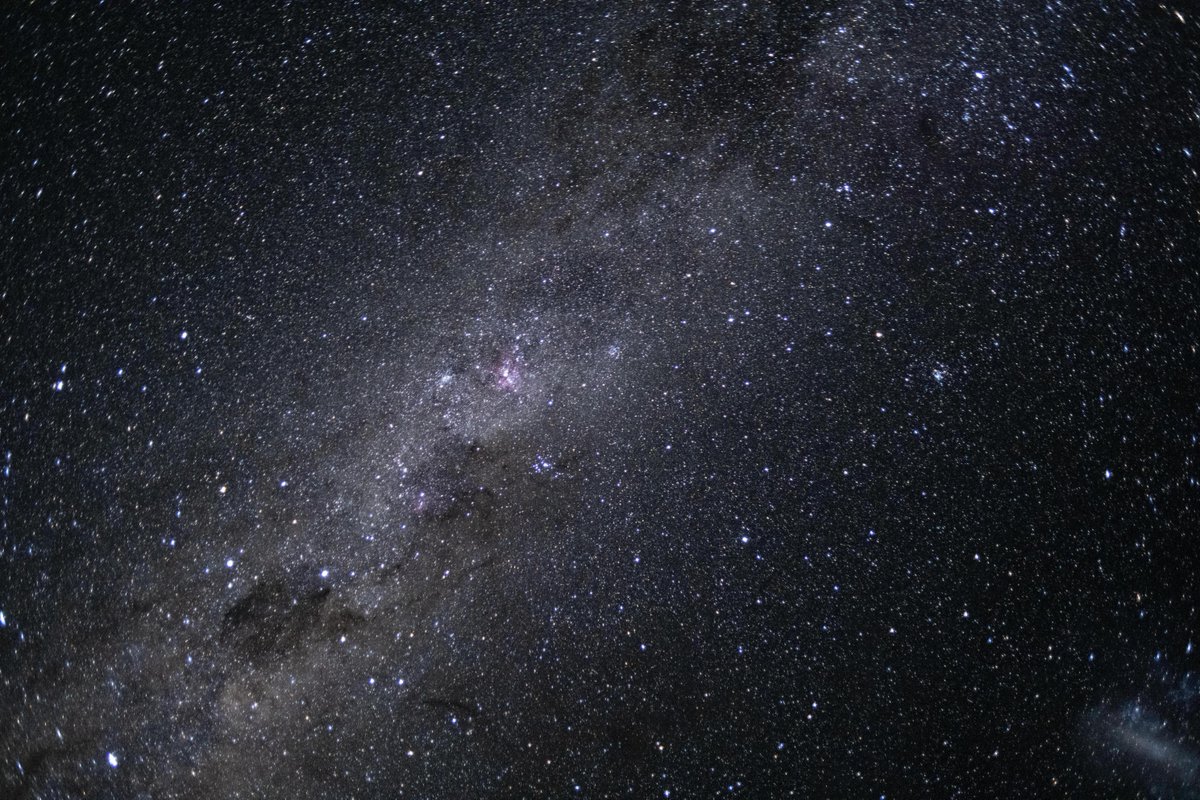
Sky full of stars. Following a successful lunar flyby, the Artemis II astronauts captured this breathtaking photo of our galaxy, the Milky Way, on April 7, 2026.

Sky full of stars.

Following a successful lunar flyby, the Artemis II astronauts captured this breathtaking photo of our galaxy, the Milky Way, on April 7, 2026.
Damian Peach (@peachastro) 's Twitter Profile Photo

A sample of the countless fake AI generated images claiming to be from the Artemis II mission. Social media is fast becoming a platform where deceptional grift is allowed to run unchecked. Many of these posts have bigger engagement figures than the actual real images from the

A sample of the countless fake AI generated images claiming to be from the Artemis II mission.

Social media is fast becoming a platform where deceptional grift is allowed to run unchecked. Many of these posts have bigger engagement figures than the actual real images from the
Reid Wiseman (@astro_reid) 's Twitter Profile Photo

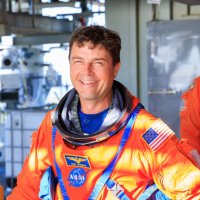
On the helicopter leaving the ship right now. This planet is impossibly beautiful from every altitude I’ve seen it…surface to 250,000 miles

On the helicopter leaving the ship right now. This planet is impossibly beautiful from every altitude I’ve seen it…surface to 250,000 miles
NASA Artemis (@nasaartemis) 's Twitter Profile Photo

The astronauts. Their ride around the Moon. The Artemis II astronauts pose for a group photo after viewing their Orion spacecraft — which they named Integrity — in the well deck of USS John P. Murtha following their splashdown.

The astronauts. Their ride around the Moon. 
 
The Artemis II astronauts pose for a group photo after viewing their Orion spacecraft — which they named Integrity — in the well deck of USS John P. Murtha following their splashdown.
NASA (@nasa) 's Twitter Profile Photo

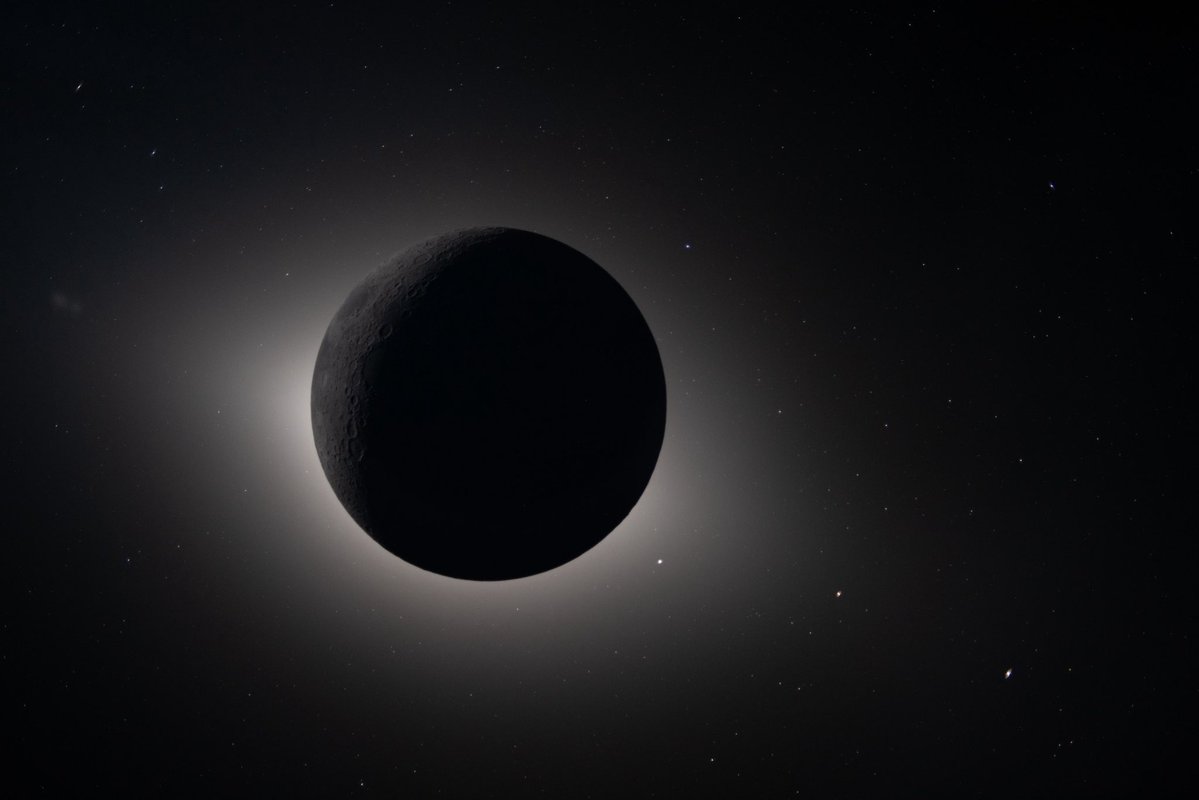
And everything under the Sun is in tune 🎶 This image from the eclipse during the Artemis II lunar flyby captures a halo of light around the Moon. Scientists are still investigating if the glow comes from interstellar dust or the solar corona.

And everything under the Sun is in tune 🎶

This image from the eclipse during the Artemis II lunar flyby captures a halo of light around the Moon. Scientists are still investigating if the glow comes from interstellar dust or the solar corona.
Damian Peach (@peachastro) 's Twitter Profile Photo

Jupiter with Europa on April 15th. A very brief clearish spell allowed a handful of captures before low clouds came piling in from the sea and put an abrupt end to things. Seeing was pretty good. The long dark sector of South Temperate Belt is well seen. Europa is alongside

Jupiter with Europa on April 15th.

A very brief clearish spell allowed a handful of captures before low clouds came piling in from the sea and put an abrupt end to things. 

Seeing was pretty good. The long dark sector of South Temperate Belt is well seen. Europa is alongside