Isla Broadwell (@islabroadwell) 's Twitter Profile
Isla Broadwell

@islabroadwell

Author, PhD and devotee of Liverpool history. Because the past is not just about kings and queens.

ID: 1309131430031757312

linkhttps://www.islabroadwellbooks.com calendar_today24-09-2020 14:04:07

739 Tweet

2,2K Takipçi

3,3K Takip Edilen

Isla Broadwell (@islabroadwell) 's Twitter Profile Photo

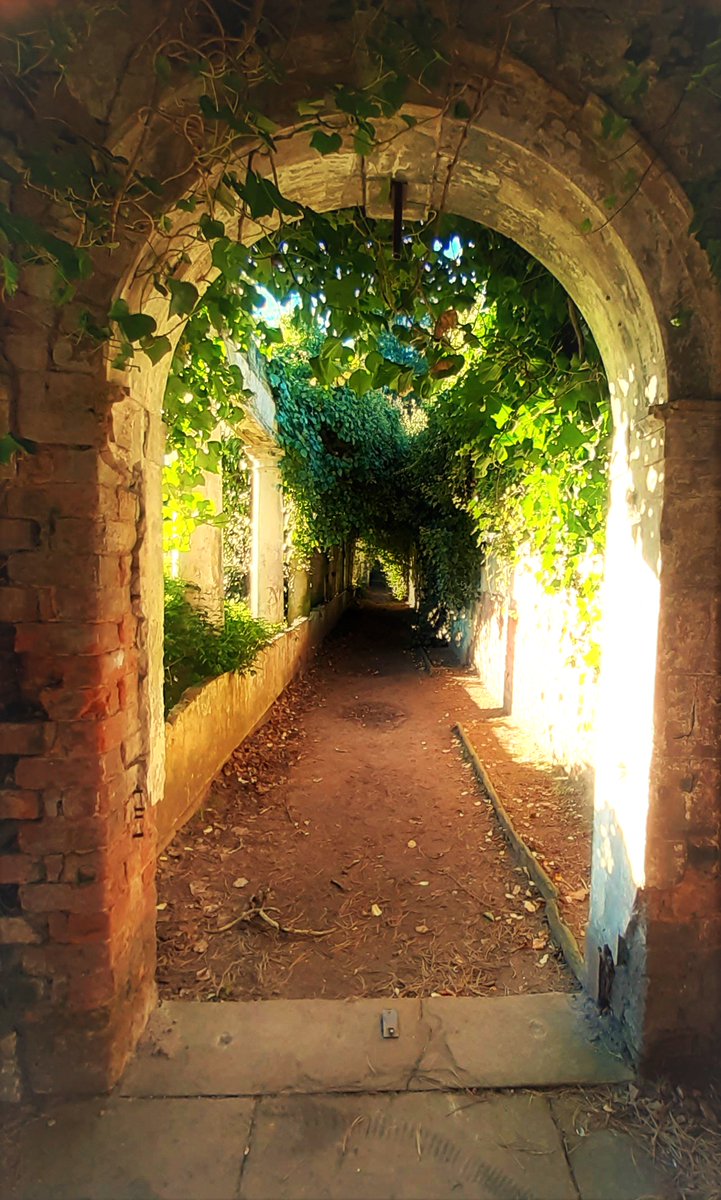
The Orangery, Allerton Tower, Liverpool. This structure is all that remains of the palatial residence of Hardman Earle (1792-1877) Liverpool slave trader and early railway investor.

The Orangery, Allerton Tower, Liverpool.  This structure is all that remains of the palatial residence of Hardman Earle (1792-1877) Liverpool slave trader and early railway investor.
Isla Broadwell (@islabroadwell) 's Twitter Profile Photo

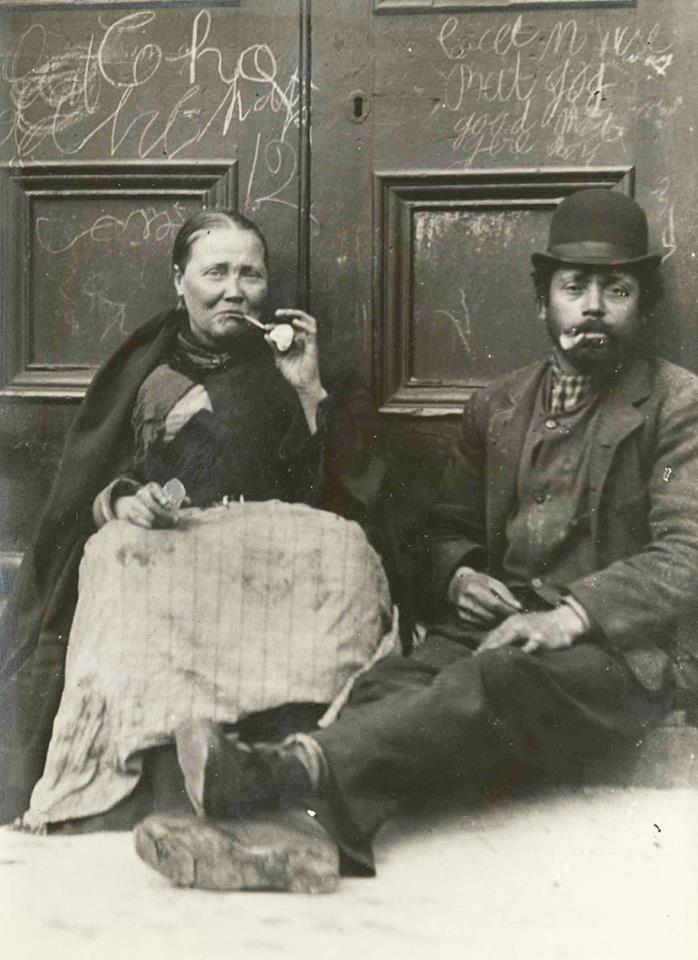
In 1850 the Morning Chronicle described a group of starving Irish emigrants as they landed in Liverpool fleeing from the potato famine.... "care-worn and sallow, the women bare-footed and squalid and encumbered with children... the men redolent of Skibbereen or Connemara".

In 1850 the Morning Chronicle described a group of starving Irish emigrants as they landed in Liverpool fleeing from the potato famine.... "care-worn and sallow, the women bare-footed and squalid and encumbered with children... the men redolent of Skibbereen or Connemara".
Isla Broadwell (@islabroadwell) 's Twitter Profile Photo

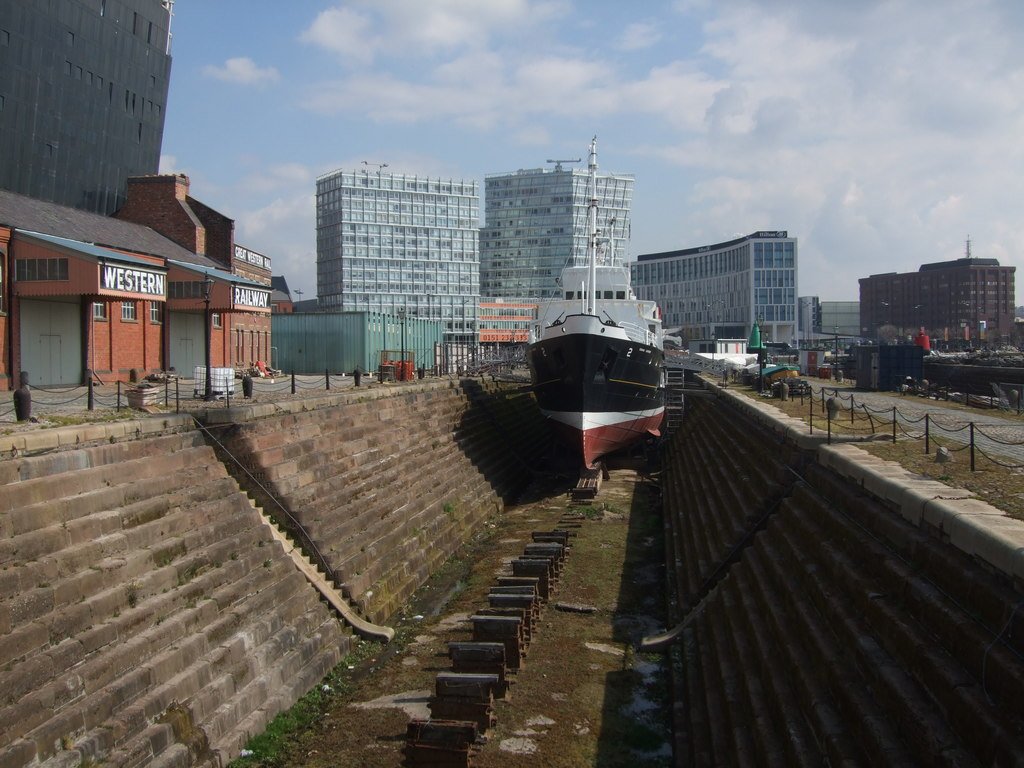
Graving dock, Liverpool. When ships' hulls were cleaned copper nails and wire would fall into the mud. At every low tide during the 1840s, hundreds of starving Irish people could be seen scouring the bottom of the dock trying to find any copper they could carry away and sell.

Graving dock, Liverpool. When ships' hulls were cleaned copper nails and wire would fall into the mud. At every low tide during the 1840s, hundreds of starving Irish people could be seen scouring the bottom of the dock trying to find any copper they could carry away and sell.
Isla Broadwell (@islabroadwell) 's Twitter Profile Photo

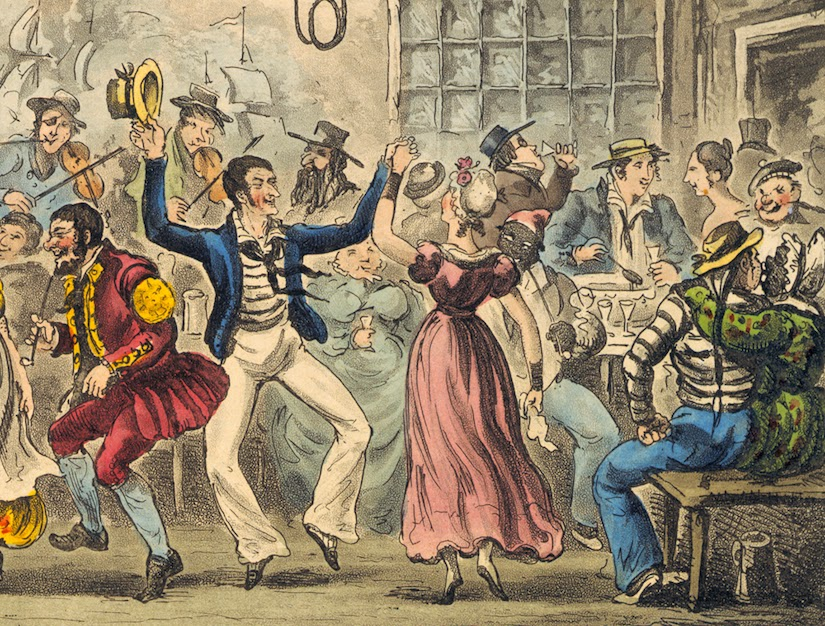
Liverpool 1851. A brothel visit could result in sailors being robbed or 'skinned' of all their clothing. Naked sailors were often seen running through the streets as they headed back to ship. One unfortunate was chased by a mob who "shouted and hooted and pelted him with mud."

Liverpool 1851. A brothel visit could result in sailors being robbed or 'skinned' of all their clothing.  Naked sailors were often seen running through the streets as they headed back to ship.  One unfortunate was chased by a mob who "shouted and hooted and pelted him with mud."
Isla Broadwell (@islabroadwell) 's Twitter Profile Photo

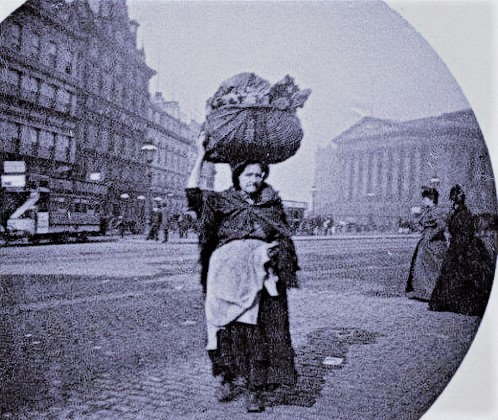
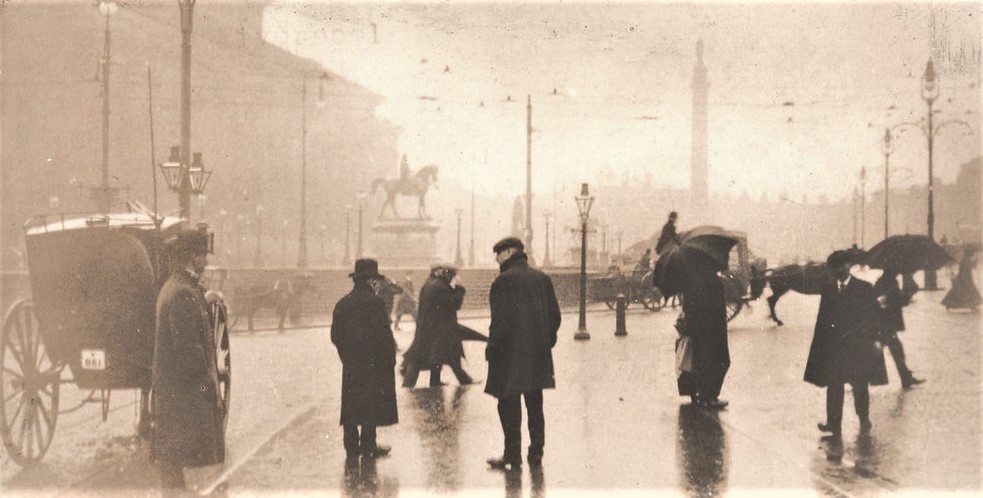
Lime Street, Liverpool c1880. Right up until the 1960s it was common to see Liverpool women carrying bundles or baskets on their heads. Most often it was washing being carried to and from the 'wash house'.

Lime Street, Liverpool c1880.  Right up until the 1960s it was common to see Liverpool women carrying bundles or baskets on their heads.  Most often it was washing being carried to and from the 'wash house'.
Isla Broadwell (@islabroadwell) 's Twitter Profile Photo

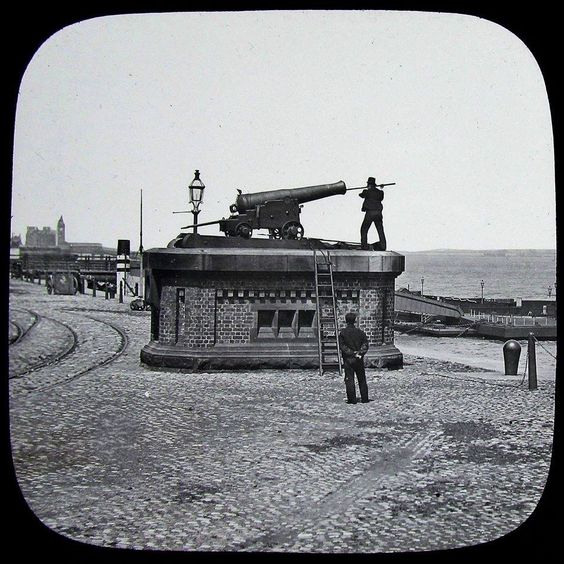
The One O'clock Gun, Morpeth Dock, Birkenhead. From 1867 this gun fired each day at 1pm for ships to set their clocks by. Its boom could be heard for miles around and tradition says if you were born within hearing distance of the One O'clock Gun you were a true Scouser.

The One O'clock Gun, Morpeth Dock, Birkenhead.  From 1867 this gun fired each day at 1pm for ships to set their clocks by.  Its boom could be heard for miles around and tradition says if you were born within hearing distance of the One O'clock Gun you were a true Scouser.
Isla Broadwell (@islabroadwell) 's Twitter Profile Photo

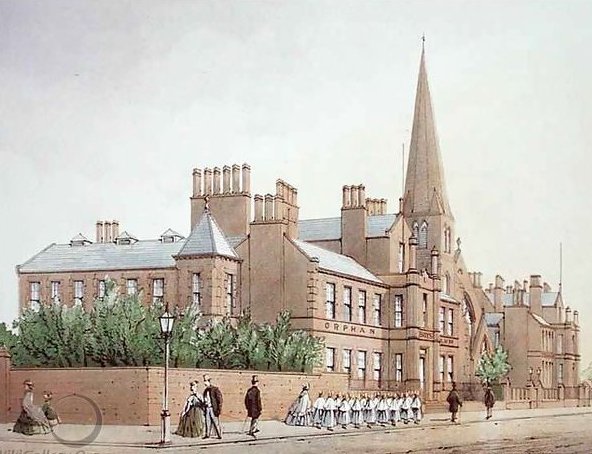
Liverpool Orphan Asylum, Myrtle Street by WG Herdman. 0pened in 1843 it housed up to 160 girls. On admission orphans had to provide a birth certificate which proved that their parents were married and that they had been baptized. No girls were admitted from the workhouse.

Liverpool Orphan Asylum, Myrtle Street by WG Herdman. 0pened in 1843 it housed up to 160 girls. On admission orphans had to provide a birth certificate which proved that their parents were married and that they had been baptized.  No girls were admitted from the workhouse.
Isla Broadwell (@islabroadwell) 's Twitter Profile Photo

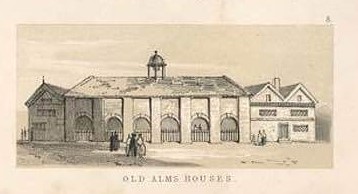
The old Alms Houses, Shaw's Brow, Liverpool. In 1692 Dr Sylvester Richmond gave 100 shillings for the building of alms houses (charity shelters) for the relief of poor sailors' widows. Other alms houses were built in Hanover St, Castle St and Moor St.

The old Alms Houses, Shaw's Brow, Liverpool. In 1692 Dr Sylvester Richmond gave 100 shillings for the building of alms houses (charity shelters) for the relief of poor sailors' widows. Other alms houses were built in Hanover St, Castle St and Moor St.
Isla Broadwell (@islabroadwell) 's Twitter Profile Photo

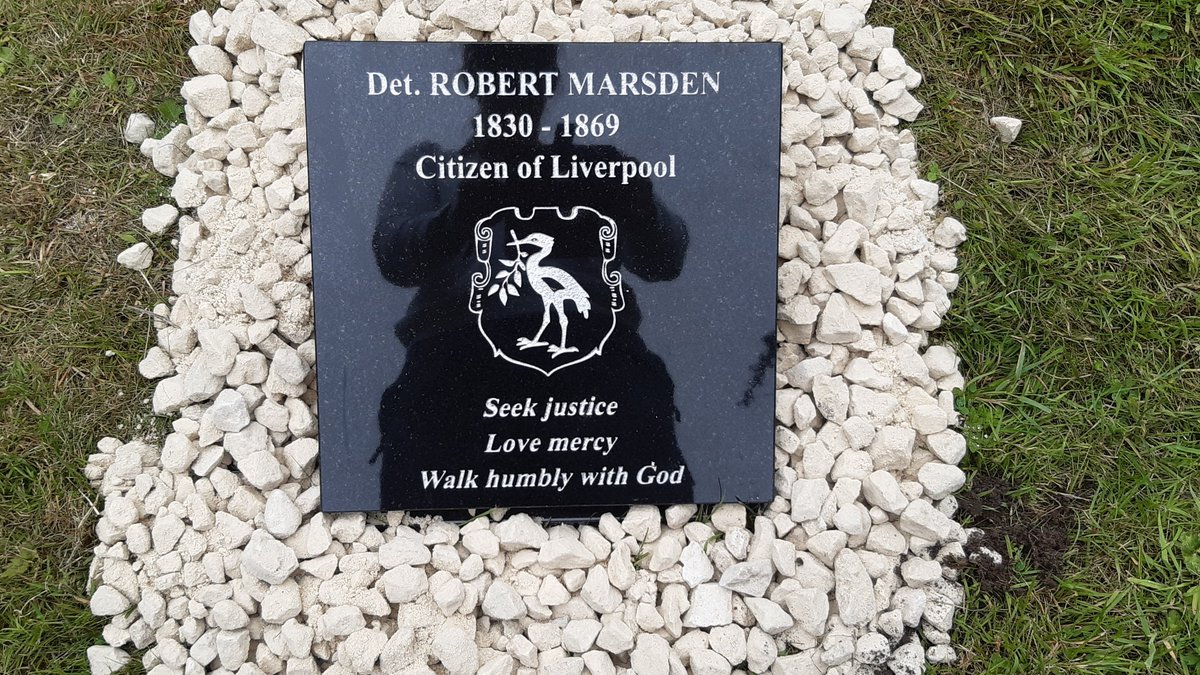
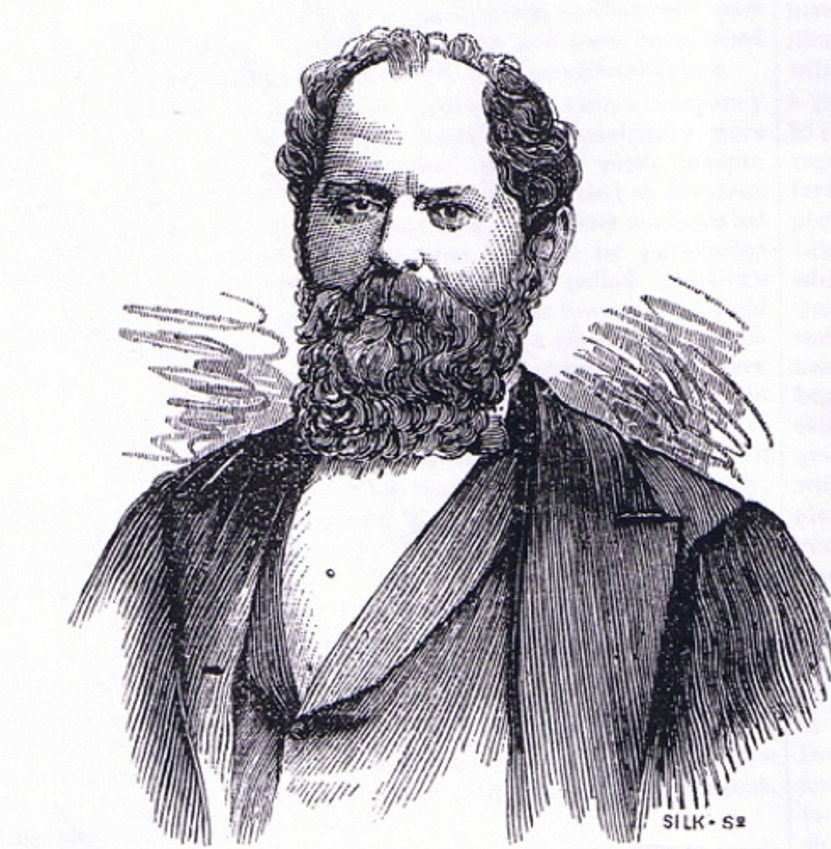
After 153 years of lying in an unmarked grave in Anfield Cemetery, Detective Robert Marsden finally received a headstone. Rest in peace Robert.

After 153 years of lying in an unmarked grave in Anfield Cemetery, Detective Robert Marsden finally received a headstone.  Rest in peace Robert.
ScouseScene (@scousescene) 's Twitter Profile Photo

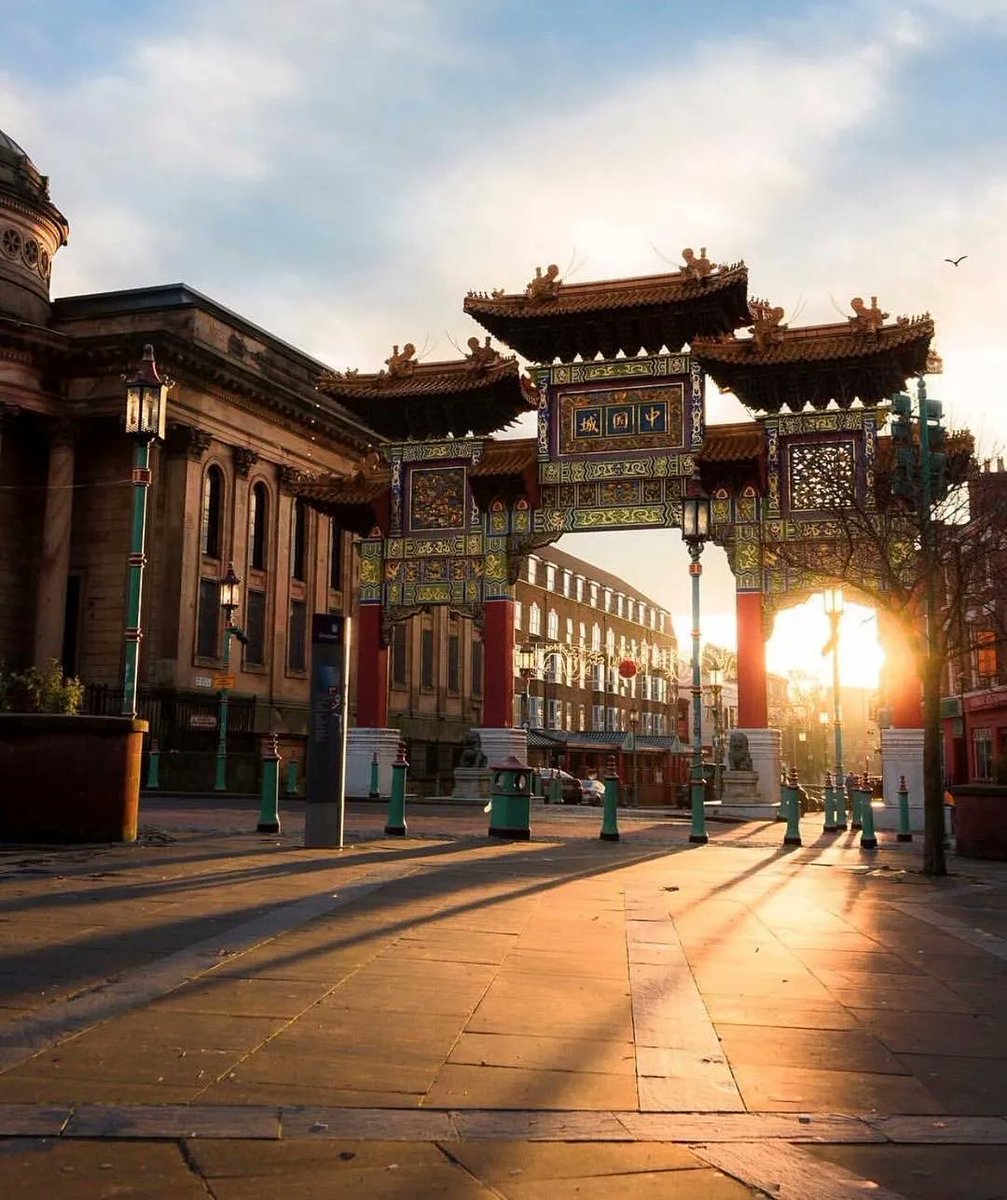
Liverpool is home to the oldest Chinese community in Europe and, fittingly, home to the largest Chinese Arch outside of China. ❤️

Liverpool is home to the oldest Chinese community in Europe and, fittingly, home to the largest Chinese Arch outside of China. ❤️
Liverpool Irish Centre (@liverpoolic) 's Twitter Profile Photo

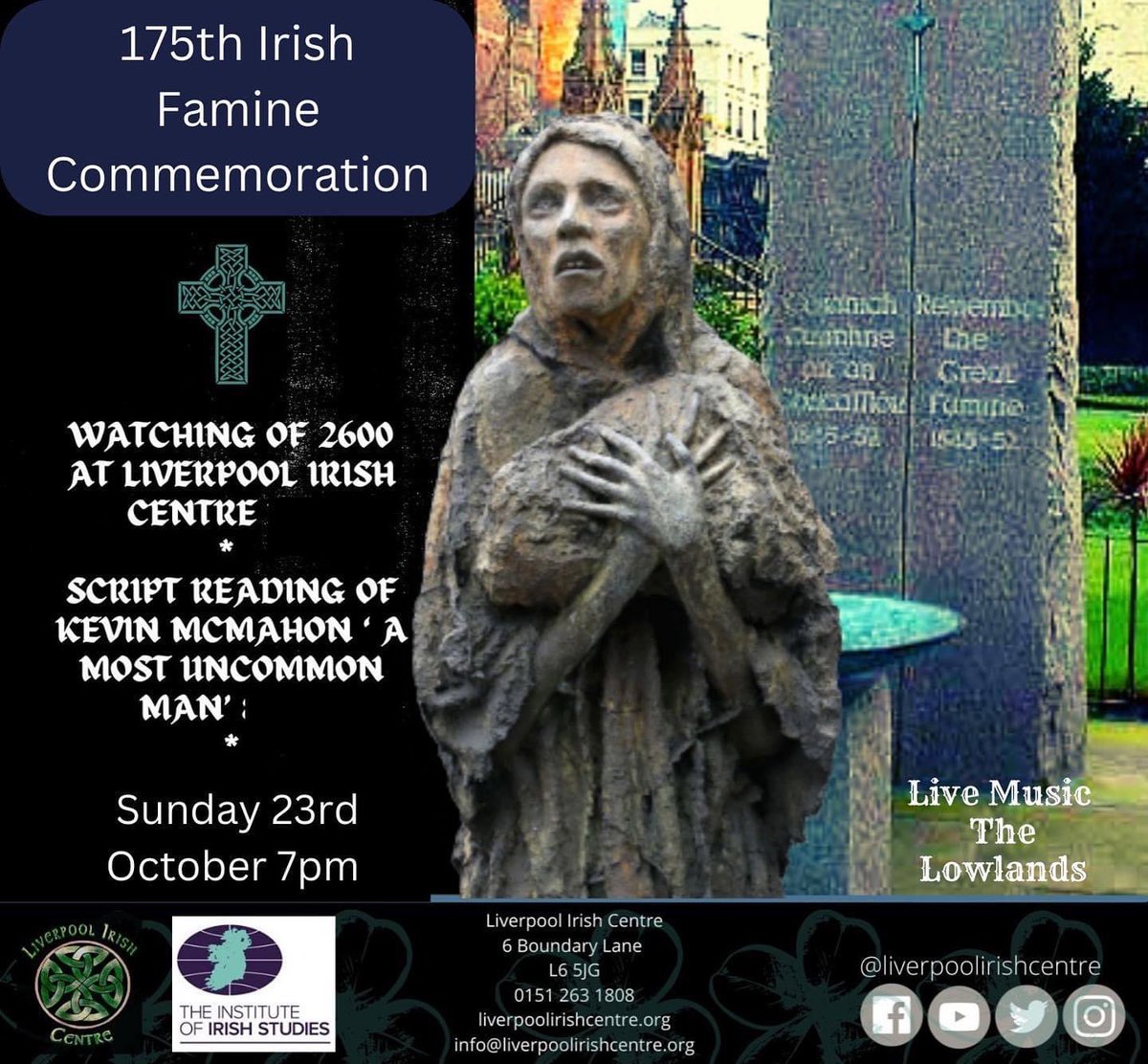
This Sunday 23rd October from 7pm in partnership with Liverpool Institute of Irish Studies Rearranged 175th Irish Famine Commemoration Live trad tunes from The Lowlands Scrip reading of ‘A Most Uncommon Man’ Watching of ‘2600’ Refreshments included and bar and shop open ☘️

This Sunday 23rd October from 7pm in partnership with Liverpool Institute of Irish Studies

Rearranged 175th Irish Famine Commemoration

Live trad tunes from The Lowlands 

Scrip reading of ‘A Most Uncommon Man’

Watching of ‘2600’

Refreshments included and bar and shop open ☘️
Liverpool Irish Festival (@livirishfest) 's Twitter Profile Photo

Robert Cain began life in Cork and ended it in Liverpool. The tour, new to #LIF2022, takes you on a journey of Cain’s life, via some of his most prominent buildings. 23, 24, 25 Oct, 5.30pm £15 Begins at Liverpool Philharmonic Dining Rooms Book Now: bit.ly/LIFtalksandtou…

Robert Cain began life in Cork and ended it in Liverpool.

The tour, new to #LIF2022, takes you on a journey of Cain’s life, via some of his most prominent buildings.

23, 24, 25 Oct, 5.30pm
£15
Begins at Liverpool Philharmonic Dining Rooms

Book Now: bit.ly/LIFtalksandtou…
Isla Broadwell (@islabroadwell) 's Twitter Profile Photo

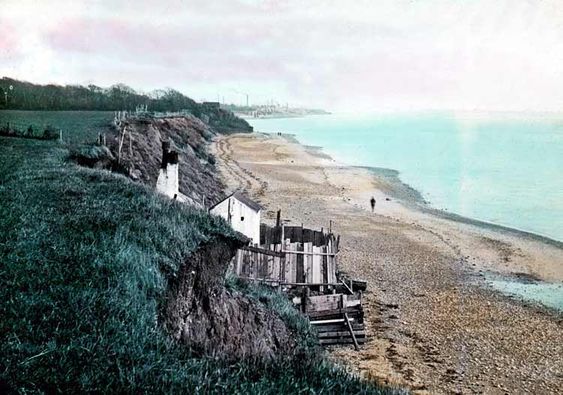
Fishermen's cottages, Otterspool. This colourized picture was taken in the early 20th century. Before the area became the Liverpool City rubbish tip and before Otterspool Promenade was built.

Fishermen's cottages, Otterspool.  This colourized picture was taken in the early 20th century.  Before the area became the Liverpool City rubbish tip and before Otterspool Promenade was built.
Isla Broadwell (@islabroadwell) 's Twitter Profile Photo

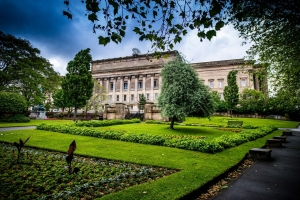
St John's Gardens, Liverpool. After St John's Church was demolished in 1899 its graveyard was turned into a public park. The headstones were removed but the graves remain. It is thought that 27,000 people are buried beneath this beautiful city greenspace.

St John's Gardens, Liverpool.  After St John's Church was demolished in 1899 its graveyard was turned into a public park.  The headstones were removed but the graves remain.  It is thought that 27,000 people are buried beneath this beautiful city greenspace.
Isla Broadwell (@islabroadwell) 's Twitter Profile Photo

Low Hill Cemetery, Everton (also known as Liverpool Necropolis) was a graveyard between 1825 and 1898. After headstones and memorials were removed in 1914 the area re-opened as Grant Gardens. Today 80,000 people still lie buried beneath this public park.

Low Hill Cemetery, Everton (also known as Liverpool Necropolis) was a graveyard between 1825 and 1898.  After headstones and memorials were removed in 1914 the area re-opened as Grant Gardens.  Today 80,000 people still lie buried beneath this public park.