info@ezen.co.uk (@ezenjapan) 's Twitter Profile
[email protected]

@ezenjapan

Learn about Japanese art and culture.
Follow us for exclusive offers and invitations. 🇯🇵✨

ID: 1466486100520841216

calendar_today02-12-2021 19:15:17

60 Tweet

31 Followers

1 Following

info@ezen.co.uk (@ezenjapan) 's Twitter Profile Photo

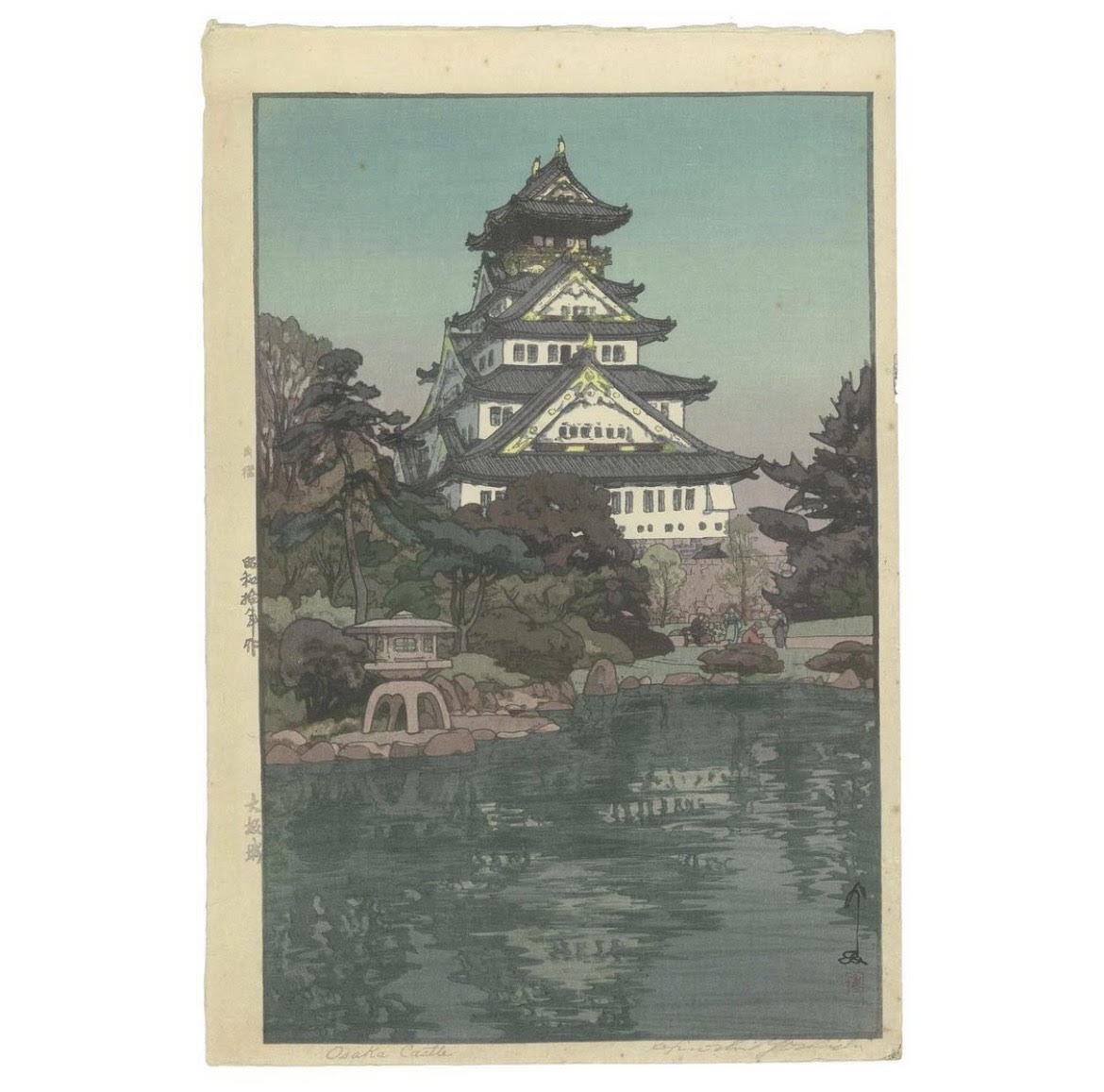
As a result of a long period of political instability and infighting, Japan once had as many as 5000 castles spread across the country. Unfortunately only a handful of these remain, having succumbed to warfare or to the rapid modernisation of Japan during the late 19th Century.

As a result of a long period of political instability and infighting, Japan once had as many as 5000 castles spread across the country. Unfortunately only a handful of these remain, having succumbed to warfare or to the rapid modernisation of Japan during the late 19th Century.
info@ezen.co.uk (@ezenjapan) 's Twitter Profile Photo

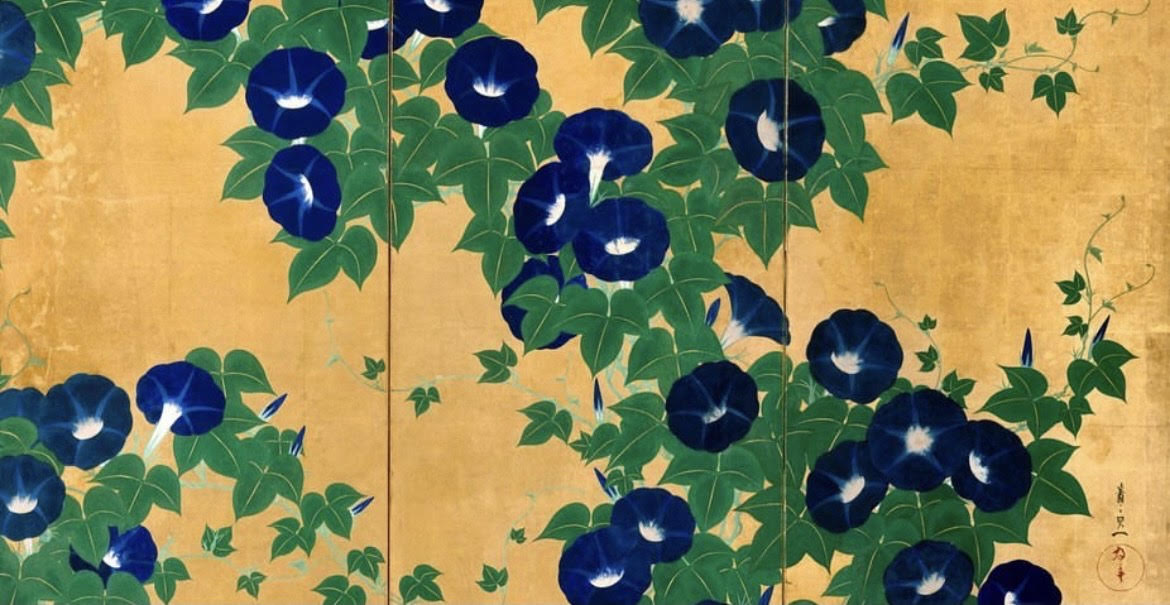
Morning glories, 朝顔(asagao) flowers, with its characteristics of opening up each morning and then closing every evening, resembles human life. It is symbolic of affection and love. Bursting with rich blue tones, the flowers are magnificently set against the gold leaf background

Morning glories, 朝顔(asagao) flowers, with its characteristics of opening up each morning and then closing every evening, resembles human life. It is symbolic of affection and love. Bursting with rich blue tones, the flowers are magnificently set against the gold leaf background
info@ezen.co.uk (@ezenjapan) 's Twitter Profile Photo

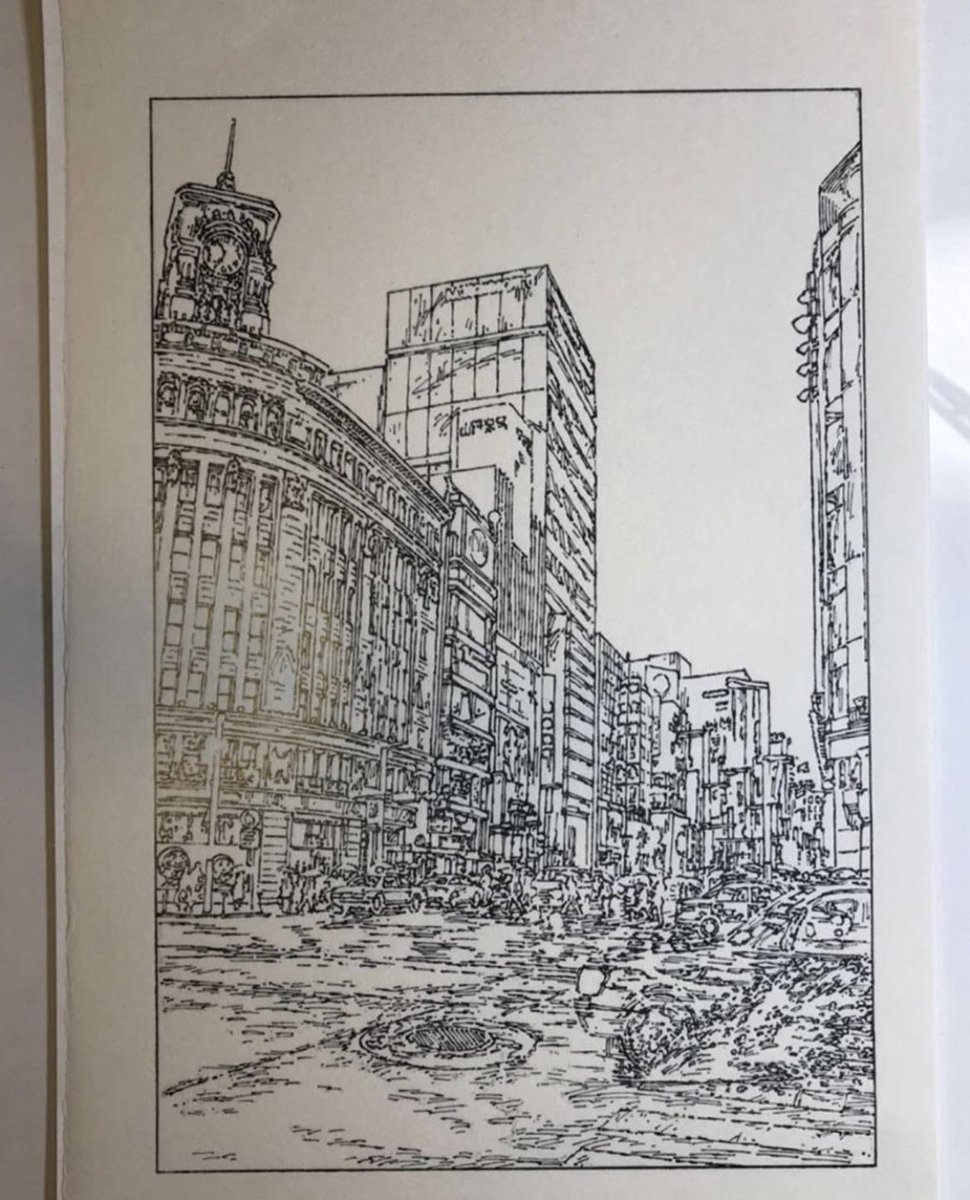
Property in the Ginza district in Tokyo, during the height of the economic bubble in 1988, peaked at around 30 million yen (around £200,000) per square metre. The area is still one of the most fashionable in Japan. They are a host to the finest brands with their flagship stores.

Property in the Ginza district in Tokyo, during the height of the economic bubble in 1988, peaked at around 30 million yen (around £200,000) per square metre. The area is still one of the most fashionable in Japan. They are a host to the finest brands with their flagship stores.
info@ezen.co.uk (@ezenjapan) 's Twitter Profile Photo

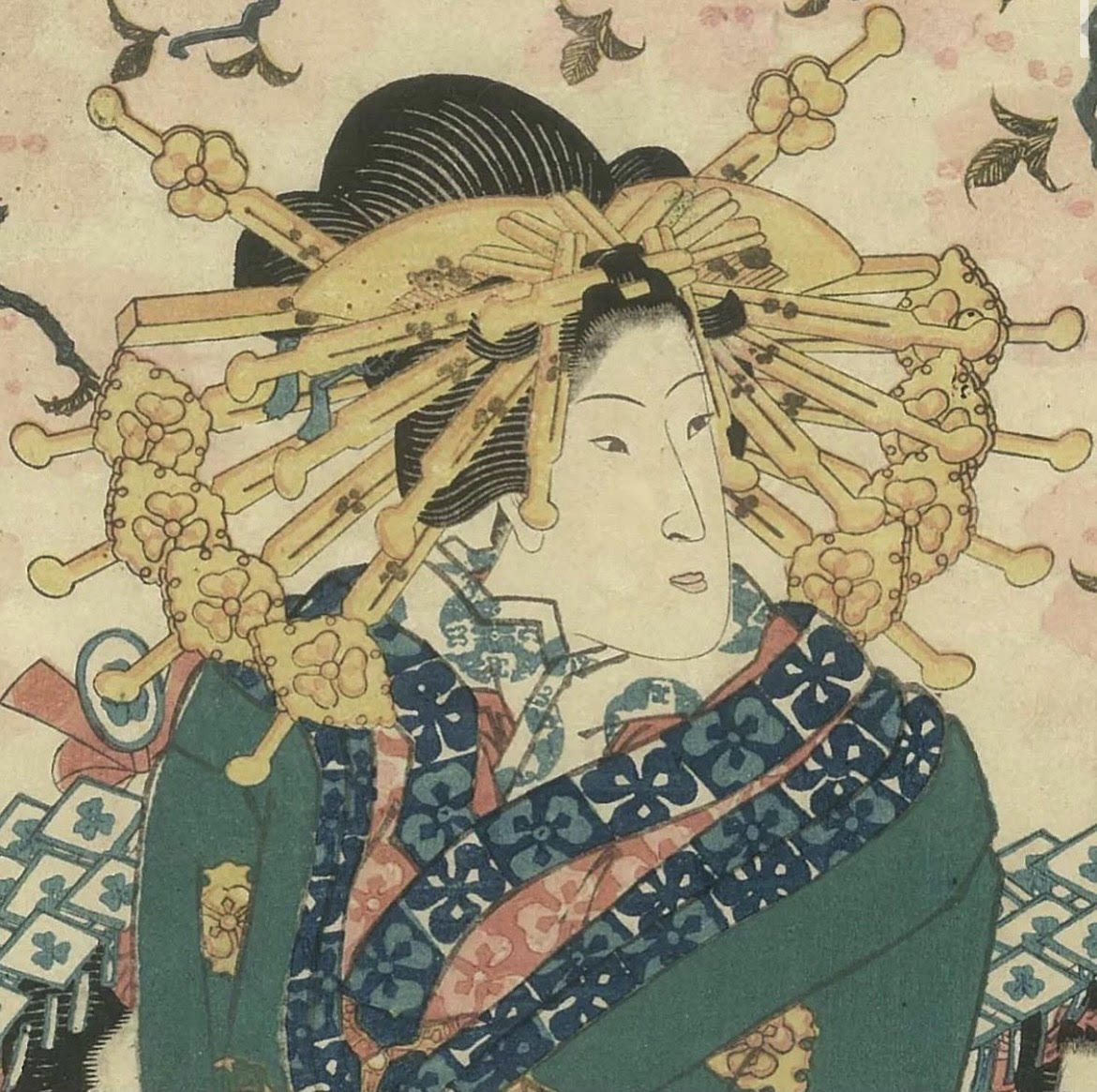
In this print, it is possible to see the three defining marks of a Japanese courtesan: an impractically large obi belt tied at the front, tall three-toothed koma-geta sandals worn without socks (the bare foot being considered erotic), and an overabundance of hairpins.

In this print,  it is possible to see the three defining marks of a Japanese courtesan: an impractically large obi belt tied at the front, tall three-toothed koma-geta sandals worn without socks (the bare foot being considered erotic), and an overabundance of hairpins.
info@ezen.co.uk (@ezenjapan) 's Twitter Profile Photo

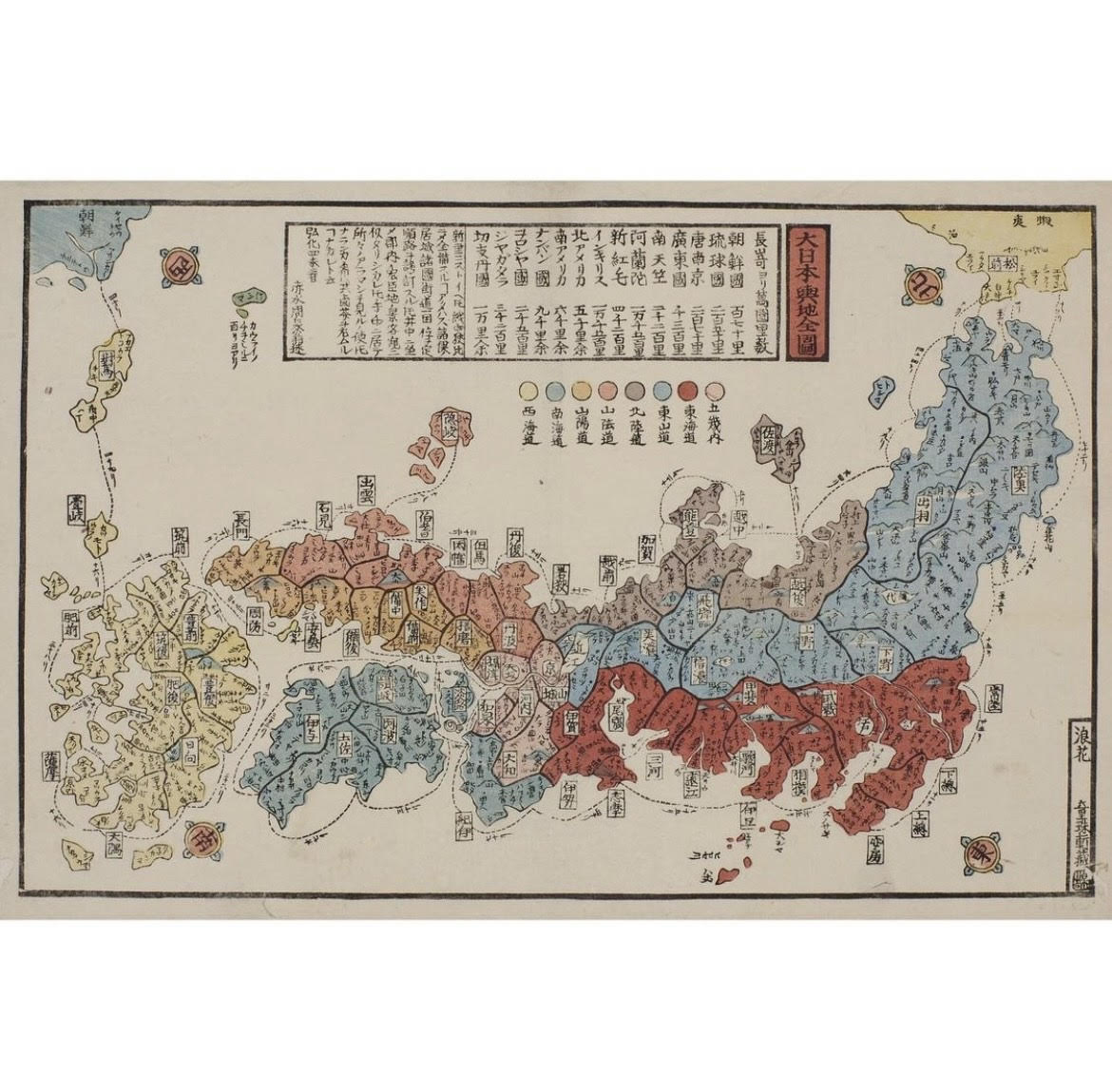
The Japanese archipelago is a group of 6852 individual islands. Less than 10% of these - some 421 - are inhabited. This Edo period map shows the various provinces of Edo Japan. The different coloured groupings are representative of the “five provinces and seven circuits”.

The Japanese archipelago is a group of 6852 individual islands. Less than 10% of these - some 421 - are inhabited. This Edo period map shows the various provinces of Edo Japan. The different coloured groupings are representative of the “five provinces and seven circuits”.
info@ezen.co.uk (@ezenjapan) 's Twitter Profile Photo

Inspiring exhibition 30 Sep 2021 - 23 Jan 2022 at the Barbican Centre. Works by Isamu Noguchi (1904 - 1988), Japanese-American artist and landscape architect, who was active from the 1920s, gaining his recognition through his sculpture and public artworks.

Inspiring exhibition 30 Sep 2021 - 23 Jan 2022 at the Barbican Centre. Works by Isamu Noguchi (1904 - 1988), Japanese-American artist and landscape architect, who was active from the 1920s, gaining his recognition through his sculpture and public artworks.
info@ezen.co.uk (@ezenjapan) 's Twitter Profile Photo

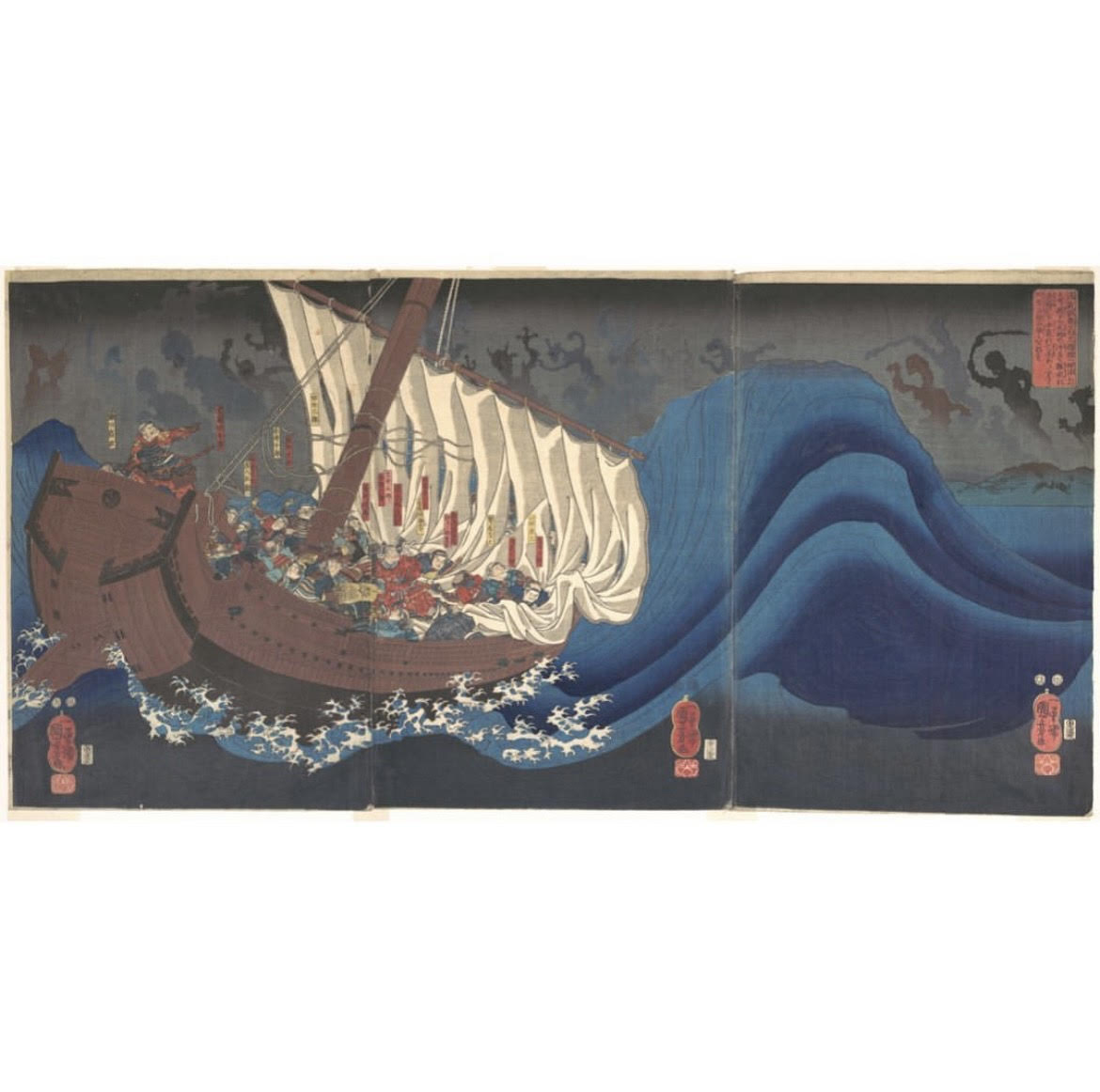
Saitō Musashibō Benkei, stands at the front of the vessel. Silhouettes represent the spirits of the Taira warriors, vanquished at the hands of the Minamoto clan. The scene depicts the clan sailing through the site of the earlier battle, confronted by the ghosts of the Taira clan.

Saitō Musashibō Benkei, stands at the front of the vessel. Silhouettes represent the spirits of the Taira warriors, vanquished at the hands of the Minamoto clan. The scene depicts the clan sailing through the site of the earlier battle, confronted by the ghosts of the Taira clan.
info@ezen.co.uk (@ezenjapan) 's Twitter Profile Photo

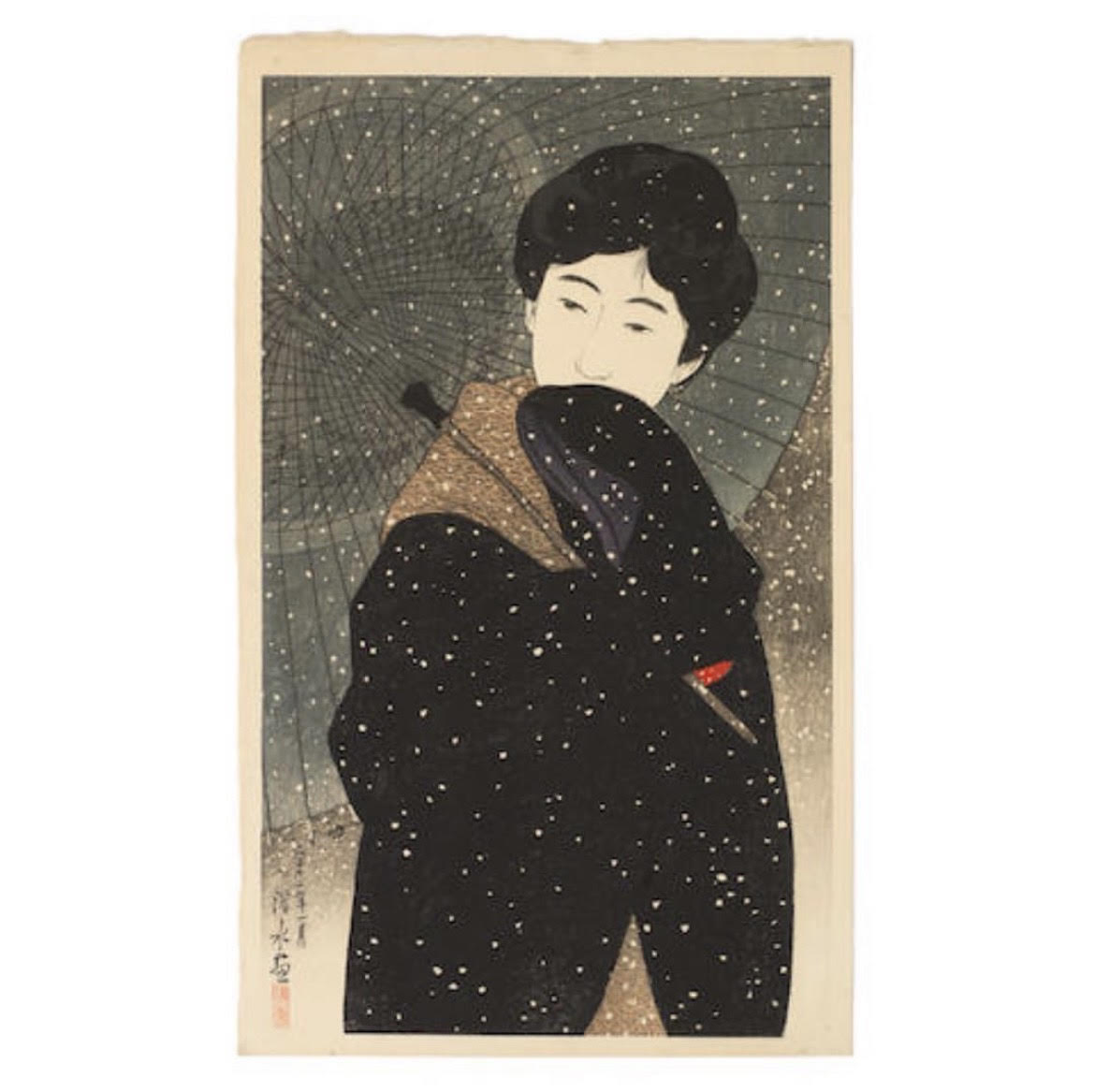
Two wonderful beauty prints in the winter by Ito Shinsui. He became famous for his bijin-ga. In 1952 the Commission for the Protection of Cultural Properties declared his talent to be of “intangible cultural properties” - similar to being deemed a living national treasure.

Two wonderful beauty prints in the winter by Ito Shinsui. He became famous for his bijin-ga. In 1952 the Commission for the Protection of Cultural Properties declared his talent to be of “intangible cultural properties” - similar to being deemed a living national treasure.
info@ezen.co.uk (@ezenjapan) 's Twitter Profile Photo

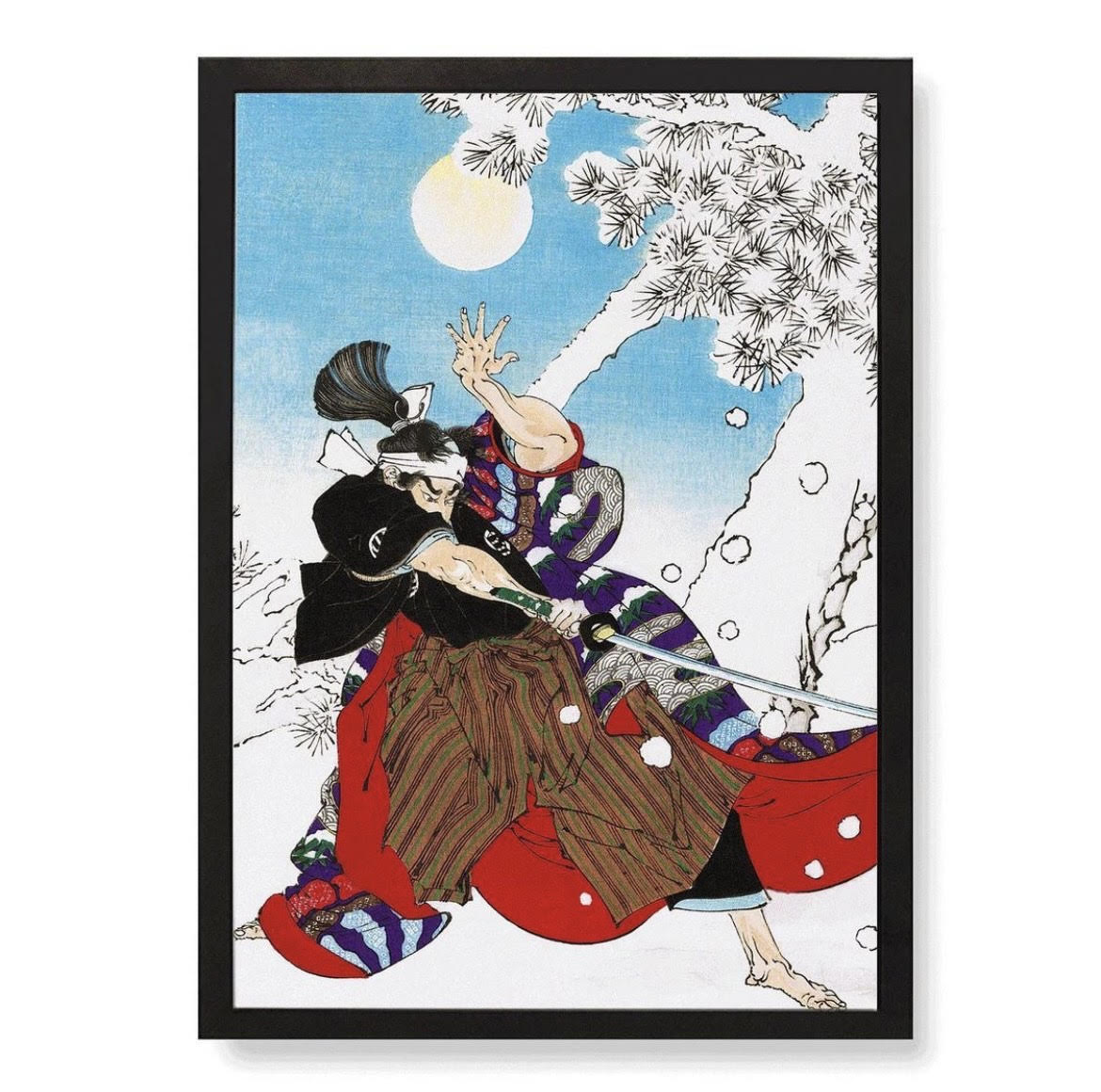
This scene from the play ‘The Treasury of Loyal Retainers’ depicts the antagonist, samurai Kobayashi Heihachirō. Disguised in his nurses kimono, Kobayashi battles to defend his master, Moronao.

This scene from the play ‘The Treasury of Loyal Retainers’ depicts the antagonist, samurai Kobayashi Heihachirō. Disguised in his nurses kimono, Kobayashi battles to defend his master, Moronao.
info@ezen.co.uk (@ezenjapan) 's Twitter Profile Photo

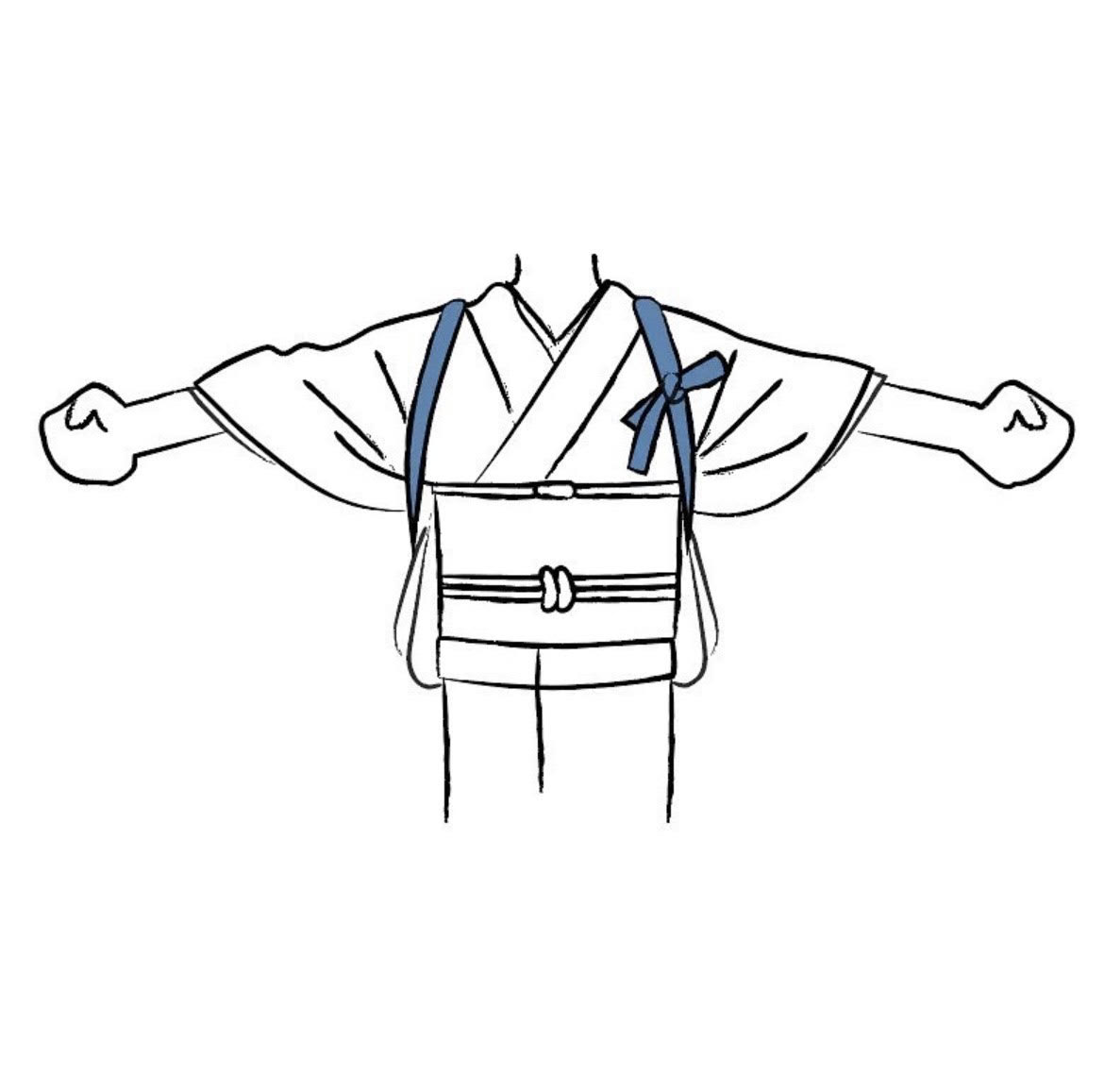
Working people needed to keep their kimono's long sleeves from becoming soiled or damaged, and so a cord or cloth sash known as a tasuki could be tied to hold them out of the way. The woman in this print has done just this as she enjoys a cup of sake after a long day’s work.

Working people needed to keep their kimono's long sleeves from becoming soiled or damaged, and so a cord or cloth sash known as a tasuki could be tied to hold them out of the way. The woman in this print has done just this as she enjoys a cup of sake after a long day’s work.
info@ezen.co.uk (@ezenjapan) 's Twitter Profile Photo

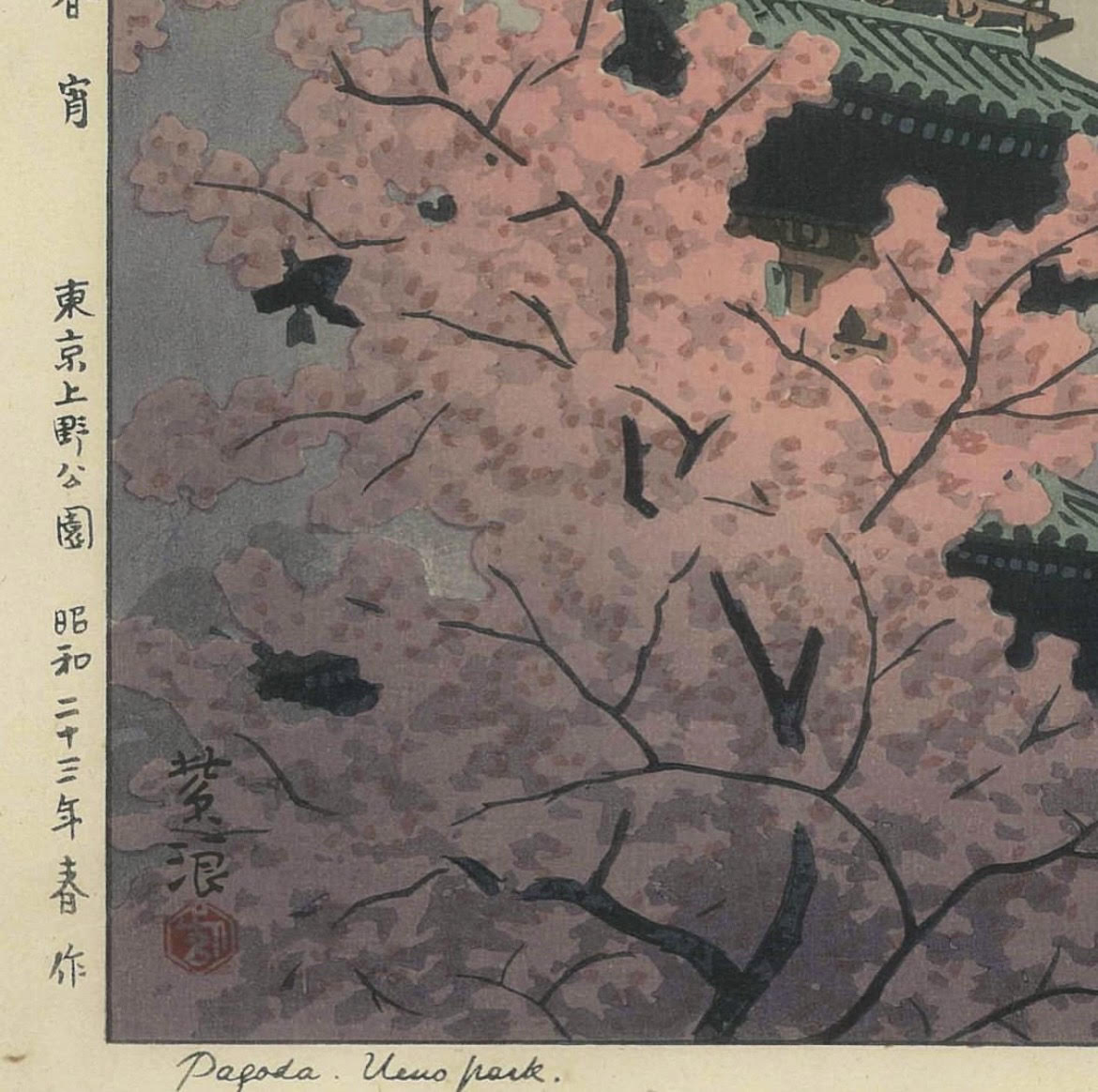
Depicted is the Toeizan Kan’ei-ji Endon-in. Founded in 1625, it is a Tendai Buddhist Temple in Ueno Park. During the Battle of Ueno in July 1868, Kan’ei-ji ended up in flames alongside, up to, a thousand houses destroyed. The reconstructed temple can still be enjoyed in Ueno park

Depicted is the Toeizan Kan’ei-ji Endon-in. Founded in 1625, it is a Tendai Buddhist Temple in Ueno Park. During the Battle of Ueno in July 1868, Kan’ei-ji ended up in flames alongside, up to, a thousand houses destroyed. The reconstructed temple can still be enjoyed in Ueno park
info@ezen.co.uk (@ezenjapan) 's Twitter Profile Photo

Nange Magro is an Italian fashion designer. The technological savvy is evident in her work where the central concept of her art is the creation of a parallel universe consisting of stories, dreams and emotions with a strong foundation of culture and technology.

info@ezen.co.uk (@ezenjapan) 's Twitter Profile Photo

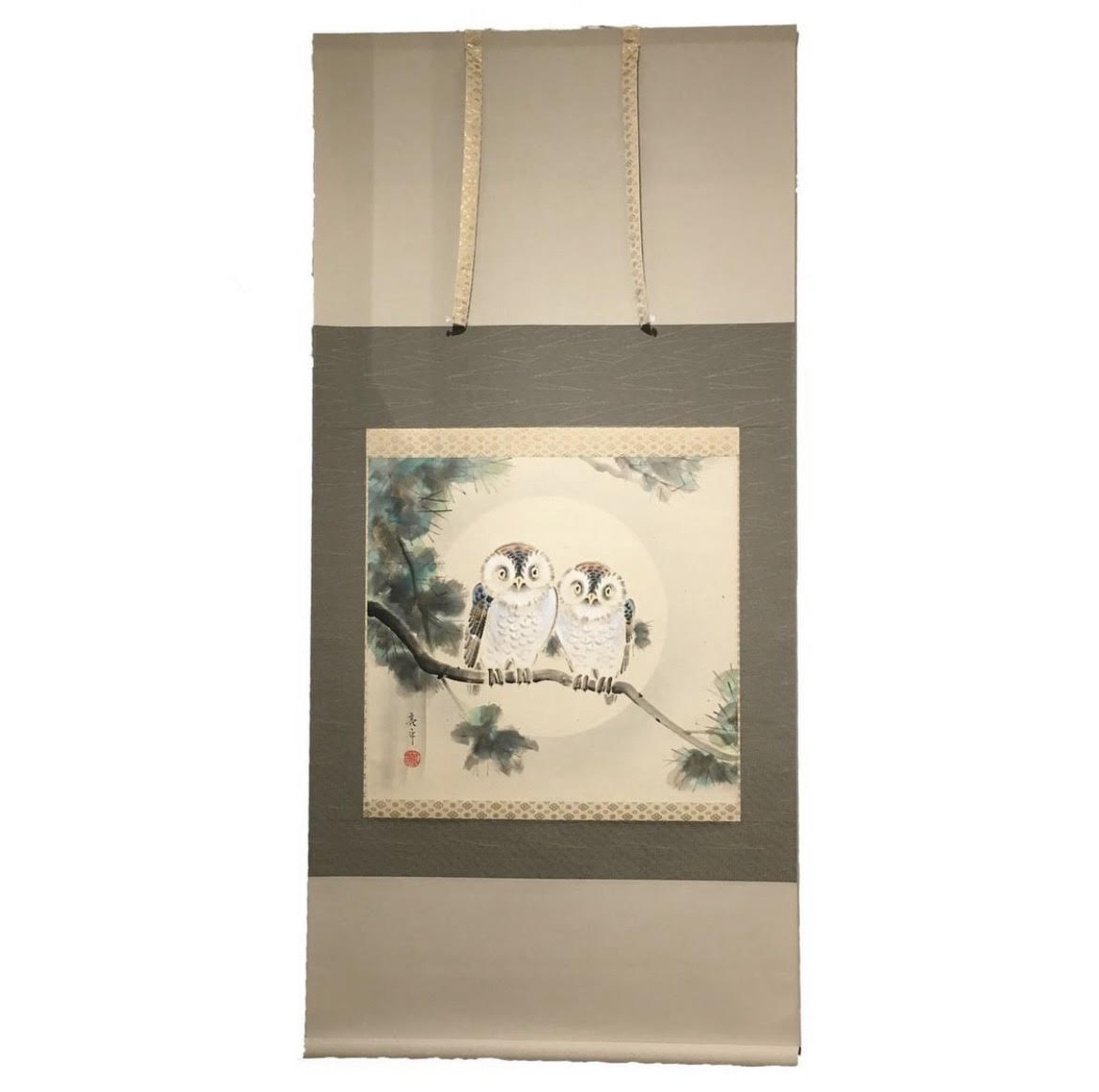
The Japanese word for owl, ‘fukuro’, is usually written with one character. However, it can also be written with the two characters ‘fuku’ (luck) and ‘kuru’ (to come). Because of this, the owl brings good luck, and protection from hardship. Artist: Ryohei Kimura (b. 1958)

The Japanese word for owl, ‘fukuro’, is usually written with one character. However, it can also be written with the two characters ‘fuku’ (luck) and ‘kuru’ (to come). Because of this, the owl brings good luck, and protection from hardship.

Artist: Ryohei Kimura (b. 1958)
info@ezen.co.uk (@ezenjapan) 's Twitter Profile Photo

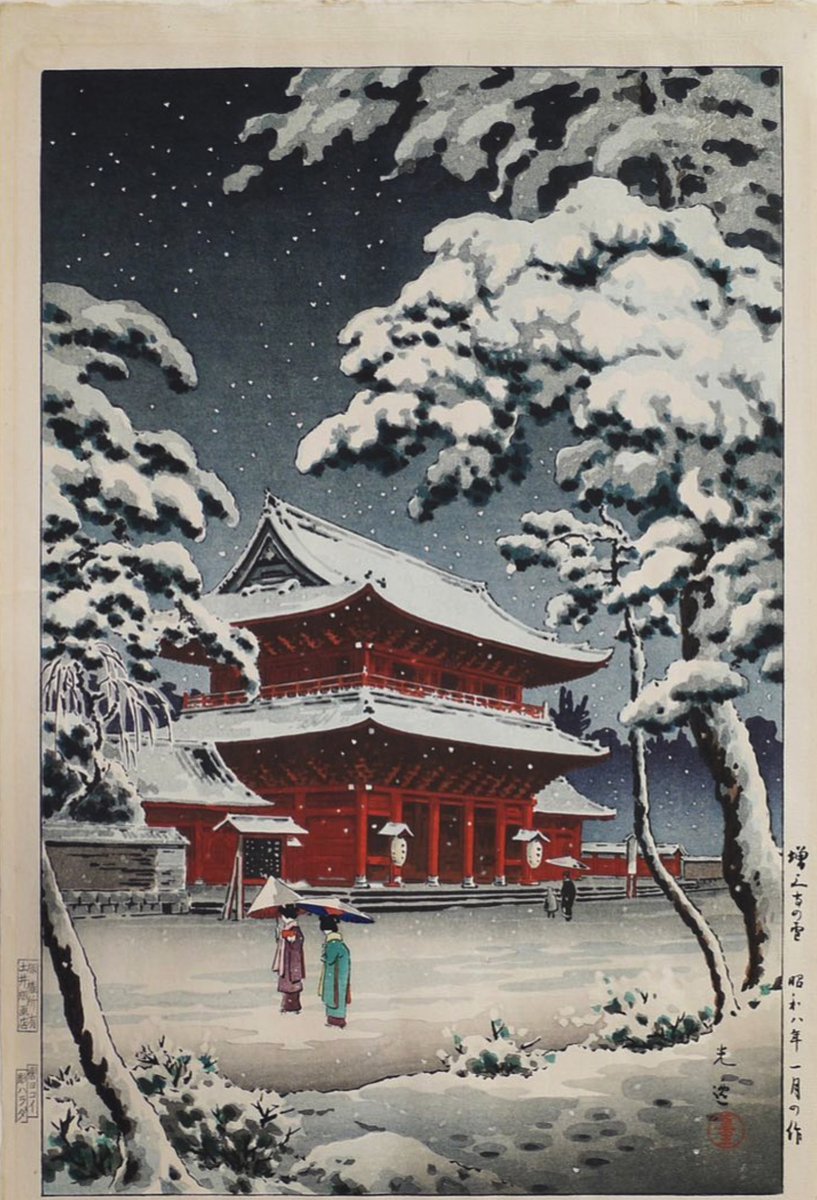
Buddhist temples, alongside shinto shrines ⛩, are amongst the most famous and most visited buildings in Japan. Often the question is asked as to why the colour of Japanese temples is red. The colour red symbolises the fire and the sun whilst also representing life itself.

Buddhist temples, alongside shinto shrines ⛩, are amongst the most famous and most visited buildings in Japan.

Often the question is asked as to why the colour of Japanese temples is red. The colour red symbolises the fire and the sun whilst also representing life itself.
info@ezen.co.uk (@ezenjapan) 's Twitter Profile Photo

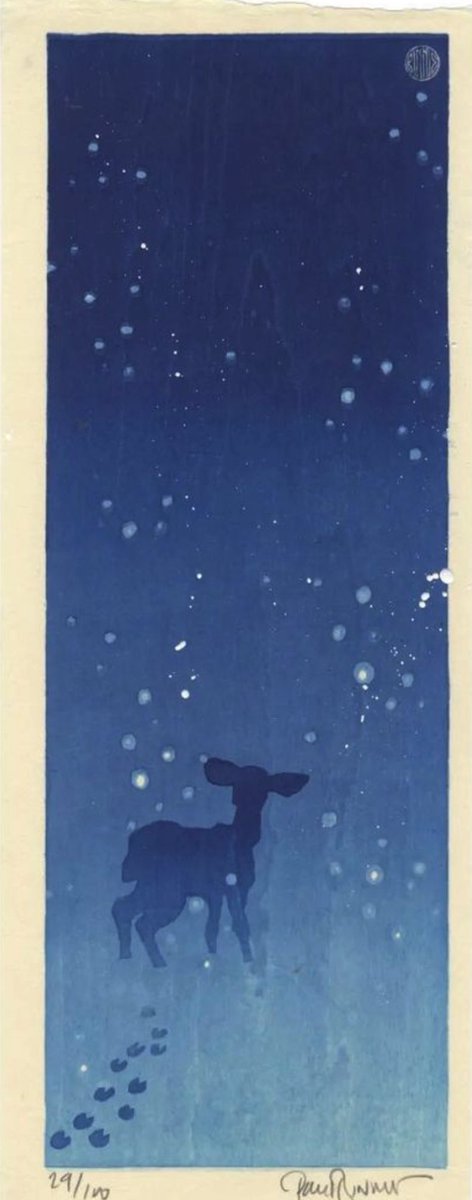
Paul Binnie is a Scottish artist working in the Japanese woodblock tradition. Binnie studied under the master printer of Doi Publisher and was a collector of landscape prints. In this aizuri-e (blue ink picture), Binnie added drops of white paint to suggest falling snowflakes.

Paul Binnie is a Scottish artist working in the Japanese woodblock tradition. Binnie studied under the master printer of Doi Publisher and was a collector of landscape prints.

In this aizuri-e (blue ink picture), Binnie added drops of white paint to suggest falling snowflakes.
info@ezen.co.uk (@ezenjapan) 's Twitter Profile Photo

Minamoto Yorimoto was appointed by the emperor as the first shogun of Japan, in Kamakura, on August 21, 1192. Shogun, is the abbreviation of the historical title Seii Taishōgun which would translate as "Commander-in-Chief of the Expeditionary Force Against the Barbarians."

Minamoto Yorimoto was appointed by the emperor as the first shogun of Japan, in Kamakura,  on August 21, 1192. Shogun, is the abbreviation of the historical title Seii Taishōgun which would translate as "Commander-in-Chief of the Expeditionary Force Against the Barbarians."
info@ezen.co.uk (@ezenjapan) 's Twitter Profile Photo

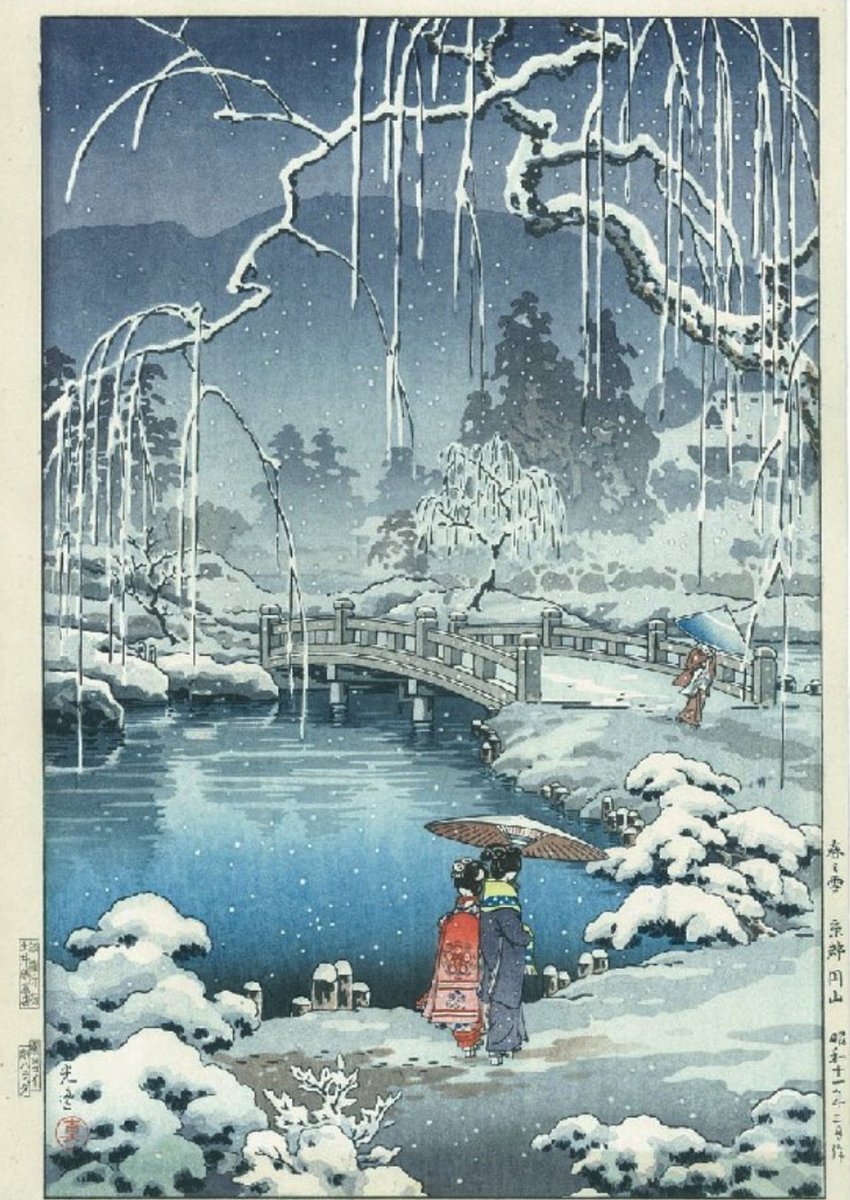
Maruyama Park (円山公園) is a designated Place of Scenic Beauty. In the Spring, huge crowds assemble to enjoy the cherry blossom hanami season. However, in this print by Koitsu, the park is shown full of snow which gives it a sense of peace and harmony.

Maruyama Park (円山公園) is a designated Place of Scenic Beauty. In the Spring, huge crowds assemble to enjoy the cherry blossom hanami season. However, in this print by Koitsu, the park is shown full of snow which gives it a sense of peace and harmony.
info@ezen.co.uk (@ezenjapan) 's Twitter Profile Photo

The Japanese name for a snowman is Yukidaruma, it is composed of two words: yuki meaning snow and daruma which is the Japanese form of the word dharma (Sanskrit) referring to Bodhidharma, a monk from the 5th or 6th century, who brought Zen Buddhism to China from India.🇨🇳🛫🇮🇳

The Japanese name for a snowman is Yukidaruma, it is composed of two words: yuki meaning snow and daruma which is the Japanese form of the word dharma (Sanskrit) referring to Bodhidharma, a monk from the 5th or 6th century, who brought Zen Buddhism to China from India.🇨🇳🛫🇮🇳