Celestron Origin and Seestar S50 (@seeking7always) 's Twitter Profile
Celestron Origin and Seestar S50

@seeking7always

Capturing the wonders of the cosmos, one star at a time. #Astrophotography #SeestarS50 #CelestronOrigin #Telescope

ID: 1771872188548734978

calendar_today24-03-2024 12:15:42

30 Tweet

63 Followers

8 Following
Celestron Origin and Seestar S50 (@seeking7always) 's Twitter Profile Photo

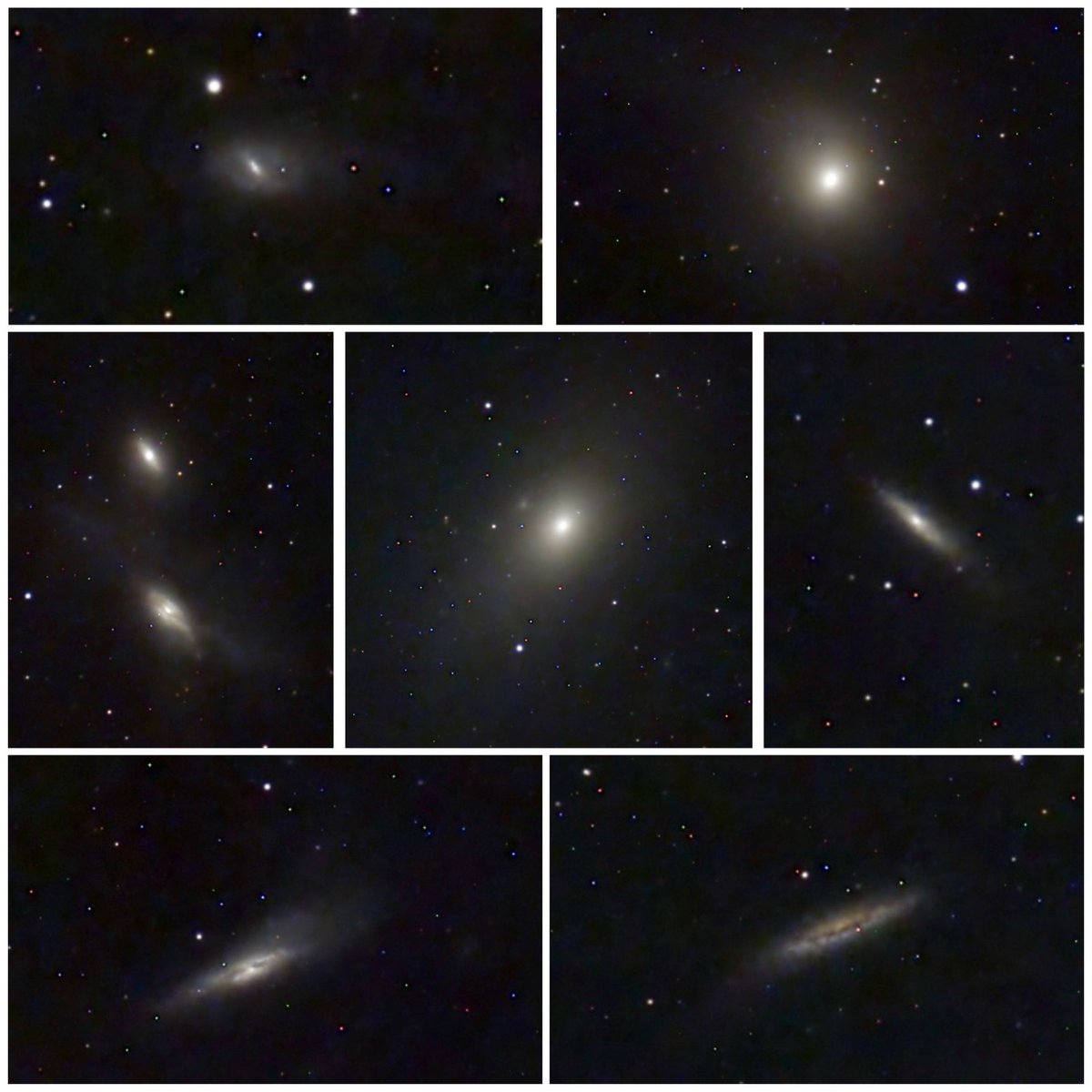
Markarian’s Chain of galaxies in the Virgo Cluster. 486 pictures at 10 seconds each taken with the Celestron Origin telescope. Pictures stacked and processed in PixInsight.

Markarian’s Chain of galaxies in the Virgo Cluster. 486 pictures at 10 seconds each taken with the Celestron Origin telescope. Pictures stacked and processed in PixInsight.
Celestron Origin and Seestar S50 (@seeking7always) 's Twitter Profile Photo

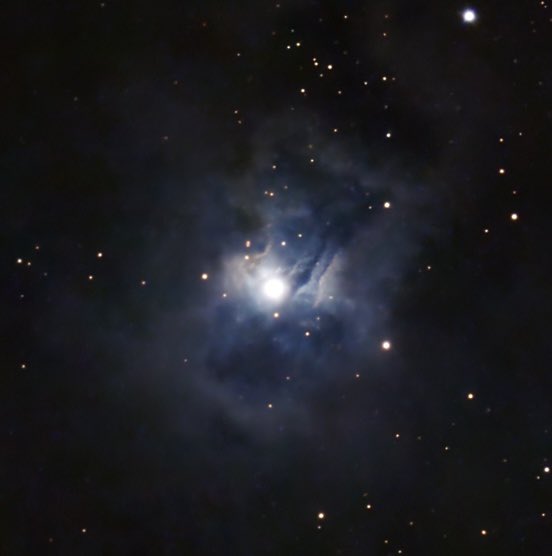
NGC 7023, also known as the Iris Nebula. 396 pictures at 10 seconds each taken with the Celestron Origin telescope. Pictures stacked, and processed in PixInsight.

NGC 7023, also known as the Iris Nebula. 396 pictures at 10 seconds each taken with the Celestron Origin telescope. Pictures stacked, and processed in PixInsight.
Celestron Origin and Seestar S50 (@seeking7always) 's Twitter Profile Photo

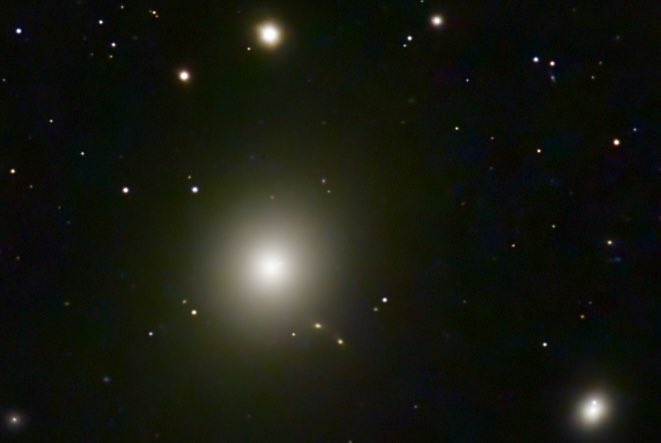
M87, also known as the Giant Virgo Elliptical Galaxy. 500 pictures at 10 seconds each taken with the Celestron Origin telescope. Pictures stacked and processed in PixInsight

M87, also known as the Giant Virgo Elliptical Galaxy. 500 pictures at 10 seconds each taken with the Celestron Origin telescope. Pictures stacked and processed in PixInsight
Celestron Origin and Seestar S50 (@seeking7always) 's Twitter Profile Photo

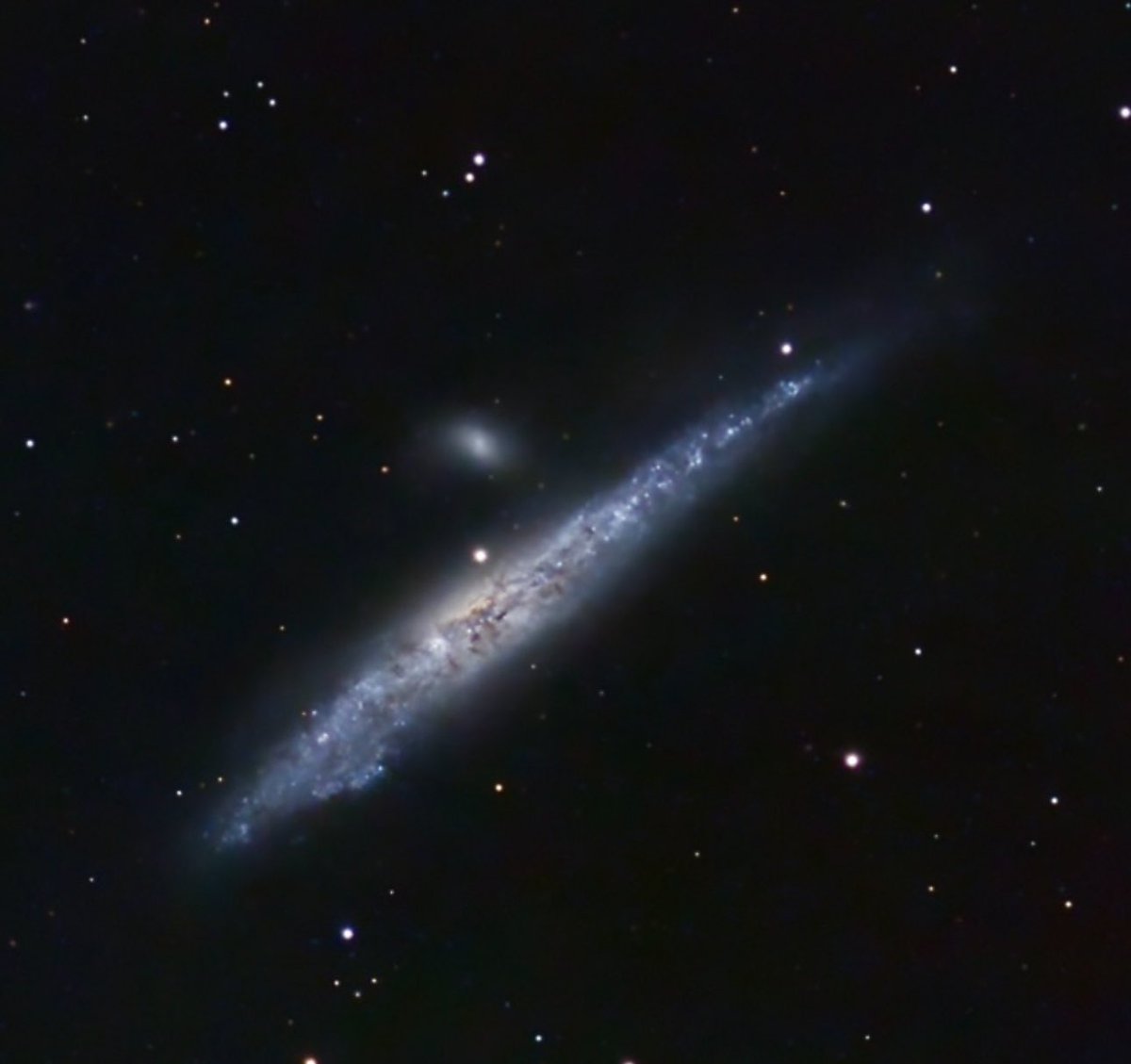
NGC 4631, the Whale Galaxy. 983 pictures at 10 seconds each taken with the Celestron Origin telescope. Pictures stacked and processed in PixInsight.

NGC 4631, the Whale Galaxy. 983 pictures at 10 seconds each taken with the Celestron Origin telescope. Pictures stacked and processed in PixInsight.
Celestron Origin and Seestar S50 (@seeking7always) 's Twitter Profile Photo

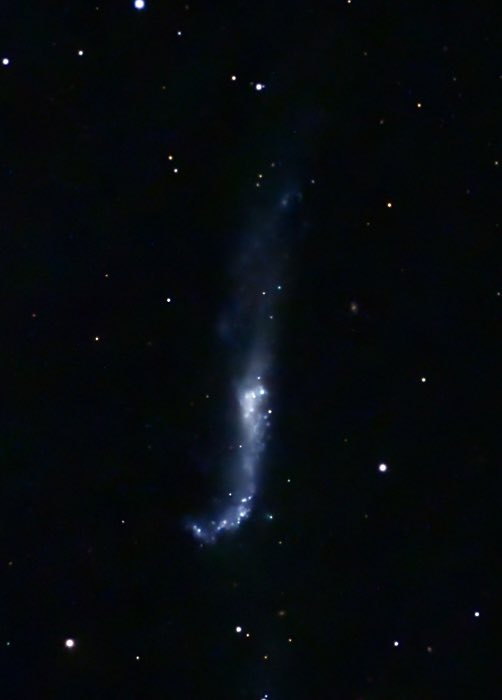
NGC 4656 also known as the Hockey Stick Galaxy. 1,037 pictures at 10 seconds each taken with the Celestron Origin telescope. Pictures stacked and processed in PixInsight.

NGC 4656 also known as the Hockey Stick Galaxy. 1,037 pictures at 10 seconds each taken with the Celestron Origin telescope. Pictures stacked and processed in PixInsight.
Celestron Origin and Seestar S50 (@seeking7always) 's Twitter Profile Photo

NGC 4565, also known as The Needle Galaxy. 537 pictures at 10 seconds each taken with the Celestron Origin telescope. Pictures stacked and processed in PixInsight.

NGC 4565, also known as The Needle Galaxy. 537 pictures at 10 seconds each taken with the Celestron Origin telescope. Pictures stacked and processed in PixInsight.
Celestron Origin and Seestar S50 (@seeking7always) 's Twitter Profile Photo

NGC 5907, an edge on spiral galaxy 46 million light years away. 799 pictures at 10 second each taken with the Celestron Origin telescope. Pictures stacked and processed in PixInsight.

NGC 5907, an edge on spiral galaxy 46 million light years away. 799 pictures at 10 second each taken with the Celestron Origin telescope. Pictures stacked and processed in PixInsight.
Celestron Origin and Seestar S50 (@seeking7always) 's Twitter Profile Photo

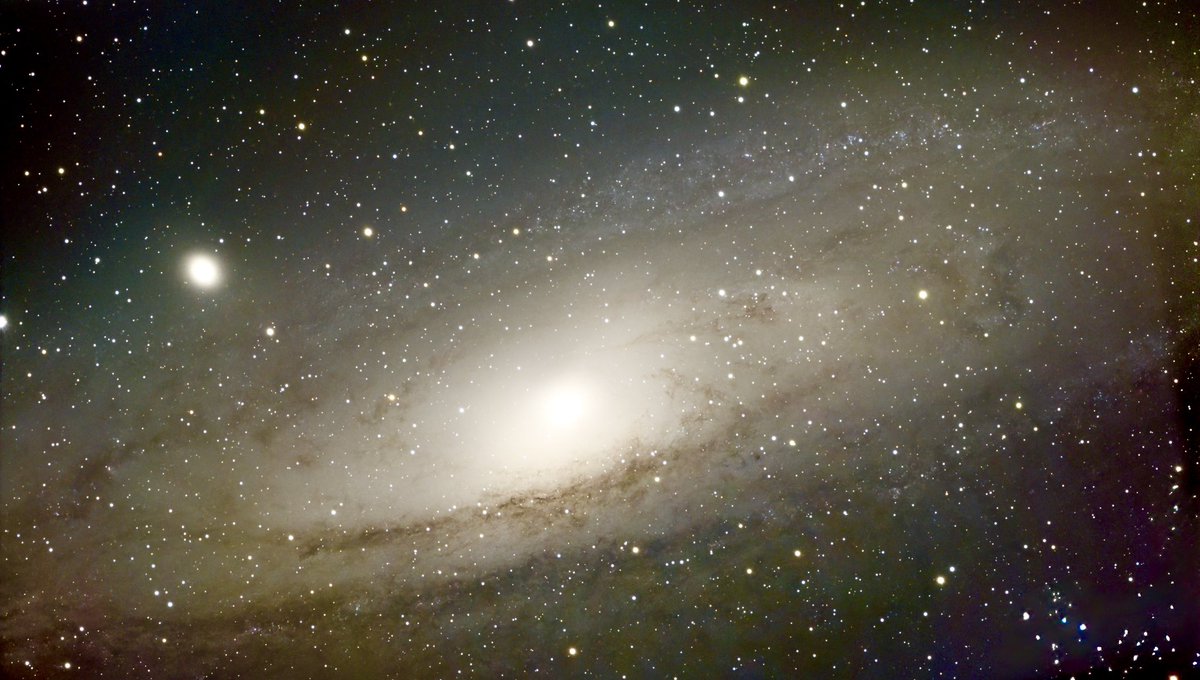
M31 The Andromeda Galaxy, 652 pictures at 10 seconds each taken with the celestron Origin telescope. Pictures stacked and processed in PixInsight.

M31 The Andromeda Galaxy, 652 pictures at 10 seconds each taken with the celestron Origin telescope. Pictures stacked and processed in PixInsight.
Celestron Origin and Seestar S50 (@seeking7always) 's Twitter Profile Photo

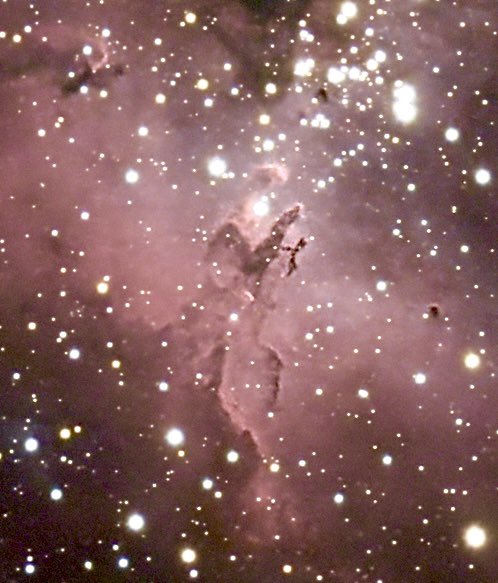
M16 The Eagle Nebula. 429 pictures at 10 seconds each, taken with the Celestron Origin telescope. Picture stacked and processed in PixInsight.

M16 The Eagle Nebula. 429 pictures at 10 seconds each, taken with the Celestron Origin telescope. Picture stacked and processed in PixInsight.
Celestron Origin and Seestar S50 (@seeking7always) 's Twitter Profile Photo

M27 the Dumbbell Nebula. 537 pictures at 10 seconds each taken with the Celestron Origin telescope. Pictures stacked and processed in PixInsight.

M27 the Dumbbell Nebula. 537 pictures at 10 seconds each taken with the Celestron Origin telescope. Pictures stacked and processed in PixInsight.
Celestron Origin and Seestar S50 (@seeking7always) 's Twitter Profile Photo

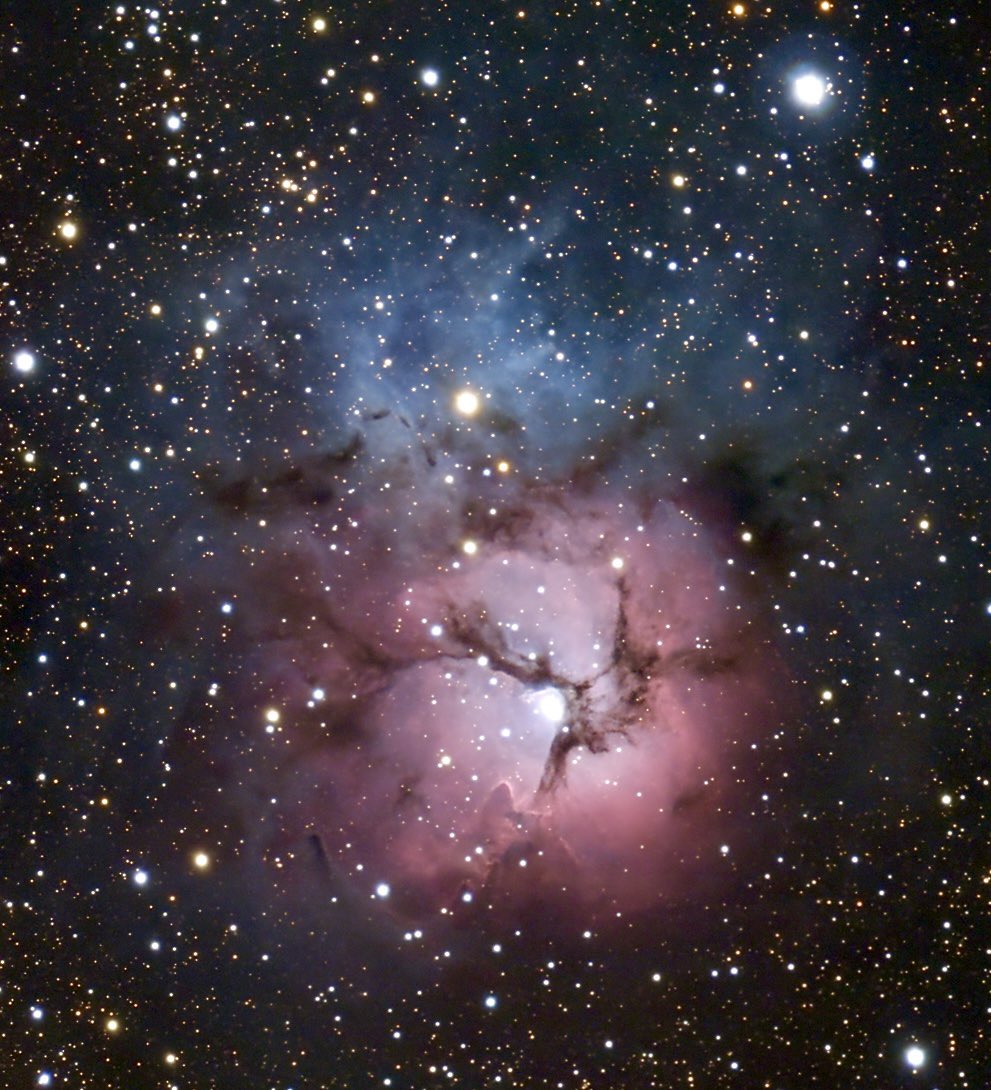
M20 the Trifid Nebula. 687 pictures at 10 second each taken with the Celestron Origin telescope. Pictures stacked and processed in PixInsight.

M20 the Trifid Nebula. 687 pictures at 10 second each taken with the Celestron Origin telescope. Pictures stacked and processed in PixInsight.
Celestron Origin and Seestar S50 (@seeking7always) 's Twitter Profile Photo

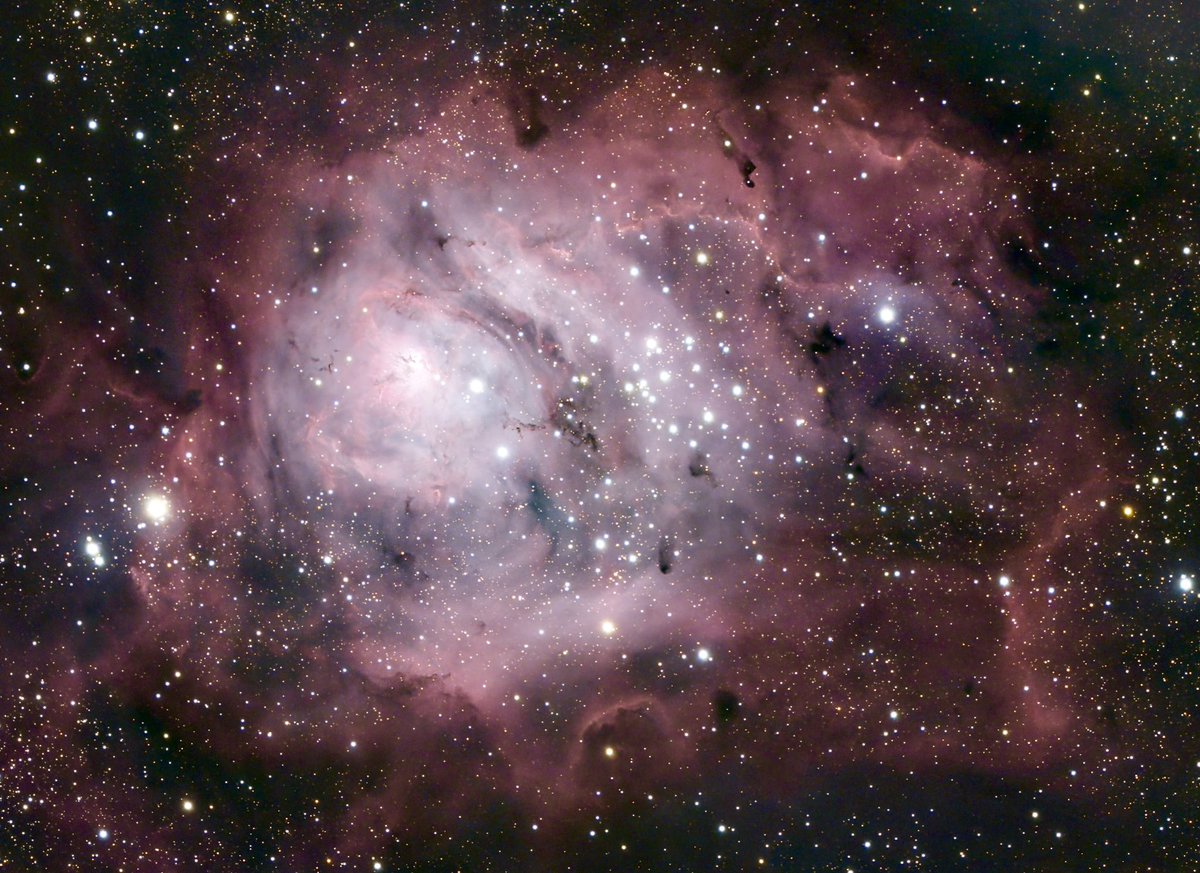
M8 the Lagoon Nebula. 663 pictures at 10 seconds each taken with the Celestron Origin telescope. Pictures stacked and processed in PixInsight.

M8 the Lagoon Nebula. 663 pictures at 10 seconds each taken with the Celestron Origin telescope. Pictures stacked and processed in PixInsight.
Celestron Origin and Seestar S50 (@seeking7always) 's Twitter Profile Photo

NGC 6946 the Fireworks Galaxy. 1,362 pictures at 10 seconds each taken with the Celestron Origin telescope. Pictures stacked and processed in PixInsight.

NGC 6946 the Fireworks Galaxy. 1,362 pictures at 10 seconds each taken with the Celestron Origin telescope. Pictures stacked and processed in PixInsight.
Celestron Origin and Seestar S50 (@seeking7always) 's Twitter Profile Photo

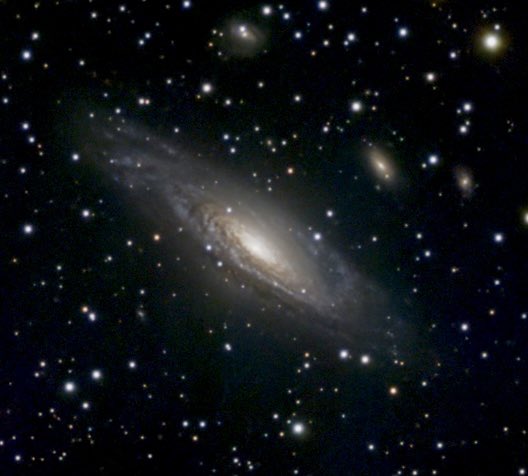
NGC 7331, a spiral galaxy located 40 million light years away in the constellation Pegasus. It’s sometimes referred to as a “twin” of the Milky Way. 1,477 pictures at 10 seconds each taken with the Celestron Origin telescope. Pictures stacked and processed in PixInsight.

NGC 7331, a spiral galaxy located 40 million light years away in the constellation Pegasus. It’s sometimes referred to as a “twin” of the Milky Way. 1,477 pictures at 10 seconds each taken with the Celestron Origin telescope. Pictures stacked and processed in PixInsight.
Celestron Origin and Seestar S50 (@seeking7always) 's Twitter Profile Photo

The Bubble Nebula, NGC 7635. 1,893 pictures at 10 seconds each taken with the Celestron Origin telescope. Pictures stacked and processed in PixInsight.

The Bubble Nebula, NGC 7635. 1,893 pictures at 10 seconds each taken with the Celestron Origin telescope. Pictures stacked and processed in PixInsight.
Celestron Origin and Seestar S50 (@seeking7always) 's Twitter Profile Photo

Detail from M8 the Lagoon Nebula. 663 pictures at 10 seconds each with the Celestron Origin telescope. Pictures stacked and processed in PixInsight.

Detail from M8 the Lagoon Nebula. 663 pictures at 10 seconds each with the Celestron Origin telescope. Pictures stacked and processed in PixInsight.
Celestron Origin and Seestar S50 (@seeking7always) 's Twitter Profile Photo

M33 the Triangulum Galaxy. 536 pictures at 10 seconds each taken with the Celestron Origin telescope. Pictures stacked and processed in PixInsight.

M33 the Triangulum Galaxy. 536 pictures at 10 seconds each taken with the Celestron Origin telescope. Pictures stacked and processed in PixInsight.
Celestron Origin and Seestar S50 (@seeking7always) 's Twitter Profile Photo

Galaxy PGC 9101. This is basically pushing the limits of my 6” telescope. The galaxy is 580–590 million light-years away. This is almost 4 hours of capture time. And still only some basic details are resolved about its spiral pattern. 1,316 pictures, Celestron Origin telescope.

Galaxy PGC 9101. This is basically pushing the limits of my 6” telescope. The galaxy is 580–590 million light-years away. This is almost 4 hours of capture time. And still only some basic details are resolved about its spiral pattern. 1,316 pictures, Celestron Origin telescope.
Celestron Origin and Seestar S50 (@seeking7always) 's Twitter Profile Photo

M74 also known as the Phantom Galaxy. 32 million light years away. 2,095 pictures at 10 seconds each taken with the Celestron Origin telescope. Pictures stacked and processed in PixInsight.

M74 also known as the Phantom Galaxy. 32 million light years away. 2,095 pictures at 10 seconds each taken with the Celestron Origin telescope. Pictures stacked and processed in PixInsight.
Celestron Origin and Seestar S50 (@seeking7always) 's Twitter Profile Photo

Saturn with its rings edge on right now. Taken with a Celestron 6SE optical tube, an Orion Atlas EQ mount, and ASI Planetary Camera. Processed with Firecapture and AutoStakkert software.

Saturn with its rings edge on right now. Taken with a Celestron 6SE optical tube, an Orion Atlas EQ mount, and ASI Planetary Camera. Processed with Firecapture and AutoStakkert software.