Radioactive Red (@radioactivered) 's Twitter Profile
Radioactive Red

@radioactivered

☢️🎀🧸🇺🇸

ID: 1994182829450706944

calendar_today27-11-2025 23:16:45

4,4K Tweet

3,3K Followers

325 Following

Radioactive Red (@radioactivered) 's Twitter Profile Photo

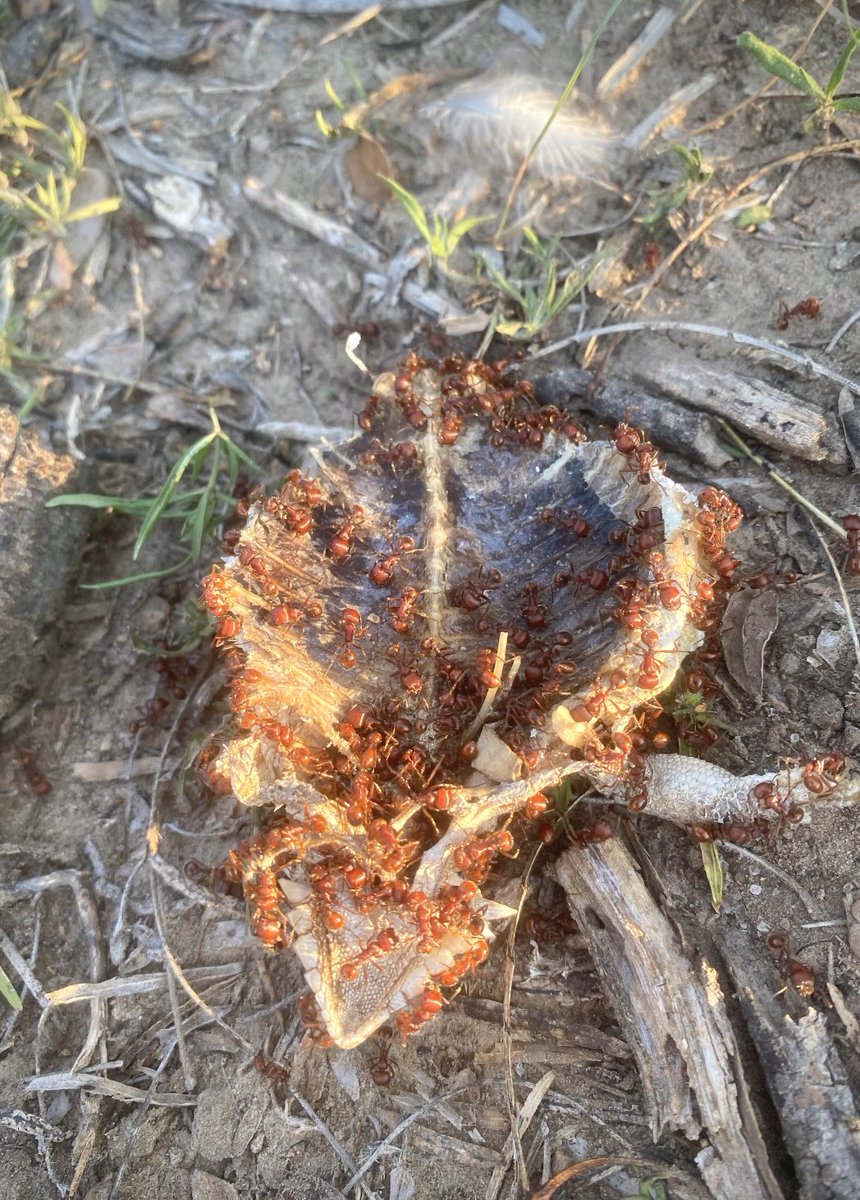
One of the stranger things I’ve seen as a naturalist: a Texas horned lizard being consumed by harvester ants. Usually, it’s the horned lizards eating the ants but this time, the roles were reversed. 😬🐜

One of the stranger things I’ve seen as a naturalist: a Texas horned lizard being consumed by harvester ants. Usually, it’s the horned lizards eating the ants but this time, the roles were reversed. 😬🐜
Radioactive Red (@radioactivered) 's Twitter Profile Photo

After the 1945 Trinity Test, fallout contaminated Midwest straw used in Eastman Kodak film packaging, which did fog their X-ray film. Kodak traced it to radioactive fallout and quietly contacted the government. Later on, the United States Atomic Energy Commission gave Kodak

Radioactive Red (@radioactivered) 's Twitter Profile Photo

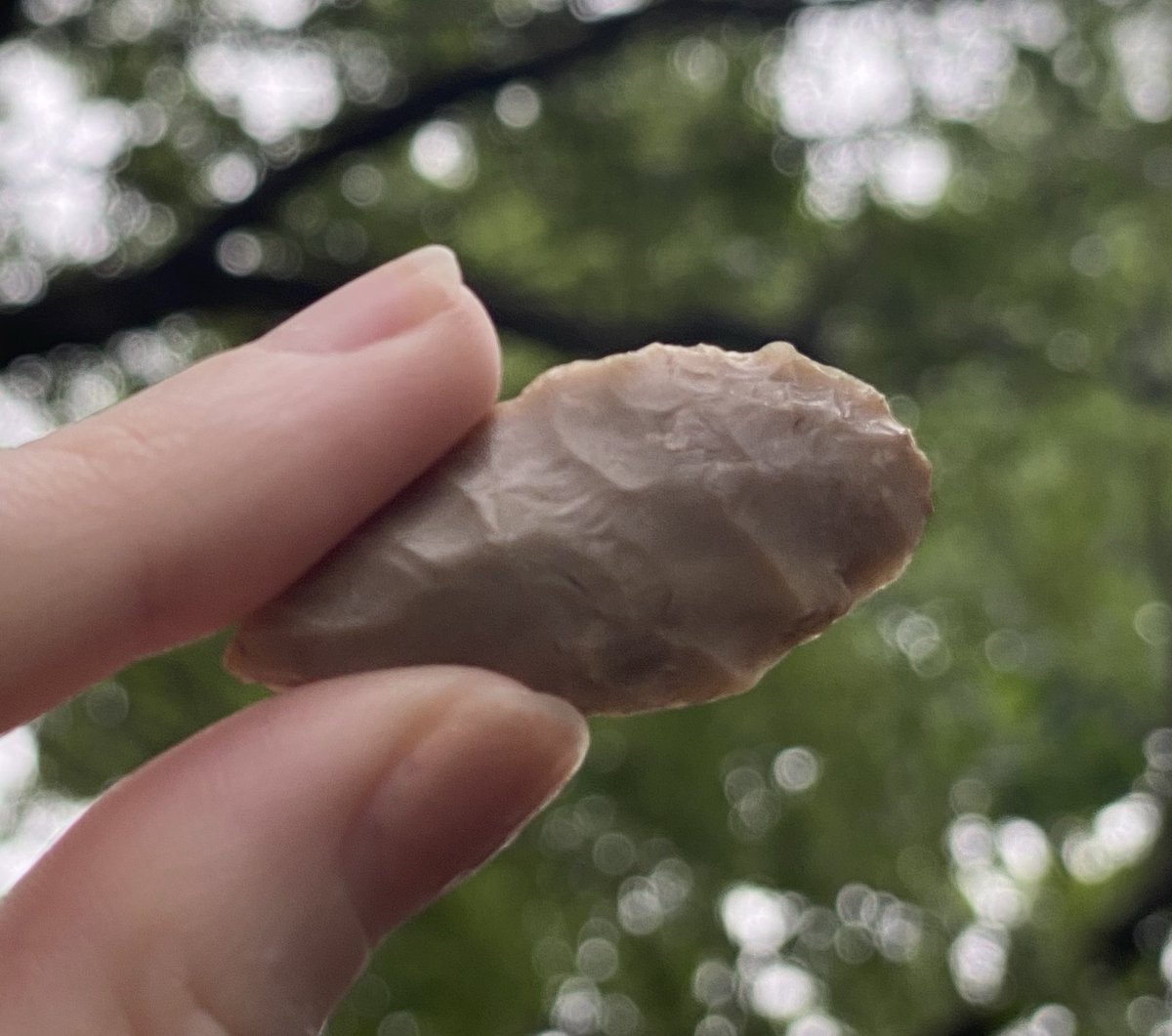
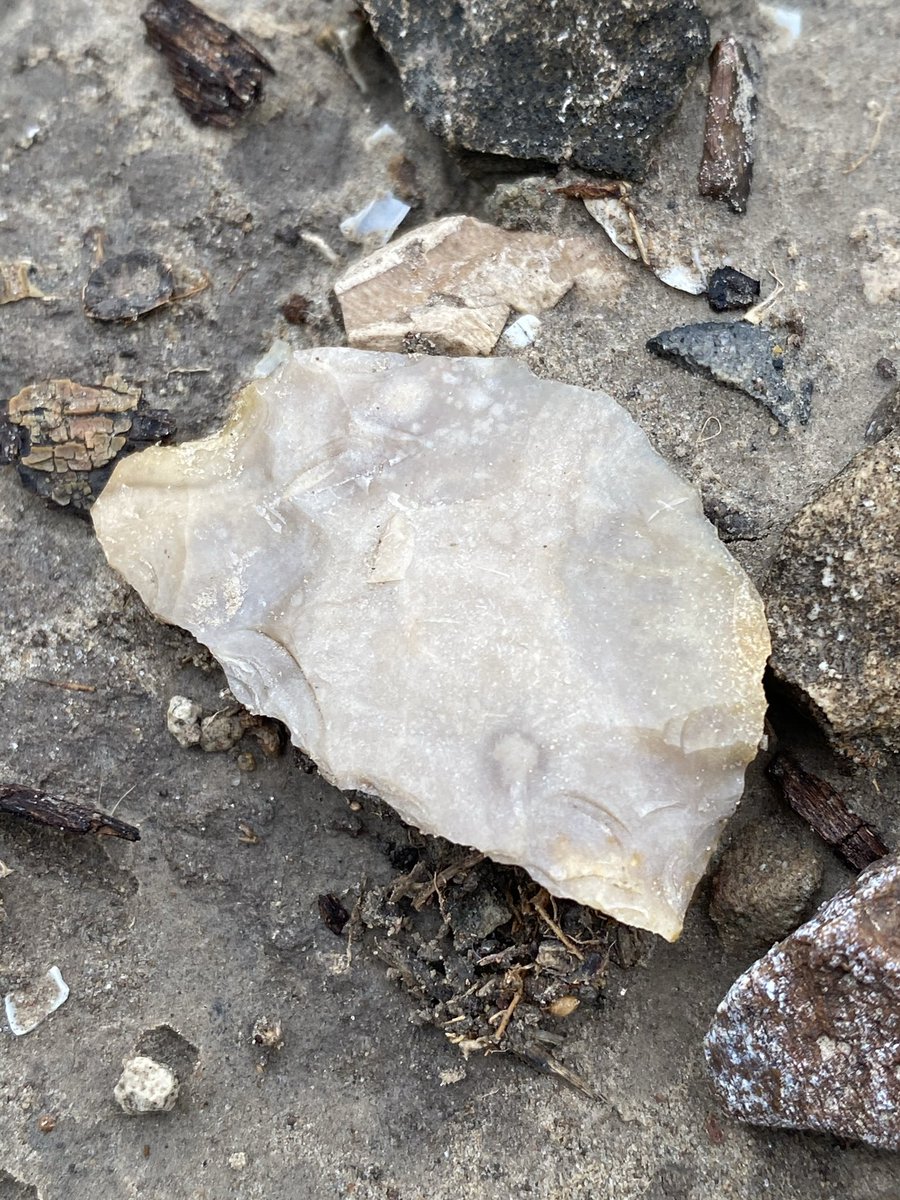
I believe this to be a bi-point dart point, a prehistoric projectile used with an atlatl (spear-thrower) before the adoption of the bow and arrow in Texas. Bi-points are part of the unstemmed point tradition of the South Texas Plains, characterized by symmetrical, leaf-shaped

I believe this to be a bi-point dart point, a prehistoric projectile used with an atlatl (spear-thrower) before the adoption of the bow and arrow in Texas. Bi-points are part of the unstemmed point tradition of the South Texas Plains, characterized by symmetrical, leaf-shaped
Radioactive Red (@radioactivered) 's Twitter Profile Photo

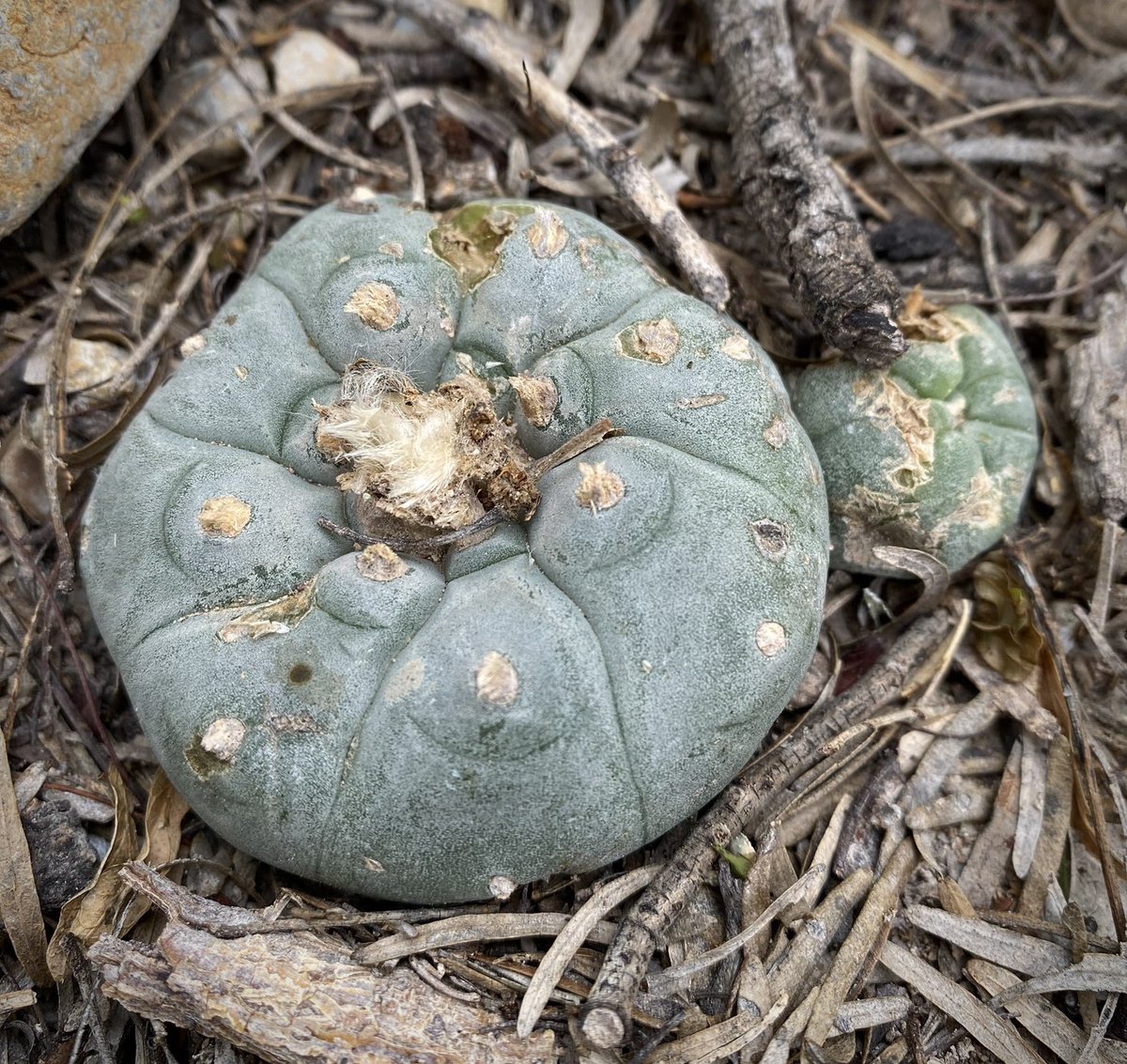
I found several peyote plants while hiking, nestled low among sandy, rocky soil and sparse desert vegetation. Peyote (Lophophora williamsii) grows extremely slowly, often adding only a few millimeters per year. Even a small button just 1–2 cm wide can be 8–15 years old, while

I found several peyote plants while hiking, nestled low among sandy, rocky soil and sparse desert vegetation. Peyote (Lophophora williamsii) grows extremely slowly, often adding only a few millimeters per year. Even a small button just 1–2 cm wide can be 8–15 years old, while
Radioactive Red (@radioactivered) 's Twitter Profile Photo

My favorite lithics to find are bird points in South Texas. These tiny, finely crafted stone points are relatively “newer” (dating to roughly AD 700–1500) compared to earlier Paleoindian and Archaic tools. They were often used as arrow points for hunting small game. Their small

My favorite lithics to find are bird points in South Texas. These tiny, finely crafted stone points are relatively “newer” (dating to roughly AD 700–1500) compared to earlier Paleoindian and Archaic tools. They were often used as arrow points for hunting small game. Their small
Radioactive Red (@radioactivered) 's Twitter Profile Photo

These are the remains of an ancient petrified forest, preserved in situ, meaning these trees are fossilized where they originally grew. In South Texas, much of this wood dates to the Eocene epoch (about 56–34 million years ago) when the region was a warm, subtropical landscape

These are the remains of an ancient petrified forest, preserved in situ, meaning these trees are fossilized where they originally grew. In South Texas, much of this wood dates to the Eocene epoch (about 56–34 million years ago) when the region was a warm, subtropical landscape
Radioactive Red (@radioactivered) 's Twitter Profile Photo

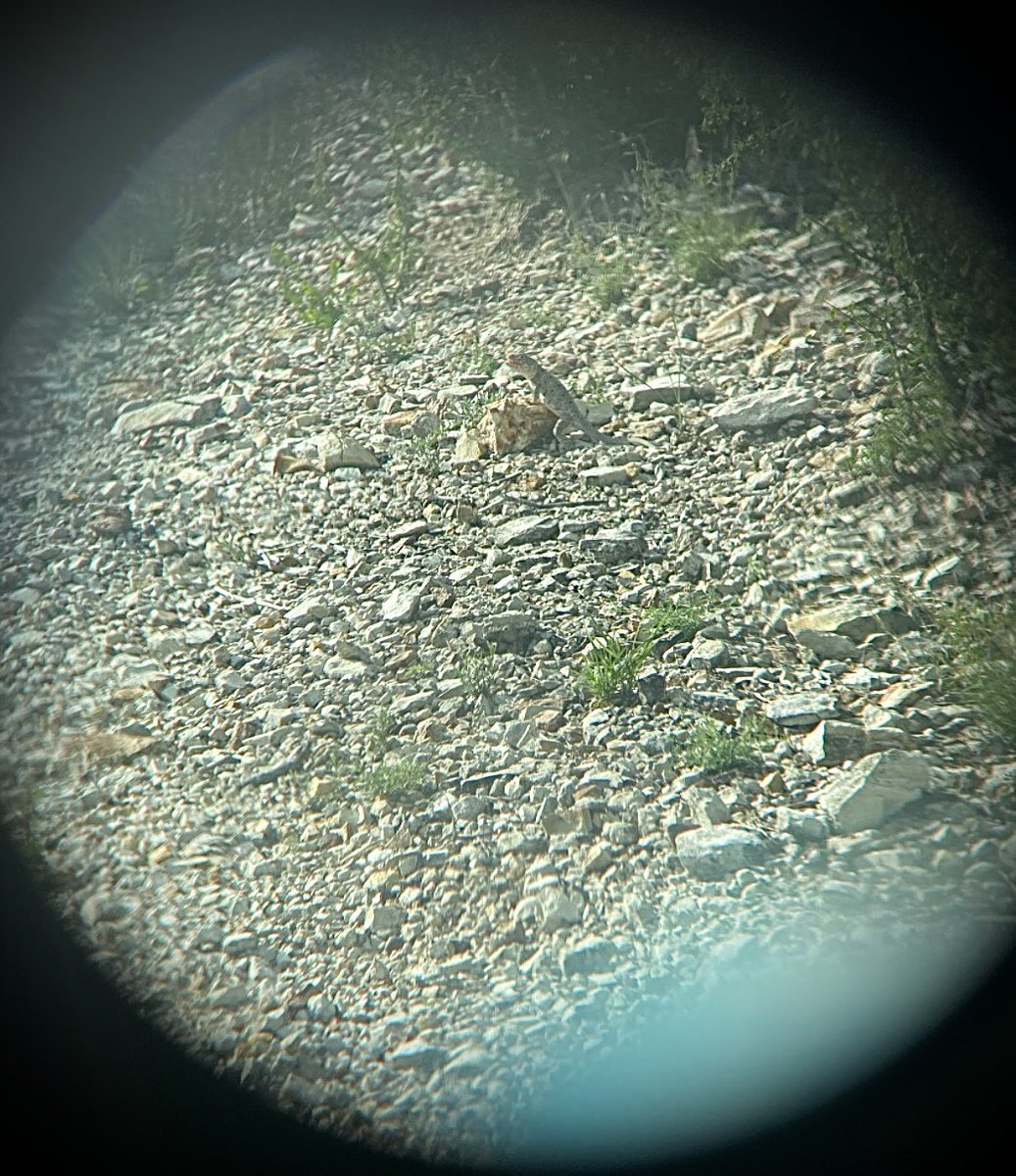
One super hot evening in South Texas, I was watching through my binoculars when I spotted a Reticulate Collared Lizard (Crotaphytus reticulatus) perched on a sun-warmed rock, mouth open as it tried to cool off. I took a few careful steps closer, but it quickly dashed away. These

One super hot evening in South Texas, I was watching through my binoculars when I spotted a Reticulate Collared Lizard (Crotaphytus reticulatus) perched on a sun-warmed rock, mouth open as it tried to cool off. I took a few careful steps closer, but it quickly dashed away. These
Radioactive Red (@radioactivered) 's Twitter Profile Photo

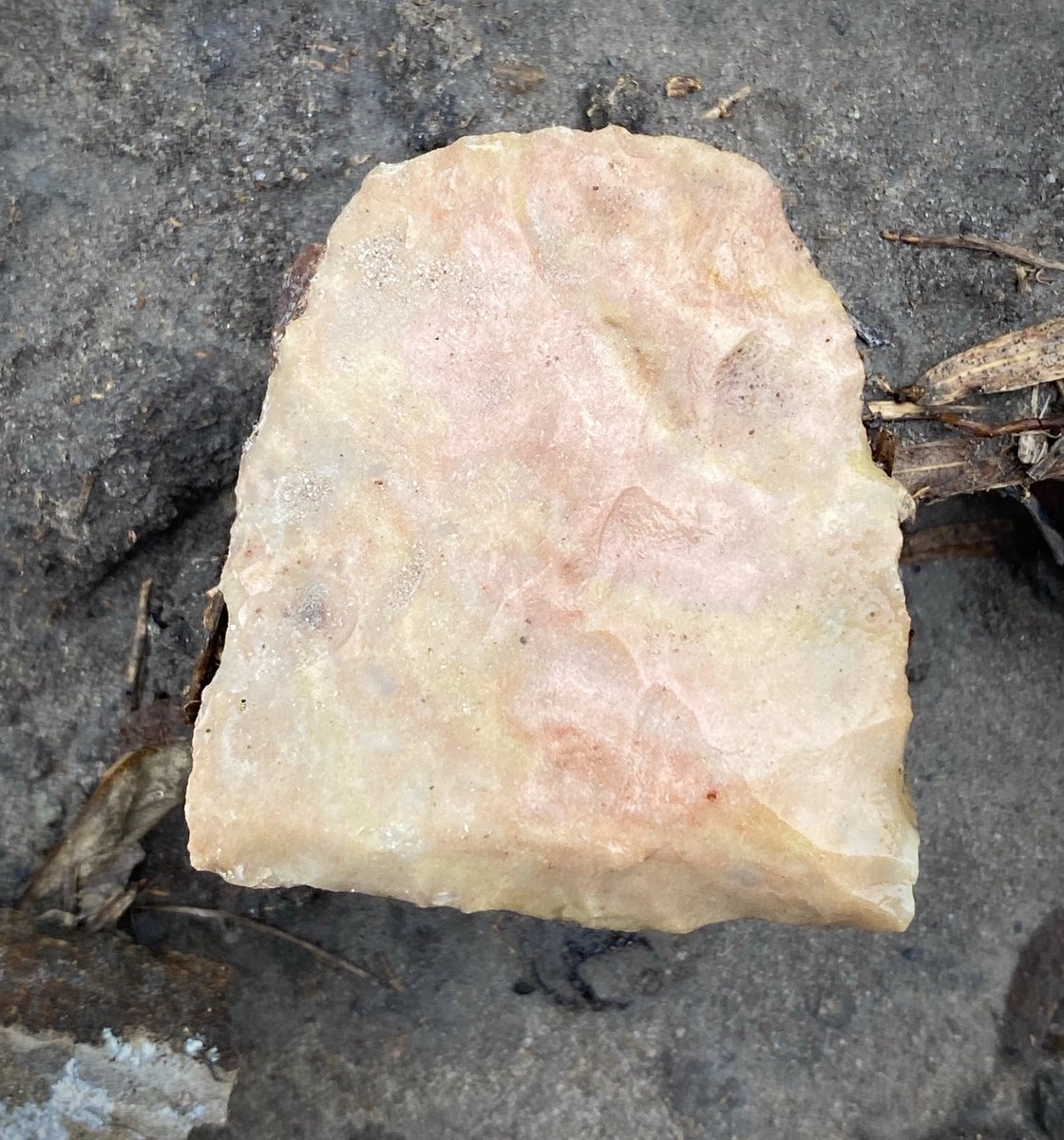
While hiking in the South Texas Plains, I found in situ a Nueces adze. This small carefully flaked stone implement, dating to the Late Prehistoric period (roughly 500–1,000 years ago) was likely recycled from a fragment of a larger tool and used for woodworking. These tools

While hiking in the South Texas Plains, I found in situ a Nueces adze. This small carefully flaked stone implement, dating to the Late Prehistoric period (roughly 500–1,000 years ago) was likely recycled from a fragment of a larger tool and used for woodworking. 

These tools
Radioactive Red (@radioactivered) 's Twitter Profile Photo

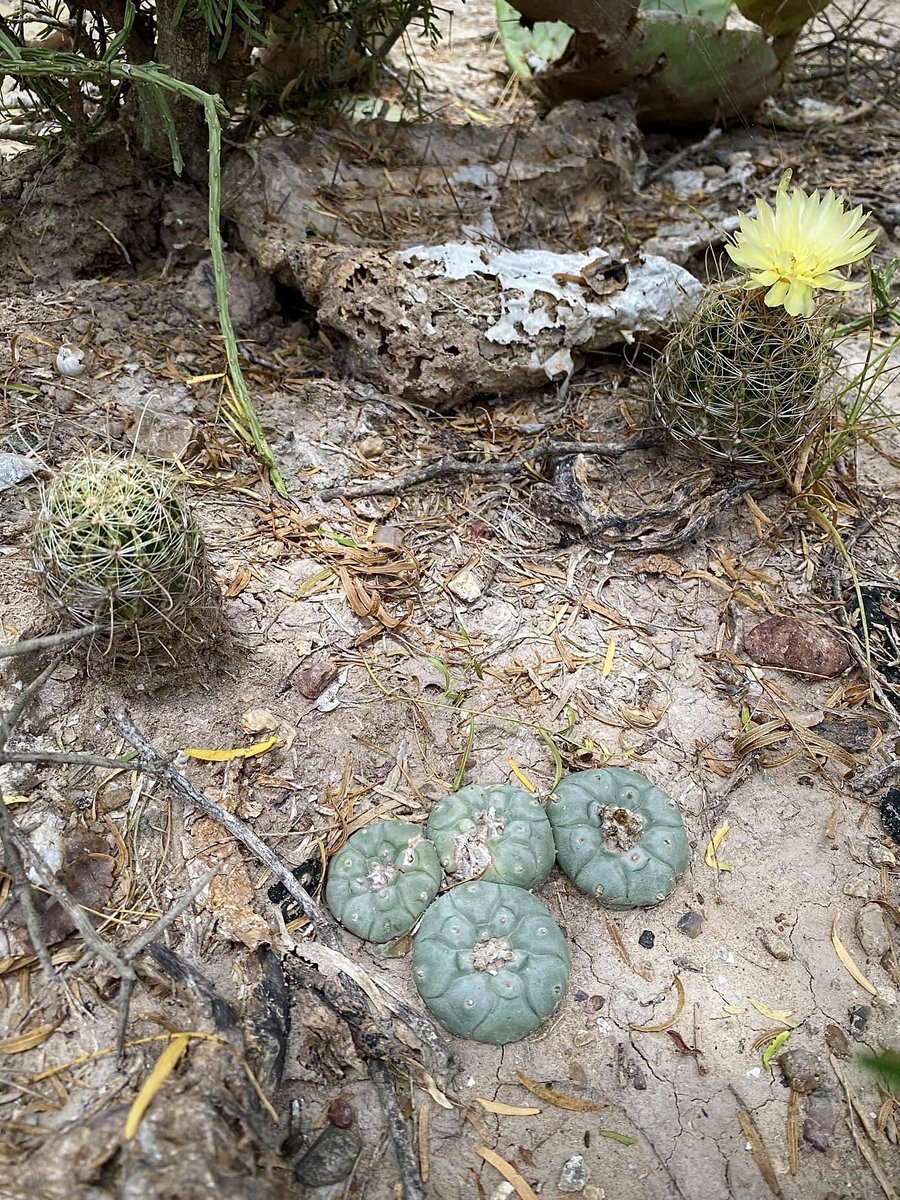
I love this picture I took because there are actually four different types of cacti in it… Wild peyote (Lophophora williamsii) in the center bottom, miniature barrel cactus (Thelocactus minima) blooming at the center left and on the right, pencil cholla (Cylindropuntia

I love this picture I took because there are actually four different types of cacti in it…

Wild peyote (Lophophora williamsii) in the center bottom, miniature barrel cactus (Thelocactus minima) blooming at the center left and on the right, pencil cholla (Cylindropuntia
Radioactive Red (@radioactivered) 's Twitter Profile Photo

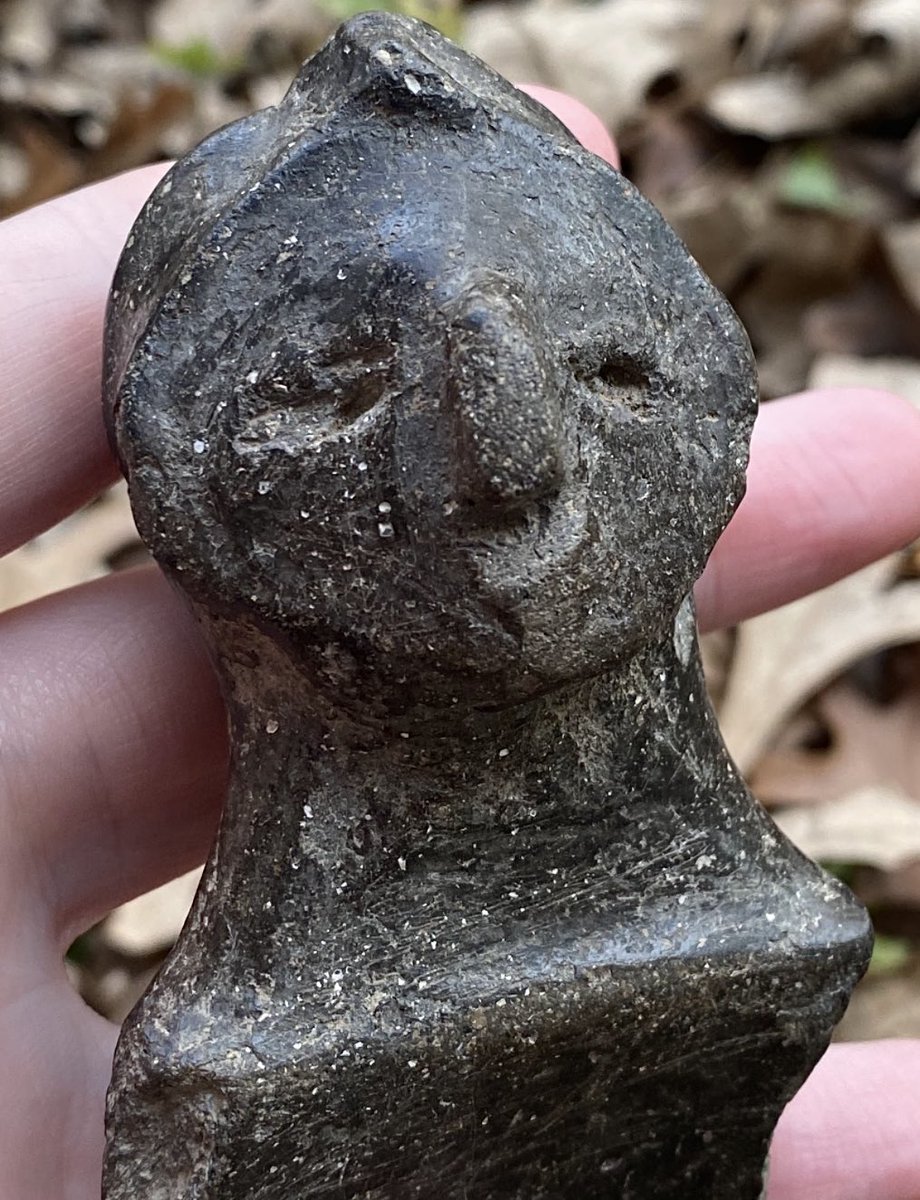
This is a broken (sadly) stone-carved effigy, known as a “Rim Rider.” It contains a small pebble inside, which rattles when shaken and would have been attached to the side of a bowl. This example was found in a plowed field in southern Missouri. It was created by Indigenous

This is a broken (sadly) stone-carved effigy, known as a “Rim Rider.” It contains a small pebble inside, which rattles when shaken and would have been attached to the side of a bowl. This example was found in a plowed field in southern Missouri.

It was created by Indigenous
Radioactive Red (@radioactivered) 's Twitter Profile Photo

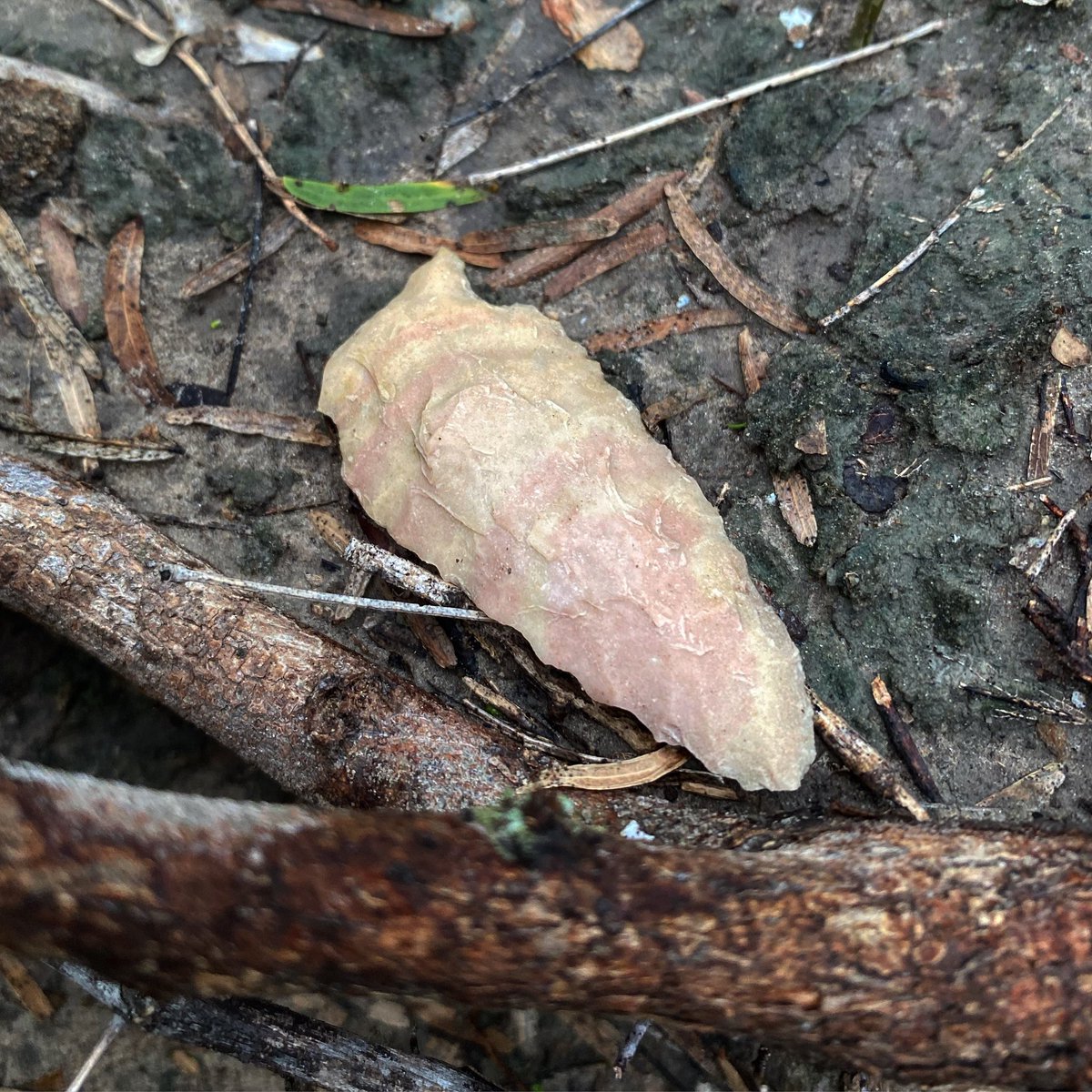
Early Stemmed Lanceolate point in situ (South Texas) a prehistoric stone projectile made 9,000–8,000 years ago during the transition from Paleoindian to Early Archaic lifeways. This stemmed, leaf-shaped tool was hafted onto spears or darts (likely thrown with an atlatl) for

Early Stemmed Lanceolate point in situ (South Texas) a prehistoric stone projectile made 9,000–8,000 years ago during the transition from Paleoindian to Early Archaic lifeways. This stemmed, leaf-shaped tool was hafted onto spears or darts (likely thrown with an atlatl) for
Radioactive Red (@radioactivered) 's Twitter Profile Photo

Nueces Biface in situ (South Texas) a finely crafted stone tool made 6,000–4,000  years ago, found only in this region. These bifaces were multifunctional, hafted or hand-held for cutting, scraping and processing plants and game. Although they are relatively common within South

Nueces Biface in situ (South Texas) a finely crafted stone tool made 6,000–4,000  years ago, found only in this region. These bifaces were multifunctional, hafted or hand-held for cutting, scraping and processing plants and game. Although they are relatively common within South