
NHSPI (@nhspindex) 's Twitter Profile
NHSPI

@nhspindex

The National Health Security Preparedness Index is an archived project previously supported by @RWJF. This page is no longer updated.

ID: 3418159853

linkhttp://www.nhspi.org calendar_today12-08-2015 15:37:01

2,2K Tweet

1,1K Followers

998 Following
NHSPI (@nhspindex) 's Twitter Profile Photo

Most news about environmental risks catastrophizes future on Earth. This @Vox article breaks down six reasons to be hopeful for our planet’s future thanks to effective preparedness strategies: bit.ly/3BQ0hOZ

NHSPI (@nhspindex) 's Twitter Profile Photo

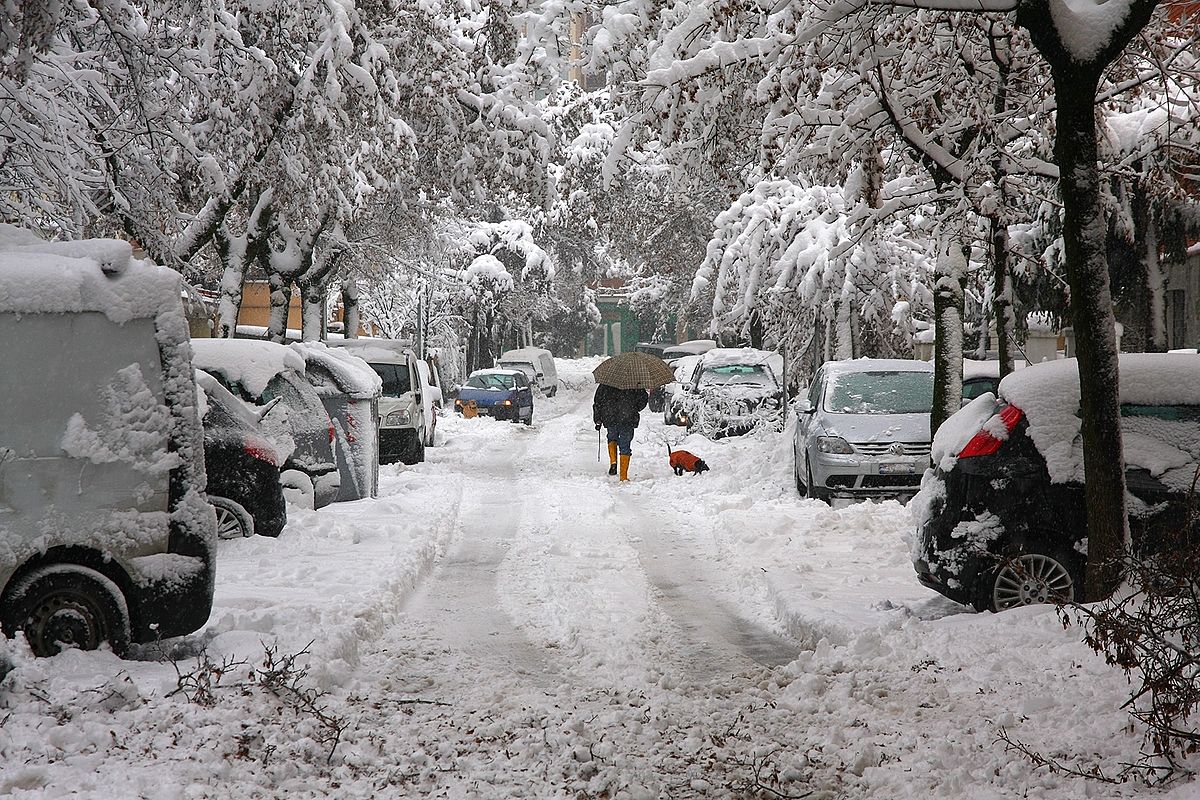
Winter Storm Elliot tested the reliability of the nation’s energy infrastructure. Long-term investments in the energy grid can better prepare communities to respond to future winter storms: bit.ly/3GB9Q6X

NHSPI (@nhspindex) 's Twitter Profile Photo

Previously a slow and sluggish process, vaccine development has become highly efficient. With vaccines available for COVID-19, malaria, and influenza—and the continued development of a HIV vaccine—there’s hope that future disease prevention will prevail: bit.ly/3WJqBmf

NHSPI (@nhspindex) 's Twitter Profile Photo

Cyberattacks after the 2008 recession suggest that a struggling economy often leads to decreased cybersecurity initiatives. Learn why businesses should continue to prioritize cybersecurity funding even in economically challenging times: bit.ly/3Qlnhv5

NHSPI (@nhspindex) 's Twitter Profile Photo

Tornadoes, winter storms, massive flooding, and blistering cold tore across the nation last year. A billion-dollar disaster occurred every 18 days in the United States. Explore last year’s extreme weather, by the numbers: bit.ly/3GFjd5Q

Tornadoes, winter storms, massive flooding, and blistering cold tore across the nation last year. A billion-dollar disaster occurred every 18 days in the United States. Explore last year’s extreme weather, by the numbers: bit.ly/3GFjd5Q
NHSPI (@nhspindex) 's Twitter Profile Photo

Delayed security upgrades and insufficient management were factors leading to a cyber security breach that cost Suffolk County, NY $6 million. Learn why cyber security funding should be built into every organization’s budget: bit.ly/3QNQ1g9

NHSPI (@nhspindex) 's Twitter Profile Photo

Socially isolated adults are 28% more likely to develop dementia. Learn how greater social connectedness and greater access to healthcare services can reduce this risk: bit.ly/3XG2F3i

NHSPI (@nhspindex) 's Twitter Profile Photo

As winter continues, check out these tips from American Red Cross of Utah to stay prepared for whatever the season may bring. Having an emergency plan in place for inclement weather conditions is crucial. bit.ly/3XJdul7

NHSPI (@nhspindex) 's Twitter Profile Photo

Rose are red Violets are blue Emergency preparedness is important And health security is too #HealthPolicyValentines

NHSPI (@nhspindex) 's Twitter Profile Photo

Amid a growing maternal mortality crisis, the U.S. Preventative Services Task Force recommended that healthcare providers regularly check pregnant patients’ blood pressure. Learn how blood pressure disorders contribute to inequities in maternal care: bit.ly/3Ydgzur

NHSPI (@nhspindex) 's Twitter Profile Photo

Superbugs, infections that resist antimicrobial treatments, are now a leading global health risk, according to a new UN report. What can public health leaders do to address antimicrobial resistance head on? bit.ly/3XhaPOX

NHSPI (@nhspindex) 's Twitter Profile Photo

A recent grant from Va Dept of Health will allow the state’s assisted living and nursing facilities to launch pilot programs to bolster emergency preparedness efforts within long-term care facilities. #EmergencyPreparedness #LongTermCare bit.ly/3Ea7cDE

NHSPI (@nhspindex) 's Twitter Profile Photo

Four in 10 parents worry their children struggle with anxiety or depression. What extra support can be provided to prepare children for a positive future as the COVID-19 pandemic recedes? bit.ly/3IIxMXd

NHSPI (@nhspindex) 's Twitter Profile Photo

A new 3-D model of Washington, DC created by NOAA is allowing policymakers to better understand extreme heat in cities. This technology can help planners understand how to mitigate “heat islands” in urban landscapes. bit.ly/3lX8U57

NHSPI (@nhspindex) 's Twitter Profile Photo

Staggering statistics about traffic accidents have prompted cities and states to find a balance between increasing road safety without inconveniencing commuters. Here are some solutions that have been developed: bit.ly/3xIjsrc

NHSPI (@nhspindex) 's Twitter Profile Photo

Red tide algae are showing up on beaches throughout Florida’s Gulf Coast as spring break approaches. Learn about the moderate risks red tide can have on respiratory health: bit.ly/3Jp9DVW

NHSPI (@nhspindex) 's Twitter Profile Photo

For many across the United States, winter isn’t over yet. A recent @NYTimes article reviews the dangers of power outages during winter storms and shares strategies to maintain electricity, lighting, and heat. #EmergencyPreparedness bit.ly/3YQVdT9

NHSPI (@nhspindex) 's Twitter Profile Photo

With the prevalence of PFAs—"forever" chemicals—on the rise, the federal government is proposing its first drinking water limits for certain toxic chemicals. The U.S. EPA says the move could save tens of thousands of lives. bit.ly/3mXXyhS

NHSPI (@nhspindex) 's Twitter Profile Photo

A new study strongly links poor mental health with an increased risk of cardiovascular disease (CVD), finding individuals dealing with depression were more than two times as likely to experience CVD. bit.ly/3JDzmtP

NHSPI (@nhspindex) 's Twitter Profile Photo

Circadian rhythm disruptions can be harmful to health. An increase in cardiovascular events is often seen in the transition from standard to daylight savings time driving lawmakers to consider a permanent change. n.pr/3mWVwhW