Cosmic Latte (@nebuae) 's Twitter Profile
Cosmic Latte

@nebuae

the average color of the universe

ID: 1361654561967124480

calendar_today16-02-2021 12:32:15

6,6K Tweet

810 Followers

69 Following

The SETI Institute (@setiinstitute) 's Twitter Profile Photo

#PPOD: Hubble Space Telescope Spies Cosmic Pillar in Eagle Nebula This newly reprocessed image, released on April 18, 2025, provides a new view of an enormous, 9.5-light-year-tall pillar of cold gas and dust. Despite its size, it’s just one small piece of the greater #EagleNebula,


#PPOD: <a href="/HubbleTelescope/">Hubble Space Telescope</a> Spies Cosmic Pillar in Eagle Nebula 

This newly reprocessed image, released on April 18, 2025, provides a new view of an enormous, 9.5-light-year-tall pillar of cold gas and dust. Despite its size, it’s just one small piece of the greater #EagleNebula,
Andrew McCarthy (@ajamesmccarthy) 's Twitter Profile Photo

The ISS transiting our sun: a photograph that requires the right equipment and sufficient planning to pull off. While I’ve captured the ISS many times, this is one of my favorite photos of it. Something incredibly humbling seeing it juxtaposed against the power of our star.

The ISS transiting our sun: a photograph that requires the right equipment and sufficient planning to pull off.

While I’ve captured the ISS many times, this is one of my favorite photos of it. Something incredibly humbling seeing it juxtaposed against the power of our star.
Swetilein (@swetilein1) 's Twitter Profile Photo

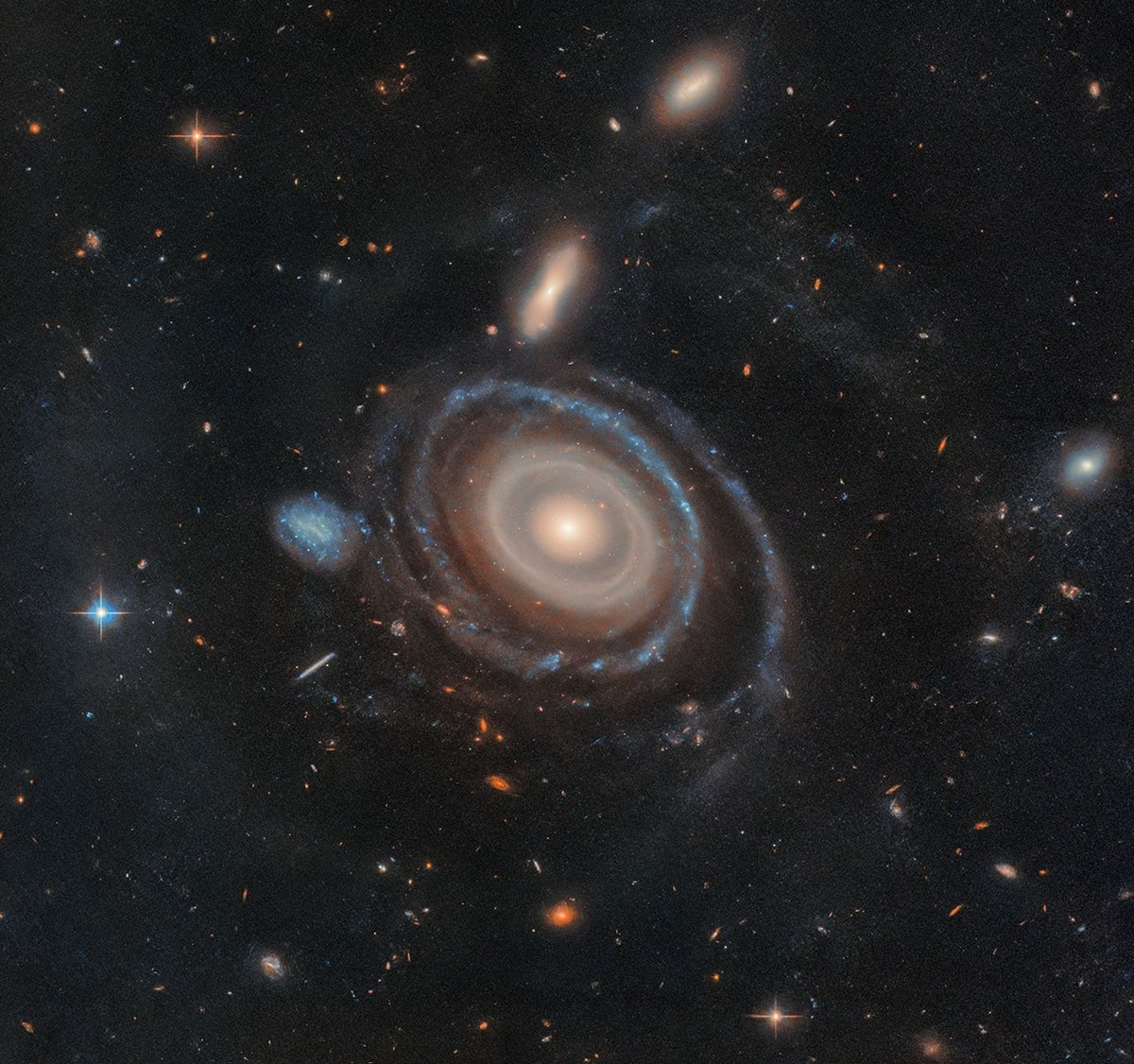
'LEDA 1313424: The Bullseye Galaxy' Image Credit & Copyright: NASA, ESA, Imad Pasha (Yale), Pieter van Dokkum (Yale) apod.nasa.gov/apod/ap250207.… 02-07-2025 #space #astronomy

'LEDA 1313424: The Bullseye Galaxy'
Image Credit &amp; Copyright: NASA, ESA, Imad Pasha (Yale), Pieter van Dokkum (Yale)
apod.nasa.gov/apod/ap250207.… 02-07-2025
#space #astronomy
Andrew McCarthy (@ajamesmccarthy) 's Twitter Profile Photo

Capturing a photo like this can be dangerous if you don’t know what you’re doing. The sun’s energy focused into an eyepiece would blind you, and melt your camera. By modifying the optics like I did, you can get incredible photos. Our sun is so ridiculously cool.

Capturing a photo like this can be dangerous if you don’t know what you’re doing. The sun’s energy focused into an eyepiece would blind you, and melt your camera.

By modifying the optics like I did, you can get incredible photos. 

Our sun is so ridiculously cool.
Massimo (@rainmaker1973) 's Twitter Profile Photo

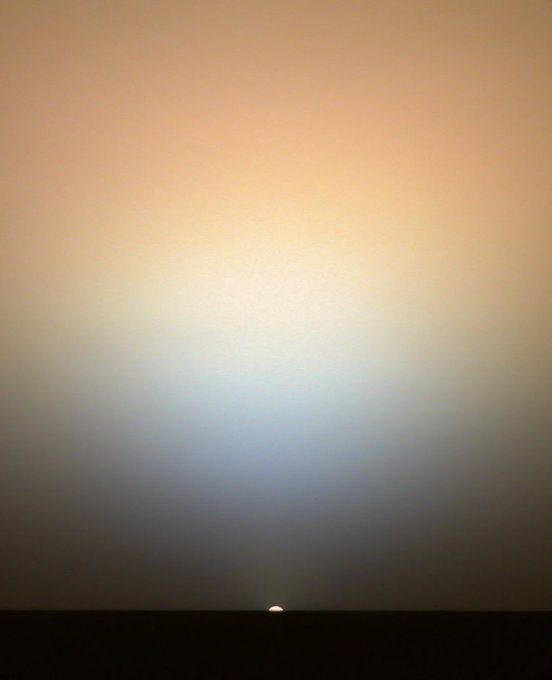
We're the first generation of humans that can witness a sunrise on another planet. This is a dawn on Mars captured by Opportunity rover.

We're the first generation of humans that can witness a sunrise on another planet.

This is a dawn on Mars captured by Opportunity rover.
NASA Voyager (@nasavoyager) 's Twitter Profile Photo

My cameras were powered off more than 25 years ago, but people often want to know what it would look like if I could take a picture now. 📸 From interstellar space, our Sun would look like nothing more than a star in the night sky – and Earth wouldn't be visible at all! -V1

The SETI Institute (@setiinstitute) 's Twitter Profile Photo

#PPOD: ISS and the Moon Once again, photographer Andrew McCarthy has stunningly captured the International Space Station transiting the Moon. He noted, "[There is] something so ethereal about seeing something we built juxtaposed against the grandeur of a celestial body." Credit:

#PPOD: ISS and the Moon

Once again, photographer Andrew McCarthy has stunningly captured the <a href="/Space_Station/">International Space Station</a> transiting the Moon. He noted, "[There is] something so ethereal about seeing something we built juxtaposed against the grandeur of a celestial body."

Credit:
Astronomy Picture Of the Day (@apod) 's Twitter Profile Photo

If you could stand on Venus -- what would you see? Pictured is the view from Venera 14, a robotic Soviet lander which parachuted and air-braked down through the thick Venusian atmosphere in March of 1982. The desolate landscape it saw included flat rocks, vast empty terrain, and

If you could stand on Venus -- what would you see? Pictured is the view from Venera 14, a robotic Soviet lander which parachuted and air-braked down through the thick Venusian atmosphere in March of 1982. The desolate landscape it saw included flat rocks, vast empty terrain, and
Chris Hadfield (@cmdr_hadfield) 's Twitter Profile Photo

Biggest black hole ever seen - weighs as much as 36 billion of our Suns, distorts the light of a more distant blue galaxy into a ring around its own, ancient orange galaxy. Beautifully pushing the edge of what we understand. details: ras.ac.uk/news-and-press…

Biggest black hole ever seen - weighs as much as 36 billion of our Suns, distorts the light of a more distant blue galaxy into a ring around its own, ancient orange galaxy. Beautifully pushing the edge of what we understand. 
details: ras.ac.uk/news-and-press…
Jason Major (@jpmajor) 's Twitter Profile Photo

Images of Saturn's moon Enceladus spraying water vapor and ice particles into orbit captured with NASA's Cassini spacecraft during a close pass on August 13, 2010 #OTD

Images of Saturn's moon Enceladus spraying water vapor and ice particles into orbit captured with <a href="/NASA/">NASA</a>'s Cassini spacecraft during a close pass on August 13, 2010 #OTD
Tom Williams (@tw__astro) 's Twitter Profile Photo

The Moon was looking too good to pass up this morning - here's a close up view of Pythagoras Crater captured at some ~8 meters focal length.

The Moon was looking too good to pass up this morning - here's a close up view of Pythagoras Crater captured at some ~8 meters focal length.
Massimo (@rainmaker1973) 's Twitter Profile Photo

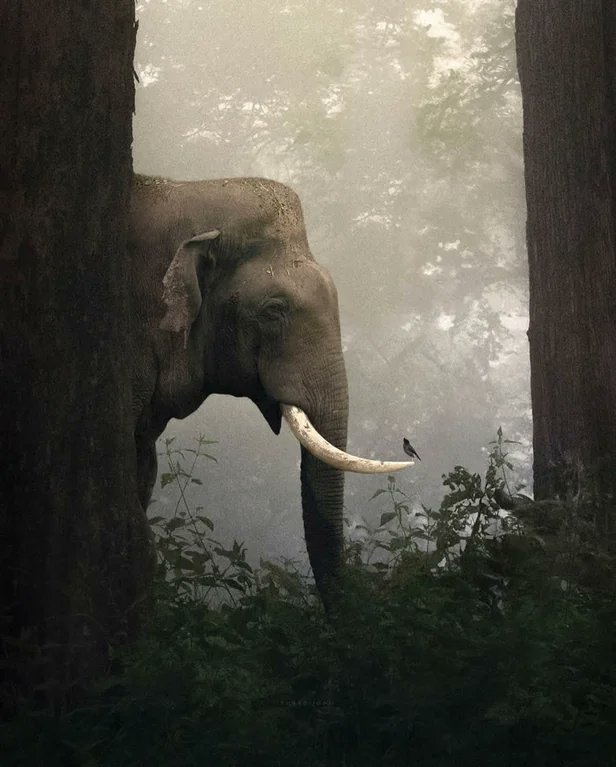
Photographer Shaaz Jung captured a rare and enchanting moment: An elephant, deep within the mist-shrouded forest, stood in quiet communion with a tiny bird perched on his tusk.

Photographer Shaaz Jung captured a rare and enchanting moment: An elephant, deep within the mist-shrouded forest, stood in quiet communion with a tiny bird perched on his tusk.
SULLY (@sully10x) 's Twitter Profile Photo

The non-poisonous Snake-Head Caterpillar inflates its tail to resemble a poisonous viper. It’s found in the Eastern United States in all summer long.