MSAS Astro Society (@msastro) 's Twitter Profile
MSAS Astro Society

@msastro

Mexborough & Swinton Astronomical Society (MSAS) objects being: the advancement of education for the public benefit in astronomy and its associated sciences.

ID: 81077830

linkhttp://msas.org.uk calendar_today09-10-2009 10:29:28

7,7K Tweet

2,2K Followers

1,1K Following
MSAS Astro Society (@msastro) 's Twitter Profile Photo

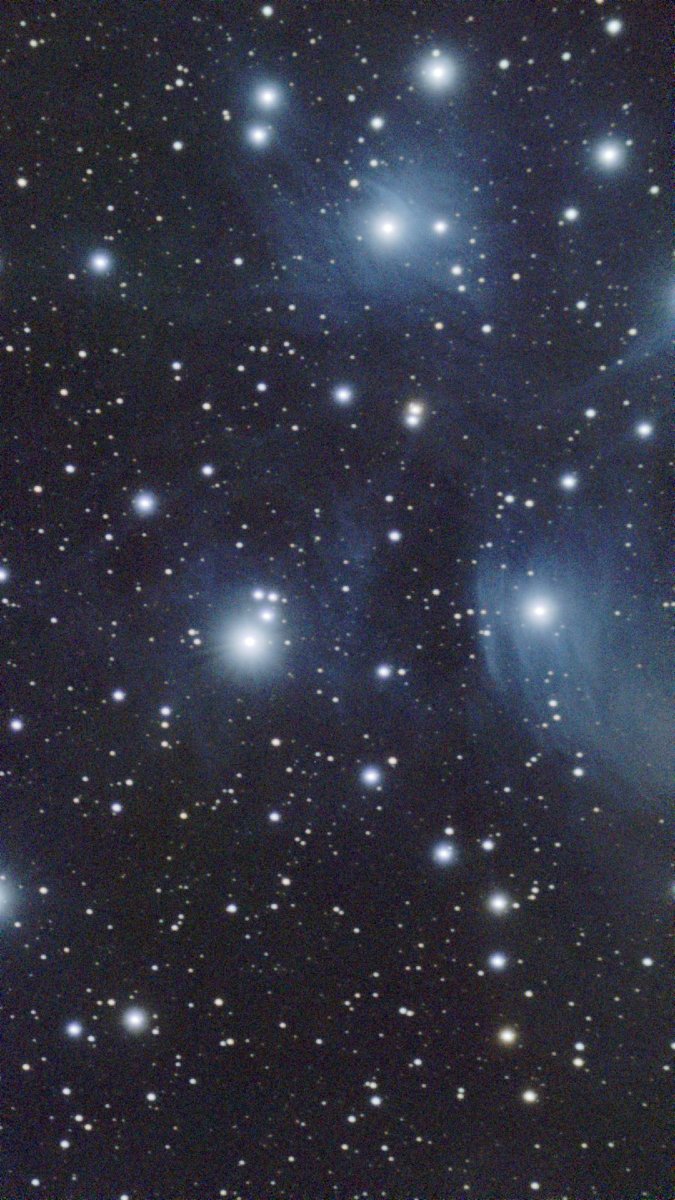
Tony M took the society's Seestar on holiday to the Orkney Island and came home with this image of the Pleiades (M45).  The image clearly shows the remains of the nebula that gave form to the stars. The image has 54 * 20 second subs and tweaked in Pixinsight.

Tony M took the society's Seestar on holiday to the Orkney Island and came home with this image of the Pleiades (M45).  The image clearly shows the remains of the nebula that gave form to the stars. The image has 54 * 20 second subs and tweaked in Pixinsight.
MSAS Astro Society (@msastro) 's Twitter Profile Photo

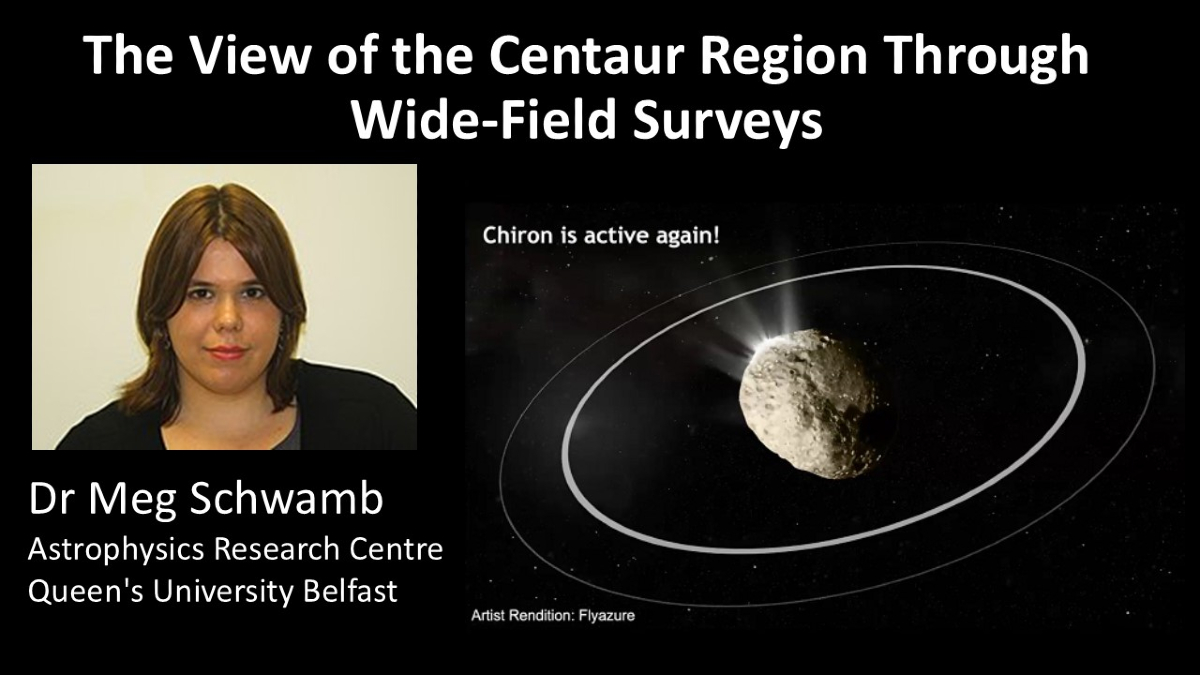
Dr Meg Schwamb presented this week's talk.  Meg described the Centaurs,a group of bodies orbiting beyond Jupiter, especially Chiron, and how data from ATLAS and other sky surveys are used to analyse them before looking at JWST data and anticipating that from the Vera Rubin Ob.

MSAS Astro Society (@msastro) 's Twitter Profile Photo

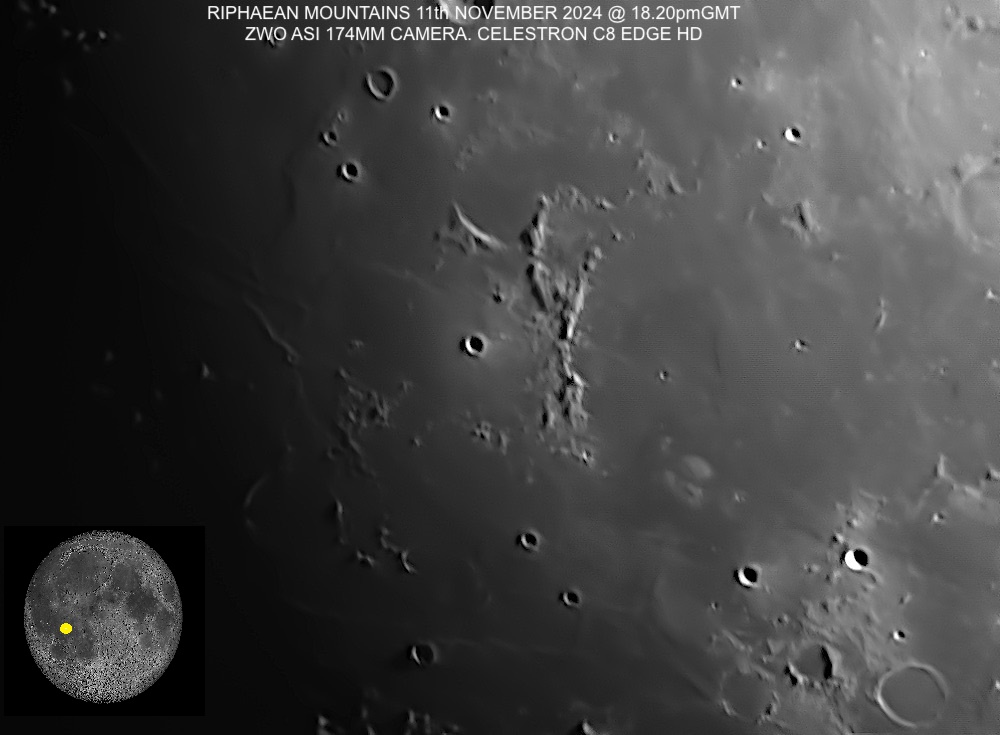
With the Sun low in the sky Mick N has turn attention to the Moon.  He took this image of Montes Riphaeus, just south of the Lansberg Crater. This range of peaks are about 120 by 30 miles and rise to about 3000ft above the surrounding lava plain of Oceanus Procellarum.

With the Sun low in the sky Mick N has turn attention to the Moon.  He took this image of Montes Riphaeus, just south of the Lansberg Crater. This range of peaks are about 120 by 30 miles and rise to about 3000ft above the surrounding lava plain of Oceanus Procellarum.
MSAS Astro Society (@msastro) 's Twitter Profile Photo

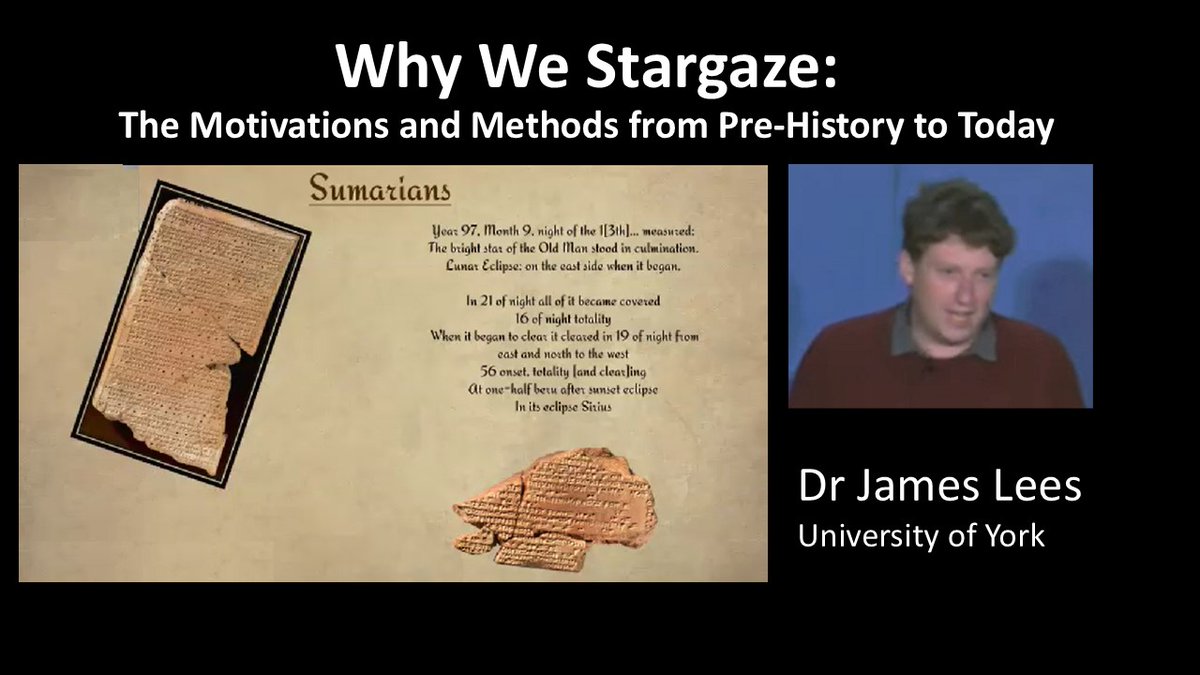
Dr James Lees joined us in person and led us through nearly 100,000 years of humans observing the universe. Starting with the problem of seeing all seven stars of the Pleaides to the fist radio dish he explored the drivers behind our need to look at and understand the night sky.

Dr James Lees joined us in person and led us through nearly 100,000 years of humans observing the universe. Starting with the problem of seeing all seven stars of the Pleaides to the fist radio dish he explored the drivers behind our need to look at and understand the night sky.
MSAS Astro Society (@msastro) 's Twitter Profile Photo

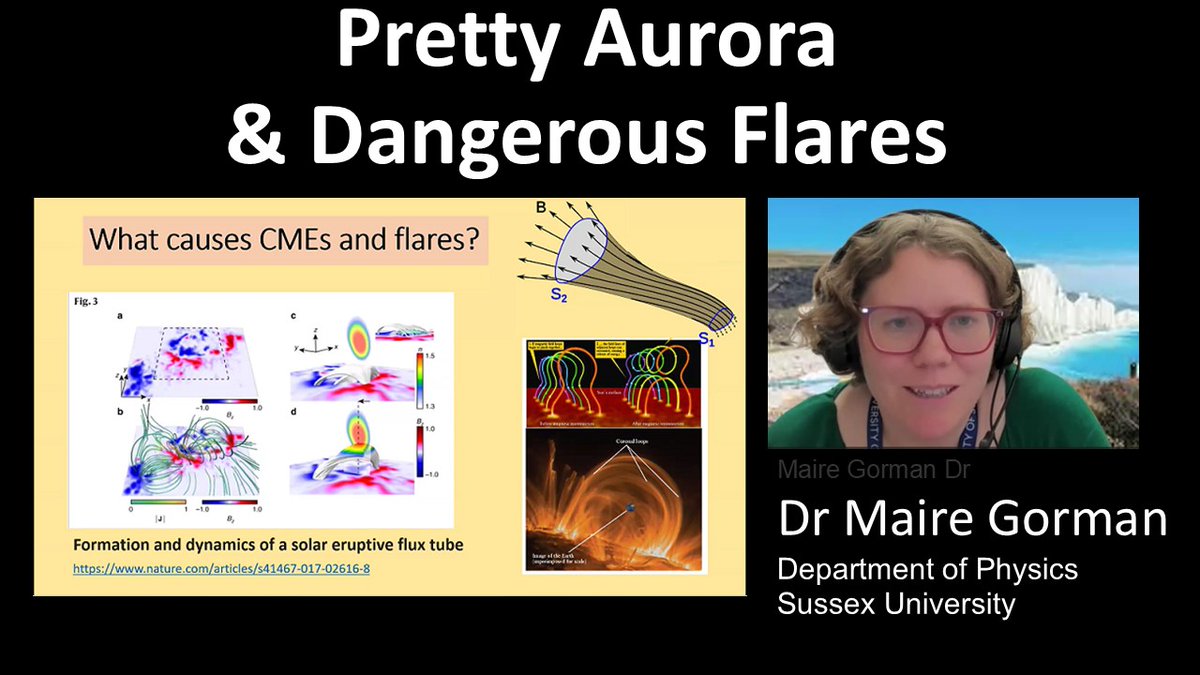
Dr Marie Gorman joined MSAS this week to describe her work on sunspots and flares. She described how sunspots are formed and their relationship with flares and the dangers the later pose to life and modern civilsations on Earth, including efforts to predict CMEs.

Dr Marie Gorman joined MSAS this week to describe her work on sunspots and flares. She described how sunspots are formed and their relationship with flares and the dangers the later pose to life and modern civilsations on Earth, including efforts to predict CMEs.
MSAS Astro Society (@msastro) 's Twitter Profile Photo

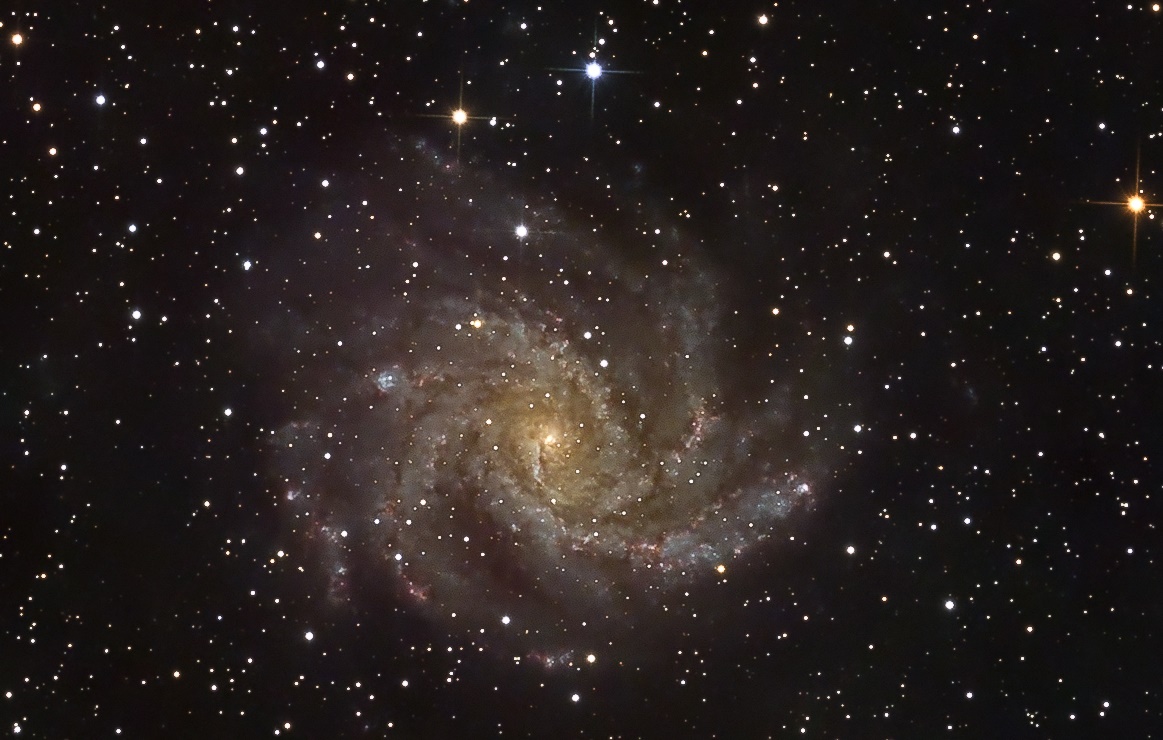
MSAS members have dodged the cloud and rain over the past few weeks and Tom W managed 5 hours of exposures over two nights to produce this image of NGC6946, the Fireworks Galaxy.

MSAS members have dodged the cloud and rain over the past few weeks and Tom W managed 5 hours of exposures over two nights to produce this image of NGC6946, the Fireworks Galaxy.
MSAS Astro Society (@msastro) 's Twitter Profile Photo

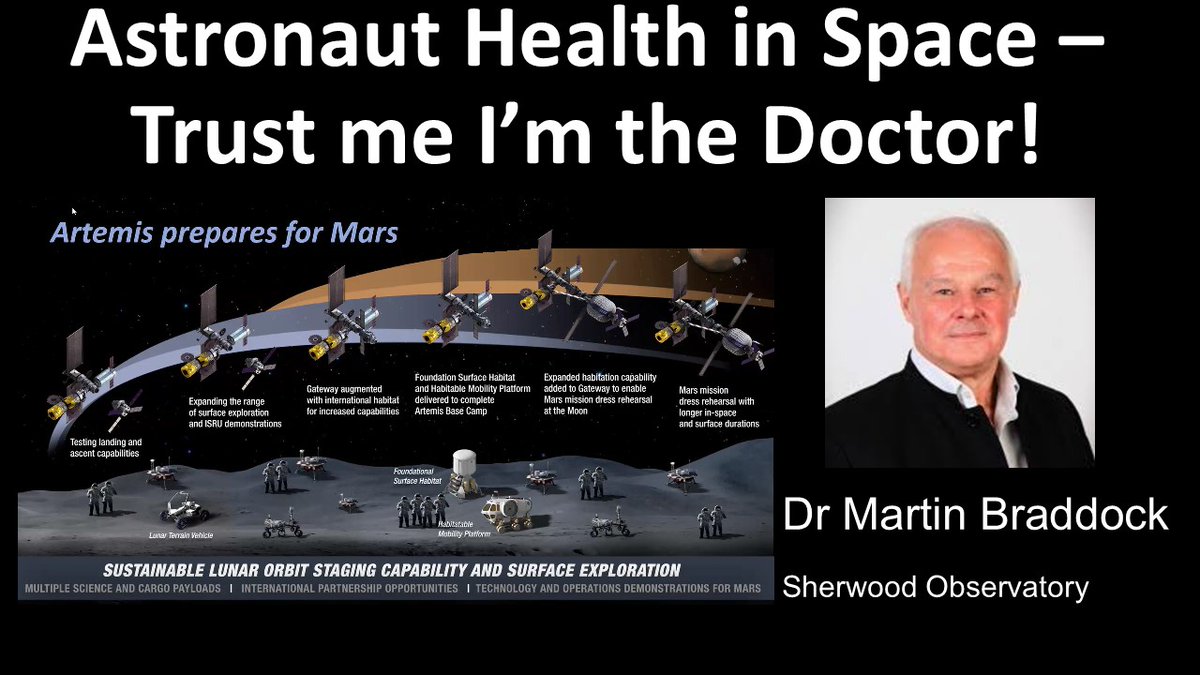
MSAS welcomed Dr Martin Braddock this week.  Martin described the difficulty that humans will face in their attempts to explore and colanise the Solar System. Starting with the physical  and mental issues current astronauts face he went onto discuss issues faced on long missions.

MSAS welcomed Dr Martin Braddock this week.  Martin described the difficulty that humans will face in their attempts to explore and colanise the Solar System. Starting with the physical  and mental issues current astronauts face he went onto discuss issues faced on long missions.
MSAS Astro Society (@msastro) 's Twitter Profile Photo

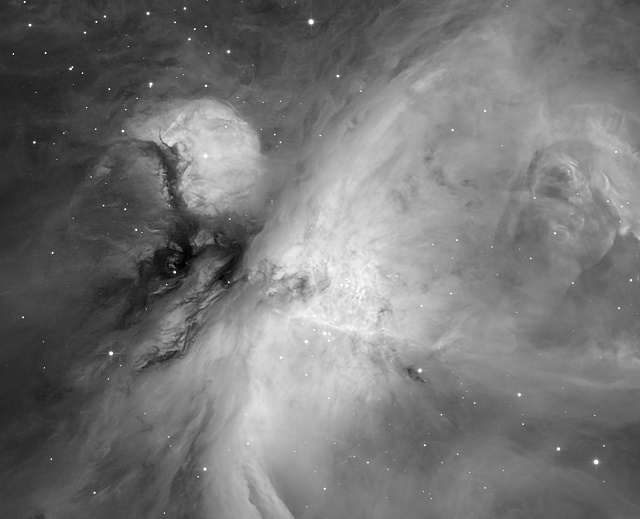
Trevor W sent this image of the Orion Nebula taken in Hα. It shows the detail in the centre often more difficult to make out in colour versions.  Trevor took a total of 11 hours of exposure for the image.

Trevor W sent this image of the Orion Nebula taken in Hα. It shows the detail in the centre often more difficult to make out in colour versions.  Trevor took a total of 11 hours of exposure for the image.
MSAS Astro Society (@msastro) 's Twitter Profile Photo

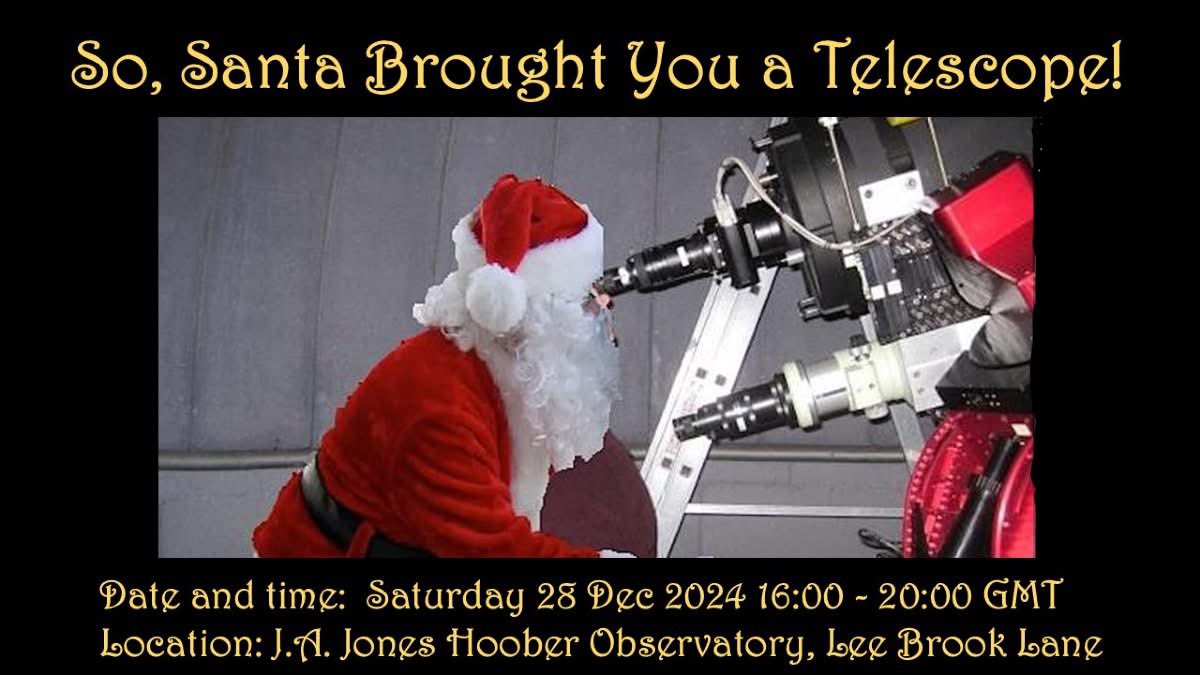
If Santa left you a telescope (or if you have one gathering dust) and would like to know how to use it, bring it along to the JA Jones Observatory Date and time: Saturday 28 Dec 2024 16:00 - 20:00 GMT Location: J.A. Jones Hoober Observatory, Lee Brook Lane Wentworth S62 7SH

If Santa left you a telescope (or if you have one gathering dust) and would like to know how to use it, bring it along to the JA Jones Observatory 
Date and time: Saturday 28 Dec 2024 16:00 - 20:00 GMT
Location: J.A. Jones Hoober Observatory, Lee Brook Lane Wentworth S62 7SH
MSAS Astro Society (@msastro) 's Twitter Profile Photo

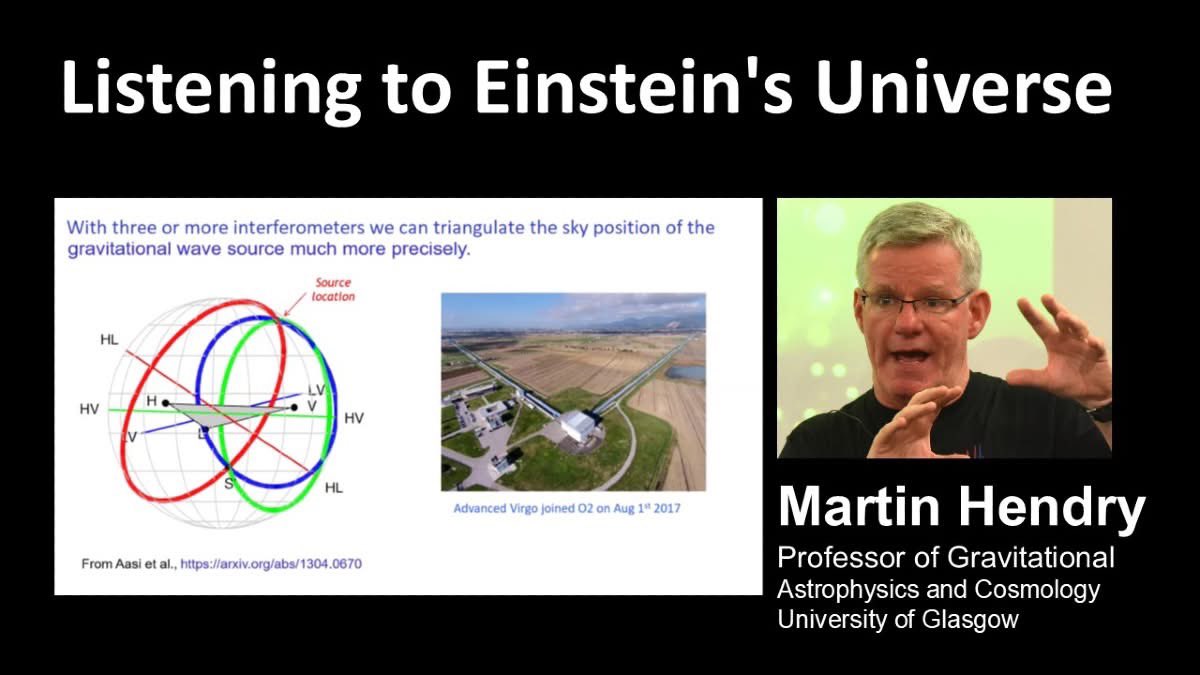
MSAS welcomed Prof Martin Hendry who started off our 2025 talks by bringing us up to date on the reasearch into Gravitational Waves. Martin described the work leading up to the first detection of GWs nearly 10 years ago in 2015 and the additions and improvements made

MSAS welcomed Prof Martin Hendry who started off our 2025 talks by bringing us up to date on the reasearch into Gravitational Waves.  Martin described the work leading up to the first detection of GWs nearly 10 years ago in 2015 and the additions and improvements made
MSAS Astro Society (@msastro) 's Twitter Profile Photo

During the winter months MSAS member Mick N turns his attention away from the Sun and exercises his skills on the Moon and other objects. Here he caught February's first quarter Moon from his home in north-east Sheffield.

During the winter months MSAS member Mick N turns his attention away from the Sun and exercises his skills on the Moon and other objects.  Here he caught February's first quarter Moon from his home in north-east Sheffield.
MSAS Astro Society (@msastro) 's Twitter Profile Photo

How Important is the Moon, a talk tonight by Dr. Donnacha O’Driscoll - We are all familiar with the lunar affect on the tides here on Earth but the Moon's influence on the evolution of life on Earth msas.org.uk/about/programm…

MSAS Astro Society (@msastro) 's Twitter Profile Photo

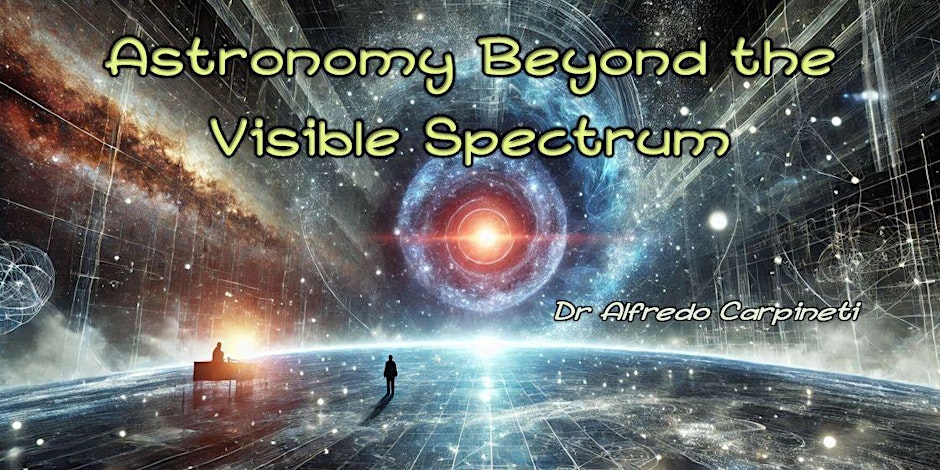
Astronomy Beyond the Visible Spectrum Thursday, 27th February 2025 (19:45 - 22:00) The light humans can see is but a small fraction of the light that exist in the universe, and using that light we find weird objects, incredible events, and the answers msas.org.uk/about/programm…

ARISS - Amateur Radio on the ISS (@ariss_intl) 's Twitter Profile Photo

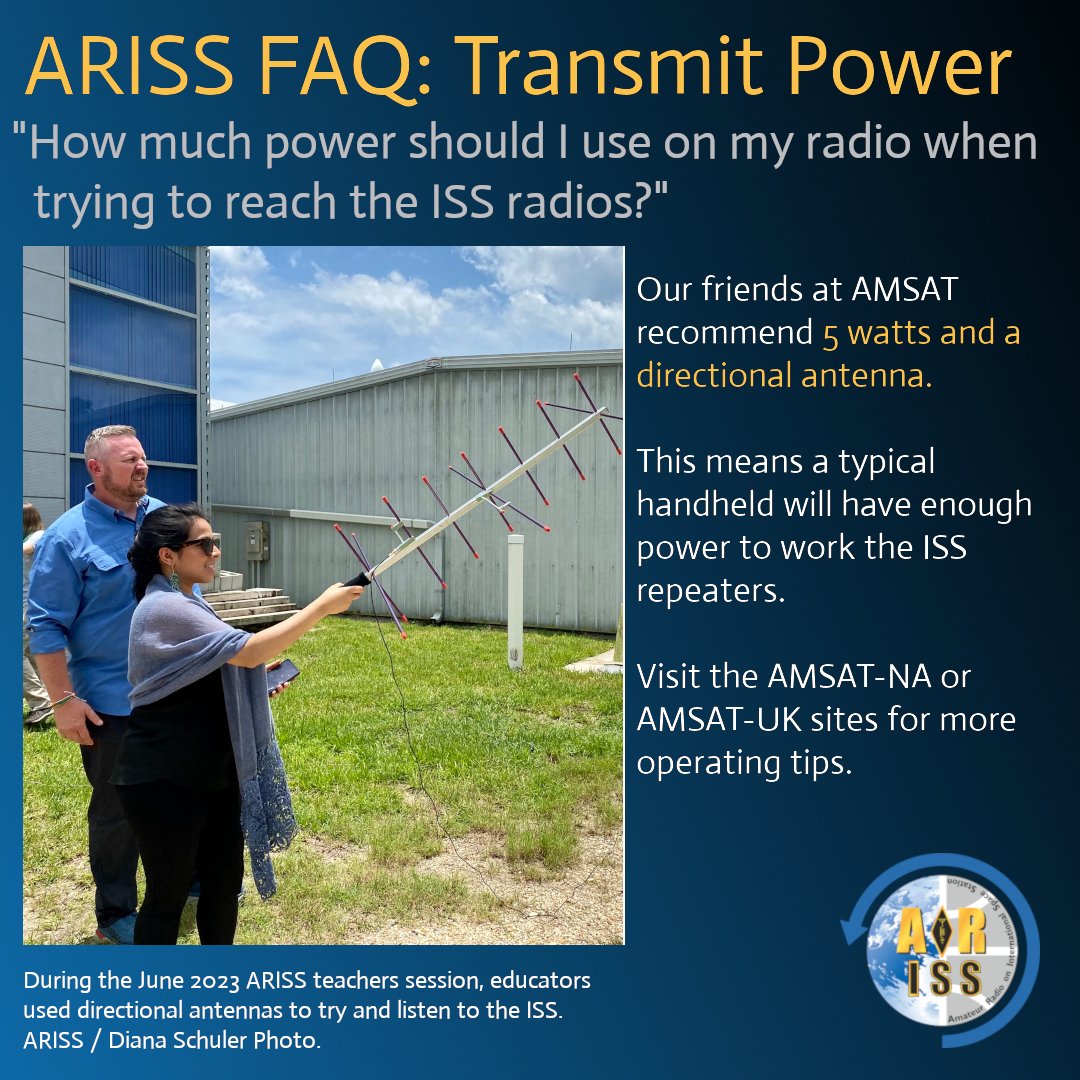
Getting ready to work the ISS voice repeater or send some APRS packets? Check your power levels. Best practice is to use 5 watts and a directional antenna.

Getting ready to work the ISS voice repeater or send some APRS packets?   

Check your power levels.  

Best practice is to use 5 watts and a directional antenna.
MSAS Astro Society (@msastro) 's Twitter Profile Photo

Astronomy Beyond the Visible Spectrum Speaker: Dr Alfredo Carpineti Thursday, 27th February 2025 (19:45 - 22:00) msas.org.uk/about/programm…

Astronomy Beyond the Visible Spectrum
Speaker: Dr Alfredo Carpineti

Thursday, 27th February 2025 (19:45 - 22:00)
msas.org.uk/about/programm…